The Best Set-And-Forget Florida Native Plants For Sandy Soil
Sandy soil is Florida’s default and most plants make no secret of how they feel about it. Water drains before roots can use it, nutrients follow right behind, and anything that needs consistent moisture starts struggling fast.
Most gardening advice written for fertile loamy soil simply does not translate here. Florida gardeners with sandy yards cycle through the same frustrating pattern.
Amend the soil, plant something promising, watch it decline anyway, repeat. But a specific group of native plants skips that whole cycle entirely.
Sandy soil is not a problem they are working around. It is the exact condition they evolved in.
These plants have deep root systems that chase moisture and drought tolerance built over thousands of years. Their growth habits are perfectly suited to soil that most ornamentals reject.
They do not need help getting established in sand. They just need to be planted.
1. Plant Garberia For A Scrub Shrub That Laughs At Sand
Picture a dry sandy bed baking in full sun, where every clipped foundation shrub you have tried just looks exhausted by midsummer. Garberia is the answer most landscapers never mention.
This native scrub shrub is Garberia heterophylla. According to the Florida Wildflower Foundation, it grows in the dry, sandy, sunny conditions of Florida scrub habitat.
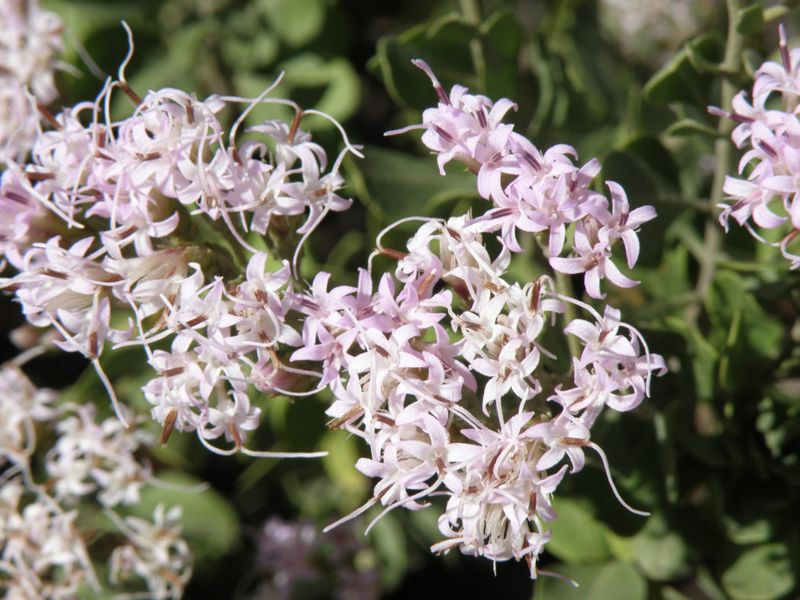
Garberia produces lavender-pink flowers in fall that attract pollinators, including butterflies, at a time when many other plants have finished blooming. The Wildflower Foundation notes its strong drought tolerance once established.
That makes it a genuine low-fuss shrub for scrub-style sandy beds. It keeps a manageable size that works well in home landscapes without constant pruning.
Do not expect to grab this one off a big-box shelf. Garberia is best sourced through native plant nurseries, specialty native growers, or Florida Native Plant Society sales.
Call ahead to check availability before making a trip. Planted in well-drained sandy soil with full sun and no excess irrigation, garberia can become one of the toughest and most interesting shrubs in a dry native bed.
It offers something genuinely different from the predictable lineup of clipped ornamental shrubs, and pollinators clearly agree. Give it the right sandy site and it will handle the rest.
2. Use Darrow’s Blueberry For Native Fruit In Acidic Sandy Soil
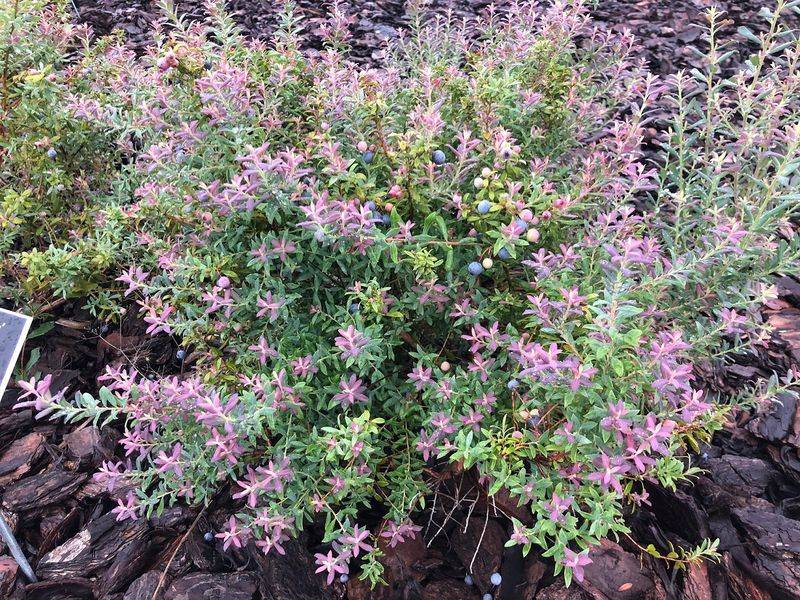
Imagine a sandy yard where every shrub you plant looks purely ornamental, and you find yourself wishing something edible and native could fill that corner instead. Darrow’s blueberry, Vaccinium darrowii, is a low-growing native blueberry.
According to UF/IFAS Gardening Solutions, it fits acidic sandy soils across parts of this state.
UF/IFAS notes that this species is semi-evergreen to evergreen, stays relatively compact, and produces small berries that birds and other wildlife value. The white spring flowers add seasonal interest before the fruit develops.
It performs best in full sun to light shade with well-drained, acidic sandy soil, and it does not appreciate soggy or alkaline conditions.
Honest gardeners should know that fruit production depends heavily on site conditions, soil acidity, sun exposure, and overall plant health. Do not expect grocery-store yields.
Your Florida Garden Changes Every Week. Your Plan Should Too.
Gardening in Florida changes quickly throughout the season. Every Friday you’ll receive a simple weekly plan showing exactly what to plant, prune, fertilize, harvest, and protect so you never miss the right timing.
Think of the fruit as a wildlife bonus rather than a harvest guarantee. Darrow’s blueberry is a specialty-native-nursery find, not a guaranteed big-box item, so sourcing it takes a little planning.
Check with local native nurseries or Extension-connected plant sales for availability.
When you find it and plant it in the right acidic sandy spot, this compact native shrub brings edible interest, wildlife habitat, and seasonal flowers to a space that might otherwise hold just another plain ornamental.
3. Choose Blazing Star For Purple Spikes In Dry Open Beds
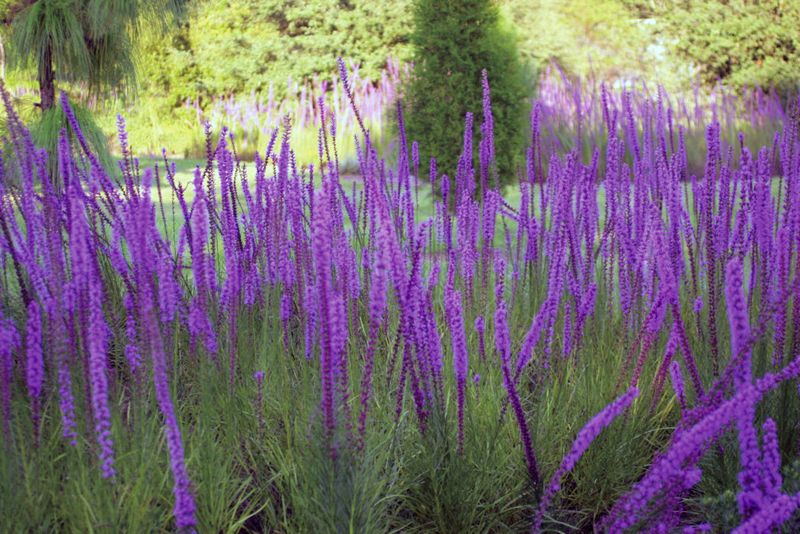
A flat, sunny sandy bed can feel like a design problem when everything you plant stays low and shapeless. Blazing star solves that with bold upright purple flower spikes that rise above the surrounding planting and stop pollinators mid-flight.
The Florida Wildflower Foundation supports blazing star species as native wildflowers that bring strong vertical interest to dry sunny sites.
Blazing star blooms in late summer through fall, a season when many sandy beds look tired and flat. Butterflies, bees, and other pollinators visit the flowers reliably, according to the Wildflower Foundation.
The plants grow from corms and can return season after season in the right dry site once they are established and not overwatered.
An important nuance worth knowing is that blazing star covers multiple species, and not every species tolerates dry sandy conditions equally well. Some prefer moister soils.
Ask your native nursery specifically for a species suited to dry sandy sites in your region, rather than picking any blazing star off a rack. UF/IFAS and the Wildflower Foundation can help you identify the right match.
Getting the species right means the difference between a thriving vertical accent and a struggling plant.
Planted correctly in a sunny sandy bed, blazing star delivers a dramatic seasonal show that genuinely surprises visitors who expect only low ground-hugging plants.
4. Grow Silkgrass For Silver Texture In Lean Sandy Ground
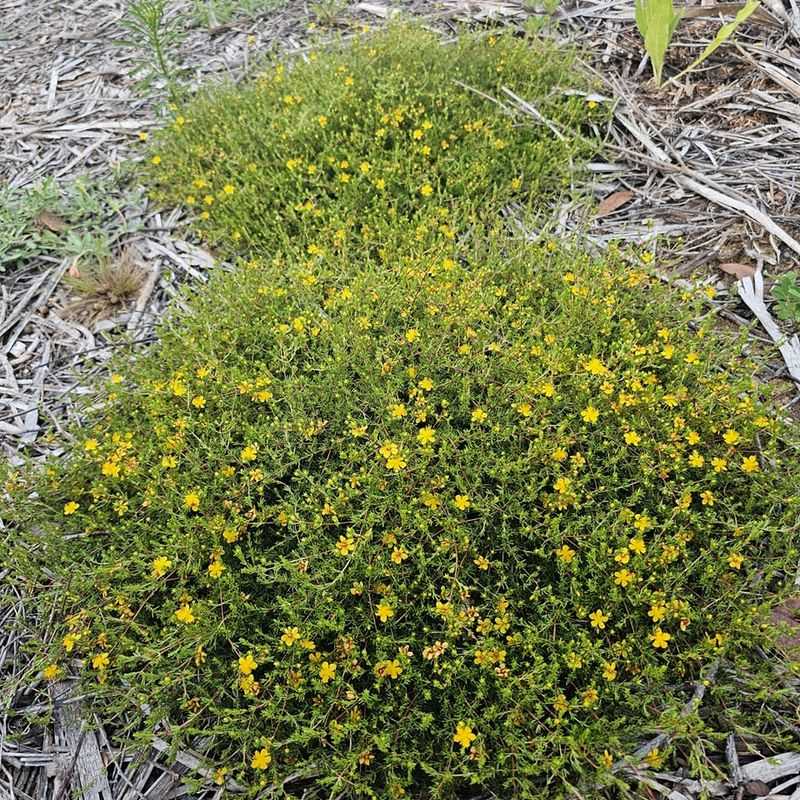
Texture is one of the hardest things to create in a dry sandy native bed, especially when you want something that is not just another clumping grass. Silkgrass, also known as narrowleaf silkgrass or Pityopsis graminifolia, fills that role beautifully.
UF/IFAS Gardening Solutions describes it as a native wildflower with silvery, grass-like foliage that works well in dry sandy soils.
The silvery leaves catch light in a way that makes sandy beds look intentional and designed rather than sparse. Yellow daisy-like flowers appear in late summer and fall, adding seasonal color while supporting pollinators.
UF/IFAS notes its suitability for sandhill and dry open habitats. That makes it a natural fit for lean sandy landscapes across central and northern regions of this state.
Silkgrass spreads gradually by rhizomes and can form loose colonies in the right conditions, giving a bed a naturalistic, low-maintenance look over time. Because it thrives in lean soil, avoid fertilizing or overwatering it, as too much richness can work against it.
Finding silkgrass may require a visit to a native plant nursery or a native plant sale rather than a typical garden center. It is worth the search.
Few plants deliver this combination of silvery foliage, late-season flowers, pollinator support, and genuine drought toughness in fast-draining sandy ground.
5. Use Pineland Heliotrope For Tiny Flowers In Hot Sandy Spots
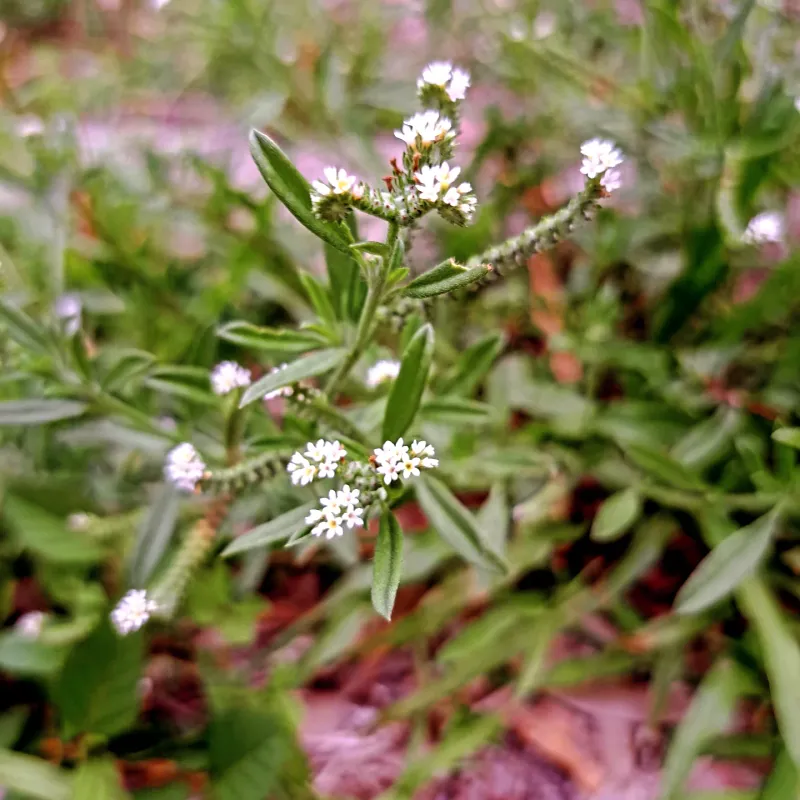
Some spots in a sandy yard are just brutal. Full sun, reflected heat, almost no organic matter, and whatever you plant there just fades away by July.
Pineland heliotrope is a small native wildflower that actually belongs in that kind of punishing hot sandy environment. The Florida Wildflower Foundation supports native heliotrope species as plants suited to dry pinelands and open sandy habitats.
The flowers are small but they attract native bees and other pollinators that appreciate the nectar during warm months. The plant stays low and fits tight spots, gaps in rocky or sandy beds, or edges of native plantings where larger shrubs would be too much.
Its dry-site tolerance is genuine, rooted in the pineland habitats where it naturally grows.
A word of caution about common names: heliotrope is used for many unrelated plants, including non-native species. Always ask your native nursery for the correct botanical name and confirm the plant is the appropriate native species for your region.
Availability can be seasonal or limited, so calling ahead before visiting is smart. Do not substitute a non-native heliotrope thinking it will behave the same way.
When you find the right plant and place it in a hot, sandy, sunny gap, it fills that difficult spot with something genuinely alive and ecologically useful rather than leaving bare sand.
6. Choose Twinflower For A Low Native Groundcover In Dry Sand
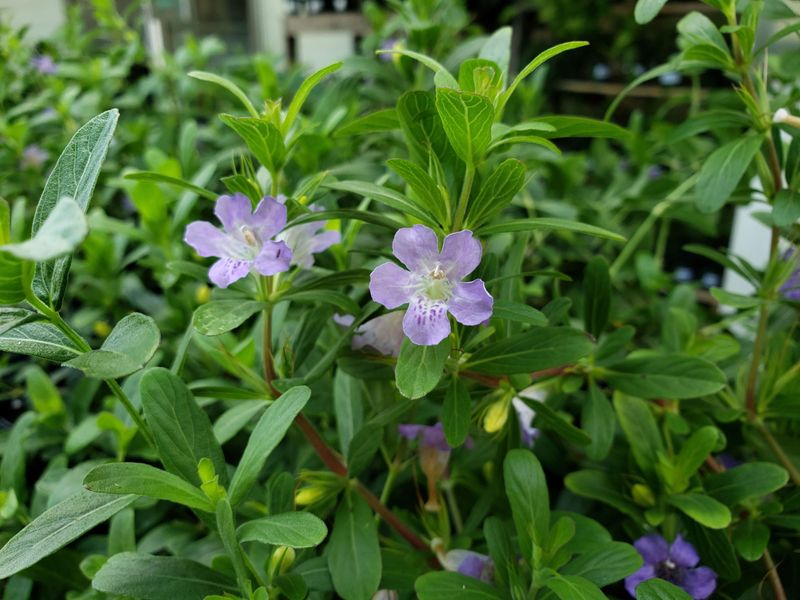
Hot bare patches in a sandy bed have a way of defeating even the most patient gardener. Mulch blows off, shifts around, and never looks quite right after the first season.
Twinflower, Dyschoriste oblongifolia, offers a living answer to those stubborn bare spots. The Wildflower Foundation describes it as a low-growing native wildflower that spreads and works as a groundcover in dry sunny sites.
The small purple flowers appear through warm months and attract native bees, adding pollinator value to areas that might otherwise stay bare and ecologically quiet.
Twinflower spreads gradually to cover sandy patches, giving beds a softer, more finished look without requiring irrigation or fertilizer once it is established in the right site.
Be realistic about what twinflower can handle. It is not a turf replacement for areas with foot traffic, pets, or heavy use.
Think of it as a native bed filler, a low edge plant, or a cover for open sandy patches in low-use areas of the yard. It performs best in full sun to light shade with well-drained sandy soil.
Sourcing may require a native plant nursery or a local plant sale rather than a standard garden center.
Finding it takes a little effort, but once twinflower settles into the right dry sandy spot, it quietly does its job season after season with very little prompting from you.
7. Plant Blackroot If You Find It At A Native Plant Sale
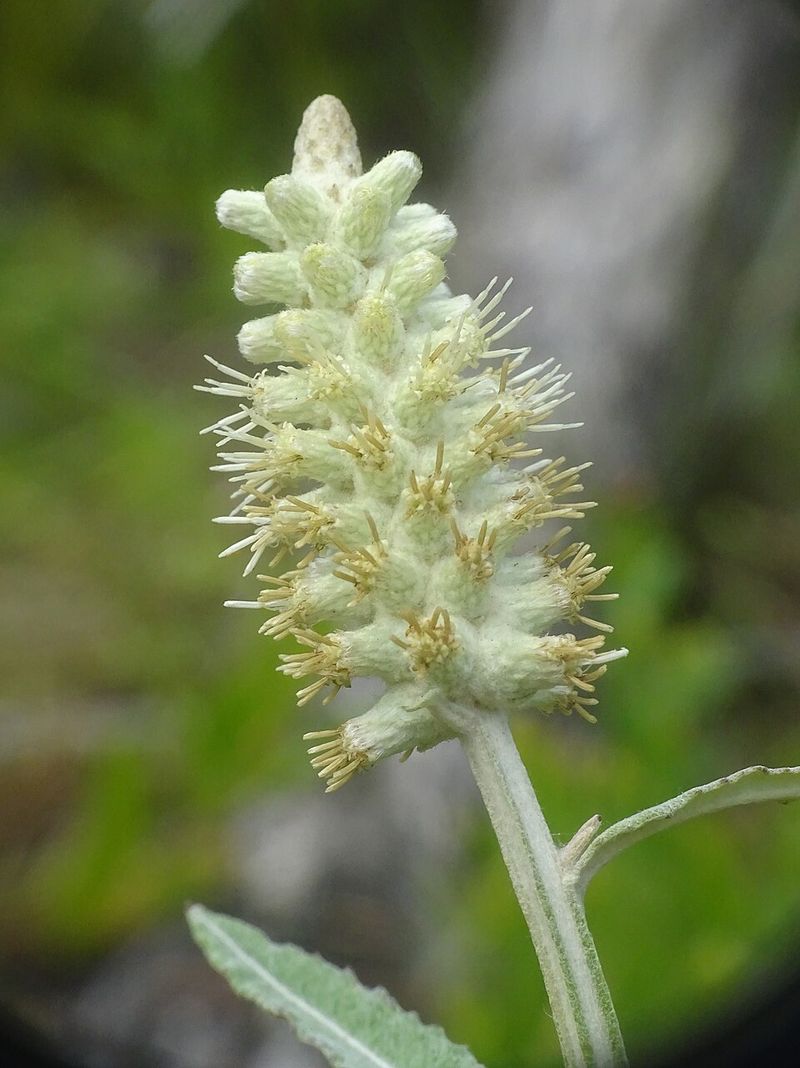
There is a particular thrill that comes from spotting an unusual native at a plant sale. Then you suddenly realize it is exactly what the toughest sandy spot in your yard needs.
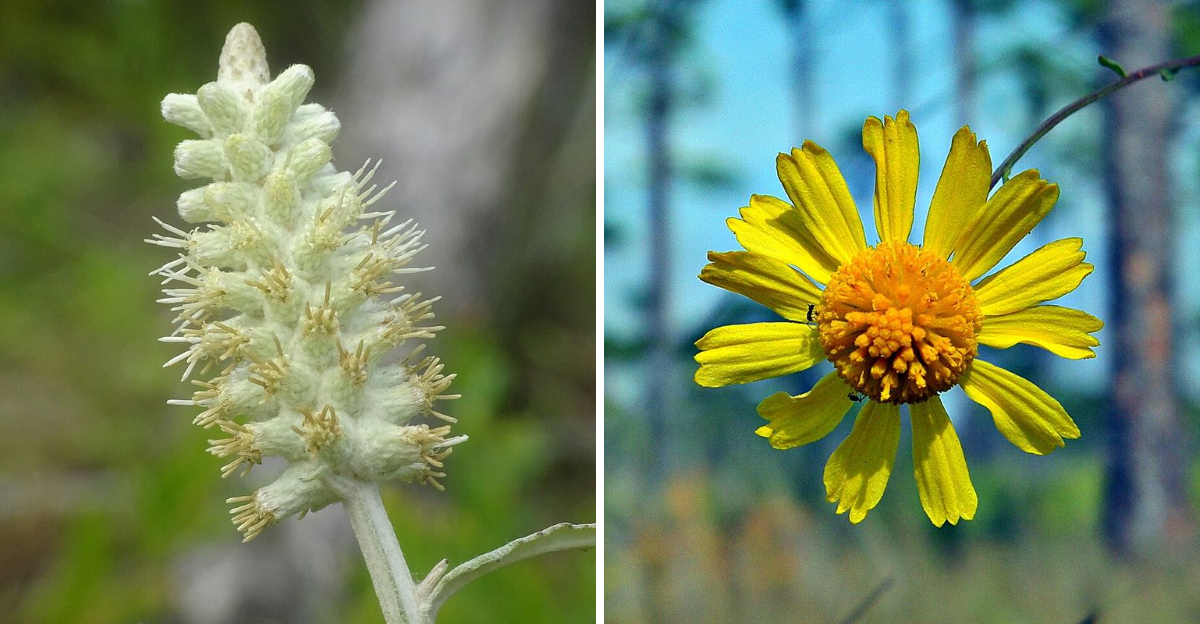
Blackroot, Pterocaulon pycnostachyum, is that kind of find. The Florida Wildflower Foundation describes it as a native wildflower of dry sandy habitats with white flower spikes and strong drought tolerance once established.
The plant gets its name from its dark taproot, which anchors it deep into sandy soil and helps it access moisture that shallow-rooted plants cannot reach.
That taproot also means blackroot resents being moved after planting, so choose its spot thoughtfully from the start.
White blooms appear in spring and attract pollinators looking for early-season nectar sources in dry open areas.
Blackroot is not a plant you will find on a nursery bench every Saturday morning. Treat it as a grab-it-when-you-see-it native rather than a guaranteed weekend purchase.
Check with the Native Plant Society chapters, native plant sales hosted by water management districts, or specialty growers who focus on dry-site wildflowers. Never dig plants from wild areas, no matter how tempting.
When you do find blackroot and place it in a sunny, well-drained sandy bed, it brings a quiet toughness and ecological authenticity that makes it one of the most rewarding surprises in a native sandy-soil planting.
8. Use Coastalplain Honeycombhead For A Wildflower Meadow Look
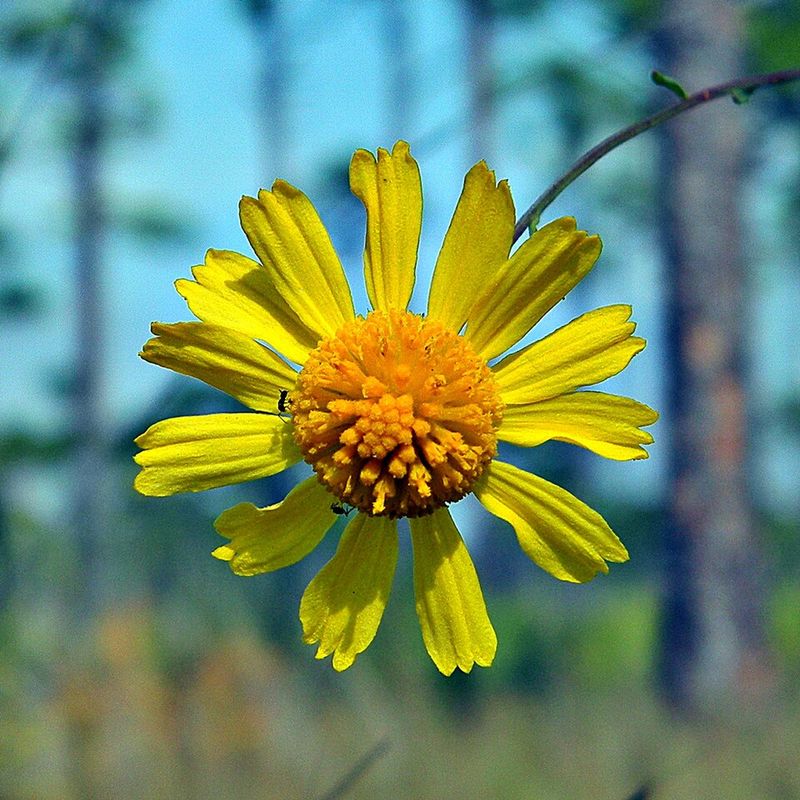
A sunny sandy corner that collects nothing but heat and bare mulch could become something worth looking at every morning.
Coastalplain honeycombhead, Balduina angustifolia, is a native wildflower that brings a loose, meadow-style feel to sandy plantings.
The Wildflower Foundation supports it as a dry-site native with cheerful yellow flowers and strong pollinator value in sandy coastal plain habitats.
The yellow blooms appear in summer through fall, a long season of color that benefits bees and butterflies when other wildflowers have finished. The plant has a relaxed, open growth habit that suits naturalistic designs rather than tight formal beds.
It layers well with taller plants like blazing star above it and lower groundcovers like twinflower spreading around it.
Availability is the honest challenge with coastalplain honeycombhead. It may be difficult to find as a potted plant at standard nurseries.
Specialty native growers, native plant sales, and seed sources where legal and appropriate are the most realistic options. Call ahead and ask specifically about this species by botanical name to avoid confusion with similar-looking plants.
Pairing it with silkgrass for silver texture and garberia for shrub structure creates a genuinely fresh sandy-soil design. It feels more like a discovered wild place than a planted bed.
Sandy soil stops being a problem and starts being the whole point when the right plants fill it.