The Best Time To Plant Sunflowers In Kansas For Summer-Long Color
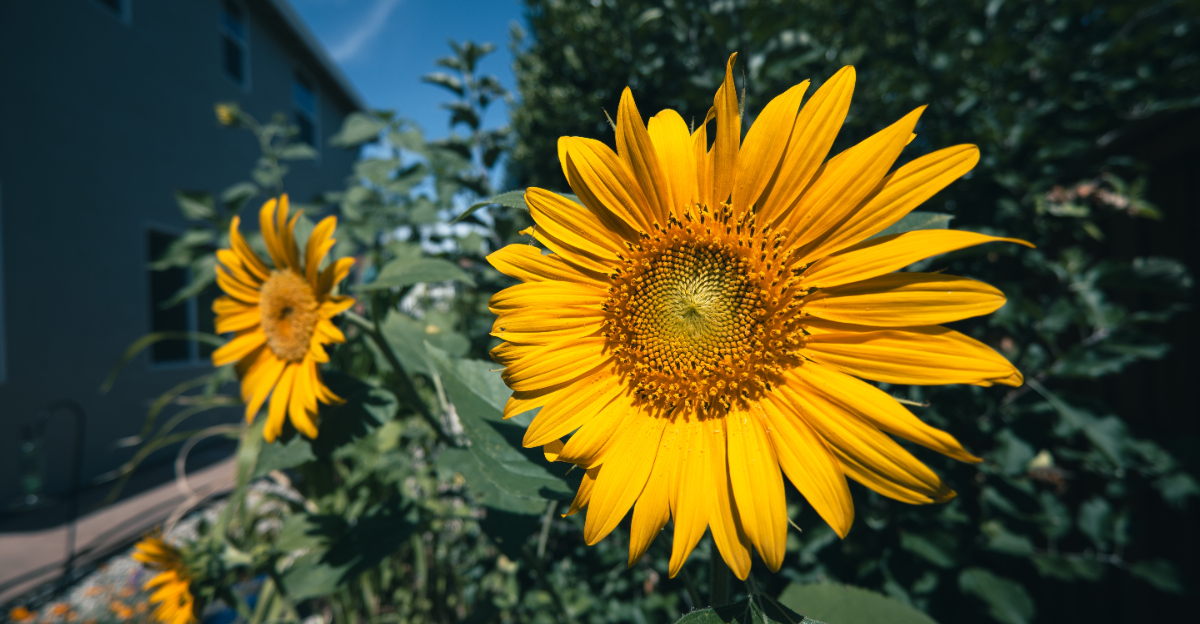
Sunflowers and Kansas were made for each other. The wide skies, the heat, the long summer days, everything about this state wants them to grow.
But there is a reason some yards explode with color all season while others fizzle out by August. Timing.
Most gardeners plant too late, pick the wrong variety, or treat all of Kansas like it has the same growing conditions. It does not. From the humid east to the dry western plains, the state plays by different rules.
Get the timing right and you can have blooms running from early June deep into September. Get it wrong and you are staring at a short window that closes before summer even hits its stride.
The difference comes down to a few decisions made before the first seed ever touches the soil.
There’s A Right Moment, And Kansas Makes It Easy To Miss
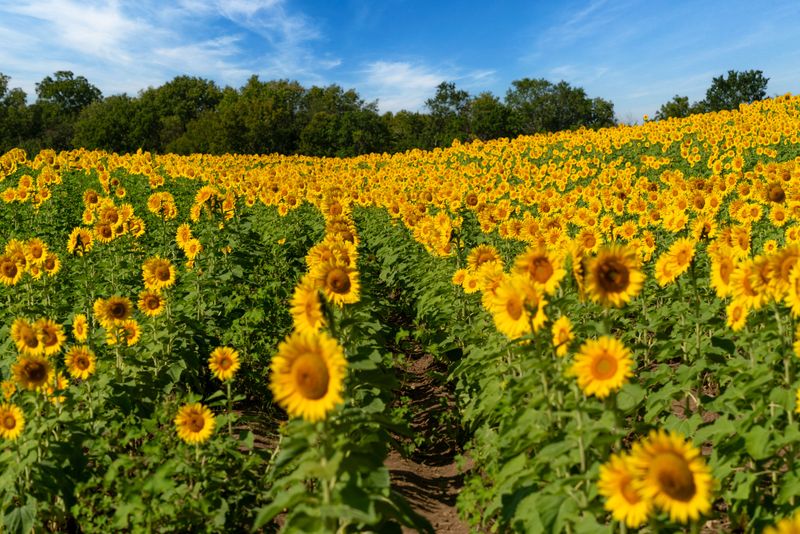
Miss the window by two weeks and your summer can look very different. The best time to plant sunflowers in Kansas is between late April and mid-May, once the last frost has passed.
Kansas sits in USDA Hardiness Zones 5b through 7a, which means spring arrives fast and unpredictably. A warm week in March can trick even experienced gardeners into planting too early.
Frost dates in Kansas typically run through mid-April in the north and early April in the south. Jumping the gun means cold soil and sluggish germination, or worse, a wiped-out seedling.
The sweet spot is when overnight temps stay consistently above 50 degrees Fahrenheit. That warmth signals the soil is ready to wake up and get to work.
Sunflowers are tough, but they are not frost-proof. One late cold snap can set your whole season back by several weeks.
Watching your local forecast closely during late April is the smartest move you can make. Patience in spring pays off in July when those big blooms start opening wide.
How Kansas Climate Shapes Your Planting Window
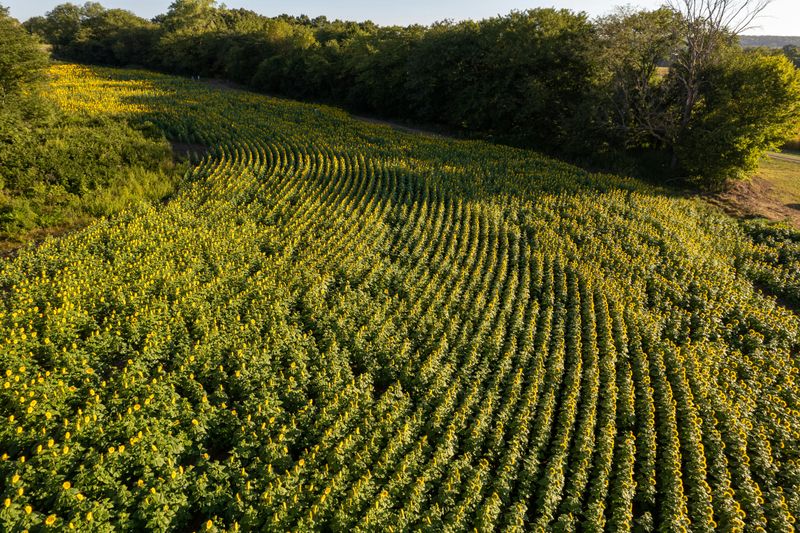
Hot summers, cold winters, and wind that never seems to stop, that is Kansas in three phrases. The climate here creates a specific planting window that gardeners need to respect.
Spring in Kansas heats up fast, often jumping from cool to scorching in just a few weeks. That quick seasonal shift means sunflowers have a narrow but powerful growing season to work with.
Average summer temperatures across the state regularly hit the upper 80s and low 90s. Sunflowers love heat, but planting too late pushes blooms into the most brutal part of August.
Rainfall in Kansas is unpredictable, especially in the western half of the state. Dry spells are common, so choosing a planting date that allows roots to establish before peak heat is smart planning.
Wind is another factor that shapes your timing. Strong spring gusts can dry out newly planted seeds and stress young seedlings before they anchor themselves.
Planting after the soil has warmed but before summer heat peaks gives your sunflowers the best possible start. A strong root system built in May will carry blooms through the toughest July days with ease.
Your Kansas Garden Changes Every Week. Your Plan Should Too.
Gardening in Kansas changes quickly throughout the season. Every Friday you’ll receive a simple weekly plan showing exactly what to plant, prune, fertilize, harvest, and protect so you never miss the right timing.
Soil Temperature Is The Real Signal To Watch
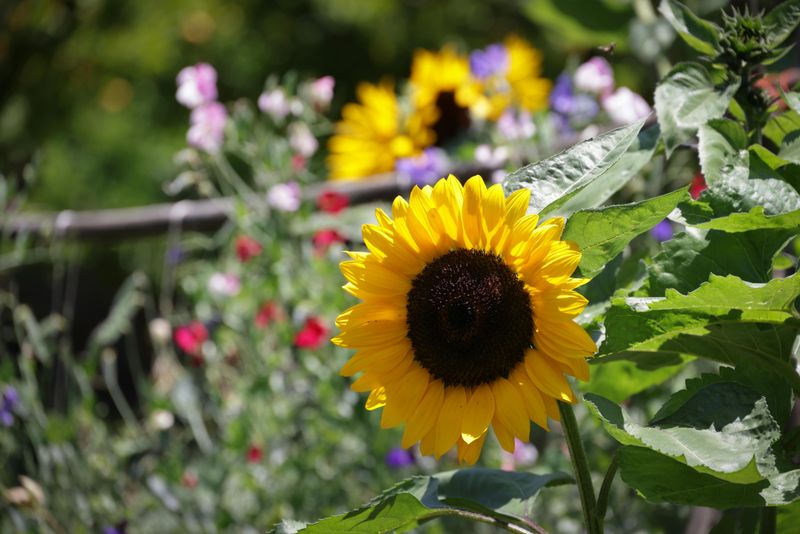
Forget the calendar for a moment, the ground tells you more than any date ever could. Sunflower seeds germinate best when soil temperature sits between 55 and 70 degrees Fahrenheit.
A soil thermometer costs about ten dollars and is one of the most useful tools a home gardener can own. Push it two inches into the ground in the morning for the most accurate reading.
Cold soil slows germination dramatically and leaves seeds vulnerable to rot and fungal issues. Waiting for that 55-degree mark is not being overly cautious, it is just smart gardening.
In central Kansas, soil temps usually hit the target around late April to early May. Northern parts of the state may need to wait until the second week of May to be safe.
Once the soil crosses 60 degrees, sunflower seeds can germinate in as little as seven to ten days. Below 50 degrees, that same process can drag on for three weeks or stall completely.
Checking soil temperature takes sixty seconds and removes all the guesswork. That one small habit can save you weeks of waiting on seeds that were never going to sprout.
Stagger Your Plantings For Blooms That Last
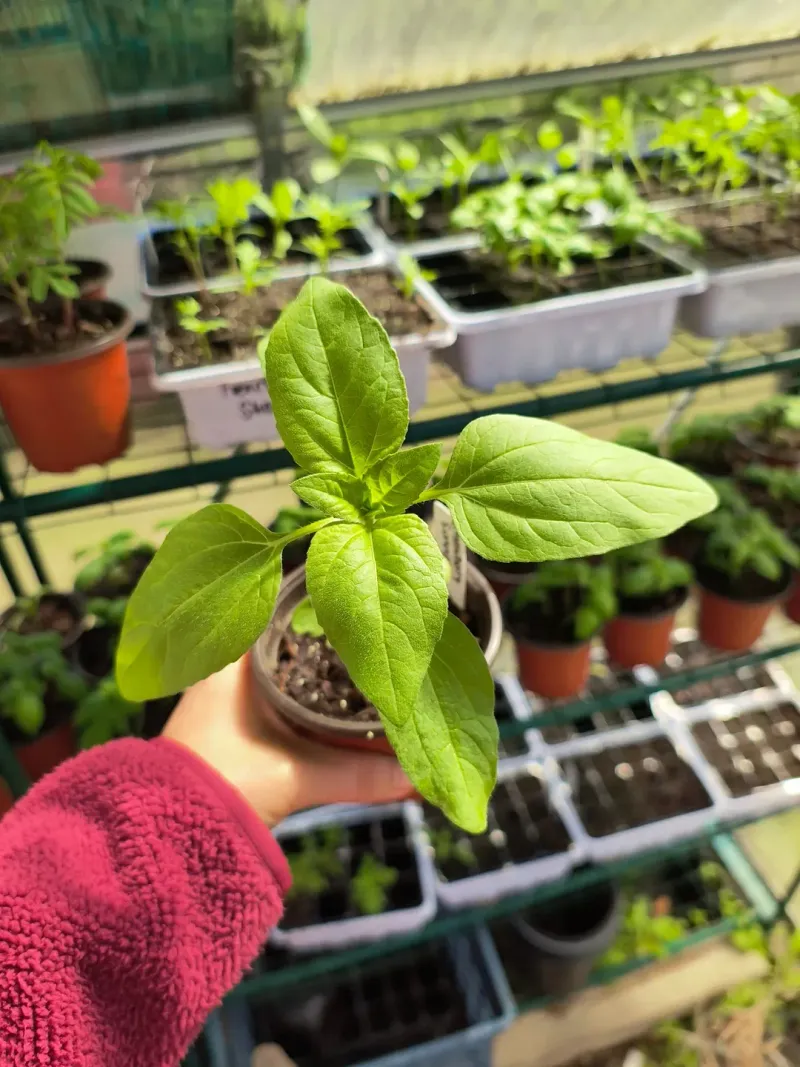
One planting date gives you one burst of color. Staggered planting gives you a summer-long show that keeps going until September.
The trick is simple: plant a new batch of seeds every two to three weeks from late April through late June. Each round of seeds becomes a new wave of blooms timed perfectly apart.
Start your first round when soil temps hit 55 degrees. Follow up with a second round two weeks later, and a third round two weeks after that.
By the time your first sunflowers are fading in late July, your second batch is just hitting its peak. The third round can carry you all the way into early fall with fresh color.
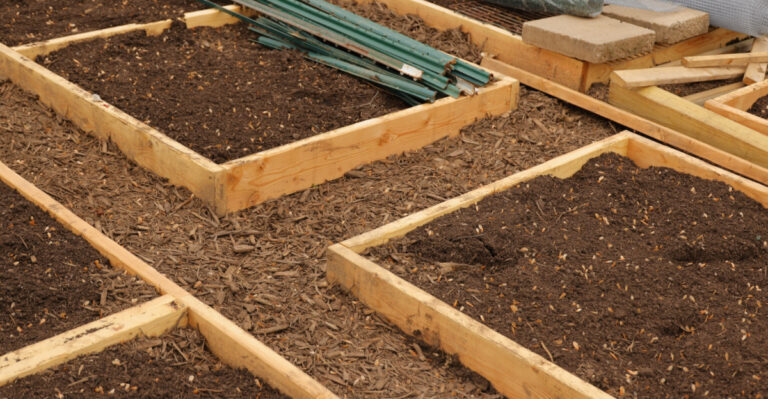
This method works in any size garden, even small raised beds. You do not need rows and rows of space, just a few seeds every couple of weeks does the job beautifully.
Keep a simple garden journal to track each planting date and the bloom time that follows. After one season, you will have a personalized schedule that fits your specific yard and microclimate perfectly.
Starting Sunflowers Indoors Vs. Direct Sowing
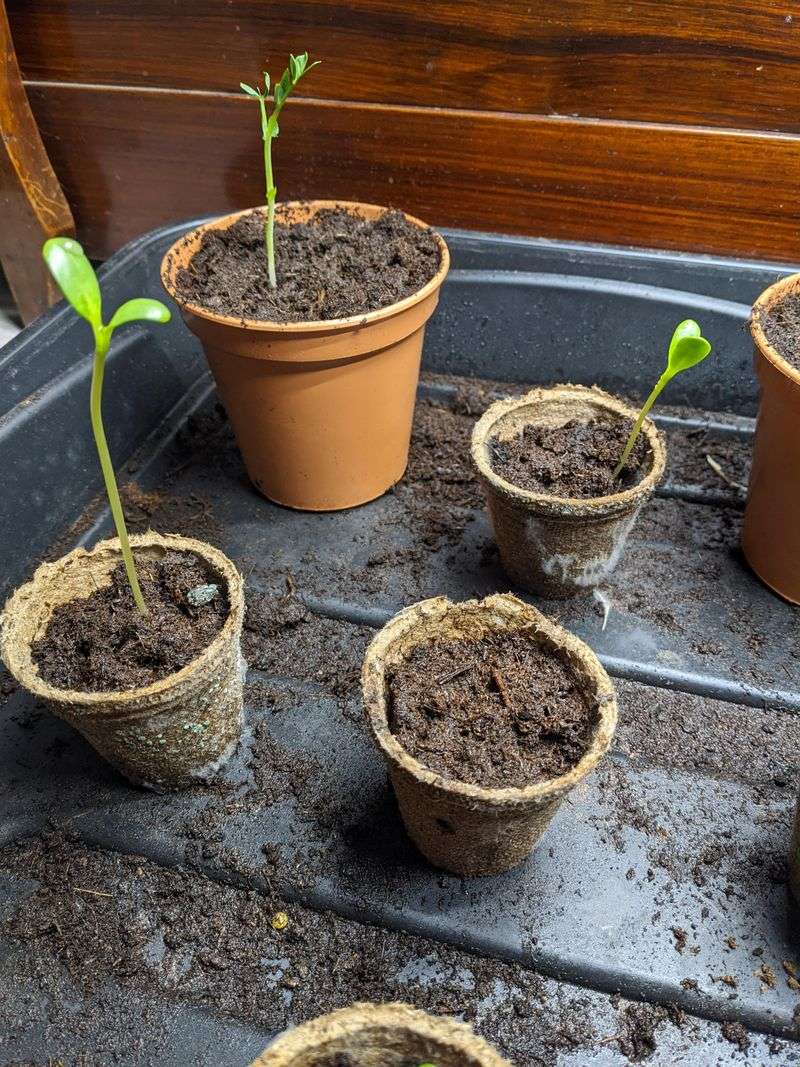
Most gardeners hear conflicting advice about this choice, and the confusion is understandable. The truth is that sunflowers strongly prefer being sown directly in the ground where they will grow.
Their taproots grow fast and deep, and they prefer to settle in undisturbed once they get going. Transplanting sunflowers, even carefully, can shock the roots and slow growth by weeks.
Direct sowing after the last frost date is the easiest and most reliable approach for Kansas gardeners. Push seeds one inch deep, water them in, and let the warm soil do the rest.
If you want to get a jump on the season, starting indoors is possible but requires biodegradable pots. Plant the whole pot in the ground without disturbing the roots to reduce transplant shock significantly.
Indoors, seeds need bright light, a south-facing window or a grow light works well. Without enough light, seedlings get leggy and weak before they ever touch outdoor soil.
For most home gardeners, direct sowing wins on simplicity and results in nearly every situation. Skip the indoor hassle, wait for warm soil, and let the garden do what it does best naturally.
Varieties That Perform Best In Kansas Heat
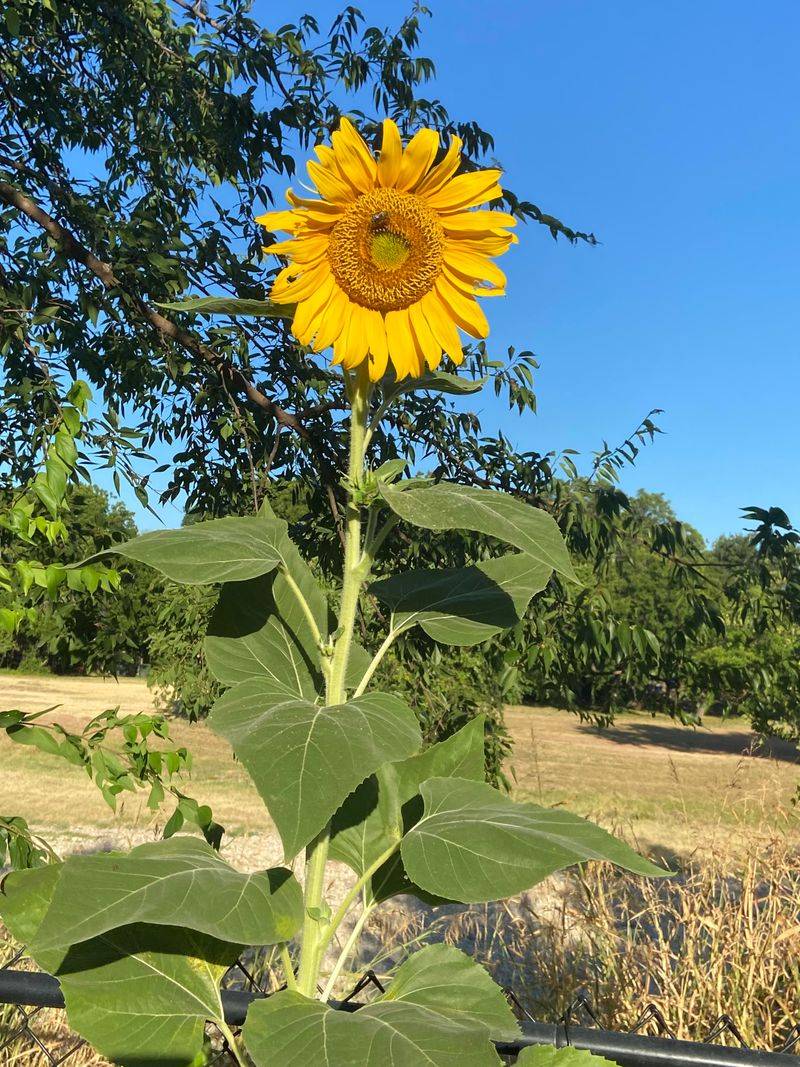
Not every sunflower is built for the Kansas summer grind. Some varieties wilt under intense heat while others seem to thrive on it like they were born for it.
Mammoth Russian is a classic choice, it grows up to twelve feet tall and produces enormous seed heads that wildlife absolutely loves. It is a crowd favorite for a reason.
Red Sun is a rich, dark-red variety that branches freely and adds dramatic color contrast to any garden space. The deep burgundy petals look almost painted against a blue sky.
Autumn Beauty is a multi-branching type that produces dozens of blooms per plant in shades of gold, rust, and bronze. One plant gives you a bouquet all season long without replanting.
Teddy Bear sunflowers stay compact at around two feet tall, making them perfect for containers or small garden beds. Their fluffy double blooms are a hit with kids and pollinators alike.
Lemon Queen is a pollinator magnet with pale yellow petals and a long blooming period that stretches deep into late summer. Pairing two or three varieties gives your garden color, height variety, and season-long interest.
What To Do After Planting To Keep Blooms Coming
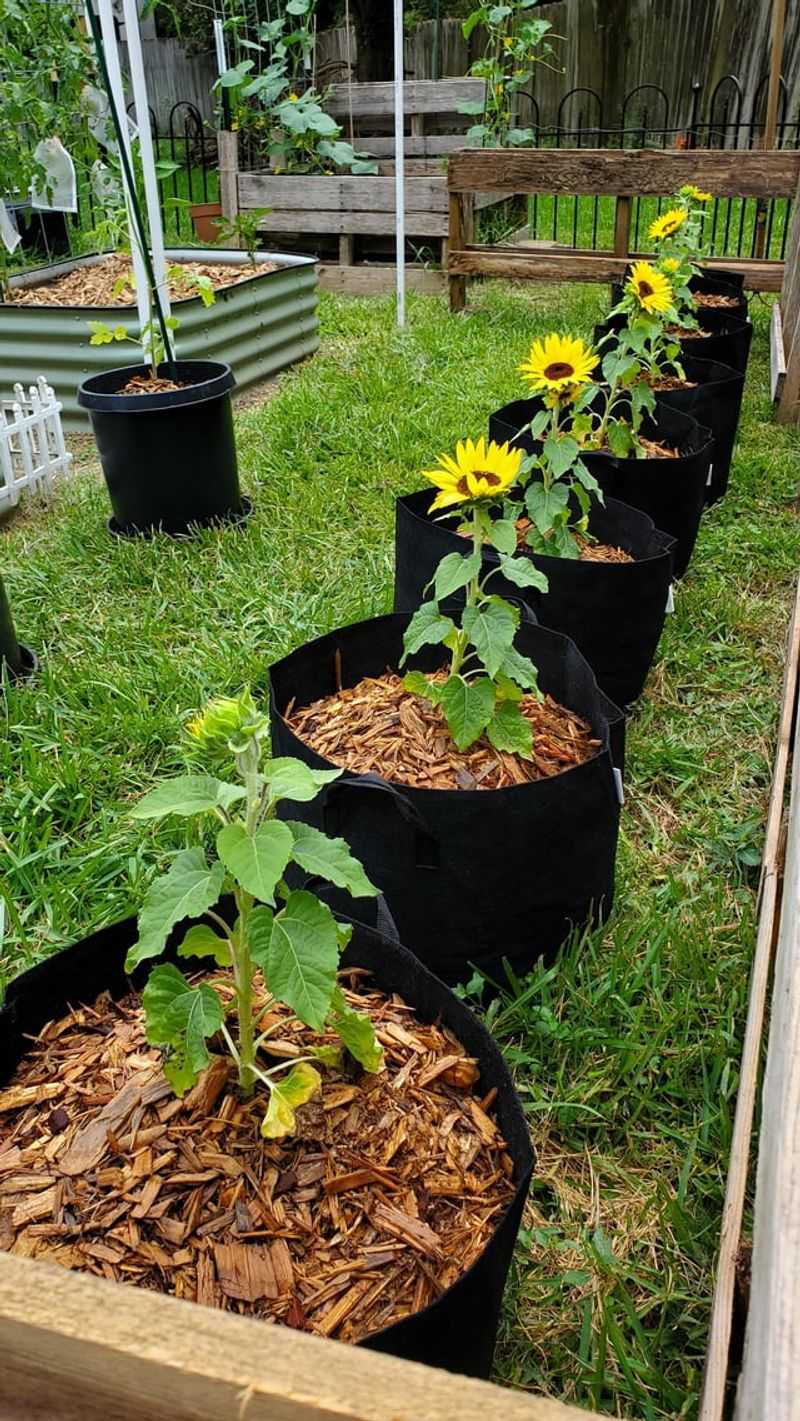
Getting seeds in the ground is only the beginning of the story. What happens in the weeks after planting determines whether your garden thrives or just survives the season.
Water deeply once or twice a week rather than giving shallow daily sprinkles. Deep watering encourages roots to chase moisture downward, building a strong anchor for tall plants.
Mulching around the base of young plants helps retain soil moisture and keeps weeds from stealing nutrients. A two-inch layer of straw or wood chips makes a noticeable difference during hot, dry spells.
Fertilizing lightly with a balanced fertilizer when plants reach six inches tall gives them a boost. Avoid high-nitrogen blends, which push leafy growth at the expense of blooms.
Removing spent flowers on branching varieties encourages the plant to push out new buds. On single-stem types, leave the head in place for birds to enjoy the seeds.
Keep an eye out for aphids and leaf miners, which love young sunflower growth. A strong spray of water from the hose handles aphids well without any chemicals needed. For leaf miners, remove affected leaves as soon as you spot the telltale trails.
The best time to plant sunflowers in Kansas is just the start, consistent care is what turns a good garden into a great one.