Why Arizona Gardeners Are Ripping Out Their Bermuda Grass And What They’re Planting Instead
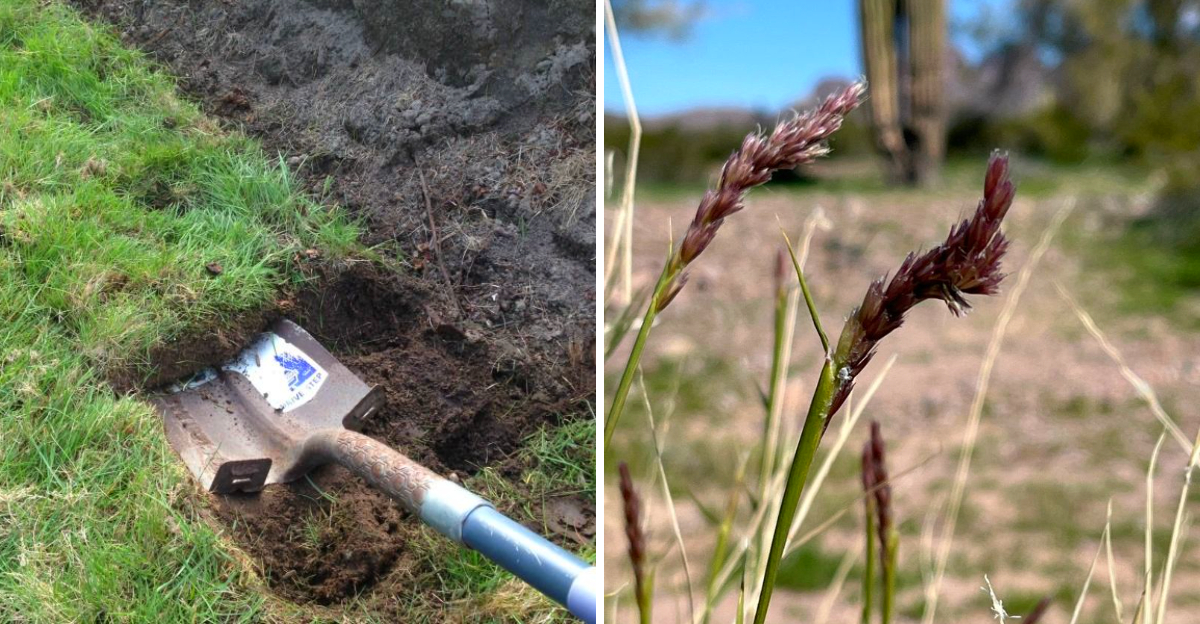
Somewhere along the way, a lot of Arizona homeowners ended up with a Bermuda grass lawn and a nagging feeling that something isn’t quite adding up.
The water bill keeps climbing, the mowing schedule never really ends, winter overseeding rolls around every single year, and meanwhile the yard itself might get used on a good weekend maybe twice a month.
It’s a lot of effort for a patch of grass that’s basically just sitting there looking thirsty.
Arizona’s relationship with traditional lawns is shifting in a real and noticeable way, and honestly it makes complete sense.
The interest in low-water landscaping has exploded across the region, and people are finding alternatives that look genuinely great without demanding nearly as much time, money, or water.
Bermuda grass had a good run. But there are some seriously compelling options worth knowing about.
1. Bermuda Grass Feels Harder To Justify In Arizona
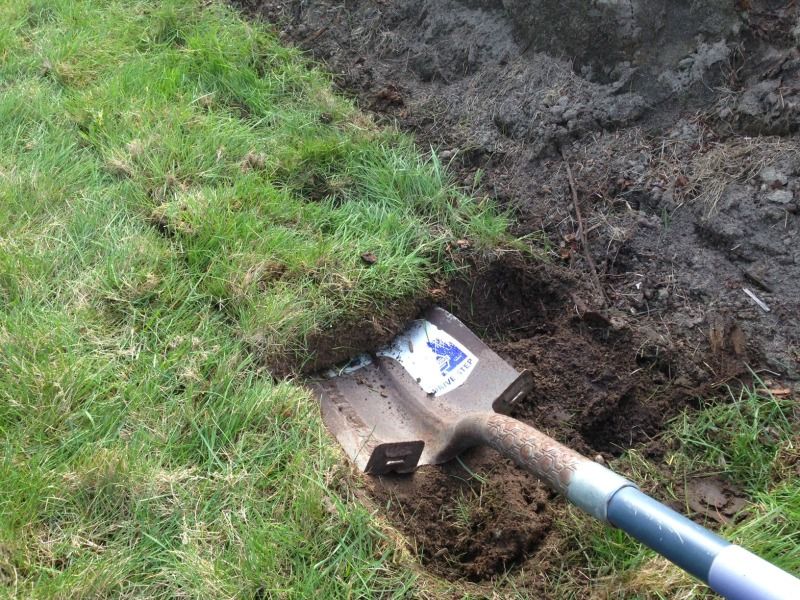
Hot backyards in Arizona have a way of making homeowners rethink old habits. A lawn that looks lush in spring can become a source of stress by midsummer, especially when water bills climb and the yard barely gets used.
Many residents are starting to weigh the costs more carefully and asking whether a decorative patch of Bermuda grass is really worth maintaining year after year.
Bermuda grass is a warm-season turf that thrives in heat and sun, which makes it a common choice across Arizona. But its water needs during peak summer months can be significant, and the maintenance routine that comes with it adds up quickly.
For yards that serve mostly as visual filler between the house and the sidewalk, that investment can feel hard to defend.
Some homeowners are also factoring in the winter overseeding process, which involves planting ryegrass over dormant Bermuda to keep the lawn green through cooler months. That adds another layer of cost, labor, and water use.
When a lawn is mostly decorative and rarely walked on, the full picture of what Bermuda grass requires can be enough to push someone toward a change.
Bermuda grass can still make sense in active play areas, but low-use spaces are increasingly being reconsidered across the state.
2. Nonfunctional Bermuda Grass Uses A Lot Of Water
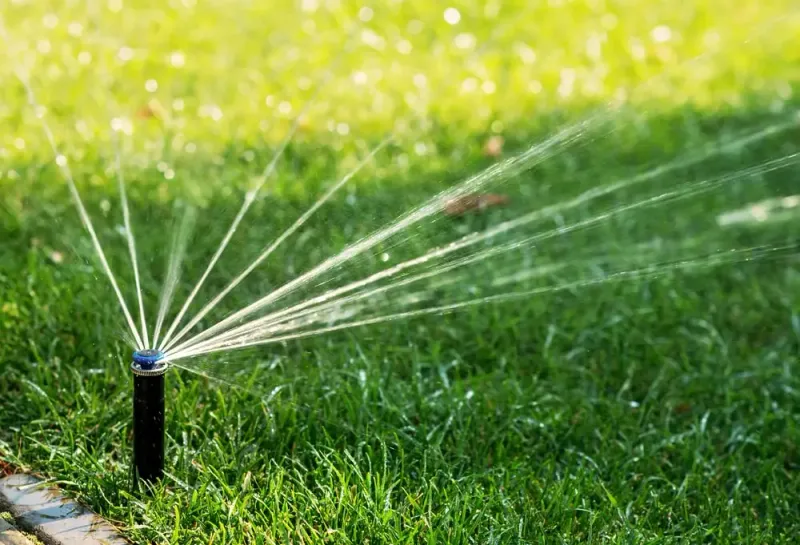
Walk through almost any Arizona neighborhood in July and you will likely spot sprinkler systems running before sunrise, trying to keep lawns alive through the brutal heat.
Outdoor water use is one of the biggest contributors to high household water bills in Arizona, and turf grass is often the largest piece of that puzzle.
When a lawn exists mostly for looks and rarely sees foot traffic, the water going into it can feel especially difficult to justify.
Nonfunctional turf is a term used to describe grass areas that are mostly decorative, such as narrow side yard strips, front yard patches, or backyard sections that no one regularly uses.
In Arizona, these areas can require frequent irrigation during the long, hot summer months to stay green and healthy.
Your Arizona Garden Changes Every Week. Your Plan Should Too.
Gardening in Arizona changes quickly throughout the season. Every Friday you’ll receive a simple weekly plan showing exactly what to plant, prune, fertilize, harvest, and protect so you never miss the right timing.
That level of water use adds up fast, especially in communities already dealing with water supply concerns.
Some cities and water providers have begun offering rebates and incentives for homeowners who remove nonfunctional turf and replace it with lower-water options.
These programs reflect a broader recognition that decorative grass in a desert climate carries real environmental and financial costs.
Homeowners who switch to low-water lawn alternatives in nonfunctional areas can often see meaningful reductions in their outdoor water use over time, though results vary depending on yard size, soil type, and irrigation habits.
3. Bermuda Grass Can Mean More Mowing And Maintenance
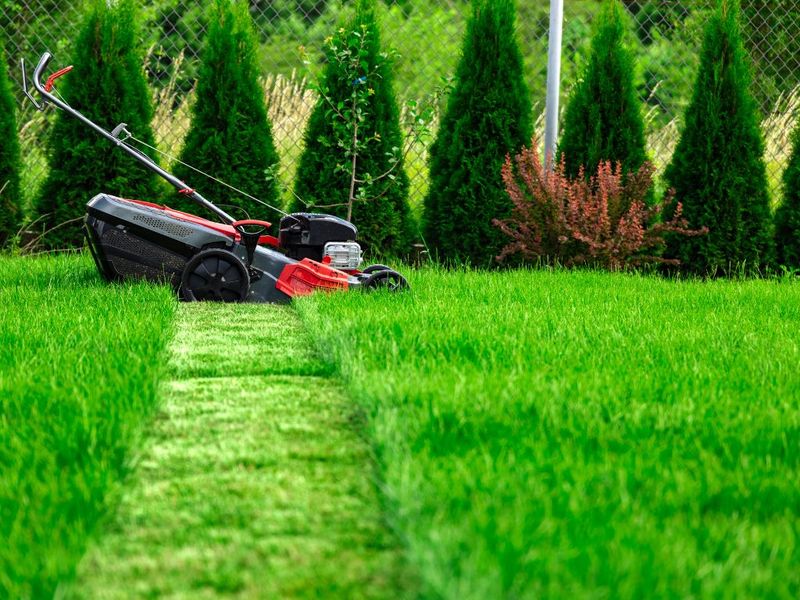
Few things make a hot Saturday feel longer than pushing a mower across a lawn that grows back within days.
Bermuda grass is known for its aggressive growth habit during warm months, which means mowing frequency can increase significantly from late spring through early fall.
For homeowners with busy schedules, that kind of recurring commitment starts to wear thin pretty quickly.
Beyond mowing, Bermuda grass has a tendency to spread into garden beds, sidewalk cracks, and neighboring planting areas through both runners and underground stems.
Managing that spread takes consistent edging, trimming, and sometimes chemical treatments to keep it contained.
In a typical Arizona yard, where desert plants and hardscape often sit alongside turf areas, that creeping behavior can become a real headache.
Thatch buildup is another consideration. Bermuda grass can accumulate a layer of built-up organic material near the soil surface that requires periodic dethatching to keep the lawn healthy and receptive to water.
Add in fertilizing, pest monitoring, and the occasional overseeding for winter color, and the maintenance calendar for a Bermuda lawn in Arizona can feel surprisingly full.
For homeowners who are weighing whether a low-use lawn area is worth the ongoing effort, the mowing and upkeep alone can be a strong reason to explore lower-maintenance alternatives that still provide a green, lawn-like appearance.
4. Buffalograss Offers A Low-Water Lawn Look
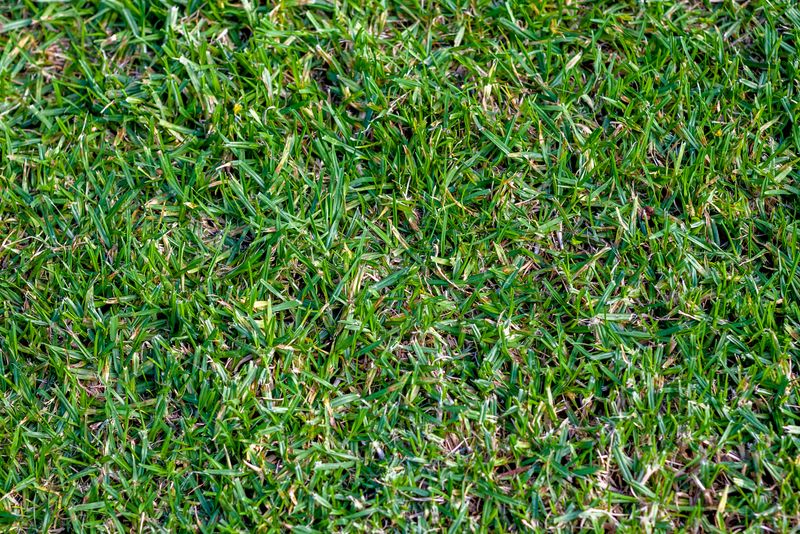
There is something quietly appealing about a grass that asks for very little and still manages to look like a lawn.
Buffalograss is a native prairie grass that has been gaining attention in Arizona as a lower-water alternative to Bermuda, particularly in yards where the goal is a traditional turf look without the heavy irrigation demands.
It forms a low, fine-textured carpet that stays relatively tidy without constant mowing.
Buffalograss is drought-tolerant once established, though it does need regular watering during the establishment phase to get its root system settled in.
After that, many homeowners find they can significantly reduce irrigation compared to a Bermuda lawn, especially in areas that receive some summer monsoon rainfall.
It handles Arizona heat reasonably well and tends to go dormant and turn a straw color during cooler months, which is worth knowing before planting.
Foot traffic tolerance is moderate, making buffalograss a reasonable fit for low-to-moderate use areas rather than high-activity spaces like play zones or pet runs.
It spreads through stolons and can fill in over time, though establishment can be slower than some homeowners expect.
Plugs, sod, and seed are all available, and each has different establishment timelines. For decorative front yards or lightly used backyard sections in Arizona, buffalograss offers a genuinely lawn-like appearance with a noticeably lighter maintenance and water footprint.
5. Blue Grama Creates A Softer Meadow Lawn
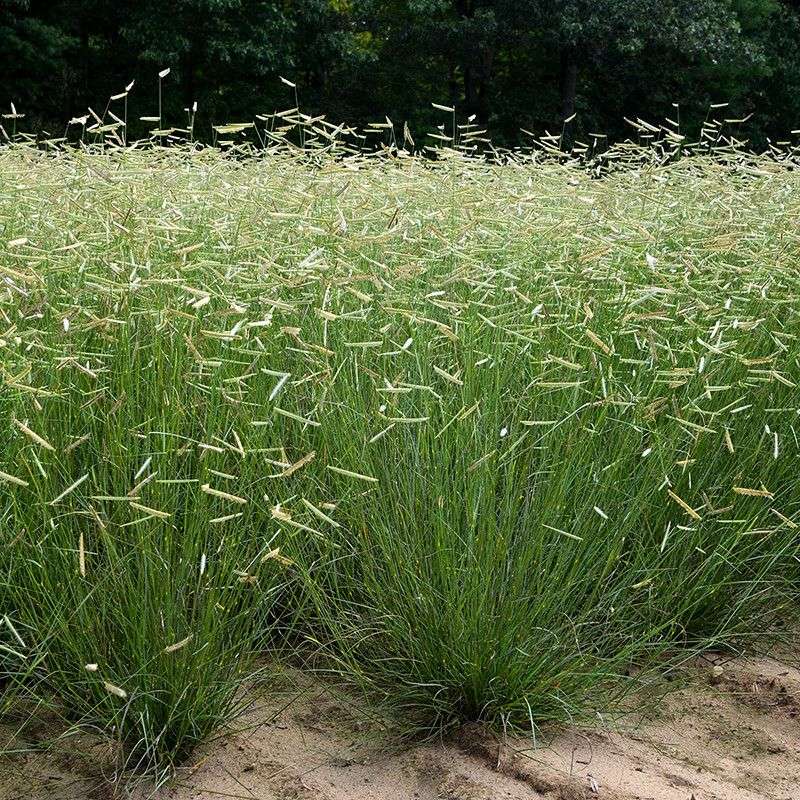
Some grasses do not try to look like a golf course, and that is exactly what makes them interesting.
Blue grama is a fine-leaved native grass with a naturally relaxed, meadow-like appearance that appeals to homeowners who want something softer and more organic-looking than a traditional clipped lawn.
Its distinctive curved seed heads, which resemble tiny eyelashes, add a subtle visual texture that sets it apart from conventional turf.
Native to the grasslands of the western United States, blue grama is well adapted to dry conditions and handles Arizona’s summer heat with reasonable ease.
It is considered one of the more drought-tolerant native grasses available for residential use in the region, though it still benefits from supplemental irrigation during the establishment period and during extended dry spells.
Once established, its water needs tend to be lower than Bermuda grass in comparable conditions.
Blue grama works well as a low-mow or no-mow lawn alternative, particularly in areas where a manicured look is less of a priority.
It pairs naturally with other native plants and desert-adapted groundcovers, making it a good fit for yards that lean toward a naturalistic or low-input aesthetic.
Foot traffic tolerance is modest, so it tends to perform best in areas that see occasional rather than constant use.
For Arizona homeowners interested in a meadow-style lawn feel with reduced irrigation, blue grama is a genuinely interesting option to explore.
6. Big Galleta Covers Open Yard Areas Naturally
Open yard spaces in Arizona can be tricky to fill. Too much bare soil invites weeds, and traditional turf can feel like far more than necessary in areas that rarely see use.
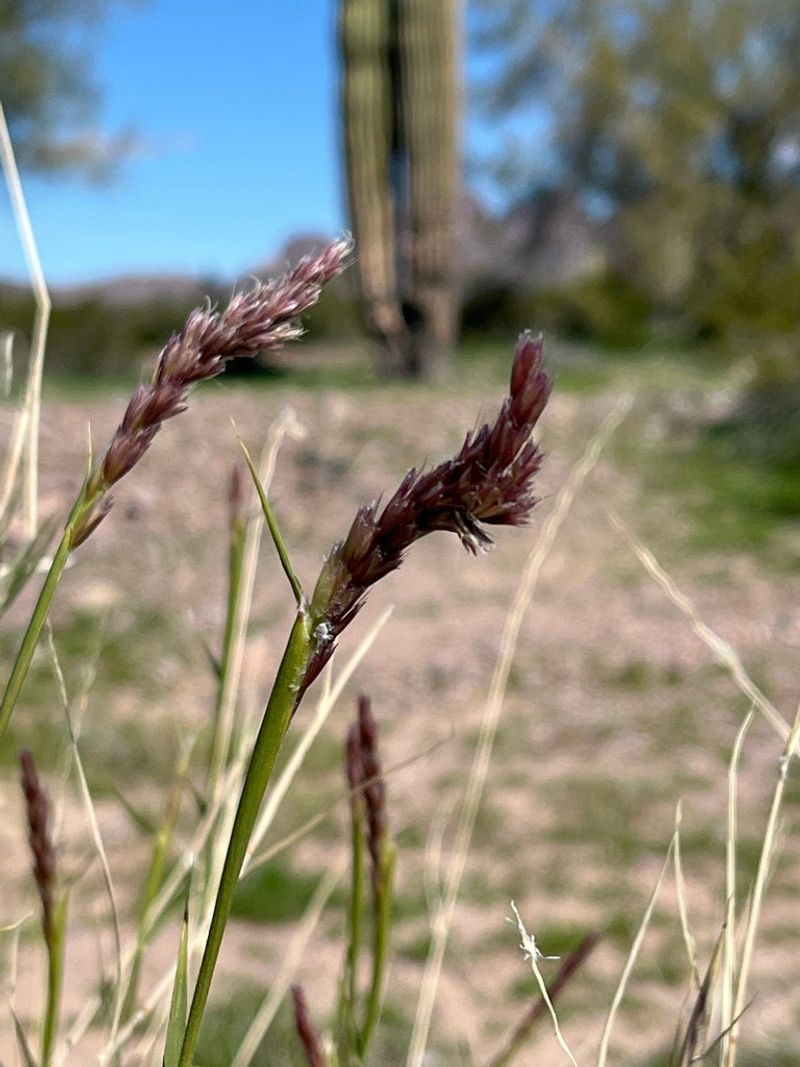
Big galleta is a native perennial grass that spreads gradually across open ground, offering a rugged, low-input option for homeowners who want ground coverage without committing to a high-maintenance lawn.
Big galleta is a coarse-textured grass with stiff, upright blades and a growth habit that allows it to spread across open areas over time.
It is well suited to the dry, rocky soils common in many yards and handles intense heat and sun exposure without much complaint.
Its deep root system helps it access soil moisture more efficiently than shallow-rooted turf grasses, which can be an advantage during Arizona’s long dry periods between monsoon rains.
Establishment takes patience. Big galleta is not a fast-spreading grass, and homeowners should expect a gradual filling-in process rather than quick full coverage.
Supplemental irrigation during establishment is important, and some spot watering may be needed during especially dry stretches even after the grass is settled in.
Foot traffic tolerance is moderate at best, so big galleta tends to work better in low-use open areas than in spaces where people regularly walk or play.
For side yards, open backyard sections, or transitional areas between desert plantings and the house, it can be a practical and visually natural choice.
7. Alkali Muhly Supports A Low-Input Lawn Alternative
Not every lawn alternative needs to look like a traditional turf area to earn its place in an Arizona yard.
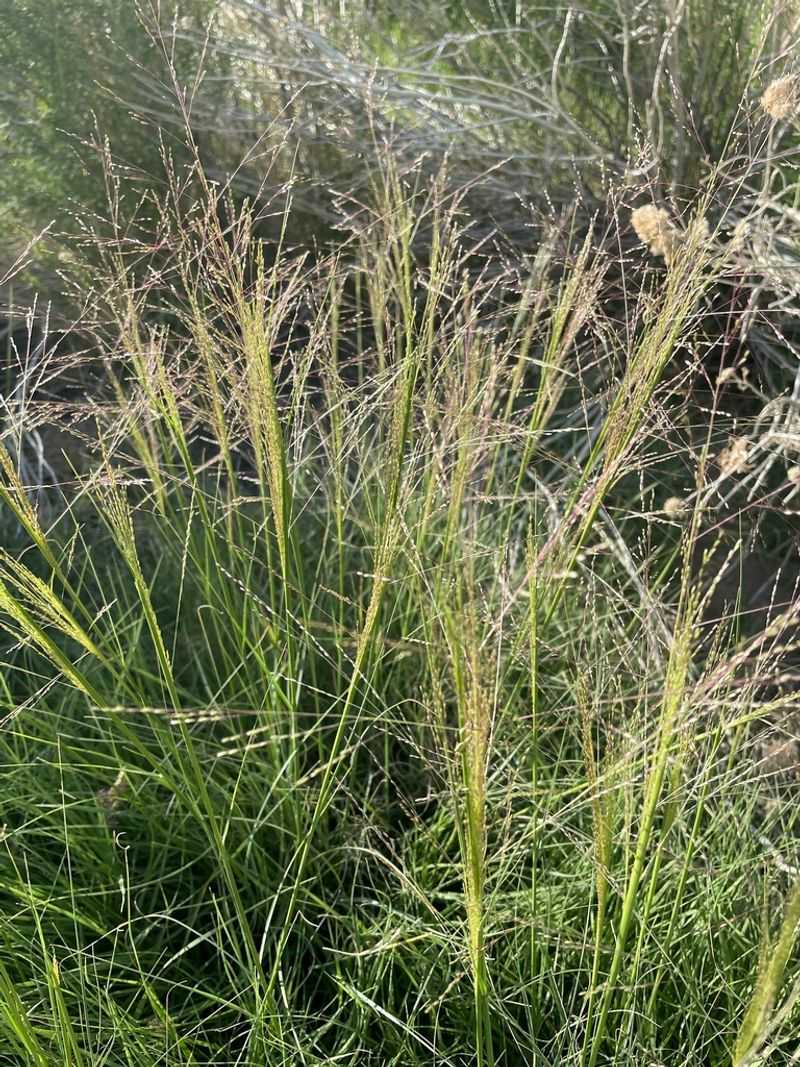
Alkali muhly is a native grass that brings a soft, fine-textured quality to low-use spaces, and it has been drawing attention from homeowners who want something that feels natural and low-effort without looking completely wild or unmaintained.
Alkali muhly tolerates a range of soil conditions, including the alkaline soils that are common throughout much of Arizona.
That adaptability makes it a practical choice for yards where soil quality is inconsistent or where other grasses have struggled to establish well.
It handles heat and dry conditions with notable resilience once it has settled in, though like most grass alternatives, it needs consistent watering during the initial establishment period.
The growth habit of alkali muhly tends to be clumping rather than spreading, which means it may not fill in large open areas as uniformly as some homeowners expect.
It works particularly well when planted in groupings or used to soften the edges of hardscape areas, pathways, or desert planting beds.
Mowing or cutting back is occasionally needed to keep it tidy, but the frequency is much lower than what Bermuda grass typically demands.
For homeowners looking for a native, low-input grass that adds texture and a relaxed lawn-like feel to low-use areas, alkali muhly is worth a closer look.
8. Kurapia Forms A Green Groundcover Lawn Alternative
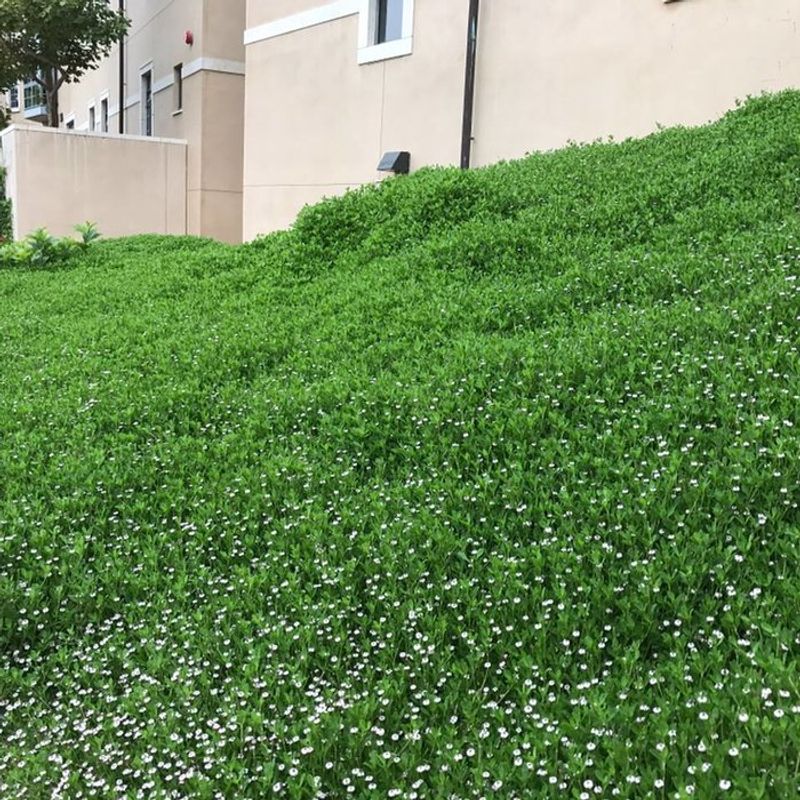
Imagine a ground-hugging green mat that stays low, spreads gradually, and produces small white flowers through the warm season.
Kurapia is a sterile, non-invasive groundcover that has been getting real attention in Arizona as a lawn-style alternative for homeowners who want year-round green coverage with reduced mowing.
It forms a dense, low mat that can give a yard a soft, lawn-like appearance without the aggressive maintenance demands of Bermuda grass.
Kurapia was developed from a Japanese native plant and has been evaluated in warm-climate regions as a low-water turf alternative.
It handles Arizona heat reasonably well and, once established, generally requires less irrigation than a comparable Bermuda grass lawn.
Because it is sterile, it does not produce viable seeds and spread beyond where it is planted, which makes it easier to manage in yards where plant containment matters.
Establishment does require consistent watering and some patience, as Kurapia can take a full growing season or more to fill in completely depending on yard conditions, soil preparation, and planting method.
Foot traffic tolerance is moderate, making it a better fit for decorative or lightly used areas than for high-traffic zones.
It may go semi-dormant or lose some color during cooler winters, so homeowners should set realistic expectations for year-round appearance.
For front yards, low-use side areas, or decorative backyard patches in Arizona, Kurapia offers a genuinely green, lower-water lawn feel.