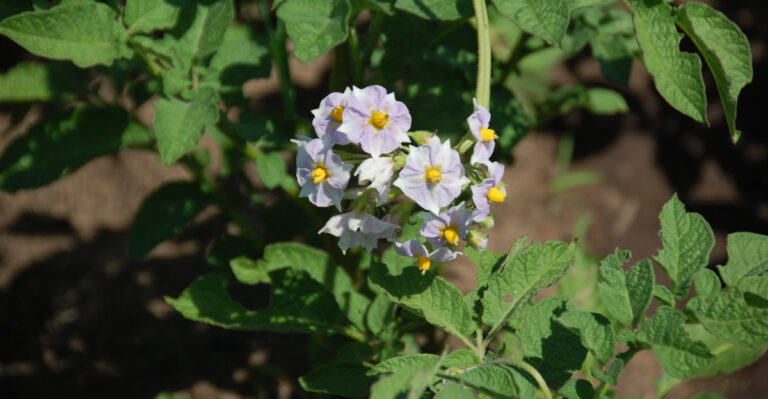
Why Michigan Homeowners Should Never Dump Invasive Plants In Natural Areas
Pulling out an invasive plant feels like exactly the right thing to do, and it absolutely is. Where things go wrong for many well-meaning Michigan homeowners is in what happens immediately after the plant comes out of the ground.
Tossing removed plants into a nearby wooded edge, a drainage ditch, or an unmowed strip along the property line seems harmless in the moment.
But many invasive species are resilient enough to re-root from a single broken stem or scatter viable seeds while being carried.
Michigan has lost meaningful stretches of natural habitat to species that got their start and spread exactly this way.
Understanding how to properly handle and dispose of invasive material is every bit as important as making the decision to remove it in the first place.
1. They Spread Aggressively And Outcompete Natives
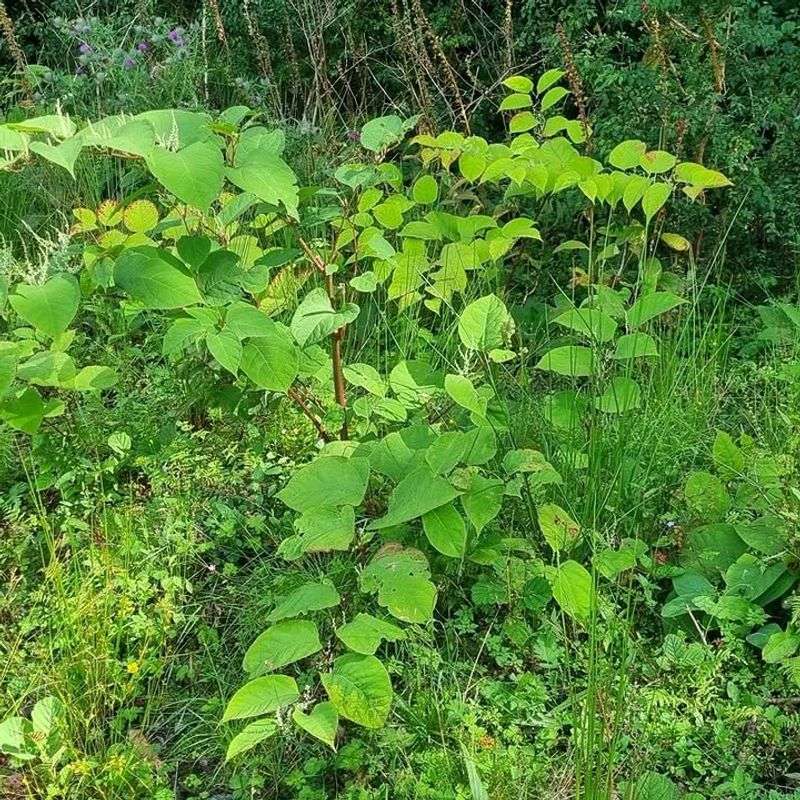
Japanese Knotweed can grow up to four inches in a single day under the right conditions. That staggering speed is not an exaggeration.
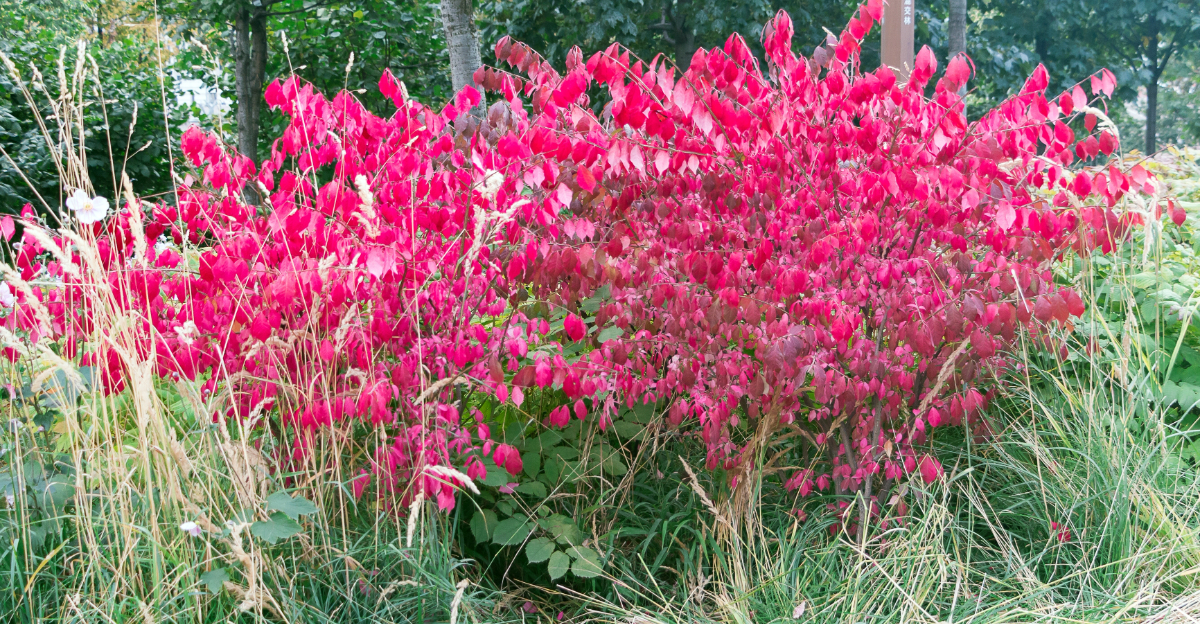
Plants like Japanese Knotweed, Burning Bush, and Oriental Bittersweet spread through seeds, underground rhizomes, and even tiny stem fragments, meaning a single discarded clipping can spark a full-blown infestation.
Once these plants take hold, they form dense stands that block sunlight from reaching the forest floor. Native wildflowers, ferns, and tree seedlings simply cannot compete for the resources they need.
Over time, entire plant communities that took centuries to develop get replaced by a single aggressive species.
Michigan’s natural areas depend on a rich variety of native plants working together to support the soil, water, and wildlife around them. When that variety disappears, the whole system weakens.
Homeowners sometimes assume that removing an unwanted garden plant is doing nature a favor, but dumping it outside creates an entirely new problem.
The smartest move is bagging invasive material and sending it to a landfill, never a natural area.
Protecting what grows naturally in Michigan starts with small, thoughtful choices every single day.
2. Invasive Plants Can Harm Wildlife Habitats In Serious Ways
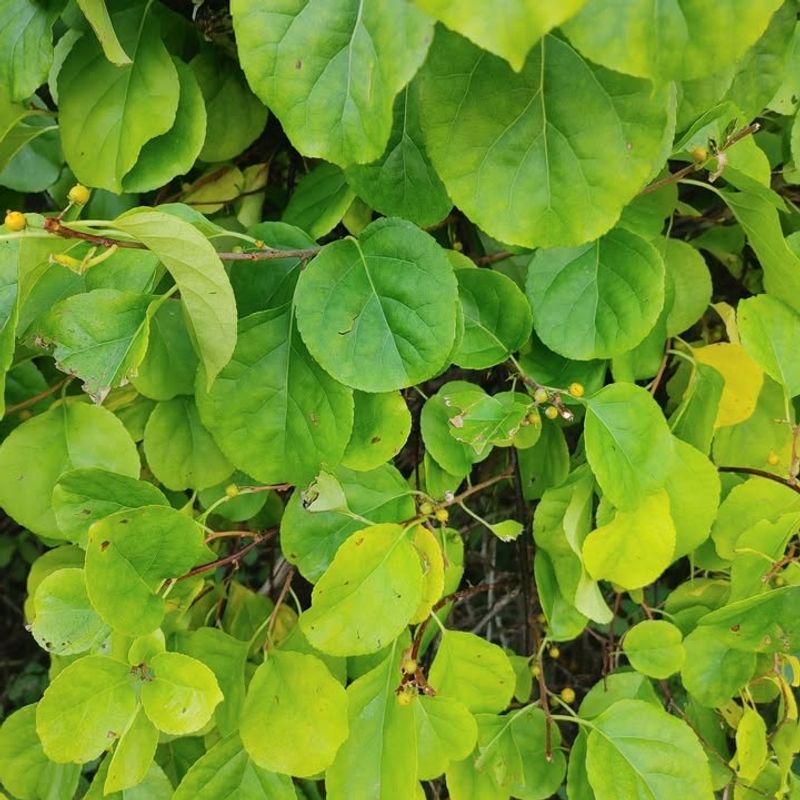
Picture a bird searching for a nesting spot in a Michigan forest, only to find its favorite tree completely wrapped in thick, woody vines. That is exactly what Oriental Bittersweet does.
This aggressive climber spirals up native trees, eventually girdling trunks and collapsing canopy branches that birds, squirrels, and other animals rely on for shelter and food.
Invasive plants tend to form what ecologists call monocultures, meaning one species dominates a large area. When that happens, the variety of seeds, berries, and insects that native wildlife depends on shrinks dramatically.
Pollinators like bees and butterflies lose the diverse flowering plants they need to thrive through the season.
Small mammals, ground-nesting birds, and even migrating songbirds feel the ripple effects when their habitat structure changes.
A thicket of Burning Bush might look lush, but it offers far less ecological value than a mixed stand of native shrubs like serviceberry or wild raspberry.
Dumping invasive garden plants near natural areas accelerates this habitat loss in ways that are incredibly hard to reverse.
Your Michigan Garden Changes Every Week. Your Plan Should Too.
Gardening in Michigan changes quickly throughout the season. Every Friday you’ll receive a simple weekly plan showing exactly what to plant, prune, fertilize, harvest, and protect so you never miss the right timing.
Choosing native alternatives for your garden and properly disposing of invasive material makes a genuine difference for Michigan’s remarkable wildlife every single season.
3. Invasives Alter Soil And Water Conditions
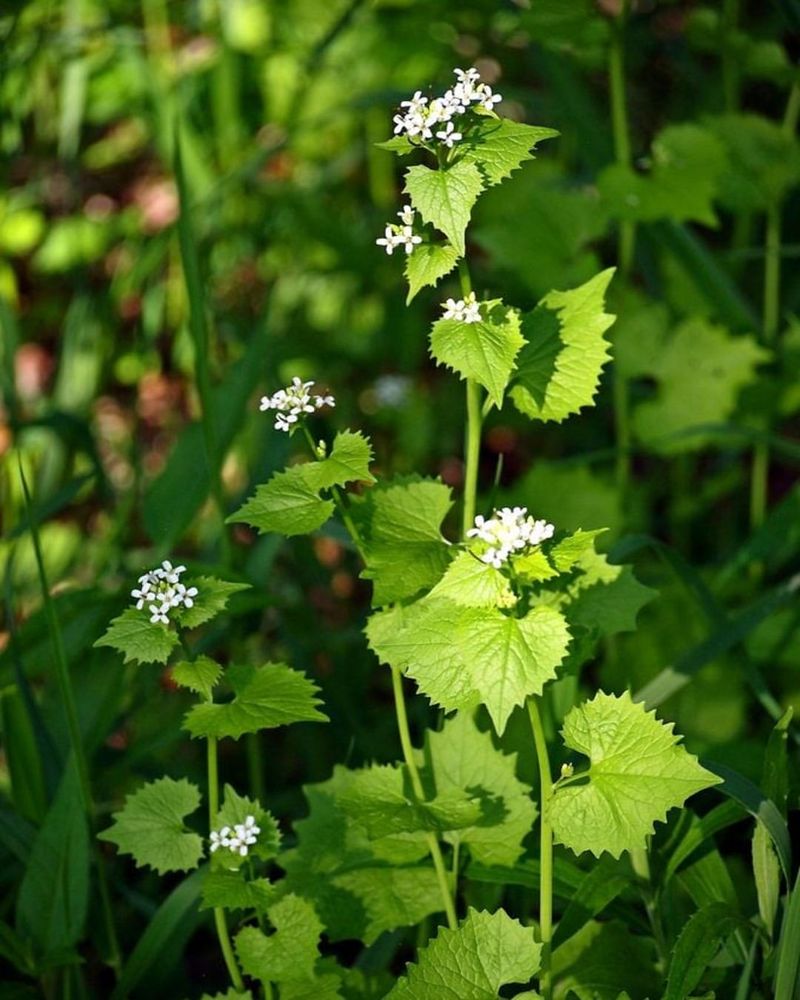
Healthy soil is alive with billions of microorganisms, fungi, and nutrients that native plants have evolved alongside for thousands of years. Invasive species can completely disrupt that underground world.
Garlic Mustard, for example, releases allelopathic chemicals from its roots that actively suppress the growth of native plants and even interfere with the underground fungal networks that native trees depend on.
Japanese Knotweed is another serious offender when it comes to soil and water.
Along riverbanks, its shallow but dense root system alters the composition of soil in ways that change how water drains, how sediment settles, and which plants can establish themselves afterward.
The result is a ripple effect that reshapes entire streamside ecosystems over just a few growing seasons.
Changes to soil chemistry and moisture retention do not stay contained to one spot. They spread outward, affecting neighboring plant communities and the insects and animals that depend on them.
When homeowners dump invasive garden waste near streams, wetlands, or wooded areas, they are essentially introducing a biological disruptor into a system that took a very long time to balance itself.
Composting or landfilling invasive plant material keeps that disruption from ever starting in the first place.
4. They Can Increase Erosion Along Shorelines And Slopes
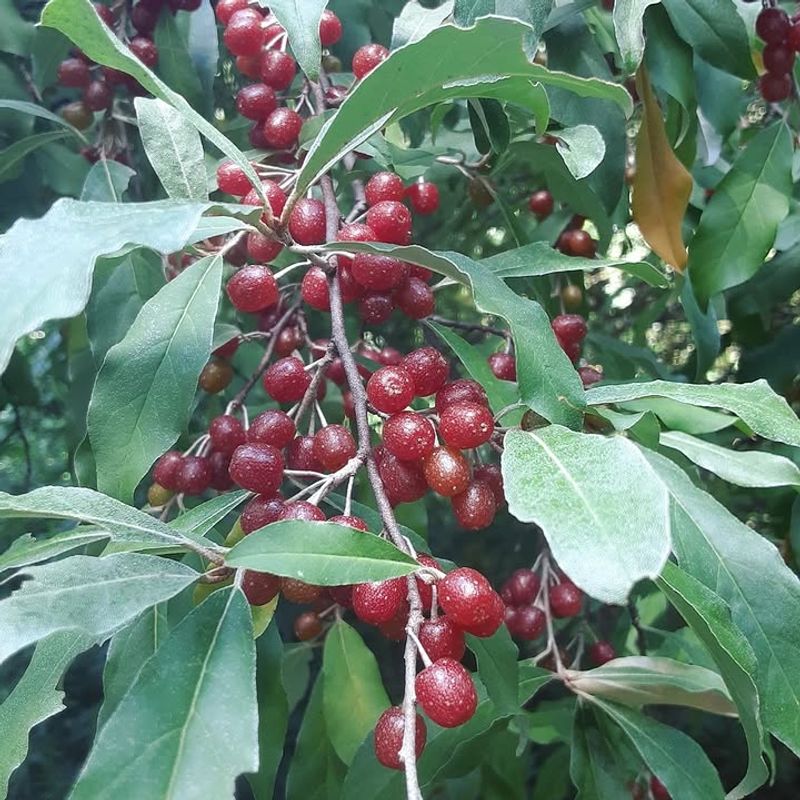
Roots are nature’s anchors. Native plants like riverbank sedges, wild bergamot, and native willows grow deep, interlocking root systems that grip soil tightly even during heavy rain or flooding.
Invasive species like Japanese Barberry and Autumn Olive tend to have shallower, less effective root structures that leave soil far more vulnerable to washing away.
When invasive plants take over a riverbank or hillside slope, they often displace the native vegetation that was actually holding everything together.
The result can be accelerated erosion, which sends sediment into streams and lakes, clouds the water, and harms fish and aquatic insects that depend on clear, clean conditions.
Michigan has thousands of miles of shoreline, and keeping those edges stable matters enormously for water quality statewide.
Erosion problems are expensive and slow to fix once they start. Stabilizing a damaged riverbank can require professional restoration work, native plant reseeding, and years of monitoring.
All of that cost and effort often traces back to something as simple as someone tossing unwanted shrubs over a fence near a creek.
Planting native deep-rooted species in your yard and properly disposing of invasive material are two of the most powerful things a Michigan homeowner can do to protect the land around them.
5. Legal Fines And Penalties Are Very Real
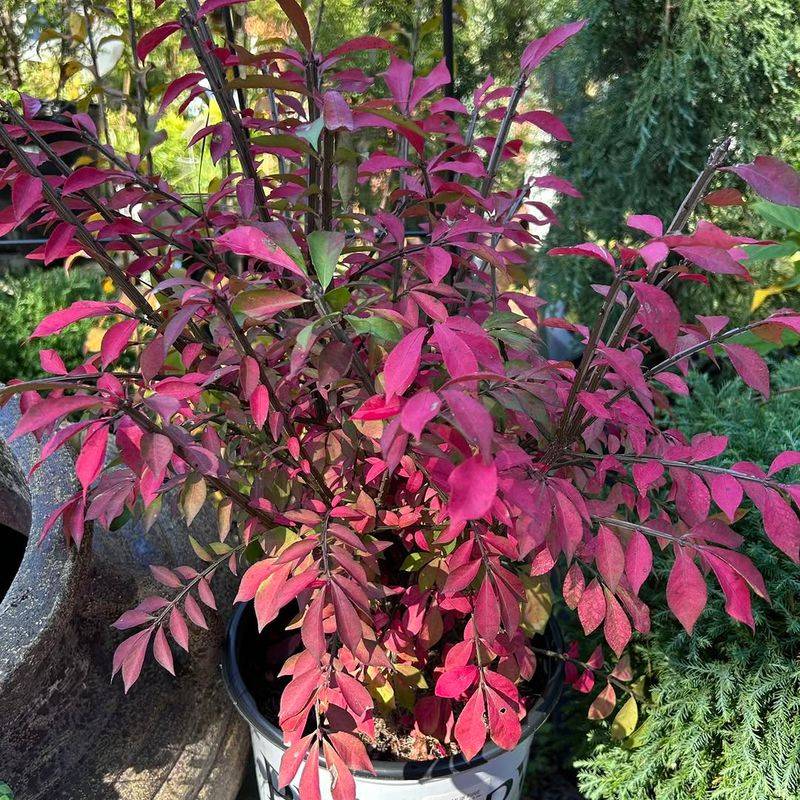
Michigan takes invasive species seriously enough to back it up with the law. The Michigan Invasive Species Act, first established in 2003 and strengthened over the years, makes it illegal to introduce, sell, or transport regulated invasive species in the state.
That includes dumping them in natural areas, even accidentally. Violations can result in fines that escalate significantly for repeat offenses or commercial-scale situations.
Species like Japanese Knotweed, Burning Bush, Oriental Bittersweet, and Autumn Olive are all on Michigan’s regulated list.
That means a homeowner who pulls these plants from their garden and tosses them into a nearby park or nature preserve is technically breaking state law.
Many people are unaware of this, which makes spreading the word all the more important.
Beyond the fines, there is a broader community responsibility at play. Michigan’s natural areas are shared public resources, and protecting them from invasive species benefits everyone who hikes, fishes, paddles, or simply enjoys the outdoors.
The good news is that avoiding legal trouble is completely straightforward: bag invasive plant material in sealed bags and place it in the regular trash destined for a landfill.
A few extra minutes of proper disposal protects both your wallet and our remarkable natural heritage at the same time.
6. Invasive Plants Disrupt Recreation And Trail Access For Everyone
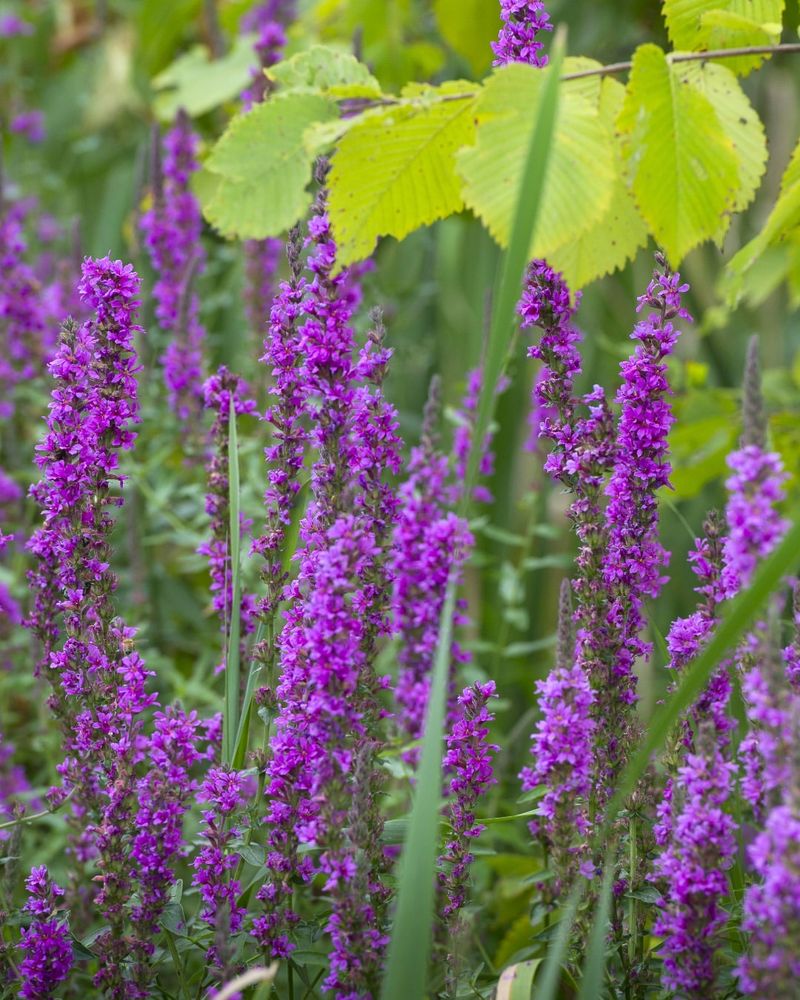
Imagine planning a weekend hike through one of Michigan’s beautiful state parks, only to find the trail buried under a wall of thorny, head-high invasive shrubs.
It sounds extreme, but this is already happening in areas where invasive species have gone unchecked for several growing seasons.
Dense thickets of plants like Japanese Barberry and Oriental Bittersweet can completely obscure trails, making navigation difficult and even unsafe.
Fishing access points and canoe launches are equally at risk. When invasive plants colonize the edges of rivers, lakes, and streams, they can physically block entry points and make shoreline access nearly impossible without a machete.
Reduced visibility in dense invasive growth also raises safety concerns for hikers and outdoor enthusiasts who rely on clear sightlines on the trail.
Clearing out established invasive thickets from recreational areas is not a quick or cheap process. Land managers often need heavy equipment, repeated manual removal efforts, and years of follow-up work to restore access.
The labor and equipment costs add up fast, and those expenses ultimately come from public funds or nonprofit conservation budgets that could be better spent on trail improvements and habitat restoration.
Keeping invasive plants out of natural areas in the first place is the most efficient way to keep Michigan’s outdoor spaces open and enjoyable for every visitor.
7. Habitat Restoration Is Far More Expensive
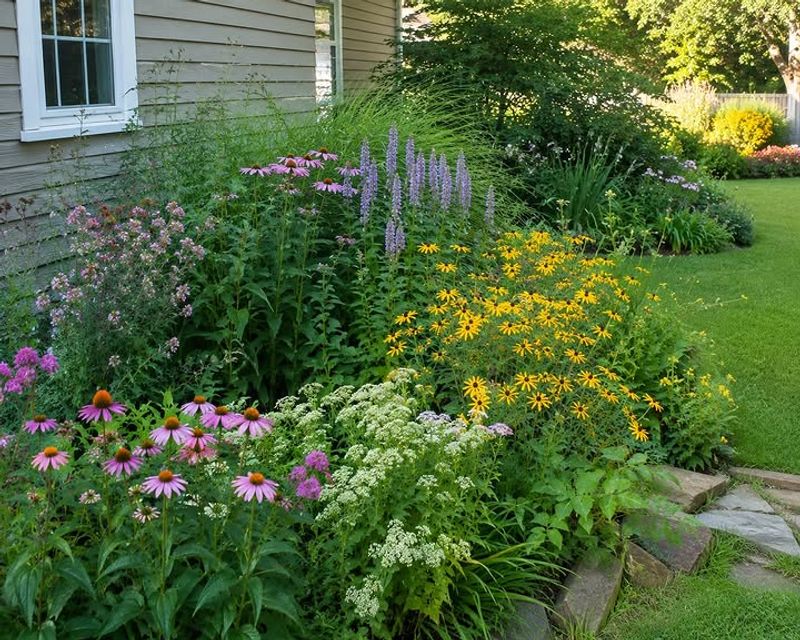
Fighting an established invasive plant infestation is one of the most resource-intensive challenges in conservation.
Once Japanese Knotweed or Oriental Bittersweet gets a foothold in a natural area, removing it requires repeated cutting, targeted herbicide treatments, and years of follow-up monitoring to make sure it does not return from root fragments left in the soil.
Michigan parks and conservation organizations spend thousands of dollars annually just managing existing infestations. The frustrating part is that prevention costs almost nothing compared to restoration.
A single homeowner dumping a bag of invasive plant clippings into a nature preserve can create an infestation that takes a team of volunteers and professional contractors multiple seasons to address.
That math is staggering when you think about it across hundreds of dumping incidents each year statewide. Private conservation landowners face the same financial burden.
Wetlands, prairies, and woodlands under conservation easements require active management when invasives move in, and those management costs can strain the budgets of even well-funded land trusts.
Every dollar spent battling knotweed or bittersweet is a dollar not spent on native plant restoration, wildlife monitoring, or public education programs.
Proper disposal of invasive garden material is one of the simplest and most impactful ways Michigan residents can help keep restoration costs from spiraling out of control.
8. Invasives Can Harbor Pests And Diseases Near Native Plants
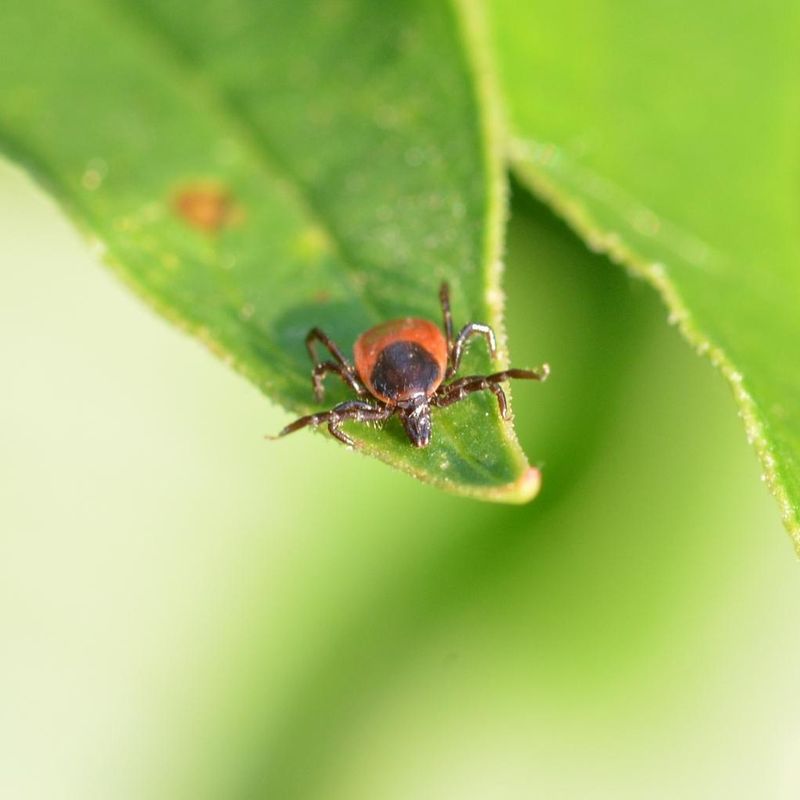
Not every threat that invasive plants bring is visible to the naked eye. Dense stands of non-native shrubs create warm, humid microclimates that are perfect breeding grounds for fungal pathogens and certain insect pests.
Japanese Barberry, for instance, has been linked in research studies to higher populations of blacklegged ticks, the same species responsible for transmitting Lyme disease to humans and animals.
Invasive plants can also shelter large populations of insects like Japanese Beetles, which then move outward to feed on native trees, garden vegetables, and ornamental plants nearby.
When non-native vegetation provides cover and habitat for pest species, the damage spreads well beyond the invasive patch itself.
Native plant communities that evolved without these pressures are often poorly equipped to handle the additional stress.
Fungal diseases spread more easily in the dense, low-airflow conditions created by invasive monocultures.
Native trees and shrubs growing near these thickets can pick up pathogens faster than they would in a healthy, diverse plant community with good air circulation.
Homeowners who dump invasive material near natural areas are not just adding more plants to the landscape.
They are potentially introducing a cascade of pest and disease pressures that ripple outward through the ecosystem for years. Proper disposal breaks that chain before it ever starts.
9. They Encourage Further Spread Through Natural Pathways
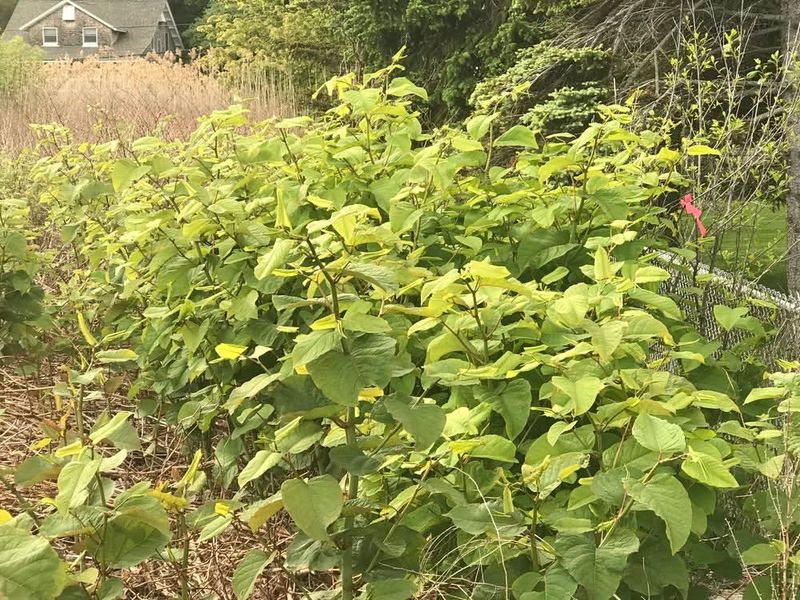
Water is one of nature’s most powerful transportation systems, and invasive plants have figured out how to use it. Japanese Knotweed is a perfect example.
Its hollow stems and root fragments can break off during flooding or heavy rain, float downstream, and take root in a completely new location miles away from the original infestation.
A single dumped pile of knotweed near a stream can become multiple infestations along an entire river corridor.
Wind plays a similar role for seed-bearing invasives. Autumn Olive and Oriental Bittersweet produce berries that birds eat enthusiastically.
Those seeds pass through the birds’ digestive systems and get deposited in new locations, sometimes far from any existing infestation.
Dumping plant material with berries or seeds attached dramatically increases the chances of this kind of long-distance spread.
Even well-intentioned yard cleanup can backfire if invasive material is left in an open pile near a natural area. Rain, wind, and wildlife can all move plant fragments and seeds outward from that pile into surrounding habitat.
The point is not to make homeowners feel hopeless but to highlight how quickly a small action can scale into a large ecological problem.
Sealing invasive plant waste in heavy-duty bags and placing them in the trash bound for a landfill is the only truly reliable way to stop the spread at the source.
10. They Impact Native Plant Regeneration And Ecosystem Resilience
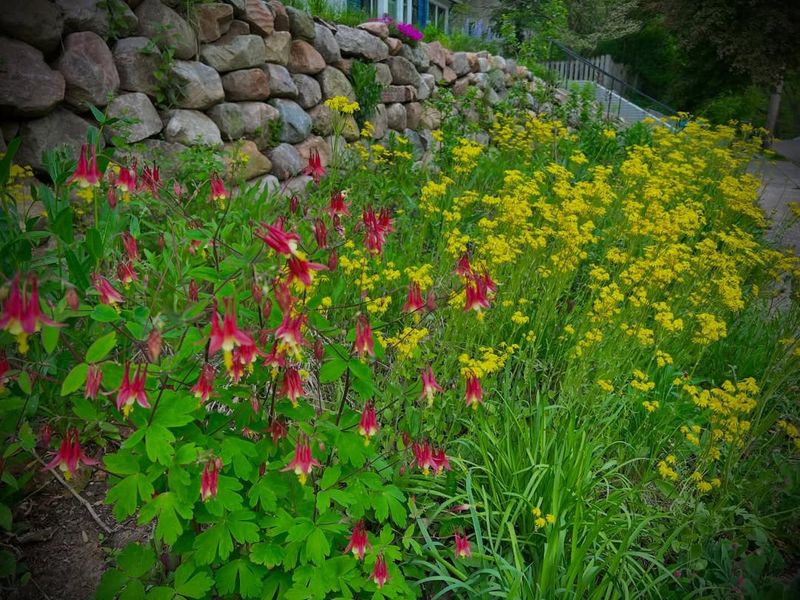
A healthy Michigan forest does not just look beautiful.
It functions like a finely tuned system, with native trees dropping seeds, seedlings pushing up through the leaf litter, and a rich understory of ferns, wildflowers, and shrubs providing structure and food at every level.
That regeneration cycle is what keeps forests resilient through storms, droughts, and changing seasons. Invasive plants can break that cycle almost completely.
When invasive species carpet the forest floor or dominate a prairie edge, native seedlings cannot get the light, nutrients, or water they need to establish. Young trees that would have grown into the next generation of canopy simply never make it.
Over time, the forest loses its ability to renew itself, and the ecosystem becomes fragile and less capable of bouncing back from disturbances.
Michigan’s wetlands, prairies, and woodlands each depend on native plant regeneration to maintain their character and function.
When that process breaks down, the effects ripple all the way up the food chain, affecting insects, birds, and mammals that depend on specific native plants at specific times of year. Homeowners hold real power in this equation.
Choosing native plants for landscaping, removing invasive species responsibly, and never dumping garden waste in natural areas are three straightforward habits that collectively support Michigan’s ecological resilience for every season ahead.