The One Thing Florida Gardenia Owners Skip In June That Ruins Blooms By August
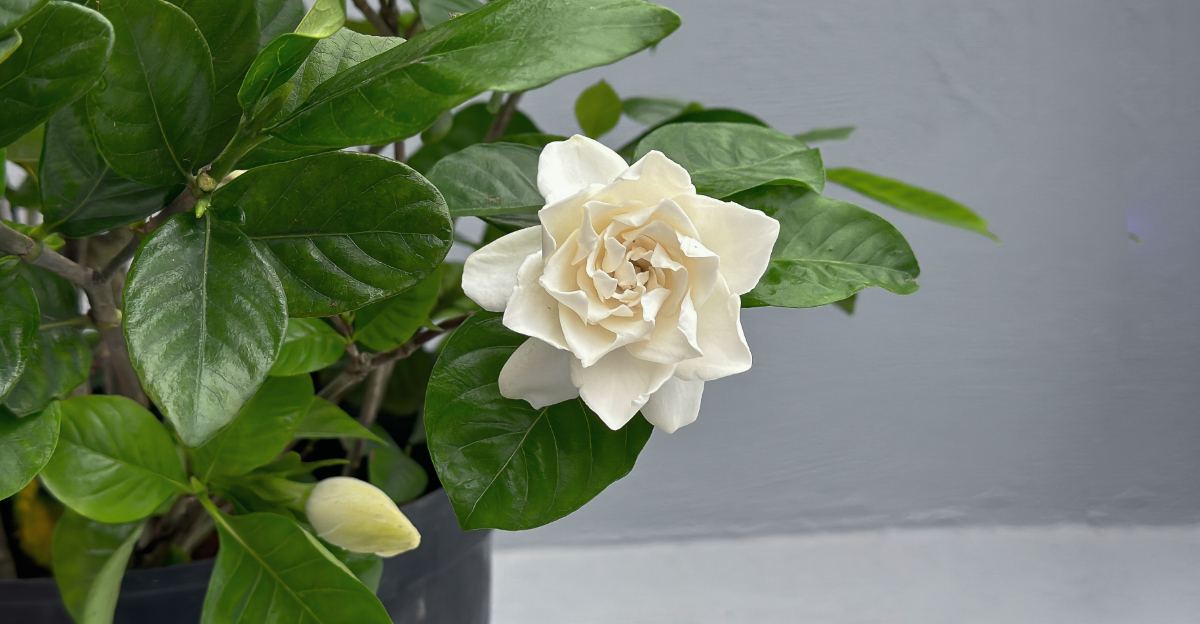
Gardenias are not forgiving plants. They have a short list of needs and a long memory for neglect, and Florida’s brutal summer transition has a way of exposing every gap in your care routine.
By August, a lot of Florida gardenia owners are staring at a disappointing, sparse plant and trying to figure out what went wrong. June is almost always where the story turns.
There is one specific task that gardenias need in June, right as the spring bloom cycle wraps up. Skip it and the plant quietly shifts its energy in the wrong direction for the rest of the summer.
Catch it in time and August looks completely different. Most people skip it not because they are careless, but because it is not obvious.
Nothing about a gardenia in June screams urgent. That is exactly what makes this mistake so easy to make.
1. Skipping June Pruning Sets August Blooms Back
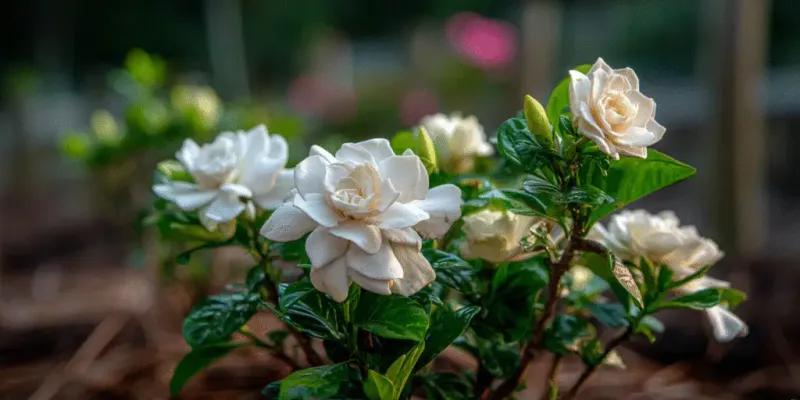
Walk past a gardenia that has never been shaped and you will likely notice it looks a little wild. Branches cross each other, and the overall form goes in every direction.
June is the key window for pruning gardenias in this state, and skipping it is the single most common reason shrubs underperform by August.
After the main flowering period wraps up, the plant shifts its energy toward producing new growth, and that new growth is exactly where next-season buds will form.
Pruning right after bloom encourages the shrub to push out stronger, more organized new shoots rather than spending energy maintaining old, tangled wood.
When that shaping step gets skipped, the plant can become crowded and structurally uneven, which tends to reduce the quality and quantity of blooms in later flushes.
It does not mean August blooms are completely out of reach, but the shrub will be working harder with less efficient structure.
According to UF/IFAS guidance, gardenias should be pruned after flowering to keep their shape and encourage healthy regrowth. In this state, that usually means acting in June before the heat and humidity of July and August peak.
Missing that window does not ruin everything, but it does start a chain of small setbacks that adds up by late summer. Getting out there with clean, sharp pruners in June is a straightforward habit that pays off noticeably.
2. The Next Flush Is At Risk With Late Trimming
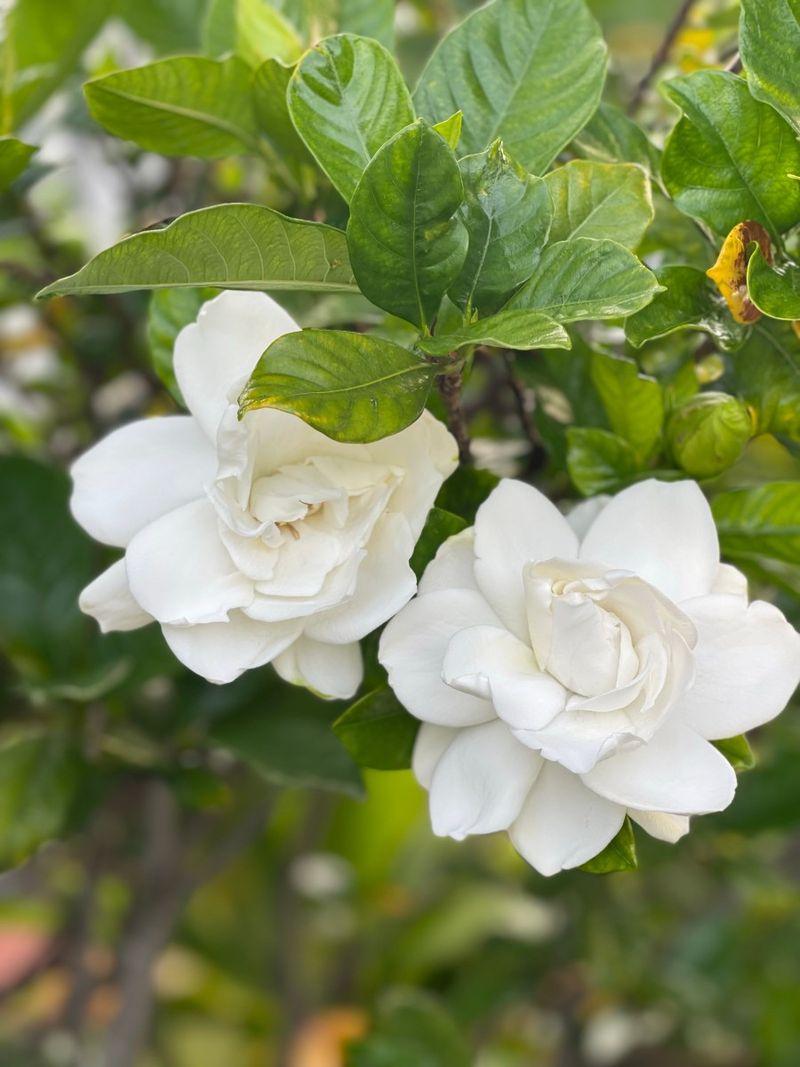
Timing is everything when it comes to gardenia pruning, and cutting too late in the season is just as problematic as not cutting at all.
UF/IFAS advises pruning gardenias after bloom and before October, because trimming after that point can remove developing growth that supports the next round of flowers.
If you wait until July or August to grab the pruners, you risk cutting off buds that are already quietly forming along new shoots.
Not every gardenia cultivar follows the exact same bloom schedule, so it helps to pay attention to your specific plant. Some varieties finish their main flush earlier in May, while others may still be producing flowers into late June.
Your Florida Garden Changes Every Week. Your Plan Should Too.
Gardening in Florida changes quickly throughout the season. Every Friday you’ll receive a simple weekly plan showing exactly what to plant, prune, fertilize, harvest, and protect so you never miss the right timing.
The key is to prune shortly after your plant finishes its primary flowering period, not on a fixed calendar date. Watching your shrub closely gives you the best signal for when to act.
Late trimming can also stress the plant during the hottest part of the year, when recovery is slower and new growth has less time to harden before cooler months arrive.
Removing too much too late leaves the shrub scrambling to regrow when it should be consolidating energy for late-season buds.
Acting in June, when the weather is warm but not yet at its most brutal, gives the plant a reasonable recovery window and keeps future flowering on track.
3. Spent Blooms Steal Energy From Summer Growth
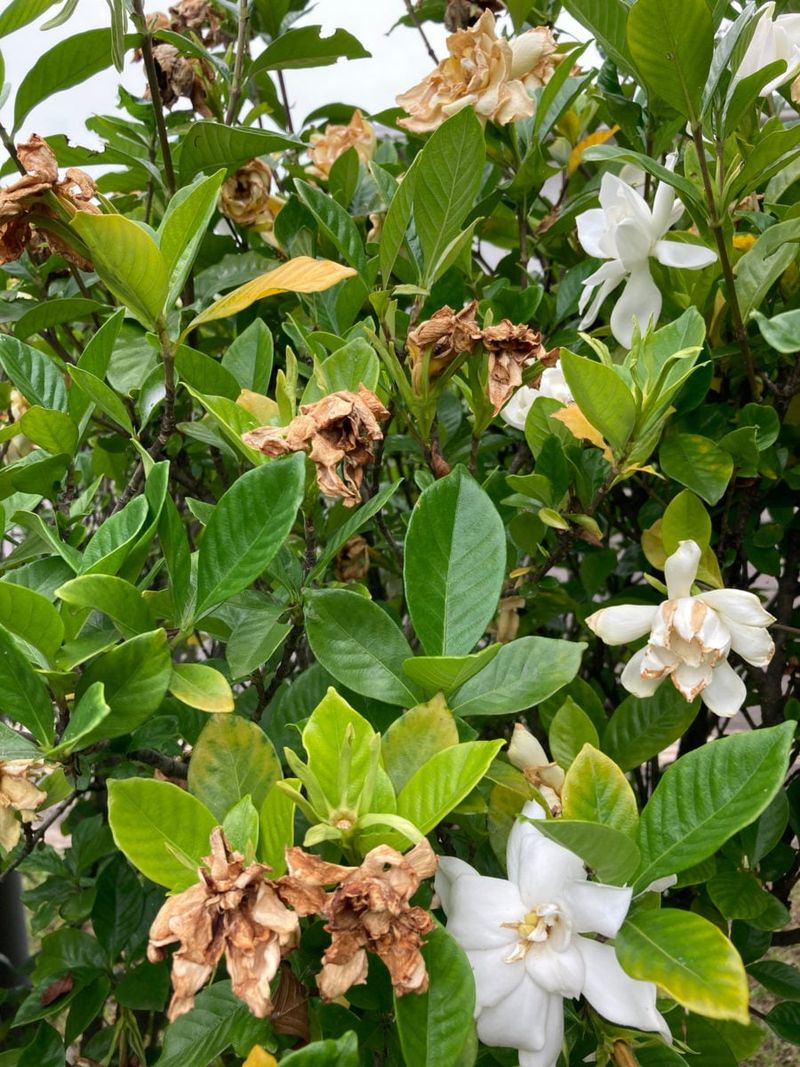
Old gardenia flowers do not fall off cleanly on their own. They tend to turn brown and papery and cling to the tips of branches, making the whole shrub look exhausted even when new growth is trying to push through.
Removing spent blooms after the main flowering period is a simple task. But it is one that a surprising number of gardeners skip once the flowers fade and attention drifts to other parts of the yard.
Cleaning up those old blooms and trimming back messy stem tips helps the plant look tidier and encourages cleaner summer growth. It also gives you a chance to get a close look at the shrub while it is actively growing, which makes it easier to spot problems early.
Checking for damaged stems, yellowing leaves, or anything that looks out of place is much easier when you are already in there removing old flowers.
Trimming alone will not guarantee a second wave of blooms, and it is worth being realistic about that. Gardenias bloom on a schedule that is influenced by temperature, light, and genetics, not just tidiness.
However, keeping the shrub clean and well-groomed after its main flush supports overall plant health, which in turn supports better growth and more reliable flowering.
A few minutes spent cleaning up spent blooms in June can make the whole shrub look and perform better through the rest of summer.
4. A Light Shape Up Beats A Brutal Summer Cut
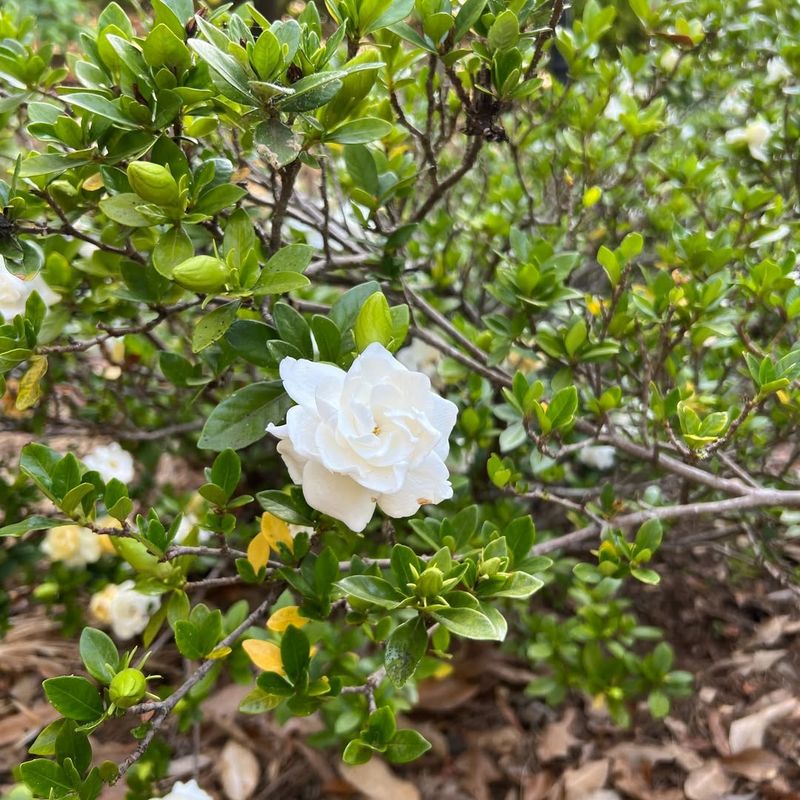
There is a real temptation to go hard with the pruners when a gardenia looks overgrown, especially after a full spring of growth. However, severe cutting during hot, humid weather puts real stress on the shrub at a time when it has limited ability to recover quickly.
The goal in June is to guide the plant’s shape, not to dramatically reduce its size in one session.
Light shaping means removing awkward or crossing branches and trimming back stems that have stretched too far out of the desired form. It also means cleaning up the overall silhouette without cutting deeply into old wood.
This approach respects the shrub’s natural structure while still giving it a tidier, more open form. Cutting too aggressively can remove a significant portion of the leaf canopy, which the plant depends on to capture energy during summer.
A helpful rule of thumb from general shrub care guidance is to avoid removing more than about one-third of the plant’s total growth in a single pruning session. For gardenias in this state’s summer heat, even less is often better.
Short, careful cuts with clean, sharp pruners reduce the risk of disease entry and give the shrub a cleaner wound to heal. Taking a step back and looking at the overall shape before each cut helps you stay intentional rather than reactive.
Slow and steady shaping in June leads to a healthier, better-structured plant by August.
5. Crowded Branches Turn Humid Air Into Trouble
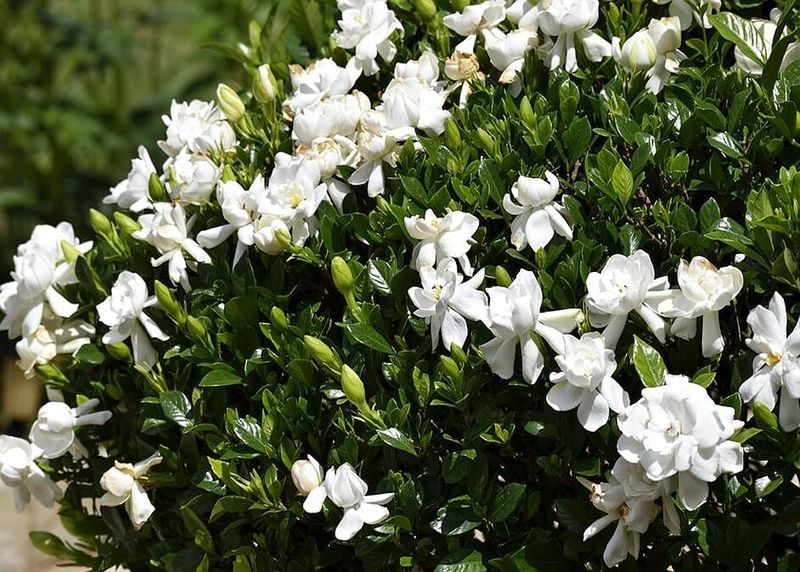
Florida summers are famously humid, and that moisture-laden air does not just make gardeners uncomfortable. It also creates conditions inside a dense, unpruned shrub where problems can quietly develop.
When branches are tightly packed and foliage overlaps heavily, air cannot move freely through the plant’s interior. That keeps surfaces damp and makes it harder to spot early signs of pest or disease activity.
Light pruning in June helps open up the canopy just enough to let air circulate between branches. Better airflow means leaves and stems dry out faster after rain or irrigation, which is a straightforward structural benefit.
It also makes the inside of the shrub more visible. If something is going on with the bark, stems, or leaf undersides, you are more likely to catch it early during your regular garden walk.
Thinning out a few crossing or inward-growing branches does not require precision surgery. The goal is simply to reduce density in the most crowded spots without dramatically changing the shrub’s overall shape.
Removing branches that rub against each other or that grow toward the center of the plant rather than outward improves both structure and spacing. In a climate where summer rain arrives almost daily, keeping the plant’s interior open matters.
It is one of the most practical structural habits you can build into your June routine. A slightly more open shrub is easier to manage and monitor through the entire growing season.
6. Dry Roots Can Make Buds Give Up Early
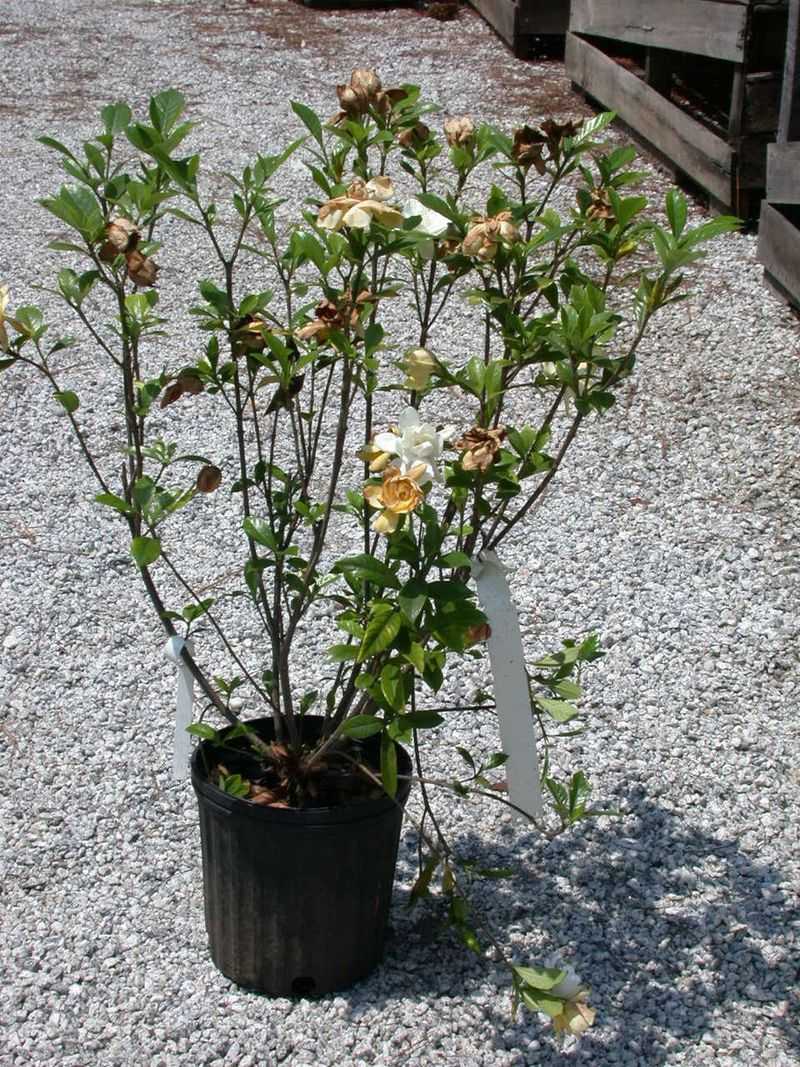
Pruning timing gets most of the attention, but what happens at root level in June and July can be just as influential on August blooms.
Gardenias prefer soil that stays consistently moist but never waterlogged, and in this state’s summer heat, the swing between too dry and too wet can happen fast.
Sandy soils common across much of this state drain quickly, which means roots can dry out between rain events even when the weather feels humid.
Bud drop is a real response to water stress in gardenias. When the plant experiences irregular moisture, especially during bud formation, it may shed developing buds as a way of managing its resources.
Keeping soil evenly moist through June and July gives developing buds the stable environment they need to mature and open rather than drop prematurely.
A two-to-three inch layer of organic mulch around the base of the shrub helps retain soil moisture and moderate temperature swings. Keep it a few inches away from the main stem.
Watering deeply and less frequently is generally more effective than shallow daily watering, as it encourages roots to grow deeper where moisture is more stable.
Container-grown gardenias need especially close attention since pots dry out faster than in-ground plantings.
Checking soil moisture with your finger before watering is more reliable than following a fixed schedule. It helps keep roots in a comfortable range through the hottest months.
7. Weak Acid Soil Support Shows Up In The Buds
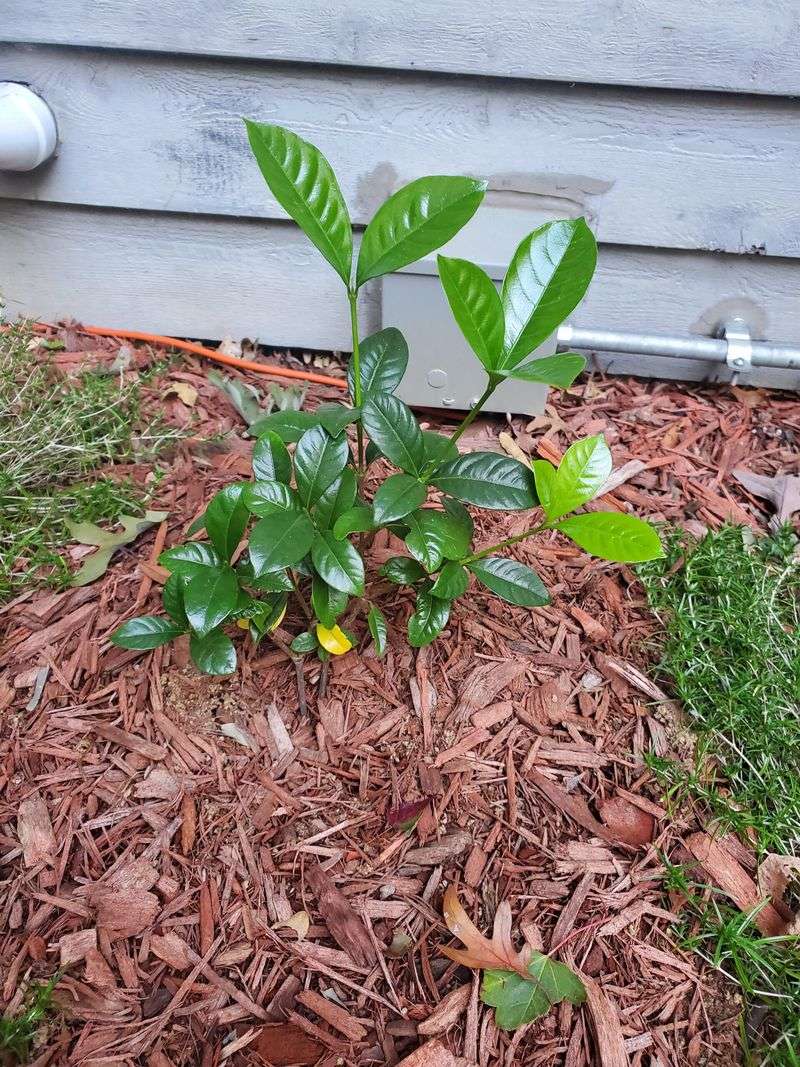
Gardenias are particular about their soil, and this preference is not just a gardening cliche. According to UF/IFAS, gardenias grow best in acidic soil with a pH between 5.0 and 6.0.
When soil pH drifts outside that range, the plant has a harder time absorbing certain nutrients even when those nutrients are physically present in the soil. The result often shows up as yellowing leaves, slowed growth, or reduced flowering.
In this state, soil pH can vary significantly by region and even by yard. Soils in coastal areas or near concrete foundations sometimes trend more alkaline, which can push gardenias into nutrient stress without any obvious cause.
A simple soil pH test, available at most garden centers or through county Extension offices, gives you real information to work with rather than guessing.
Using a fertilizer formulated for acid-loving plants, applied according to label directions, supports healthy growth without the risk of overfeeding. UF/IFAS recommends using a slow-release, acid-forming fertilizer.
It also recommends avoiding heavy or random applications that can burn roots or push excessive leafy growth at the expense of flowers.
June is a reasonable time to check your fertilization schedule and make sure the plant is getting consistent, appropriate nutrition through the growing season.
Correcting a pH or nutrition issue in early summer gives the shrub time to respond before August bloom season arrives.
8. Tiny Pests Can Ruin Blooms Before They Open
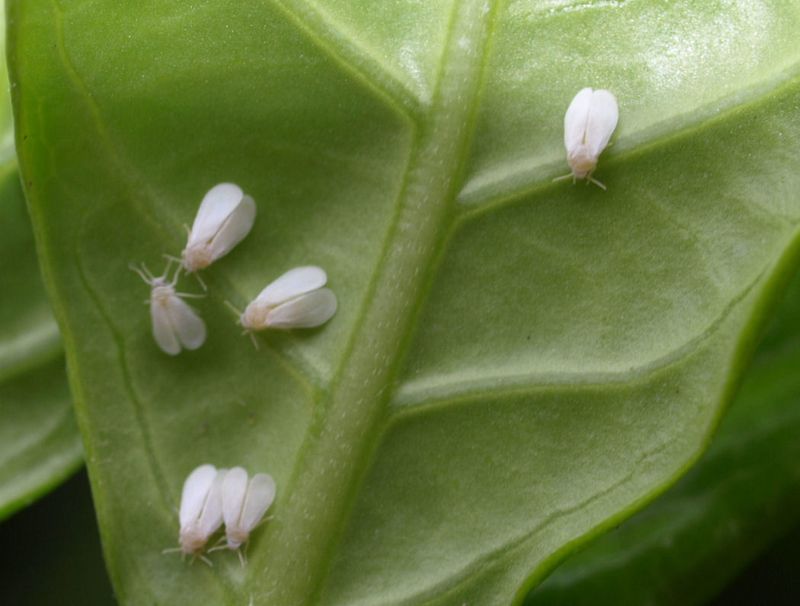
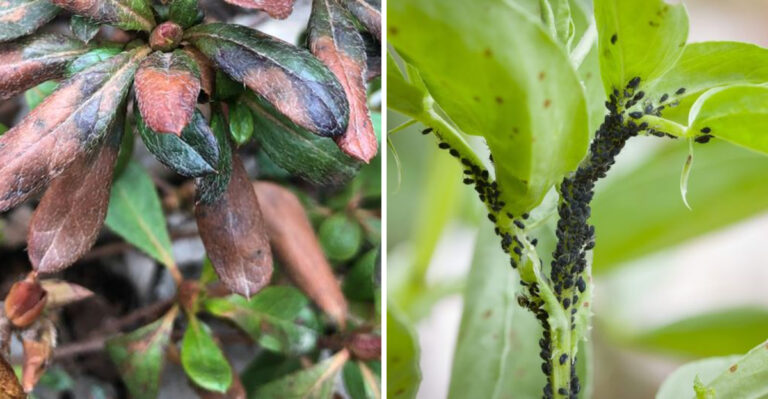
Some of the most frustrating gardenia problems in this state are not caused by weather or pruning mistakes at all. Whiteflies, aphids, scales, and mealybugs are common pests on gardenias, and they tend to be most active during warm, humid months.
By the time visible damage shows up on leaves or buds, a population can already be well established on the plant.
June pest checks are valuable because they catch problems while developing buds and new growth are still vulnerable but not yet damaged.
The undersides of leaves are the most important place to look, since many pest species prefer to feed and shelter there where they are less exposed.
Tender new growth tips and any swelling bud sites are also worth inspecting closely during your June walk-through.
UF/IFAS and county Extension offices provide pest identification and management guidance specific to this state’s common gardenia problems.
Whiteflies in particular are a persistent challenge in southern and central regions, and knowing which pest you are dealing with matters before choosing a control method.
Insecticidal soaps, horticultural oils, and other low-impact options are often recommended for soft-bodied pests on ornamentals. Treating early, before populations spike, is far more effective than trying to manage a heavy infestation mid-summer.
Building a brief pest inspection into your June gardenia routine is one of the most practical protective habits you can adopt for healthier late-season blooms.