Florida Native Edible Trees That Produce Food Without Taking Over A Small Yard
Small yard, big ambitions. Florida gardeners know the feeling.
You want fruit, shade, beauty, and wildlife value all at once. But one wrong tree choice can leave you with a monster that shades out everything, drops fruit you cannot keep up with, and has roots eyeing your pipes.
Native edible trees solve a problem most fruit tree lists completely ignore: scale. Not every productive tree needs a half acre to behave itself.
Florida has a genuine lineup of natives that produce real, usable food, stay manageable in tighter spaces, and actually belong in this ecosystem rather than fighting it. These are not compromise plants.
They feed you, they support local birds and pollinators, and they fit the kind of yard most Florida homeowners are actually working with. So if you have been putting off adding an edible tree because of space, this changes the conversation.
1. Simpson’s Stopper Brings Edible Berries To Tight Spaces
Tucked along a fence line or shaped into a living screen, Simpson’s stopper earns its place in tight yards without demanding constant attention.
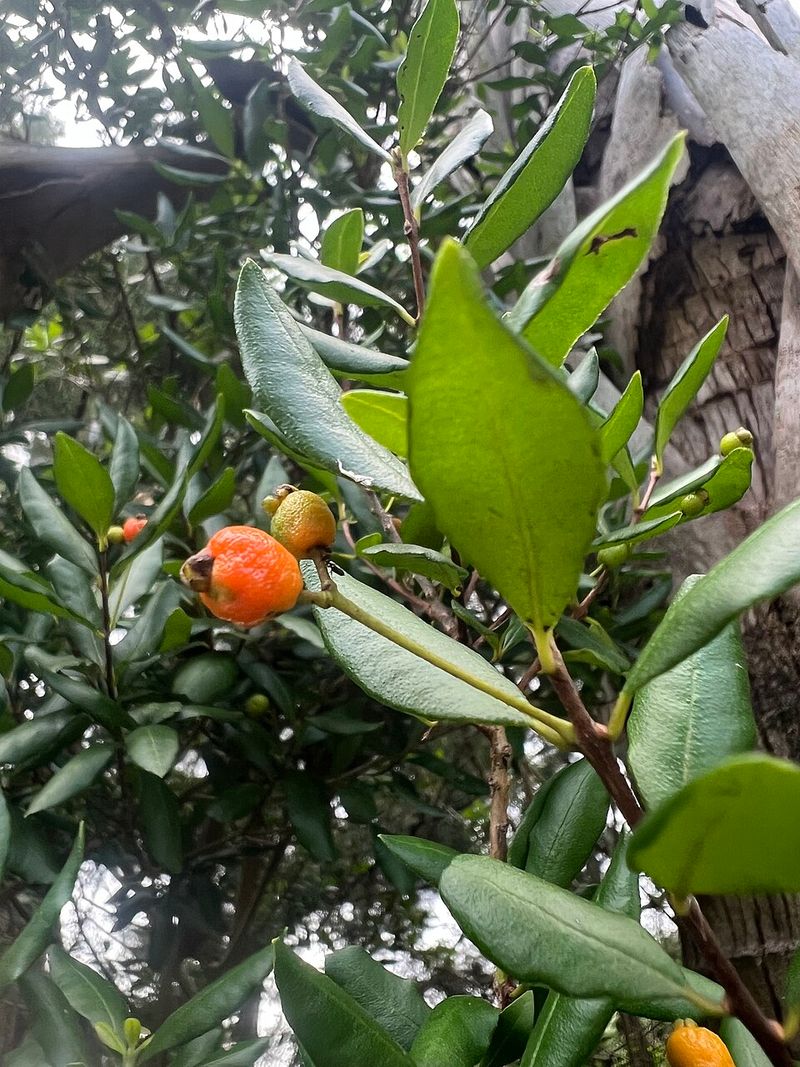
Known botanically as Myrcianthes fragrans, this native small tree or large shrub is a familiar sight in coastal hammocks.
It also appears in urban landscapes across warm southern and central regions. It tends to stay in the 10 to 15 foot range when given occasional pruning, making it genuinely manageable for small properties.
Fragrant white flowers appear in late summer and fall, drawing pollinators and adding a sweet scent to outdoor spaces. After the blooms fade, small orange to red berries follow, and while they are not a heavy harvest crop, they are edible and mildly sweet.
Birds absolutely love them, so expect wildlife activity whenever the berries ripen.
The glossy dark green foliage stays evergreen, which makes Simpson’s stopper useful as a privacy screen or foundation planting year-round. It handles partial shade reasonably well, though it tends to fruit better with more sun.
Sandy, well-drained soils suit it fine, and once established, it shows solid drought tolerance.
Placement matters with any edible ornamental, and this one rewards thoughtful siting. A spot near a patio, along a property line, or as part of a mixed native hedge gives it room to grow without crowding structures or paving.
Light annual pruning keeps the shape tidy and encourages fresh growth. It is not a tree that will feed a family.
But it adds genuine edible interest, native wildlife value, and evergreen structure to small landscapes where every plant needs to pull its weight. UF/IFAS recognizes it as a dependable native ornamental for warm-climate yards.
2. Chickasaw Plum Fits Small Yards With Spring Flowers And Fruit
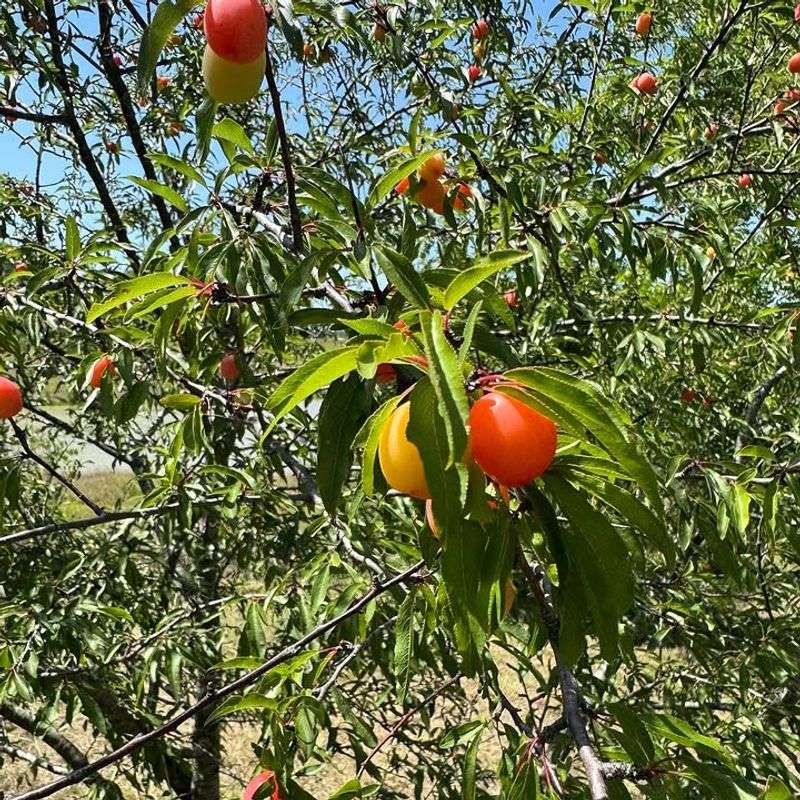
Before most spring trees have even thought about blooming, Chickasaw plum (Prunus angustifolia) bursts into clouds of small white flowers. Those blooms cover the branches almost completely.
That early-season show alone would earn it a spot in many yards, but the edible plums that follow in early summer make it even more worthwhile. Fruits are small, tart to mildly sweet, and genuinely useful for jams, jellies, or fresh snacking straight off the branch.
Your Florida Garden Changes Every Week. Your Plan Should Too.
Gardening in Florida changes quickly throughout the season. Every Friday you’ll receive a simple weekly plan showing exactly what to plant, prune, fertilize, harvest, and protect so you never miss the right timing.
Sunny sites work best for this native. It struggles in shade and produces far less fruit without good light exposure.
Sandy, well-drained soil suits it well, which means it adapts naturally to many typical yard conditions across northern and central regions. In southern areas, heat and humidity can be harder on it, so it tends to perform better farther north in the state.
Here is the honest part that every small-yard gardener needs to hear: Chickasaw plum can sucker and spread into thickets if left unmanaged.
That spreading habit is great for wildlife corridors and large naturalistic landscapes, but it needs real management in a small yard.
Consistent removal of root suckers is necessary to keep it contained. Used along a fence, a property edge, or an area where some spreading can be tolerated or redirected, it can work beautifully.
Wildlife value is strong. Pollinators swarm the flowers in late winter and early spring.
Birds and small mammals enjoy the fruit. The dense branching also provides nesting cover.
When placed and maintained correctly, this native fruiting tree delivers seasonal flowers, real edible fruit, and habitat value without overwhelming a compact landscape.
It simply asks for a sunny spot and a gardener willing to stay on top of sucker growth each season.
3. Pawpaw Keeps Fruit Production Manageable In Northern Spots
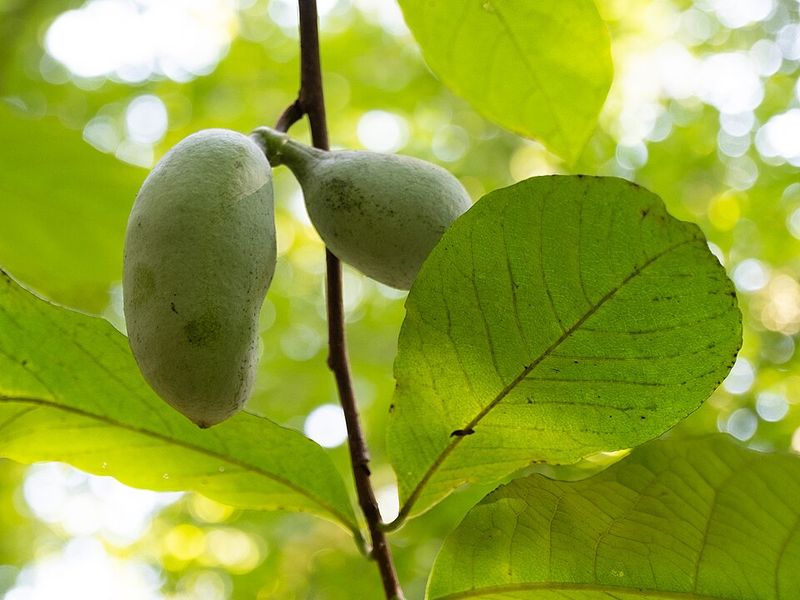
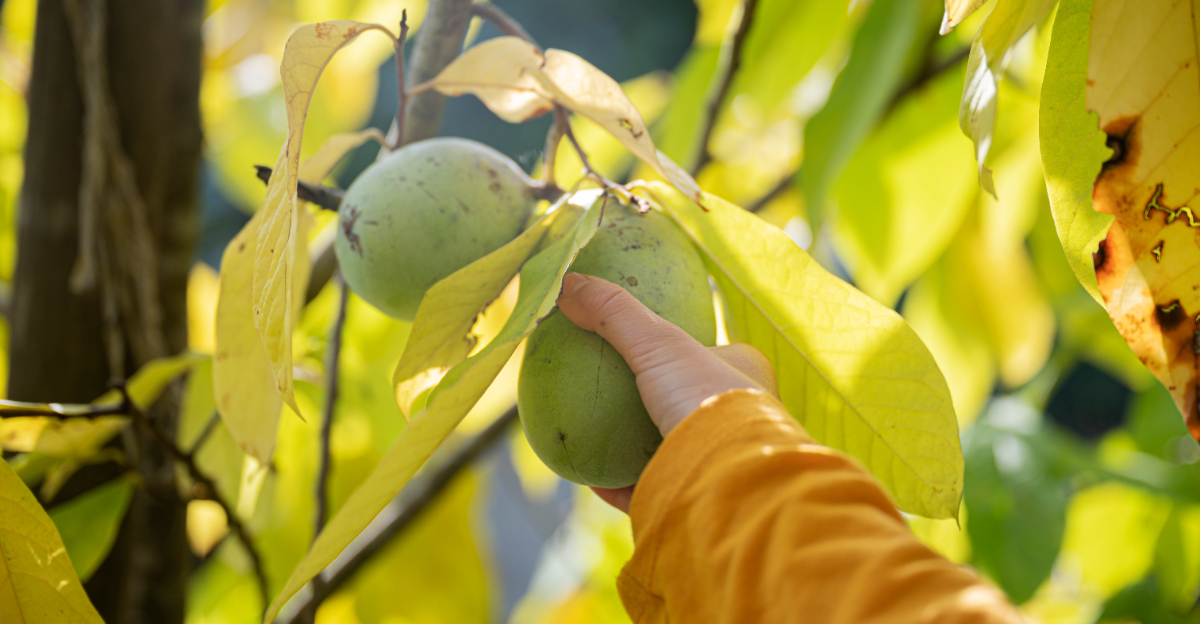
Unusual fruit that tastes like a cross between banana and custard, growing on a native tree right in your own yard, sounds almost too good to be true.
Pawpaw (Asimina triloba and related native species) can deliver exactly that experience, especially in northern regions where conditions suit it best.
The fruit is genuinely tropical in flavor despite coming from a cold-hardy native plant, and it has attracted serious attention from home growers and foragers alike.
Florida actually has several native Asimina species, and not all of them are the same tree. Asimina triloba, the common pawpaw, is better suited to northern regions of this state where winters are cooler.
Smaller native species like Asimina reticulata and Asimina obovata grow in scrub and sandhill habitats farther south. But they produce smaller fruit and are much harder to source from native nurseries.
Matching the right species to your region is essential before planting.
Common pawpaw typically reaches 15 to 20 feet but can be kept smaller with pruning and site selection. It prefers partial shade when young and well-drained, slightly acidic soil.
Cross-pollination from a second plant or a different genetic clone nearby improves fruit set noticeably. Plan for at least two plants if fruit production is the main goal.
Zebra swallowtail butterflies depend exclusively on Asimina species as larval host plants, which gives every pawpaw in the yard a serious wildlife credential. Fruit production is manageable rather than overwhelming, fitting well with small-yard goals.
Sourcing from reputable native nurseries is important because not every plant sold as pawpaw is the right species for our state’s varied regions.
4. Marlberry Adds Edible Interest To Shady Southern Yards
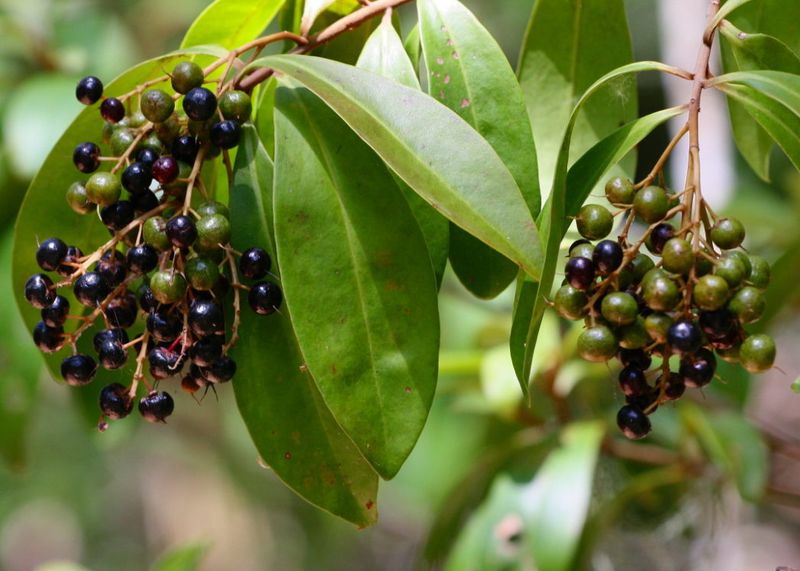
Shady corners in warm southern and coastal yards can feel like no-grow zones for edible plants. But marlberry (Ardisia escallonioides) handles low light and humidity with quiet confidence.
This native small tree or large shrub grows naturally in coastal hammocks and shaded woodland edges from central to southern regions. That makes it a genuinely regional choice rather than a statewide one.
It is worth knowing upfront that this is not a heavy fruit producer, but its berries are edible and its overall presence in a yard is genuinely valuable.
Glossy, deep green foliage stays on year-round and gives marlberry a polished, tropical look that suits coastal and southern landscapes well. Clusters of small pinkish-white flowers appear seasonally and attract native bees and other pollinators.
The dark berries that follow are eaten enthusiastically by birds, which adds real wildlife value even when human harvest is minimal.
Growing to around 10 to 15 feet in ideal conditions, marlberry can be kept smaller with occasional pruning. It prefers moist, well-drained soil and does best with protection from hard freezes, which is why it is not a reliable choice for inland or northern areas.
Coastal warmth and humidity actually suit it well, and it can handle the salt air that challenges many other plants.
Think of marlberry as edible structure rather than a fruit crop. A well-placed specimen near a shaded patio, along a fence in a warm coastal yard, or tucked into a mixed native planting gives it room to show off.
It can display its foliage and berries without crowding anything. It rewards patience and correct placement.
UF/IFAS lists it as a useful native for warm, shaded landscapes in suitable regions of this state.
5. Wild Lime Stays Compact While Feeding Wildlife Too
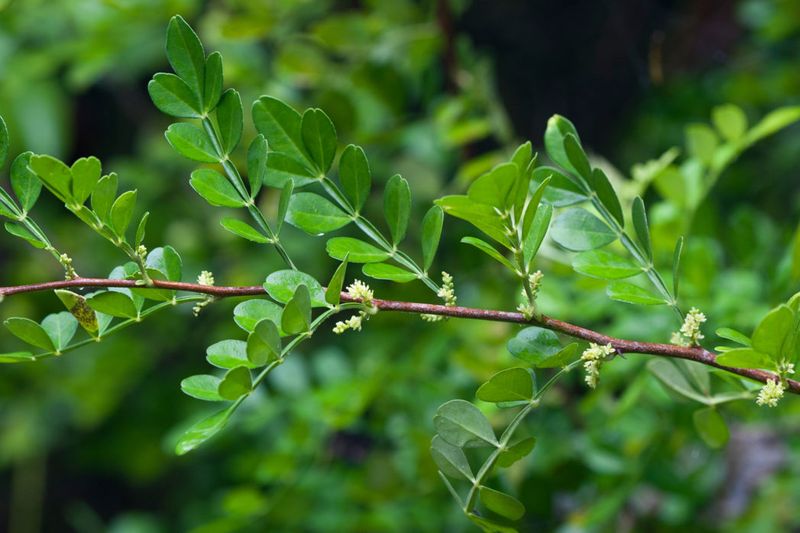
Not every edible tree in a small yard needs to produce baskets of fruit to earn its place. Wild lime (Zanthoxylum fagara) brings a different kind of value.
It is a compact, thorny native shrub with citrus-family credentials, strong wildlife connections, and a traditional culinary history that makes it interesting without overpromising on harvests.
It grows naturally in coastal scrub, hammock edges, and rocky pinelands across warm southern and coastal areas of this state.
Aromatic leaves carry a citrusy scent when crushed, and the plant has been used historically as a seasoning and in traditional medicine. Be clear-eyed about this: wild lime is not a substitute for a juicy grocery-store lime.
The edible and culinary interest is real but limited. It is best framed as a plant with traditional seasoning value and botanical curiosity rather than a major food source.
Where wild lime truly shines is as a host plant for giant swallowtail butterflies, one of our state’s most impressive native butterflies. The larvae feed on the leaves, making every wild lime in a yard a potential butterfly nursery.
That alone gives it serious ecological weight in a small native landscape. The thorny stems also provide nesting cover and protection for small birds.
Size-wise, wild lime typically stays in the 6 to 15 foot range depending on conditions, and it can be pruned to stay compact. It tolerates coastal conditions, salt spray, and sandy soils well.
Cold hardiness is limited, so it fits best in warm southern and coastal yards. Placed along a property edge or mixed into a native hedge, it delivers structure, wildlife value, and edible curiosity in a package that will not crowd a tight yard.
6. Cocoplum Works Where Warm Small Yards Need Structure
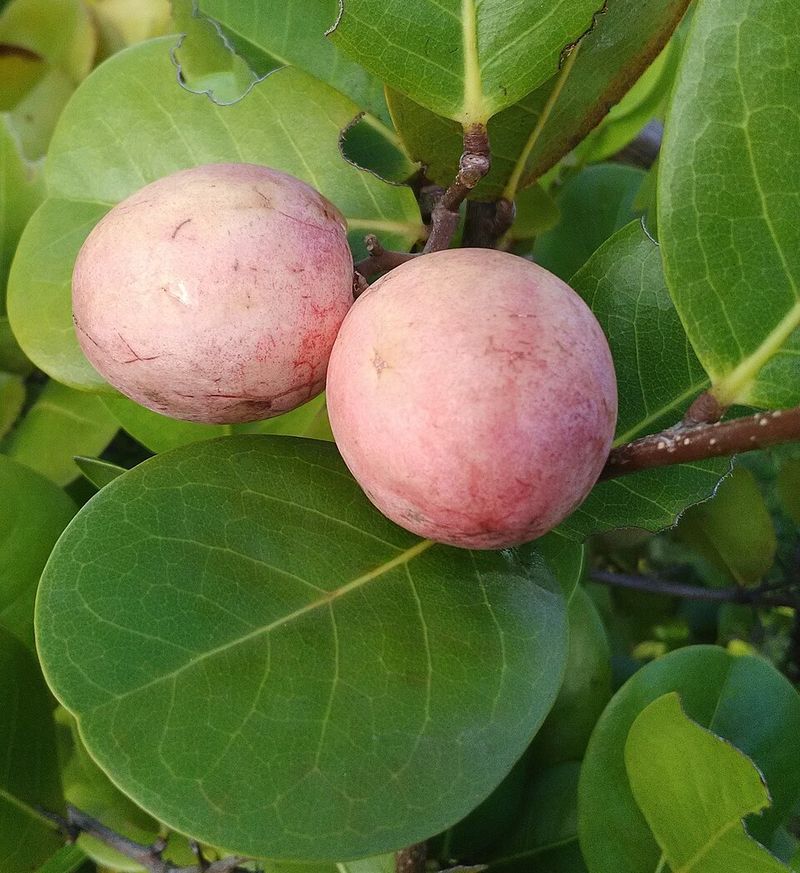
A plant that gives you edible fruit, dense evergreen screening, and coastal toughness in one package sounds like exactly what a small warm-climate yard needs. Cocoplum (Chrysobalanus icaco) delivers all three.
It also has enough flexibility in size and form to fit hedges, property lines, and foundation plantings across southern and coastal regions. The fruit is genuinely edible, with a mild, slightly sweet flavor that works fresh or cooked into jams and jellies.
Fruit quality and color vary by ecotype. Coastal forms often produce white or pinkish fruit, while inland forms may produce darker purple fruit.
Both are edible, but flavor can differ noticeably between plants. Sourcing from a reputable native nursery and asking about the ecotype helps set realistic expectations.
This is a plant worth researching before buying rather than grabbing whatever is on the shelf.
Cocoplum is naturally a shrub to small tree that can reach 15 feet or more without pruning. In a small yard, regular shaping keeps it at hedge height and prevents it from overwhelming neighboring plants or structures.
It responds well to pruning and bounces back vigorously, which is both a strength and a reminder that consistent maintenance matters. Skipping pruning for a season or two can mean playing catch-up later.
Sandy, well-drained soils suit it, and it handles salt spray, heat, and humidity like a native should. It does not belong in colder inland areas where freezes are common, as cold hardiness is limited.
For southern and coastal yards, though, cocoplum can serve as a productive edible hedge, a wildlife-friendly screen, or a standalone specimen with real food value. Birds enjoy the fruit too, adding another layer of backyard interest to an already hardworking native plant.
7. Sugarberry Offers Shade And Edible Interest In One Compact Native
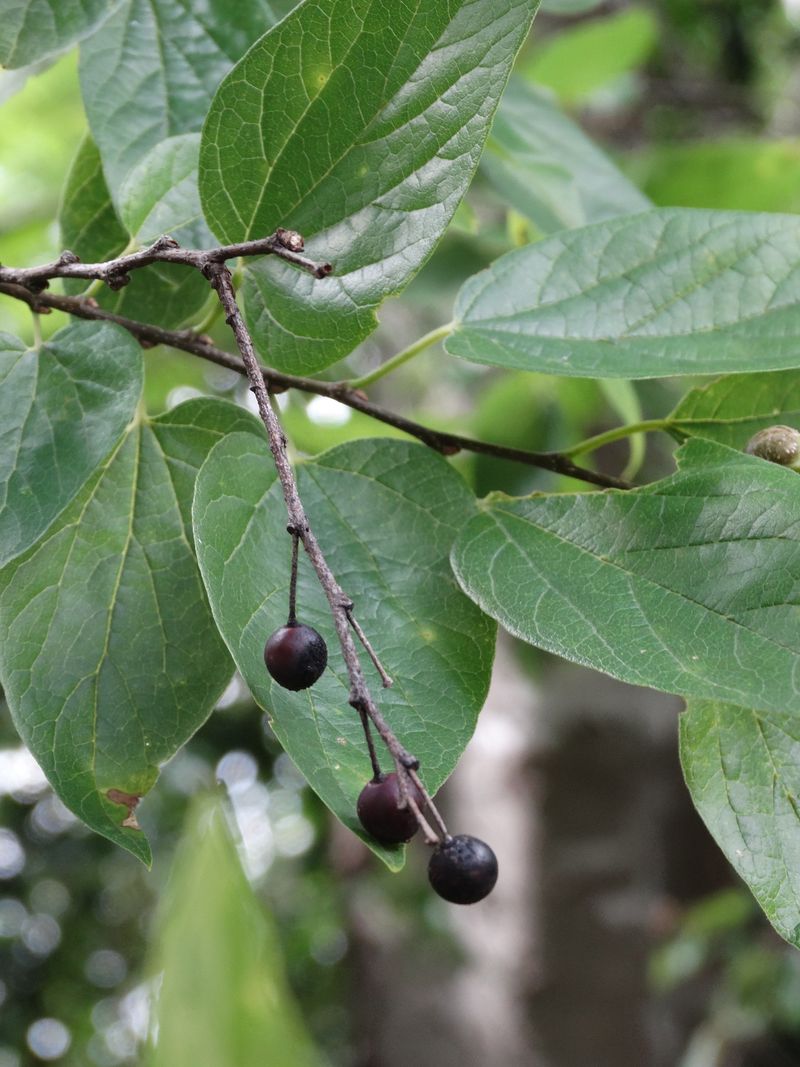
Shade in a small yard is a luxury, and a tree that provides it while also producing edible berries and supporting wildlife feels like a genuine win. Sugarberry (Celtis laevigata), also called southern hackberry, is a native tree that checks those boxes.
It does that without becoming the kind of towering canopy tree that swallows a small lot whole. It grows across much of this state and adapts to a range of soil types, including moist and occasionally wet sites where other trees struggle.
The berries are small, reddish to dark purple when ripe, and genuinely sweet. They are not the kind of fruit that fills a bowl at harvest time, but they are edible and have been eaten by people and wildlife for generations.
Birds especially love them, and sugarberry is known as a reliable food source for migrating species moving through the state each fall. Planting one near a window or patio can turn it into a front-row seat for bird watching during migration season.
Sugarberry can reach 40 to 60 feet at maturity in ideal conditions, which is worth knowing before planting in a very tight space. In a small yard, placement matters enormously.
Positioning it where its canopy can grow without conflicting with structures, power lines, or neighboring plants gives it room to develop naturally. It can be kept in check with selective pruning when young, and many urban plantings stay considerably smaller than the maximum height.
Hackberry emperor and American snout butterflies use it as a larval host plant, adding another layer of ecological value. Well-drained to moist soils, full sun to partial shade, and solid heat tolerance make sugarberry a flexible native choice.
It works best for yards with the space to let a true shade tree develop over time.