Virginia’s Best Cut Flowers To Plant In June For A Summer Full Of Fresh Bouquets
There’s a version of your summer where every room has fresh flowers and you grew all of them yourself. June in Virginia is where that version starts.
The soil is warm enough. The season stretches far enough ahead to make every seed worth planting.
Cut flower gardening has a reputation for being fussy, but that reputation belongs to the wrong flowers. The right ones thrive in Virginia heat, reward frequent cutting, and look like they came from a proper florist.
The flowers on this list are all of those things. Low-effort once established, and productive enough to keep your vases full straight through September.
These eight are worth every inch of garden space you can spare.
1. Zinnia Is The Workhorse Of Every Virginia Cut Garden
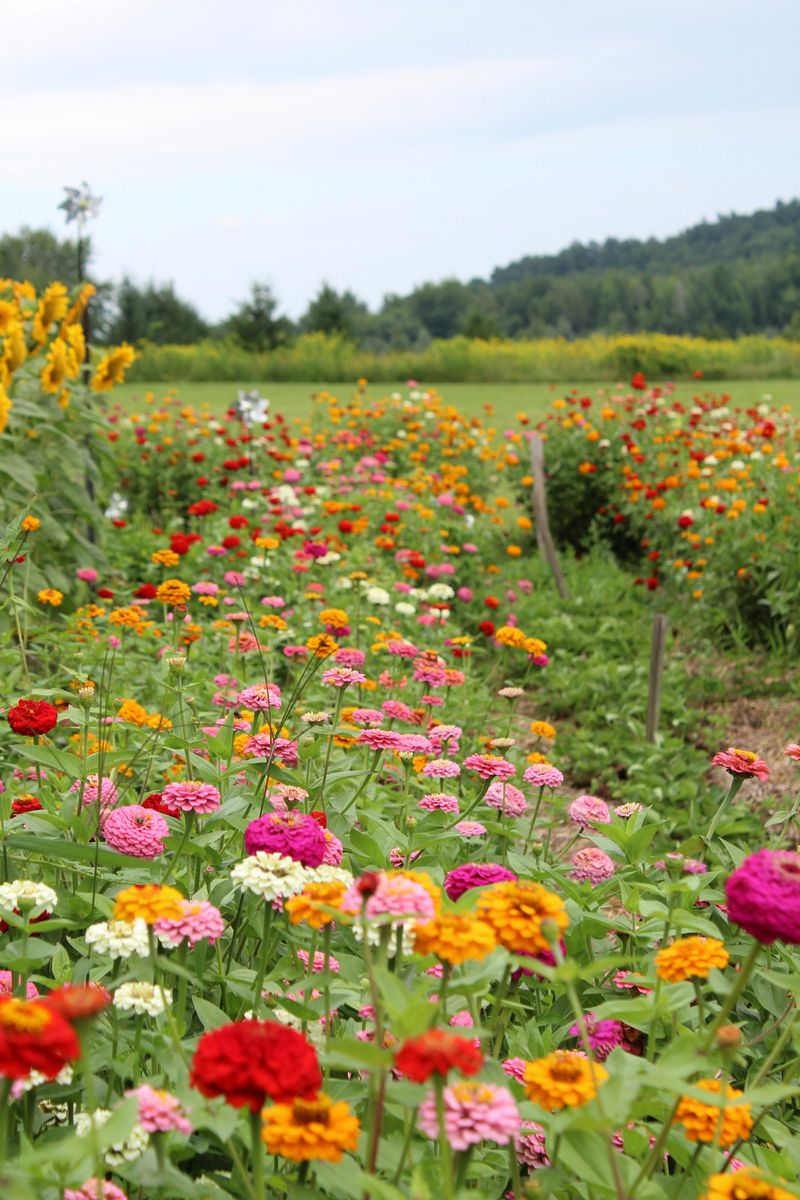
Zinnias are the flower that never calls in sick. They show up every single day, blooming hard from midsummer all the way to frost without much fuss from you.
Plant them directly in the ground after your last frost date passes. Zinnias hate having their roots disturbed, so skip the transplants and sow seeds straight into warm soil.
Give them full sun and well-drained beds, and they will reward you endlessly. Cutting them actually encourages more blooms, so the more bouquets you make, the more flowers you get.
Taller varieties like Benary’s Giant or Oklahoma Series are the top picks for cut gardens. Their long stems make arranging easy, and the blooms last up to two weeks in a vase.
Virginia’s humid summers can bring powdery mildew to zinnias, so water at the base and leave the foliage dry. Spacing plants about twelve inches apart also helps air circulate freely.
Remove any blooms that start to fade and you will keep the plant focused on producing new flowers. One packet of mixed seeds can fill an entire raised bed with color.
Zinnias come in nearly every shade except blue, so you can design a palette that suits your style. From creamy whites to deep burgundies, the range is genuinely stunning.
For Virginia gardeners planting in June, zinnias are the single best investment of time and seed money you can make this season.
2. Sunflowers Make The Best Anchor Bloom In Any Summer Bouquet
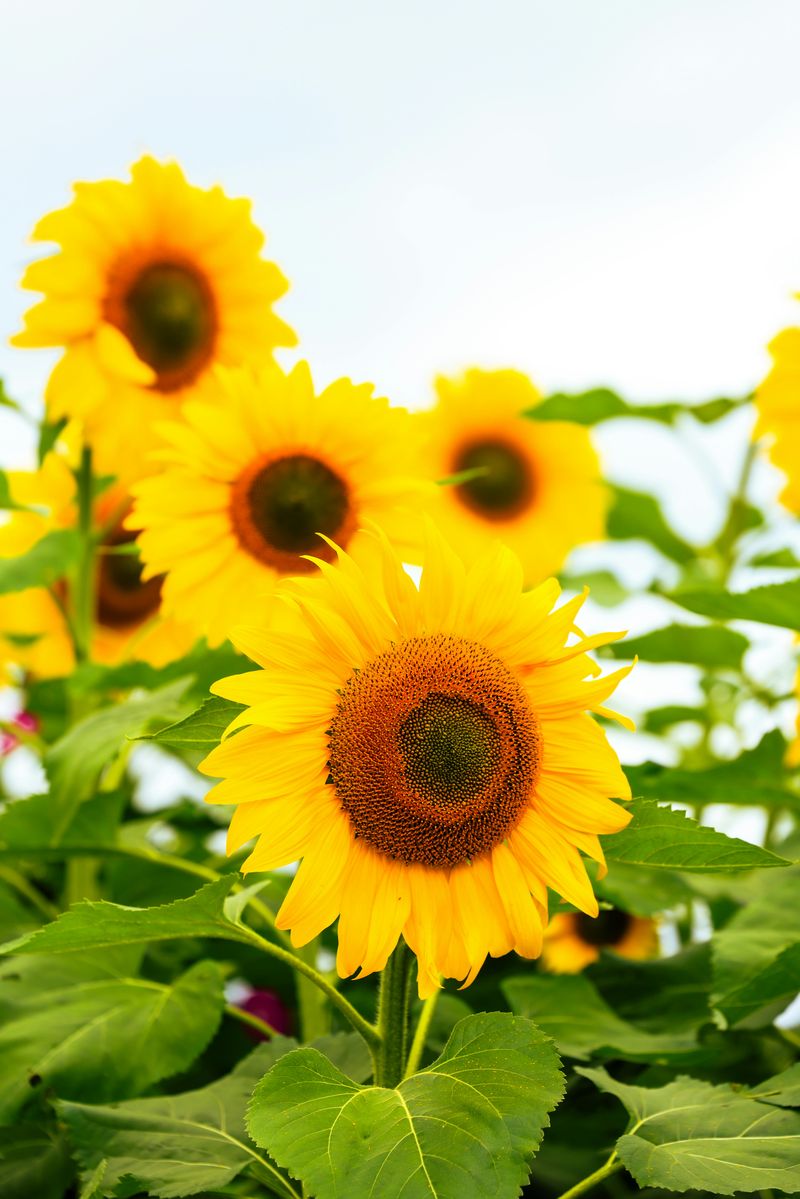
Nothing stops a room like a sunflower. That big, cheerful face just commands attention the moment it walks through the door in a bouquet.
Sunflowers planted in early June in Virginia will bloom in about sixty to seventy days, landing right in peak summer. That timing puts gorgeous stems in your hands from mid-August through September.
Choose branching varieties like ProCut or Lemon Queen if you want multiple stems per plant. Single-stem types like Sunrich Orange give you one large bloom per plant but work beautifully as anchor flowers.
Sow seeds about an inch deep in a sunny spot with loose, fertile soil. Sunflowers are drought-tolerant once established, but consistent watering in the first few weeks speeds up growth noticeably.
Harvest sunflower stems when the petals just begin to open and the center disc is still tight. Cutting too late shortens vase life significantly, sometimes down to just three or four days.
Your Virginia Garden Changes Every Week. Your Plan Should Too.
Gardening in Virginia changes quickly throughout the season. Every Friday you’ll receive a simple weekly plan showing exactly what to plant, prune, fertilize, harvest, and protect so you never miss the right timing.
Strip the lower leaves before placing stems in clean water with a floral preservative. Change the water every two days and your sunflowers can last up to a week or more in a vase.
Some tall varieties can reach six feet or more, so plant them where they won’t shade smaller neighbors. A north-facing edge of your cut garden is usually the smartest placement.
Sunflowers bring a warmth to summer bouquets that no other bloom quite matches, and June is the perfect time to get them started.
3. Cosmos Keeps Producing Long After Most Flowers Fade
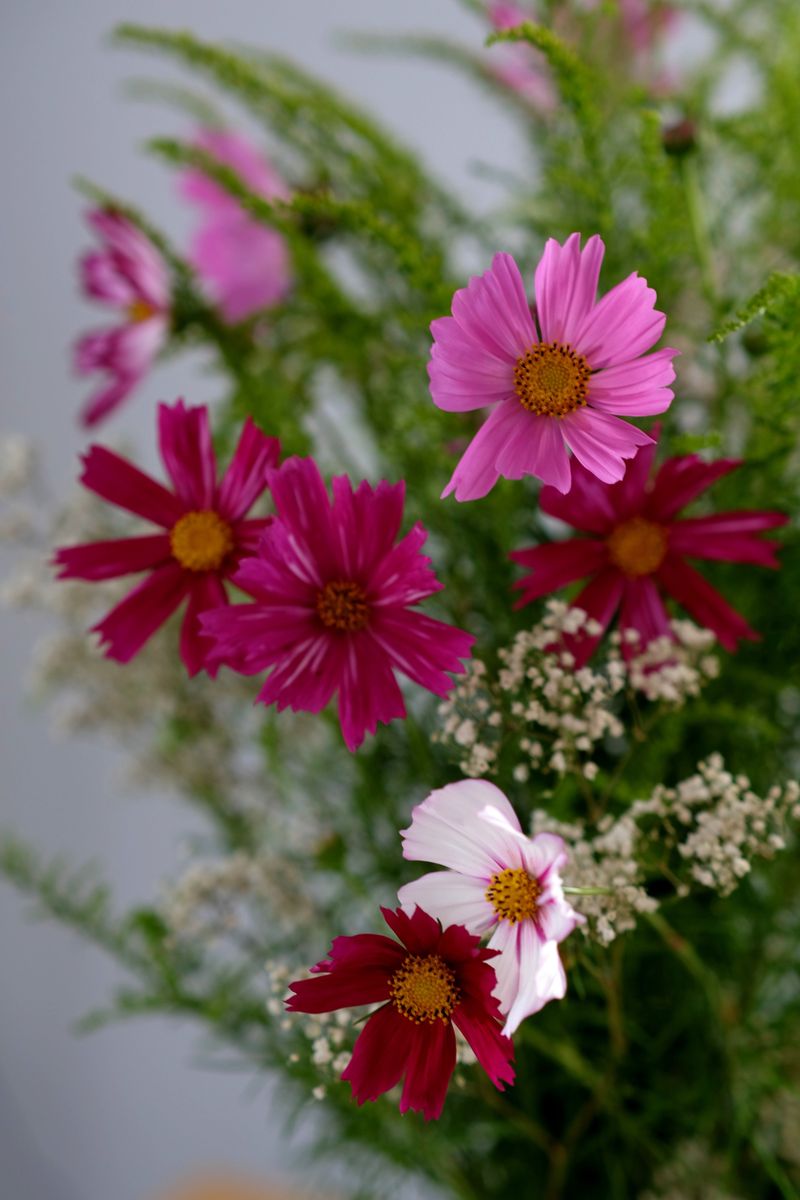
Cosmos is the overachiever nobody talks about enough. Once it starts blooming, it simply does not stop until a hard freeze shuts everything down.
Planted in June, cosmos seeds germinate fast in warm Virginia soil, often sprouting within a week. You can expect your first blooms in about fifty to sixty days, right when summer is hitting its stride.
The feathery foliage and daisy-like flowers add an airy, romantic quality to bouquets that heavier blooms cannot replicate. They pair brilliantly with sunflowers, zinnias, and rudbeckia for a wild, garden-fresh look.
Cosmos actually thrives in poor soil, which makes it ideal for spots where other plants struggle. Adding too much fertilizer pushes leafy growth at the expense of flowers, so resist the urge to overfeed.
Sensation Mix and Double Click are two varieties worth seeking out for cut flower use. Their stems run longer and their blooms hold up better once placed in water.
Harvest stems in the early morning when the flowers are just beginning to open. Cosmos wilts fast in heat, so get them into cool water immediately after cutting.
Re-cutting the stems every couple of days extends vase life to about five or six days. A clean vase and fresh water make a bigger difference than most people expect.
For Virginia gardeners who want a flower that keeps giving through September, cosmos is one of the most dependable choices you can plant this June.
4. Celosia Brings Texture And Serious Vase Life To The Mix
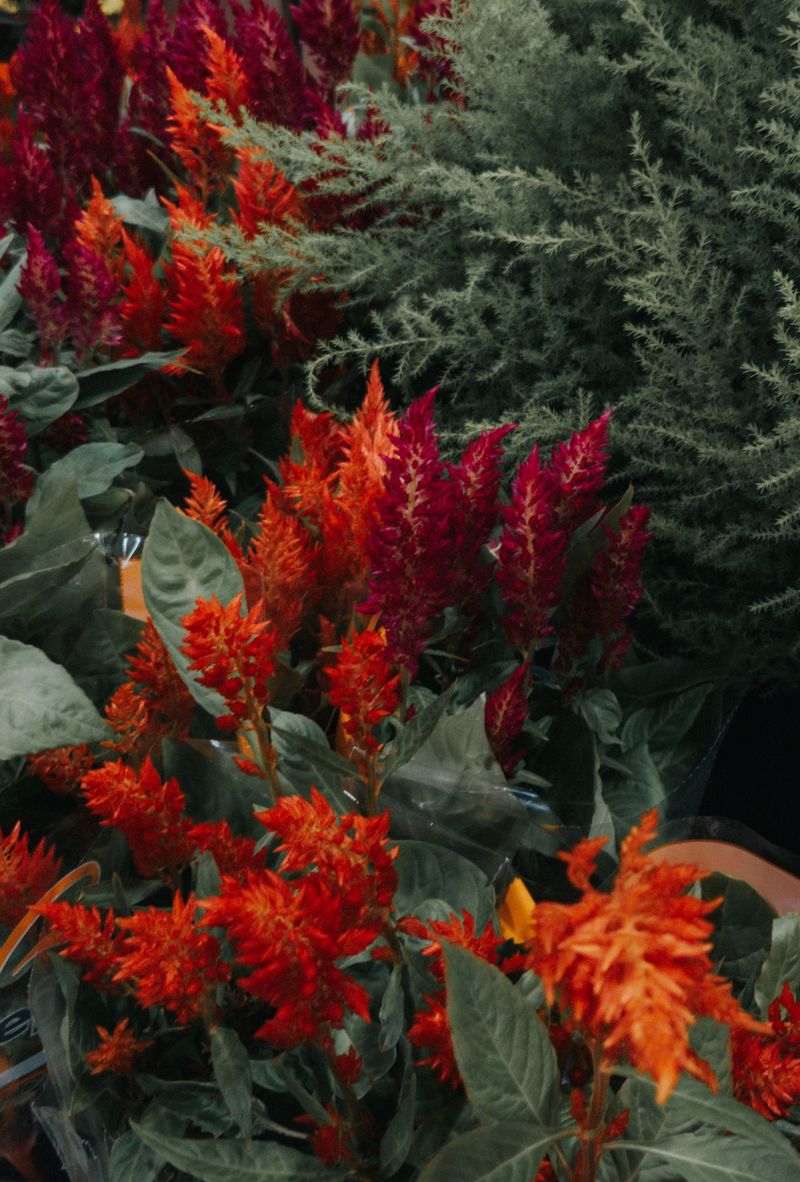
Celosia looks like someone turned the heat up on a flower and it just kept going. The velvety, flame-shaped plumes and brain-like crests are unlike anything else in the garden.
What makes celosia truly special for cut flower growers is its vase life. Stems can last up to two weeks in water, which is extraordinary compared to most summer blooms.
Plant seeds or transplants in June after the soil has fully warmed. Celosia is a heat lover through and through, and it sulks in cool, wet conditions until temperatures climb.
Two main types work well for bouquets: plumed celosia, which looks like a feathery torch, and crested cockscomb, which has a wild, sculptural quality. Both dry beautifully if you want arrangements that last even longer.
Celosia comes in fiery reds, deep purples, hot pinks, and soft creams, giving you a wide palette to work with. The colors hold up even as the plant dries on the stem.
Full sun and well-drained soil are non-negotiable for this flower. In heavy clay soil, raised beds make a significant difference in plant health and bloom production.
Pinch the central stem early to encourage branching and more cutting stems per plant. A single celosia plant can produce dozens of usable stems over a full season.
For bouquets that need bold texture and staying power, celosia is one of the most underrated flowers a Virginia gardener can grow this summer.
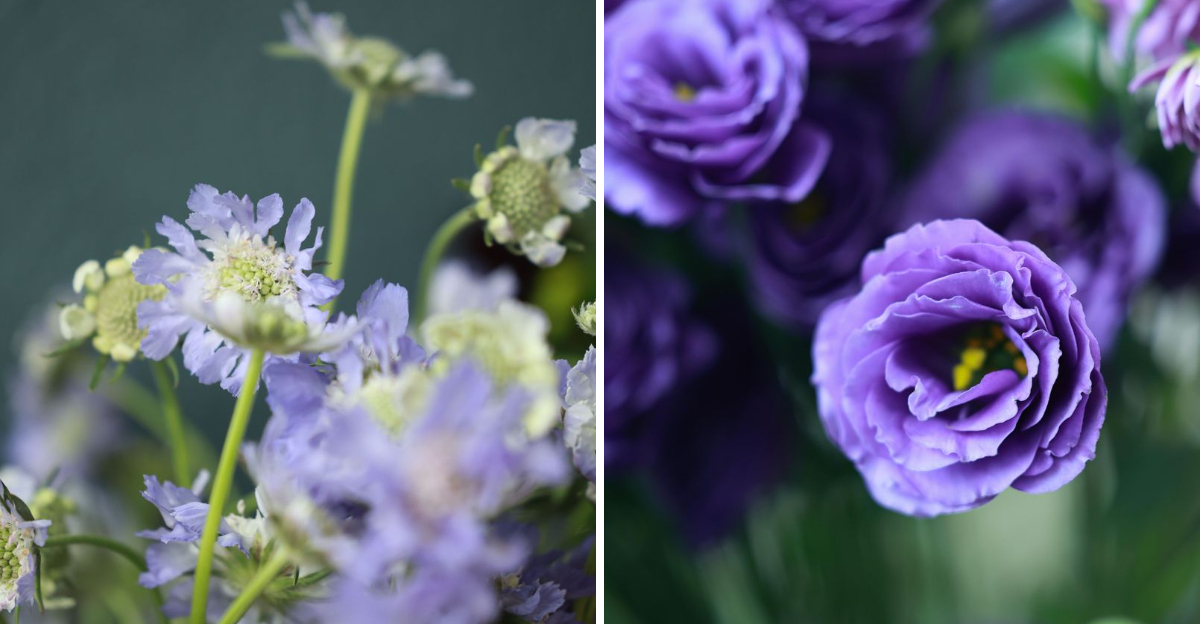
5. Lisianthus Looks Like It Came From A Florist, Not Your Backyard
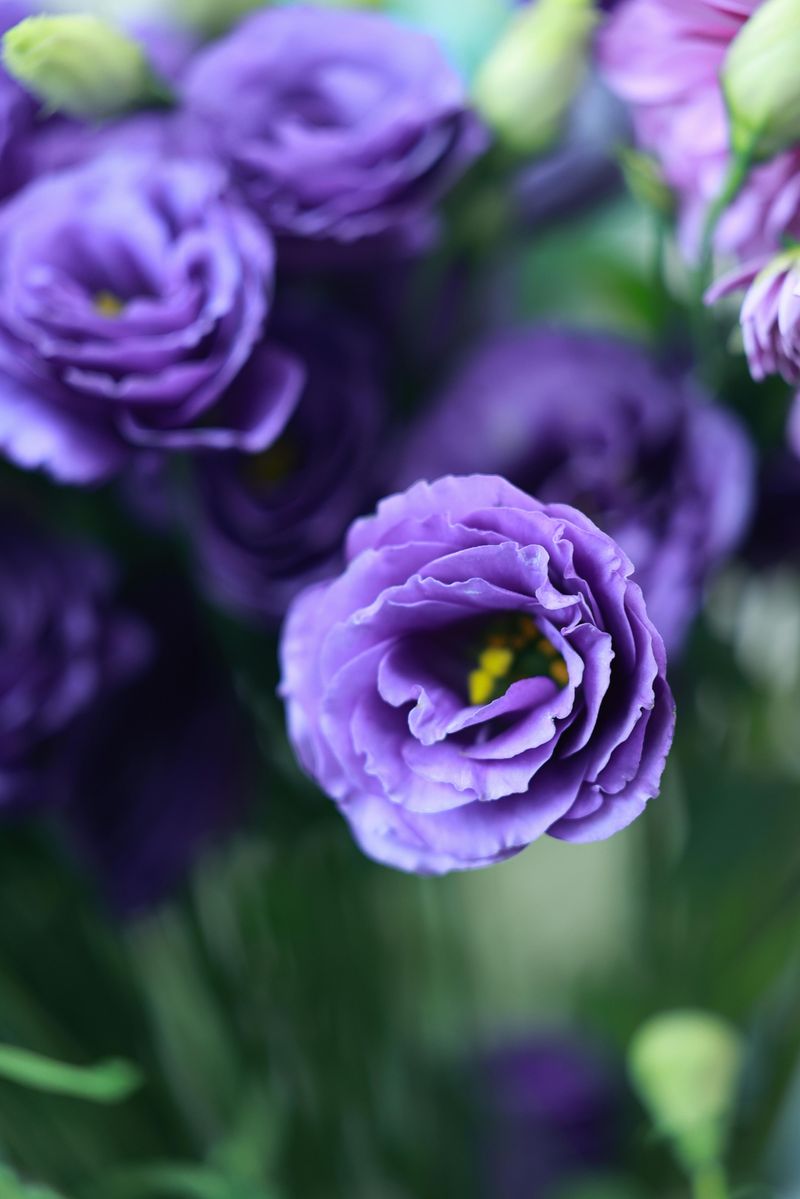
Image Credit: © Andy Lee / Pexels
Lisianthus has a reputation for being fussy, and honestly, that reputation is earned. But when it blooms, the payoff is so stunning that most growers say it was absolutely worth the effort.
The ruffled, layered petals look like a cross between a rose and a peony, and most people cannot believe these came from a home garden. Florists charge a premium for lisianthus stems because they are genuinely that beautiful.
Starting from seed is notoriously slow, often taking five to six months to produce a single bloom. Buying transplants in June tends to be the more practical choice for Virginia gardeners who want flowers before summer ends.
Plant in a spot with full sun and excellent drainage, since lisianthus is highly sensitive to waterlogged roots. Raised beds or containers with quality potting mix tend to produce the best results.
Once established, lisianthus is more forgiving than its reputation suggests. It tolerates Virginia’s summer heat reasonably well as long as soil moisture stays consistent without becoming soggy.
Harvest stems when two or three buds on the spike have opened. The remaining buds will continue opening in the vase, giving you a slow, beautiful display that can last two weeks.
Colors range from deep purple and lavender to blush pink, white, and bicolor combinations. Mixing two or three shades in one bouquet creates an arrangement that looks professionally designed.
Lisianthus is the flower that makes guests ask where you bought your bouquet, and the answer is always better when it came from your own backyard.
6. Scabiosa Is The Delicate Filler Virginia Gardens Tend To Love
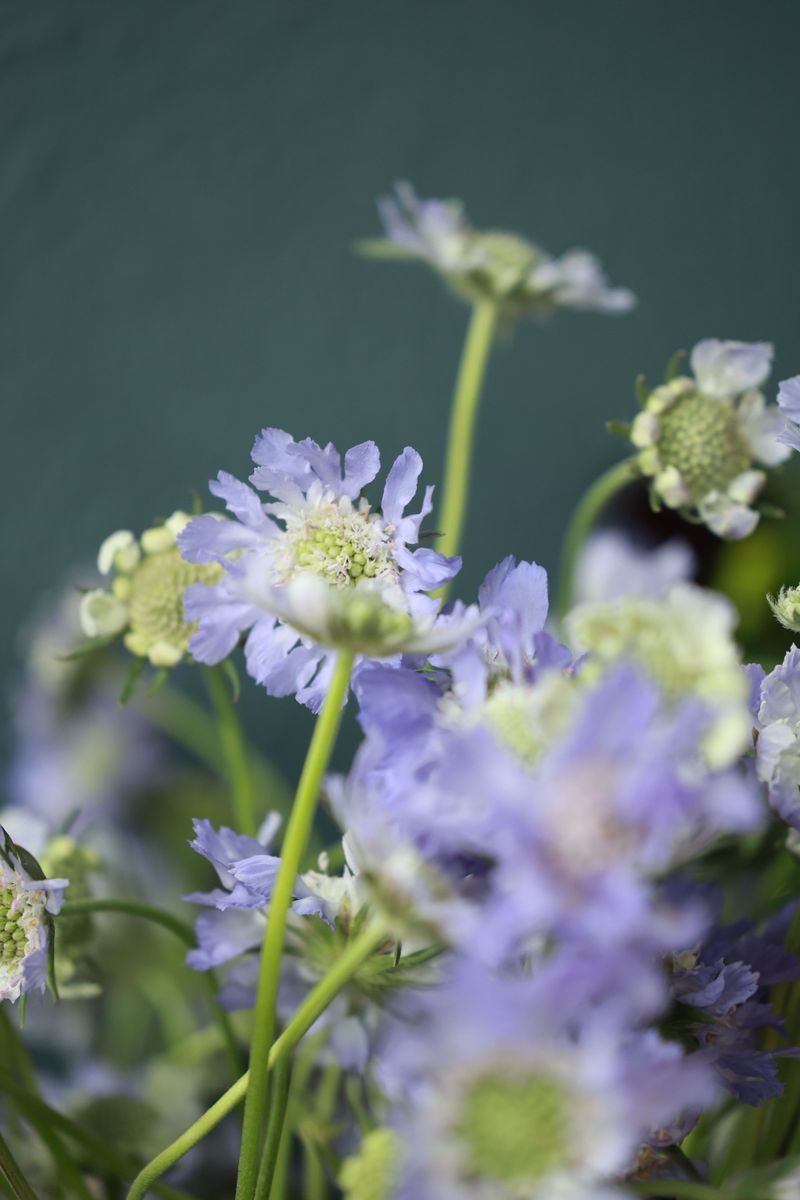
Image Credit: © Andy Lee / Pexels
Scabiosa goes by the nickname pincushion flower, and one look at the bloom tells you exactly why. The round, domed center surrounded by tiny petals looks like a little cushion stuck full of pins.
Beyond the charming name, scabiosa is a workhorse filler that gives bouquets an airy, meadow-fresh quality. It softens the visual weight of heavier blooms like sunflowers and celosia without disappearing into the background.
Planted in June, scabiosa establishes quickly in Virginia’s warm soil and begins blooming in about eight to ten weeks. It prefers slightly alkaline soil, so a light dusting of garden lime can improve performance in acidic beds.
Full sun is essential, but scabiosa appreciates a bit of afternoon shade during the hottest weeks of August. Consistent moisture without waterlogging keeps the plant blooming steadily through the season.
Tall Mix and Tall Blue Pincushion are excellent choices for cut gardens, with stems reaching eighteen to twenty-four inches. Those long stems make them much easier to work with in arrangements.
Harvest flowers when the outer ring of petals has opened but the center is still tight. Stems last about five to seven days in a vase with clean water and regular changes.
Bees and butterflies absolutely adore scabiosa, so planting it also supports local pollinators throughout the summer. That ecological bonus makes it an even smarter addition to any garden bed.
Scabiosa is the quiet achiever that pulls every bouquet together and makes the whole arrangement feel effortless and intentional.
7. Rudbeckia Earns Every Inch Of Space In A Virginia Summer Garden
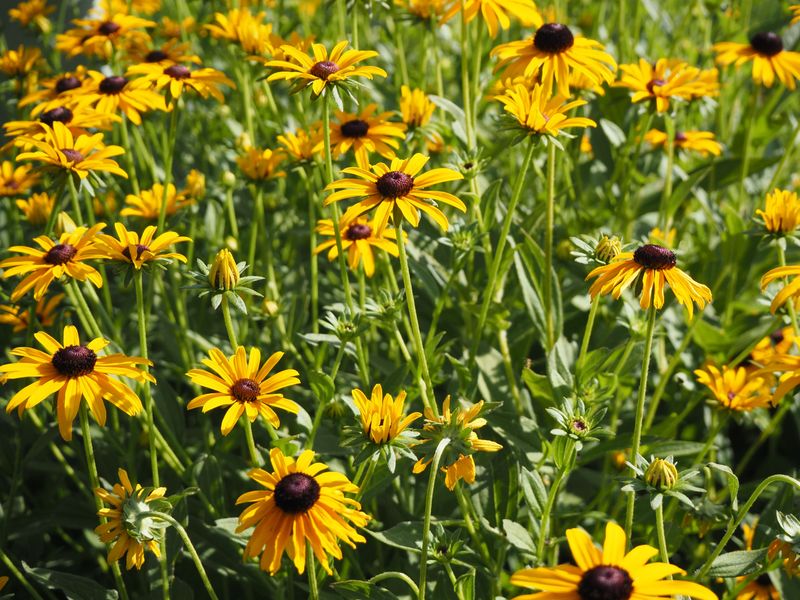
Rudbeckia is basically the black-eyed Susan you already know and love, just grown with intention for cutting. These bold golden blooms are practically synonymous with late summer in the American South.
Planted from seed in June, rudbeckia establishes fast and starts flowering in roughly sixty to ninety days. That puts peak bloom right in August and September when many other flowers begin to slow down.
The dark chocolate centers and rich yellow petals create a warm, earthy color palette that pairs beautifully with celosia and cosmos. Few flowers feel more connected to the season than a fresh-cut rudbeckia stem.
Indian Summer and Cherry Brandy are two standout varieties for cut flower use. Cherry Brandy offers a gorgeous rust and burgundy twist on the classic yellow that looks striking in mixed arrangements.
Rudbeckia thrives in Virginia’s heat and handles periods of drought better than most summer flowers. Once established, it asks for very little beyond occasional watering during extreme dry spells.
Cut stems when the petals are fully open but the center disc still feels firm. Stems typically last seven to ten days in a vase, especially with a clean cut and fresh water every two days.
This flower self-seeds freely, so leaving a few blooms to go to seed at season’s end means free plants next year. That kind of low-effort return makes rudbeckia one of the best long-term investments in a cut garden.
Every bouquet that includes rudbeckia feels grounded and warm, like summer itself decided to sit down at your table for a while.
8. Ammi Is The White Filler That Makes Every Bouquet Look Intentional
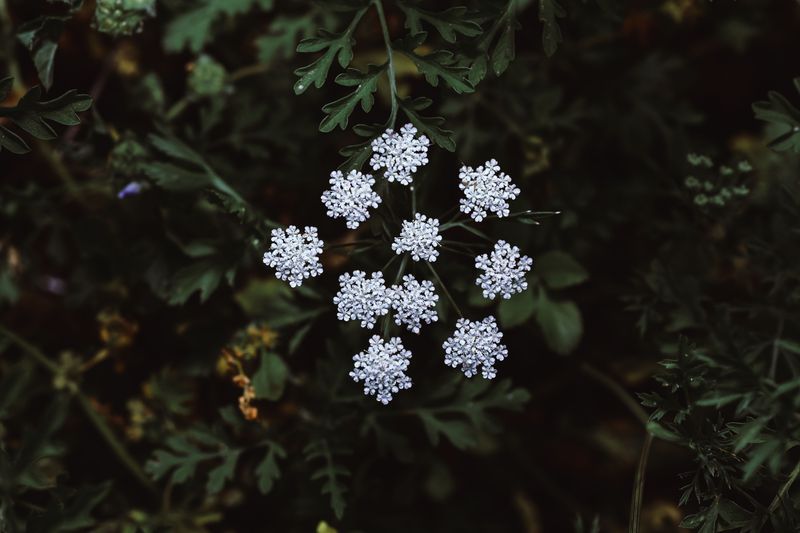
Ammi is the secret weapon professional florists have been using for years. Those lacy, white umbrella-shaped flower heads make every single arrangement look like it was designed on purpose.
Often mistaken for Queen Anne’s Lace, ammi majus is actually a cultivated cousin bred specifically for longer stems and better vase life. The difference in stem length alone makes it far more practical for bouquet work.
Sow seeds directly in the garden in early June while soil temperatures are still manageable. A light layer of mulch over freshly sown seeds helps keep moisture stable and germination on track.
Full sun to partial shade works well, and ammi tolerates Virginia’s summer humidity without significant disease problems. Good air circulation between plants keeps the foliage clean and the stems strong.
Snowflake and Graceland are reliable varieties for home cut gardens. Both produce abundant stems that reach twenty-four to thirty-six inches, making them ideal for tall arrangements.
Harvest stems when about half of the tiny florets in each umbel have opened. Cutting too early means the flowers may not fully develop once placed in water.
Vase life runs about seven to ten days with clean water and a fresh cut every couple of days. Ammi also dries well if you hang stems upside down in a cool, dark space.
For Virginia’s best cut flowers to plant in June, ammi is the finishing touch that transforms a handful of blooms into something that looks truly thoughtful and complete.