What To Do With Rosemary In Florida Before the Rainy Season So It Doesn’t Rot
Rosemary and Florida have a complicated relationship, and the rainy season is where things really fall apart. What looked like a thriving, fragrant, practically indestructible herb in spring can turn into a soggy, rotting disappointment by July.
That happens if you did not take care of one important window beforehand. That window is right now.
Most Florida gardeners treat rosemary like a set-and-forget plant, and for most of the year, that attitude holds up fine.
Then the rains arrive, the humidity stacks on top of the heat, and rosemary starts showing exactly how unhappy it is with neglect in a very visible way.
A little preparation before the rainy season hits changes the outcome completely. It is not complicated, it does not take long, and it is the difference between a rosemary plant that pushes through summer and one that does not make it to fall.
1. Move Potted Rosemary Before The Rain Sets In
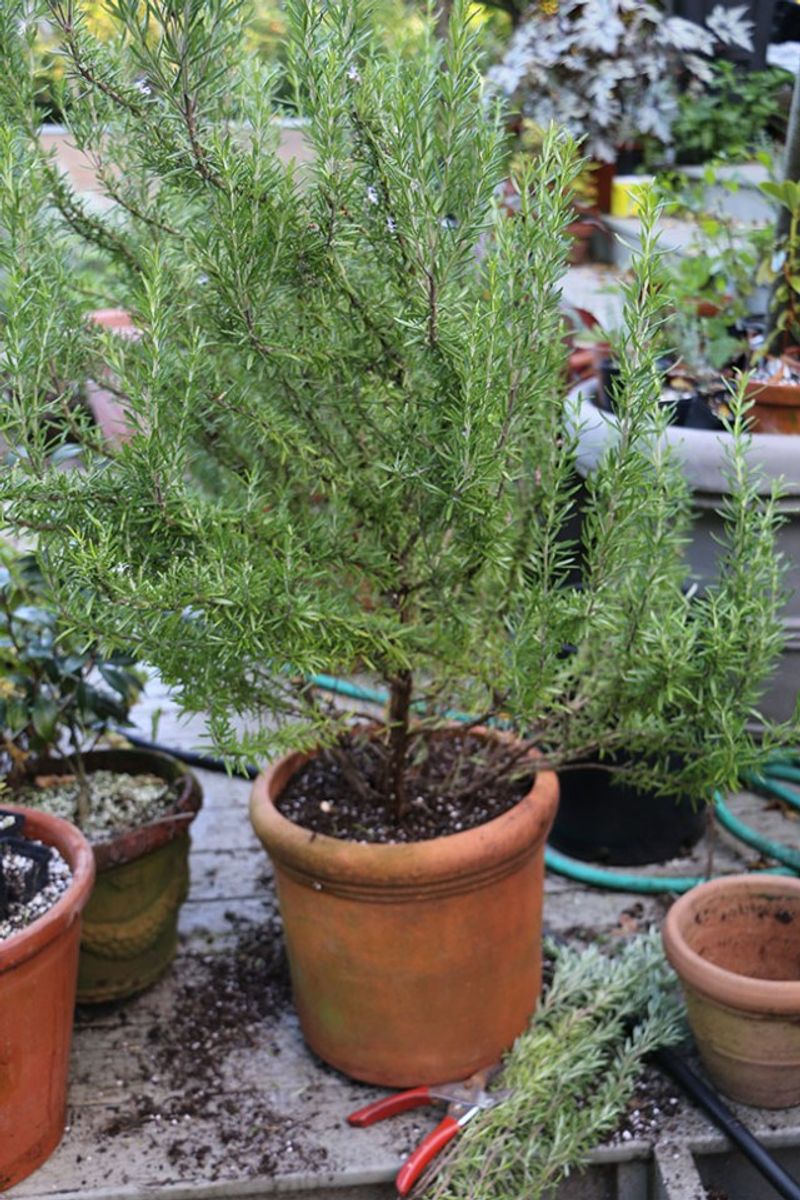
Container-grown rosemary has one big advantage over plants in the ground: you can move it. Before the rainy season starts rolling in with daily downpours, take a walk around your yard and look at where your pots are sitting.
Exposed spots that get soaked by every passing storm are risky for a plant that really prefers drier conditions.
Move containers to a bright, sunny location with good airflow, somewhere that still gets plenty of light but is sheltered from the heaviest rainfall. A covered patio, a south-facing overhang, or a spot near a wall that blocks afternoon storms can all work well.
The goal is to keep the plant sunny and warm without letting it sit in standing water after every downpour.
One habit worth breaking right now: never let a rosemary pot sit in a saucer full of water. Even a small amount of trapped water under the pot can keep roots too wet for too long.
Elevating pots slightly on pot feet or bricks helps water drain away cleanly. Terracotta pots are especially helpful because they allow moisture to evaporate through the sides.
Moving your containers to a smarter spot before the rainy season is one of the simplest steps you can take. It is also one of the most effective ways to keep rosemary healthy through a long, wet summer.
2. Check Drainage Before Roots Sit Wet
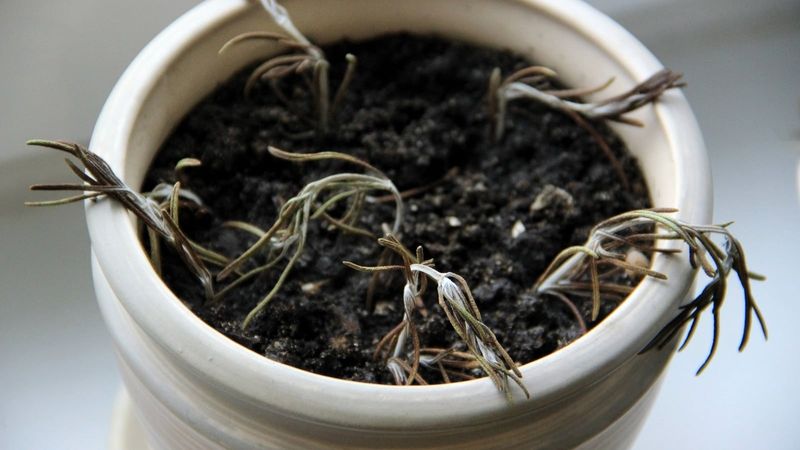
Soggy roots are the fastest way to stress a rosemary plant, and the rainy season is when drainage problems become impossible to ignore. Before the wet weather settles in, take a few minutes to check how water actually moves through your soil and containers.
Pour water into a container and watch how quickly it drains out the bottom. If it pools for more than a minute or two, the drainage holes may be blocked or the potting mix has become compacted over time.
For in-ground plants, dig a small hole nearby and fill it with water. If it drains within an hour, you are probably in good shape.
If it sits for several hours, roots will stay too wet during heavy rain stretches. Sandy soil in many parts of this state drains well naturally, but low-lying areas, clay pockets, and compacted spots can hold water longer than expected.
Your Florida Garden Changes Every Week. Your Plan Should Too.
Gardening in Florida changes quickly throughout the season. Every Friday you’ll receive a simple weekly plan showing exactly what to plant, prune, fertilize, harvest, and protect so you never miss the right timing.
Raised beds and mounded planting areas are reliable solutions where drainage is poor. A few inches of elevation can make a noticeable difference in how quickly the root zone dries between rains.
For containers, refresh old potting mix that has broken down and compacted, and make sure drainage holes are fully open. Checking drainage before the rains arrive is far easier than trying to fix a waterlogged plant mid-summer.
3. Thin Crowded Stems So Air Can Move
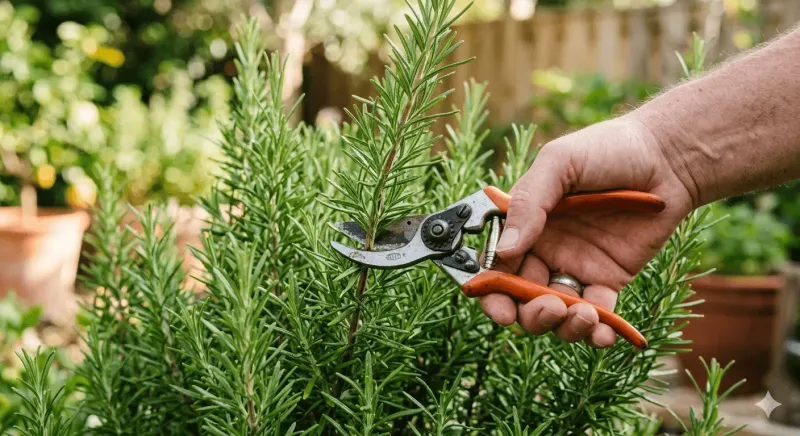
After a full season of growth, rosemary can become surprisingly dense. Stems cross over each other, foliage bunches together in the center, and the inner part of the plant stops getting much airflow at all.
That thick growth might look lush in dry weather. But once humid, rainy conditions arrive, it creates a slow-drying environment that can invite fungal problems and general decline.
Before the wet season builds, go through the plant and remove a few crowded, weak, or crossing stems. You are not trying to reshape the whole plant or cut it back hard.
The goal is simply to open things up a little so air can move through more freely. Even removing four or five stems from a dense shrub can improve drying time noticeably after rain.
One important rule to keep in mind: avoid cutting back into old, bare, woody stems. Rosemary does not regenerate well from bare wood the way some other herbs do.
Stick to green growth and lightly thin from the inside out. Cleaner airflow means foliage dries faster after each storm and stems stay less damp near the base.
The overall plant also stays in better condition through a long wet stretch. A small effort before the first heavy rains is worth far more than scrambling to fix a stressed plant once summer humidity has settled in for good.
4. Skip Heavy Mulch Around The Crown
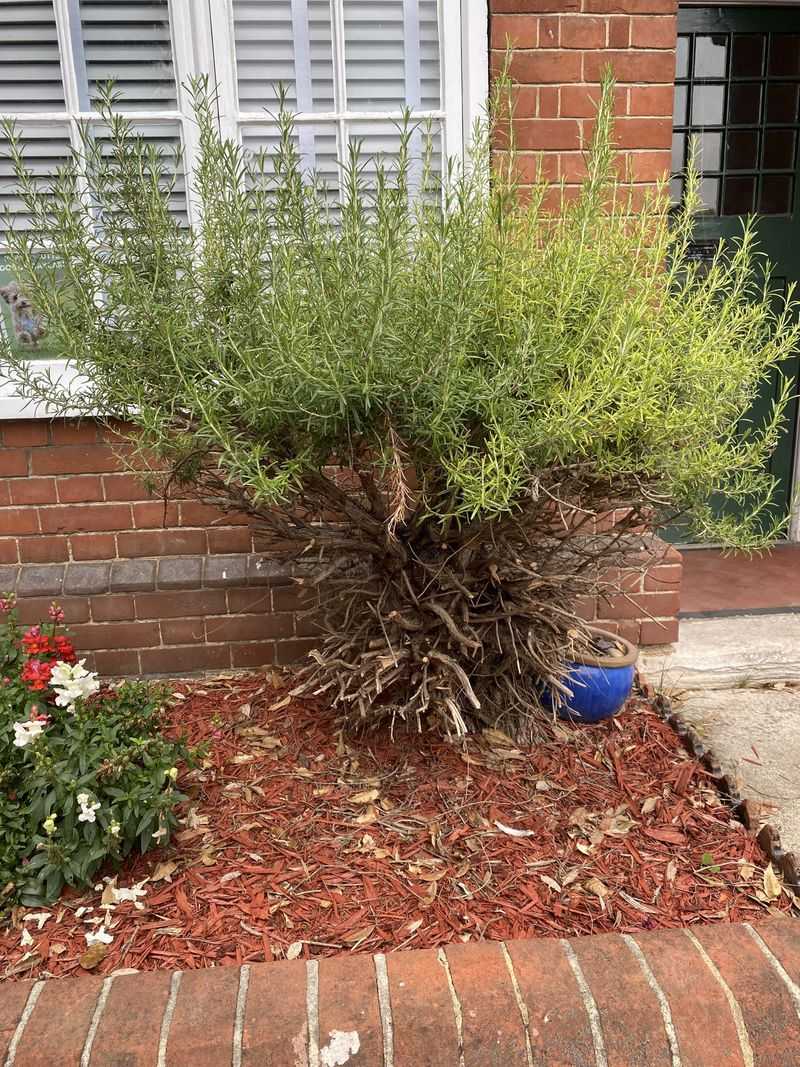
Mulch is genuinely useful in a Florida garden. It keeps soil cooler, slows moisture loss during dry spells, and helps suppress weeds.
But when it comes to rosemary, placement matters more than most people realize, especially before a rainy season that will keep the ground damp for weeks at a time.
Thick mulch piled up against the base of a rosemary plant creates a damp collar around the crown and lower stems. That area needs to stay as dry as possible.
Moisture trapped close to the woody base can soften tissue and slow airflow at ground level. It can also create conditions where the plant struggles to stay healthy through prolonged wet weather.
Pull mulch back at least a few inches from the base before the rains arrive. A clear, open ring around the crown allows the soil near the stem to dry out between downpours and lets air circulate around the lowest part of the plant.
Avoid wet, heavy organic mulches that pack down tightly against woody stems. Light, coarse materials that allow airflow are a better choice near rosemary if you do mulch the surrounding area.
Keeping the crown exposed and dry is one of those small details that adds up over a long, humid summer. Rosemary does not want a damp collar.
Give it a dry, open base and it will handle the season much better.
5. Stop Watering On A Calendar
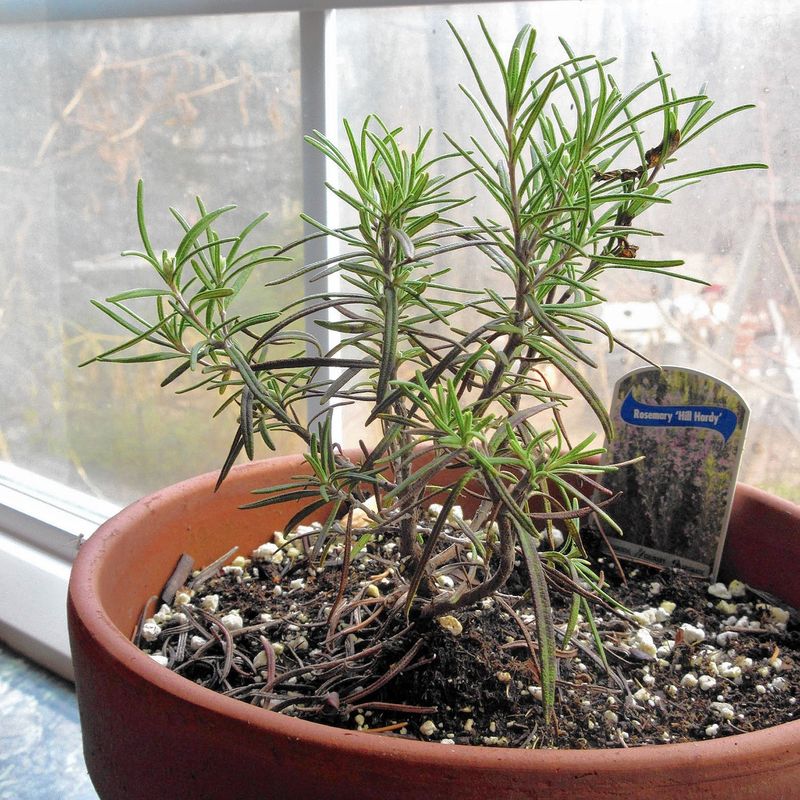
Plenty of herb gardeners water on a set schedule because it feels organized and reliable. That habit works fine during dry stretches.
But once the rainy season begins delivering afternoon storms nearly every day, a fixed watering schedule can quietly become a problem for rosemary.
Rosemary prefers drier conditions than most herbs. It is genuinely drought-tolerant once established, and it does not need or want consistent moisture around its roots.
During rainy stretches, the soil may already be holding plenty of water from natural rainfall alone. Adding irrigation on top of that keeps the root zone wetter than the plant is comfortable with for extended periods.
Before watering, push a finger or a wooden skewer a couple of inches into the soil. If it feels damp, skip the watering session entirely.
After a heavy rain, pause your irrigation system for at least a few days and check the soil again before resuming. Automated irrigation timers are convenient, but they do not know whether it just rained two inches overnight.
Adjusting your system seasonally, or switching to manual checking during the rainy season, keeps you in control of what the roots are actually experiencing. Rosemary rewards gardeners who pay attention to soil moisture rather than the calendar.
Trusting the soil over the schedule is one of the simplest adjustments you can make before summer rains arrive.
6. Raise Low Plants Out Of Soggy Soil
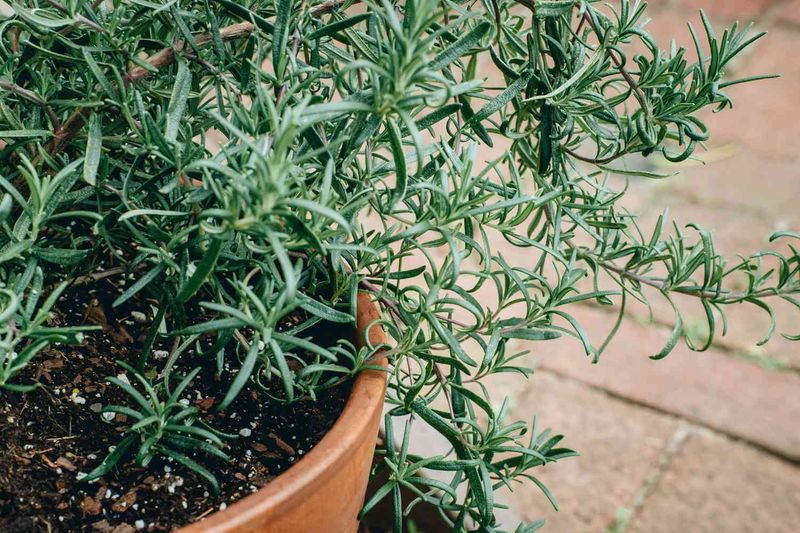
Low spots in a yard might look fine most of the year, but they reveal themselves quickly once the rainy season arrives. Water collects in depressions, drains slowly, and keeps the surrounding soil saturated for days at a time.
Rosemary planted in one of these spots faces a real challenge during a long wet summer, because its roots simply are not built for standing in soggy ground.
If a plant is young and the spot stays wet after heavy rain, moving it before the season starts is a smart call. Replanting on a slight mound, even just a few inches of elevation, can dramatically improve how quickly the root zone dries between storms.
Raised beds are another reliable option, especially in areas with heavy clay or poor natural drainage. Containers give you the most control of all, since you can move them as needed and control the potting mix entirely.
Trying to rescue a waterlogged rosemary plant mid-summer is much harder than simply placing it correctly before the rains begin.
Roots that stay wet for extended periods become stressed and vulnerable in ways that are difficult to reverse once the damage is done.
Take a walk around your garden in the next dry spell and honestly assess whether any of your rosemary plants are sitting in spots that tend to collect water. Fixing placement now is the most practical thing you can do before summer storms settle in.
7. Cut Lightly Before Humidity Builds
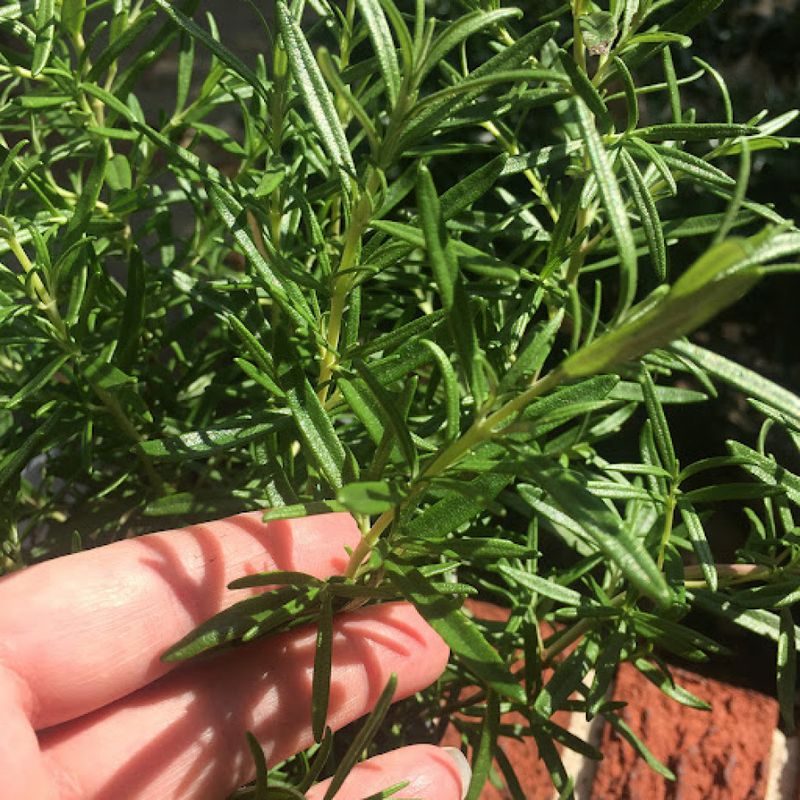
There is a window of time in late spring, just before the rainy season really locks in, when a light trim can set rosemary up for a healthier summer. A modest haircut at this point reduces floppy, overgrown growth and improves the plant’s overall shape.
It also helps keep the canopy open enough that humidity does not build up inside the foliage after every storm.
The key word here is light. Snipping small sprigs for the kitchen, shaping the outer edges, and removing a few leggy stems is exactly the right level of effort.
Going further and cutting hard into bare, woody stems is a different story entirely. Rosemary does not push new growth reliably from bare wood, so deep cuts can leave the plant looking sparse and stressed heading into an already challenging season.
Harvest a handful of fresh sprigs for cooking while you are at it. Rosemary is wonderfully fragrant and genuinely useful in the kitchen, from roasted vegetables and grilled meats to infused oils and herb blends.
Harvesting before the wet season is a practical way to enjoy the plant while also tidying it up. Leave plenty of healthy green growth in place so the plant has enough foliage to support itself through the summer.
A light, purposeful trim before humidity builds is a low-effort step with a noticeable payoff for the months ahead.
8. Keep Rosemary In The Sunniest Spot You Have
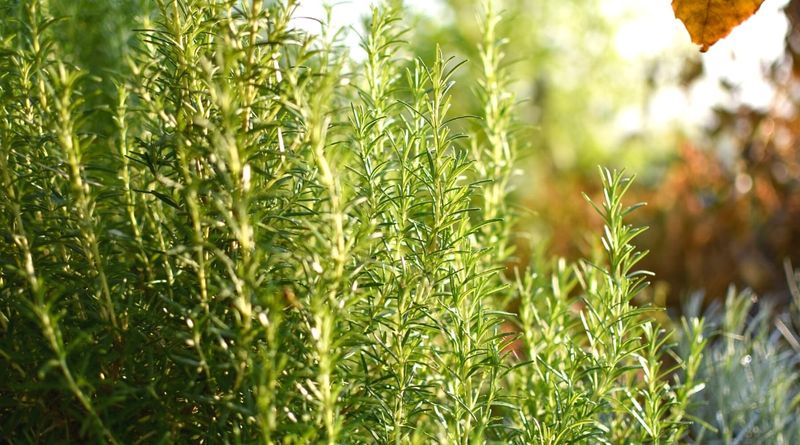
Sun is not just a preference for rosemary. It is a genuine need.
Strong, direct light for at least six hours a day helps the plant stay healthy and supports steady growth. It also plays a quiet but important role in keeping foliage and soil drier between rain events.
A plant sitting in a shady or partially blocked spot takes much longer to dry out after a storm, which adds up over a rainy season that can stretch for months.
During wet weather, the combination of full sun, sharp drainage, and good airflow works together as a system. Each element supports the others.
Sun dries the foliage and soil surface faster. Drainage moves water away from the roots.
Airflow keeps humidity from lingering around the stems and inner growth. Remove any one of those three, and the others have to work harder to compensate.
For container growers, this is where having a moveable pot really pays off. If your current spot gets shaded by a tree canopy, a fence, or a neighboring structure during summer months, pay attention.
When the sun angle shifts, consider repositioning the container before the season changes. Damp, shaded corners are especially risky during prolonged wet stretches.
Southern and central regions of this state get intense summer sun, and rosemary genuinely thrives in that light when drainage and airflow are also in good shape. Put the plant where the sun can do its job.
9. Know What Rosemary Actually Brings To Your Garden
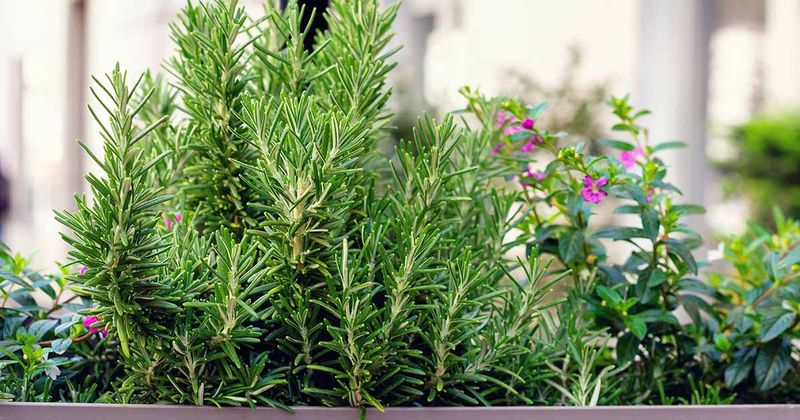
Before wrapping up your rainy-season prep, it is worth stepping back and appreciating why this plant is worth the effort. Rosemary is evergreen, fragrant, and genuinely beautiful in a garden border or container arrangement.
Its silver-green foliage holds color year-round. When it blooms, the small flowers attract bees and other pollinators in a way that makes the whole herb garden feel more alive.
In warm climates, rosemary can grow into an impressive shrub over several seasons. It handles heat remarkably well, tolerates dry spells once established, and asks for very little beyond sun and drainage.
Culinary uses alone make it worth keeping healthy. The fresh herb elevates roasted chicken, focaccia, grilled fish, herb butters, and infused olive oils in ways that dried rosemary simply cannot match.
Rainy-season challenges are real, but they are manageable. Rosemary does not need perfect conditions to survive wet summers in this state.
It needs thoughtful placement, decent drainage, good light, and a gardener who pays attention to soil moisture rather than a fixed watering schedule.
Plants growing in full sun with sharp drainage and open airflow can handle plenty of summer rain without serious trouble.
The prep work described in these sections is not about fear of failure. It is about giving a genuinely rewarding plant the conditions it needs to keep thriving long after the summer storms have passed.