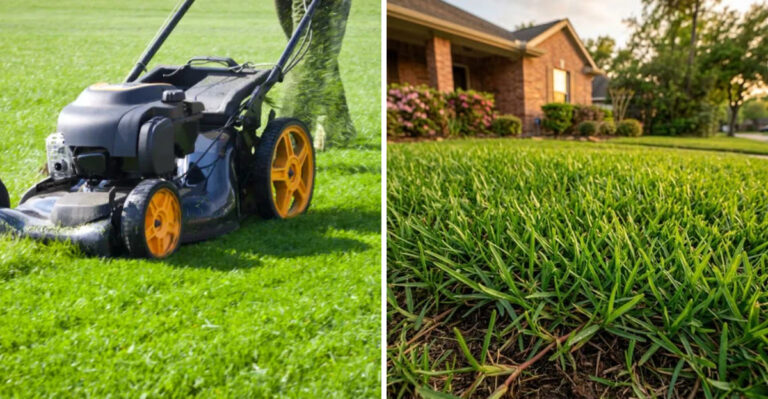
The Texas Native Plants That Help Control Gophers And Weeds At The Same Time
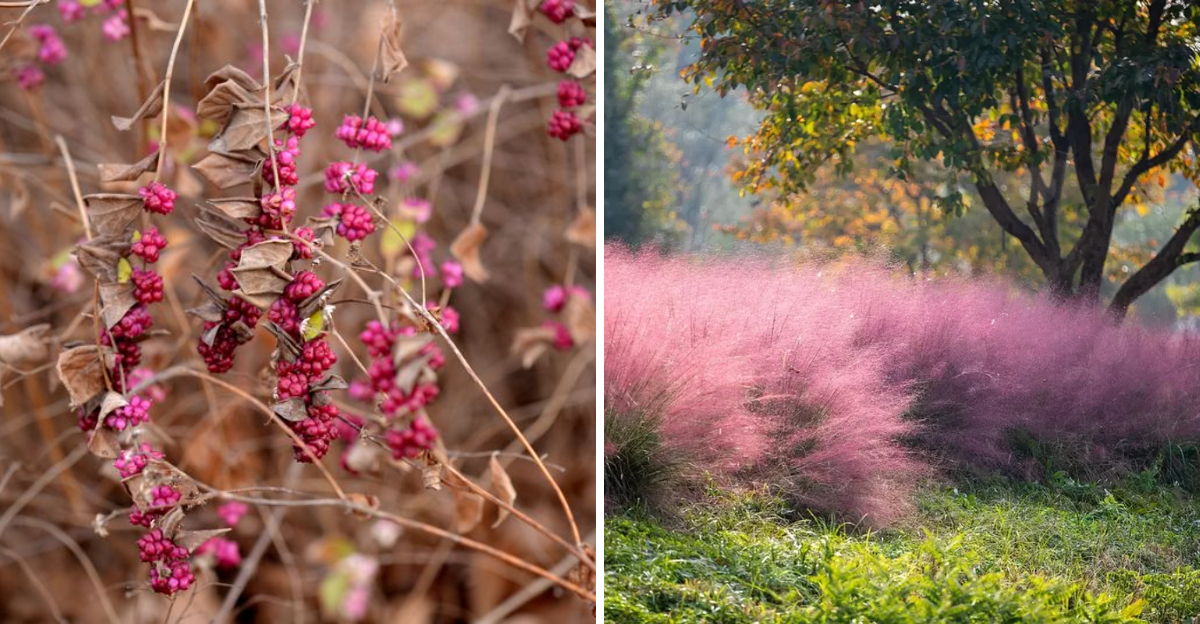
Gophers and weeds rarely get solved at the same time in a Texas garden, and most homeowners are out there managing both problems separately with separate strategies and a fair amount of ongoing effort.
There is a more efficient approach, and it starts with being intentional about what you grow rather than what you apply or trap.
Certain Texas native plants create conditions that work against both problems simultaneously, spreading across the soil with enough density to block weed germination while producing the root compounds and scents that gophers actively avoid moving through.
Texas soil and climate actually help these plants establish quickly and spread with less encouragement than they would need in other regions, which means the solution builds itself once you get the right plants in the ground.
Natives that accomplish this are also strong performers on their own merits, bringing seasonal interest and wildlife value alongside the pest and weed suppression that makes them so practical.
1. Texas Sedge
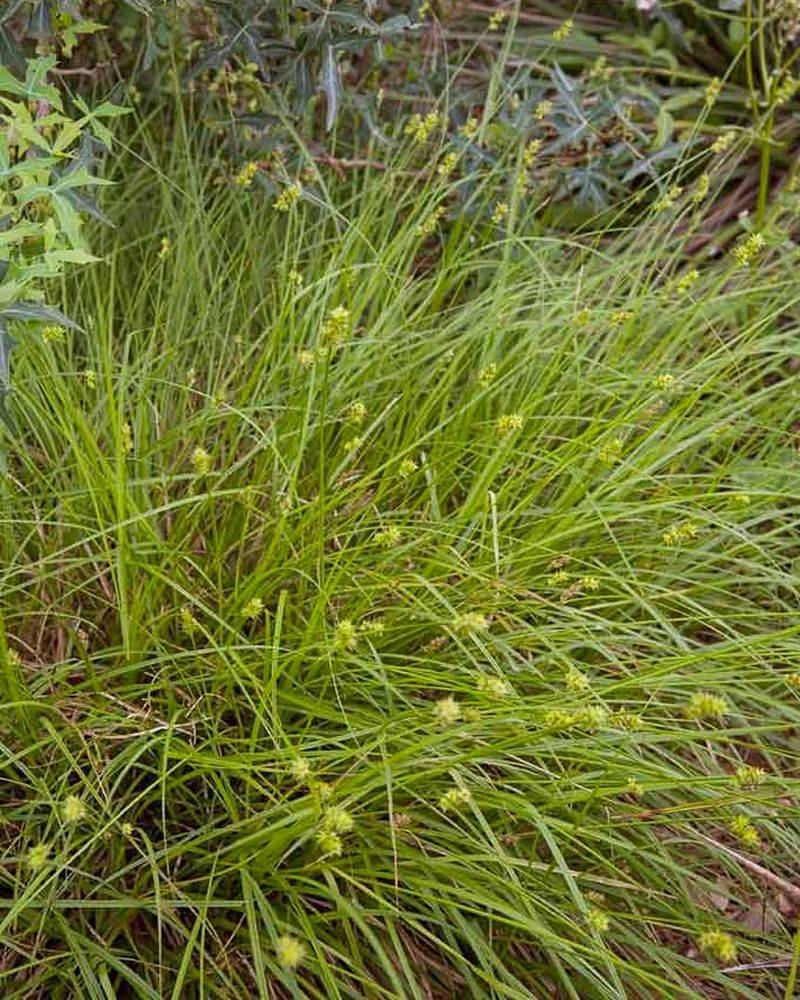
Walk barefoot across a lawn of Texas Sedge and you will immediately understand why so many Texas gardeners are switching to this remarkable little plant.
It grows low and tight to the ground, spreading steadily outward in soft, bright green clumps that look almost like a natural carpet.
Because it covers soil so thoroughly, weeds simply cannot find the light or space they need to sprout.
Texas Sedge is a native grass that thrives in both shady and partially sunny spots, making it one of the most versatile ground covers available in the state. It stays green through mild winters and bounces back quickly after dry spells.
Gardeners who use it along borders and under trees often notice a dramatic drop in the number of weeds they have to pull each season.
Below the surface, this plant builds a dense, fibrous root system that weaves tightly through the soil. That kind of underground structure makes it genuinely difficult for gophers to dig clean tunnels.
They prefer loose, easy soil, and Texas Sedge roots turn the ground into a tangled web that slows them down considerably.
Planting Texas Sedge is straightforward. Space plugs about six to eight inches apart in prepared soil, water them in well, and let the plant do its work.
Within one growing season, you will notice it filling in nicely. It requires very little fertilizer and handles Texas heat with ease.
For anyone wanting a low-effort, high-reward ground cover that tackles weeds and gophers simultaneously, this native sedge is a fantastic starting point.
2. Coralberry
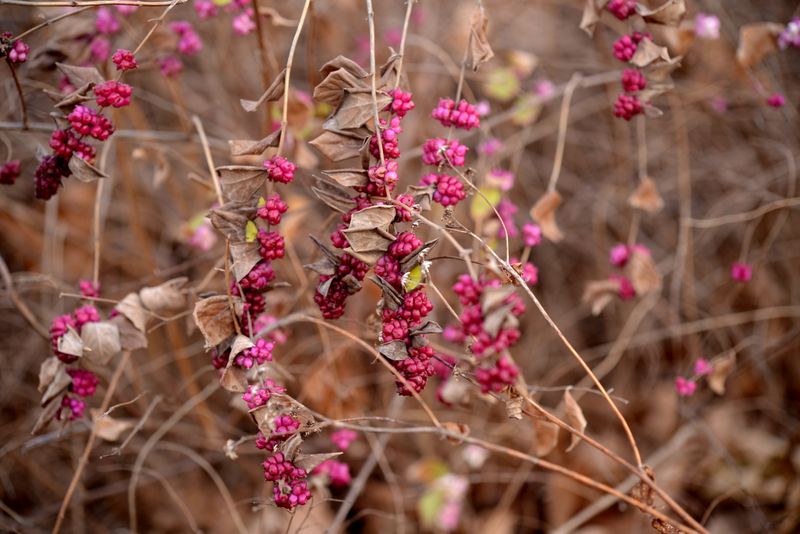
There is something almost magical about a plant that looks beautiful while quietly doing serious work underground. Coralberry is exactly that kind of plant.
Known for its clusters of vivid coral-pink berries that appear in late summer and fall, this native Texas shrub is as eye-catching as it is functional. Birds love the berries, and gardeners love what the roots do to the soil around it.
Coralberry spreads through a network of woody, creeping roots that gradually colonize the ground beneath and around the shrub. This spreading habit creates a natural barrier that prevents weed seeds from germinating.
Your Texas Garden Changes Every Week. Your Plan Should Too.
Gardening in Texas changes quickly throughout the season. Every Friday you’ll receive a simple weekly plan showing exactly what to plant, prune, fertilize, harvest, and protect so you never miss the right timing.
The thick canopy of small rounded leaves also blocks sunlight from reaching the soil surface, which is exactly the kind of shade that keeps weeds from gaining a foothold.
For gopher control, those woody roots are the real story. Gophers strongly prefer soft, loosely packed soil where tunneling is easy.
The tough, interlocking root structure of Coralberry makes the ground far less inviting for burrowing. Over time, established Coralberry plantings can make entire sections of your yard practically off-limits to these little diggers.
This shrub grows well in partial shade to full sun and handles poor, rocky Texas soils without complaint. It rarely needs watering once established and spreads on its own without becoming invasive.
Plant it along fence lines, at the edges of wooded areas, or beneath larger trees where weeds tend to creep in. Coralberry is a dependable, hardworking native that earns its place in any Texas landscape with very little effort required from you.
3. Gulf Muhly Grass
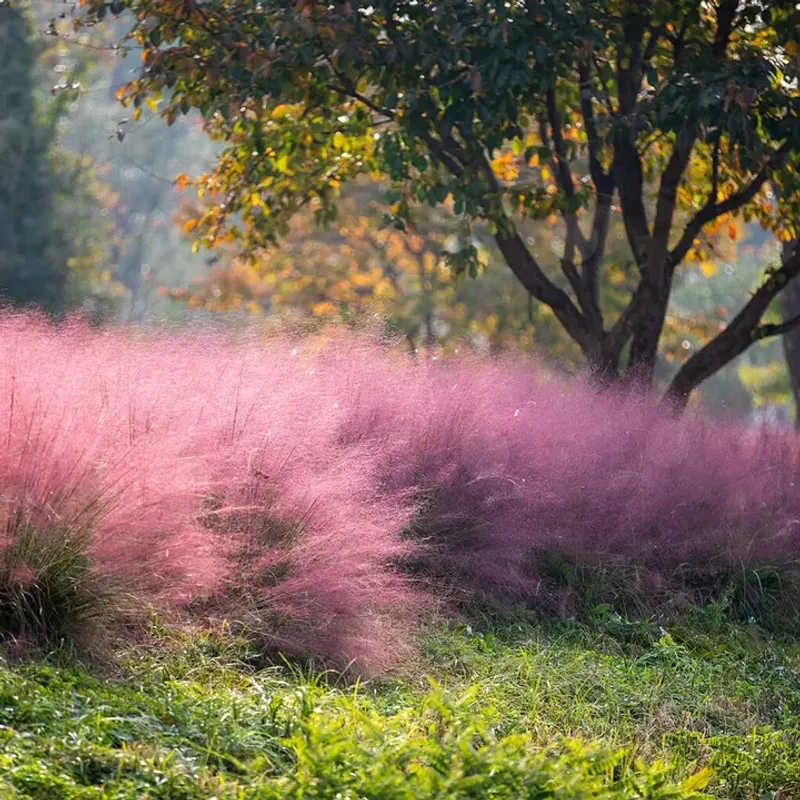
Every October, Texas roadsides and gardens light up with a soft pink-purple haze, and that breathtaking display comes from Gulf Muhly Grass. Few plants put on a show quite like this one, and fewer still combine stunning good looks with serious practical benefits.
If you have ever driven past a mass planting of Gulf Muhly in full bloom, you already know how hard it is to take your eyes off it.
Beyond its beauty, Gulf Muhly forms dense, rounded tussocks that grow two to three feet tall and just as wide. These thick clumps press tightly together when planted in groups, leaving almost no open soil between them.
Weeds need bare ground to establish themselves, and Gulf Muhly simply refuses to give them any. The result is a planting bed that stays remarkably clean with very little weeding required.
Small burrowing animals like gophers tend to avoid areas with thick, fibrous grass clumps. The dense root masses of Gulf Muhly make the soil compact and difficult to navigate underground.
Gophers look for the path of least resistance, and a bed full of these grass clumps is anything but easy to tunnel through.
Gulf Muhly is drought-tolerant once established and thrives in full sun with well-drained soil, which describes most Texas gardens perfectly. It needs very little maintenance beyond cutting it back in late winter to encourage fresh spring growth.
Plant it in sweeping drifts along walkways, slopes, or garden borders for maximum visual impact and weed suppression. This grass truly earns its place as one of Texas’s most beloved native plants.
4. American Beautyberry
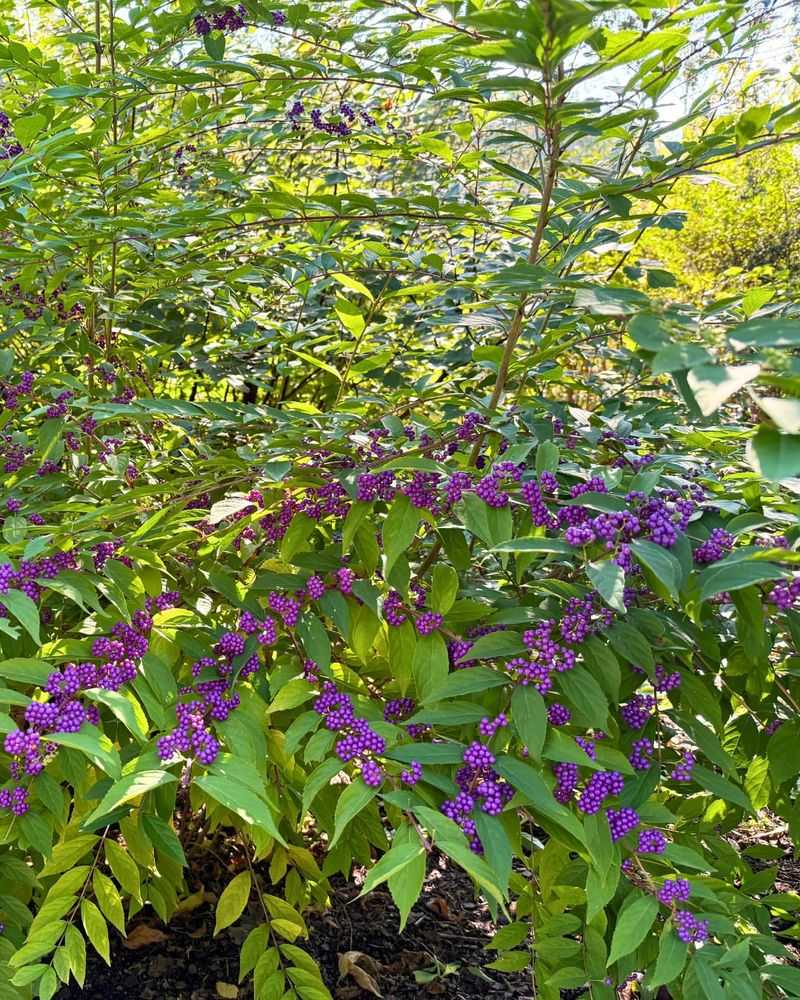
Bold, arching branches loaded with clusters of electric purple berries make American Beautyberry one of the most striking native shrubs in Texas. Gardeners often plant it purely for the visual drama it delivers in late summer and fall.
However, once you understand what this plant does for your soil and your garden’s overall health, the berries start to feel like a bonus rather than the main event.
American Beautyberry spreads generously, sending out low-arching branches that touch the ground and create a living mulch effect. This dense growth pattern shades the soil beneath the shrub, blocking light from weed seeds and dramatically cutting down on germination.
Under an established Beautyberry, the ground stays cool, moist, and remarkably weed-free compared to surrounding areas.
The woody stems and root structure of this shrub also play a role in reducing gopher activity. Gophers prefer open, soft soil where tunneling requires minimal effort.
The thick stems and established root zones of American Beautyberry create physical barriers that make burrowing in those areas far less appealing. Many Texas gardeners report noticeably fewer gopher mounds near mature Beautyberry plantings.
Growing American Beautyberry is genuinely easy. It tolerates shade, partial sun, and a range of soil types common across Texas.
Cut it back hard in late winter and it will come roaring back with fresh, vigorous growth every spring. Plant it near fences, under larger trees, or along the edges of natural areas where weeds tend to creep in.
Few plants reward so little effort with so much beauty and practical benefit at the same time.
5. Turk’s Cap
Ask any experienced Texas gardener to name the toughest plant they have ever grown in deep shade, and Turk’s Cap will likely top the list.
This shrubby perennial seems almost impossible to stop once it settles in, spreading outward season after season with a vigor that keeps even the most persistent weeds from gaining any ground.
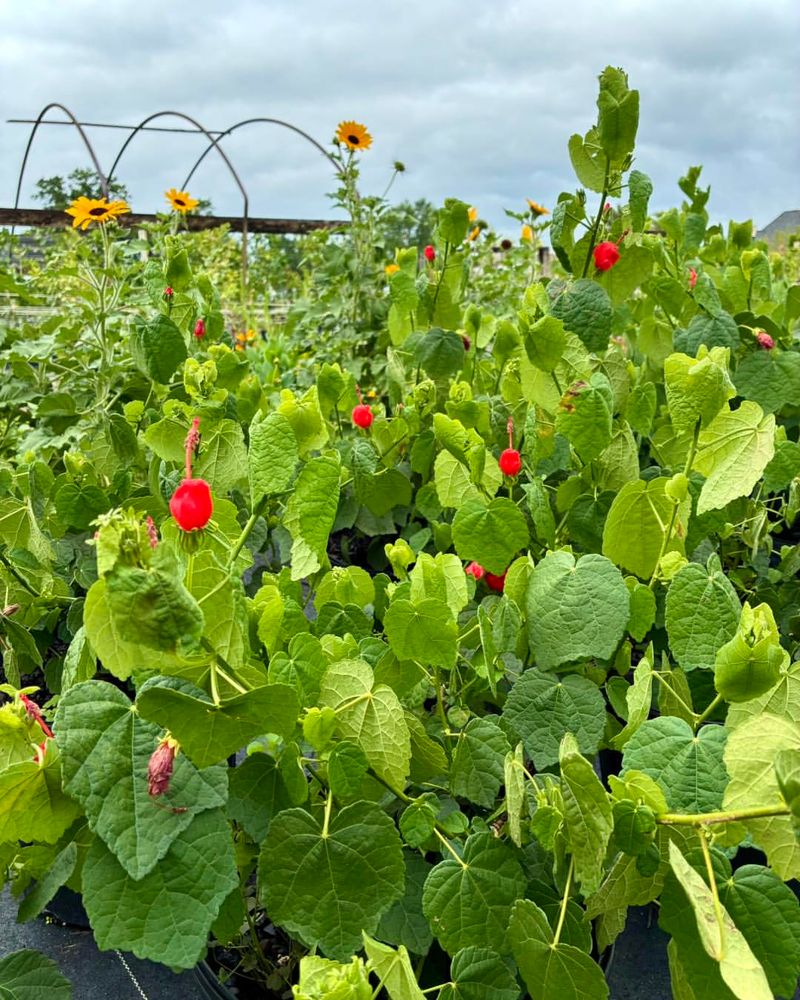
The cheerful red flowers it produces all summer long are a favorite of hummingbirds, butterflies, and anyone who enjoys watching wildlife in the garden.
Turk’s Cap grows into a dense, multi-stemmed mound that can reach four to five feet tall and equally wide in favorable conditions. That thick, bushy growth habit is exactly what makes it so effective at suppressing weeds.
The broad leaves overlap generously, creating heavy shade at soil level where weed seeds need light to sprout. Beneath an established Turk’s Cap, the ground stays remarkably bare of competing plants.
When it comes to gophers, the structural density of Turk’s Cap works in your favor. The shrub develops a robust root network that spreads through the soil in every direction.
That web of roots makes the ground beneath and around the plant a challenging environment for anything trying to tunnel through. Gophers tend to move on to easier territory when they encounter this kind of underground resistance.
Turk’s Cap thrives in shade or partial sun and handles Texas heat and drought with remarkable ease once established. It needs very little water or fertilizer and comes back reliably each spring after cutting it back in winter.
Use it to fill shaded borders, line fences, or anchor the corners of garden beds where weeds have previously been a persistent problem.
6. Texas Lantana
If your garden has a sunny, dry spot where almost nothing seems to grow well, Texas Lantana might be exactly what you have been searching for.
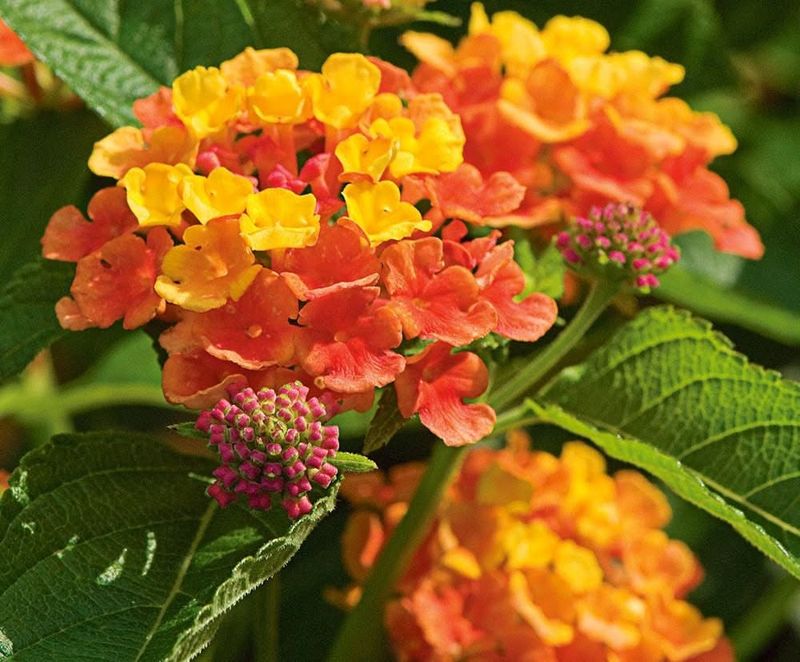
This tough, spreading native shrub thrives in conditions that would exhaust most other plants, pumping out cheerful clusters of orange and yellow flowers from spring through fall without complaint.
Butterflies absolutely swarm it, turning any planting into a lively, colorful scene that feels more like a wildlife garden than a weed-control strategy.
Texas Lantana spreads low and wide, filling in bare soil areas with a dense mat of foliage that leaves weeds very little room to breathe. Bare soil is an open invitation for weed seeds, and this plant eliminates that invitation quickly.
Once a patch of Texas Lantana gets going, it acts like a natural ground cover that constantly works to keep unwanted plants from taking hold nearby.
The thorny stems of Texas Lantana add another layer of protection. Gophers are cautious animals that avoid areas where movement is difficult or uncomfortable.
The prickly, woody stems near the soil surface create a physical deterrent that makes the area around established plants much less attractive for burrowing.
Combine that with the dense root network spreading underground, and gophers tend to look elsewhere for easier digging.
Plant Texas Lantana in full sun with well-drained soil for the best results. It handles poor, rocky ground with ease and rarely needs supplemental watering once it has settled in.
Trim it back in late winter to keep it tidy and encourage strong new growth each season. This plant is a low-fuss powerhouse that delivers beauty, wildlife habitat, and real pest control all at once.
7. Flame Acanthus
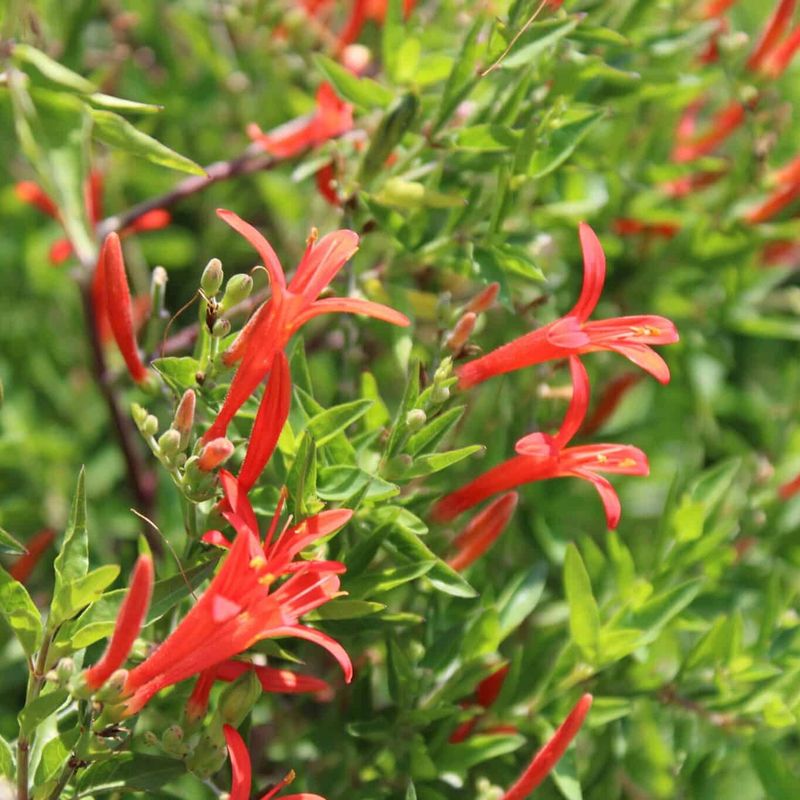
Picture a shrub that practically ignites with color every summer, covered in slender, flame-orange tubular flowers that hummingbirds cannot resist. That is Flame Acanthus in a nutshell, and it is one of the most exciting native plants available to Texas gardeners.
Beyond its dazzling appearance, this fast-growing shrub brings serious practical value to any garden bed dealing with persistent weed pressure or unwanted burrowing activity.
Flame Acanthus grows quickly, often reaching three to five feet in a single season under good conditions. That rapid growth means it covers ground fast, shading out weeds before they get a chance to establish.
The dense branching habit creates a thick canopy at multiple levels, blocking sunlight from reaching the soil surface where weed seeds are waiting to sprout.
Gardeners who use it as a border plant often notice a significant reduction in weeding chores within the first full growing season.
Underground, Flame Acanthus develops an impressive root system that spreads through the soil with surprising speed. Those roots fill in the ground around the plant, making it compact and difficult to navigate for anything trying to tunnel.
Gophers prefer open, unobstructed paths when burrowing, and a well-rooted Flame Acanthus planting disrupts that preference considerably.
This shrub loves full sun and thrives in the dry, rocky soils that cover much of Texas. Once established, it handles drought like a champion and needs minimal care beyond a hard cutback in late winter.
Use it along fences, in mixed native borders, or as a colorful anchor plant in xeriscape designs. Flame Acanthus proves that practical and beautiful are not mutually exclusive in the Texas garden.