Why Your Florida Croton Looks Sad At The Bottom And What One Good Haircut Does About It
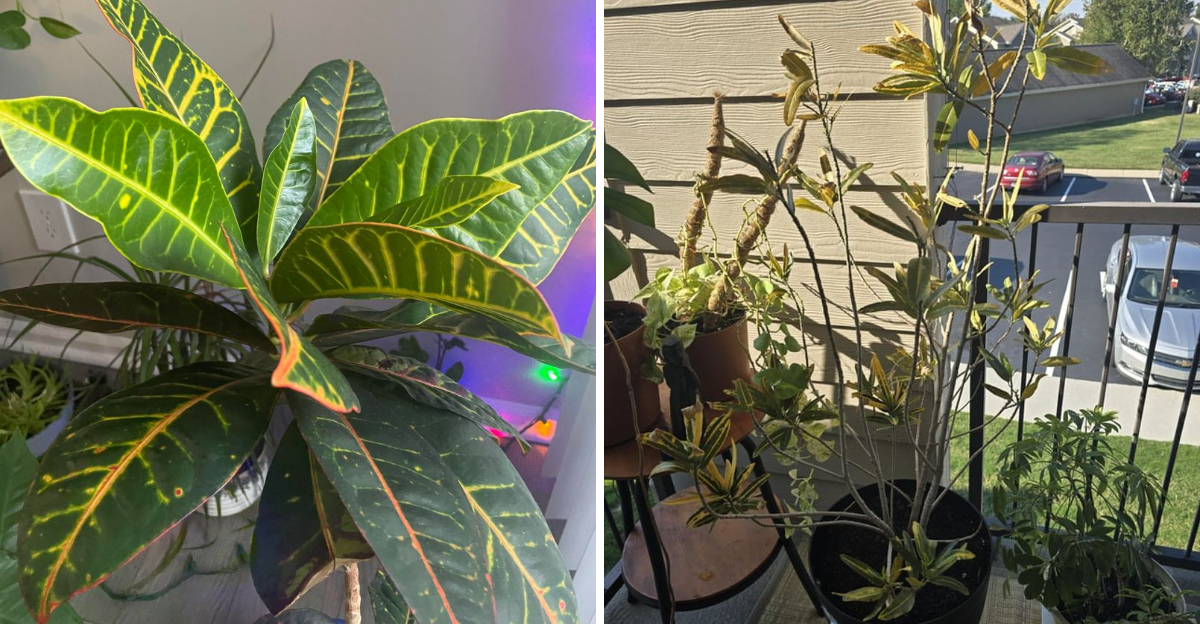
The top half of the croton looks exactly the way it did in the nursery photo. The bottom half tells a different story.
Bare stems. No leaves. A plant that looks increasingly like a colorful hat sitting on top of a collection of sticks. It is still alive. It is just not what you had in mind.
Do you know what is actually happening inside the plant when that bottom half goes bare?
It is not a watering issue. It is not a soil problem. It is not anything you did wrong. It is biology, and once you understand exactly what is driving it, the fix becomes almost obvious.
There is one pruning move that changes the whole situation. Not a complicated schedule or a set of specialized tools.
One well-placed cut in the right spot at the right time sends a signal through the entire plant that wakes up growth that has been dormant for months.
The Florida croton was never the problem. It just needed someone to understand what it was waiting for.
1. Why Crotons Start Looking Bare Near The Base
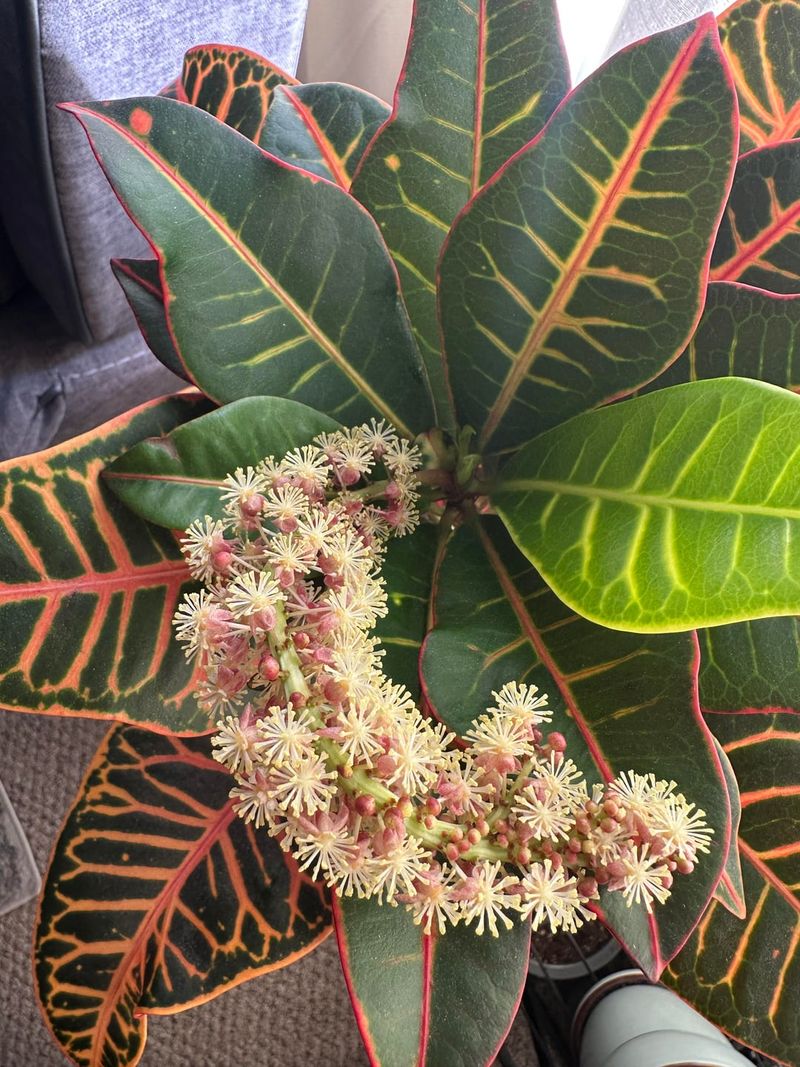
Walk past a neglected croton in a Florida yard and the contrast is immediate. Bold, colorful leaves crowding the top. Bare stems doing nothing useful below. The plant looks like it made a decision at some point and stuck with it.
That decision is actually biology, not neglect.
Crotons are tropical shrubs that naturally drop lower leaves as they age. The plant concentrates energy toward new growth at the tips, which means the base gets progressively less attention with every passing season.
Florida’s heat and humidity accelerate this process significantly. Rapid top growth pulls resources upward faster than they can be redistributed downward.
Shade compounds the problem. When neighboring plants or structures block light from reaching the lower portions of the croton, those leaves drop even faster. The plant has no reason to maintain growth it cannot use.
The result is a croton that looks genuinely impressive from about waist height and increasingly discouraging below that.
Some gardeners assume something went wrong with their care routine. Usually nothing did. The plant is simply doing what crotons do when left to their own momentum.
Understanding the cause matters because it changes the approach entirely. This is not a fertilizer problem or a watering adjustment. It is a growth pattern that responds to one specific intervention.
The bare bottom is the plant’s way of asking a very pointed question. The answer involves a pair of sharp pruners and about fifteen minutes.
2. One Strategic Cut Is All A Sad-Looking Florida Croton Actually Needs
Most plant problems require a list of interventions. A leggy croton requires one well-placed cut and a few weeks of patience. That is a genuinely unusual situation in gardening, and it is worth understanding why it works.
When a stem gets cut just above a leaf node or dormant bud, the apical tip that has been suppressing growth below it is removed.
Your Florida Garden Changes Every Week. Your Plan Should Too.
Gardening in Florida changes quickly throughout the season. Every Friday you’ll receive a simple weekly plan showing exactly what to plant, prune, fertilize, harvest, and protect so you never miss the right timing.
The plant’s hormone balance shifts almost immediately. Energy that was flowing exclusively upward starts reaching the buds that had been sitting dormant along the lower stem.
Within a few weeks, new shoots push through at multiple points along the cut stem. Growth that looked completely absent before becomes active, visible, and filling in.
The plant does not need to be convinced or coaxed. It responds to the change in chemistry on its own timeline.
This process is called rejuvenation pruning, and it resets the plant’s growth priorities more effectively than any fertilizer or watering adjustment can.
Instead of chasing light at the very top, the croton begins filling in from multiple points simultaneously. Color that was concentrated in the upper canopy starts appearing lower on the plant as new leaves develop.
Crotons handle significant cutbacks well. The response is strong and the recovery is relatively fast in Florida’s warm growing season. There is no need to be cautious about making the cut.
One well-placed snip and the whole dynamic changes. It almost feels like the plant was waiting for permission.
3. Cutting In The Right Spot Does What Cutting Anywhere Else Cannot
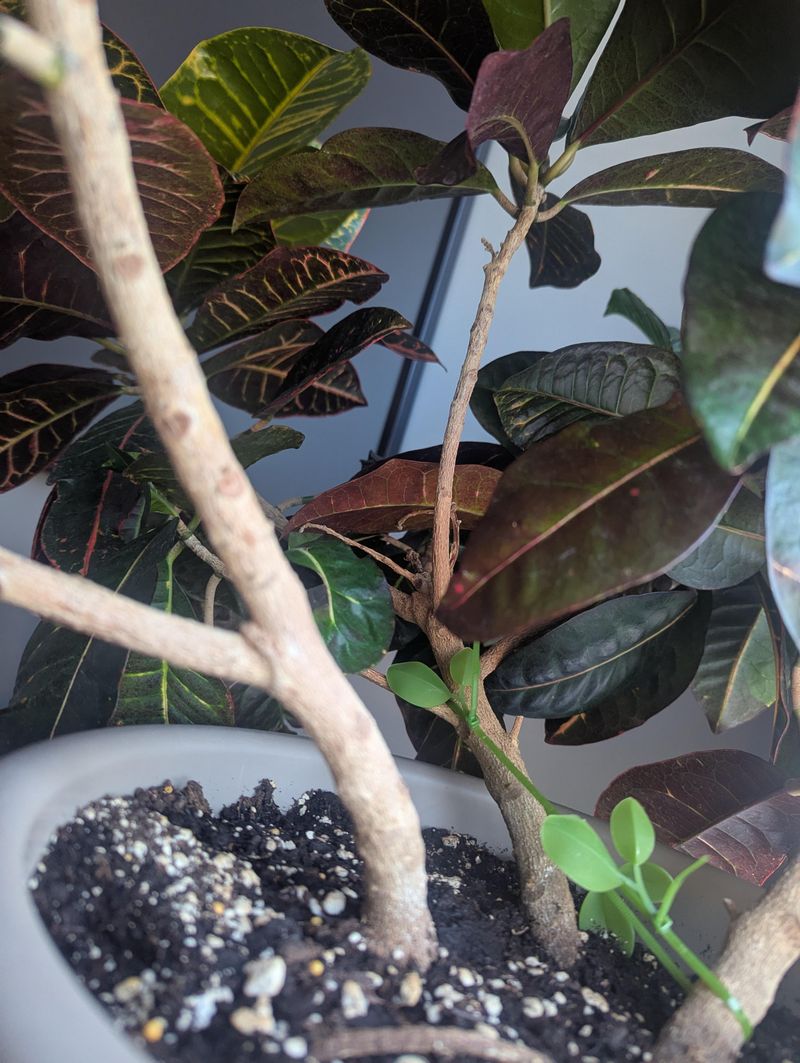
The decision to prune is only half of what matters. Where the cut lands determines whether the plant responds with new branching growth or just sits there with an open wound that serves no useful purpose.
Always cut just above a leaf node. That is the point on the stem where a leaf attaches or where a dormant bud is visible just beneath the surface.
Cutting here tells the plant exactly where to direct the branching response. Cutting in the middle of a bare section between nodes leaves a stub that contributes nothing and can attract fungal issues or pests over time.
For stems that have become significantly leggy, cutting back one-third to one-half of the length is appropriate and manageable.
Aiming for an outward-facing bud when making that cut encourages new growth to spread away from the center of the plant rather than inward. This keeps the overall shape open and easier to maintain through future seasons.
Multiple stems need staggered cuts. Cutting every stem to the same height produces a flat, hedge-like result that looks more manufactured than natural.
Varying the cut heights slightly creates a layered, organic appearance that suits the croton’s natural form much better.
Stepping back every few cuts helps track the overall shape as it develops. This is not overthinking the process. It is the difference between a plant that looks intentionally pruned and one that looks like it survived a stressful afternoon.
4. Your Croton Keeps Growing Tall Instead Of Full
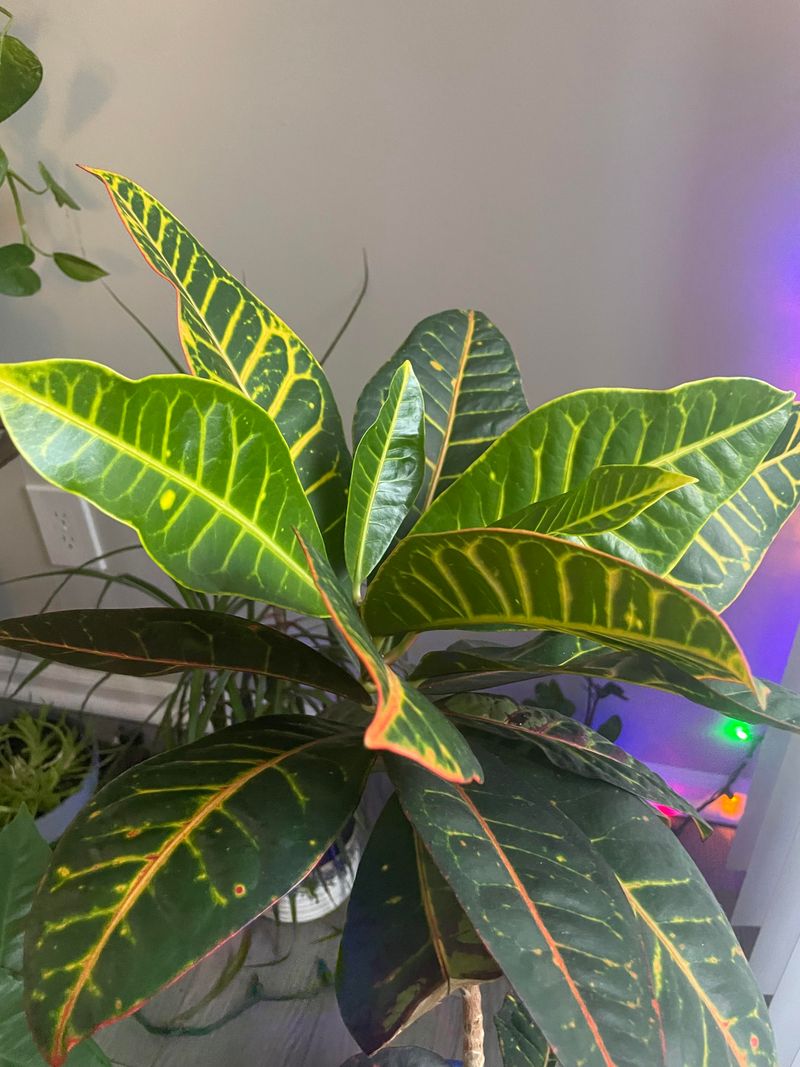
There is a reason the croton keeps pushing toward the sky rather than spreading sideways into the full, bushy shape that makes it so appealing in the first place. The explanation sits in the plant’s own chemistry.
Crotons are apically dominant, which means the growing tips at the top of each stem have priority. Hormones called auxins flow downward from those tips and actively suppress the buds sitting lower on the stem. The lower buds are not absent. They are present and waiting. They just never receive the signal to activate.
As the plant ages, the long leafless stretches between the growing tips and the base become more visible and more pronounced.
The silhouette shifts from full and bushy to tall and awkward. Two or three growing seasons is typically when this pattern becomes impossible to ignore.
Light availability intensifies the problem. A croton in partial shade reaches toward whatever light is available even faster than one in full sun. The stretch is more dramatic and the lower leaf loss more rapid.
Many Florida homeowners are surprised to discover that their care routine has not changed at all, yet the plant looks completely different from how it looked two seasons ago.
That shift is not a sign of something going wrong. It is the natural growth pattern becoming visible over time.
The good news is that apical dominance can be interrupted. The plant does not know it is being managed. It just responds to the signal.
5. Removing The Growing Tip Wakes Up What The Plant Has Been Holding Back
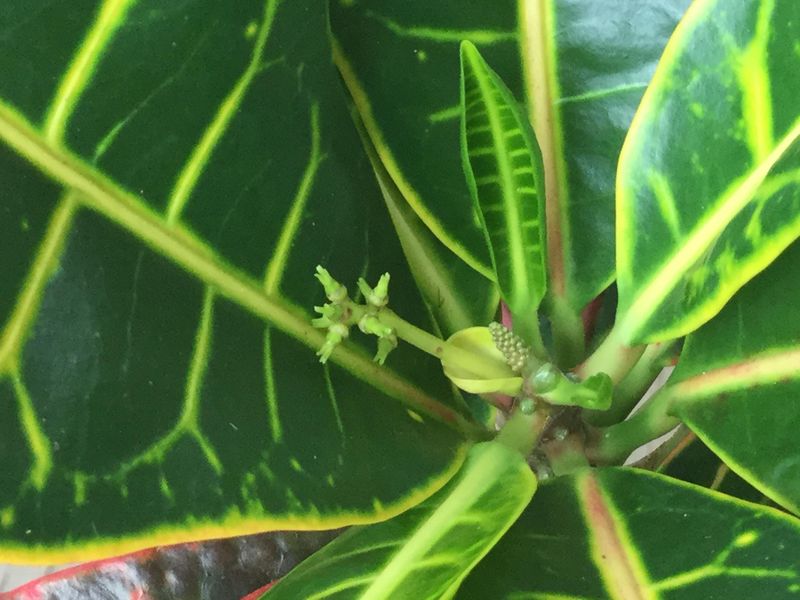
Along those bare croton stems that look like they have nothing left to offer, there are dormant buds waiting. They have been suppressed by the dominant growing tip above them for months or longer. Remove that tip and the entire situation changes within days.
Plant physiologists describe this as lateral bud release. Once the apical bud is removed, the hormone balance along the stem shifts.
Auxin levels drop. The dormant buds receive the signal they have been waiting for. New shoots begin pushing through the bark at multiple points along the stem, creating the branching response that turns a sparse stick into something genuinely leafy and full.
In Florida’s warm growing season, this response can be visible within two to three weeks of pruning. New growth emerges from spots that looked entirely inactive just days before.
It is one of the more visually satisfying progressions in Florida gardening, and it happens without any additional intervention beyond the initial cut.
Rather than waiting until a croton is severely overgrown, incorporating light strategic pruning each season keeps dormant buds cycling through active growth regularly.
Each branch that forms from that response becomes a future site for more leaves, more color, and more of the dense appearance the plant is capable of producing.
The buds were never gone. They were waiting for someone to change the conversation at the top.
6. Pruning At The Wrong Time Makes A Struggling Florida Croton Look Worse Before Better
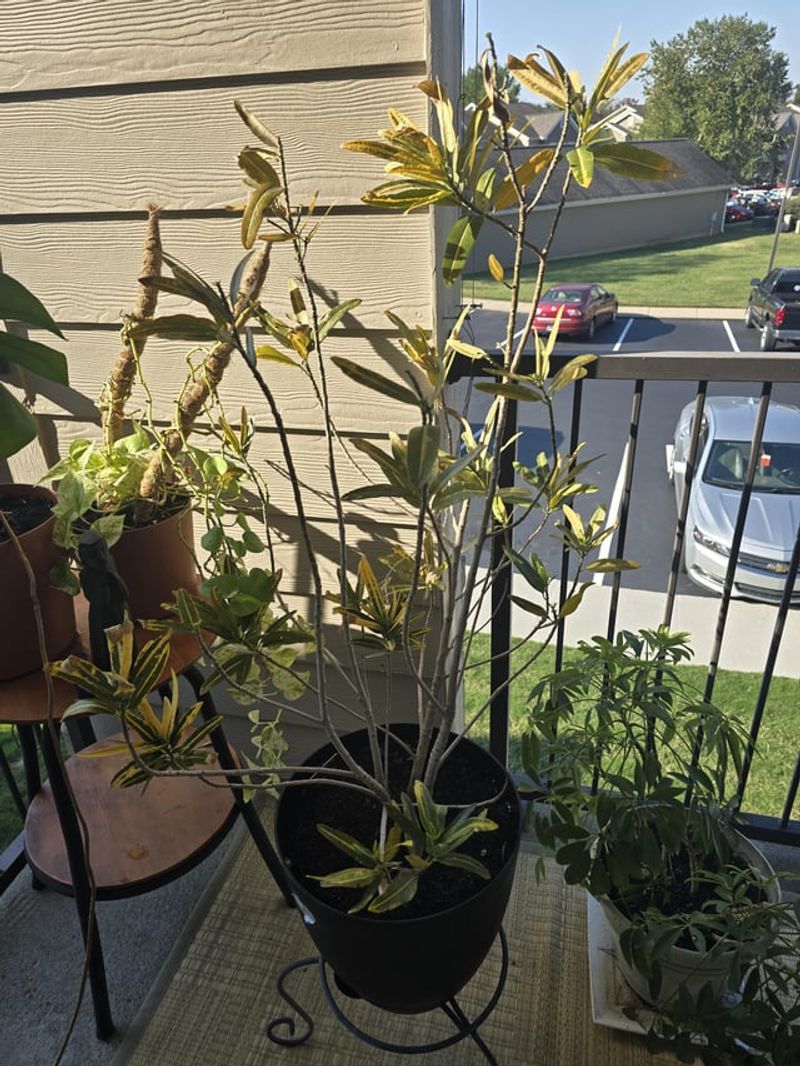
Pruning technique can be perfect and the results still disappointing if the timing is wrong. For Florida crotons, aligning the pruning session with the plant’s natural growth cycle makes a measurable difference in how fast and how fully the recovery happens.
Late winter to early spring is the most productive window for significant croton pruning. Temperatures are warming and day length is increasing, which triggers the plant’s natural growth surge.
Pruning just ahead of that surge means new growth follows quickly, filling in bare sections before the most intense heat of summer arrives.
Pruning late in the season, particularly heading toward fall or early winter, creates a different situation. Fresh cuts and the tender new growth that follows are more vulnerable to cooler temperatures.
South Florida’s mild winters give more flexibility on this. Central and North Florida gardeners have less margin, and a cold snap reaching new growth can set the plant back considerably.
For routine maintenance, light shaping and removal of wayward stems can happen year-round in most Florida climates without significant concern.
The timing rule applies specifically to the larger, more aggressive cuts aimed at reshaping a plant that has gotten significantly out of balance.
The plant has a rhythm. Pruning with it rather than against it is the difference between a recovery that takes weeks and one that takes months.
Late February or early March on the calendar. Clean pruners in hand. The croton handles the rest.
7. Common Pruning Mistakes Keeps Crotons Looking Sparse No Matter How Often You Cut
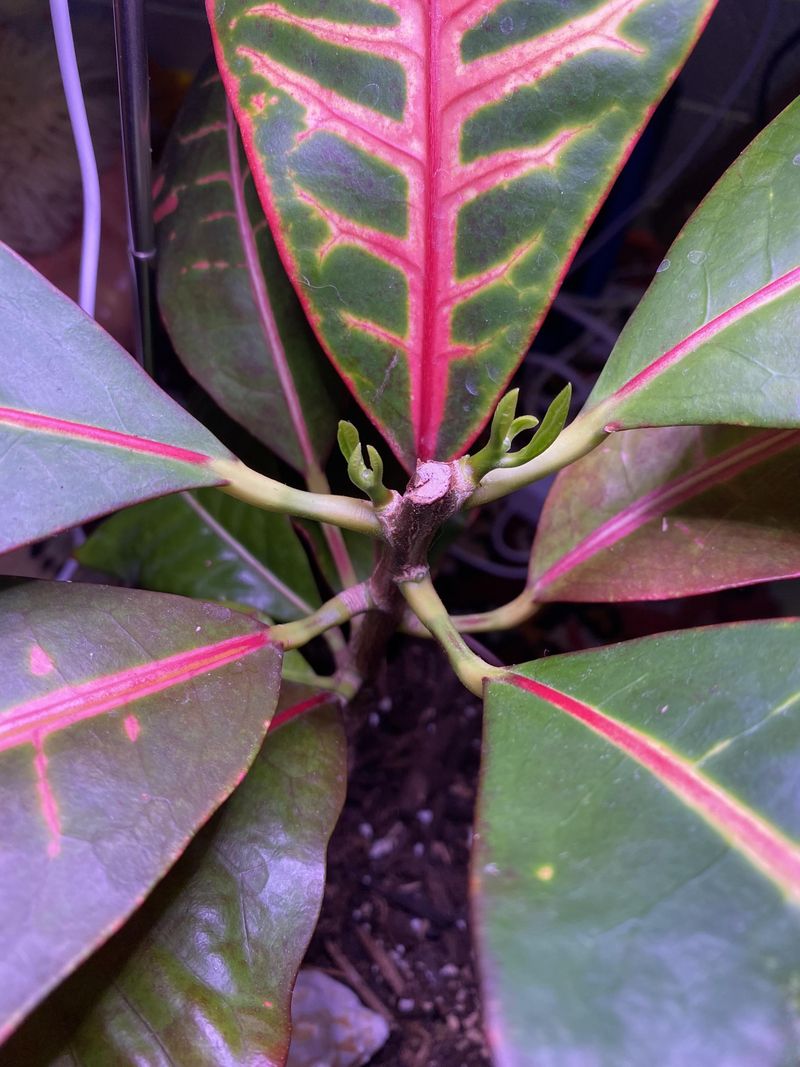
A croton that is already struggling does not need additional setbacks, but a handful of common pruning mistakes create exactly that. The plant was heading toward recovery. Then the shears came out with the wrong approach.
Dull or dirty tools are the first problem. Ragged cuts made by worn blades create large wound surfaces that take longer to close and invite fungal issues in Florida’s humid conditions.
Cleaning pruners with rubbing alcohol between plants and maintaining sharp edges are basic habits that protect the plant every time they are practiced.
Cutting only from the top while ignoring the bare lower stems is another consistent error. Reducing overall height does nothing to activate dormant buds near the base. The cuts need to target the sections that are actually bare, not just the parts that are tallest.
Removing more than one-third of the plant at once slows recovery significantly. For crotons that have been left unmanaged for multiple seasons, gradual pruning across two or three seasons produces healthier and more vigorous regrowth than a single drastic session.
One final practical note: croton sap is a skin irritant for many people. Gloves and long sleeves are straightforward protection for a task that is already simple enough without adding an uncomfortable skin reaction to the experience.
Avoiding these mistakes keeps the croton on the trajectory toward recovery. Making them means starting the recovery process over from a worse starting position.