The One Thing Gardeners In Charlotte, North Carolina Must Do To Their Lawns Before June Ends
June sits right before the brutal stretch of July and August heat that tests every lawn across North Carolina, making it one of the most critical months for yard care.
Charlotte’s humidity, tough red clay, and relentless summer sun mean that lawn care here does not follow the normal rules most guides are written around.
There is one specific task that needs to happen before June ends, and most homeowners either skip it entirely or do it at the wrong time.
That mistake leaves grass weak and vulnerable heading into the hardest weeks of the season, when heat stress, drought pressure, and weeds all hit at once.
The good news is that doing this one thing correctly does not take much effort or time. It just has to happen at the right point in the season, and that window is right now.
1. Deep Watering Encourages Deeper Roots
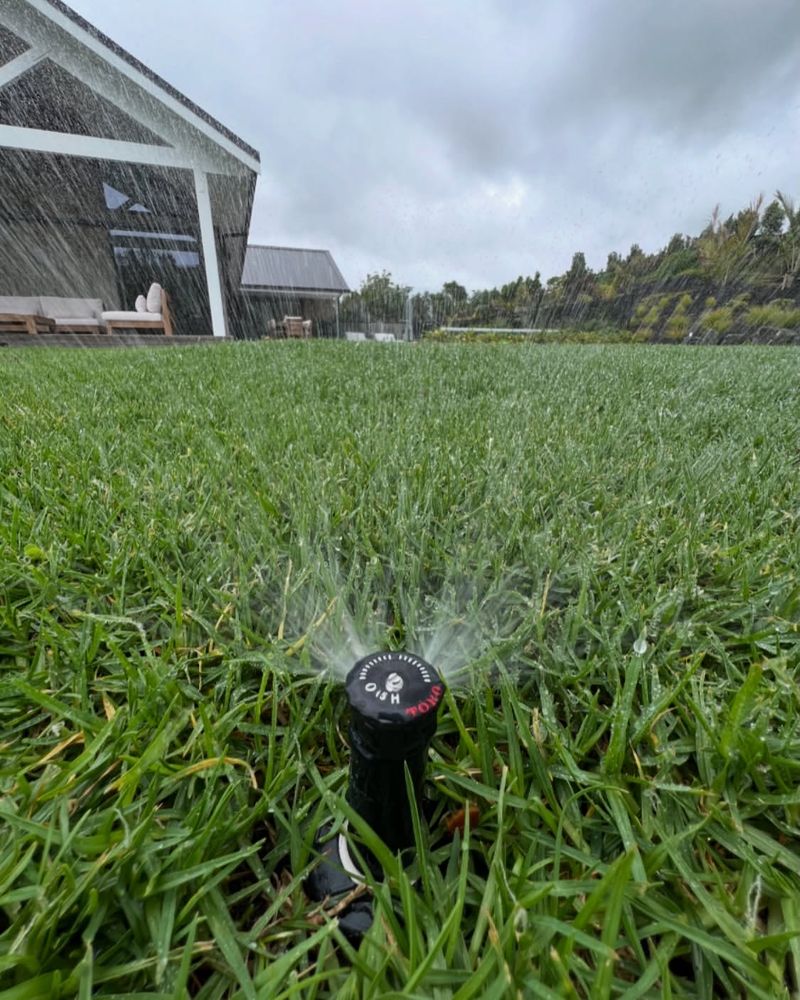
Picture your lawn like an iceberg. What you see on top only tells part of the story, because the real strength lives underground.
When you water deeply and infrequently, you push moisture far down into the soil, and your grass roots follow that moisture downward to find it.
Charlotte summers bring stretches of dry heat that can stress turf quickly. Roots that only reach a few inches below the surface have almost no buffer when the top layer of soil dries out.
But roots that reach six, eight, or even ten inches deep can tap into moisture reserves that shallow roots simply cannot access.
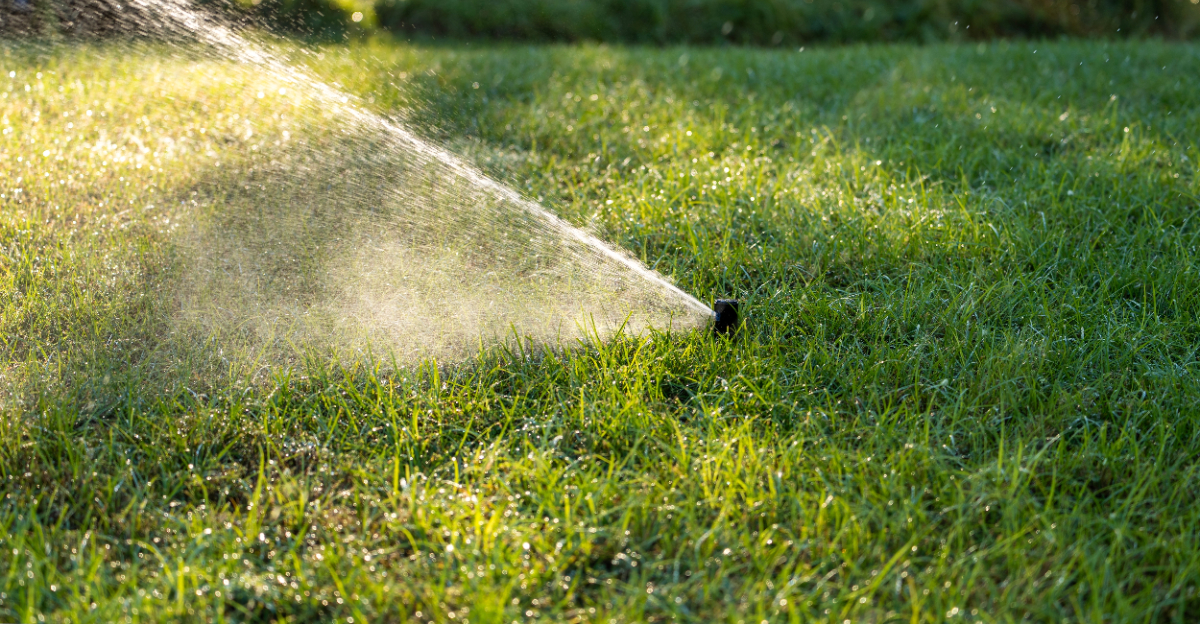
The goal is to water your lawn about two to three times per week, applying roughly one inch of water each session. A simple tuna can placed in your yard while the sprinkler runs is a surprisingly accurate way to measure that one-inch target.
Morning watering works best because it gives the grass time to absorb moisture before afternoon heat kicks in. Avoid watering at night since prolonged leaf wetness can invite fungal problems.
With deep watering as your habit, your Charlotte lawn builds the kind of root system that shrugs off summer stress rather than buckling under it.
2. Shallow Watering Creates Weaker Lawns
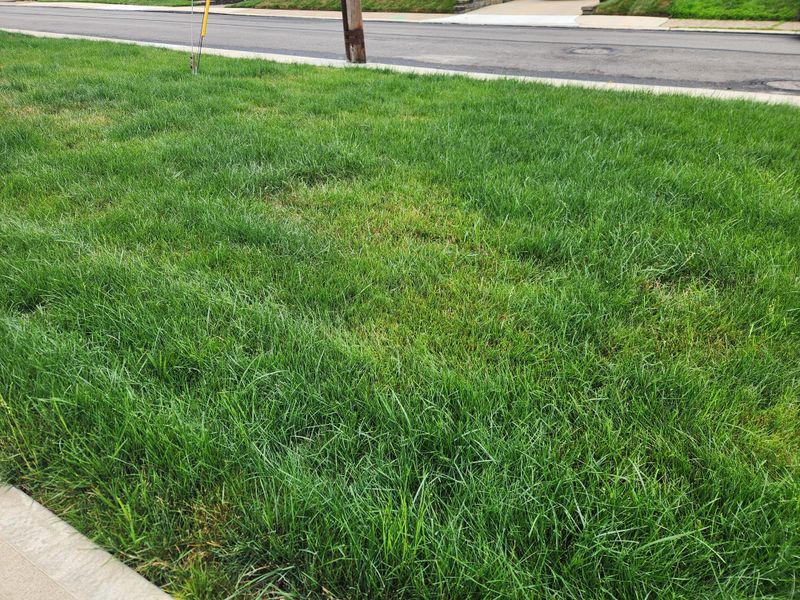
Most people mean well when they water their lawns every day. It feels like the right thing to do, especially when temperatures climb into the nineties.
The problem is that frequent light watering trains your grass to be lazy, and lazy roots are fragile roots.
When water only penetrates the top inch or two of soil, roots have no reason to grow deeper.
They cluster near the surface where moisture is always available, but that same surface zone heats up fast and dries out even faster during Charlotte’s peak summer days.
The result is turf that wilts, browns, or thins out the moment watering stops for even a day or two.
Think of it this way: a grass plant with shallow roots is like a building with a weak foundation. It looks fine until conditions get tough, and then the cracks show up fast.
Your North Carolina Garden Changes Every Week. Your Plan Should Too.
Gardening in North Carolina changes quickly throughout the season. Every Friday you’ll receive a simple weekly plan showing exactly what to plant, prune, fertilize, harvest, and protect so you never miss the right timing.
Switching from daily light watering to deep, less frequent sessions can feel counterintuitive at first, but your lawn will respond noticeably within just a couple of weeks. The turf grows thicker, the color stays richer, and it bounces back faster after dry spells.
Breaking the shallow watering habit before June ends is one of the smartest moves a Charlotte gardener can make for the entire summer season ahead.
3. Healthy Roots Determine Summer Survival

Here is something most homeowners do not realize until it is too late: by the time your lawn looks bad in July, the damage often started weeks earlier.
Root development happens quietly underground, and whatever condition those roots are in when the heat peaks is the condition they will fight the season with.
Charlotte typically sees its most intense heat between late July and mid-August. Grass that enters that window with a deep, well-established root system handles the stress in a completely different way than grass that has been watered lightly all spring.
Strong roots store more nutrients, access deeper soil moisture, and recover from heat faster once temperatures ease.
June is genuinely the last window to build that root strength before summer fully takes hold.
Adjusting your watering schedule now, raising your mowing height, and avoiding heavy fertilizer applications during heat buildup all contribute to healthier root development.
Soil temperature plays a role too, since roots grow most actively when soil stays in the sixty to seventy-five degree range, which is exactly where Charlotte soils sit during late spring.
Treating June as your lawn’s preparation month rather than just another maintenance month changes everything about how your yard performs when August arrives with full force.
4. Taller Grass Conserves Moisture
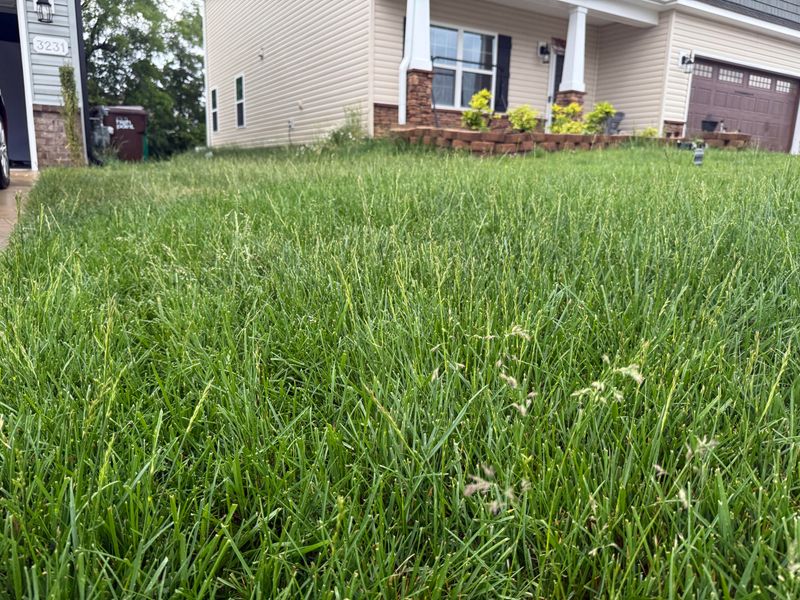
Mowing height might seem like a small detail, but it has a surprisingly large impact on how well your lawn handles summer.
Taller grass blades create shade over the soil surface, and that shade does something valuable: it slows evaporation and keeps the root zone cooler during the hottest parts of the day.
For tall fescue, which is very common in Charlotte, the recommended summer mowing height is between three and a half to four inches.
Bermudagrass and zoysiagrass can be kept shorter, around one to two inches, but even those warm-season grasses benefit from being on the taller end of their range during peak heat.
The extra blade length also means more leaf surface area for photosynthesis, which keeps the plant actively producing energy even under stress.
There is a simple test you can do to see the difference. Water two patches of your lawn equally, but mow one shorter than the other.
Within a week of hot weather, the shorter patch will show stress signs first. Soil under taller grass stays measurably cooler and holds moisture longer.
Raising your mower deck just one notch before the end of June costs nothing and takes thirty seconds, but the payoff for your lawn all summer long is genuinely impressive. Small adjustments made now create big results later.
5. Scalping Increases Heat Stress
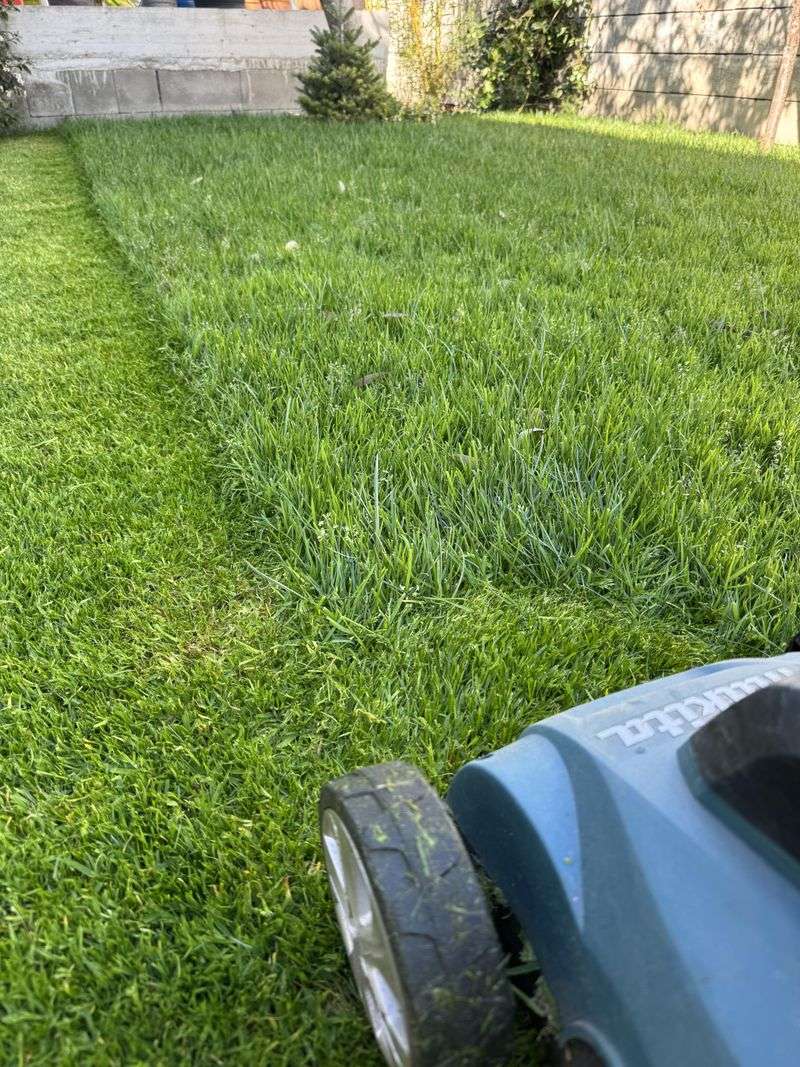
Scalping a lawn means cutting the grass so short that you remove most of the green leaf blade, leaving mostly stems and sometimes bare soil behind.
Some gardeners do this in spring thinking it will encourage new growth, but doing it too late in the season, or repeating it heading into summer, sets the lawn up for serious trouble.
When grass is cut extremely short, the soil beneath it loses its shade cover almost entirely. In Charlotte’s summer sun, unshaded soil can reach temperatures well above one hundred degrees at the surface.
Grass roots sitting just below that superheated layer struggle to function, and the plant burns through its energy reserves trying to recover while simultaneously fighting the heat.
The one-third rule is your best friend here. Never remove more than one-third of the grass blade in a single mowing session, no matter how long the lawn has gotten.
If the grass is overgrown, bring it down gradually over several mowing sessions rather than all at once. This keeps enough leaf blade intact to protect the soil and support continued photosynthesis.
Heading into June with proper mowing habits already in place means your turf stays dense and protective rather than thin and exposed.
A lawn that enters summer with full canopy coverage is dramatically better equipped to handle whatever the season throws at it.
6. Mulch Grass Clippings Back Into The Lawn
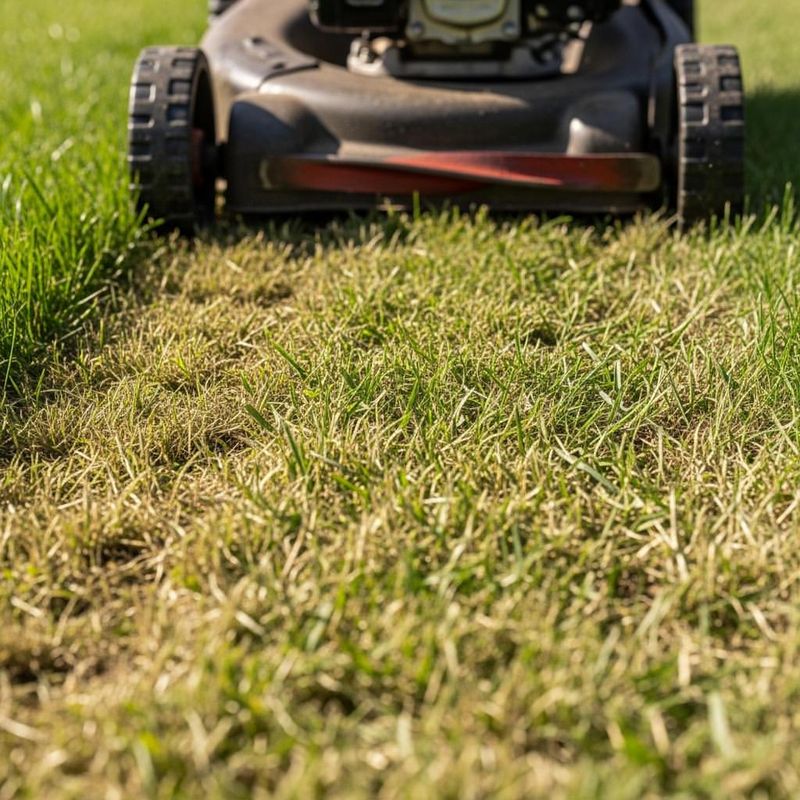
Most people bag their grass clippings out of habit, but leaving them on the lawn is actually one of the easiest and most effective things you can do for summer lawn health.
Clippings break down quickly and return nitrogen, potassium, and other nutrients directly back into the soil where the grass can use them again.
Studies from university extension programs have shown that returning clippings to the lawn can reduce the need for supplemental fertilizer by up to twenty-five percent.
For Charlotte homeowners, that means fewer fertilizer applications during a time when over-fertilizing can actually stress warm-season grasses or push cool-season fescue into risky growth during high heat.
The key is to mow frequently enough that clippings are short and fine. Long, clumped clippings can mat on the surface, block sunlight, and create conditions for fungal growth.
But when you mow regularly at the right height, the clippings are tiny and settle right into the turf almost invisibly. They also add a thin layer of organic matter that helps the soil retain moisture, which is a bonus during dry stretches.
Switching to a mulching blade on your mower makes this even more effective by chopping clippings into smaller pieces. It is a zero-cost habit that quietly improves your lawn’s nutrition and moisture retention all season long.
7. Watch For Early Signs Of Drought Stress
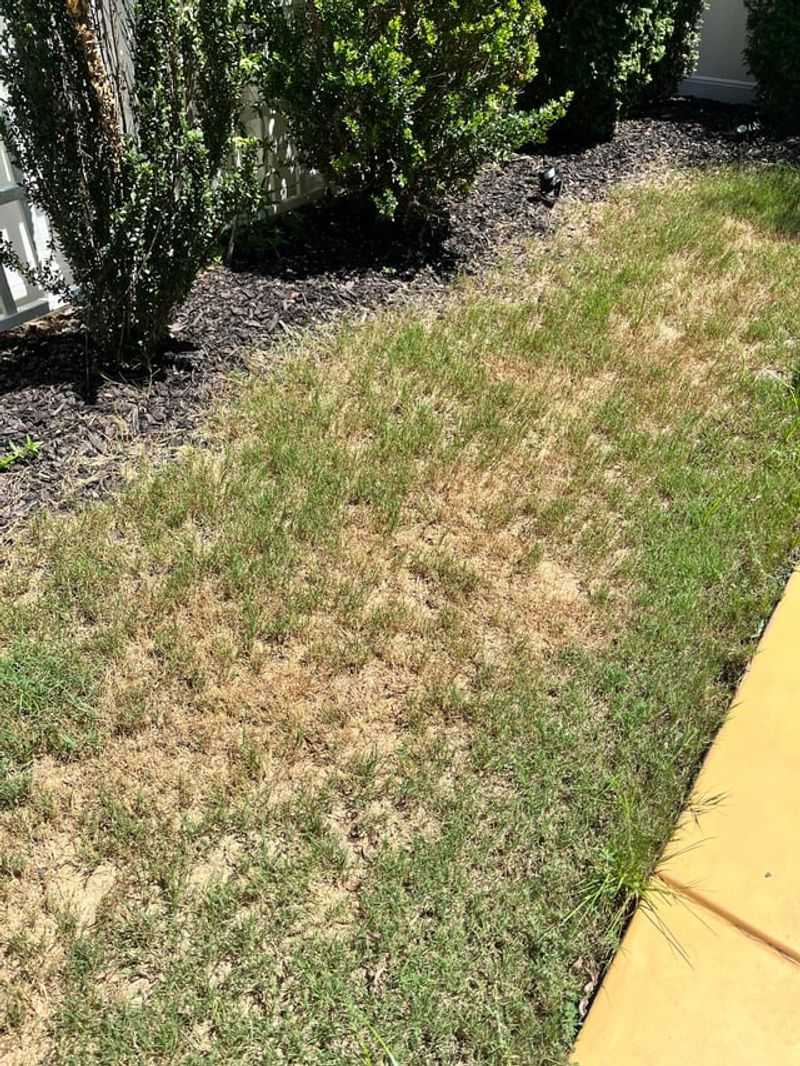
Your lawn talks to you. Most homeowners just do not know the language yet.
Catching drought stress early, before the turf starts to thin or discolor permanently, gives you a chance to fix the problem while it is still easy to fix.
One of the most reliable early signals is the footprint test. Walk across your lawn and look back at where you stepped.
Healthy, well-hydrated grass springs back up within a few seconds. Grass that is beginning to stress from lack of water stays flat and shows your footprints clearly for minutes.
That is your cue to water before the situation worsens. Color is another strong indicator. Grass under drought stress often shifts from bright green to a duller, bluish-gray tone.
Individual blades may also begin to fold lengthwise, which is a natural response the plant uses to reduce moisture loss from its leaf surface. Spotting these signs early means you can water deeply that same day and often prevent any lasting damage.
Charlotte summers can bring dry spells that sneak up fast, especially in July. Checking your lawn every two or three days during hot stretches takes only a minute but could save you weeks of recovery time.
Knowing what to look for turns you from a reactive gardener into a proactive one, and your lawn will clearly show the difference.
8. Different Grass Types Need Different Care
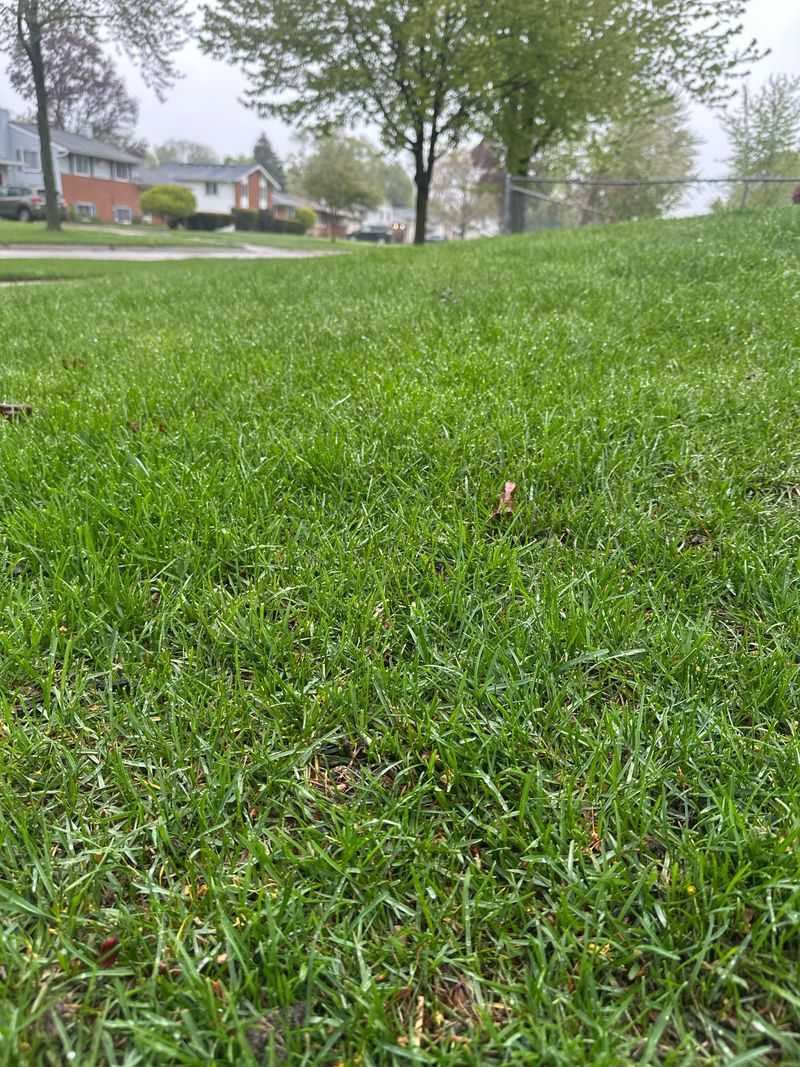
Not every Charlotte lawn is the same, and that matters a lot when summer watering plans come into play.
The three most common grass types in the Charlotte area are tall fescue, bermudagrass, and zoysiagrass, and each one has its own relationship with summer heat and water.
Tall fescue is a cool-season grass, which means it grows best in spring and fall and naturally slows down during Charlotte’s hottest months.
It needs consistent moisture to avoid going dormant during summer heat and benefits most from deep, infrequent watering to keep roots strong.
Bermudagrass is a warm-season turf that actually thrives in heat and handles drought better than fescue, but it still needs regular watering to stay dense and green rather than thin and patchy.
Zoysiagrass sits in an interesting middle ground. It is heat-tolerant and fairly drought-resistant once established, but it is slow to recover from stress and benefits from proactive watering rather than reactive watering.
Knowing which grass type covers your yard changes your entire approach to summer care. A quick look at the blade texture and growth pattern can usually tell you what you have, or your local Cooperative Extension office can help you identify it.
Matching your care routine to your specific grass type is one of the most practical things you can do before June ends.
9. Summer Recovery Starts Before Stress Appears
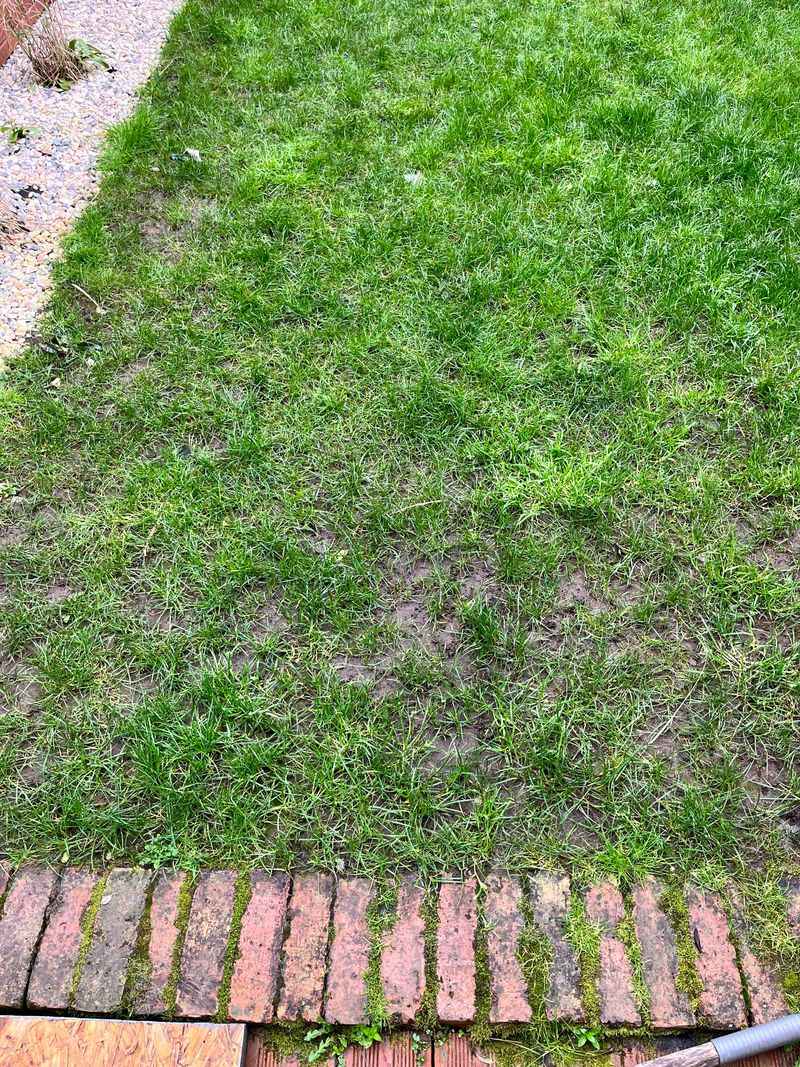
Waiting until your lawn looks bad before taking action is one of the most common mistakes Charlotte homeowners make every summer.
By the time visible stress shows up, the lawn has already been struggling for a while, and recovery takes far more time, water, and effort than prevention ever would. Think of June as your lawn’s training month.
The adjustments you make now, raising the mowing height, shifting to deep watering, returning clippings, and watching for early stress signals, all build a foundation that carries the lawn through the toughest weeks of the season.
Grass that enters July already strong and well-rooted handles heat events with much less visible impact than turf that was neglected through late spring.
There is also a practical financial angle worth considering. Repairing a stressed or thinned lawn in late summer often means overseeding, extra watering, and sometimes even soil amendments, all of which cost money and time.
Spending a little more attention on lawn care through the end of June costs almost nothing by comparison. Local gardeners who treat late spring as their most important lawn care window consistently see better results all summer long.
The work you put in now is quiet and unglamorous, but the payoff shows up clearly every time a neighbor asks how you keep your grass looking so good in August.
10. Consistent Moisture Supports Long-Term Lawn Health
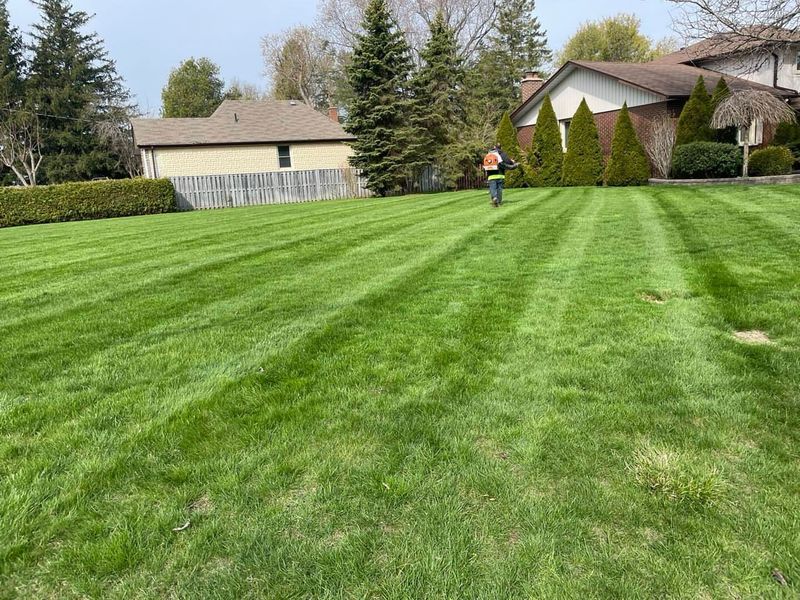
A lawn that gets water consistently throughout summer performs in a completely different league than one that swings between flooding and drought.
Consistency is the word that separates thriving turf from struggling turf, and it applies to both how often you water and how much you apply each time.
Irregular watering creates stress cycles that wear down the grass over time. A lawn that gets soaked one week and ignored the next is constantly shifting between recovery and stress, and that cycle chips away at turf density, color, and overall resilience.
Grass that receives steady, appropriate moisture stays dense, which naturally crowds out weeds and reduces the chances of bare patches forming.
Setting up a simple irrigation schedule before June ends makes consistency automatic.
Whether you use an in-ground system, a hose-end timer, or just a reliable manual routine, the goal is to deliver roughly one inch of water per week, split across two or three sessions.
Adjust for rainfall using a rain gauge or a smart timer that connects to local weather data. Charlotte summers are unpredictable, with some weeks bringing afternoon thunderstorms and others staying bone dry.
Building flexibility into your watering plan ensures you are never overwatering after rain or underwatering during a dry stretch. A consistent approach to moisture is genuinely the backbone of a lawn that looks great from June all the way through to fall.