7 Irrigation Setups Florida Landscapers Actually Use In Their Own Yards
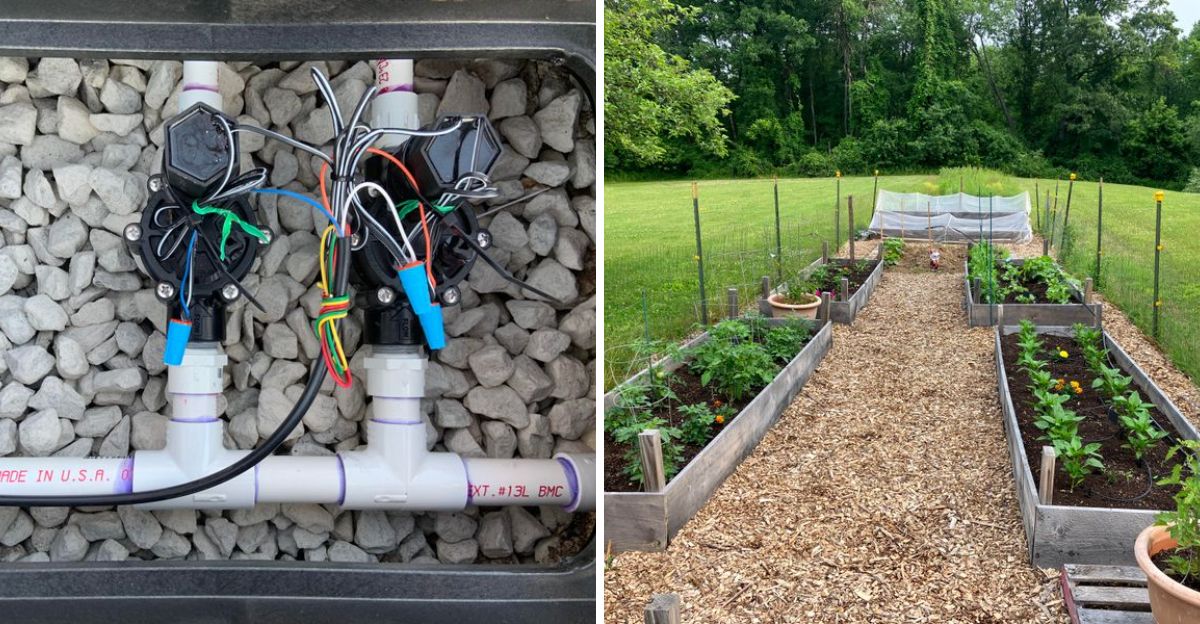
Walk through a professional Florida landscaper’s personal yard and something is immediately different.
Not the plants. Not the design. The way the yard handles water.
No spray heads throwing mist across the driveway. No puddles forming along the bed edges after a cycle runs. No muddy patches where the system overshoots the target by two feet. The water goes somewhere specific and stays there.
Florida landscapers spend their working days fixing irrigation problems in other people’s yards. At home, they are not making those same mistakes.
Have you ever wondered what someone does differently when they actually understand how water moves through Florida soil?
The answer is not a more expensive system. It is not a smarter controller or a bigger pump. It is a set of decisions about placement, timing, and delivery method that many homeowners never think about because nobody explained the reasoning behind them.
The yards that stay green through August without running the system every day are not lucky. They are set up differently from the start.
1. Smart Irrigation Starts At The Root Zone, Not The Leaves
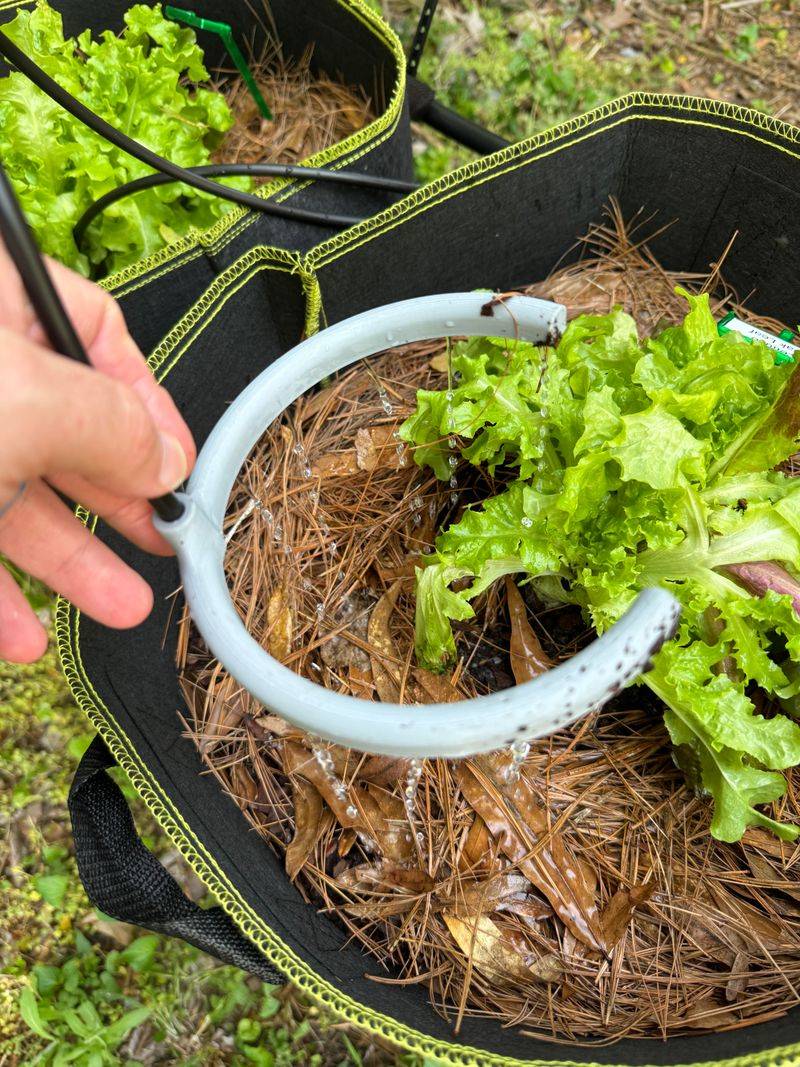
Many homeowners water their plants. Florida landscapers water the soil directly beneath them. That distinction sounds minor until you understand what Florida heat does to surface moisture within an hour of a cycle finishing.
Root-zone watering means placing emitters or drip lines close to the base of each plant so water soaks into the ground where roots can actually reach it.
Slow, steady delivery at the root level gives plants time to absorb moisture before Florida’s sandy soil moves it below the root system entirely.
The target for each emitter is the area where the plant’s main stem meets the ground. Keeping emitters six to twelve inches from the stem is the practical rule.
That distance prevents moisture from accumulating against the crown, which is where rot problems typically begin in humid Florida conditions.
Sandy soils drain fast. Clay pockets found in some parts of the state hold water longer and can pool if emitters are placed without accounting for drainage. Both soil types require attention to emitter positioning, just for opposite reasons.
Walking each bed before setting up emitters and marking root zones takes about twenty minutes. It is the step most homeowners skip and most landscapers never skip.
Overhead spray aimed at foliage wastes a significant portion of every watering cycle before the water reaches any roots. Getting water into the soil at the right location changes what the plant actually receives from each cycle.
The plant was never thirsty for mist. It was thirsty for what was six inches underground.
2. Microirrigation Emitters In Beds Outperform Spray Heads
Pop-up spray heads are among the most common features in Florida residential irrigation systems. They are also one of the most reliable sources of wasted water in those same systems.
Spray heads operate by throwing water in wide arcs. A meaningful portion of every cycle lands on sidewalks, driveways, and mulch paths rather than anywhere near a root zone. On windy Florida afternoons, the waste increases further.
Your Florida Garden Changes Every Week. Your Plan Should Too.
Gardening in Florida changes quickly throughout the season. Every Friday you’ll receive a simple weekly plan showing exactly what to plant, prune, fertilize, harvest, and protect so you never miss the right timing.
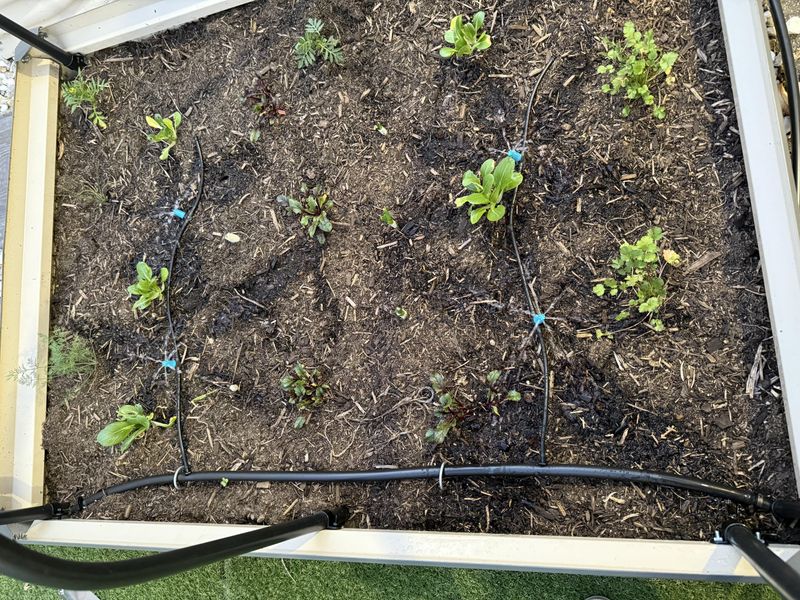
Microirrigation works on fundamentally different terms. Low-pressure, low-volume emitters deliver water slowly and precisely to the area directly around each plant.
Microirrigation reduces water use by thirty to fifty percent compared to traditional spray coverage in planting beds. That reduction appears on the water bill within the first billing cycle after installation.
The upgrade is more straightforward than it appears. Half-inch poly tubing connects to an existing irrigation valve.
Quarter-inch spaghetti tubing runs from that line to individual emitters positioned at each plant. Pressure-compensating emitters rated at a half to one gallon per hour handle the delivery.
The turf areas of the yard keep their rotary or spray heads since grass genuinely benefits from broader coverage. Beds do not.
Many Florida landscapers make this swap early in any yard redesign project. It is consistently one of the first changes and one of the highest-impact ones.
The spray head covered the driveway beautifully for years. The microirrigation emitter covers the root zone instead.
3. Drip Lines Keep Foliage Dry And Florida Fungal Problems Out Of The Bed
Florida’s combination of high humidity, warm nights, and regular afternoon rain already creates favorable conditions for fungal disease across most of the state. Adding overhead irrigation to that environment is a reliable way to accelerate the problem.
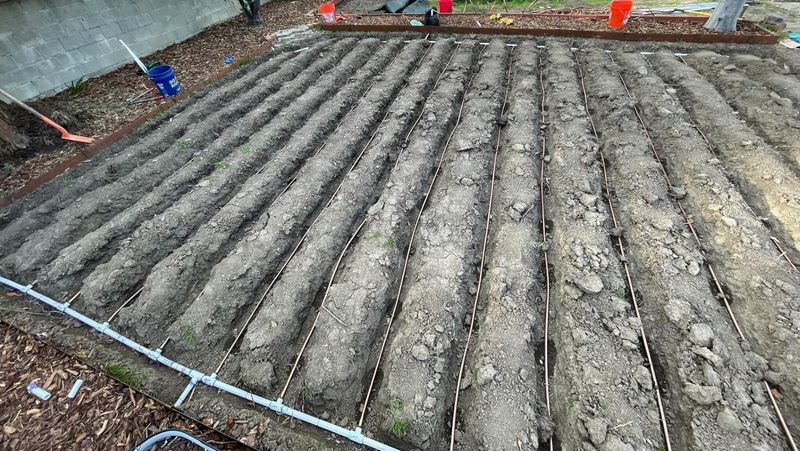
Drip lines remove foliage from the equation entirely. Water moves through flexible tubing and exits at the soil surface without contacting the leaves above.
Keeping foliage consistently dry reduces the incidence of leaf spot, powdery mildew, and other foliar diseases that affect popular Florida plants like ixora, gardenia, and pentas.
Dry foliage also creates a less appealing environment for certain pests. Fungus gnats favor consistently moist surface conditions.
Drip irrigation keeps the soil surface drier between watering cycles, which makes the bed less hospitable to those insects without any additional treatment.
Installing drip lines in an existing bed does not require removing established plants. Quarter-inch tubing threads between plants and sits secured with small ground stakes.
The correct placement for emitters is along the outer edge of each plant’s canopy rather than against the stem. That positioning encourages roots to spread outward over time, which builds plants with stronger root systems and better drought tolerance across Florida’s dry season.
Florida landscapers consistently report that plant leaf health improves visibly within a single growing season after switching from spray to drip.
Wet leaves in Florida have never worked in anyone’s favor. Drip lines solve the problem before it starts.
4. Grouping Plants By Water Need Before The First Emitter Goes In Changes Everything
Running drought-tolerant natives and thirsty tropicals on the same irrigation zone creates an impossible situation. One group gets too much water. The other gets too little. Adjusting the schedule to solve one problem makes the other worse.
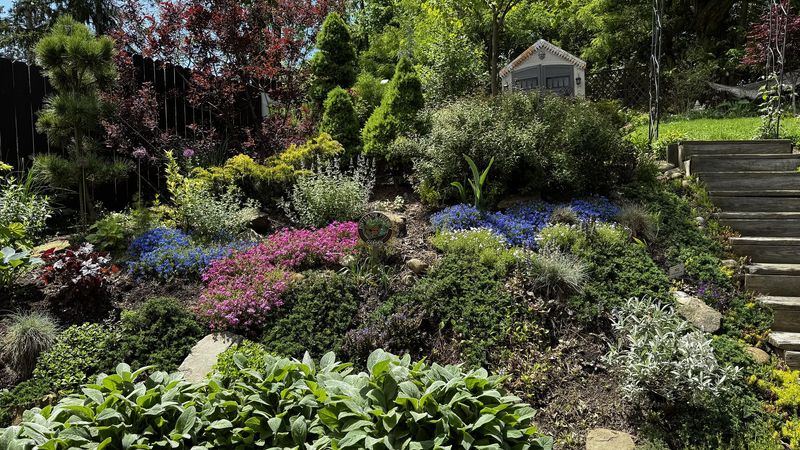
Hydrozoning addresses this directly. Plants with similar water requirements go in the same zone so the irrigation schedule can be calibrated to what those specific plants actually need.
This approach reduces overwatering, lowers operating costs, and keeps plants healthier because each one receives water matched to its requirements rather than a compromise that works for none of them particularly well.
In practice, drought-tolerant Florida natives like muhly grass, coontie, and firebush belong in a low-water zone.
Thirstier plants like impatiens or tropical gingers go in a separate zone where higher frequency cycles make sense. Within a single bed, separate emitter flow rates can deliver different volumes to individual plants even when they share a zone.
The planning step that makes hydrozoning work is a simple sketch done before purchasing plants. Labeling each plant’s water category as high, medium, or low takes a few minutes and prevents the kind of zone conflicts that cause ongoing problems.
Florida landscapers consistently identify hydrozoning as the most underused irrigation strategy in residential yards across the state. Most homeowners have never heard the term.
One sketch before planting saves years of adjusting a schedule that was never going to work correctly.
5. Beds And Turf On Separate Zones Is The Setup That Works
Grass and shrubs are not asking for the same thing. Turf needs frequent, lighter applications to stay consistent through Florida’s dry season.
Established shrubs and perennials perform better with deeper, less frequent watering that encourages roots to reach into cooler soil rather than staying near the surface.
Putting both on the same schedule forces a compromise that rarely works well for either. A St. Augustine lawn during dry season may need watering two or three times per week.
A well-mulched bed of established native shrubs might need a deep soak once a week or less. Running them together either overhydrates the shrubs or underserves the lawn.
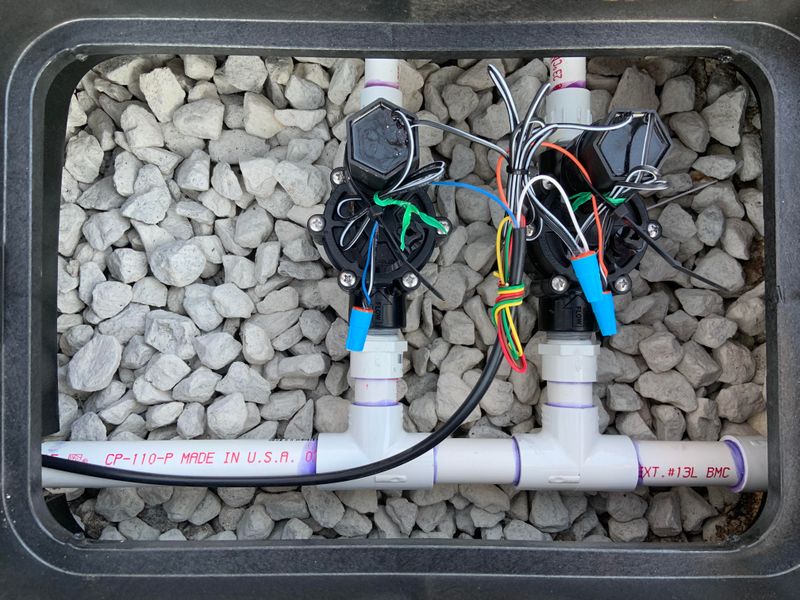
Separating beds and turf into distinct zones is standard practice for Florida landscapers. Turfgrass and ornamental plantings have different rooting depths, different water uptake rates, and different seasonal requirements that a single zone schedule simply cannot accommodate.
Most modern irrigation controllers assign different run times, frequencies, and start times to each zone without any complexity.
Smart controllers that pull local weather data skip cycles after rain automatically, which is particularly relevant in Florida where afternoon showers run reliably from June through September.
For yards currently running beds and turf together, separating them into distinct zones produces one of the highest-impact improvements available without replacing any existing hardware.
Your shrubs have been tolerating the lawn’s schedule for years without saying anything. They would absolutely prefer their own zone.
6. Drip Lines Buried Under Mulch Protect The Tubing And Double The Efficiency
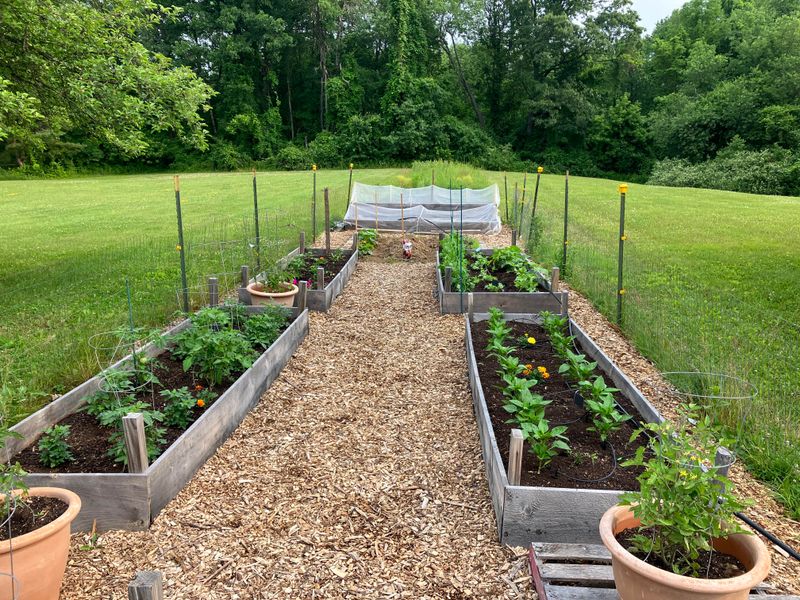
Water is expensive. Florida heat evaporates surface moisture faster than many homeowners account for when setting irrigation schedules. Bare soil under direct summer sun can lose a significant percentage of surface moisture within hours of a completed cycle.
A two to three inch layer of organic mulch reduces that evaporation dramatically. Pine bark, pine straw, and eucalyptus all perform well in Florida landscape beds.
Mulch conserves soil moisture, moderates soil temperature, and suppresses weeds. Each of those three functions directly supports irrigation efficiency by reducing how often cycles need to run.
Florida landscapers consistently install drip lines beneath the mulch layer rather than on top of it. Buried lines are protected from UV degradation, which breaks down exposed tubing quickly under Florida’s sun intensity.
Placement beneath the mulch also keeps emitters at soil level where delivery is most effective.
One maintenance issue worth watching for is mulch accumulation against plant stems and tree trunks. Piles of mulch against bark trap moisture and create conditions for rot and pest activity.
Keeping mulch a few inches clear of stems and refreshing the layer once or twice annually in spring and fall maintains the benefits without creating new problems.
A properly mulched bed with drip lines underneath reduces the irrigation system’s workload significantly through Florida’s hottest months.
The irrigation system does the watering. The mulch does the saving. Those are different jobs and both matter.
7. Walking Every Zone And Checking Every Emitter Before Summer Is Non-Negotiable
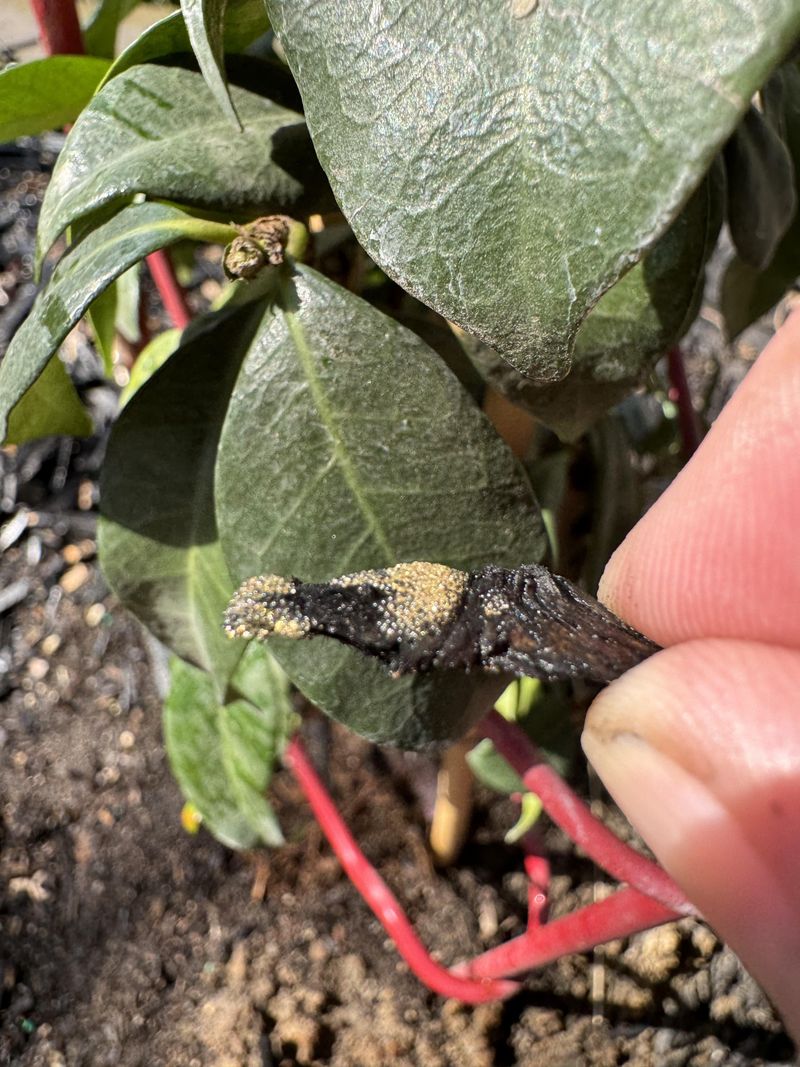
An irrigation system running silently twice a week gives no visible indication of whether it is working correctly or not. By the time plant stress becomes visible in August, a clogged emitter may have been failing for weeks.
Clogged emitters are the most consistent maintenance issue with drip and microirrigation systems across Florida. Hard water minerals, algae, and fine soil particles block the small openings in emitters over time.
Most blockages are resolved by removing the emitter and soaking it in a vinegar solution for thirty minutes, then flushing and reinstalling. Replacement is also inexpensive when soaking does not fully restore flow.
The most reliable way to check a system is walking each zone while it runs. Dry patches within a bed near a known emitter location indicate a blockage.
Emitters that have been displaced by foot traffic, garden tools, or animals redirect water away from intended plants entirely.
Flushing the end caps on main supply lines twice annually removes sediment buildup before it reaches the emitters. Systems with inline filters need those cleaned or replaced on a similar schedule.
Florida landscapers typically complete a full system inspection in March before dry season and again in October as cooler weather arrives.
Scheduling these checks in advance prevents the situation where a problem discovered in August has already been running for an entire season.
The system looked fine from the back door. It was not fine from two inches away.