The Underground Lawn Problem That Looks Like Drought In New Jersey And How To Handle It
Something is quietly undermining your lawn, and it has nothing to do with the heat. You adjust the sprinklers.
You reseed the bare patches. You blame the dry spell, and still the brown spreads wider every week.
Standing in your New Jersey yard, you tug at a struggling patch of grass. The whole section lifts clean off the ground, roots completely gone, soil soft and hollow underneath.
That moment of confusion is one every homeowner dreads. The real threat is not visible from the surface. Yet it methodically works against everything your grass needs to thrive.
New Jersey lawns face this hidden underground pressure more than most homeowners ever realize, and the decline spreads fast once it takes hold.
Watering harder only buys time. Reseeding without answers just delays the inevitable. Understanding exactly what is happening beneath your feet is the smartest move you can make.
Once you do, fixing it becomes surprisingly straightforward. Your lawn is waiting. So is the solution.
Roots Get Weakened From Below
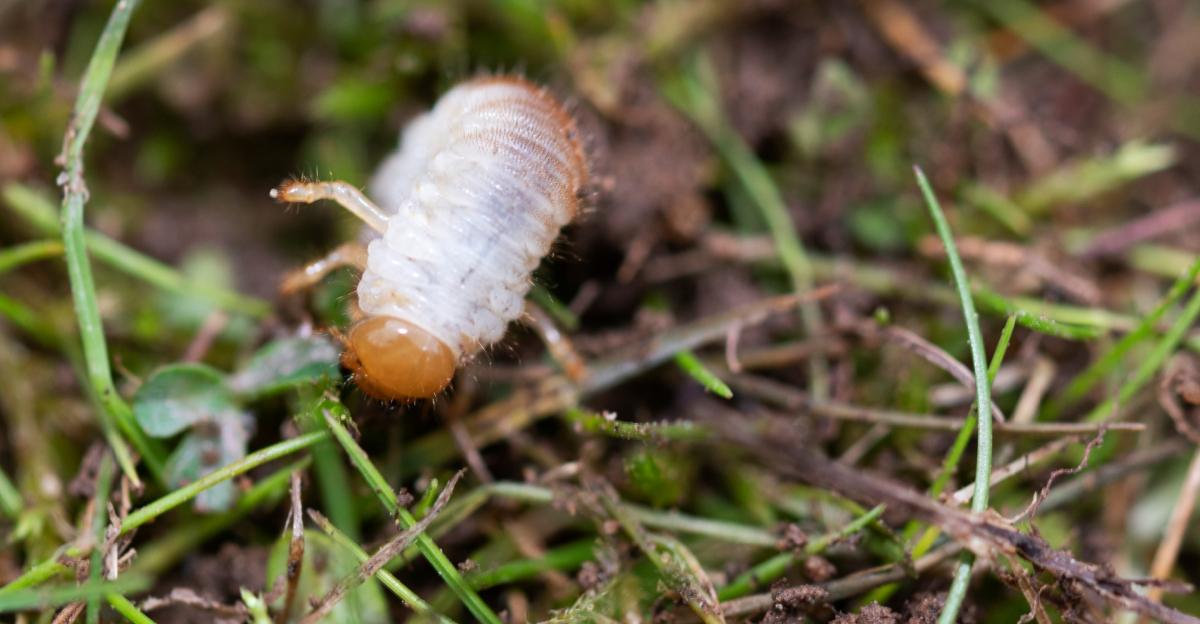
Something is quietly weakening your lawn from below. Grubs are the larvae of several beetle species.
In New Jersey, the oriental beetle is the most damaging species, followed by the Asiatic garden beetle, northern masked chafer, and Japanese beetle.
The European chafer is present but less common here. They curl up just below the surface and feed on root systems all summer long.
The grass above has no idea until it is too late. Without roots, turf cannot pull water or nutrients from the soil.
That is why affected lawns look thirsty even right after a good rain. Healthy roots anchor grass and fuel green growth.
When grubs interrupt those connections, the grass slowly loses its vitality above ground. Many homeowners pour on extra water thinking the lawn is just dry.
The water soaks right past the rootless turf and does nothing useful. Understanding this underground activity is the first step toward restoring your lawn.
Once you see the problem clearly, you can stop treating symptoms and start treating the actual cause.
They Spread Fast Beneath The Surface
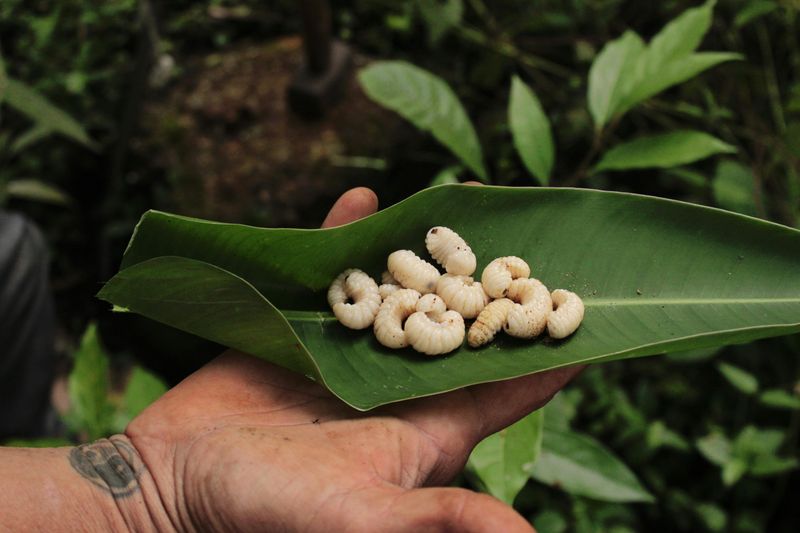
A small grub problem can become a big one fast. Female beetles lay eggs in midsummer. Japanese beetle eggs hatch in roughly two weeks.
Other species common to New Jersey follow slightly different timelines, but all produce actively feeding grubs by late summer.
Each beetle can deposit up to 60 eggs in a season. That adds up to serious underground activity in a hurry.
Grubs do not stay put. They move through the soil following moisture and tender root systems wherever they lead.
New Jersey’s warm summers and regularly irrigated suburban lawns create conditions where grub populations can expand rapidly. A patch the size of a dinner plate can grow to cover several square yards within a single season.
Most homeowners only notice once the decline is already widespread. Warm, moist soil speeds up their movement significantly.
Regular irrigation attracts Japanese beetles to lay eggs and supports grub development for several species common to New Jersey.
Your New Jersey Garden Changes Every Week. Your Plan Should Too.
Gardening in New Jersey changes quickly throughout the season. Every Friday you’ll receive a simple weekly plan showing exactly what to plant, prune, fertilize, harvest, and protect so you never miss the right timing.
Note that European chafers actually prefer dry, unirrigated turf, so irrigation risk varies depending on which species are present in your area.
Early detection is the most valuable edge you have against a fast-moving population. Catching the problem in July or August gives you the widest range of treatment options before the season shifts.
For New Jersey homeowners especially, acting during that summer window can mean the difference between a simple treatment and a full lawn restoration.
Turf Loosens And Peels Back Like Carpet
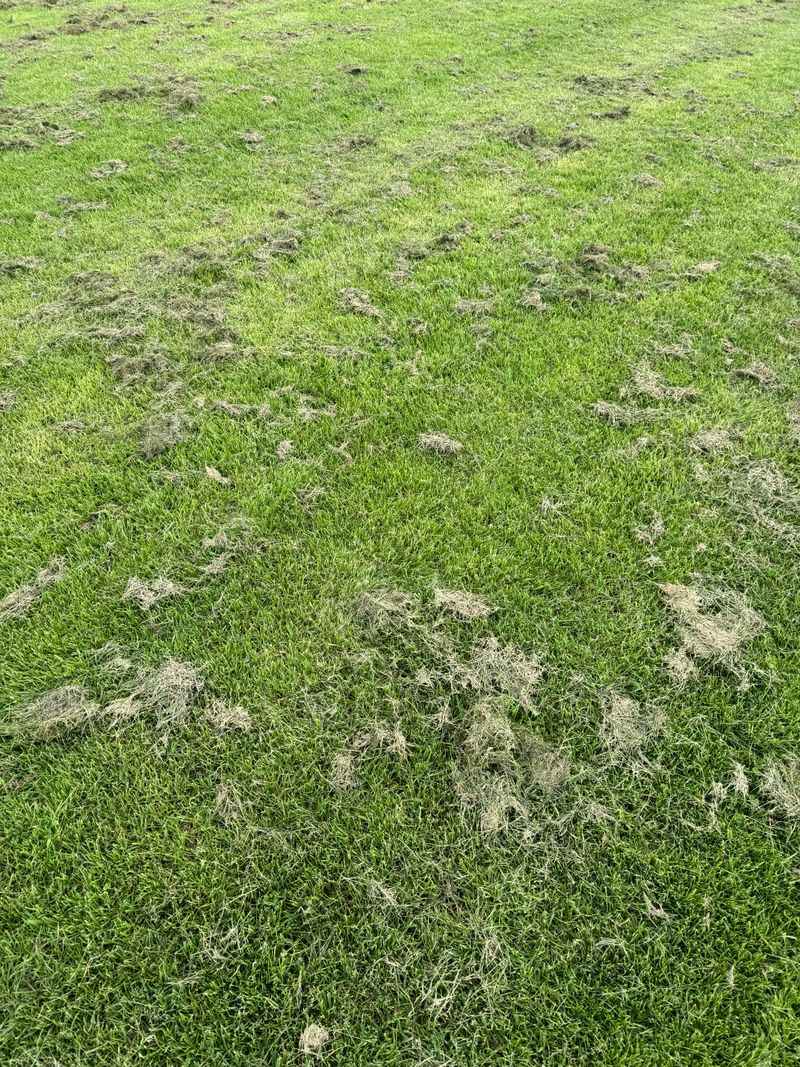
One of the most noticeable signs of a grub problem is turf that rolls up like an old rug. When roots are gone, there is nothing holding the grass to the earth.
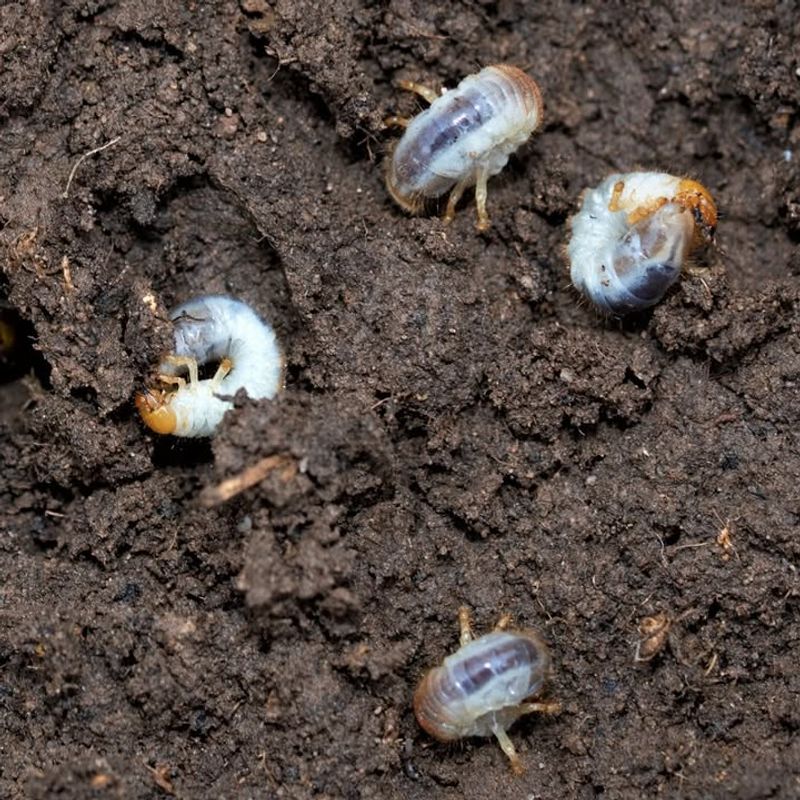
You can grab a corner of affected turf and lift it with almost no resistance. Underneath, you will likely find pale, C-shaped larvae waiting in the soil.
This peeling effect is a clear signal that the infestation is already advanced. For New Jersey homeowners, this stage often arrives faster than expected given the region’s warm, humid growing conditions that accelerate underground activity.
Spongy, soft turf that gives underfoot is usually the warning sign that comes just before this stage.
Healthy grass holds tight to the ground because its roots grip the soil firmly. Grub-affected turf has lost that grip entirely, making it easy to peel away.
If you notice your New Jersey lawn feeling bouncy or soft in spots, do not ignore it. That spongy feeling often means grubs are already working just a few inches below the surface, and the window to act effectively is still open.
Peeling turf is not just unsightly. It signals that the situation has reached a point where acting promptly gives your lawn the best chance to recover fully.
Across New Jersey, this is one of the most commonly misread warning signs homeowners face every season.
Weakened Grass Lets Weeds Move In
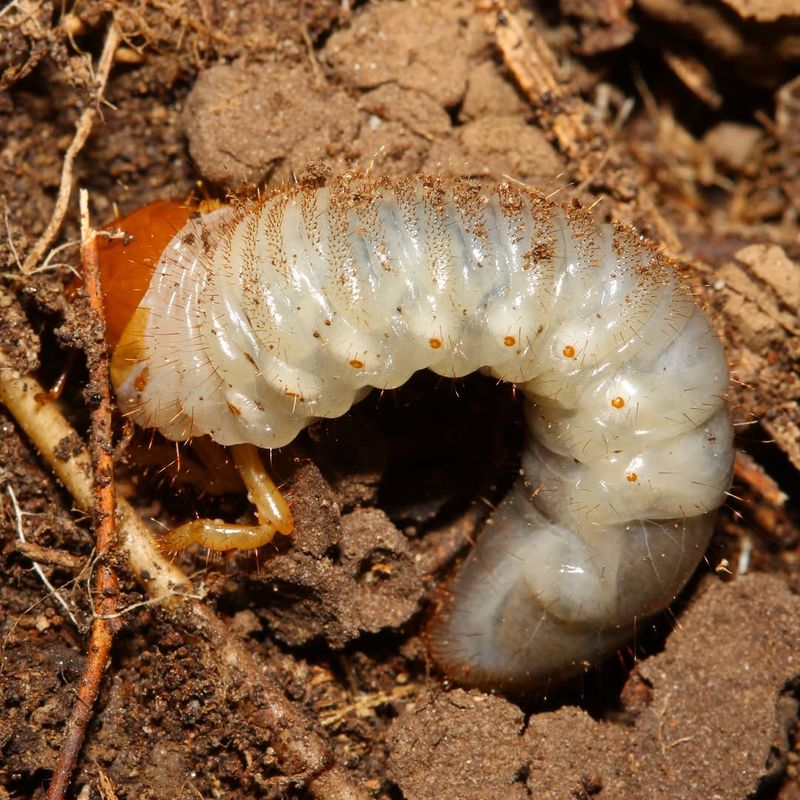
Grubs do not just affect grass. They open the door for weeds to move in and take hold.
When turf thins out from root issues, bare soil is exposed to sunlight. Weed seeds love nothing more than open, sunny ground with no competition.
Crabgrass, dandelions, and clover are fast movers. They colonize bare patches before your grass ever gets a chance to recover.
In New Jersey, where weed pressure is naturally high throughout the growing season, this combination can turn a manageable lawn issue into a much broader problem surprisingly fast.
Once weeds establish roots, they compete strongly for water, nutrients, and space. A lawn already weakened by grubs faces a noticeably harder recovery against that kind of competition.
Many New Jersey homeowners spend money on weed control without realizing grubs caused the bare spots in the first place.
Treating weeds without addressing grubs is like mopping the floor while the faucet is still running. Thick, healthy turf is the best natural weed barrier available.
Keeping your New Jersey lawn dense and well-rooted through proper grub management protects against both problems at once, giving your grass a genuine fighting chance through every season.
Animals Dig Up The Lawn Searching For Them
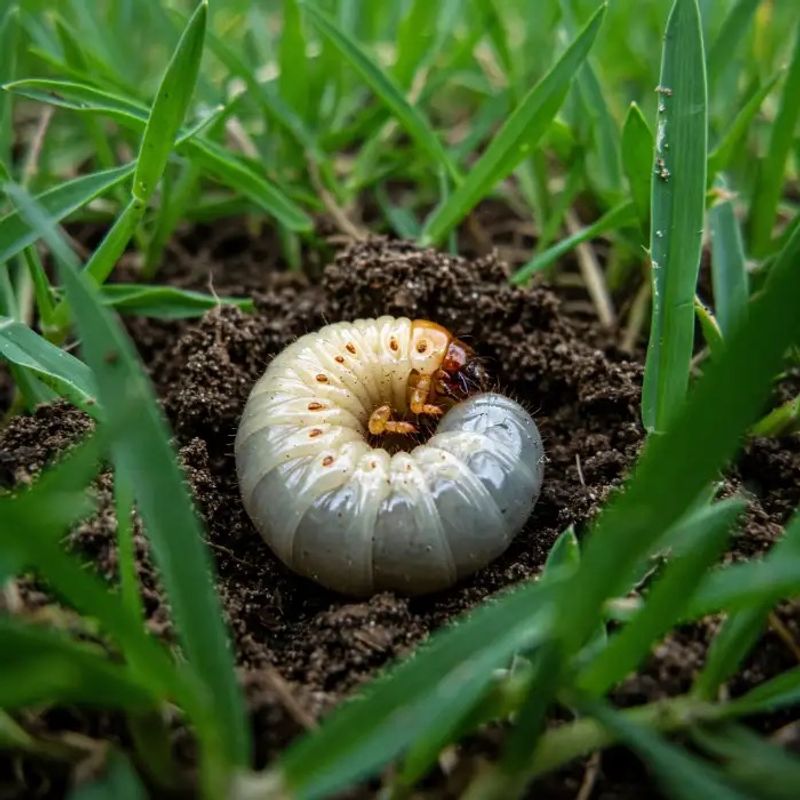
Skunks, raccoons, and crows are not randomly disturbing your lawn. They sense grubs through the soil and move directly toward them.
These animals have a remarkable ability to detect larvae underground. A grub-heavy lawn becomes a reliable food source that draws local wildlife in regularly.
Overnight digging is often the first visible sign that grubs are present. Homeowners wake up to find their turf disturbed before they ever notice brown patches.
The digging itself causes additional stress beyond what the grubs already did. Torn turf and exposed soil make recovery harder for a lawn already under pressure.
Moles also tunnel through grub-heavy lawns, leaving raised ridges across the surface. Where you see mole activity, a grub population is almost always the reason.
Animal digging is nature telling you something is happening underground. Treat it as a useful clue rather than just a nuisance, and you will identify the real problem much faster.
Surviving Grubs Become Beetles That Harm Your Garden
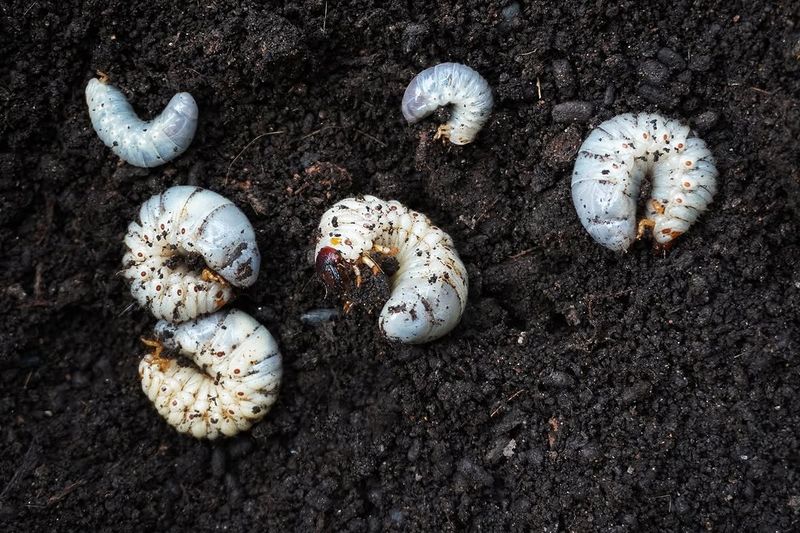
Every grub that survives the winter becomes a beetle in spring. That means your lawn problem can quickly become a garden problem too.
Japanese beetles are among the most damaging beetles in the eastern United States. Adults strip plant leaves, feed heavily on flowers, and affect over 300 species of trees and shrubs.
Breaking the cycle early protects both your turf and your garden. Grubs treated in summer never get the chance to emerge as adult beetles the following year.
Adult beetles also attract more beetles through pheromone signals. A small group feeding on your roses can attract additional beetles from surrounding areas through natural pheromone signals.
The impact beetles cause above ground is just as significant as what grubs do below it. Stripped leaves weaken plants and make them more susceptible to disease and other pressures.
Thinking of grub control as garden protection reframes the whole issue. You are not just saving grass. You are protecting every plant in your yard from the next generation of activity.
Pull Brown Grass Up To Check If Roots Are Intact
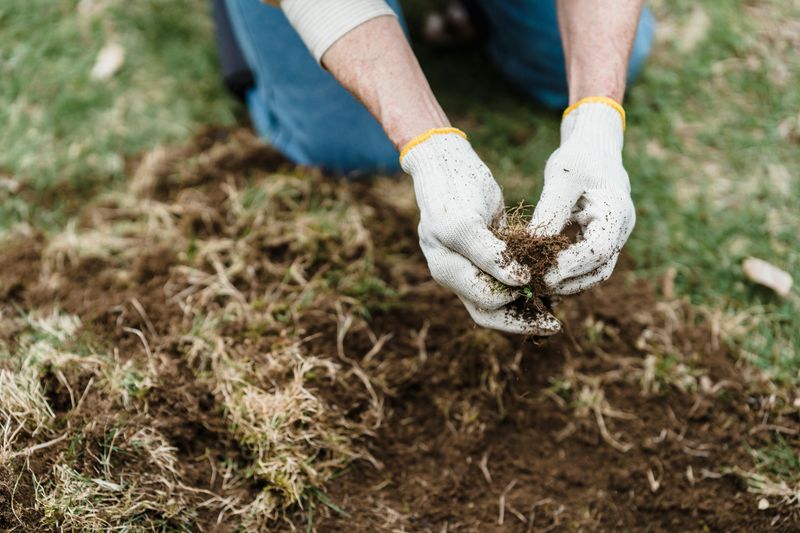
Grab a handful of brown grass and tug gently upward. If it lifts with almost no resistance, roots are likely gone.
Healthy grass pulls back firmly because its root system anchors it deep in the soil. Grub-affected grass comes up easily because those anchors have been worn away.
This quick test takes about five seconds and costs nothing. It is the fastest way to tell the difference between drought stress and grub activity.
Drought-stressed grass still has intact roots even when it looks brown. Pull it up and you will feel resistance. That resistance means the roots are still there.
No resistance means no roots. No roots almost always means grubs are or were present in that area of the lawn.
Do this test in multiple spots across your lawn for a clearer picture. One brown patch with intact roots is probably heat stress.
Three patches with no roots is almost certainly a grub problem worth addressing right away.
Dig Up A Square Foot And Count The Grubs
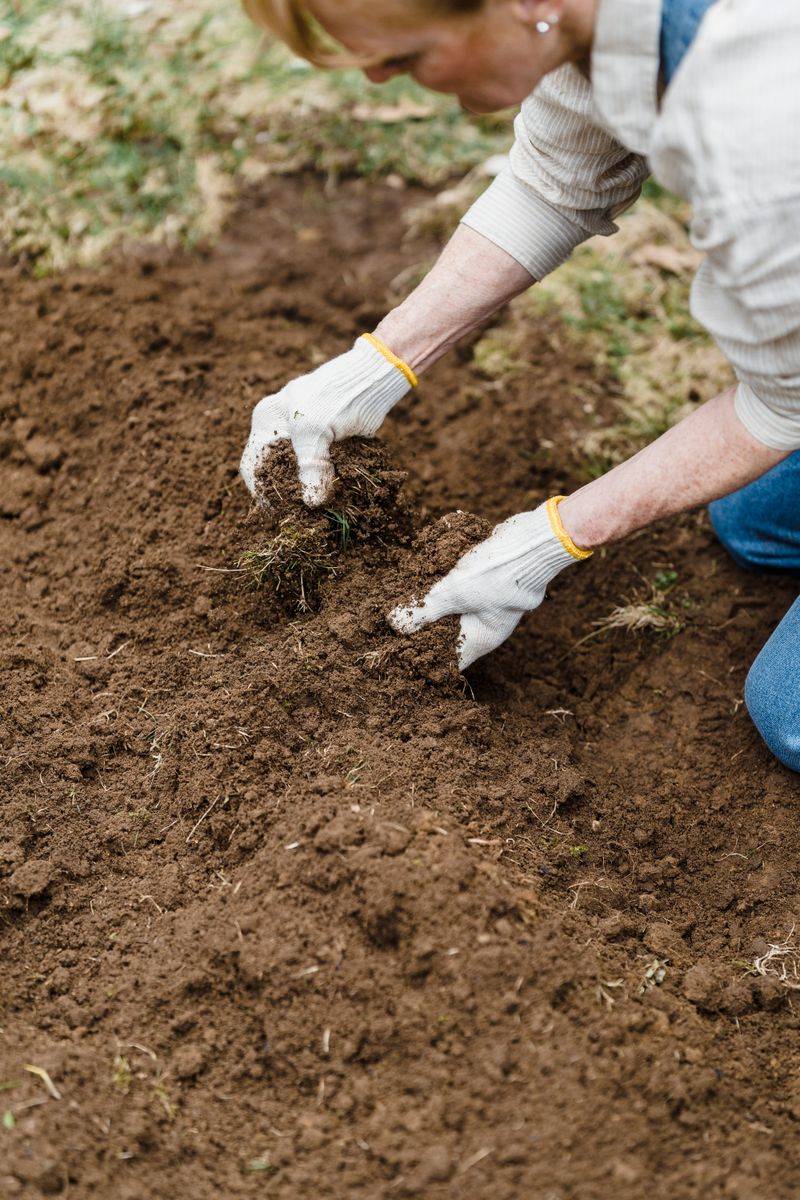
Grab a trowel and cut out a square foot of turf about three inches deep. Flip it over and count every grub you find in the soil.
Lawn care professionals use this method because it gives you an actual number to work with. Guessing rarely leads to the right treatment decision.
Finding fewer than six grubs per square foot is generally tolerable for a healthy lawn, though stressed or drought-affected turf may show damage at lower counts.
Six to ten grubs per square foot is the standard treatment threshold recommended by university extension services.
More than ten per square foot signals an advanced infestation requiring prompt action. Check several spots across the lawn rather than just one.
Grubs concentrate in patches, so a single sample can give you a misleading sense of the overall situation.
Apply Preventative Treatment In Late Spring Or Early Summer
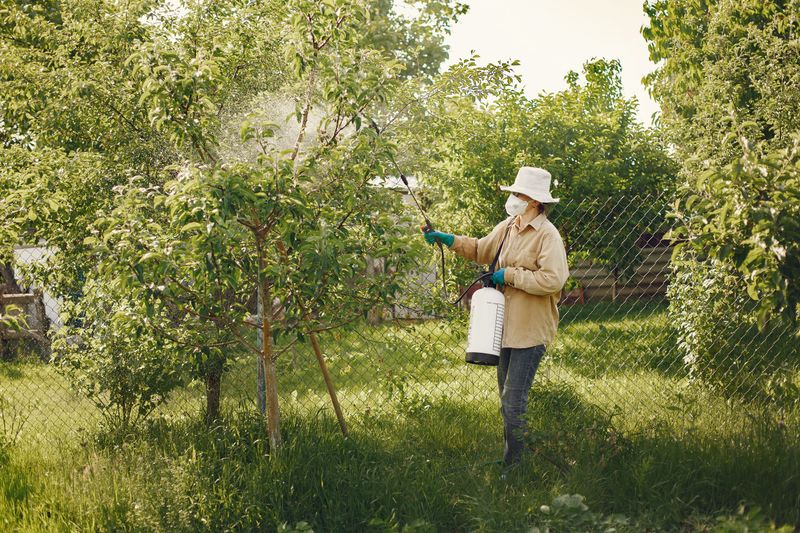
Timing is everything when it comes to grub prevention. Preventative treatments work best when applied before beetle eggs hatch in midsummer.
Products containing imidacloprid or chlorantraniliprole are widely available at garden centers. They need to be watered into the soil to reach the root zone where eggs will hatch.
June tends to be an effective window for preventative applications across much of the Northeast, though timing can vary slightly depending on your specific location and local beetle activity.
Apply too early and the product may break down before eggs arrive. Apply too late and the eggs are already hatching. Preventative treatments are not cures.
They set up a protective barrier in the soil that targets newly hatched larvae before they can establish themselves.
Chlorantraniliprole is considered lower risk for pollinators and beneficial insects. It is a strong choice for homeowners who want effective control with a smaller environmental footprint.
Skipping prevention and waiting for visible decline always costs more in the long run. A bag of preventative granules is far more affordable than reseeding an entire lawn after a full population takes hold.
Curative Treatment Works Best In Late Summer Or Fall
If you missed the prevention window, curative treatments are your next best option. These products target active grubs already feeding in the soil.
Trichlorfon and carbaryl are among the commonly used curative active ingredients, though availability may vary by state due to evolving regulations. Always check current product registrations in your area before purchasing.
Late summer and early fall are the most effective periods for curative applications in the Northeast. Grubs are small and close to the surface during this window, making them far more responsive to treatment.
By mid-fall, grubs move deeper into the soil to escape cooler temperatures. Curative treatments become much less effective once grubs drop below the treatment zone.
Water the lawn thoroughly after applying any curative product. These treatments need to reach the grubs in the soil, and dry conditions prevent that from happening.
Curative treatments can help manage an active grub population effectively and slow further spreading.
However, grass that already lost its roots will still need reseeding once conditions improve and the soil stabilizes.
Milky Spore Bacteria Removes Grubs Naturally Over Time
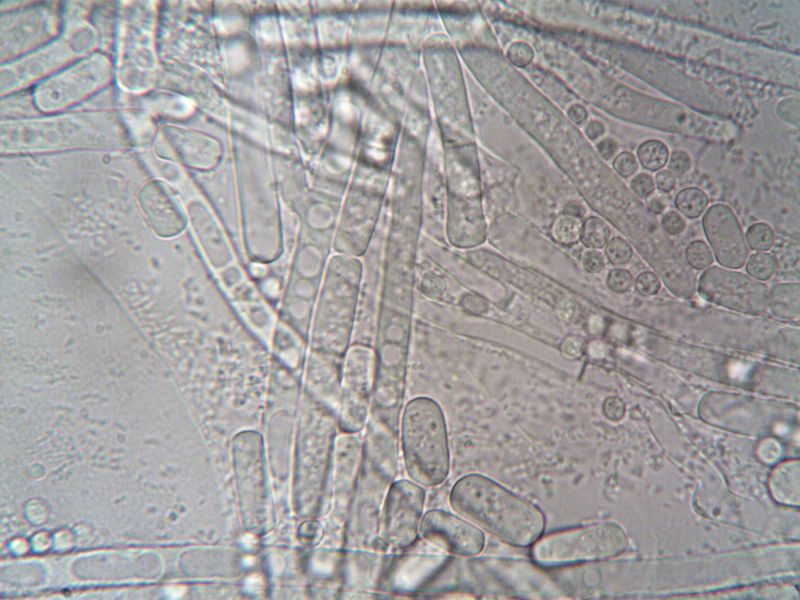
Milky spore is a naturally occurring bacterium called Paenibacillus popilliae. It targets Japanese beetle grubs specifically without affecting other beneficial soil organisms.
Grubs ingest the spores while feeding on roots. The bacteria multiply inside the grub and eventually render it inactive, releasing billions more spores back into the soil.
This creates a self-sustaining cycle of control that can last several years in favorable soil conditions, though results vary depending on climate and soil temperature in your region.
One application builds a lasting biological presence in your lawn. The consideration is that milky spore takes time to work.
Full effectiveness can take two to four years to establish, so it is not the right choice for an active, severe situation that needs immediate attention.
For homeowners thinking long-term, milky spore pairs well with other lawn care practices. It supports soil health while quietly reducing grub populations season after season.
The underground lawn problem that looks like drought in New Jersey can be managed without heavy chemical use.
Milky spore targets Japanese beetle grubs only. Since the oriental beetle is New Jersey’s dominant grub species and is not affected by milky spore, it is not a reliable standalone solution for most NJ lawns.
Beneficial nematodes (Heterorhabditis bacteriophora) offer broader biological coverage for the mix of species found here.