Why Fire Ant Mounds Appear After Rain In Maryland (And What To Do About It)
Some yards keep their secrets until the rain arrives. Step outside after a summer downpour and everything looks familiar at first. The grass is the same. The trees are the same.
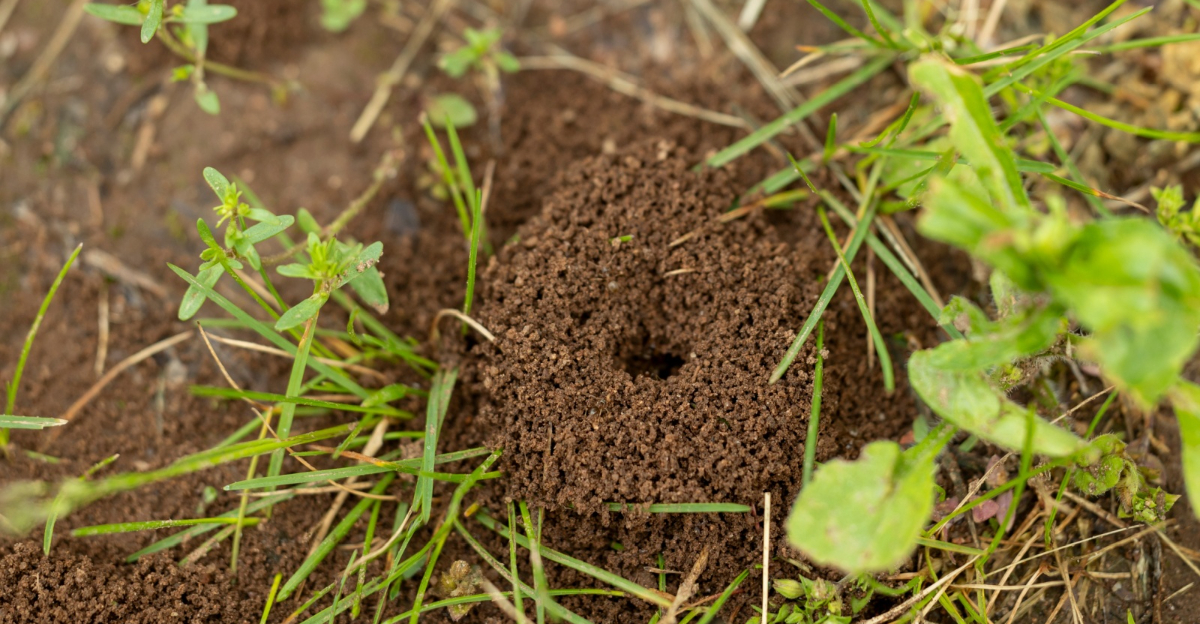
But scattered across the lawn, dozens of small dirt mounds have appeared like something built quietly underground and finished overnight. It stops you.
Not because fire ants are new, but because the timing feels oddly precise. Did the rain bring them?
Did they come from somewhere else? The answer is quieter and stranger than most homeowners expect.
Those colonies were already there, invisible below the surface, living undisturbed until the water came. Rain did not carry them in.
It simply drew them up. That shift in understanding, from sudden appearance to gradual reveal, is what separates a yard that stays frustrating from one that finally gets under control.
From Maryland to the Gulf Coast, the ground was never empty. It was just waiting, and Maryland homeowners who understand that are already one step ahead.
Flooded Tunnels Force Colonies Up
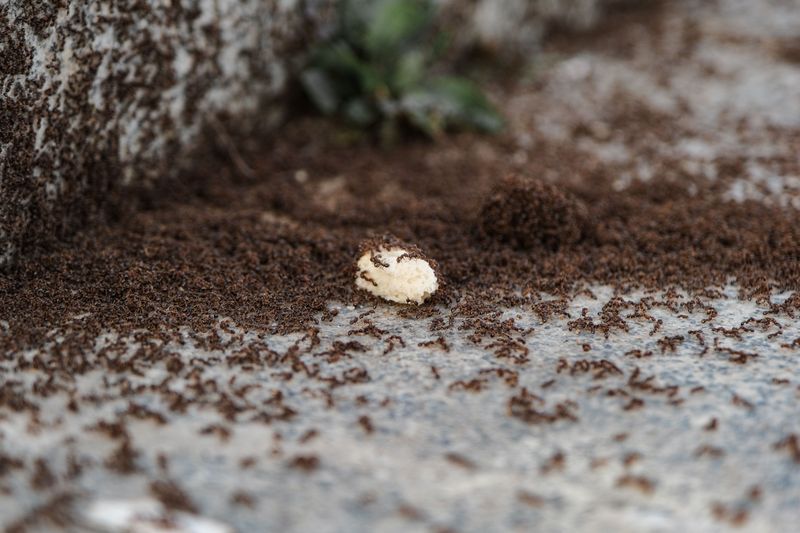
Picture thousands of tiny creatures suddenly scrambling for higher ground. When heavy rain floods underground tunnels, fire ant colonies have one option: move up fast.
Water fills their tunnel systems within minutes of a serious downpour. The ants cannot breathe or function in flooded passages, so the whole colony surges upward.
Workers carry eggs, larvae, and the queen toward the surface. They rebuild quickly, piling loose soil into the mounds you find the next morning.
This is pure survival instinct at work. The colony is not moving into your yard on purpose, but the result feels very personal when you step on one unexpectedly.
The good news is that freshly flooded mounds are often disorganized. Ants are stressed and scattered, and Maryland homeowners who act during this window have a real advantage before the colony fully resets.
Acting fast after a storm can stop a colony before it digs back in deep. Timing your treatment right after rain is one of the smartest moves a homeowner can make.
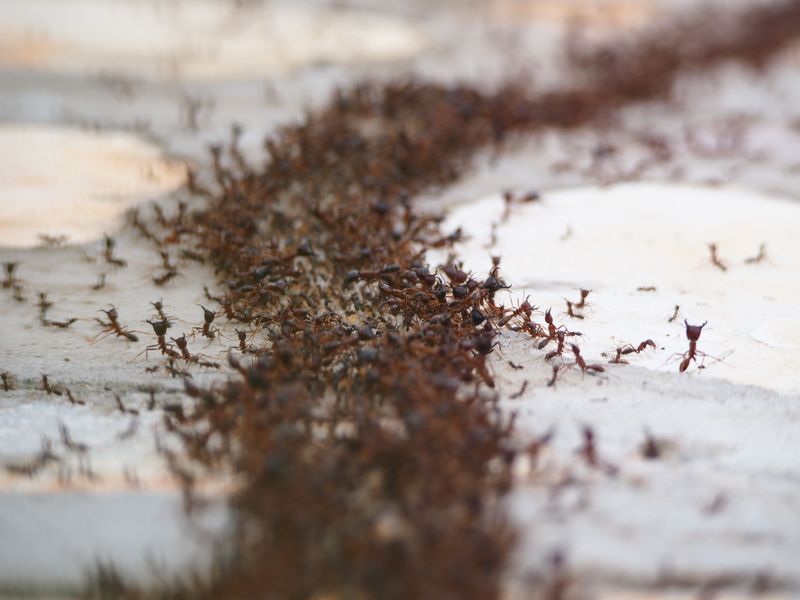
In severe flooding, fire ant colonies do not simply move upward. They form living rafts by linking their bodies together and float as a mass to dry land, a phenomenon well documented across Maryland and the broader Mid-Atlantic region.
These rafts can stay intact for over a week on water and land on the nearest surface, including people and pets. This is especially worth knowing for Maryland residents dealing with post-storm standing water in low-lying yards.
Colonies Were Already There, Just Hidden
Surprise! Those mounds did not appear out of nowhere overnight. Fire ant colonies can live deep underground for weeks without showing a single visible mound above the surface.
Dry conditions push colonies deeper into the soil where moisture still exists. They keep a low profile, staying cool and hidden while going about their business below.
Homeowners often assume their yard is ant-free during dry spells. That assumption gets corrected the morning after the first big summer storm rolls through.
Your Maryland Garden Changes Every Week. Your Plan Should Too.
Gardening in Maryland changes quickly throughout the season. Every Friday you’ll receive a simple weekly plan showing exactly what to plant, prune, fertilize, harvest, and protect so you never miss the right timing.
Rain does not bring new colonies into your yard from somewhere else. It simply forces the ones already living beneath your feet to reveal themselves at the surface.
This is actually useful information for treatment planning. If you treat during dry weather, you may miss deep colonies that have not surfaced yet.
Treating right after rain, when colonies are exposed and active near the surface, gives your bait or drench product direct access.
Knowing they were already there helps you stop blaming the storm and start targeting the real problem underneath your lawn.
Wet Soil Makes Building Easy
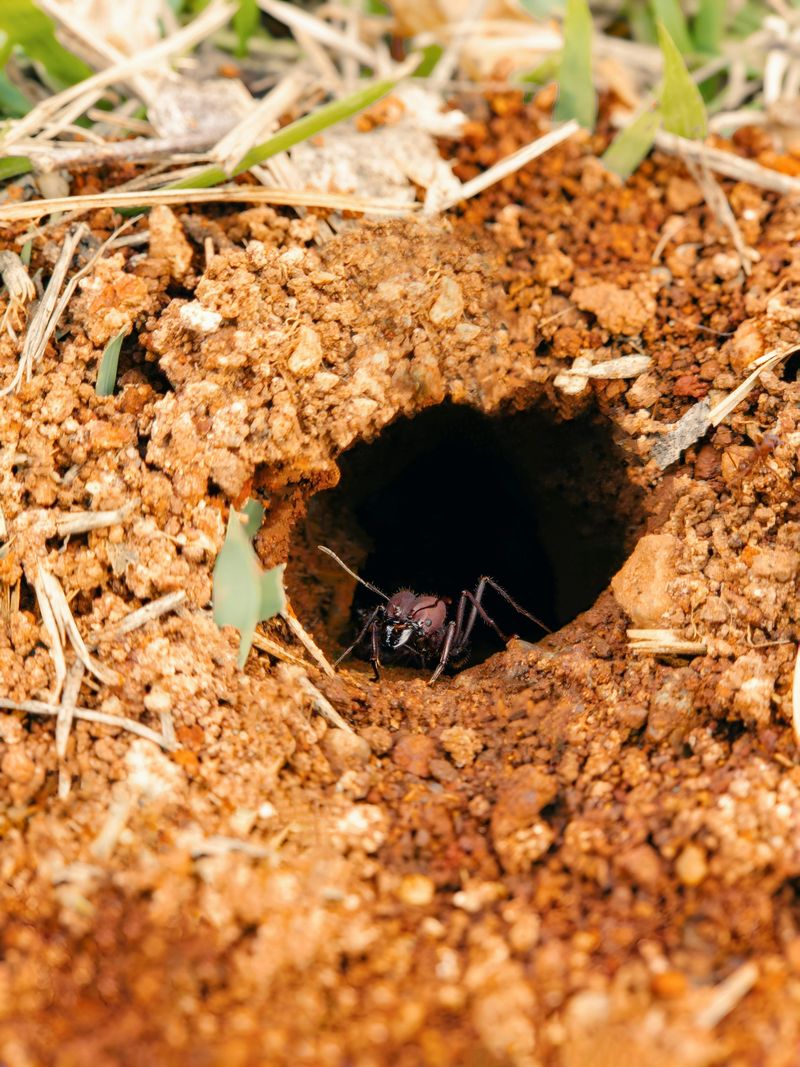
Ever try to dig in dry, hard-packed dirt with your bare hands? It is nearly impossible, and fire ants face the same challenge during a drought.
Wet soil after summer rain becomes soft, loose, and easy to move. Fire ants can excavate and relocate their entire nest structure in a fraction of the usual time.
This is why fresh mounds appear so quickly after a storm. Workers move damp soil particles with speed and efficiency, stacking them into those familiar dome shapes.
The mound itself helps regulate nest temperature by absorbing warmth from the sun, creating better conditions for brood development. Soft ground lets ants build taller, more effective mounds with much less effort.
Wet conditions also allow colonies to expand their tunnel networks horizontally, something Maryland yards experience frequently during the region’s humid summer months.
A colony that seemed small can suddenly spread across a much wider area beneath your lawn. Checking your yard the morning after rain often reveals mounds in places you have never seen them before.
Those spots were likely weak points in the soil where expansion became easy once the ground softened up overnight.
For Maryland homeowners, recognizing those weak points early is the difference between a manageable problem and a yard taken over by summer’s end.
Understanding that pattern is the first step toward staying ahead of it, and in Maryland, that knowledge pays off every single season.
Rain Triggers Mating Flights
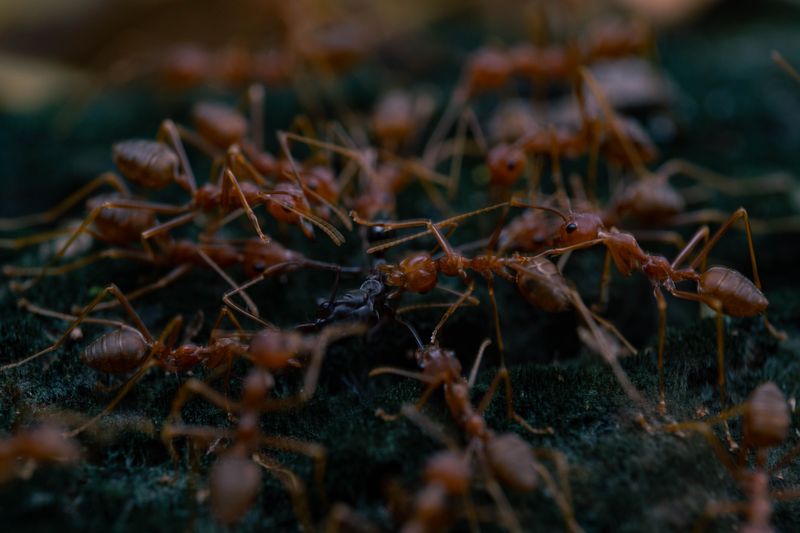
Warm, humid air after summer rain is basically a fire ant wedding announcement. Winged reproductive ants, called alates, use these exact conditions to launch mating flights.
Males and young queens take to the air, mate mid-flight, and then land to start fresh colonies. This is how fire ants spread across new territories so effectively.
A single mated queen can establish an entirely new colony on her own, though in practice only about 1% of alates survive long enough to do so.
Most are eaten by birds, other insects, or simply fail to find suitable ground. She sheds her wings, burrows into the ground, and begins laying her first eggs within days to weeks.
Rain softens the soil just enough to make burrowing easy for a newly mated queen. Warm post-storm temperatures create the perfect conditions for her first eggs to survive.
You may notice swarms of flying ants around lights or near windows after a storm. Those are not termites; check the body shape carefully before you panic about something else entirely.
Each mating flight means potential new colonies scattered across your neighborhood. Treating your yard consistently gives new queens less opportunity to establish themselves before you catch them early.
Stressed Colonies Bud And Split

A colony under pressure does something clever: it splits. When a colony is disturbed by flooding, treatment, or soil disruption, especially in multi-queen colonies, a fire ant nest can divide into smaller groups.
Each group takes a portion of the workers and, crucially, at least one queen. They scatter in different directions and establish separate nests across a wider area.
This budding behavior is one reason fire ant problems seem to multiply after a storm. You treat one mound, and new ones can appear nearby as budded groups resettle.
Budding is a survival strategy that makes fire ants incredibly resilient. Even aggressive treatment of a single mound may not eliminate the full problem if the colony has already split.
Using a broadcast bait across the entire yard targets multiple budded colonies at once. Focusing only on visible mounds while ignoring the surrounding lawn is a common mistake homeowners make.
Think of it like playing whack-a-mole with tiny, stinging opponents. A yard-wide strategy, rather than a mound-by-mound approach, is the only way to break the cycle for good.
Ants Relocate To Higher, Drier Ground

Fire ants are smarter about real estate than most people realize. When water floods low-lying areas, colonies pack up and head for the nearest high ground available.
Raised garden beds, sidewalk edges, landscaping berms, and lawn slopes become prime targets after a heavy storm. Anywhere the soil drains faster is suddenly very attractive to a displaced colony.
This relocation instinct explains why mounds often appear near structures after rain. Foundations, driveways, and raised beds offer the elevation and drainage that a waterlogged colony desperately needs.
Homeowners are often puzzled when mounds appear near patios or walkways they have never seen before. The colony was not living there before the storm; it moved there because the ground was higher and drier.
Checking elevated spots in your yard after every significant rain is a smart habit. Catching a colony early, before it fully settles into a new location, makes treatment faster and easier.
Keep an eye on the edges of your property where drainage patterns change. Those transition zones are fire ant relocation hotspots every single summer rainy season without fail.
Drought Then Rain Makes It Seem Sudden
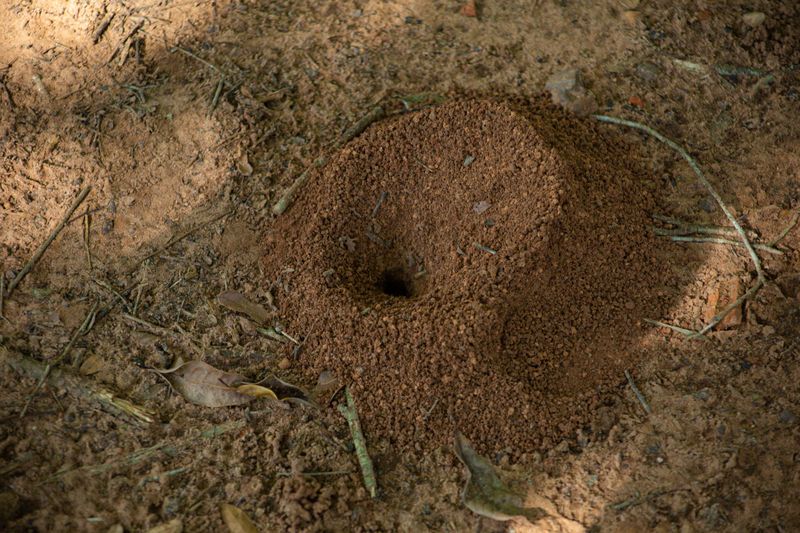
Nothing creates a more shocking yard moment than a dry spell followed by one big storm. You go from a calm, mound-free lawn to what looks like a yard full of mounds overnight.
During drought, colonies burrow deep to escape heat and find moisture. They stay hidden, quiet, and completely out of sight for weeks or even months at a stretch.
The first significant rain of the season forces every one of those deep colonies upward simultaneously. The result looks like a mass emergence, but it is really just a mass reveal.
Neighbors compare notes and wonder if something changed in the neighborhood. Nothing changed except the weather, which woke up every colony that had been patiently waiting underground.
This pattern is especially common in late summer when drought gives way to afternoon thunderstorm season. Homeowners are caught off guard because the yard looked fine just the day before.
Preparing before the rainy season starts gives you a huge advantage. Applying a broadcast granular bait in late spring means treatments are already working when that first big storm hits your neighborhood.
Wet Conditions Bring Food To The Surface

Rain does more than flood tunnels; it sets the table for a feast. Earthworms, beetles, and other soil insects get pushed to the surface when their burrows fill with water.
Fire ants are opportunistic foragers who immediately take advantage of this sudden food supply. A wet lawn after a storm is like an all-you-can-eat buffet opening right in their backyard.
More food means the colony grows faster and stronger. Worker populations expand quickly when protein sources are abundant, which leads to bigger, more aggressive colonies by midsummer.
Increased foraging activity also means ants are traveling farther from the mound. You may notice forager trails across sidewalks, patios, and garden beds in the days after a storm.
This foraging surge is actually a great time to apply bait products. Workers are actively collecting food and will carry granular bait back to the queen much more reliably than during slow periods.
Matching your treatment timing to peak foraging activity dramatically improves results. A little weather awareness goes a long way when you are trying to outsmart one of nature’s most persistent insects.
Spread Granular Bait To Reach The Queen

Forget stomping on mounds; that accomplishes nothing useful. The only way to truly eliminate a fire ant colony is to reach the queen, and granular bait is your best tool for that job.
Worker ants mistake the bait granules for food and carry them straight back into the nest. The active ingredient spreads through the colony as workers share food with each other and the queen.
Once the queen stops reproducing, the colony collapses on its own schedule. It is not instant, but it is thorough in a way that surface sprays simply cannot match.
Apply bait when the soil is moist but not soaking wet, ideally one to two days after rain. Ants forage actively in these conditions, making them far more likely to pick up and carry bait granules.
Broadcast bait across the entire lawn rather than just treating individual mounds. This approach hits hidden colonies, budded groups, and newly established nests all at the same time.
Reapply every four to six weeks during peak summer season for consistent control. Staying on a schedule is the difference between a managed yard and a yard that manages you.
Drench Individual Mounds After Rain

Sometimes you need a faster solution than waiting for bait to work through a colony. Mound drenches deliver fast-acting results when you need a specific nest handled right away.
Mix the drench product according to label directions and pour it slowly and steadily over the mound. Use enough volume to penetrate deep into the tunnel system where the queen is hiding. Use the volume specified on the product label.
Most formulations recommend enough solution to penetrate deep into the tunnel system. Pouring too little is the most frequent mistake homeowners make with drench treatments.
Rain-softened soil actually helps drenches work better because the liquid moves through loose soil more easily. Treat within one to two days after a storm for maximum effectiveness on freshly built mounds.
Stand back and approach from the side to avoid disturbing the mound before you pour. Agitated ants swarm fast, and getting stung multiple times is a completely avoidable experience with a little caution.
Use drenches on problem mounds near play areas, garden beds, or high-traffic zones. Combining mound drenches with a yard-wide bait program gives you both speed and long-term fire ant control together.
Apply Perimeter Barrier Treatment

Your lawn is not an island, and fire ants know it. Colonies from neighboring properties, open fields, and drainage areas will attempt to move in every single season.
A perimeter barrier treatment creates a chemical boundary that stops migrating colonies before they get established in your yard. Applied along fence lines, foundations, and lawn edges, it intercepts ants on the move.
Liquid insecticide concentrates work well for perimeter applications and are available at most home improvement stores.
Follow label instructions carefully, paying attention to buffer zones near gardens and water features.
Rain can break down perimeter treatments faster than normal, so reapplication timing matters especially in Maryland, where summer storms can be frequent and heavy.
Check the product label for recommended intervals and plan to reapply more frequently during a wet summer season.
Combine perimeter treatment with a broadcast bait program for a two-layer defense strategy.
Bait handles colonies already inside the yard while the barrier stops new ones from crossing into your space, a combination that Maryland pest control professionals consistently recommend for lasting results.
Taking back your yard from summer rain and fire ant mounds is absolutely possible with the right combination of tools and timing.
Stay consistent, stay proactive, and Maryland homeowners will spend a lot more time enjoying their lawn than managing it.