These Berry Plants Handle Oregon Conditions Better Than Blueberries In Tough Yards
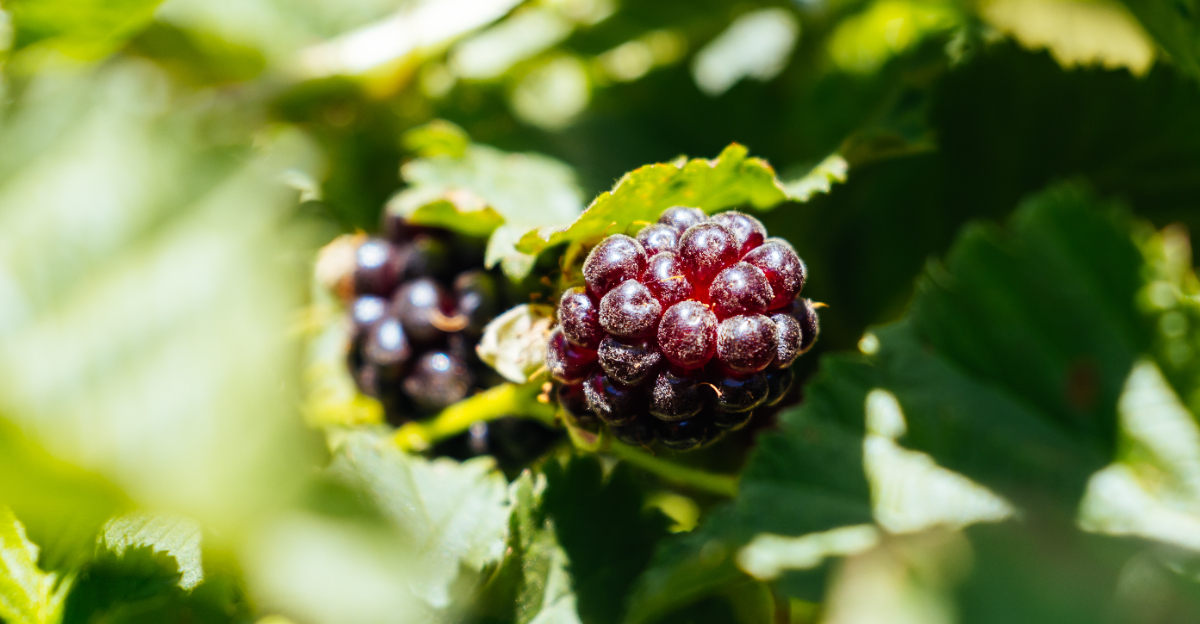
Blueberries get plenty of attention in Oregon, but they are not always the easiest berry for every yard. They can be picky about soil, especially when drainage or acidity is not quite right.
That can make them frustrating in spots where the garden already has challenges. Other berry plants may handle those tough conditions with less fuss.
Many still bring the joy of fresh fruit without needing such a narrow setup. Some are more forgiving about soil.
Others can settle into cooler, wetter corners where blueberries might sulk. A few can even work better along edges or open spaces that feel hard to use.
The goal is not to give up on homegrown fruit. It is to choose plants that match the yard you actually have.
When the right berry goes in the right place, the whole growing season feels easier. For Oregon gardeners dealing with stubborn soil or tricky weather, a better fit can make all the difference.
1. Blackberries Handle Heavier Soil Better
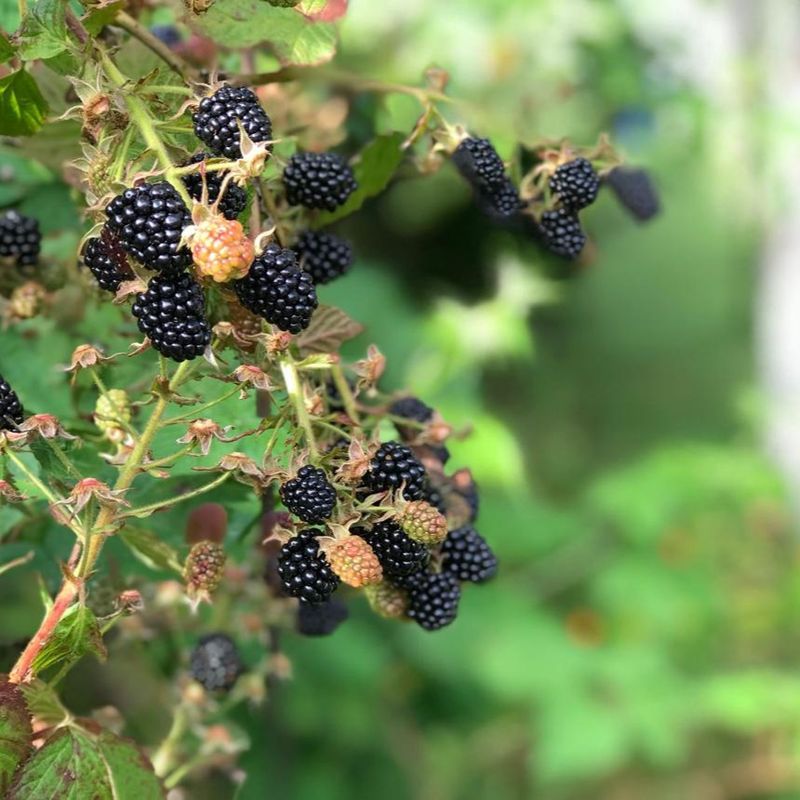
Few backyard fruits are as forgiving as blackberries when the soil gets heavy and wet. Most gardeners in the Pacific Northwest already know that blackberries grow almost anywhere, but that toughness is actually a feature, not a flaw.
Clay-heavy ground that drains slowly is no problem for these canes. Blackberries send roots deep and wide, which helps them break through compacted layers that would stop blueberries cold.
They do not need the super-acidic, fluffy soil that blueberries demand. Average garden soil with decent organic matter is enough to get a strong harvest going.
Thornless varieties like Triple Crown or Chester make picking easier and are great for yards with kids or pets.
These cultivars still produce big, juicy berries without the scratchy canes that wild blackberries are known for.
You can train them along a fence or trellis to keep things tidy. Watering needs are low once the plants get established.
They handle dry summers better than most people expect, pulling moisture from deeper in the soil profile.
A layer of mulch around the base helps hold moisture and keeps weeds from taking over. Pruning is the main chore with blackberries.
Cut out the old canes after harvest each year to keep the plant productive and manageable.
With just a little attention, a single plant can produce several pounds of fruit every season without much fuss.
2. Raspberries Fit More Ordinary Garden Beds
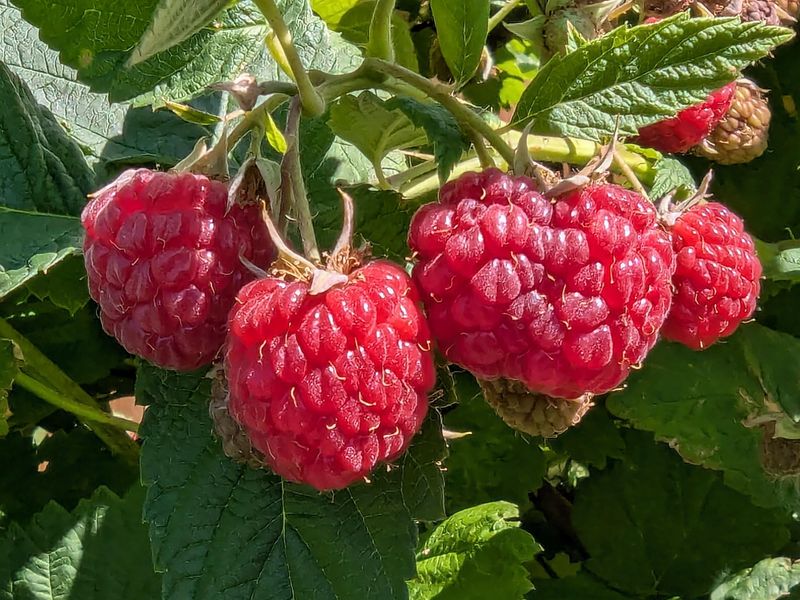
Raspberries have a reputation for being picky, but that reputation is not really deserved in most Oregon gardens.
They actually adapt well to average soil conditions and do not need the extreme acidity that blueberries require.
A slightly acidic to neutral pH works just fine for most raspberry varieties. One of the best things about growing raspberries here is the timing. Our cool, moist springs give the canes exactly what they need to set a strong crop.
Everbearing types like Heritage or Caroline can even give you two harvests in a single year, one in summer and one in early fall.
Your Oregon Garden Changes Every Week. Your Plan Should Too.
Gardening in Oregon changes quickly throughout the season. Every Friday you’ll receive a simple weekly plan showing exactly what to plant, prune, fertilize, harvest, and protect so you never miss the right timing.
Raised beds work especially well for raspberries if your native soil is heavy or stays wet for long periods. Just six to eight inches of improved soil on top of your existing ground is often enough to get excellent results.
Good drainage is the single most important thing to get right. Raspberries spread by sending up new canes from underground runners.
This can be a bonus if you want to expand your patch, but it means you need to manage the edges.
A simple edging barrier or regular mowing keeps them from spreading into areas you do not want them.
Feeding raspberries is straightforward. A balanced fertilizer in early spring gives them the boost they need without overcomplicating things.
Consistent moisture during fruiting makes the berries plump and sweet, which is easy to achieve with a simple drip system or soaker hose.
3. Marionberries Thrive In Oregon Caneberry Country
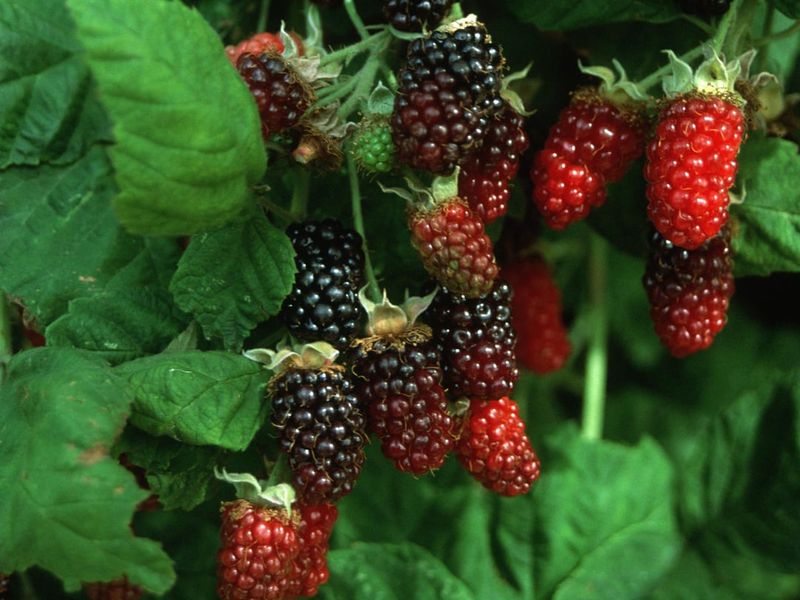
Developed right here in our state, the Marionberry is practically tailor-made for local growing conditions.
Oregon State University bred this variety specifically for the Willamette Valley, and it has been a commercial staple since the 1950s.
Home gardeners get to enjoy the same variety that made our state famous for caneberries.
Marionberries produce a rich, complex flavor that most people describe as earthy and sweet at the same time.
They are not as simple-tasting as a regular blackberry, which is why they show up in so many Oregon pies, jams, and ice cream flavors. Growing your own means you get the freshest possible fruit.
These plants trail along the ground and need a trellis or wire support system to keep them manageable. Setting up two parallel wires about three and four feet off the ground works well for most home setups.
Training the canes takes a little time each season, but it makes harvest much easier.
Heavy soil is not a dealbreaker for Marionberries. They prefer well-drained ground but can handle the heavier soils common in many yards across the state, especially with some compost worked in.
Consistent watering during fruit development leads to bigger, juicier berries at harvest time.
Expect your first real harvest in the second year after planting. The first year is mostly about root establishment, so patience pays off.
Once they hit their stride, Marionberry plants can produce generously for many years with minimal intervention.
4. Boysenberries Give Tough Yards A Productive Vine
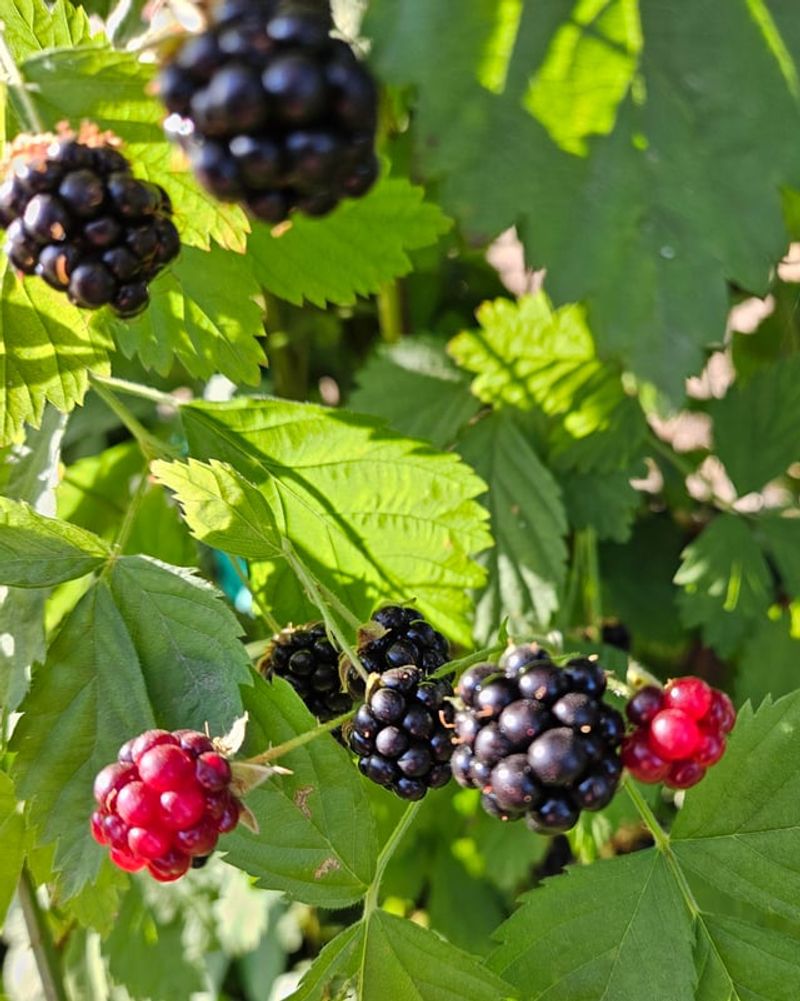
Big, bold, and bursting with flavor, boysenberries are a cross between raspberries, blackberries, and loganberries.
That mixed heritage gives them a surprising amount of toughness that most gardeners do not expect.
They are not as fussy about soil conditions as you might think for such a large, showy fruit.
One thing that sets boysenberries apart is their ability to handle less-than-perfect spots in the yard.
Partial shade, slightly compacted soil, and inconsistent watering do not bother them nearly as much as they bother blueberries.
They are genuinely low-maintenance once they settle in after the first season.
The canes are long and trailing, so a sturdy fence or trellis is a must. Thornless varieties are available and make the whole experience much more pleasant, especially if you have a smaller yard or want to keep the plant near a walkway.
Anchoring the canes loosely with garden ties keeps them tidy without restricting growth.
Boysenberries ripen in midsummer, usually a bit later than raspberries. The berries are large and soft, which means they do not ship well commercially.
That is exactly why homegrown boysenberries taste so much better than anything you find in a store.
Pruning and thinning old canes after harvest keeps the plant vigorous. Removing the canes that already fruited makes room for the new growth that will carry next year’s crop.
A little compost worked in around the base each spring keeps production strong year after year without heavy fertilizing.
5. Gooseberries Tolerate Cooler, Rougher Spots
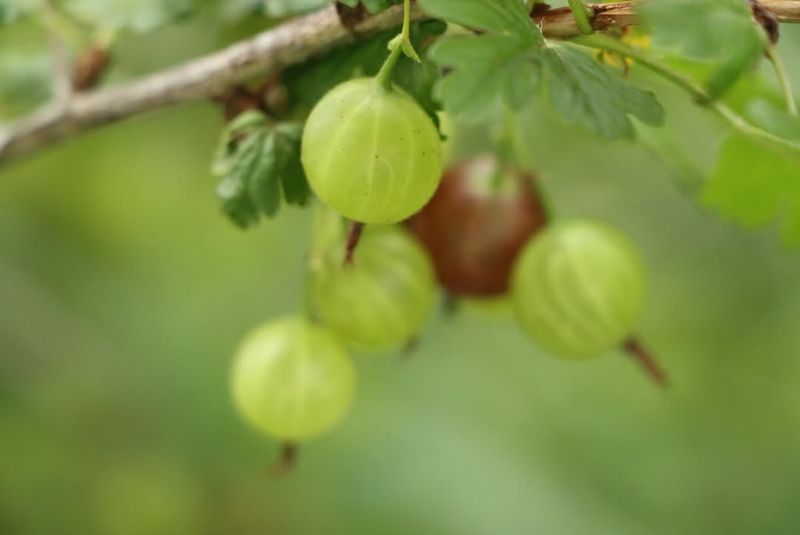
Gooseberries are one of those underrated fruits that deserve a lot more attention in Pacific Northwest yards. They handle cool, shady spots that would make most berry plants struggle.
A north-facing fence line or the shaded edge of a tree canopy is actually a good home for a gooseberry bush.
Unlike blueberries, gooseberries do not need highly acidic soil to produce well. They prefer a slightly acidic to neutral pH, which is much easier to achieve and maintain in average garden soil.
This means less soil amendment work and fewer ongoing adjustments to keep the plant happy.
The bushes are compact and well-behaved, usually reaching about four to five feet tall and wide.
That makes them a great fit for smaller yards or tight spaces along a fence or property line.
A few well-placed plants can produce a surprising amount of fruit without taking over the garden.
Gooseberries ripen in early to midsummer and can be eaten fresh or used in jams, pies, and sauces. The tart flavor softens as the berries fully ripen, and a fully ripe gooseberry is much sweeter than most people expect.
Leaving them on the bush a little longer than you think is necessary usually pays off in flavor.
Established plants are drought-tolerant once they have been in the ground for a full season. Watering deeply but infrequently encourages deep root growth.
Pruning out the oldest branches every few years keeps the center of the bush open and the fruit production strong.
6. Red Currants Don’t Need Blueberry-Acid Soil
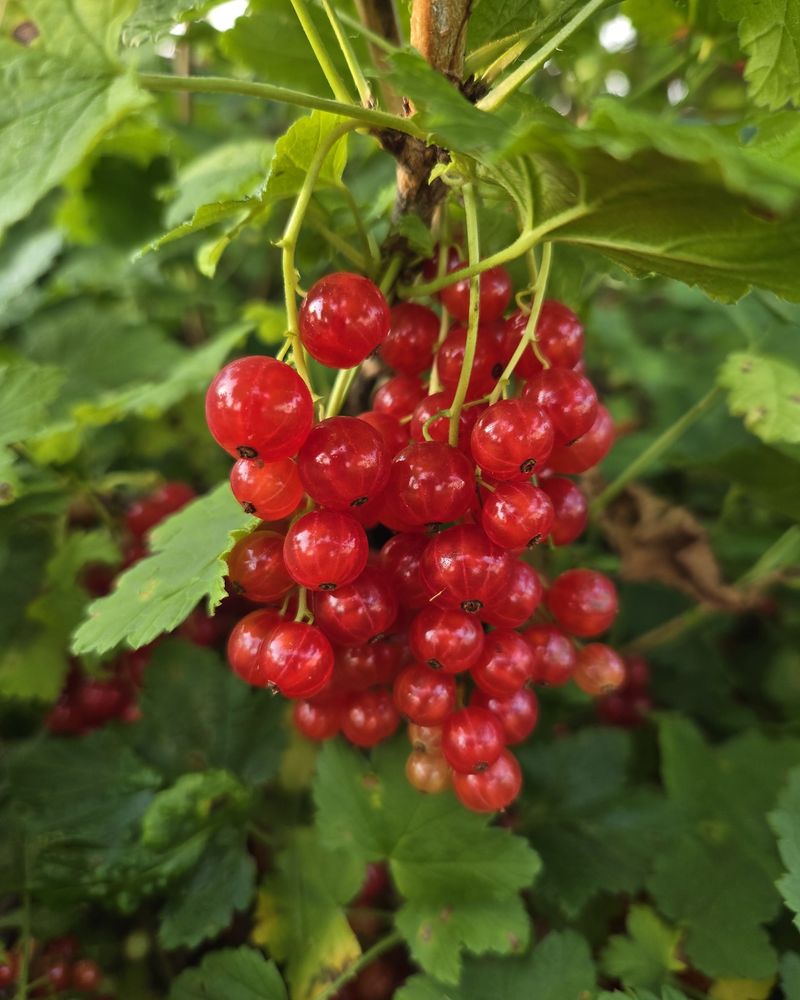
Strings of bright red currants hanging from a bush look almost too pretty to eat. But these berries are as practical as they are beautiful, thriving in soil conditions that blueberries would refuse entirely.
A neutral or only mildly acidic pH is all red currants need to produce a generous crop.
Red currants are one of the most reliable fruiting shrubs you can plant in a challenging yard.
They handle partial shade better than almost any other berry plant, which makes them useful in spots under trees or along shaded fences. Full sun is not required for a solid harvest.
The plants stay tidy and compact, rarely growing more than four to five feet in any direction.
They fit naturally into ornamental garden beds without looking out of place, especially when the berries are ripening and turning that brilliant red color.
Many gardeners use them as a border plant alongside flowers and herbs.
Red currants ripen in early summer and hold on the bush for several weeks without spoiling. That long harvest window gives you flexibility in when you pick and process them.
They are excellent for fresh eating, jelly, juice, and even savory sauces that pair well with poultry and game.
Watering needs are moderate, and established plants handle short dry spells without much stress.
An annual application of compost around the base in early spring covers most of their nutritional needs.
Pruning out old wood every two to three years keeps the plant vigorous and productive for a decade or more.
7. Black Currants Handle Cool Oregon Weather
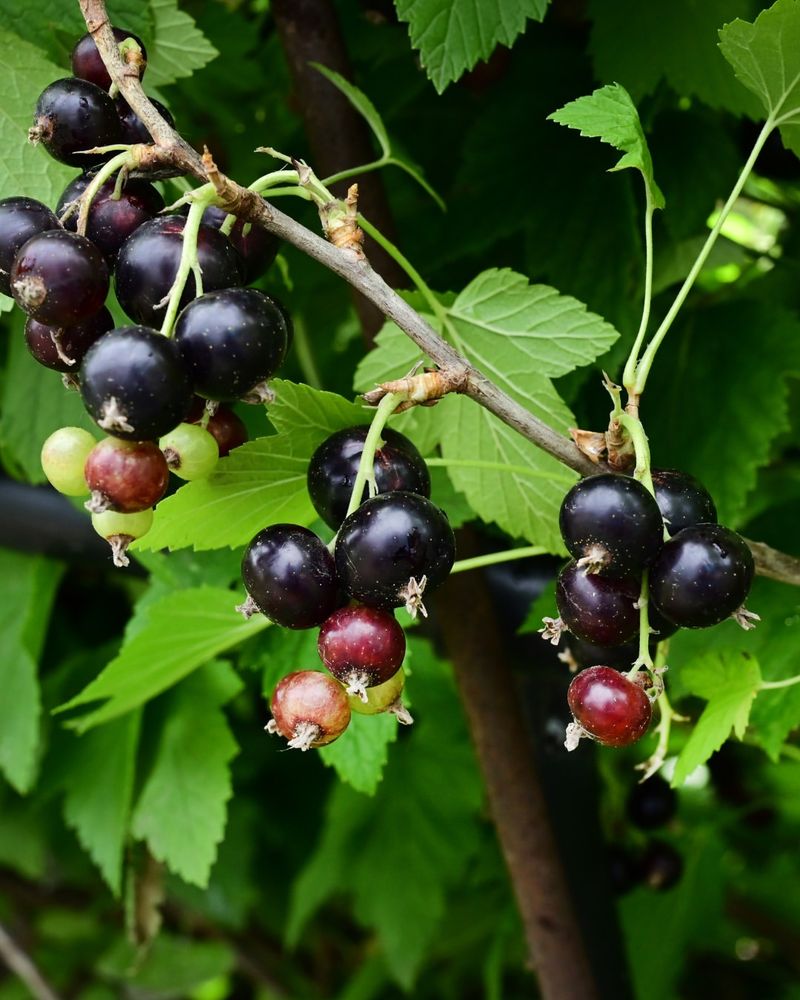
Cool, wet springs are exactly what black currants love, which means our state’s climate is practically a gift to this fruit.
While blueberries sulk through slow-draining soils and gray skies, black currants quietly thrive and set a heavy crop.
They are built for the kind of weather that discourages other plants.
The flavor of fresh black currants is intense and complex, somewhere between tart and earthy with a deep berry richness.
Most people in the United States have only tasted them in juice or jam form, so growing your own is a chance to experience something genuinely different.
Fresh black currants are hard to find in stores, which makes homegrown ones even more rewarding.
These bushes grow to about five feet tall and wide, making them a solid mid-sized shrub for the back of a border or along a fence.
They are not fussy about soil type and do well in heavier ground as long as it does not stay completely waterlogged for extended periods. A little organic matter worked in at planting time sets them up well.
Black currants are high in vitamin C and antioxidants, making them one of the most nutritious fruits you can grow at home.
They ripen in midsummer and are easy to harvest by stripping entire clusters off the stems at once.
Freezing them right after harvest preserves their flavor and nutrition for months.
Pruning every few years keeps the plant productive. Remove the oldest, thickest branches to encourage fresh growth from the base.
Consistent watering during fruit development leads to plumper berries with better flavor at harvest time.