9 Common Mistakes That Are Reducing Your Illinois Strawberry Harvest
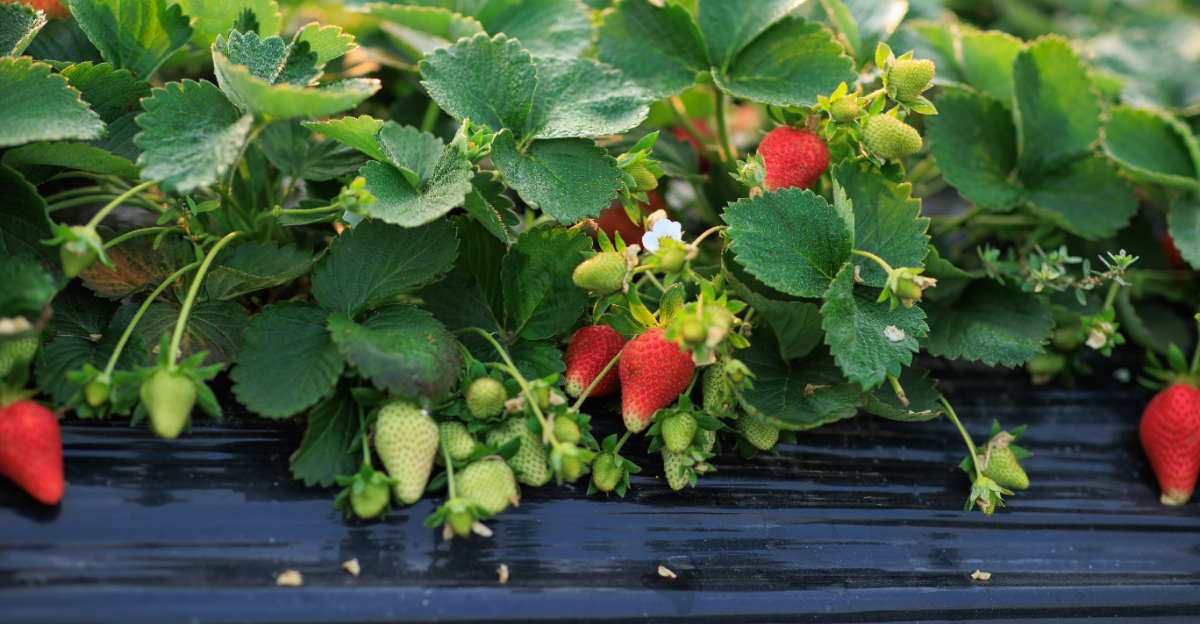
Strawberries are one of the most rewarding crops an Illinois gardener can grow. Until they’re not.
A patch that looked promising in April can quietly underperform all season, leaving you with a handful of berries instead of a bowlful.
The culprit is rarely bad luck. It’s usually one of a handful of mistakes that are easy to miss and even easier to repeat.
Illinois throws its own curveballs at strawberry growers. Late spring frosts, heavy clay soil, and brutal winter temperature swings create conditions that punish even small missteps.
A poorly timed planting or a skipped renovation can cost you an entire season’s harvest without a single obvious warning sign.
Work through this list, spot what applies to your patch, and don’t be surprised if this turns out to be your best strawberry year yet.
1. Planting Strawberries In The Wrong Spot
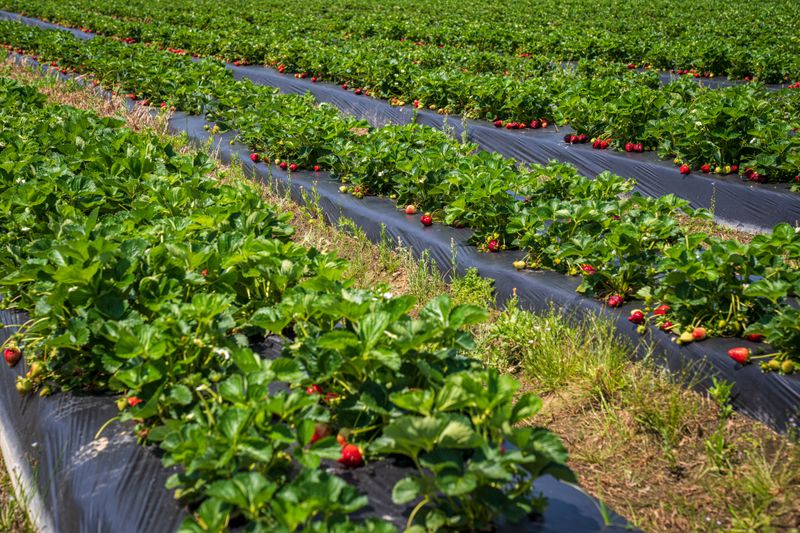
Sunlight is one of the biggest factors in how well a strawberry plant performs. Choosing the wrong location is one of the fastest ways to reduce your Illinois strawberry harvest before it even begins.
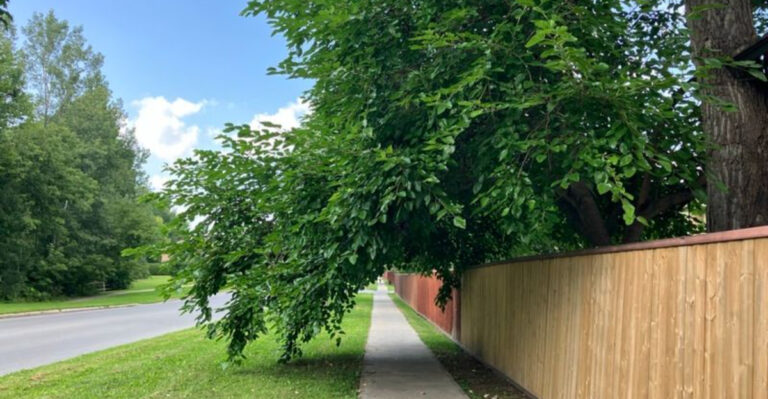
Strawberries need at least six to eight hours of direct sun each day. Planting them under trees or near tall fences blocks that critical light exposure.
Poor drainage is another location problem that sneaks up on growers. Roots sitting in soggy soil rot quickly, and once that happens, the whole plant suffers.
Raised beds or gently sloped ground work best for keeping moisture levels balanced. Flat, low-lying spots collect water after heavy Illinois rains.
Soil quality matters just as much as sunlight. Heavy clay soil common across much of the state compacts easily and chokes root development over time.
Testing your soil pH before planting takes ten minutes and can save an entire season. Strawberries thrive in slightly acidic soil between 6.0 and 6.5, and Illinois soils often need a small adjustment to hit that range.
Mixing in compost before planting loosens the soil and improves drainage noticeably. Even a two-inch layer worked into the top foot of ground makes a big difference.
Avoid spots where tomatoes, peppers, or eggplants grew recently. Those crops share diseases with strawberries, and leftover pathogens in the soil can spread fast.
2. Picking A Variety That Does Not Suit Illinois Winters
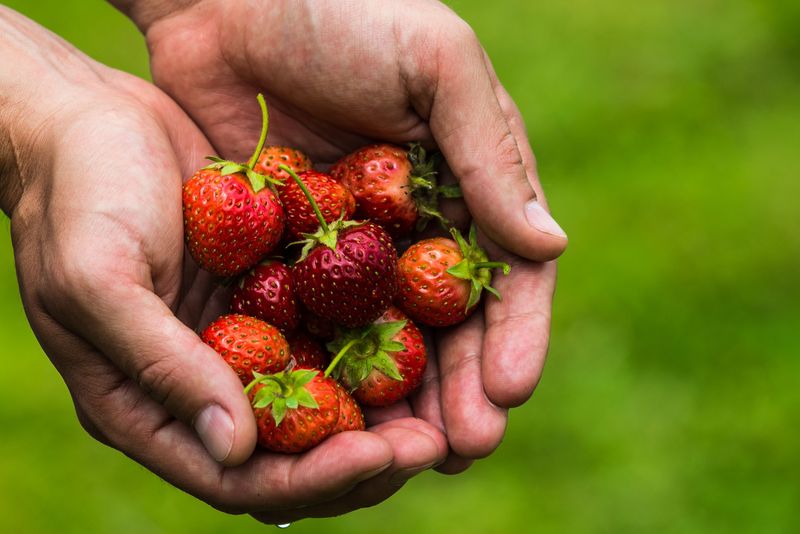
Not every strawberry variety survives a tough Midwest winter. Choosing the wrong one sets your season back before you ever put a plant in the ground.
Illinois winters can drop well below freezing for weeks at a stretch. A variety bred for mild southern climates simply cannot handle that kind of cold stress.
June-bearing varieties like Honeoye and Earliglow are popular choices for good reason. They are hardy, productive, and bred to bounce back after cold snaps.
Everbearing types like Ozark Beauty also perform reliably across the state. They offer multiple smaller harvests throughout the season instead of one big flush.
Day-neutral varieties can struggle more in extreme cold without proper protection. Knowing your zone before buying plants saves a lot of heartbreak come spring.
Your Illinois Garden Changes Every Week. Your Plan Should Too.
Gardening in Illinois changes quickly throughout the season. Every Friday you’ll receive a simple weekly plan showing exactly what to plant, prune, fertilize, harvest, and protect so you never miss the right timing.
Illinois falls mostly in USDA hardiness zones 5 and 6. Selecting varieties rated for those zones gives your plants a fighting chance through winter.
Avoid the temptation to grab whatever is on sale at a big box store in early spring. Those plants are often unlabeled, zone-inappropriate, or stressed from sitting in poor conditions before they even reach your garden.
Always buy from reputable nurseries that carry certified disease-free stock. Starting with healthy, zone-appropriate plants sets the entire growing season up for success.
3. Setting The Crown Too Deep Or Too Shallow
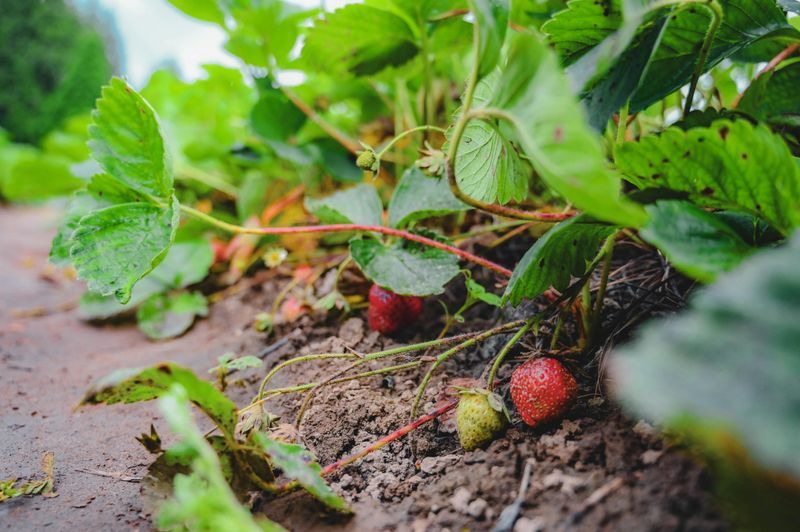
Crown depth sounds like a minor detail, but it can make or break your entire planting. Get it wrong and the plant either rots or dries out before it even gets started.
The crown is the thick central part of the plant where leaves emerge from the roots. It needs to sit right at the soil surface, not buried and not sticking up high.
Planting too deep suffocates the crown with moisture and soil pressure. Rot sets in quickly, especially after Illinois spring rains when the ground stays damp for days.
Planting too shallow exposes the crown to drying winds and harsh sun. Without enough soil contact, roots cannot anchor properly and the plant topples easily.
A good rule is to set the plant so the midpoint of the crown aligns with the soil line. Half above, half below is a simple way to remember it.
Bare-root plants dry out fast once you open the package. If you cannot plant within a day or two, heel them into moist soil or wrap the roots in a damp cloth to keep them viable.
Firm the soil gently around the roots after planting to remove air pockets. Loose soil around roots leads to poor water uptake and slow establishment.
Check your crowns again after the first heavy rain. Soil can shift and expose or bury crowns more than you expect.
4. Skipping The Mulch Before Winter
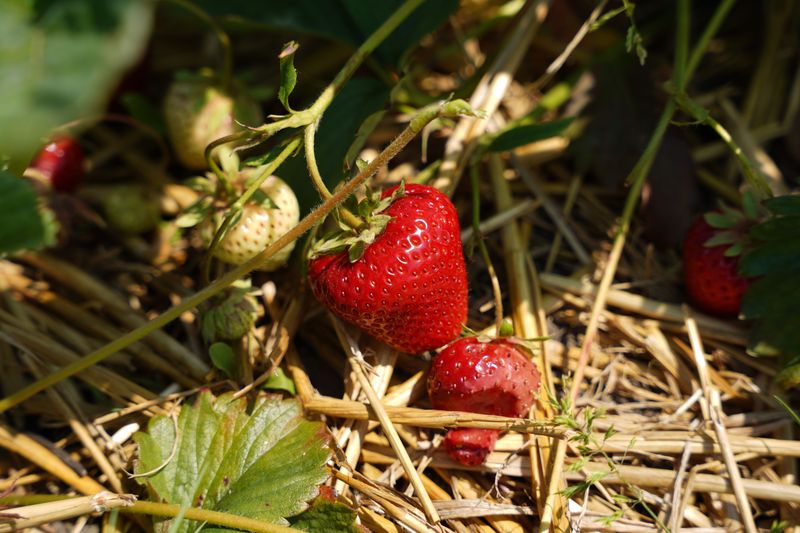
Bare strawberry roots and a Midwest winter are a dangerous combination. Skipping mulch is one of the most common and costly mistakes Illinois growers make each fall.
Straw mulch insulates the crowns from freeze-thaw cycles that damage plant tissue. Those repeated swings in temperature are far more destructive than a single hard freeze.
Apply mulch after the first hard frost, once plants have gone dormant for the season. Timing matters because mulching too early can trap warmth and delay the plant’s dormancy process.
About three to four inches of clean straw works well for most beds. Avoid using hay, which carries weed seeds that will sprout and compete with your plants come spring.
Pine needles are another solid option for mulching strawberry beds. They break down slowly and add a slight acidity to the soil that strawberries appreciate.
In spring, pull the mulch back gradually as new growth appears. Leaving it on too long blocks sunlight and slows the plant’s return to active growth.
Keep the pulled mulch nearby between rows. It controls weeds and helps retain soil moisture during the busy spring growing period.
5. Letting Runners Spread Without Control
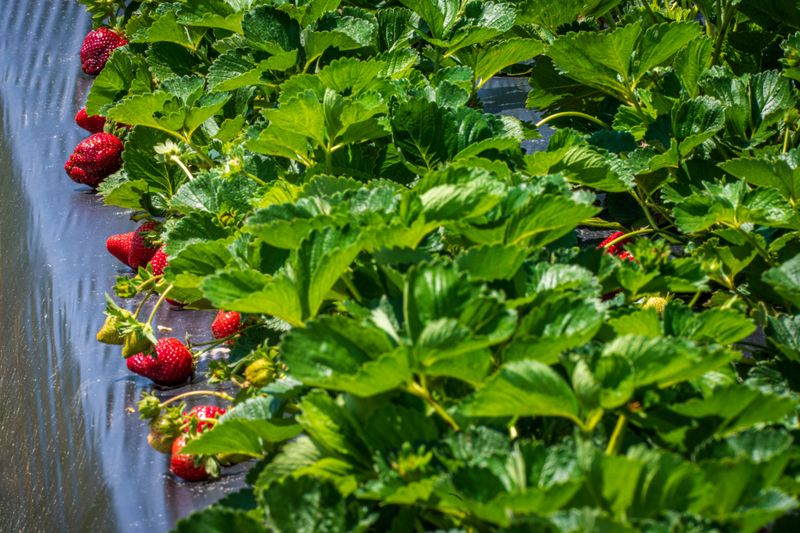
Runners look innocent at first, like little green arms reaching out across the garden. But left unchecked, they turn a tidy strawberry bed into a tangled mess fast.
Each runner a plant sends out costs energy that would otherwise go toward fruit production. More runners mean fewer berries, and the ones you do get tend to be smaller.
In a matted-row system, allowing some runners to root fills the bed naturally. The key is controlling how many root and where they settle in the row.
For a hill system, remove all runners as soon as they appear. Keeping plants focused on fruiting rather than spreading leads to larger and more consistent yields.
A simple pair of garden scissors makes runner removal quick and easy. Check the bed every week during peak growing season to stay ahead of new growth.
Rooted runners can be transplanted to start new beds if you want to expand. Dig them up carefully, keeping the roots intact, and move them to a prepared spot.
Crowded beds also invite disease by reducing airflow between plants. Thinning runners regularly keeps the canopy open and the berries healthier overall.
6. Watering Inconsistently During The Growing Season
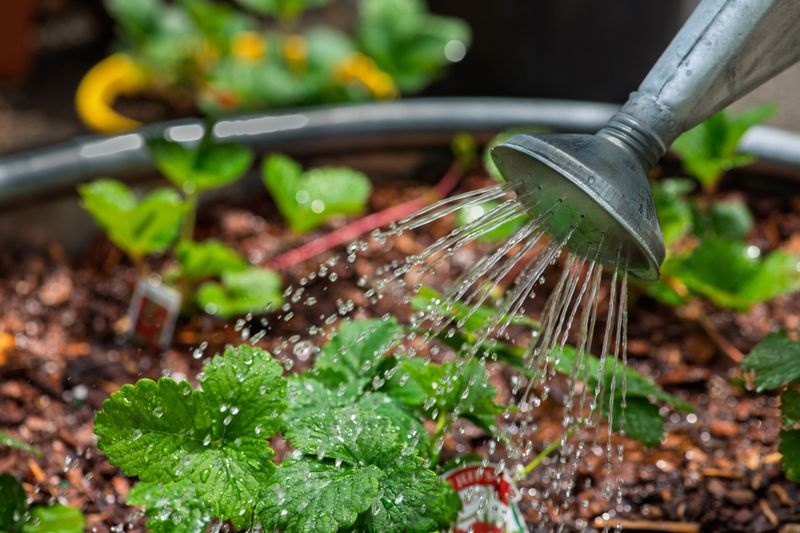
Strawberries are not drought-tough plants, and they make that clear when water gets inconsistent. Feast-or-famine watering leads to misshapen fruit, cracked berries, and reduced yields.
Plants need about one inch of water per week during the growing season, rising to one and a half inches during peak fruiting in midsummer.
Drip irrigation is the gold standard for strawberry beds. It delivers moisture directly to the roots without wetting the foliage, which reduces the risk of fungal problems.
Overhead watering with a sprinkler works in a pinch but comes with trade-offs. Wet leaves sitting in humid Illinois summer air create the perfect conditions for gray mold and leaf spot.
The most critical watering window is during flowering and fruit development. Dry spells at that stage shrink berry size and cause irregular ripening across the bed.
Soil moisture should stay evenly damp but never waterlogged. Stick a finger two inches into the soil near the roots to check moisture levels before each watering session.
Mulch helps stretch watering intervals by slowing evaporation significantly. A well-mulched bed can go longer between waterings without stressing the plants.
7. Forgetting To Renovate June-Bearing Beds
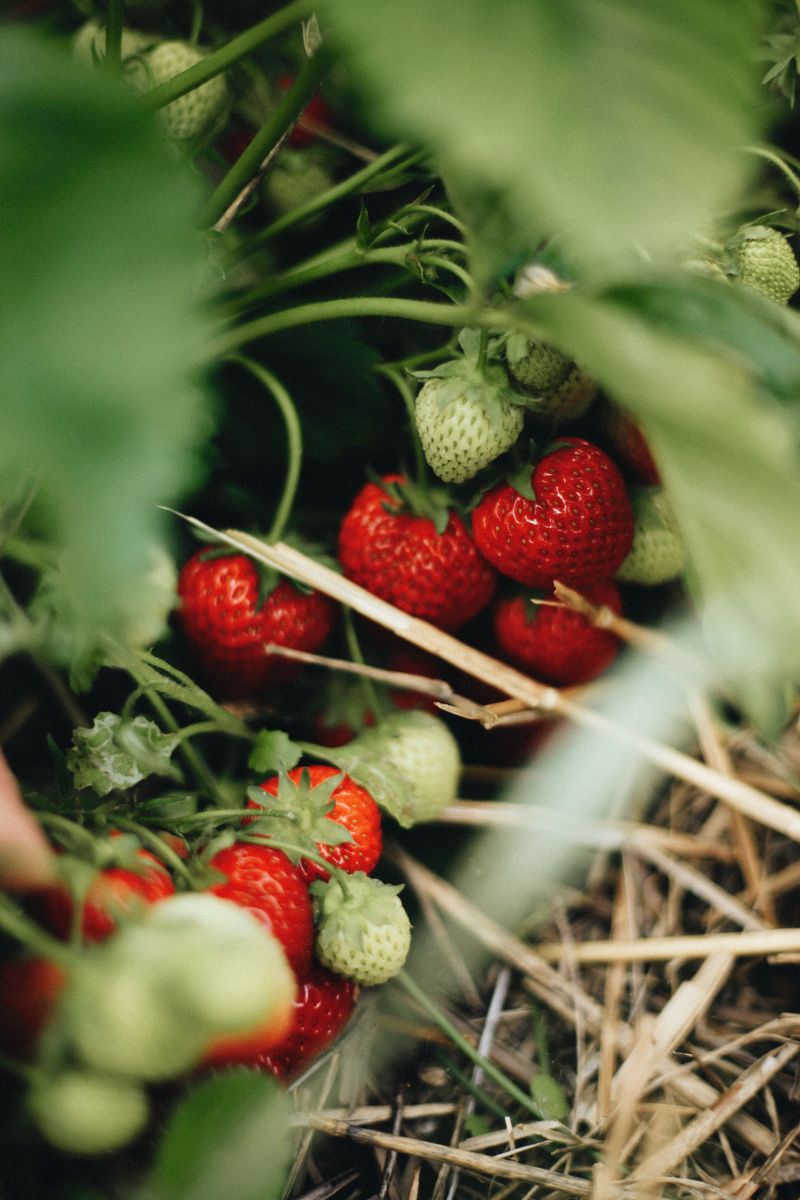
Renovation sounds like a big project, but for June-bearing strawberries it is a quick annual task with huge payoffs. Skip it once and you will notice the difference in next year’s crop.
Right after the harvest ends in June or early July, it is time to act fast. Mow the foliage down to about one inch above the crowns to clear out old tired growth.
Renovating opens the bed to sunlight and air circulation that the dense canopy was blocking. New growth emerges stronger, and the plants channel energy into next season’s fruit buds.
After mowing, thin the plants so they stand about six to eight inches apart. Overcrowded beds produce smaller berries and spread disease more easily through the dense foliage.
Apply a balanced fertilizer right after thinning to fuel the recovery growth. Something like a 10-10-10 blend works well for replenishing nutrients used during the fruiting push.
Water thoroughly after fertilizing to help nutrients reach the root zone quickly. Dry fertilizer sitting on the surface without moisture does very little for the plants below.
Beds that get renovated annually stay productive for three to four years. Without renovation, most June-bearing patches decline sharply after just one or two seasons.
8. Overlooking Common Pests And Diseases
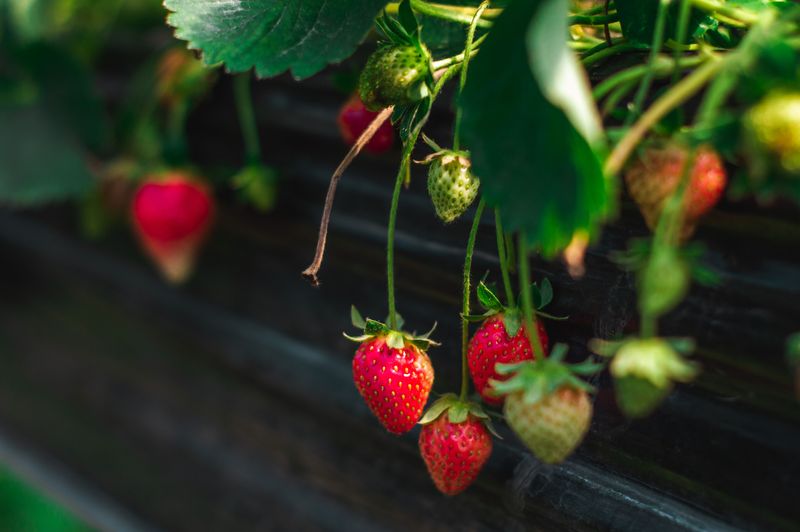
A healthy-looking bed can hide a serious pest problem until the damage is already done. Catching trouble early is the difference between a minor setback and a lost harvest.
Slugs are one of the sneakiest strawberry pests in Illinois gardens. They feed at night and leave behind ragged holes in the fruit that are easy to miss until morning.
Gray mold, caused by Botrytis fungus, thrives in cool and wet spring conditions. It spreads fast through a bed when plants are crowded and airflow is poor.
The strawberry clipper clips flower buds before they open, cutting off fruit production at the source. A sharp drop in blooms with no obvious explanation often points to this pest.
Leaf spot and leaf scorch are fungal diseases that weaken plants over time. They show up as small purple or brown spots spreading across the foliage through the season.
Inspect plants at least once a week during the growing season. Catching a pest or disease outbreak early means you still have time to treat it effectively.
Rotating beds every four years and removing old plant debris helps break disease cycles. Healthy soil and clean practices are the best long-term defense against recurring problems in your Illinois strawberry harvest.
9. Planting Too Late In The Season
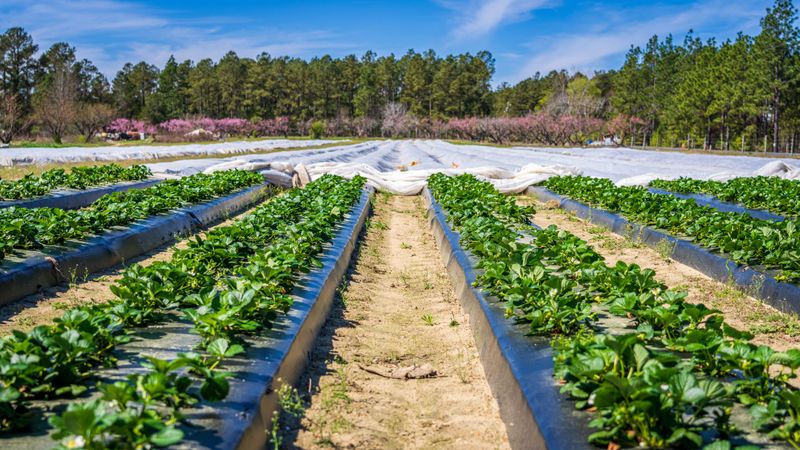
Timing a strawberry planting feels flexible until you realize how unforgiving the calendar actually is. Planting too late in the season shortchanges root development and wipes out your first-year harvest potential.
In most of Illinois, the ideal planting window runs from early April through early May. That window gives roots time to establish before summer heat arrives and stresses young plants.
Plants set out in late May or June spend their energy surviving rather than growing. By the time they settle in, the best fruiting conditions have already passed for the year.
First-year June-bearing plants typically should not fruit heavily anyway. Pinching off blossoms in year one redirects energy to root growth, setting up a stronger second-year harvest.
Everbearing varieties planted in early spring can produce a small fall crop in the same year. That makes early planting even more rewarding for growers who want berries sooner.
Buying plants from local nurseries or garden centers in March or April gives you the best selection. Popular varieties sell out fast once the season heats up and demand spikes.
A strong root system built in spring is the foundation of every great Illinois strawberry harvest. Plant early, be patient, and the rewards will follow next season.