7 Georgia Vegetables That Keep Yielding Through Summer Without Replanting
The heat index climbs past one hundred. The humidity makes the air feel dense. The soil bakes between rainstorms and then floods during them.
Most gardening advice was written for places with gentler summers, which makes it nearly useless by July in Georgia. But something interesting happens when the right vegetables go into Georgia soil at the right time.
They do not just survive the summer. They produce through it. Week after week, the same plants keep filling the basket without a second planting or a trip back to the nursery.
The difference is not a complicated technique or an unusual amendment or a watering schedule that requires a timer and a spreadsheet.
It is plant selection combined with one specific harvesting habit that many gardeners either do not know about or consistently get wrong.
These vegetables keep producing through Georgia summer without a second planting. And voila, your basket may stay full from June through September.
1. Tomatoes
Nobody warns you how addictive harvesting your own tomatoes can be. Once it starts, stopping feels like a problem you would rather not have.
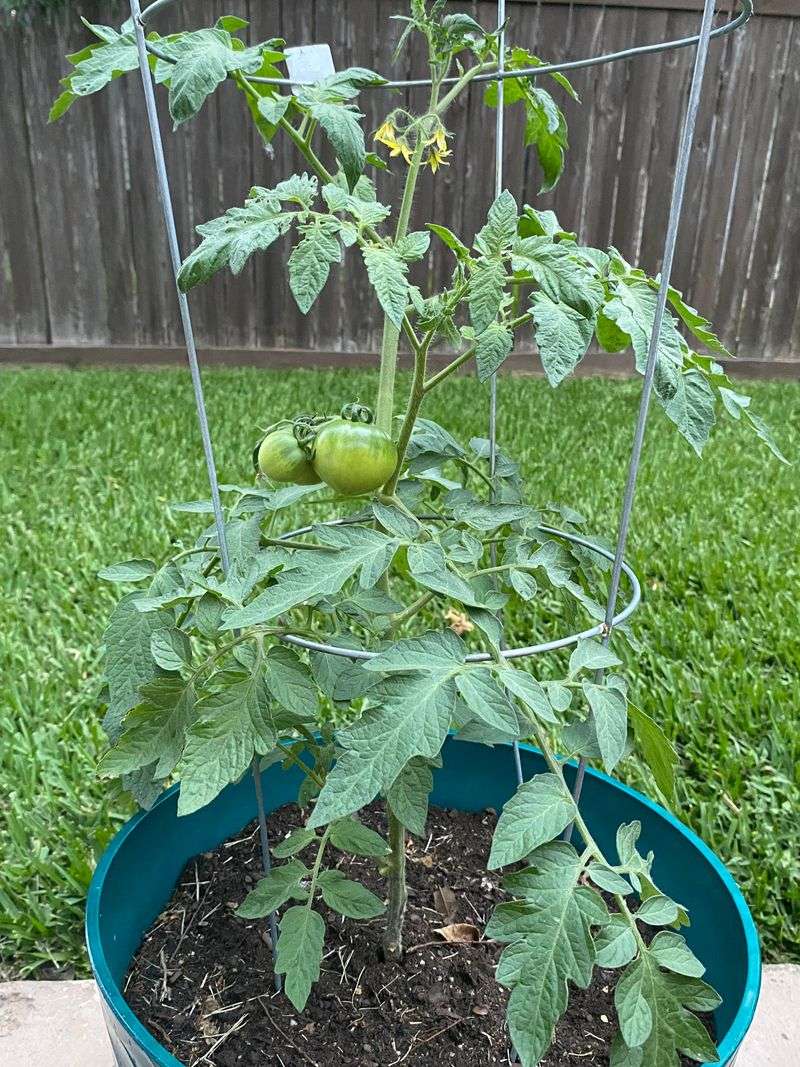
Indeterminate varieties make sure you do not have to stop. Unlike bush types that ripen everything at once and consider their work finished, indeterminate tomatoes keep growing, flowering, and setting fruit across the entire Georgia growing season.
Cherokee Purple, Celebrity, and Sweet 100 cherry tomatoes are all strong performers in Georgia gardens. Stake or cage these plants early since they reach six feet tall without much warning.
A sturdy wooden stake or heavy-duty cage keeps vines off the ground and improves air circulation, which matters considerably in humid Georgia summers when fungal pressure arrives with the heat.
Light pruning keeps the plant focused. Removing suckers, the small shoots sprouting between the main stem and a branch, redirects energy toward fruit rather than extra foliage.
Leave some leaves in place, though. A few leaves protecting developing fruit from Georgia’s intense afternoon sun prevents the sunscald that ruins otherwise perfect tomatoes.
Pick at full color. Leaving ripe fruit on the vine signals the plant to ease off production. Harvest every two to three days during peak season.
Consistent picking combined with balanced fertilizer applied every three to four weeks keeps indeterminate tomatoes producing without any additional planting.
One plant. Five months of tomatoes. Georgia summer did not stand a chance.
2. Cucumbers
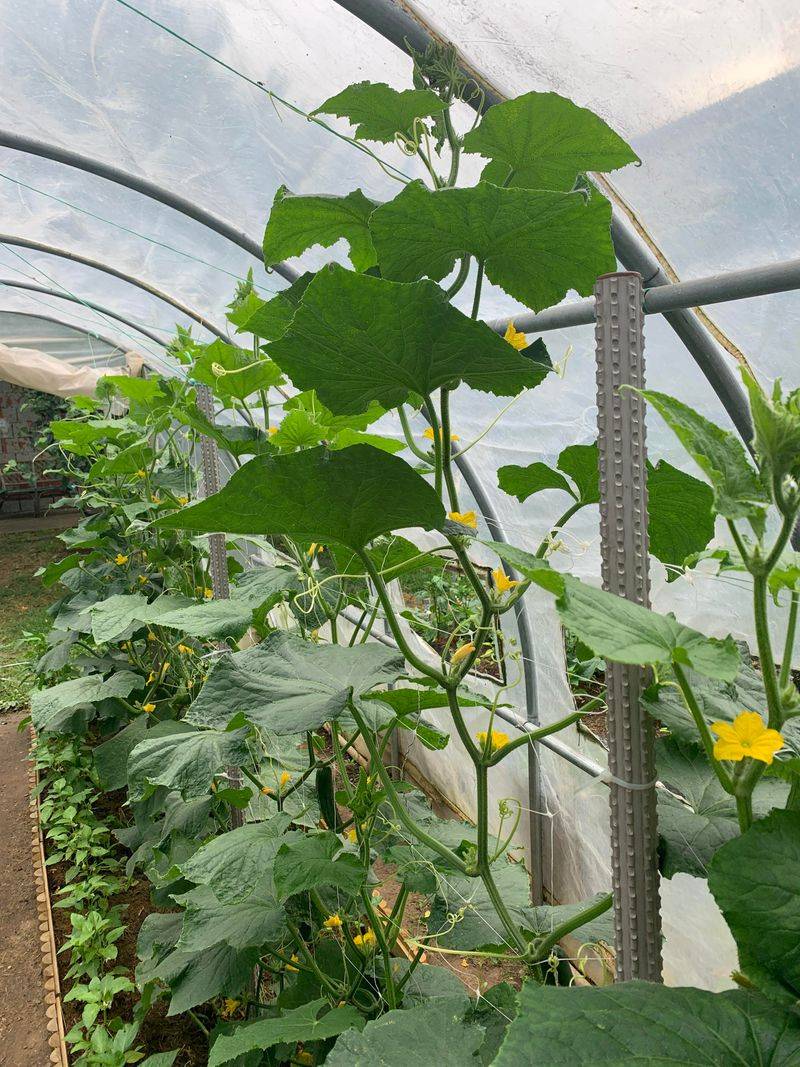
Cucumbers have a reputation for being demanding, but that reputation belongs primarily to gardeners who let fruit sit on the vine too long and then wondered why production slowed.
The real trick to keeping cucumbers producing through a Georgia summer is understanding what makes them stop. Two things cause that: heat stress and overlooked fruit maturing on the vine.
Parthenocarpic varieties like Diva or Straight Eight set fruit without needing pollination, which makes them reliable during the hottest stretches when bee activity naturally slows.
Bush Pickle and Marketmore 76 also tolerate Georgia humidity better than some older heirloom types that perform well in cooler climates but sulk in the Southeast.
Your Georgia Garden Changes Every Week. Your Plan Should Too.
Gardening in Georgia changes quickly throughout the season. Every Friday you’ll receive a simple weekly plan showing exactly what to plant, prune, fertilize, harvest, and protect so you never miss the right timing.
Training vines up a trellis or cattle panel does more than save space. Elevated leaves stay drier, powdery mildew pressure drops noticeably, and hidden cucumbers are easier to spot before they grow into oversized yellow clubs.
A missed cucumber maturing on the vine sends a chemical signal to the plant that reproduction is essentially complete. Production slows quickly after that.
Harvest every single day during peak production. Side-dress with nitrogen-rich fertilizer every three to four weeks. Water at the base rather than overhead to reduce foliar disease pressure.
Cucumbers managed this way produce well into late summer in Georgia without a second planting.
The daily harvest sounds demanding. The alternative is a garden full of yellow baseball bats, which is arguably worse.
3. Okra
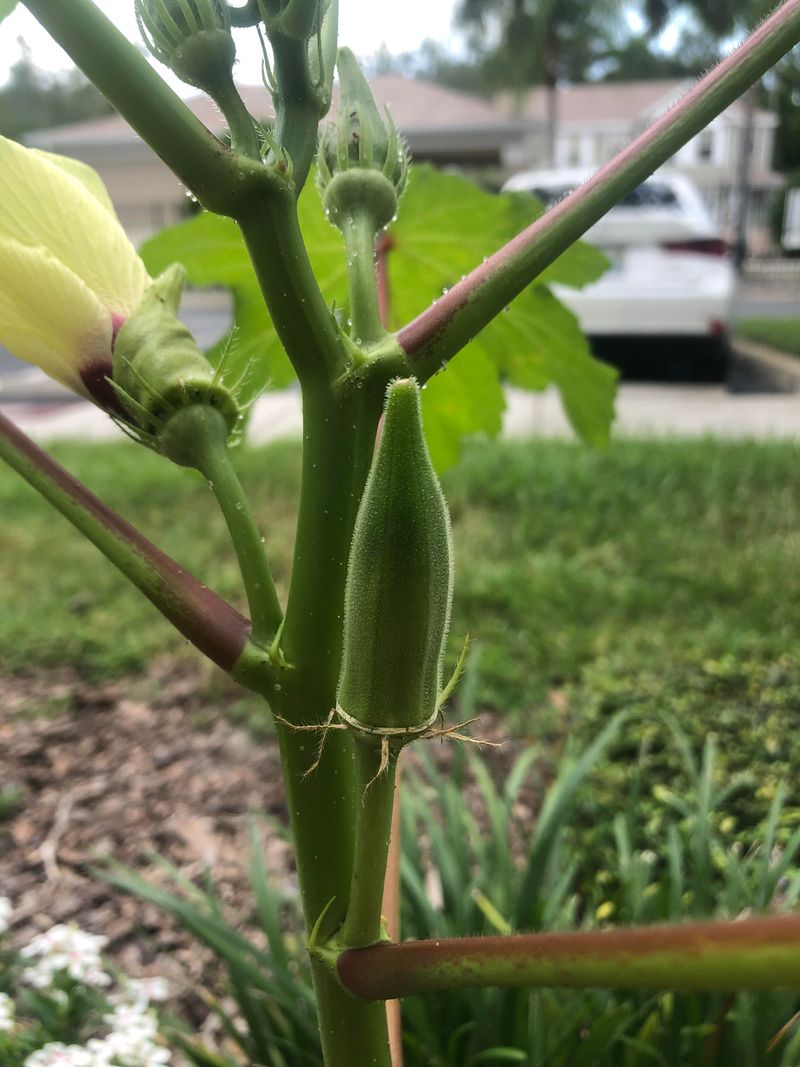
Okra was not designed for mild climates. It was designed for exactly the conditions Georgia delivers every July.
While other vegetables slow production and show visible stress during triple-digit heat index days, okra stretches taller, blooms more freely, and keeps producing. It is genuinely one of the few crops that performs better as the temperature climbs.
Clemson Spineless is the reliable standard for Georgia gardens, valued for consistent production and manageable plant height. Burgundy and Annie Oakley II also handle heat well and add visual interest to the garden.
Plant after soil temperatures reach at least 65 degrees Fahrenheit, which in Georgia typically means mid-April through May.
Spacing matters more than many gardeners realize. Plants need at least eighteen inches between them in rows spaced thirty-six inches wide.
Crowded okra traps humidity and creates the airflow conditions that invite aphids and spider mites to establish.
Balanced fertilizer at planting followed by a nitrogen side-dress about six weeks in keeps plants vigorous through the long season.
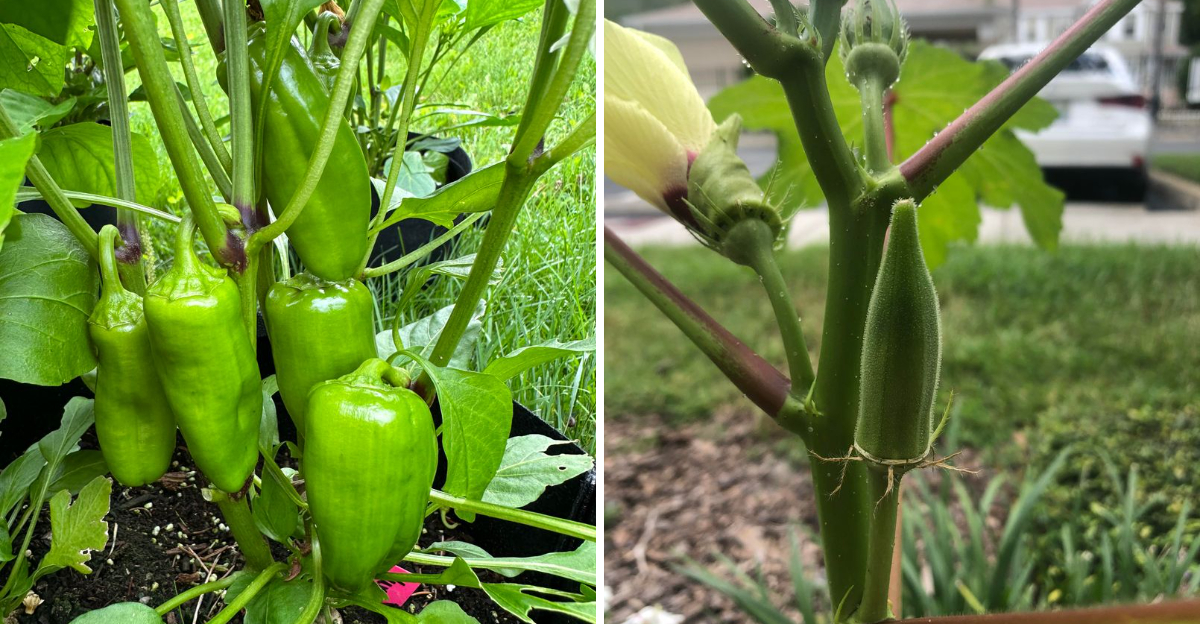
The most important rule is harvesting pods at three to four inches long, roughly every other day. Pods left on the plant past that window turn woody and nearly inedible.
Worse, they signal the plant to stop producing. Wear gloves and long sleeves during harvest since the spines irritate skin.
Stay consistent with picking and one planting of okra carries the garden from spring through first frost.
Georgia summer found its match.
4. Peppers
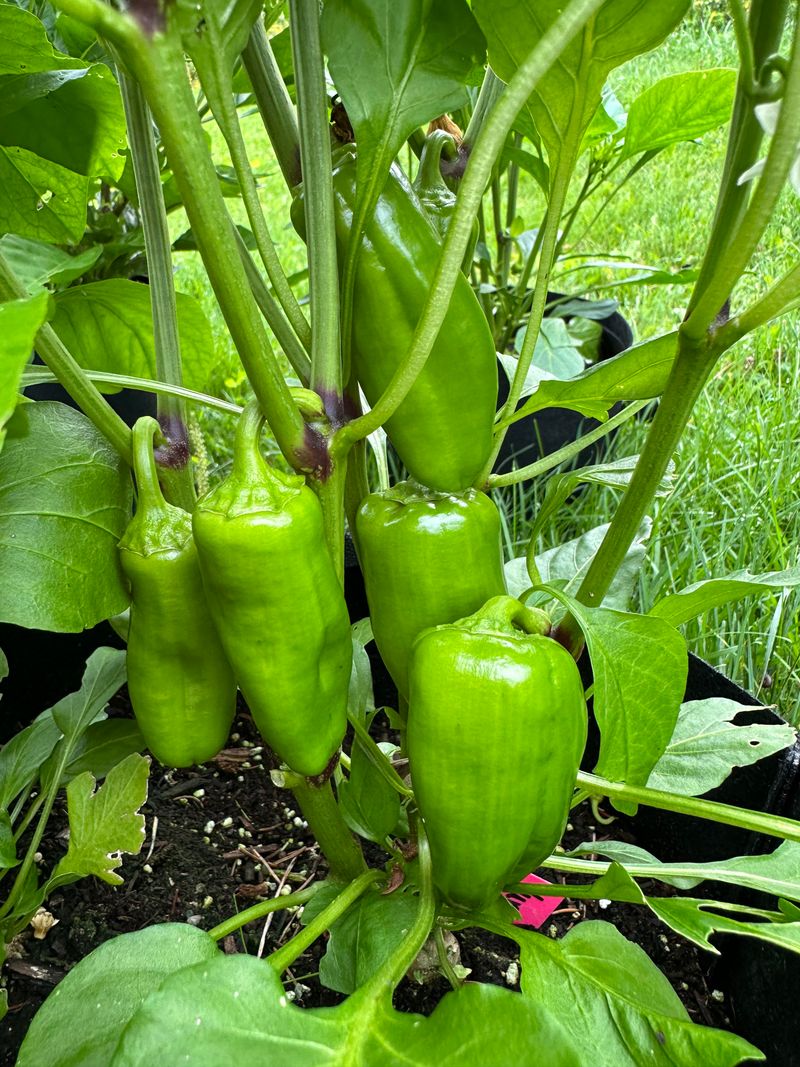
Peppers are quietly one of the most productive plants available to Georgia summer gardeners, but only for those who understand the biological game the plant is playing.
Every pepper plant is working toward one goal: produce seeds and complete its reproductive cycle.
Harvest fruit consistently before it fully matures and the plant keeps trying, over and over, through the entire season. Stop harvesting or leave mature fruit in place and that drive diminishes quickly.
Bell peppers, banana peppers, jalapeños, and cayenne varieties all perform well in Georgia. Camelot bell pepper and Keystone Resistant Giant handle heat reliably for sweet types.
Early Jalapeño and NuMex Primavera move through Georgia summers without significant stress. Plant transplants in late April once nighttime temperatures hold consistently above 55 degrees.
Fertilization keeps production steady. A balanced 10-10-10 formulation applied every four to six weeks supports consistent fruit set without pushing excessive leafy growth.
Too much nitrogen late in the season redirects the plant’s energy toward foliage rather than the fruit you planted it for.
Picking green peppers encourages faster new fruit set than waiting for full color change. That said, leaving a few to ripen fully to red, yellow, or orange is worth doing for flavor and nutritional value.
Water deeply and infrequently to build root depth. Consistent moisture prevents blossom drop during Georgia’s notorious midsummer heat waves.
Peppers that get harvested regularly keep producing. Peppers that get ignored make a point of stopping.
5. Pole Beans
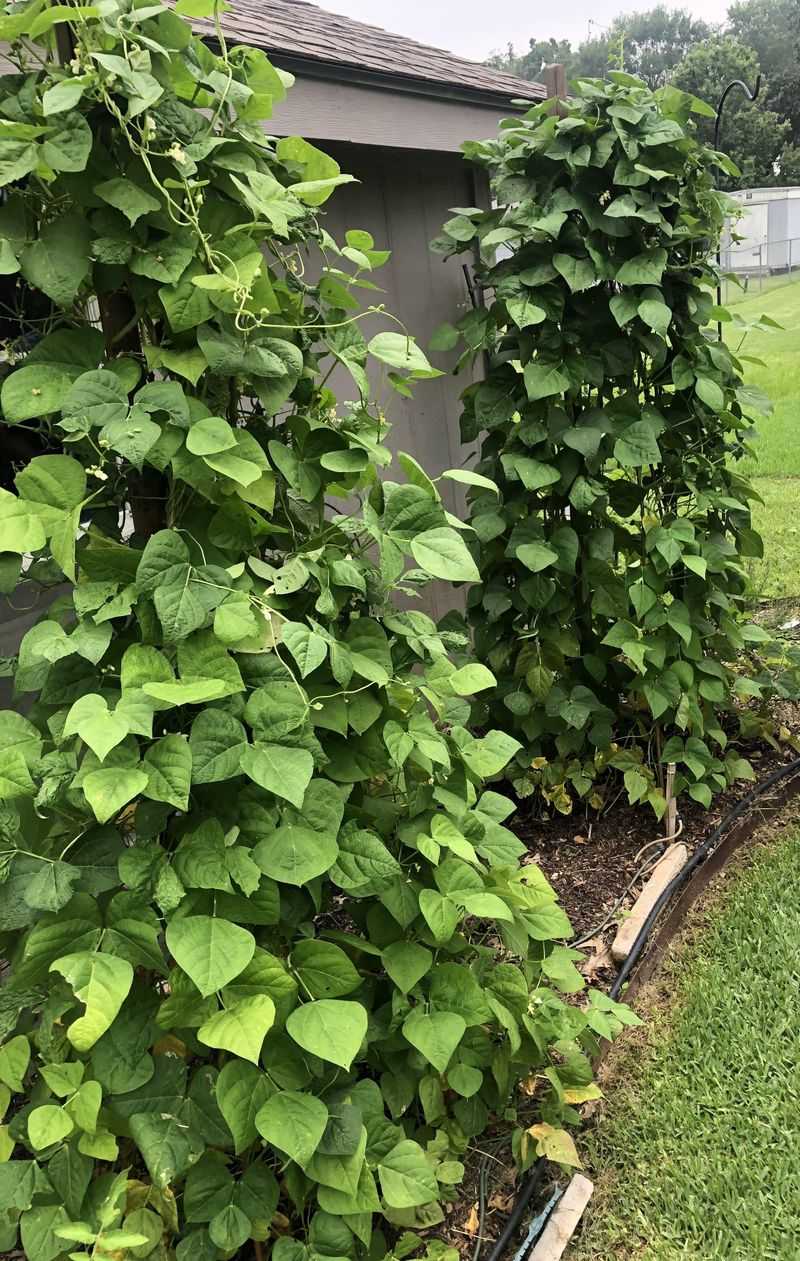
Bush beans set one crop and finish. Pole beans take a different approach entirely. They climb, spread, and keep producing handfuls of fresh green beans week after week for months without replanting or any particular drama.
Kentucky Wonder and Rattlesnake Pole Bean are standout performers for Georgia gardens.
Rattlesnake earns its name with beautiful purple-streaked pods and impressive heat tolerance, making it one of the most reliable warm-season beans for the Southeast.
Blue Lake Pole Bean produces consistently alongside it and offers variety within the same planting.
Soil fertility is important for continuous production. Beans fix their own nitrogen through root nodules, but phosphorus and potassium still need to be present in adequate quantities.
Adding compost at planting improves both drainage and moisture retention, which Georgia’s clay-heavy soils often need before they perform reliably.
Build a trellis at least six feet tall before planting. Pole beans grow faster than most gardeners expect and will outpace a short structure within weeks.
Harvest pods at full length but before seeds swell visibly inside, roughly five to seven inches long for most varieties.
Harvesting every three to four days prevents pods from maturing on the vine. Mature pods on the vine tell the plant that reproduction is underway, and new production slows noticeably.
Consistent harvesting, adequate compost, and a trellis tall enough to take the job seriously keep pole beans producing throughout the entire Georgia summer.
The trellis is not optional. Consider that a firm recommendation.
6. Summer Squash
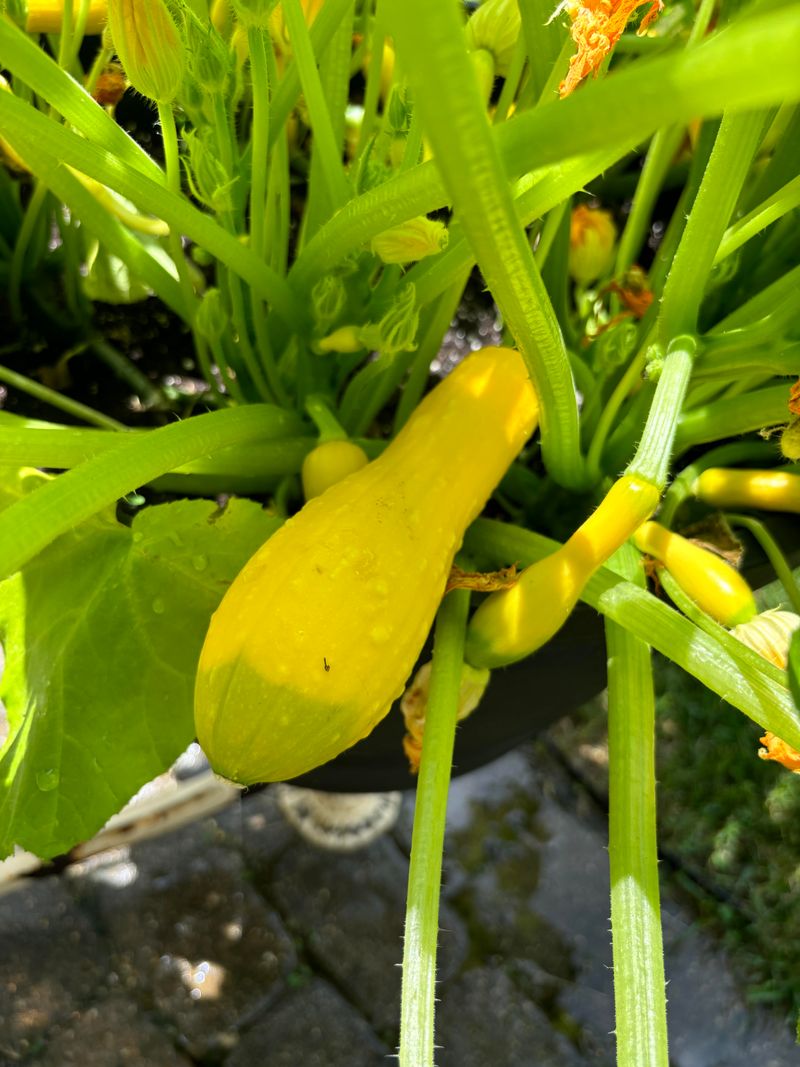
Zucchini has a legendary reputation for overwhelming productivity, and that reputation is completely accurate under the right conditions. A single well-tended plant produces faster than most households can use the results.
Keeping squash productive through Georgia’s heat and humidity requires slightly more than planting and stepping back.
Black Beauty zucchini and Patio Star offer compact growth habits suited to smaller spaces. Yellow Crookneck and Straightneck perform reliably through Georgia summers, though both tend to slow slightly during the most intense July and August heat.
Planting in late April through early May gives plants time to establish before peak summer conditions arrive.
Squash vine borers are the most significant threat to summer squash longevity in Georgia. These pests tunnel into stems and can collapse an entire plant with surprising speed.
Row covers protect young plants until flowering begins. Once flowers open, remove covers to allow pollination.
Checking stems weekly for small entry holes and the sawdust-like frass borers leave behind allows intervention before serious damage occurs.
Space plants at least three feet apart to improve airflow and reduce powdery mildew pressure.
Harvest small. Six to eight inches for zucchini is the right window. Smaller squash tastes considerably better, and consistent small harvests prevent the plant from redirecting energy toward seed development in oversized fruit.
A zucchini the size of a baseball bat is technically a success. It is just not a very delicious one.
7. Greens
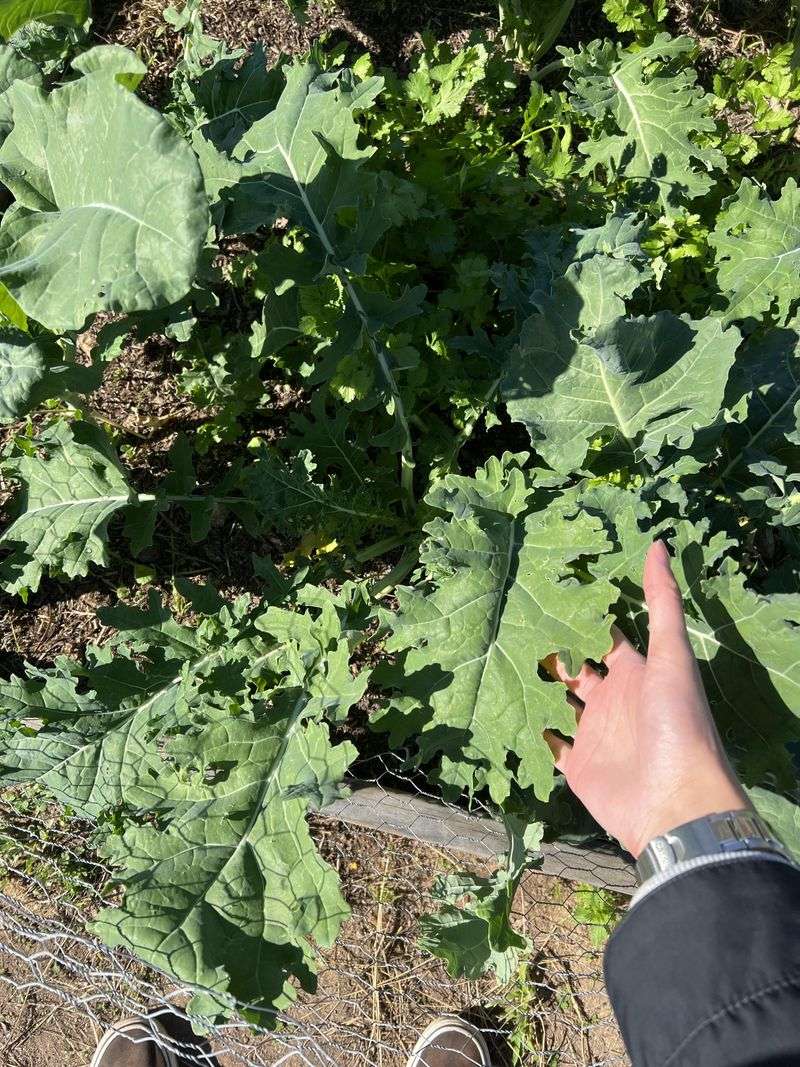
Many gardeners assume leafy greens belong only to spring and fall in Georgia. That assumption is accurate for lettuce and spinach but completely wrong for kale, Swiss chard, and collards, which operate by a different set of rules entirely.
Georgia Green collards and Vates kale handle heat reliably with extended production windows that carry well into summer.
Bright Lights Swiss chard adds color to the garden with its rainbow stems and produces through heat that sends more delicate greens into early decline.
All three regrow vigorously after cutting, provided enough foliage remains on the plant to support ongoing photosynthesis.
The technique is specific and matters considerably. Harvest outer leaves first and leave the central growing point plus at least four to six inner leaves intact.
That preserved center keeps generating new growth from the inside outward. Cutting too aggressively removes the plant’s recovery capacity and significantly slows regrowth.
Afternoon shade extends these greens through Georgia’s most intense summer days. Planting near taller crops like tomatoes or okra provides natural shade during peak afternoon heat without requiring any additional structure.
Consistent moisture is equally important. Mulching heavily around the base retains soil moisture and keeps root temperatures manageable.
Light nitrogen fertilizer every four to six weeks encourages the fresh tender leaf growth that tastes noticeably better than older outer leaves.
Greens in a Georgia summer sound improbable. With the right varieties and this technique, they work remarkably well.
The collards, in particular, did not ask for your skepticism.