These Are The Signs Your Pennsylvania Hosta Has Crown Rot And What To Do Immediately
Hostas are supposed to be the reliable ones, the plants Pennsylvania gardeners lean on when they want something that handles shade, comes back every year, and does not ask for much in return.
When crown rot sets in, that reliability disappears quickly, and the speed at which a healthy-looking hosta can collapse is genuinely alarming the first time you experience it.
One week the plant looks fine, and within days the center is turning to mush and the leaves are collapsing at the base in a way that makes recovery feel unlikely.
Pennsylvania’s humid summers and heavy soils create conditions that allow crown rot to develop and spread faster than it would in drier climates, which is why acting the moment the first signs appear matters so much.
Recognizing what you are actually looking at, understanding what caused it, and knowing the right immediate steps are the difference between losing one plant and watching the problem move through the entire bed.
1. Yellowing Or Wilting Leaves
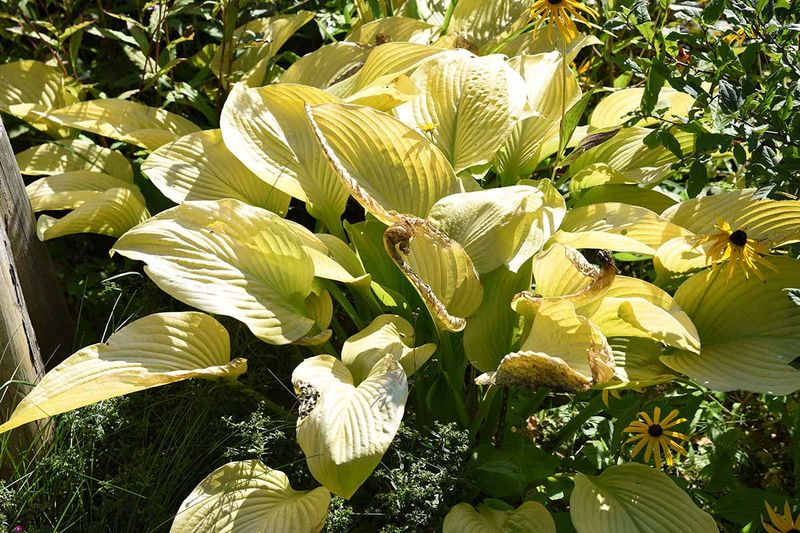
Something feels off when your hostas start turning yellow even though you have been watering them regularly. That is actually one of the earliest and most telling signs that crown rot may already be setting in.
The yellowing usually starts on the lower, older leaves and then slowly works its way up the plant.
What makes this tricky is that yellowing leaves can also mean overwatering, underwatering, or nutrient problems. So many gardeners brush it off at first and assume the plant just needs a little adjustment.
But when the yellowing comes with wilting, that combination is a serious red flag worth investigating right away.
Wilting is especially confusing because the soil around the plant may feel perfectly moist. You touch the ground and it is damp, so you think the plant has enough water.
But the problem is not water supply. The crown rot is destroying the tissue at the base of the plant, which means water and nutrients cannot travel up through the stems properly.
Think of it like a clogged pipe. Even if water is available, nothing gets through to where it needs to go.
The leaves droop and turn pale because they are essentially being starved. This is why wilting despite moist soil is such a classic and important warning sign to recognize.
If you spot this in your Pennsylvania garden, do not wait to investigate further. Gently pull back the mulch around the base of the plant and take a close look at the crown.
Early detection gives you the best shot at saving the hosta before the rot spreads too far into the root system.
2. Mushy Or Soft Crown Base
Picture pressing your finger gently into the base of your hosta and feeling it sink like a wet sponge. That mushy, soft feeling at the crown is one of the most definitive signs that crown rot has taken hold.
A healthy crown should feel firm and solid, almost like the base of a sturdy celery stalk. When crown rot sets in, the fungus breaks down the plant tissue at the soil line. The cells collapse and fill with water, giving the crown that characteristic soft, water-soaked texture.
Your Pennsylvania Garden Changes Every Week. Your Plan Should Too.
Gardening in Pennsylvania changes quickly throughout the season. Every Friday you’ll receive a simple weekly plan showing exactly what to plant, prune, fertilize, harvest, and protect so you never miss the right timing.
In some cases, you might even notice the tissue turning brown or grayish and beginning to fall apart when touched.
Checking the crown base should be part of your regular garden inspection routine, especially during Pennsylvania’s warm and rainy summer months.
Push back any mulch around the base of the plant and look closely at the area right where the stems meet the soil. This is ground zero for crown rot activity.
Sometimes you will find white, thread-like fungal growth in this area, especially if the infection is caused by Sclerotium rolfsii. You might also spot small, round, tan or brown seed-like structures called sclerotia, which are the survival bodies of the fungus.
Seeing these is a strong confirmation that crown rot is the problem. Act fast once you find a mushy crown. Remove the affected sections using clean, sterilized tools to avoid spreading the fungus to nearby plants.
Bag and remove the infected material from your garden rather than composting it. Leaving infected debris in the soil can allow the fungus to persist and spread to healthy plants nearby.
3. Foul Or Musty Odor
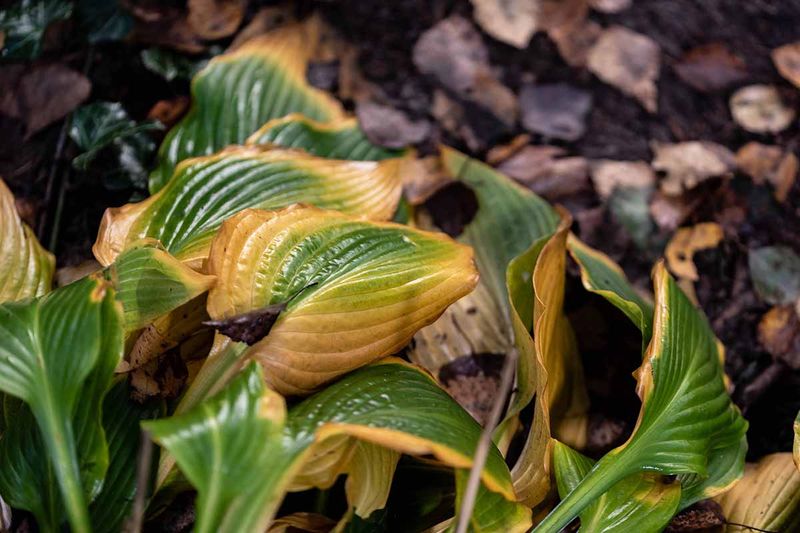
Your nose can actually be one of your best gardening tools when it comes to spotting crown rot. A foul, musty, or rotting smell coming from the base of your hosta is a strong signal that fungal decay is already underway.
Most healthy garden plants have a mild, earthy scent, so anything sharp or unpleasant stands out quickly.
The odor comes from the breakdown of organic plant tissue by the fungus. As the crown decomposes, it releases gases that smell similar to rotting vegetables or damp, moldy wood.
If you are kneeling down to weed near your hostas and catch a whiff of something off, trust your instincts and investigate the plant base right away.
This symptom often appears alongside other signs like a soft crown or yellowing leaves, but sometimes the smell shows up before the visible damage becomes obvious. That makes it an especially valuable early warning sign for attentive gardeners.
Pennsylvania summers create exactly the kind of warm, humid conditions where fungal decay accelerates quickly.
Fungal pathogens like Phytophthora and Sclerotium rolfsii both produce this kind of unpleasant smell as they work through plant tissue.
The decay can move surprisingly fast under warm and wet conditions, sometimes spreading through an entire crown within just a few days. That is why acting on the smell immediately is so important.
Once you detect the odor, carefully remove any decayed material and inspect the full crown. Improve airflow around the plant by thinning nearby vegetation.
Reducing moisture around the base and applying a fungicide early can help stop the spread before the entire plant is compromised. Do not ignore what your nose is telling you.
4. Stunted Or Failed New Growth
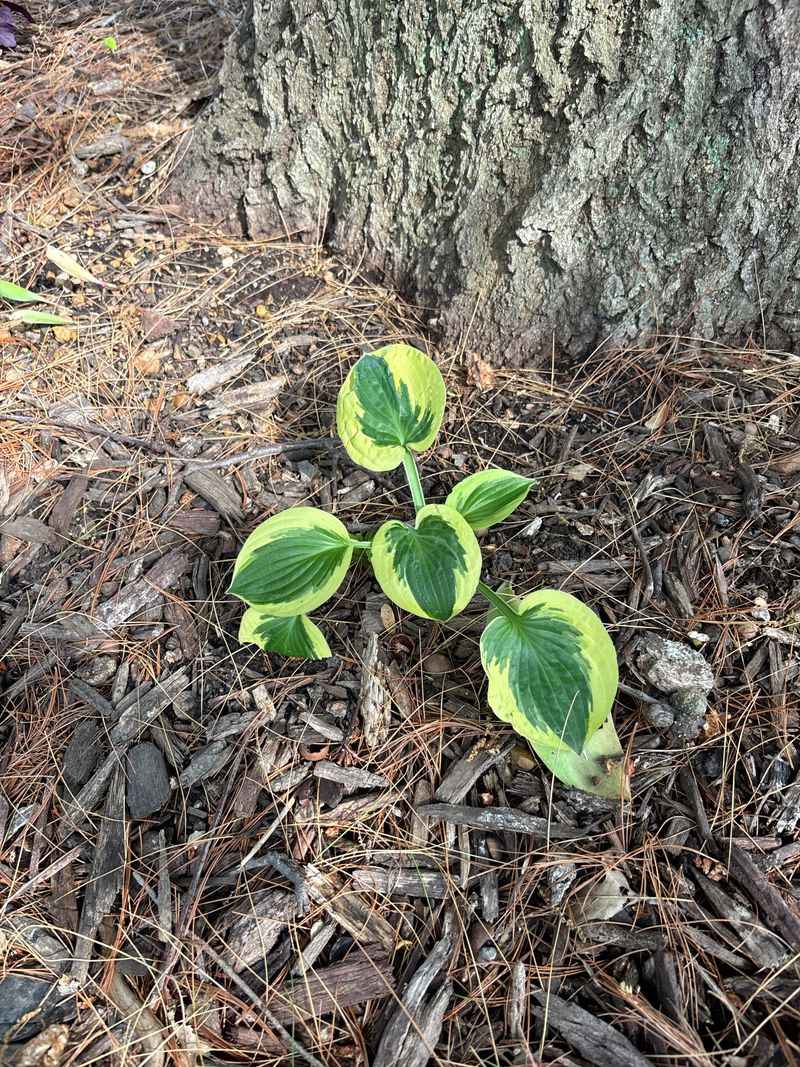
Spring is the season when hostas burst to life with fresh, tightly rolled shoots pushing up through the soil. Watching those first spikes of new growth emerge is one of the best parts of having a shade garden.
So when spring arrives and your hosta is sitting there with nothing to show, or only weak, discolored shoots, that is a serious warning sign worth taking seriously.
Crown rot can quietly do its damage over winter or early spring, destroying the growing points inside the crown before you even realize anything is wrong. By the time you notice the failed growth, the infection may already be well established.
Weak shoots that emerge looking pale, twisted, or mushy at the base are just as concerning as no growth at all.
Healthy hosta crowns produce bold, vigorous foliage with a confident upward push. When the crown is compromised by rot, the energy and nutrients needed to fuel that growth simply are not there.
The shoots may poke out an inch or two and then collapse, or they may look distorted compared to the lush growth of nearby healthy plants.
It helps to know what your specific hosta variety normally looks like in spring. Some varieties are naturally slower to emerge, but if a plant that usually shoots up quickly is lagging behind or looking sickly, crown rot should be on your radar.
Compare it to other hostas in your garden for a quick visual reference. If stunted growth is paired with any other crown rot symptoms, act right away. Lift the plant carefully, inspect the crown, remove damaged sections, and replant in fresh, well-draining soil.
Getting ahead of the problem in spring gives the plant a real fighting chance for the rest of the growing season.
5. Leaf Collapse Or Browning
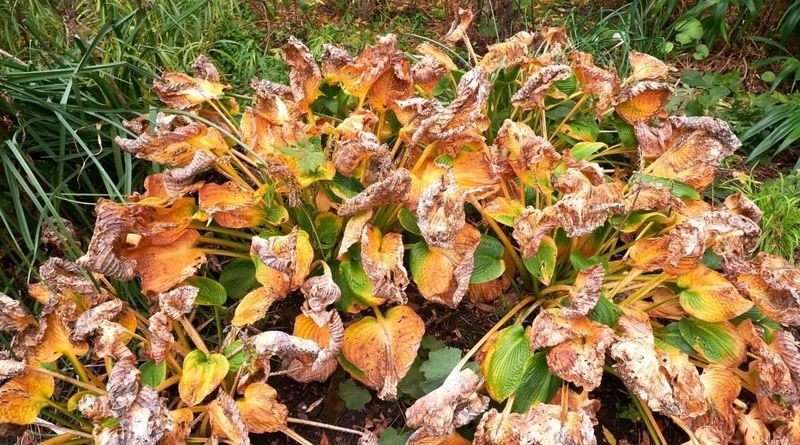
There is something jarring about walking out to your garden and finding a hosta that looked perfectly fine yesterday now lying flat on the ground.
Leaf collapse is one of the more dramatic symptoms of crown rot, and it can happen quickly once the infection reaches an advanced stage.
The leaves do not just wilt slightly. They fall completely, often in a circular pattern around the base of the plant.
What makes this symptom distinct from other hosta problems is where the damage starts. With crown rot, the browning and collapse begin at the base of the plant and move upward.
Other foliar diseases, like leaf spot or anthracnose, tend to show up on the middle or outer portions of the leaf blade first. The bottom-up pattern of crown rot is a key identifier.
Brown, slimy spots near the base of the stems are another classic detail to watch for. The tissue there becomes waterlogged and breaks down rapidly, leaving behind a mushy, discolored mess.
The smell in this stage is usually noticeably unpleasant, which helps confirm what you are dealing with before you even touch the plant.
Fun fact: Sclerotium rolfsii, one of the main culprits behind hosta crown rot, is sometimes called Southern blight. Despite the name, it absolutely shows up in Pennsylvania gardens during hot, humid stretches of summer weather.
It spreads through the soil and can move from plant to plant through water flow and contaminated tools.
Once you see leaf collapse happening, remove the fallen leaves and affected crown material right away. Bag them up and put them in the trash, not the compost bin.
Then treat the area with a fungicide and improve drainage to stop the spread to neighboring plants in your garden bed.
6. Immediate Actions To Save The Plant
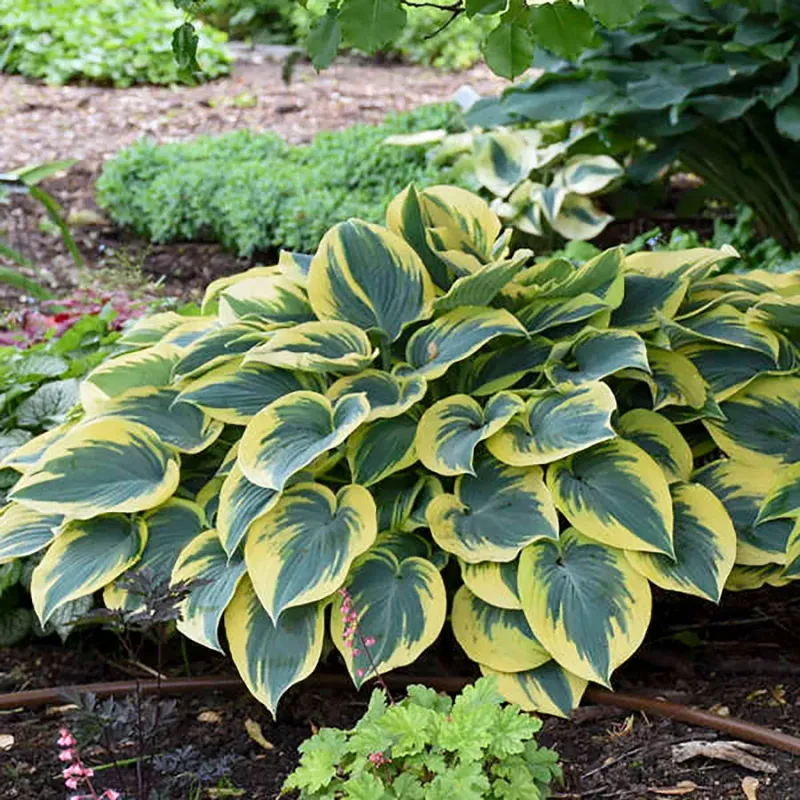
Speed matters more than almost anything else when crown rot is involved. The moment you confirm the problem, your next steps can make a real difference in whether the plant recovers or continues to decline.
Start by removing all affected leaves and any visibly rotted crown sections using clean, sterilized pruning tools. Wipe your tools with rubbing alcohol between cuts to avoid spreading the fungus.
Bag up all the removed plant material and place it in the trash. Never add infected hosta tissue to your compost pile, because the fungal spores can survive and later spread back into your garden.
This simple step is one of the most effective ways to contain the problem and protect your other plants.
Next, take a hard look at the soil around the plant. Poor drainage is one of the biggest reasons crown rot develops and keeps coming back.
If the soil stays soggy after rain, it is time to amend it with compost, perlite, or coarse sand to improve drainage. In serious cases, lifting the entire plant and replanting it in a raised bed or a spot with better drainage is the smartest move.
If you caught the infection early and the crown still has some healthy, firm sections, a fungicide labeled for crown rot can help. Look for products containing azoxystrobin, mefenoxam, or thiophanate-methyl and follow the label directions carefully.
These work best as a preventive or early-stage treatment rather than a cure for heavily infected crowns.
Watering habits matter a lot going forward. Water your hostas only when the soil is nearly dry at the surface.
Water at the base of the plant, not overhead, to keep the crown as dry as possible. These small changes go a long way in preventing crown rot from returning next season.