The Arizona Vegetables That Actually Love Monsoon Season Humidity
By the middle of summer, a lot of vegetable gardens start looking uneven. One part of the garden may still be growing well, while another seems to be struggling with the heat.
It is a frustrating time because the effort going into watering and care does not always match the results coming out of the garden.
Then monsoon season arrives and changes the growing conditions once again. The air feels different, the soil behaves differently, and some plants respond much better than others.
A vegetable that looked stressed a few weeks ago may suddenly pick up speed, while another continues to have problems.
Arizona gardeners have seen this pattern for years. Certain vegetables are naturally better suited to the warm, humid conditions that arrive during the monsoon season.
Choosing the right crops can help keep the garden productive long after many people expect it to slow down.
1. Armenian Cucumbers Thrive During Humid Weather
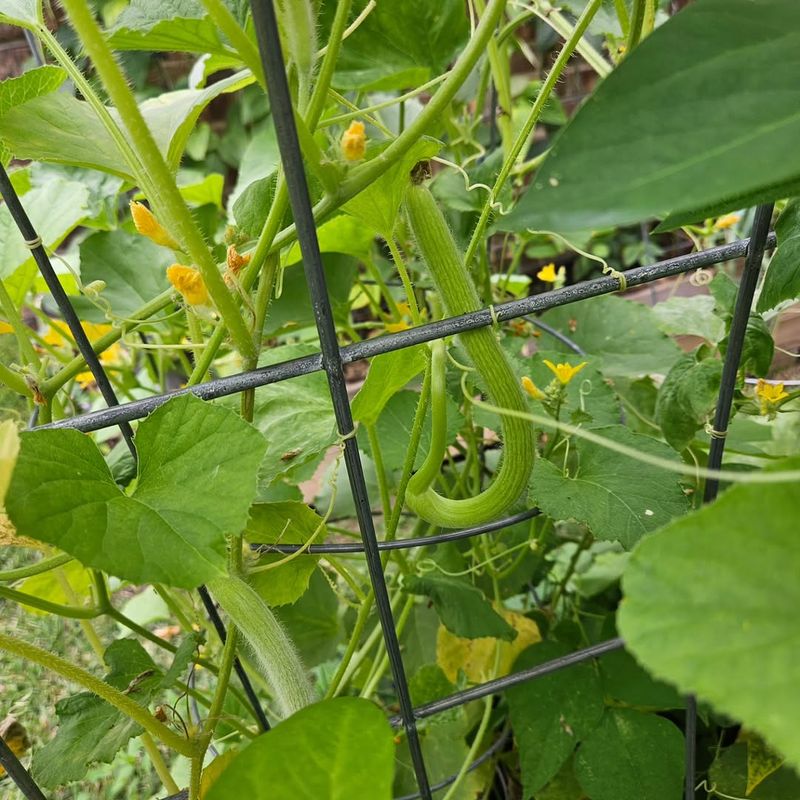
Pale green and almost alien-looking, Armenian cucumbers are one of the most reliable warm-season crops you can grow during humid stretches. Unlike standard cucumbers, they handle heat far better and rarely get bitter when temperatures stay high overnight.
Technically a melon, this vegetable behaves like a cucumber in the kitchen. Slice it raw, add it to salads, or pickle it.
The texture stays crisp even when harvested at larger sizes, which gives you more flexibility on harvest timing.
Humidity actually helps Armenian cucumbers develop fuller flavor. Dry, scorching conditions can stress the plants and cause uneven growth.
When monsoon moisture arrives, the vines visibly perk up and fruit production picks up noticeably.
Grow them on a sturdy trellis to keep fruit off the ground and improve airflow. Good air circulation helps reduce fungal pressure, which can become an issue when humidity lingers for days.
Check plants every other day during peak season.
These cucumbers grow fast. Under good conditions, fruit can go from flower to harvest-ready in under two weeks.
Staying on top of harvesting prevents oversized fruit and keeps the plant producing steadily through the monsoon window.
If you have never grown them in a low-desert garden, this season is the right time to start. They are forgiving, productive, and genuinely built for warm, humid summers.
2. Yardlong Beans Keep Producing Through Summer
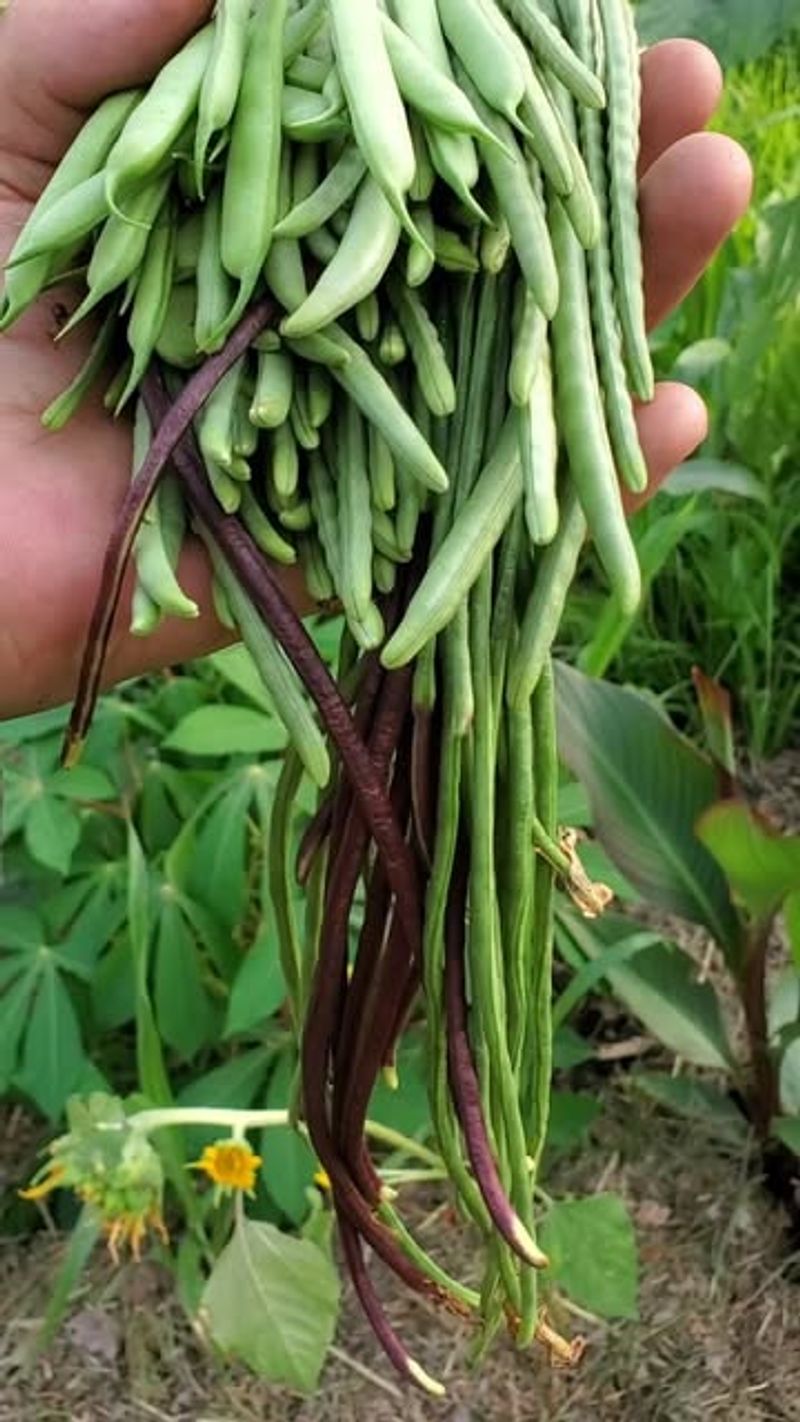
Yardlong beans thrive in summer heat. While other legumes shut down production when temperatures climb past 90 degrees, yardlong beans keep flowering and setting pods without missing a beat.
Originally from Southeast Asia, these beans evolved in hot, humid climates. That background makes them a natural fit for late summer in the Southwest desert.
They do not just survive the monsoon stretch, they genuinely perform during it.
Pods grow quickly once the plant establishes. Harvest them young, around 12 to 18 inches long, before they get tough and stringy.
Letting pods mature on the vine signals the plant to slow down production, so regular picking keeps things moving.
A strong trellis is non-negotiable. Vines can reach six to eight feet tall and get heavy with pods during peak production.
Your Arizona Garden Changes Every Week. Your Plan Should Too.
Gardening in Arizona changes quickly throughout the season. Every Friday you’ll receive a simple weekly plan showing exactly what to plant, prune, fertilize, harvest, and protect so you never miss the right timing.
Invest in good support early and save yourself the headache of collapsed plants later in the season.
Cooking options are wide open. Stir-fry them, add them to soups, or blanch and serve them chilled.
They hold up better to high heat cooking than regular green beans and absorb flavors well.
Watering needs stay moderate once established. Monsoon rains often cover most of what the plants need, but watch for standing water around the roots.
Good drainage keeps the root zone healthy and production strong through the entire humid season.
3. Malabar Spinach Grows Better As Humidity Rises
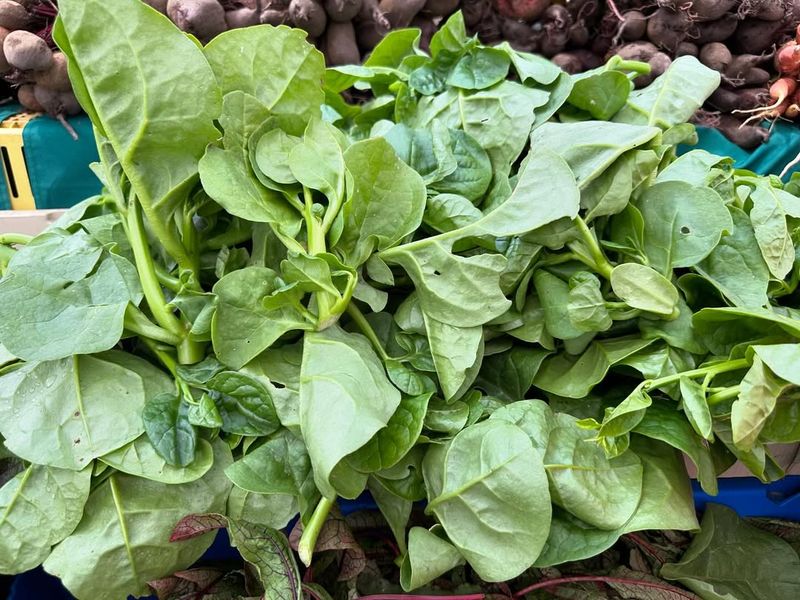
Standard spinach bolts and disappears by May. Malabar spinach does the opposite, it hits its stride right when monsoon humidity arrives and keeps going strong through September.
Botanically unrelated to true spinach, Malabar spinach is a tropical vine with thick, glossy leaves. The texture is slightly different from regular spinach, a bit more substantial and moist.
Cooked down in soups or stir-fries, it blends in naturally and adds a mild, earthy flavor.
Humidity is genuinely helpful for this plant. Dry conditions slow its growth noticeably, but when moisture levels rise during monsoon weeks, the vines push out new leaves at a faster rate.
Consistent watering between storms keeps that momentum going.
Give it a trellis or fence to climb. Left unsupported, it sprawls across the ground and becomes harder to manage.
Vertical growth also improves airflow around the leaves, which matters when humidity stays elevated for extended periods.
Both red-stemmed and green-stemmed varieties grow well in warm desert gardens. Red-stemmed types add a visual pop to the garden and are equally productive.
Either variety works fine for cooking purposes.
Start seeds in late spring so plants are established before peak monsoon hits. Once rooted and climbing, they need minimal attention beyond regular harvesting.
Picking outer leaves regularly encourages fresh growth and keeps the plant from getting leggy at the top.
4. Luffa Handles Heat And Moisture With Ease
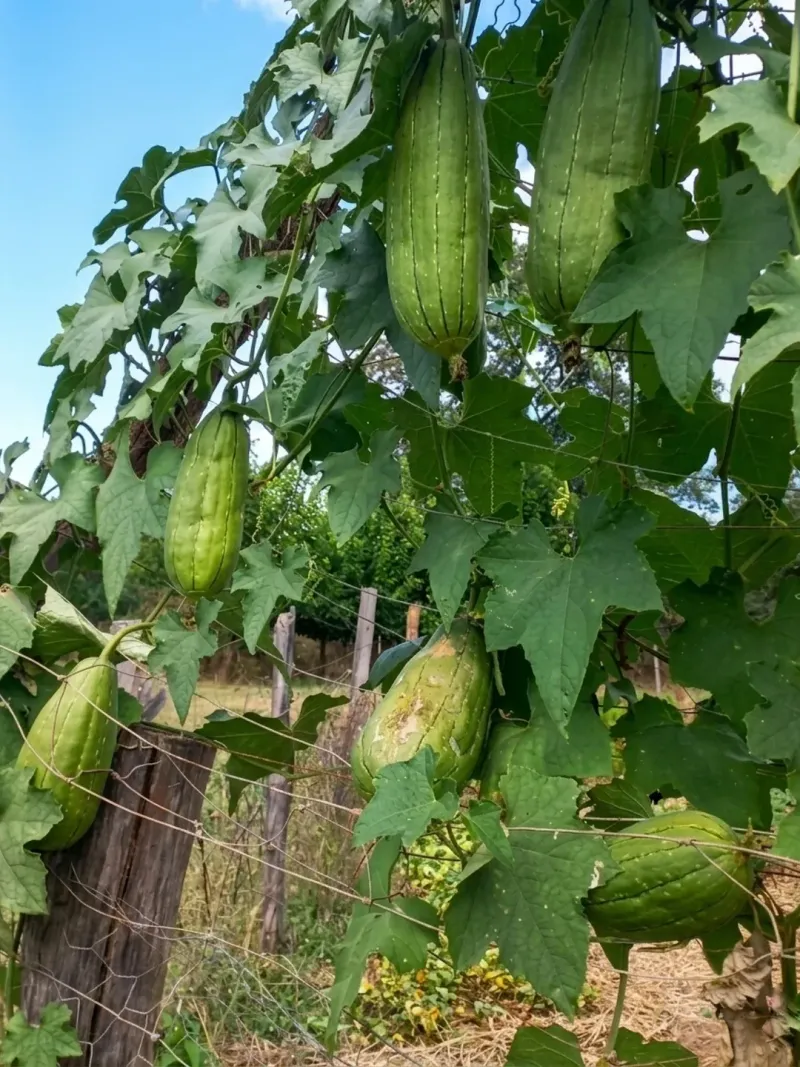
Most people know luffa as a shower sponge. Fewer people realize it is also a vegetable you can eat when harvested young, and it grows exceptionally well in hot, humid desert summers.
Luffa is a gourd that thrives in exactly the conditions monsoon season delivers. Long days, warm nights, regular moisture, and high humidity push these vines into rapid growth.
Plants can cover a large trellis within a few weeks once conditions align.
Young luffa, harvested under six inches, has a mild flavor similar to zucchini. It works well in stir-fries, curries, and soups.
Left on the vine to fully mature and dry, the interior becomes the fibrous sponge most people recognize from bath stores.
Plan for space. Luffa vines grow aggressively and can reach 15 feet or more.
A tall, reinforced trellis or pergola gives them room without taking over the rest of the garden. Strong support also helps carry the weight of multiple large fruits.
Pollination can be inconsistent in extreme heat. Hand-pollinating flowers in the early morning improves fruit set during hot stretches.
Use a small brush or transfer pollen directly between male and female flowers before midday heat sets in.
Start seeds indoors six weeks before your last frost date or direct sow after temperatures warm up reliably. In low-desert areas, an early start gives vines enough time to fully mature fruit before cooler fall weather slows growth.
5. Roselle Benefits From Warm Humid Conditions
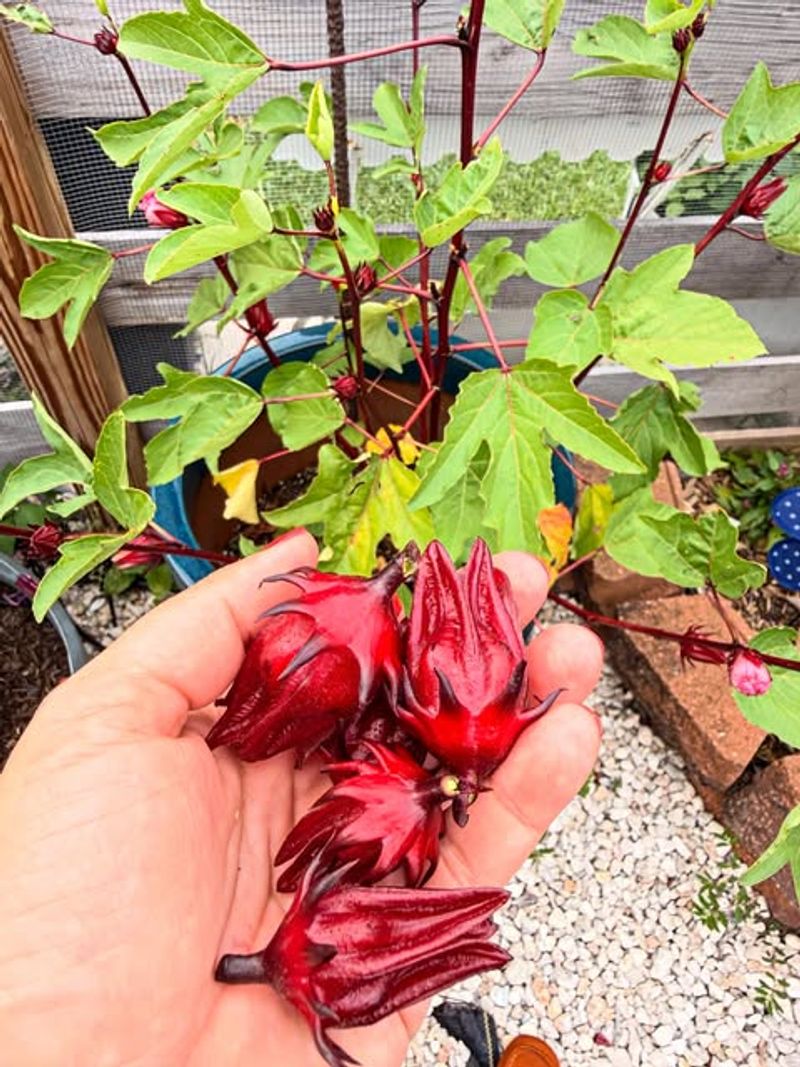
Roselle is the plant behind hibiscus tea, and it grows like it belongs in a desert monsoon garden. Warm soil, consistent moisture, and high humidity are exactly what this tropical plant craves.
Native to West Africa, roselle developed in climates with hot, rainy seasons. That origin story maps almost perfectly onto the monsoon pattern seen across the low desert every summer.
When rains arrive and humidity builds, roselle responds with strong vegetative growth and eventually vivid red calyxes.
The calyxes, those deep red fleshy parts that form around the seed pod, are what you harvest. Dried or fresh, they make a tart, cranberry-like tea that is popular across many cultures.
They also work well in jams, sauces, and even salad dressings.
Roselle plants get large. Expect them to reach four to six feet tall under good conditions.
Give them room and full sun. Crowding them limits airflow and can invite fungal issues when humidity stays high for multiple days in a row.
Watering between monsoon rains keeps growth steady. Roselle does not love soggy roots, so well-draining soil matters.
If your garden has heavy clay, amend it before planting or build a raised bed to keep drainage reliable.
Harvest calyxes promptly once they reach full size. Leaving them too long on the plant reduces tartness and can affect seed quality if you plan to save seeds for the following season.
6. Eggplant Continues Growing Through Monsoon Season
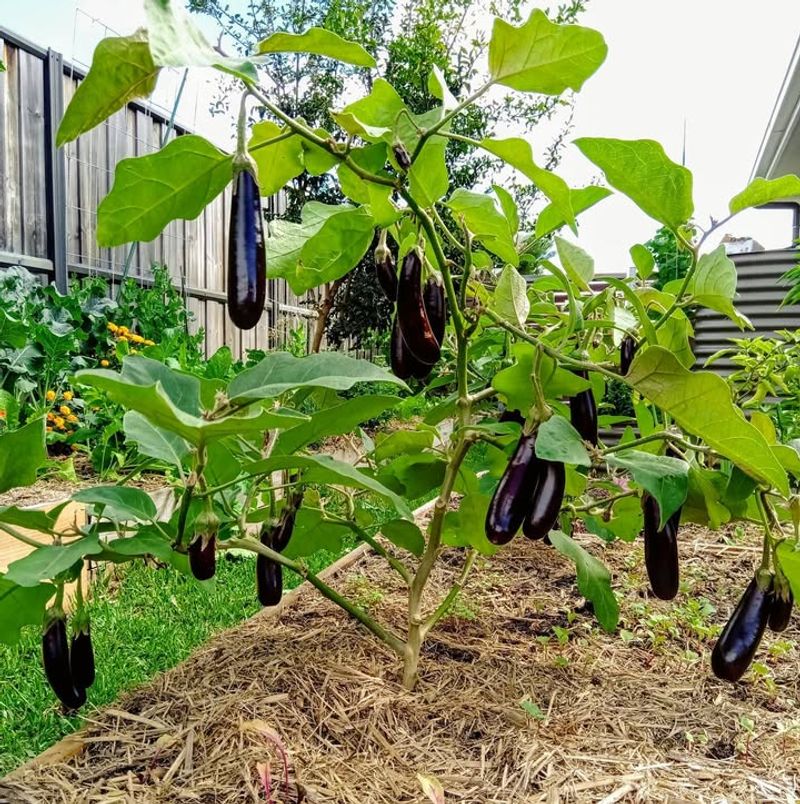
Eggplant is one of the few vegetables that genuinely does not slow down when monsoon humidity arrives. Where tomatoes crack and peppers drop flowers, eggplant keeps setting fruit and filling out steadily through the hottest stretch of summer.
Heat is not a problem for eggplant. It evolved in tropical South Asia and carries that warmth-loving nature into every growing season.
Consistent moisture during monsoon weeks actually improves fruit size and skin quality compared to dry summer conditions.
Varieties matter more than most gardeners realize. Japanese and Indian varieties handle desert summers better than large Italian types.
Smaller-fruited varieties like Ping Tung Long or Listada de Gandia tend to be more productive and more heat-tolerant across the board.
Watch for spider mites during dry stretches just before the monsoon starts. Once humidity rises, mite pressure often drops naturally.
Still, check the undersides of leaves regularly and act early if you spot webbing or stippling on the foliage.
Eggplant prefers deep, consistent watering over frequent shallow irrigation. A drip system set to run in the early morning works well and keeps the root zone evenly moist without waterlogging the soil during heavy rain periods.
Harvest fruit while the skin still has a high gloss. Dull skin signals the fruit is past peak and seeds inside are beginning to harden.
Regular harvesting also keeps the plant focused on producing new fruit rather than ripening existing ones.
7. Okra Welcomes Summer Heat And Humidity
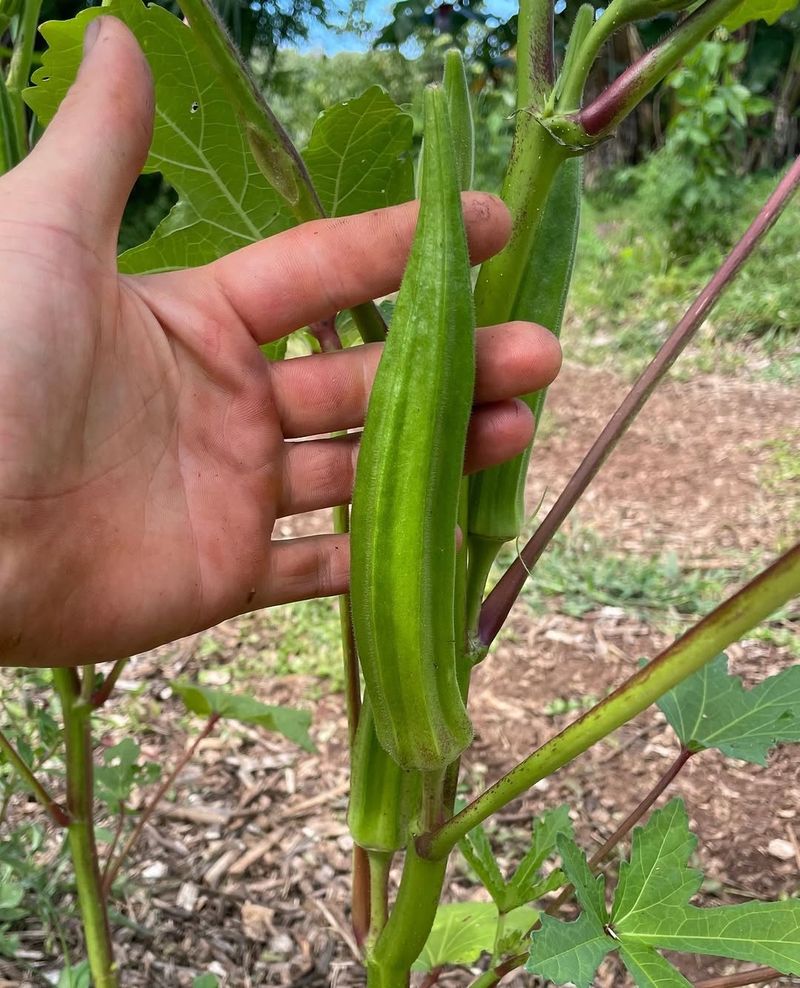
Okra was practically designed for a hot, humid summer. Few vegetables match its ability to keep producing through relentless heat, and the monsoon season only adds fuel to its already impressive growth rate.
Plants can reach six feet tall or more under ideal conditions. Wide spacing, at least two to three feet between plants, allows good airflow and prevents the kind of humidity buildup that leads to leaf spot or powdery mildew issues during wet stretches.
Harvest pods when they are two to four inches long. Pods left on the plant get tough and fibrous within days.
Checking plants every day or every other day during peak production keeps the harvest window open and prevents wasted pods.
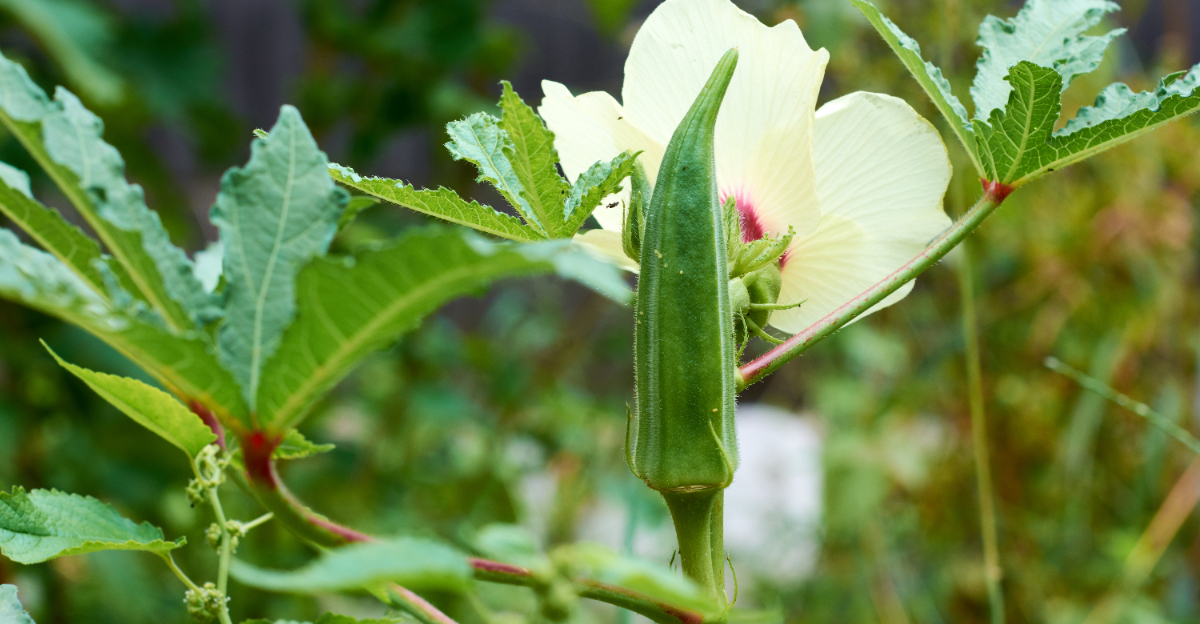
Okra flowers are genuinely beautiful, cream-colored with a deep burgundy center. Bees and other pollinators visit them regularly.
Planting okra near other crops that need pollination is a practical and visually appealing choice for any summer garden layout.
Cooking with okra goes well beyond gumbo. Roast pods whole at high heat to reduce sliminess.
Slice and sauté with tomatoes and onion for a simple side dish. Pickling young pods is another popular option that works well for preserving a large harvest.
Seed germination improves when you soak seeds overnight before planting. Consistent soil moisture during the first two weeks after planting gets seedlings off to a strong start before monsoon rains take over the watering schedule naturally.
8. Sweet Potatoes Thrive In Warm Moist Soil
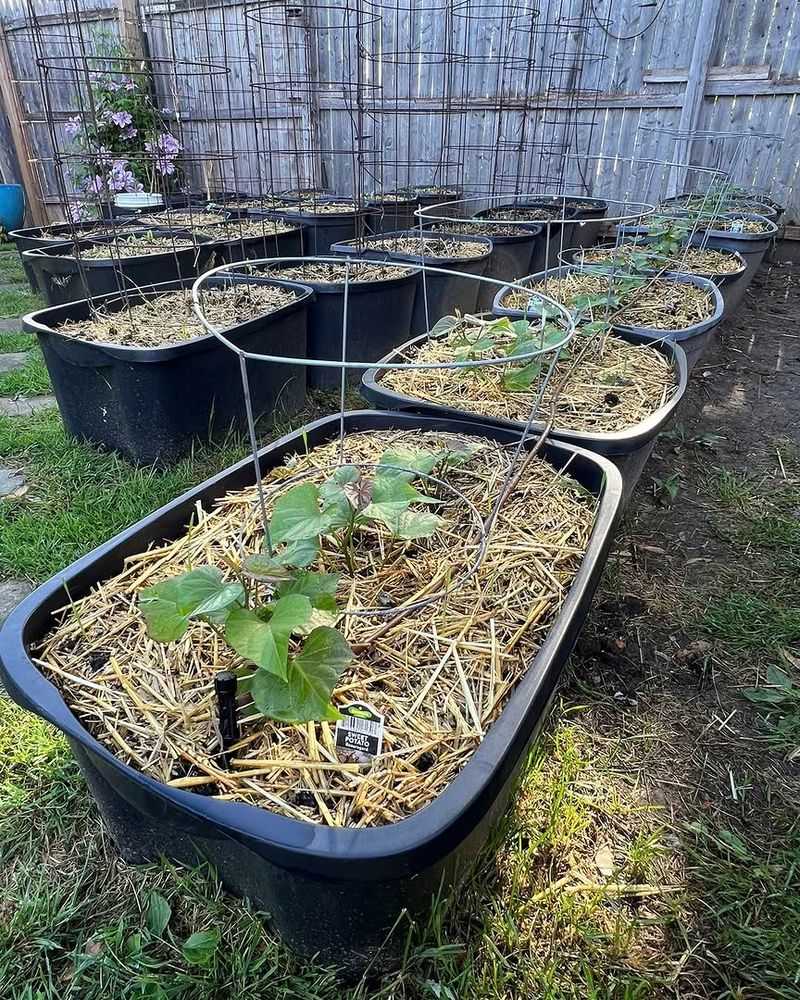
Sweet potatoes love warmth from above and below. Warm air, warm soil, and consistent moisture during the monsoon window create almost ideal conditions for the vines to spread and tubers to develop underground.
Plant slips, not seeds. Sweet potatoes are started from rooted vine cuttings called slips, which establish quickly in warm soil.
Getting slips in the ground by late May or early June gives them enough time to fully develop tubers before fall temperatures drop.
Vines spread fast and wide. A single plant can cover six square feet or more.
That ground coverage actually helps retain soil moisture between rains and keeps the root zone cooler during peak afternoon heat, which benefits tuber development.
Raised beds with loose, well-amended soil produce cleaner, more uniform tubers. Heavy clay soil limits tuber expansion and can cause misshapen roots.
If your native soil is dense, loosening it at least 12 inches deep before planting makes a real difference at harvest time.
Monsoon rains reduce the need for supplemental irrigation significantly. Still, watch for prolonged standing water after heavy storms.
Waterlogged conditions for more than a day or two can affect root health and reduce overall yield.
Harvest timing matters. Most varieties are ready 90 to 120 days after planting slips.
Skin color and vine appearance give clues, but the most reliable method is carefully digging a test spot to check tuber size before committing to a full harvest.