Why Some California Avocado Trees Never Recover After A Heat Wave
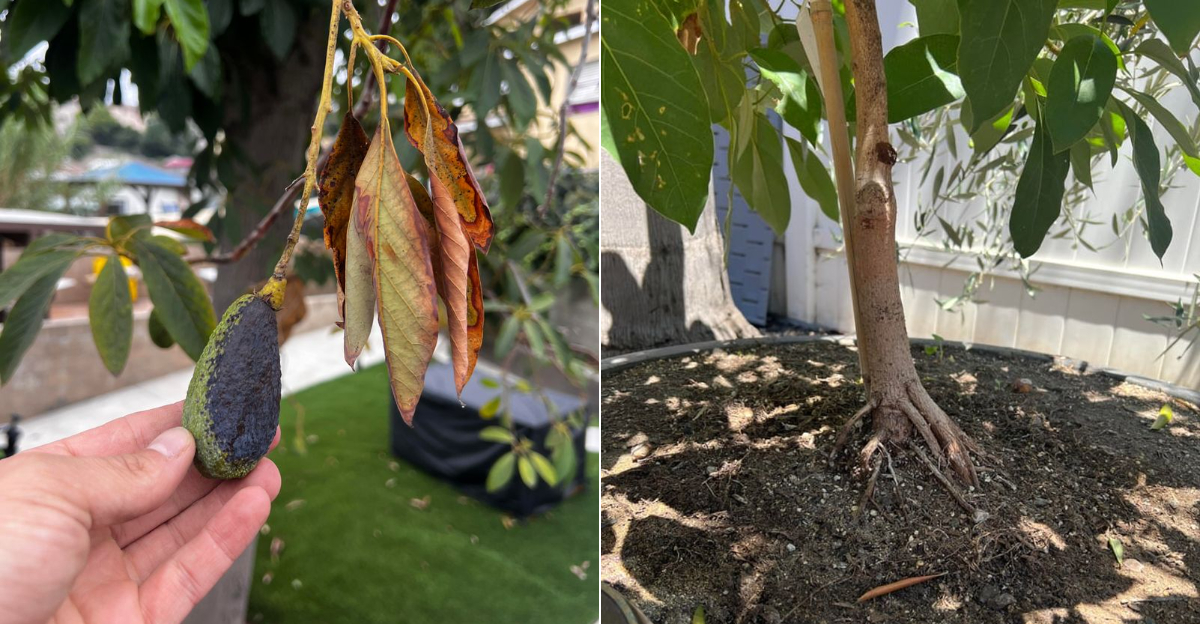
A heat wave can leave an avocado tree looking rough, but the real trouble often starts deeper than the leaves. In California, intense sun and dry wind can push these trees past their comfort zone fast.
Some bounce back once the weather eases. Others keep struggling because the roots, bark, or canopy took more stress than it first seemed.
That is what makes heat damage so frustrating. A tree may still hold leaves for a while, then show problems later.
Watering mistakes after the heat can also slow recovery. Too much care can be just as risky as too little.
When an avocado tree fails to rebound, it is usually because several stresses stacked up at once. Knowing those warning signs can help gardeners act before the next hot spell hits.
1. Heat Damage Starts When Leaves Stop Cooling The Tree
Most people think leaves are just for catching sunlight, but they also act like tiny air conditioners for the tree. Through a process called transpiration, leaves release water vapor into the air, which cools the tree down from the inside out.
When temperatures soar above 100 degrees Fahrenheit, that cooling system breaks down fast.
Avocado leaves are especially sensitive to California heat stress. Once the air gets too hot and dry, the leaf pores, called stomata, slam shut to prevent water loss.
The tree essentially stops breathing. No cooling, no food production, no water movement through the stems and branches.
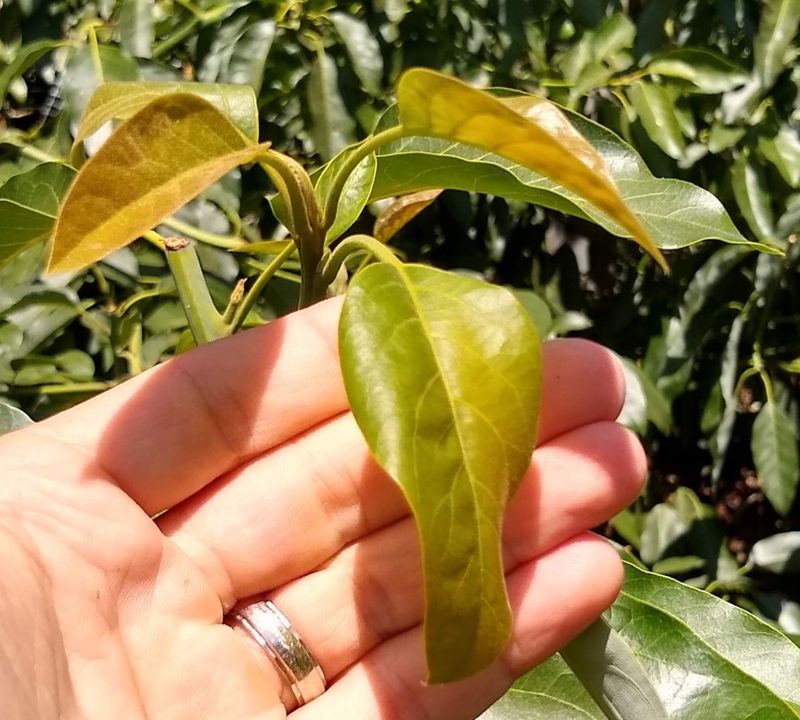
Within just a few hours of extreme heat, leaf cells can start breaking down. The damage is not always visible right away, which is why many growers think their trees survived just fine.
Then, a week later, the leaves start turning brown and curling at the edges.
If the cooling system shuts down long enough, the damage spreads into the wood. The longer the tree goes without proper leaf function, the harder recovery becomes.
Growers who mist their trees or run overhead sprinklers during peak heat hours give the leaves a fighting chance to keep cooling the tree.
Even a light mist every hour during a heat spike can reduce leaf temperature by several degrees and help the tree hold on until cooler air returns.
2. Sunburned Bark Can Damage Key Branches
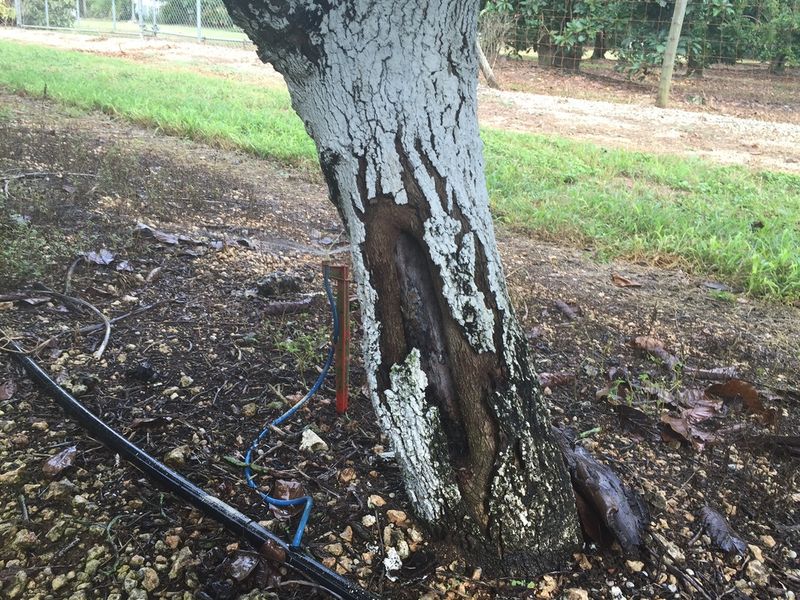
Bark is the tree’s armor. It protects the inner wood, the vascular tissue that carries water and nutrients up and down the tree.
When leaves drop during a heat wave, the bark that was once shaded suddenly gets hit with direct, intense sunlight.
Avocado bark is not built to handle that kind of sun exposure. It can blister, crack, and peel, just like skin after a bad sunburn.
Underneath the damaged outer bark, the living tissue called the cambium layer can cook and stop working entirely.
Once the cambium layer in a branch is damaged, that branch can no longer move water or food. The branch slowly weakens and may not survive, even after temperatures drop.
This is one of the main reasons whole limbs on an avocado tree go from looking stressed to completely gone within a few weeks of a heat wave.
Your California Garden Changes Every Week. Your Plan Should Too.
Gardening in California changes quickly throughout the season. Every Friday you’ll receive a simple weekly plan showing exactly what to plant, prune, fertilize, harvest, and protect so you never miss the right timing.
Growers can protect exposed bark by painting it with white interior latex paint diluted with water. A 50/50 mix applied to the trunk and main branches reflects sunlight and keeps bark temperatures lower.
It sounds old-fashioned, but it works really well. Wrapping trunks with burlap or tree wrap before a heat event also helps.
Protecting the bark before a California heat wave hits is far more effective than trying to treat sunburn damage after it happens.
3. Leaf Drop Leaves Fruit And Wood Exposed
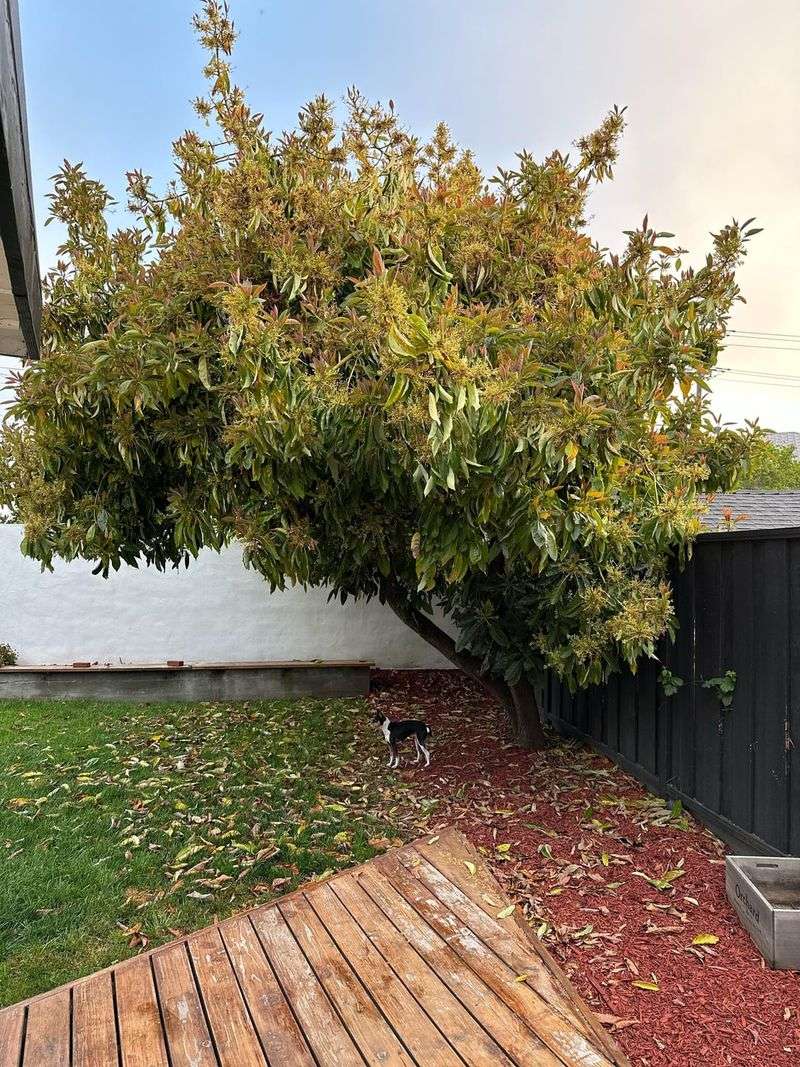
Dropping leaves during a heat wave is actually a smart survival move for the tree. Fewer leaves mean less water lost through transpiration.
But this short-term survival trick creates a big new problem: the fruit and woody branches that were once shaded are now sitting in full sun with zero protection.
Avocado fruit sunburns quickly in California. The skin turns pale, then yellow, then brown on the side facing the sun.
Sunburned fruit usually falls off the tree or becomes unsellable. For commercial growers, one heat wave can wipe out a significant portion of the season’s crop in just a few days.
Exposed wood suffers too. Branches that were shaded by a full canopy for years are suddenly getting blasted by direct afternoon sun.
The wood can crack and split as it heats up and cools down rapidly each day. Those cracks become entry points for fungal infections and pests, which make recovery even more difficult for an already stressed tree.
After a heat wave, resist the urge to prune off all the damaged leaves right away. Even partially damaged leaves still provide some shade to the branches below them.
Let the tree decide what to drop on its own timetable. Focus instead on keeping the root zone moist and protecting the trunk.
Giving the tree time to regrow its canopy naturally is often the best approach.
4. Dry Roots Make Recovery Much Harder
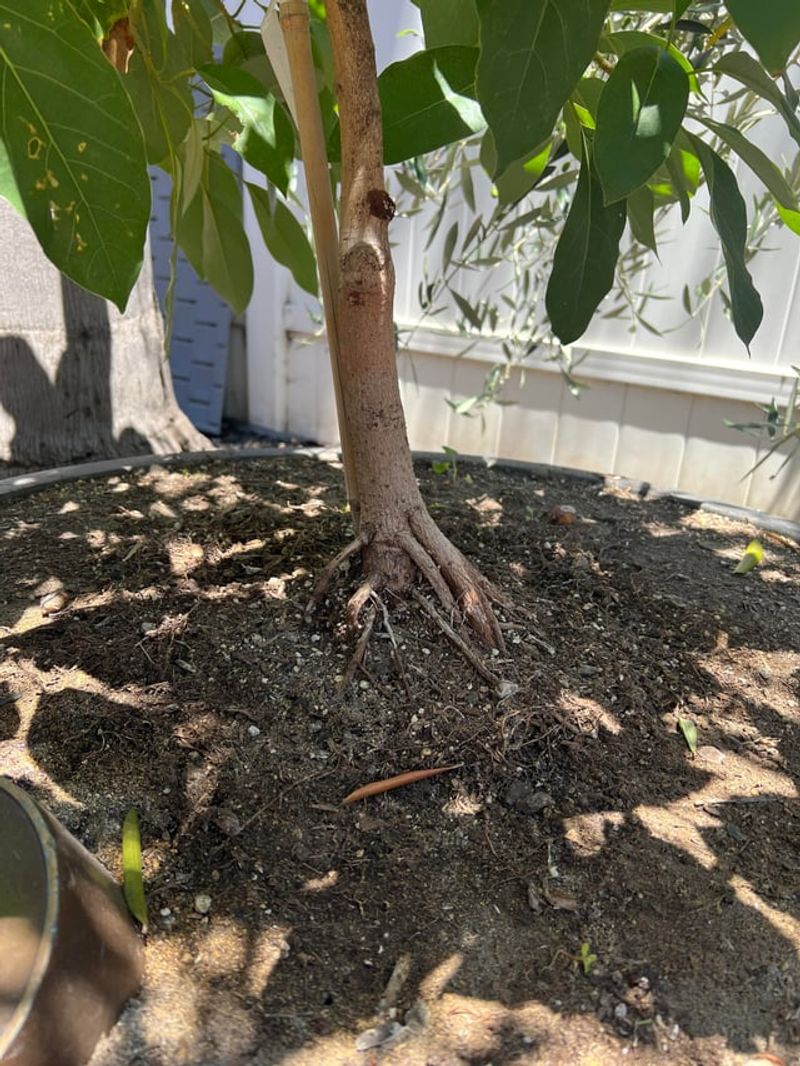
Avocado roots are shallow compared to many other fruit trees. Most of the active feeder roots sit in the top six to twelve inches of soil, right where soil temperatures spike the fastest during a heat wave.
When that top layer of soil dries out completely, those roots stop working almost immediately.
Without functioning roots, the tree cannot pull water up to cool its leaves or keep its bark moist. The whole system breaks down from the ground up.
Many avocado trees that look like they are recovering after a heat wave are actually still in serious trouble because their root systems were badly damaged during the event.
Root damage is tricky because you cannot see it. The tree might push out a few new leaves and look better for a couple of weeks, then suddenly crash again.
That second collapse happens because the root system was too damaged to support sustained new growth.
Deep, slow watering before and during a heat wave is one of the best things a grower can do. Soaking the soil to a depth of two feet keeps roots cool and hydrated even when surface temperatures are extreme.
A soil probe or long screwdriver can help check moisture depth. If the probe slides in easily to two feet, the roots have enough water to work with.
Consistent soil moisture before a heat event dramatically improves the chances of a full recovery afterward.
5. Overwatering After Leaf Drop Can Backfire
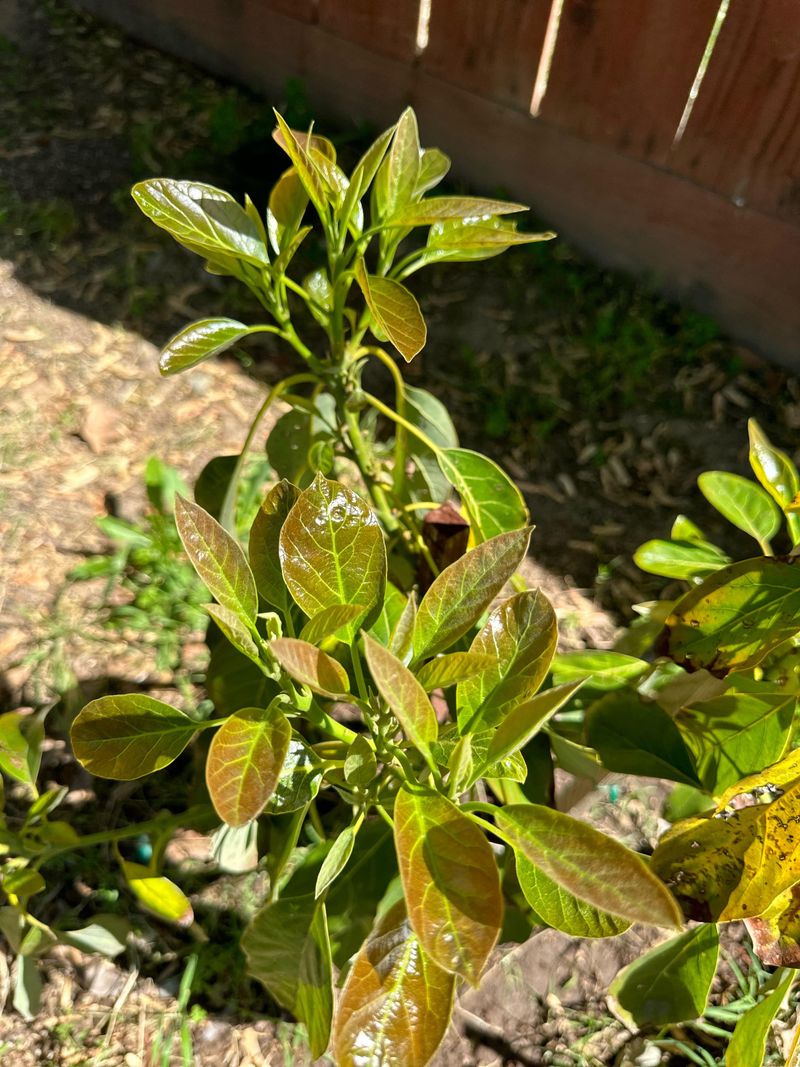
After watching a tree drop most of its leaves and look completely wiped out, the natural instinct is to water it heavily and often. It feels like the right thing to do.
But flooding a stressed avocado tree with too much water right after a heat wave can actually make things much worse.
Here is the problem: a tree that has lost most of its leaves is not moving much water through its system anymore.
The roots are still there, but without a full canopy pulling water upward, the soil stays wet much longer than usual.
Soggy soil cuts off oxygen to the roots, and avocado roots are extremely sensitive to low oxygen conditions.
Phytophthora root rot, the most destructive disease for avocado trees, thrives in warm, wet, poorly drained soil. A heat-stressed tree with damaged roots is already vulnerable.
Adding excess water creates the perfect environment for root rot to take hold and finish what the heat started.
After a heat wave, water deeply but less frequently. Let the top few inches of soil dry out slightly between watering sessions.
Check soil moisture before turning on the irrigation system. A simple moisture meter, available at most garden centers, takes the guesswork out of it.
Keeping the soil consistently moist but never waterlogged gives recovering roots the oxygen and hydration they need to rebuild without triggering rot or fungal problems.
6. Fruit Drop May Continue For Weeks
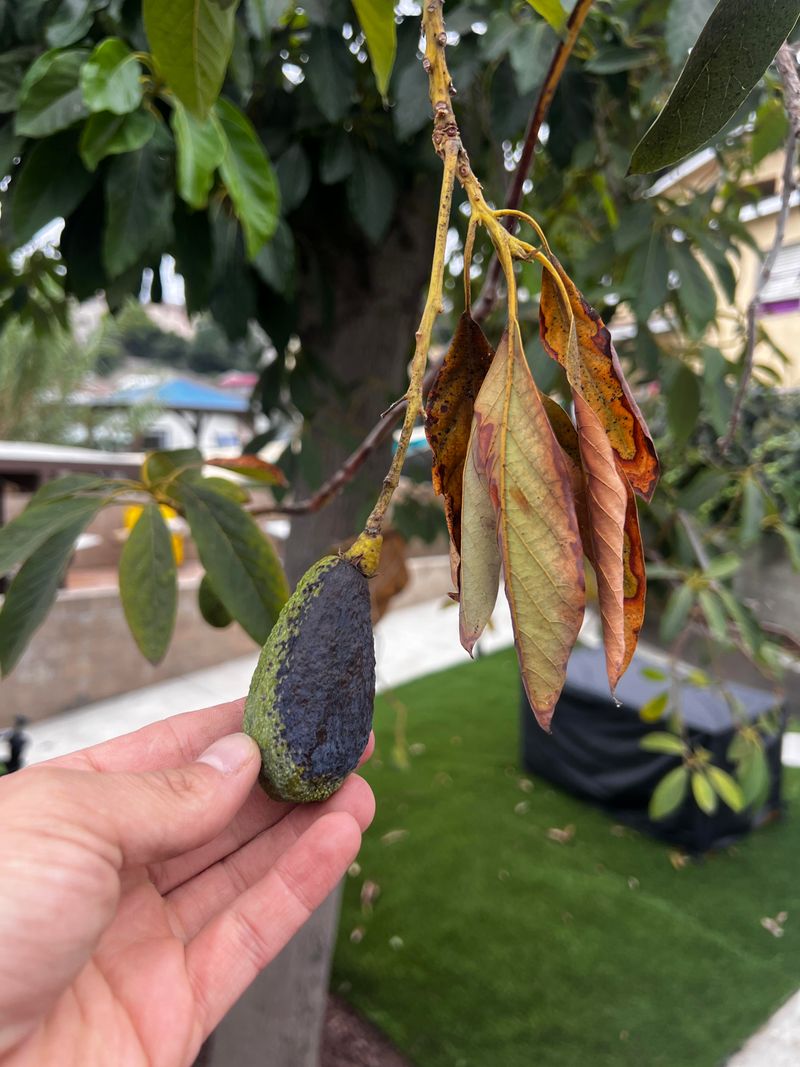
Finding avocados on the ground the morning after a heat wave is heartbreaking for any California grower. But many people do not realize that the fruit drop does not stop when the heat does.
Trees often continue shedding fruit for two to four weeks after temperatures return to normal.
The reason is that the stress response inside the tree does not switch off instantly. When a tree is in survival mode, it produces hormones that trigger fruit drop.
Those hormones keep circulating in the tree’s system even after external conditions improve. The tree is still responding to the stress it experienced days or even weeks earlier.
Fruit that stays on the tree after a heat wave is not always safe either. Many avocados that look fine on the outside have soft, discolored flesh inside from the heat exposure.
They may fall a few weeks later or simply never reach full maturity. Growers sometimes call this invisible heat damage because there is no way to spot it from the outside.
There is not much that can be done to stop post-heat fruit drop once it starts. The best strategy is to focus on keeping the tree healthy enough to hold onto whatever fruit remains.
Consistent moisture, light feeding with a balanced fertilizer after about six weeks, and avoiding any additional stress gives the tree its best shot at saving a portion of the remaining crop for the season.
7. Young Trees Need Shade Before The Next Heat Wave
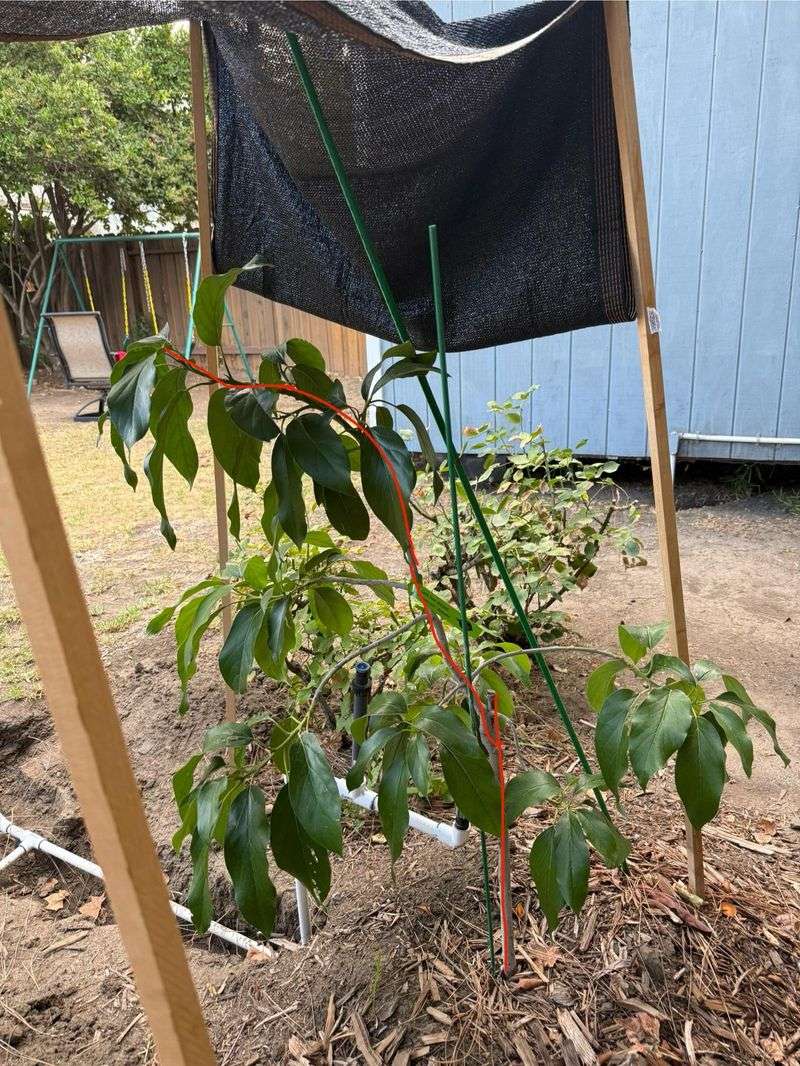
Mature avocado trees have thick canopies and established root systems that give them at least some buffer against extreme heat. Young trees do not have any of that going for them.
A tree that is less than three years old can be seriously set back by even a single severe heat wave, and some never fully recover their early growth momentum.
Young trees have thin bark, small root systems, and limited leaf coverage. Every part of the tree is exposed and vulnerable.
A few hours of temperatures above 105 degrees can cook a young tree from the outside in, damaging bark, roots, and tender new growth all at once.
Shade cloth is one of the most practical tools for protecting young trees. A 30 to 40 percent shade cloth stretched over a simple frame on the west and south sides of the tree can reduce the temperature around the tree by 10 to 15 degrees.
That difference can mean everything during a brutal heat spike.
Set up shade structures before the heat arrives, not during it. Moving around in 110-degree heat is miserable, and the tree needs protection from the very first hot hour of the day.
Keep the cloth on until evening temperatures drop below 90 degrees consistently. Water young trees every day during a heat wave, even if it means a second watering in the late afternoon.
Early protection saves years of regrowth and frustration down the road.
8. Mulch Helps Protect Shallow Avocado Roots
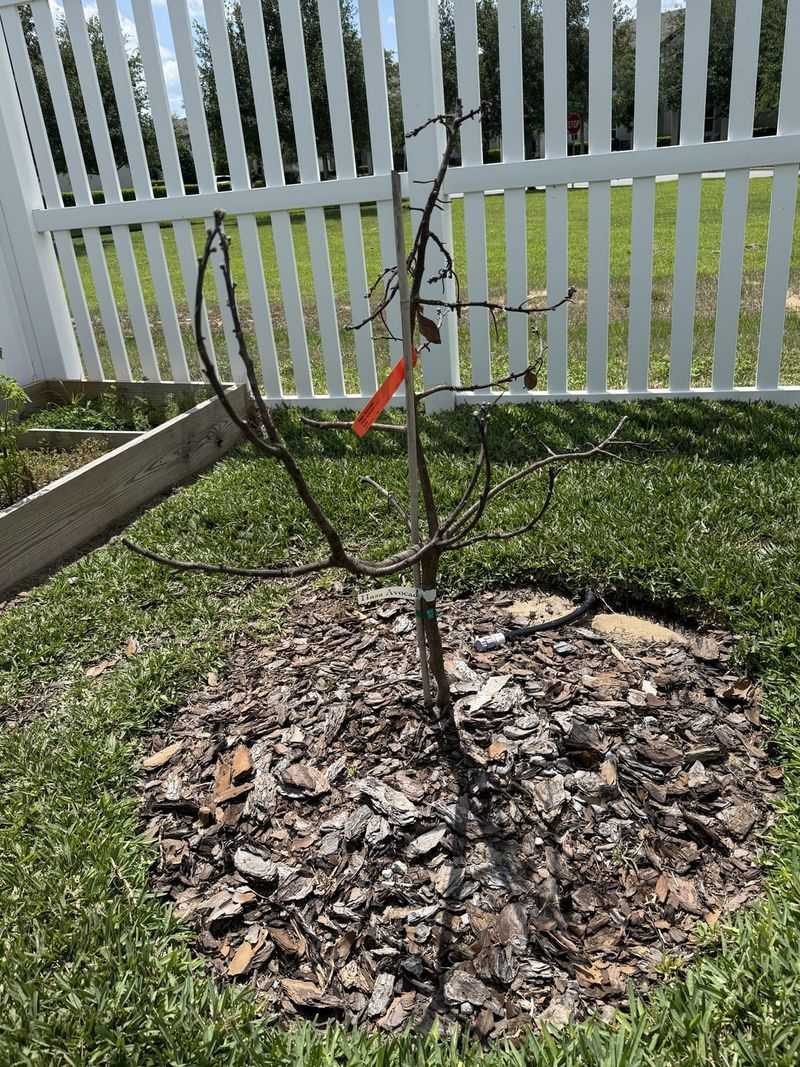
Bare soil in full sun can reach temperatures above 140 degrees Fahrenheit on a hot summer day. That is hot enough to damage or destroy the feeder roots that sit just inches below the surface.
For avocado trees, which rely heavily on those shallow roots, soil temperature is a matter of survival.
A thick layer of mulch acts like a blanket over the root zone, keeping soil temperatures dramatically cooler.
Studies from university extension programs have shown that four to six inches of wood chip mulch can keep soil temperatures 20 to 30 degrees cooler than bare soil during peak heat.
That is a massive difference for shallow roots trying to function during a heat wave.
Mulch also holds moisture in the soil much longer between watering sessions. During a heat wave, soil moisture evaporates quickly from the surface.
Mulch slows that process down and keeps the root zone hydrated even when the air above is scorching hot and dry.
Use coarse wood chips or shredded bark rather than fine mulch or grass clippings. Fine materials can mat together and block water and air from reaching the roots.
Spread the mulch starting about six inches away from the trunk and extending out to the drip line of the canopy or beyond.
Keeping mulch away from the trunk prevents moisture buildup that can lead to crown rot. Refresh the mulch layer every spring before summer heat arrives.
9. Fertilizer Can Push Weak Growth Too Soon
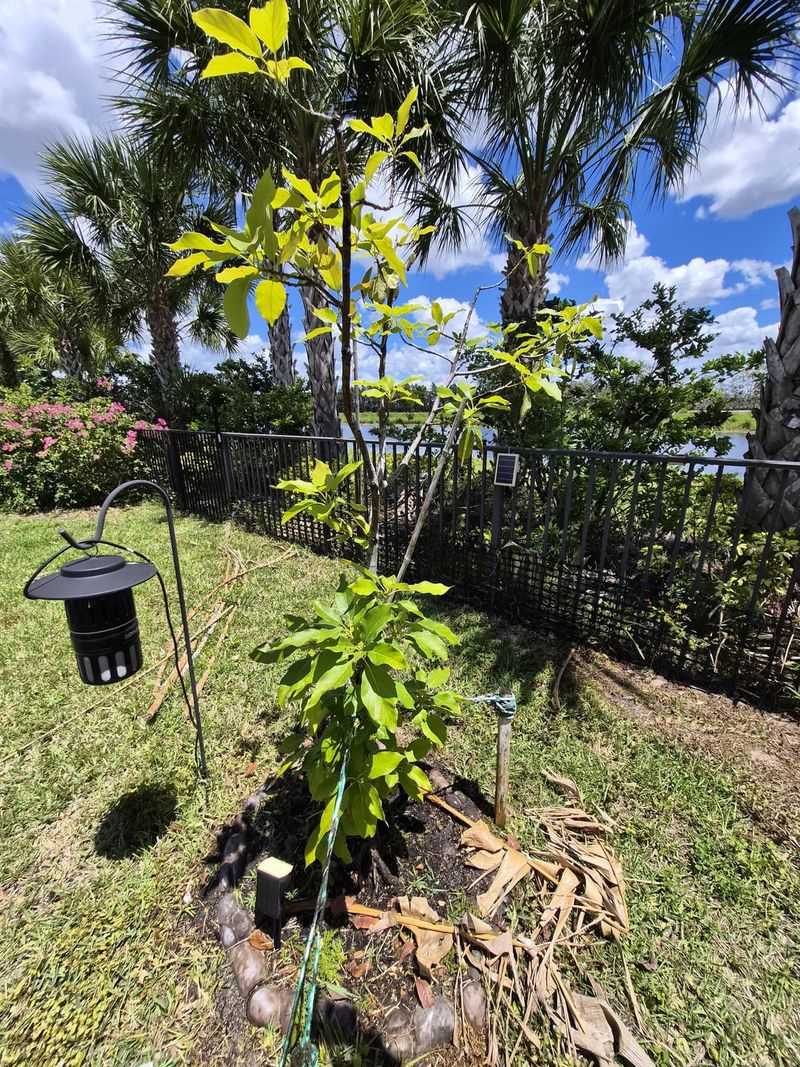
Seeing new leaves pushing out after a heat wave feels like a victory. The tree is alive and trying to recover.
The temptation to feed it right away with fertilizer is completely understandable. But rushing fertilizer onto a heat-stressed avocado tree is one of the most common mistakes growers make during the recovery period.
Fertilizer, especially nitrogen-heavy products, forces the tree to push out rapid new growth.
That sounds helpful, but a stressed tree does not have the root capacity or the energy reserves to support that kind of growth properly.
The new leaves come out pale, thin, and weak. They burn easily in the sun and often drop off before they can do any real good for the tree.
Worse, applying fertilizer to dry or damaged roots can cause fertilizer burn. Salt from the fertilizer builds up in the soil and draws water out of the roots instead of letting the roots absorb water.
This reverse osmosis effect can worsen root damage at exactly the moment the tree needs to be healing.
Wait at least six to eight weeks after a significant heat event before applying any fertilizer. Focus first on restoring consistent soil moisture and protecting the root zone with mulch.
Once the tree shows strong, healthy new growth on its own, it is ready for a light feeding with a balanced, slow-release fertilizer. Let the tree lead the recovery, and support it gently rather than pushing it too hard too soon.