The First 8 Things To Do The Moment Your Tennessee Daylilies Bloom For A Fuller Second Flush
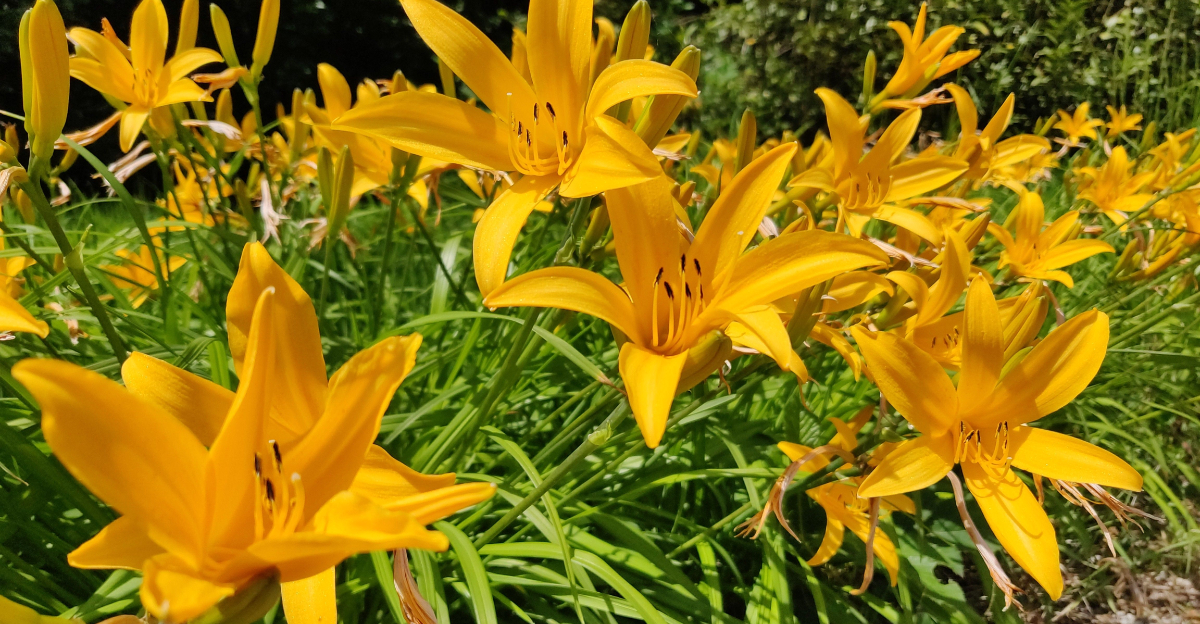
Your Tennessee daylilies are blooming, and the clock is already running. Not to stress you out, but this window matters more than most gardeners realize.
The plant is burning energy fast right now, pushing color and fragrance while quietly deciding whether it has anything left for a second round.
Leave it alone and it will redirect most of its energy into seed production, slow down, and call it a season.
Step in with the right moves and it rebounds, redirects that energy, and blooms again. These eight steps are not complicated, but timing is everything.
Miss this stretch and no amount of late-summer effort makes up for it. Catch it right and your garden stays in the game longer than your neighbors’, which, if we’re being honest, is half the fun.
1. Remove Spent Blooms Every Day
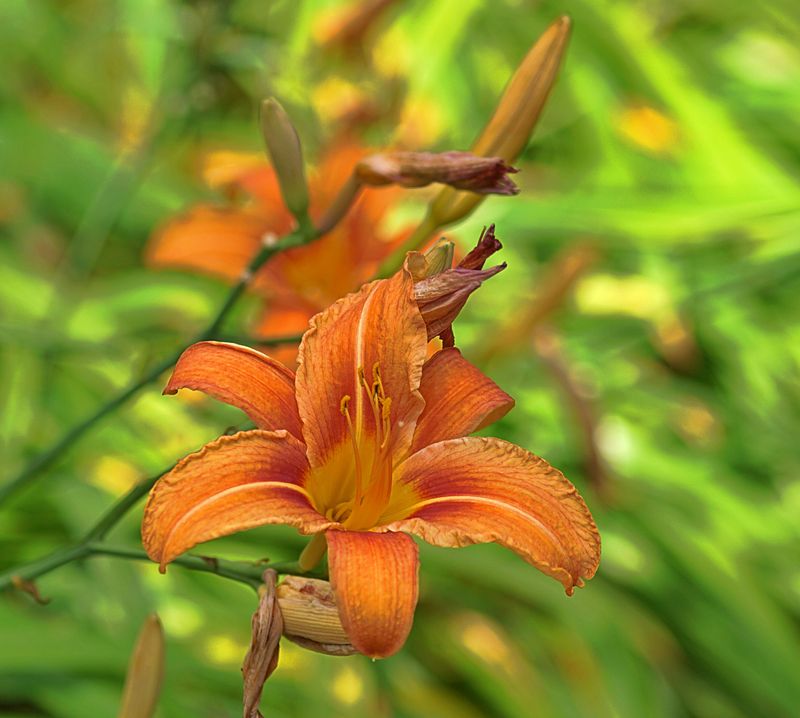
That faded flower hanging off your daylily stem? It needs to go today.
Spent blooms signal the plant to stop producing and start making seeds instead. Your job is to interrupt that signal before it takes hold.
Each daylily flower lasts just one day, which is actually where the name comes from. Once it shrivels, snap it off cleanly at the base of the flower, not the stem.
Do this every single morning while the coffee brews. It takes two minutes and makes a noticeable difference over time.
When you remove spent blooms consistently, the plant keeps pushing out new buds. Your Tennessee daylilies will reward that daily habit with more consistent, longer-lasting color.
Gardeners who skip this step often wonder why their plants slow down mid-season. The answer is almost always seed production stealing energy from blooms.
Seed pods are sneaky. They form quietly at the base of spent flowers, and by the time most gardeners notice them, the plant has already shifted gears.
A quick daily scan keeps you one step ahead. Small, swelling pods should come off just like spent blooms, before the plant has any reason to slow its budding.
Use your fingers or small snips, whichever feels comfortable. The goal is clean removal without tearing the scape or damaging nearby buds.
Think of removing spent blooms as a daily conversation with your garden. You are telling those plants exactly what you want, and they will listen.
2. Cut Spent Scapes Down To The Base
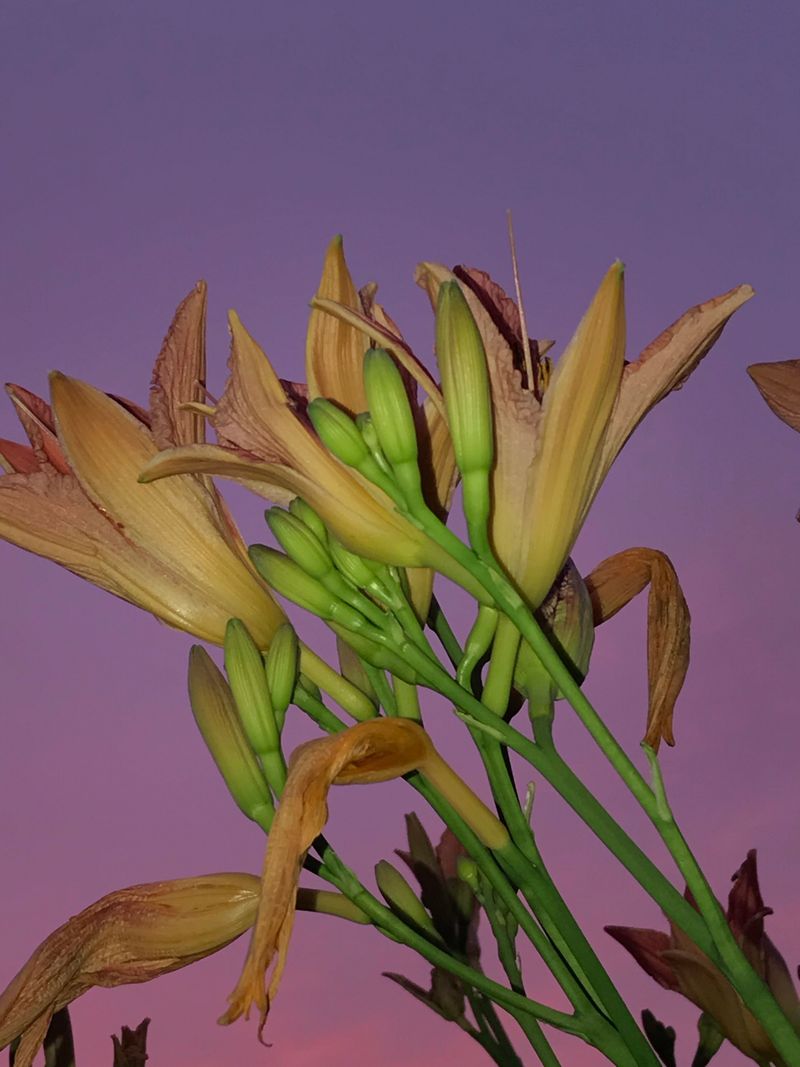
Once every single bud on a scape has opened and finished, that whole stem has done its job.
Cutting it down to the base redirects the plant’s energy back into the root system. Roots that are well-fed now will power the next round of blooms.
Leaving old scapes standing is one of the most common mistakes home gardeners make. Those dry stems look messy and pull resources away from productive growth.
Use clean, sharp pruners to cut the scape as close to the base as possible. Avoid leaving stubs, which can attract pests and slow the plant’s recovery.
A clean cut at the base heals faster and keeps the foliage looking tidy. Your garden will look more intentional and polished almost instantly.
Your Tennessee Garden Changes Every Week. Your Plan Should Too.
Gardening in Tennessee changes quickly throughout the season. Every Friday you’ll receive a simple weekly plan showing exactly what to plant, prune, fertilize, harvest, and protect so you never miss the right timing.
Some gardeners wait until all blooms on a scape finish before cutting. That patience pays off because you want every possible bud to open first.
A finished scape is easy to spot once you know what you are looking for. The top of the stem looks bare, dried out, and slightly shriveled with nothing left waiting in the wings.
Do a slow walkthrough every few days and remove each finished scape as you find it. Staying on top of it prevents the garden from looking ragged and keeps the plant focused on what comes next.
Check each scape carefully before cutting to confirm no buds remain. Even small, tight buds near the top can still open beautifully.
This one step can add meaningful time to your daylily bloom season. A fuller second flush from your Tennessee daylilies starts right here, at the base of a finished scape.
3. Remove Seed Heads Before They Form
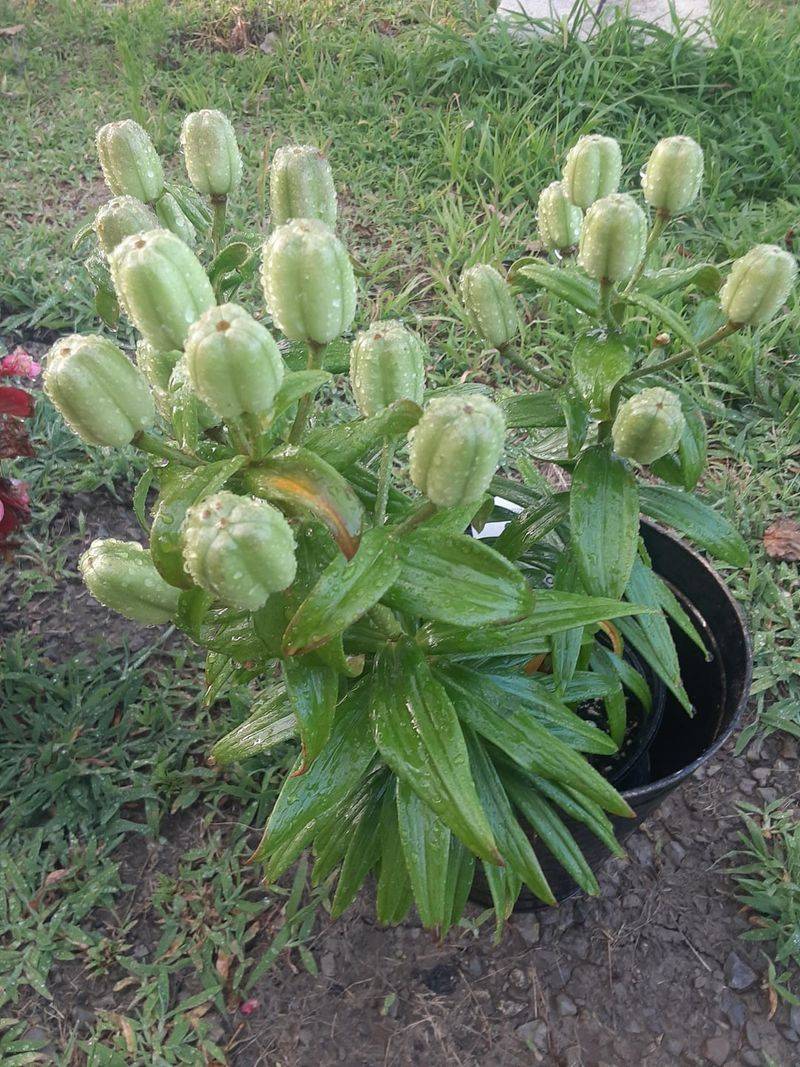
Seed pods are sneaky little energy thieves, and they work fast.
After a flower fades, a small green pod can begin forming almost overnight. That pod pulls enormous resources away from future blooms if you let it grow.
Walk your garden every few days specifically looking for these pods forming at the base of spent flowers. Catching them early is the key to keeping your plants in bloom mode.
Tennessee summers give seed pods every advantage they need to develop fast. Heat and humidity accelerate the whole process, so what looks harmless on Monday can already be drawing energy by Wednesday.
Keep a close eye on any stem where a flower recently dropped. That spot is exactly where a pod quietly starts forming before most gardeners even think to look.
Snap the pods off as soon as you spot them, before they swell and harden. Early removal is much easier and far more effective than waiting.
Plants are wired to reproduce, and seed formation is their top priority once triggered. Your job is to keep redirecting that energy toward making more flowers instead.
Some gardeners save seeds for propagation, which is a fun project for late fall. But mid-bloom season is not the time to let seed heads develop freely.
Removing seed pods consistently tells your daylilies to keep flowering rather than wrapping up for the year. That message matters especially during the peak of a Tennessee summer.
Pair this habit with daily removing spent blooms and scape removal for best results. Together, these three steps form the foundation of a strong, healthy second flush of blooms.
4. Give Your Plants A Light Fertilizer Boost
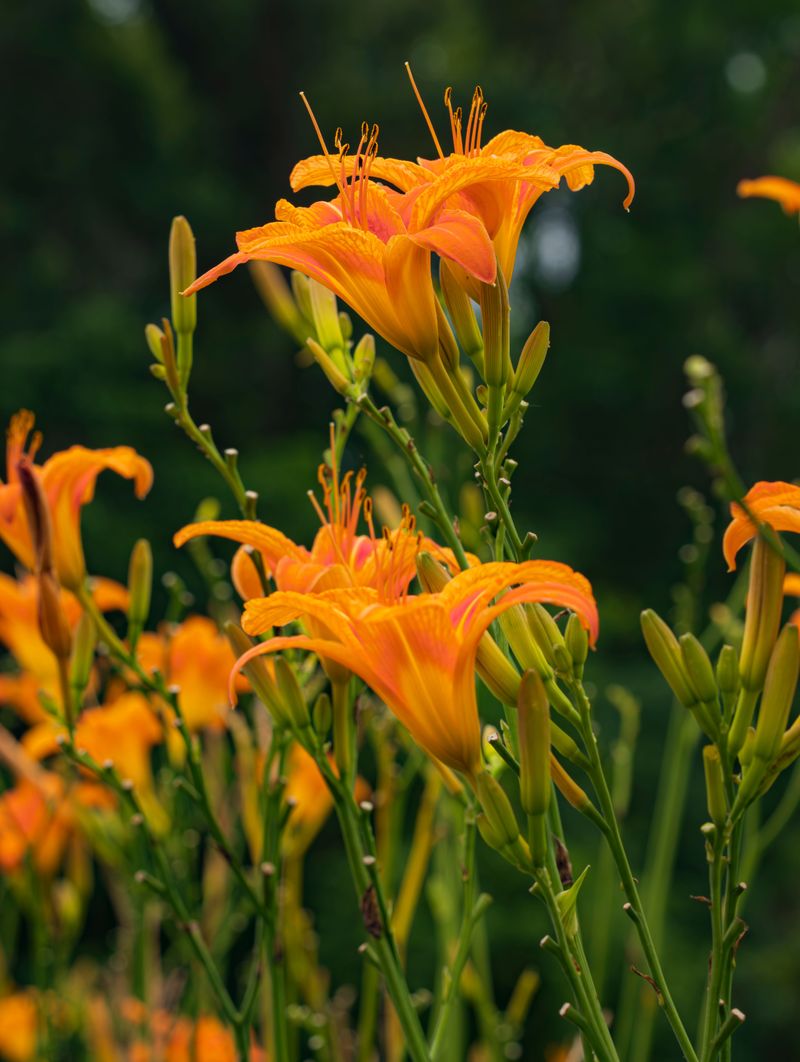
Blooming takes a lot out of a plant, and your daylilies are working hard right now.
A light fertilizer boost right after the first flush begins gives them the fuel to push through and bloom again. Think of it as a mid-season snack, not a heavy meal.
Choose a slow-release fertilizer that is lower in nitrogen and higher in phosphorus to support blooming. A formula like 5-10-5 works well and is easy to find at any garden center.
Apply it sparingly around the base of each plant, keeping it off the foliage. Too much fertilizer can burn roots and actually reduce blooming rather than help it.
Water the area well after applying granular fertilizer to help it absorb into the soil. Dry granules sitting on top of the ground do very little for your plants.
Liquid fertilizers are another solid option if you want faster results. They absorb quickly and can show visible improvement in plant vigor within a week.
Avoid high-nitrogen fertilizers during bloom season because they push leafy growth over flowers. Your goal right now is more blooms, not more leaves.
A well-fed plant has the stamina to produce a second and sometimes even a third flush. Feed your Tennessee daylilies right, and they will absolutely show off for you again.
5. Water Consistently And Deeply
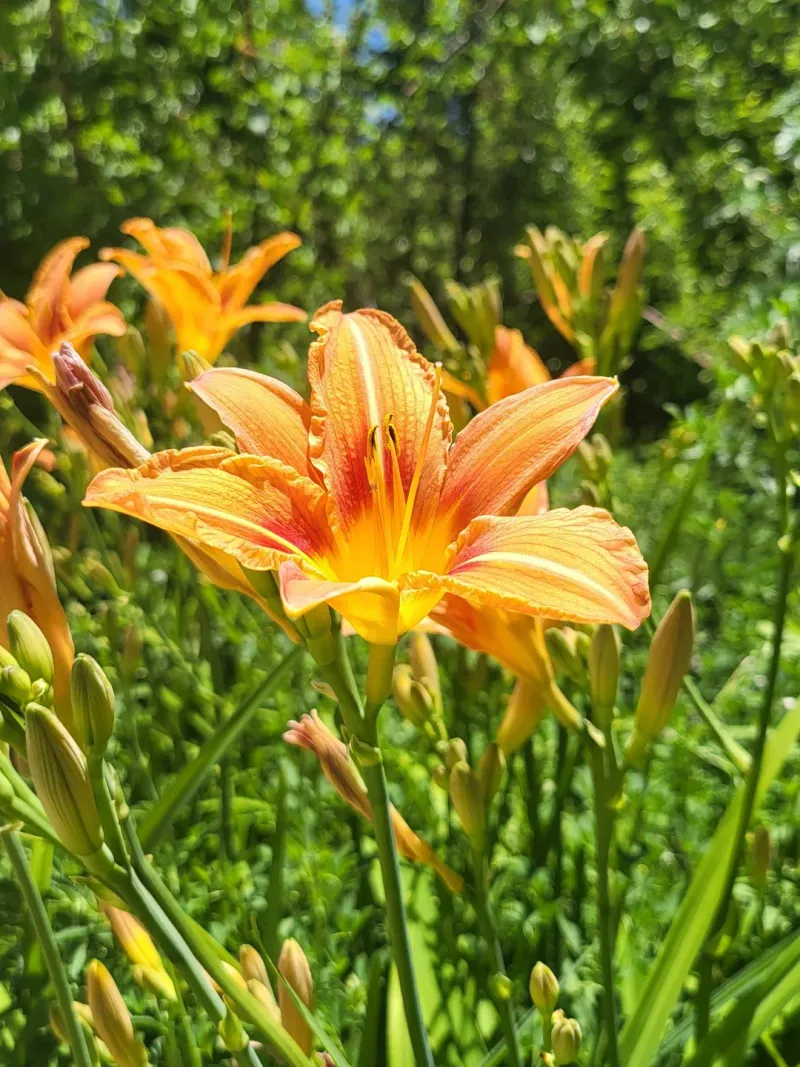
Inconsistent watering is one of the fastest ways to shut down a second flush before it even starts.
Daylilies are tough, but they bloom best when moisture stays steady throughout the growing season. Feast-and-famine watering stresses the plant and delays bud development.
Aim for about one inch of water per week, either from rain or from you. During hot Tennessee summers, that number can climb to one and a half inches without any trouble.
Deep watering encourages roots to grow down into cooler soil layers. Shallow watering keeps roots near the surface where they suffer most during heat waves.
Water slowly and let it soak in rather than running off across the surface. A slow trickle for twenty minutes beats a fast blast for five every single time.
Check the soil moisture by pushing a finger about two inches into the ground. If it feels dry at that depth, it is time to water again.
Mulch helps hold moisture between watering sessions, which makes your whole routine easier. Paired with deep, consistent watering, mulch can cut your garden maintenance time significantly.
Plants that receive steady hydration during blooming produce fuller, longer-lasting flowers. Consistent watering is one of the simplest gifts you can give your Tennessee daylilies for a stronger second flush.
6. Water At The Base, Not Overhead
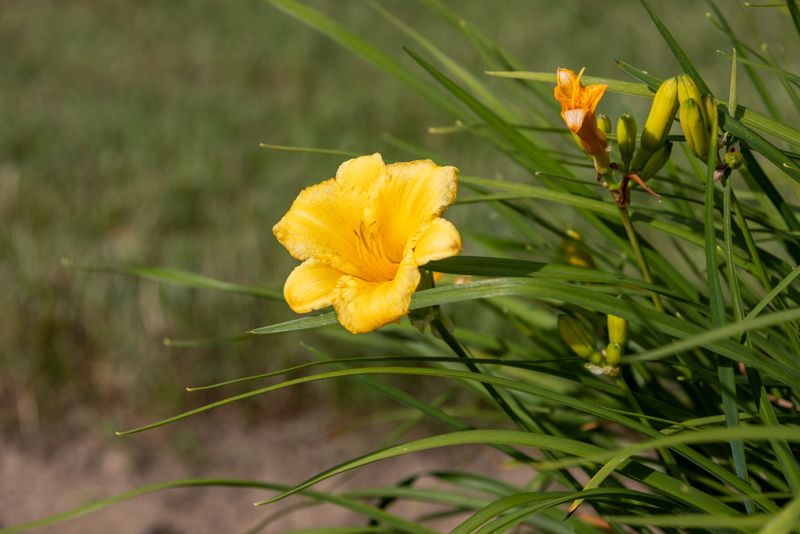
Spraying water over the top of your daylilies feels satisfying, but the blooms do not agree.
Overhead watering soaks the flowers and foliage, creating conditions that welcome fungal problems. Wet petals also bruise easily and drop faster than they should.
Directing water at the soil level keeps the leaves dry and the roots happy. That simple change keeps each bloom looking its best for as long as naturally possible.
Soaker hoses and drip irrigation are ideal tools for base watering. They deliver moisture exactly where it is needed without splashing the stems or saturating the flower heads.
If you use a regular hose, hold the nozzle low and aim directly at the soil. Move slowly around each plant to ensure even coverage without touching the foliage.
Morning is the best time to water because any accidental splash has time to dry before nightfall. Wet foliage sitting overnight creates the perfect environment for mold and mildew to develop.
Evening watering is the least preferred option, especially during humid Tennessee summers. Humidity plus wet plants overnight is a recipe for fungal trouble that can spread quickly through a garden bed.
Changing where your water lands might feel like a small adjustment, but the results are noticeable. Healthier foliage and longer-lasting blooms are the natural reward for watering with intention.
7. Refresh The Mulch Around Your Plants
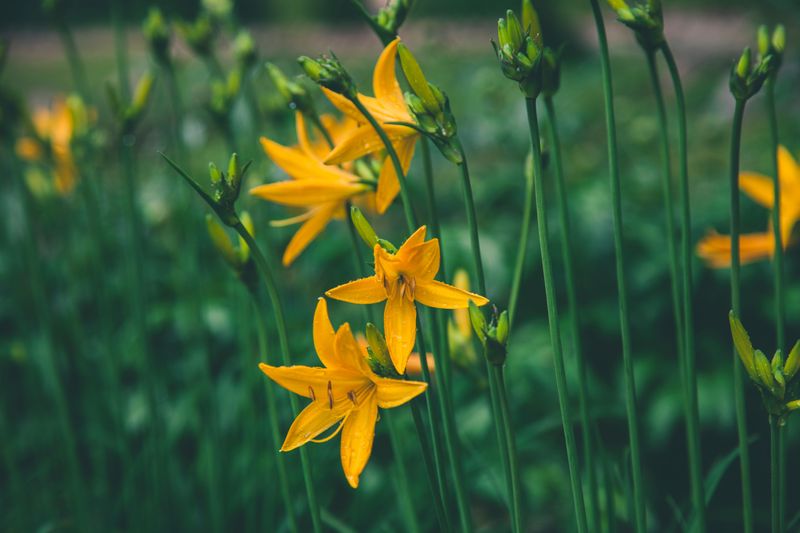
Mulch is one of the most underrated tools in a summer garden, and most people stop thinking about it after spring planting.
By the time your daylilies bloom, the mulch layer has likely thinned out from rain, heat, and foot traffic. A quick refresh now pays off in a big way through the rest of the season.
Fresh mulch regulates soil temperature, keeping roots cooler during scorching summer afternoons. Cooler roots mean a calmer, more productive plant that blooms with more energy.
Aim for a two-to-three-inch layer of mulch around each plant, keeping it a few inches away from the base stems. Mulch piled directly against the stems can trap moisture and encourage rot.
Shredded bark, wood chips, and pine straw all work well around daylilies. Choose whatever is locally available and affordable in your area.
Beyond temperature control, mulch also suppresses weeds that compete for nutrients and water. Fewer weeds mean your plants get more of everything they need to bloom fully.
Refreshing the mulch also gives your garden beds a clean, polished look that makes the blooms pop visually. A tidy bed just feels more inviting and rewarding to tend.
Your Tennessee daylilies are working hard to give you a second flush of color. Fresh mulch is one of the easiest ways to support that effort with minimal time and cost.
8. Pull Off Yellowing And Damaged Foliage
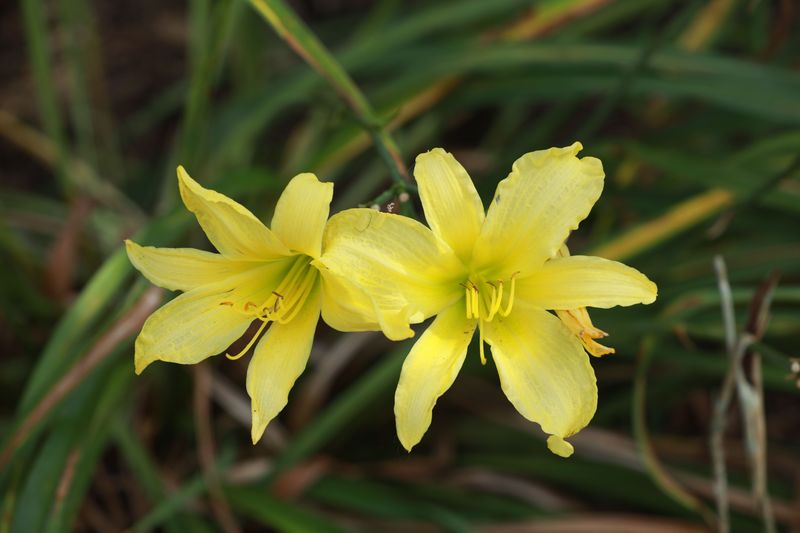
Yellow leaves on a daylily are not just an eyesore, they are a signal worth paying attention to.
Some yellowing is completely normal as older leaves age out and fade away naturally. The problem comes when you leave that damaged foliage attached and let it drag down the plant’s overall health.
Gently pull yellowing leaves away from the base with a firm downward tug. Most of the time they release cleanly without any tools required.
If a leaf resists, use small scissors or pruning snips rather than yanking hard. Tearing foliage can open wounds that invite pests and disease into an otherwise healthy plant.
Damaged or browning leaf tips can also be trimmed back to the nearest healthy green section. This keeps the foliage looking sharp and stops any spreading damage in its tracks.
Removing weak foliage improves air circulation around the base of the plant. Better airflow reduces the chances of fungal issues taking hold during humid summer weather.
Healthy-looking plants also attract less pest pressure than struggling ones. Pests tend to target stressed, weakened growth first, so keeping your plants clean and tidy is a form of protection.
A tidy, well-groomed plant puts its energy into blooming, not maintaining damaged tissue. Pulling off that yellow foliage is one of the final pieces of the puzzle for coaxing a fuller second flush from your Tennessee daylilies.