7 Reasons Why Ohio Yards See Twice As Many Monarchs With This One Shrub
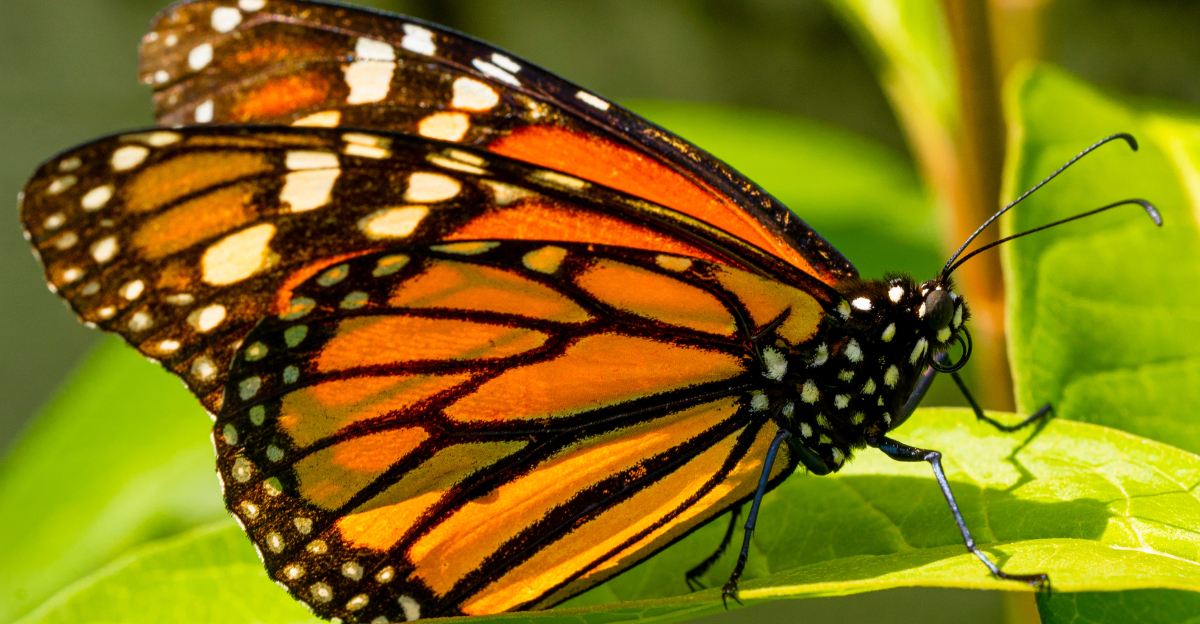
Ohio monarch gardeners plant milkweed. They wait. They watch. And then they spend most of August wondering why the yard still feels quiet compared to what they expected.
Milkweed is essential. That part is not in dispute. But it only solves half the problem.
Adult monarchs need fuel. Enormous amounts of it. They are preparing for a journey of thousands of miles, and they need nectar-rich plants at every stop along the way.
A yard that grows milkweed but skips the nectar sources is a halfway house without a kitchen.
One Ohio-native shrub changes the calculation in a way that many gardeners have never heard about.
It blooms at exactly the right time, grows in exactly the conditions where other plants refuse to cooperate, and produces the kind of nectar that monarchs actively seek out during migration.
So, if you noticed that some Ohio yards seem to attract monarchs all season long while others only get occasional visitors, this shrub is usually the reason.
It is not rare. It is not difficult to find. And it thrives in the spots many gardeners have given up on.
1. Its Flowers Produce The Kind Of Nectar Monarchs Actively Seek Out
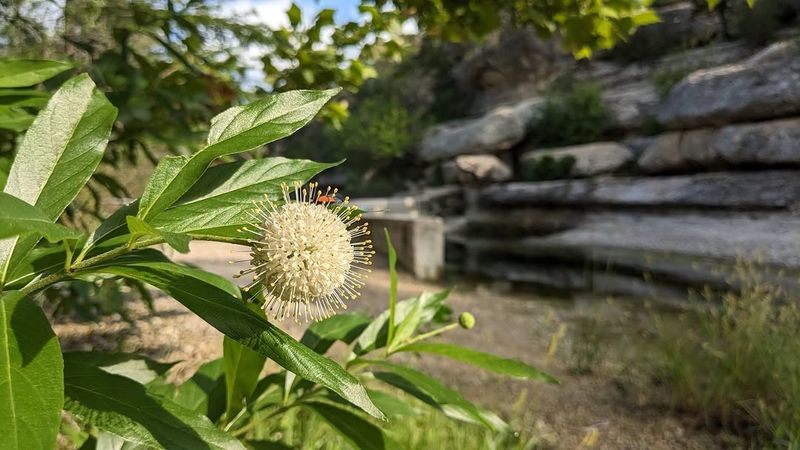
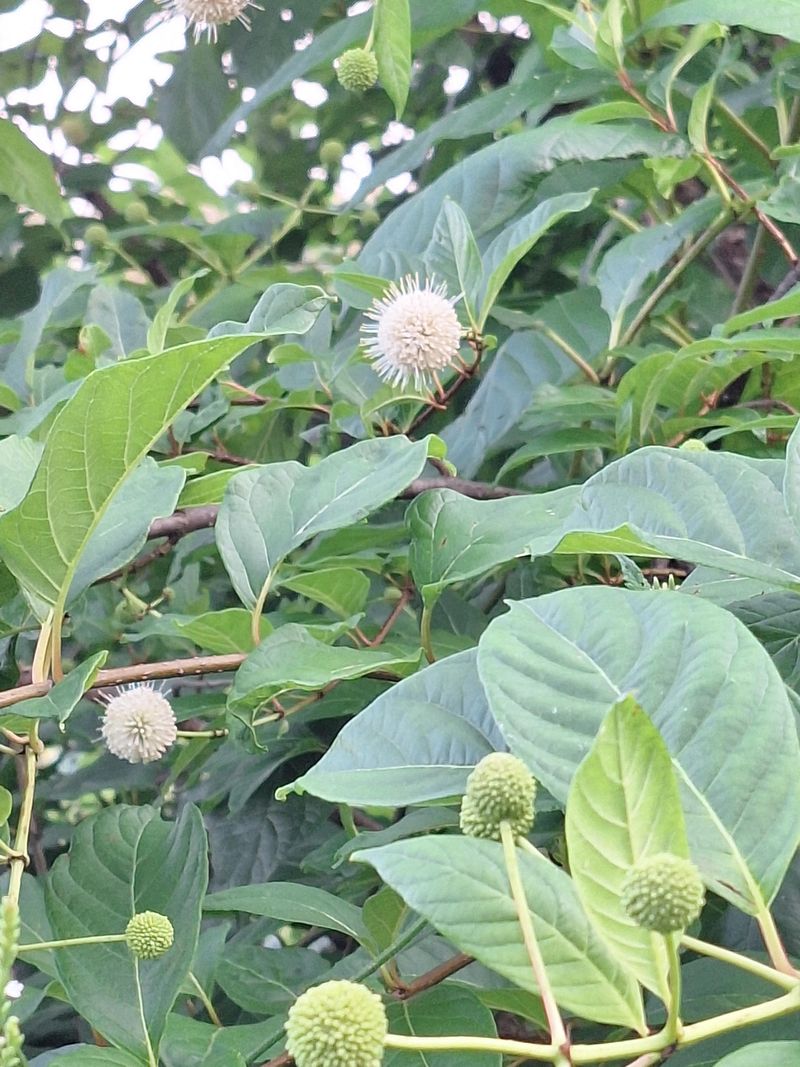
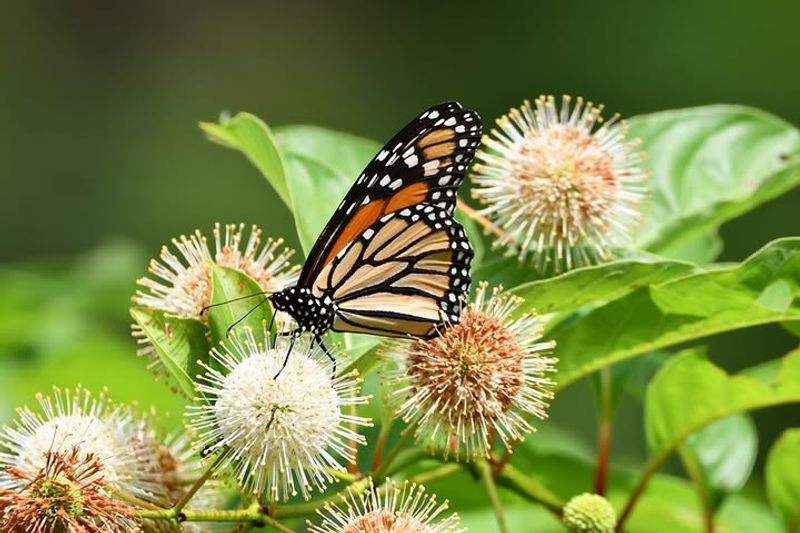
Walk past a buttonbush in peak bloom and it announces itself before you see it. The sound comes first. A consistent, low hum from every direction as bees, skippers, and monarchs crowd those spiky white globe flowers like they found the only reliable meal for miles.
That response is earned.
Buttonbush flowers from roughly late June through August in Ohio, landing almost perfectly at the start of the monarch southward movement.
Monarchs need high-quality nectar to build the fat reserves that fuel their journey to Mexico. Buttonbush delivers that energy at exactly the right moment in the seasonal calendar.
The globe-shaped flower heads consist of dozens of tiny individual florets, each accessible and nectar-rich.
Monarchs have long proboscises designed for tubular flowers, and the open floret structure of buttonbush makes feeding fast and efficient.
There is no struggle for the reward here. The plant makes it easy, and monarchs respond to that generosity by coming back.
Unlike ornamental shrubs that look appealing but offer pollinators little nutritional value, buttonbush is a native plant that evolved alongside Ohio’s butterfly population. Its nectar chemistry is something local insects and butterflies recognize and seek out.
That recognition means repeat visits. A monarch passing through your yard on a warm August afternoon is far more likely to stop, feed, and linger when buttonbush is part of the landscape.
More stops. Longer visits. More sightings for you. That is the simple arithmetic of planting the right thing at the right time.
2. A Nectar Station Next To Milkweed Serves Monarchs
Milkweed gets the headlines, and it deserves them. Monarch caterpillars can only develop on milkweed.
Without it, there is no reproduction and no next generation. But milkweed alone does not make a yard a true monarch destination.
Adult monarchs need nectar to survive. They need it before laying eggs, while laying eggs, and especially after the breeding season ends and migration begins in earnest.
Your Ohio Garden Changes Every Week. Your Plan Should Too.
Gardening in Ohio changes quickly throughout the season. Every Friday you’ll receive a simple weekly plan showing exactly what to plant, prune, fertilize, harvest, and protect so you never miss the right timing.
A yard offering milkweed without quality nectar nearby is offering shelter without food. It helps, but not enough to keep monarchs around.
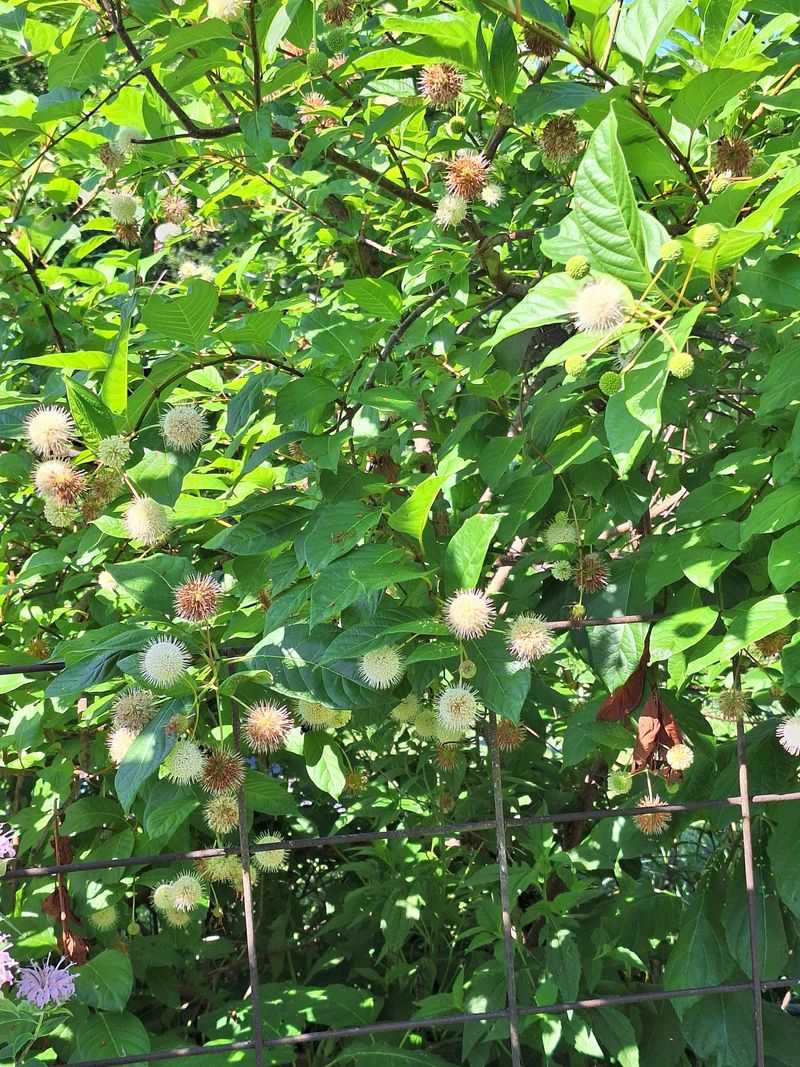
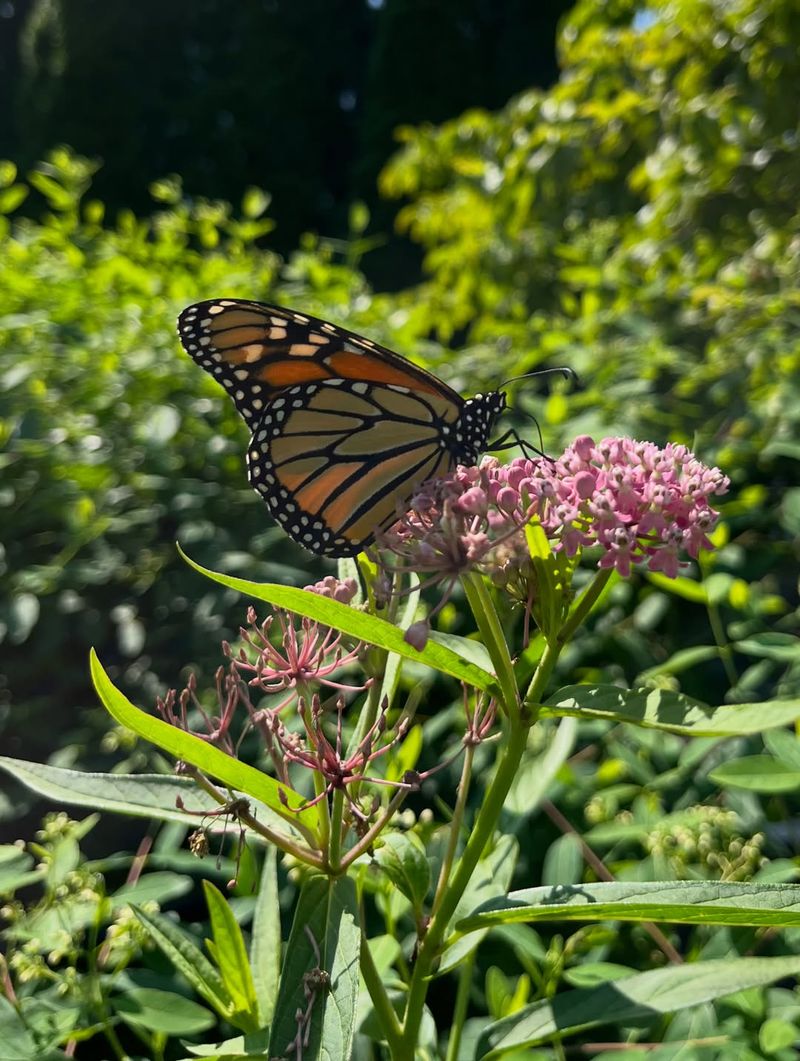
Planting buttonbush within close range of a milkweed patch creates a two-part system serving monarchs at every stage of their Ohio visit.
A female monarch can feed on buttonbush nectar, gain energy, and move a short distance to lay eggs on nearby milkweed. That convenience matters to a butterfly burning calories continuously on a long journey.
The habitat overlap is also natural. Buttonbush grows in moist, sunny environments where common milkweed and swamp milkweed also thrive.
Planting them together does not require creative soil management or irrigation workarounds. It mirrors how these species interact in natural Ohio floodplains and stream edges.
The closer the nectar source sits to the milkweed, the more time monarchs spend in that general area. More time in one area means more eggs laid, more caterpillars developing, and more monarchs completing their full cycle in your yard.
Milkweed is the foundation. Buttonbush is what makes monarchs want to stay long enough to use it.
3. It Becomes A Visible Pollinator Stop Monarchs Can Find From A Distance
Monarchs do not wander randomly across Ohio. They use visual cues including large masses of color and plant structure to locate nectar sources while moving through unfamiliar territory.
One buttonbush in a corner does something useful. A clump of three or four does something that registers from a distance.
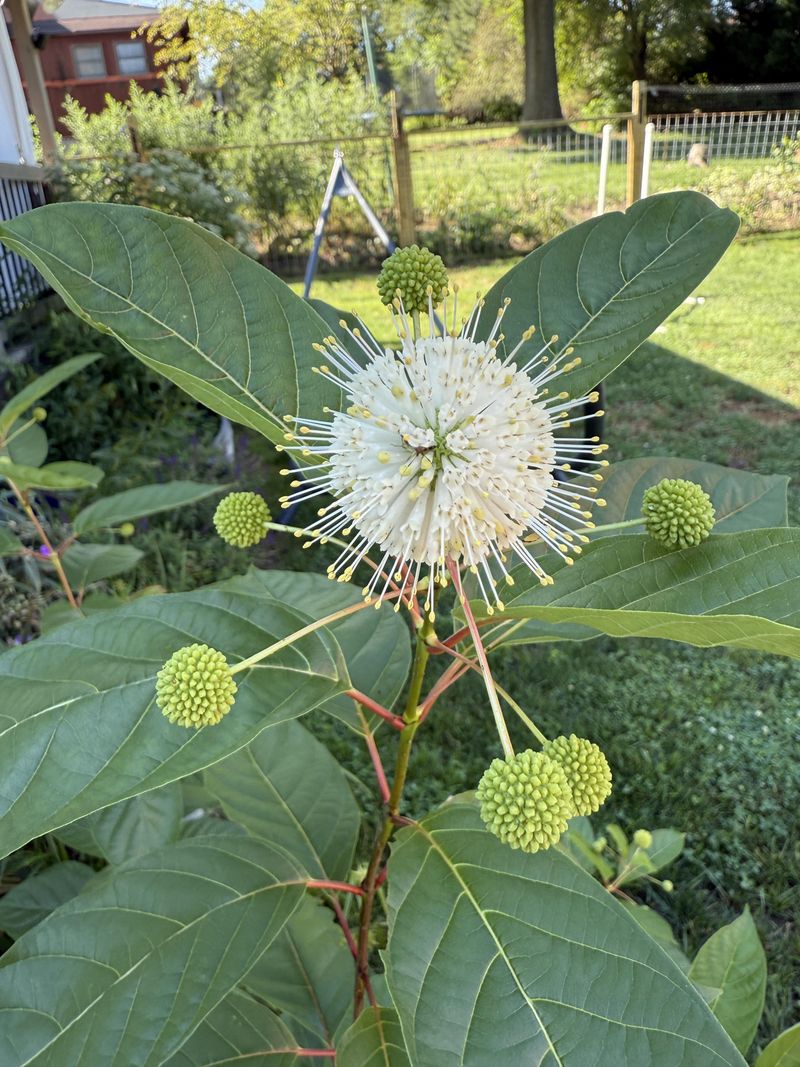
When buttonbush is grouped together, the combined mass of white globe flowers becomes a visible signal in the late-summer landscape. A single shrub is a suggestion. A cluster is an announcement.
Monarchs flying along Ohio ridge lines, river corridors, and suburban edges are scanning the landscape constantly for dependable food. A dense, blooming shrub cluster stands out in a way that isolated plants cannot.
Sunny placement amplifies the effect significantly. Buttonbush grows naturally along stream banks where it receives full to partial sun.
In a yard, choosing a spot with at least six hours of direct sunlight encourages stronger flowering and higher nectar production. More flowers means more nectar, and more nectar means longer monarch visits with a higher chance of return.
Spacing three shrubs roughly five to six feet apart gives each plant room to fill out while creating a unified planting that reads as one habitat feature rather than three separate plants.
Within two to three seasons, a well-placed buttonbush clump becomes the most active pollinator spot in the neighborhood.
The neighbors will ask. Have a good answer ready.
4. Pairing With Late Bloomers Keeps Fuel Available Through The Migration Window
Buttonbush blooms in summer, but monarch migration through Ohio stretches from late July into October. No single plant sustains that entire window.
The real strength of buttonbush comes from how naturally it fits into a layered planting plan that keeps nectar flowing from midsummer through the last warm days of fall.
Pair buttonbush with tall goldenrod, ironweed, and New England aster and the yard becomes a relay system with overlapping bloom windows covering the full migration season.
Goldenrod and ironweed peak in August and September. New England aster carries monarchs into October. Buttonbush hands off to both with timing that feels deliberate even when it is simply the natural sequence of native plants doing what they do.
Pollinator habitat guides consistently highlight goldenrod and native asters as critical late-season monarch fueling plants.
When these grow near buttonbush, the whole planting becomes a destination rather than a one-time stop. A monarch that finds reliable nectar in early August may return to the same area repeatedly before heading south.
Layering bloom times also supports the broader community of pollinators sharing the migration corridor with monarchs.
Bumblebees, native wasps, and migrating hummingbirds all benefit from the same sequence of native blooms.
Buttonbush anchors the summer section of that sequence in a way few other Ohio-native shrubs can match.
A yard with a well-timed nectar sequence is a yard that monarchs remember. Whether butterflies actually remember is a separate scientific discussion, but the repeat visits suggest they have strong opinions about the answer.
5. It Rewards Yards That Keep Pesticides Away From The Nectar Plants Around It
Planting buttonbush is the right first step. What happens in the surrounding yard determines how much good it actually does.
Pesticides, including insecticides and certain herbicides, reduce the effectiveness of any nectar garden by harming the insects drawn to it.
Monarchs are particularly sensitive to systemic insecticides that absorb into plant tissue and appear in nectar. A butterfly feeding on a treated plant may take in doses that affect navigation, reproduction, or the ability to complete migration.
Neonicotinoids are a well-documented concern in this area. Research across the Midwest has found that these systemic chemicals can persist in soil and plant tissue well after application.
The effect is invisible to the gardener but measurable in the butterflies feeding nearby.
Keeping buttonbush and its neighboring nectar plants free from pesticide exposure is one of the highest-impact choices an Ohio yard can make for monarch support.
This does not mean accepting pest damage without response. It means choosing targeted, low-impact approaches when problems appear and avoiding broad-spectrum sprays near pollinator plants during bloom periods.
Buttonbush rarely needs chemical support anyway. It handles wet soil, seasonal flooding, and Ohio winters with minimal fuss. A shrub that thrives without intervention stays clean and safe for every monarch that visits it.
A healthy, untreated buttonbush in full bloom is exactly what a monarch needs in August. No additives. No side effects. Just nectar.
The shrub does not need help. The monarchs definitely do not need interference.
6. Wet Spots That Offer Monarchs Nothing Become Productive Habitat
Every Ohio yard has a problem spot. The corner that stays waterlogged after heavy rain. The low area near the downspout that never fully dries out. The edge of a backyard pond where every plant attempt has ended in disappointment.
Most homeowners gravel it and give up. Buttonbush turns it into some of the most productive pollinator habitat on the entire property.
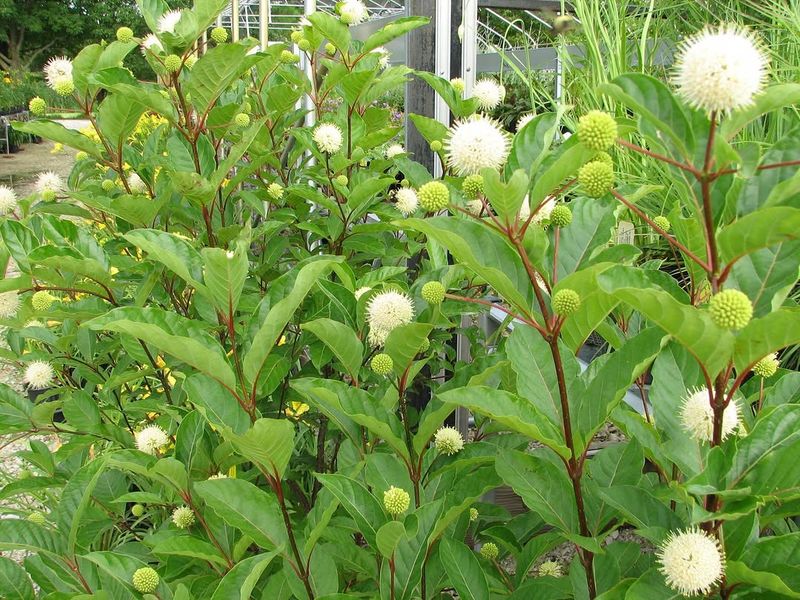
Cephalanthus occidentalis is a wetland-adapted native that grows naturally along Ohio stream banks, pond margins, and floodplain edges.
Its roots tolerate standing water for extended periods, a tolerance that very few flowering shrubs share. Planting it in a wet area is not making the best of a difficult situation. It is putting the right plant in exactly the right place.
From a monarch perspective, this matters because it expands the total amount of useful habitat without requiring irrigation, soil amendment, or ongoing maintenance.
A wet corner that previously produced nothing but weedy grass can become a flowering nectar station by midsummer with one well-chosen shrub.
Native plant habitat guidance consistently encourages matching plants to existing site conditions rather than engineering conditions to suit plants. Buttonbush is locally native, wildlife-valuable, and low-maintenance once established.
Turning a problem spot into a productive one is one of the more satisfying experiences in gardening.
The wet corner you ignored for years has been waiting for exactly this plant.
7. Native Habitat Built Around This Shrub Keeps Supporting Monarchs
The most honest thing anyone can say about monarch conservation in a home yard is that it requires less doing and more allowing.
Monarchs do not need a manicured garden. They need a stable, reliable patch of native plants that shows up year after year without chemical interference.
Buttonbush was built for exactly that role.
Once established, usually within two to three growing seasons, buttonbush requires almost no ongoing intervention. No trimming. No staking. No winter protection in Ohio’s hardiness zones.
It leafs out in spring, blooms through summer, produces seed heads that birds feed on through fall and winter, and waits quietly for the next season.
That cycle repeats reliably for decades without asking much in return.
Surrounding buttonbush with other low-maintenance natives like swamp milkweed, Joe-Pye weed, and cardinal flower creates a self-sustaining habitat layer that improves every season.
Native plants build soil health, support beneficial insects, and reduce watering needs as their root systems establish. The whole system leans toward resilience rather than dependence on gardener input.
For Ohio homeowners who want to genuinely help monarchs without committing to hours of weekly garden work, this is the realistic and effective answer. Plant it thoughtfully. Let it settle in. Step back.
The monarchs, bees, and birds will find it. Your role shifts from maintenance to observation.
Watching a buttonbush hum with activity on a warm August morning is one of the quieter, more satisfying things an Ohio yard can offer. It requires no effort to enjoy once the right plant is in the ground.