The Most Stunning Underrated Pennsylvania Native That Solves The Impossible Dry Shade Problem Once And For All
Dry shade is the problem Pennsylvania gardeners bring up most often when they have genuinely run out of ideas.
It is the combination of conditions that defeats the longest plant lists and the most determined gardeners, low light competing with tree roots for every drop of available moisture in soil that compacts and dries out faster than almost anything planted in it can adapt to.
Most advice for dry shade circles through the same short list of options that manage the situation without really solving it.
There is a Pennsylvania native that actually solves it, moving into dry shaded ground with the kind of easy confidence that comes from being built for exactly those conditions.
It fills in, spreads gradually, looks genuinely beautiful in a naturalistic way, and comes back each year more established than the last. Pennsylvania gardeners who have put it in their most difficult spots describe it as the first thing that has ever actually worked there.
Meet Pennsylvania Sedge
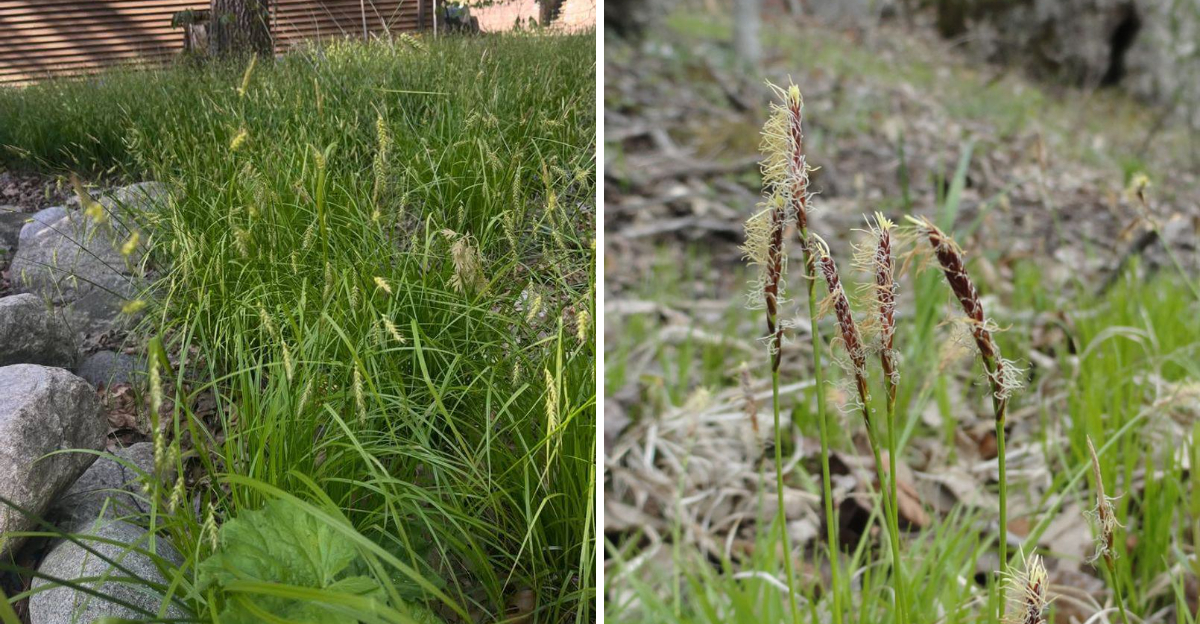
Walk through any Pennsylvania woodland and you might spot a soft, low carpet of grass-like plants hugging the forest floor. That is Pennsylvania Sedge, and it is one of the most useful native plants you have probably never tried in your garden.
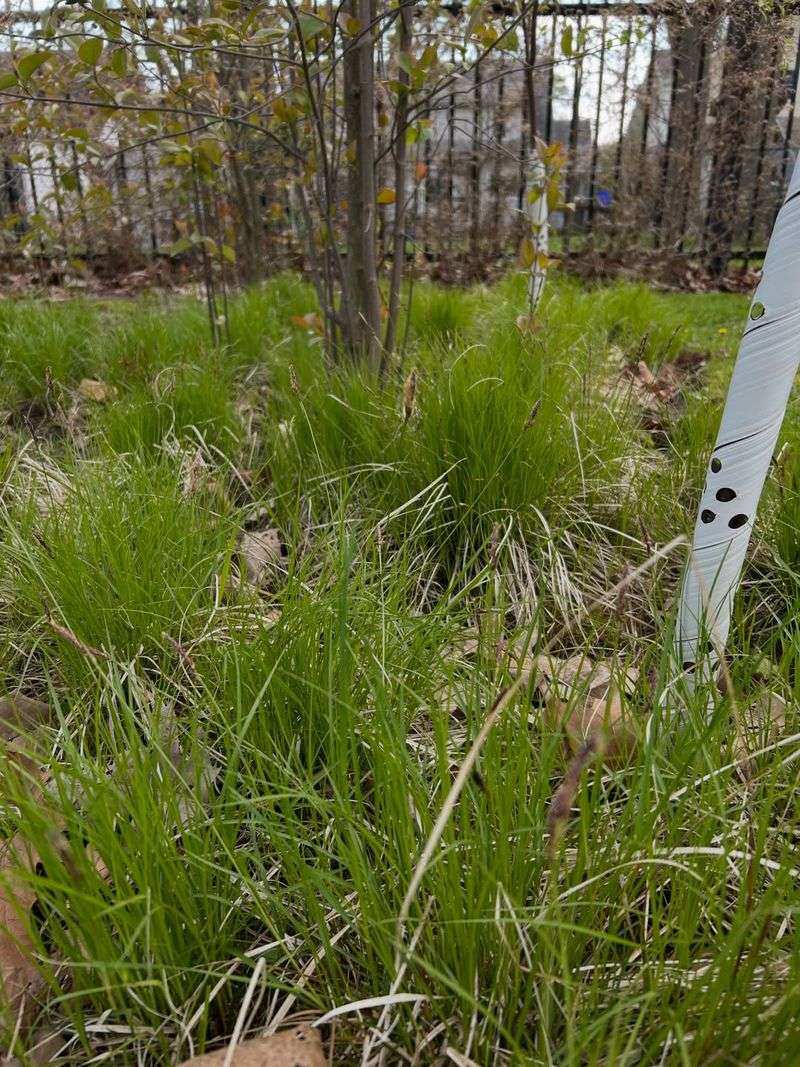
Carex pensylvanica grows only about six to twelve inches tall, spreading slowly outward to form a smooth, even mat of fine green foliage.
Unlike traditional lawn grass, Pennsylvania Sedge does not need full sun to look its best. It actually prefers the kind of shaded, dry ground that sits beneath large oak trees, maples, or dense shrubs.
Most homeowners struggle with these spots for years, trying one plant after another without success. Pennsylvania Sedge steps right in and fills that space beautifully.
Gardeners who grow it often say it feels like discovering a secret weapon. The plant is native to the eastern United States, which means it evolved alongside Pennsylvania’s climate, soil, and wildlife.
It is perfectly adapted to local conditions without needing any extra help from you. Because it is a true native, it supports the local ecosystem in ways that non-native plants simply cannot match.
Starting with Pennsylvania Sedge is easy. You can plant it from plugs or small pots in spring or fall. Space plants about six to twelve inches apart and let them spread naturally over time.
Within two to three growing seasons, you will have a lush, green groundcover that looks polished and natural all at once. For shaded areas that have stumped you for years, this plant is a genuine game changer.
Adapted To Dry Shade
Most plants look at dry shade and give up before they even get started. Low light combined with dry soil is one of the toughest combinations a gardener can face.
Roots from large trees suck up nearly all the moisture in the soil, leaving almost nothing behind for other plants. Pennsylvania Sedge, however, was literally built for this challenge.
In the wild, this plant grows naturally under the canopy of oak and hickory forests, where sunlight barely reaches the ground and rainfall gets intercepted by the leaf cover above.
Your Pennsylvania Garden Changes Every Week. Your Plan Should Too.
Gardening in Pennsylvania changes quickly throughout the season. Every Friday you’ll receive a simple weekly plan showing exactly what to plant, prune, fertilize, harvest, and protect so you never miss the right timing.
Over thousands of years, it developed deep, fibrous roots that are remarkably good at finding and holding onto whatever moisture exists in the soil. Once established, it can handle extended dry spells without showing signs of stress.
You do not need to water it constantly after the first season. During the first year, give it a good soaking once or twice a week to help it settle in.
After that, nature usually takes care of the rest. Even during hot Pennsylvania summers, established plants bounce back quickly after a rain without needing any intervention from you.
Shade tolerance is another big strength. Pennsylvania Sedge handles everything from deep shade under dense tree canopies to partial shade along the edges of wooded areas.
It even manages in spots that get just a few hours of filtered morning sun. Few groundcovers offer that kind of flexibility.
For gardeners dealing with those frustrating dark, dry corners that seem impossible to fill, this plant brings a real sense of relief and lasting results.
Dense, Weed-Suppressing Growth
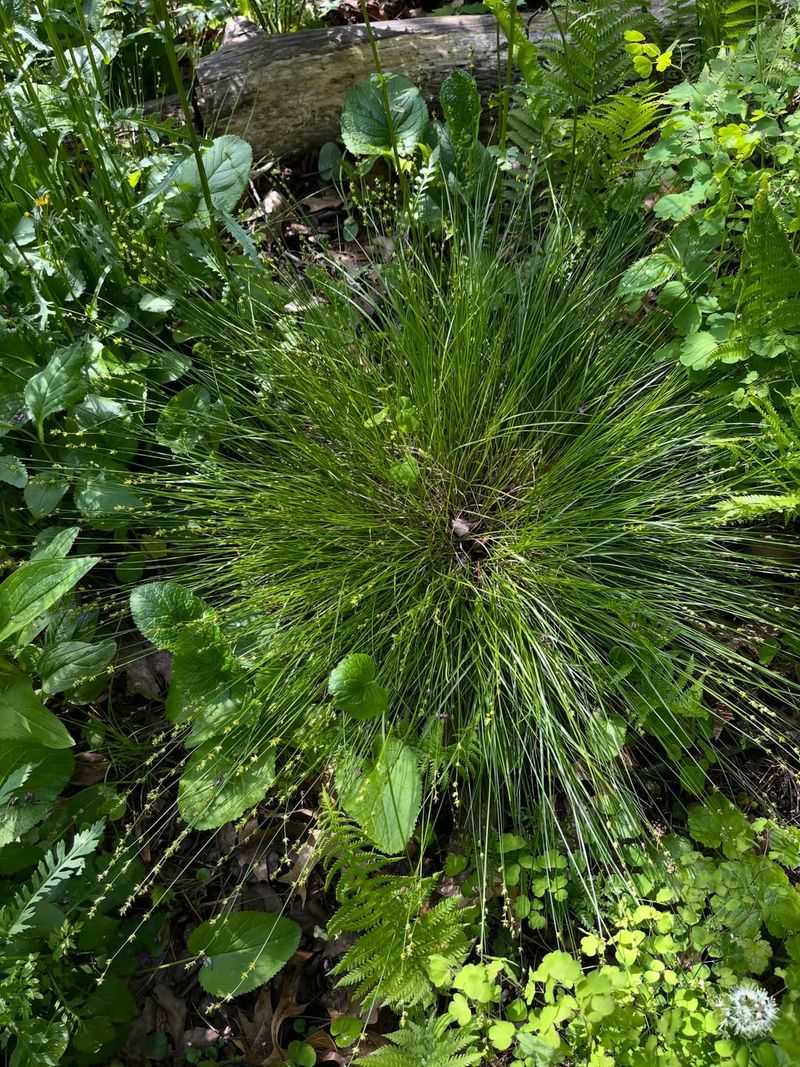
Weeds are sneaky. They find every bare patch of soil and claim it before you even notice. In shaded, dry areas, this problem gets even worse because most desirable plants struggle to compete, leaving the ground wide open for unwanted visitors.
Pennsylvania Sedge fights back in the best way possible by simply not leaving any room for weeds to move in.
As it spreads through underground rhizomes, Pennsylvania Sedge forms a thick, interlocking mat of roots and foliage. This mat covers the soil surface so completely that weed seeds have nowhere to sprout and no light to grow toward.
Over time, the groundcover essentially maintains itself by crowding out competition naturally. You spend less time pulling weeds and more time enjoying your garden.
Gardeners who have dealt with invasive weeds like garlic mustard or ground ivy under their trees often find that a healthy stand of Pennsylvania Sedge significantly reduces the problem.
It will not eliminate every weed overnight, but as the sedge fills in, weed pressure drops noticeably season by season. That is a big deal for low-effort garden management.
The coverage it provides is also wonderfully uniform. Unlike patchy grass or struggling perennials, Pennsylvania Sedge fills a space evenly from edge to edge.
There are no bare spots or thin areas that invite weeds back in. For a shaded garden bed that looks tidy and polished without constant attention, this plant delivers exactly that.
It is one of the few groundcovers that genuinely earns the label low-maintenance through its own natural behavior rather than just marketing claims.
Low-Maintenance And Durable
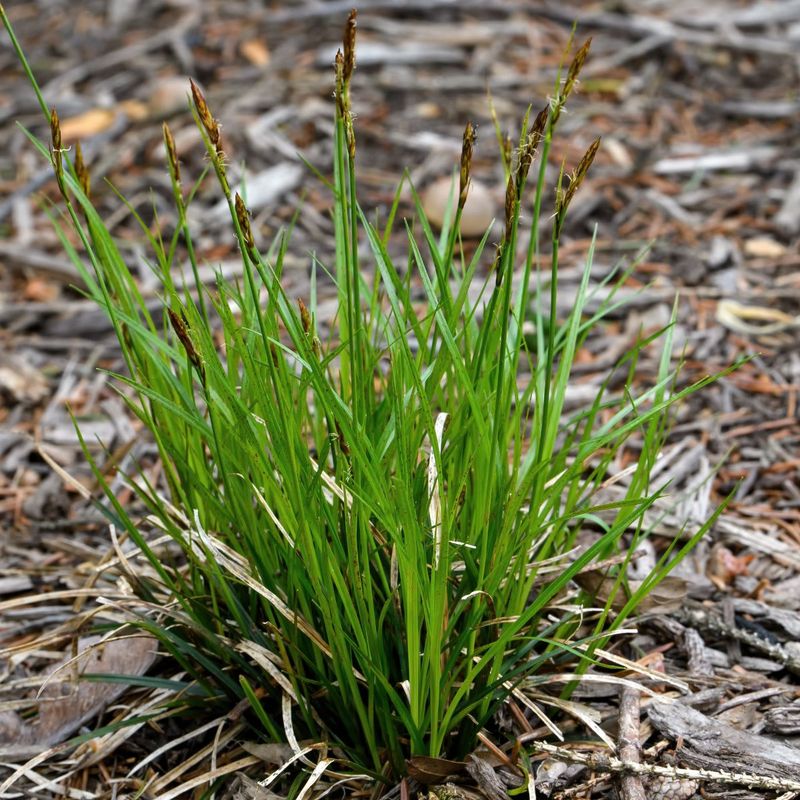
Raise your hand if you have ever planted something that promised to be low-maintenance but ended up needing constant attention. Pennsylvania Sedge actually keeps that promise.
Once it settles into your garden, it asks for very little in return for a whole lot of beauty and function. No mowing required. No fertilizing schedule to follow. No complicated pruning routine to stress over.
Because it is a native plant, Pennsylvania Sedge is naturally resistant to most of the pests and diseases that trouble garden plants in this region. Japanese beetles, aphids, and common fungal issues that plague non-native plants tend to leave it alone.
The plant evolved alongside local insects and pathogens, building up natural defenses that keep it healthy without any chemical help from you.
Winter hardiness is another major strength. Pennsylvania Sedge stays green well into late fall and often holds its color even under a light layer of snow.
In mild winters, it stays evergreen all season long. That means your shaded garden areas look alive and attractive even when everything else has gone dormant.
It is a quiet but impressive feature that gardeners really appreciate once they see it in action.
Compared to other groundcovers that need annual dividing, deadheading, or replanting, Pennsylvania Sedge is remarkably self-sufficient. You can plant it and largely forget it while it quietly does its job season after season.
For busy homeowners or anyone who wants a beautiful yard without spending every weekend working in it, this plant is one of the most practical choices available for Pennsylvania landscapes.
Aesthetic And Functional Appeal
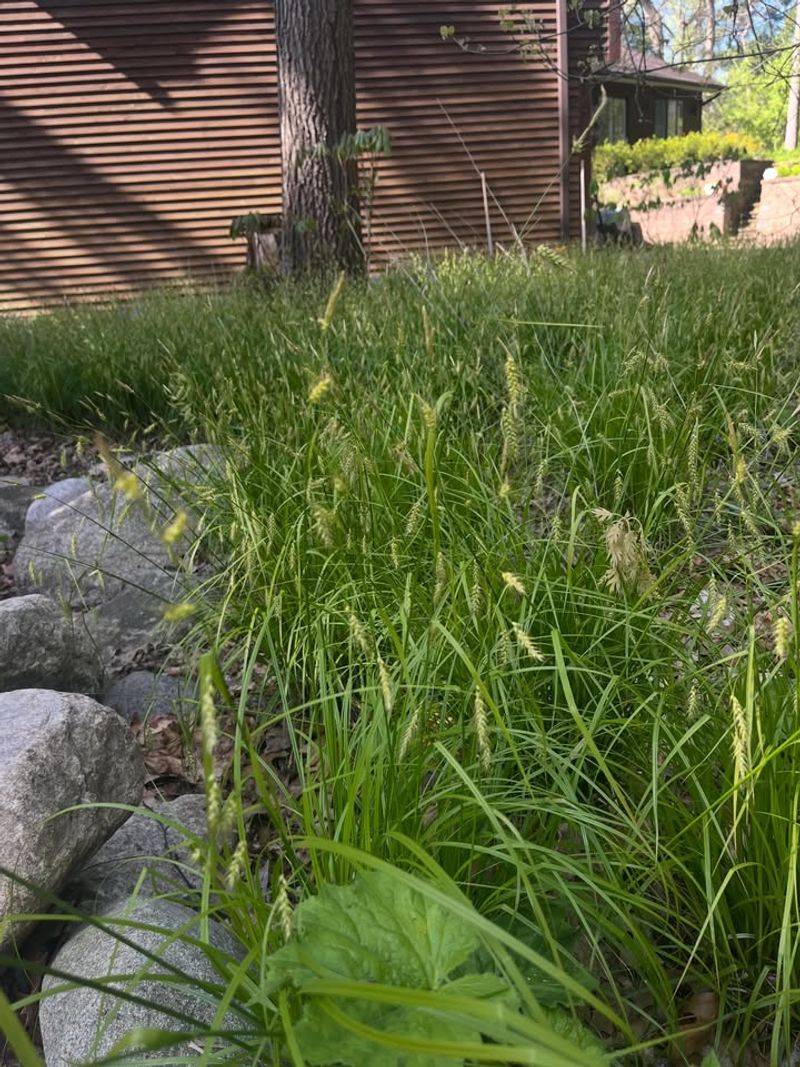
There is something quietly elegant about a well-grown patch of Pennsylvania Sedge. The fine, arching blades have a soft texture that gives any shaded area a natural, woodland feel.
It does not shout for attention the way a bright flower might, but it creates a calm, polished backdrop that makes everything around it look better. That understated beauty is exactly what many gardeners are looking for in a groundcover.
Pennsylvania Sedge pairs wonderfully with other shade-loving plants. Try planting it alongside native ferns like Christmas fern or cinnamon fern for a layered woodland look.
It also complements hostas, wild ginger, and native bleeding heart beautifully. The fine texture of the sedge contrasts nicely with the bold, broad leaves of these companions, creating visual interest without any extra effort on your part.
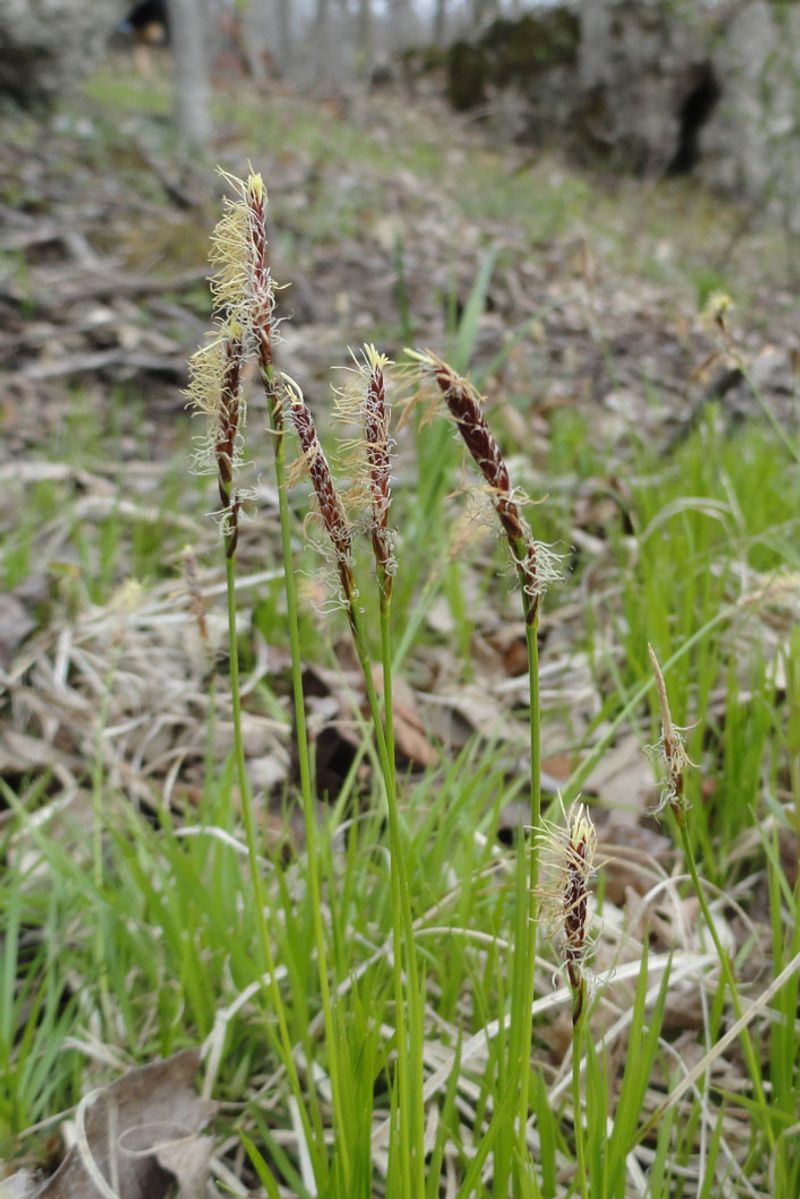
In spring, Pennsylvania Sedge produces tiny, delicate flower spikes that add a subtle charm to the planting. They are not showy, but they give the patch a lively, natural quality that feels true to the woodland setting.
After the flowers fade, the foliage continues to look fresh and green through the growing season and beyond.
From a design standpoint, this plant solves one of the trickiest landscaping challenges: making shaded, difficult areas look intentional and attractive rather than neglected.
A garden filled with Pennsylvania Sedge under a large tree looks like it was designed by someone who knew exactly what they were doing.
It transforms problem spots into features you are proud to show off, all while requiring almost no ongoing effort to maintain its good looks throughout the year.
Wildlife And Ecological Benefits
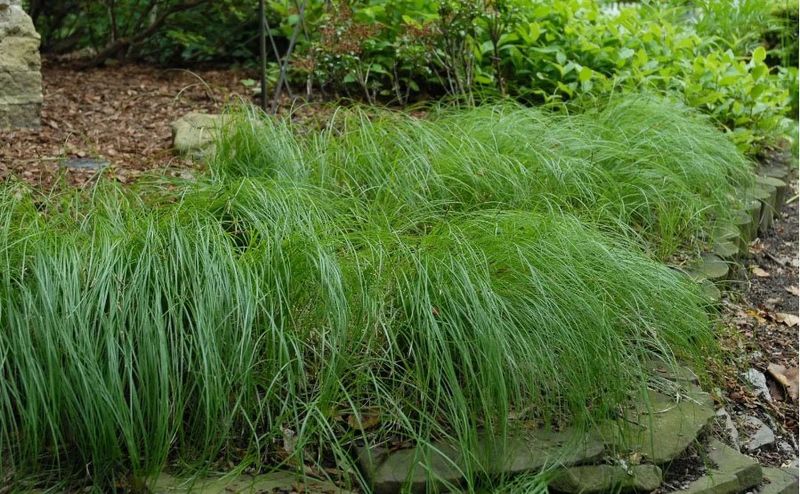
A garden filled with Pennsylvania Sedge is not just pretty. It is alive in the best possible way. Native plants like this one support local food webs in ways that non-native groundcovers simply cannot replicate.
The sedge provides shelter and nesting material for small beneficial insects, ground beetles, and other creatures that help keep your garden healthy and balanced.
Native bees and other pollinators use the dense mat of Pennsylvania Sedge as protected habitat close to the ground. Ground-nesting bees, which are some of our most important pollinators, benefit from the soft, sheltered environment the plant creates.
Supporting these insects is one of the most meaningful things a home gardener can do for the local ecosystem, and Pennsylvania Sedge makes it easy without any extra work.
Birds also benefit from Pennsylvania Sedge plantings. Small songbirds like juncos and sparrows forage through the low foliage searching for seeds and tiny insects.
The dense mat provides cover that makes them feel safe while they feed. Over time, a yard planted with native groundcovers like this one becomes a more vibrant, active place full of natural movement and life.
From a broader ecological standpoint, choosing Pennsylvania Sedge over non-native alternatives is a meaningful step toward healthier local landscapes.
It helps reduce erosion on sloped shaded areas, improves soil structure through its fibrous root system, and contributes to cleaner water by slowing runoff.
Every patch of Pennsylvania Sedge planted in a backyard adds up to something bigger. It connects your yard to the larger natural world in a way that feels both satisfying and genuinely impactful for generations to come.