The Best Native Georgia Ferns For Shade Gardens With Very Little Maintenance
Some of the best plants for a Georgia yard are the ones that actually want to be there, and native ferns fall very firmly into that category. Those shaded spots under oaks and pines that seem impossible to fill?
Ferns are often exactly what those areas have been waiting for.
Georgia’s humidity, tree canopy, and naturally moist woodland edges create growing conditions that native ferns are genuinely adapted to, which means less fighting the environment and more actually enjoying the results.
Get the shade level, moisture, and soil type right and a native fern can settle in and look after itself season after season with very little help from you.
Honestly, it’s one of the more satisfying plant matchups a gardener can make.
1. Christmas Fern Handles Shade With Ease
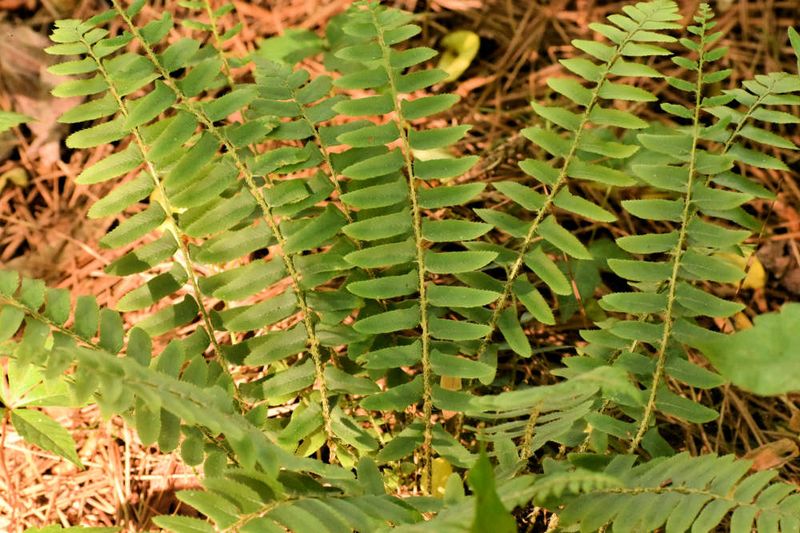
Walk through almost any Georgia woodland and you will likely spot Christmas fern tucked along slopes, tree bases, and shaded creek banks. Its dark green, leathery fronds stay green through winter, which is part of how it got its festive name.
For homeowners trying to fill a shady bed that feels bare through the cold months, that evergreen quality is genuinely useful.
Christmas fern grows well in a wide range of shade conditions, from deep shade under dense canopy to the filtered light along a woodland edge. It handles Georgia’s clay soils reasonably well as long as the area does not hold standing water for long periods.
Good drainage is more important than rich soil, and established plants can get through dry spells better than many other ferns.
In a home landscape, Christmas fern fits naturally along the north side of a house, beneath mature trees, or on a shaded slope where erosion can be a concern. Its root system helps hold soil in place on banks.
New fronds emerge in spring with a slightly lighter color before deepening to that familiar rich green. Once settled in, this fern asks for very little beyond a light cleanup of old fronds in late winter before the new growth pushes up.
It is one of the most reliable native ferns a Georgia gardener can choose for a low-effort, high-reward shade planting.
2. Southern Lady Fern Softens Woodland Beds
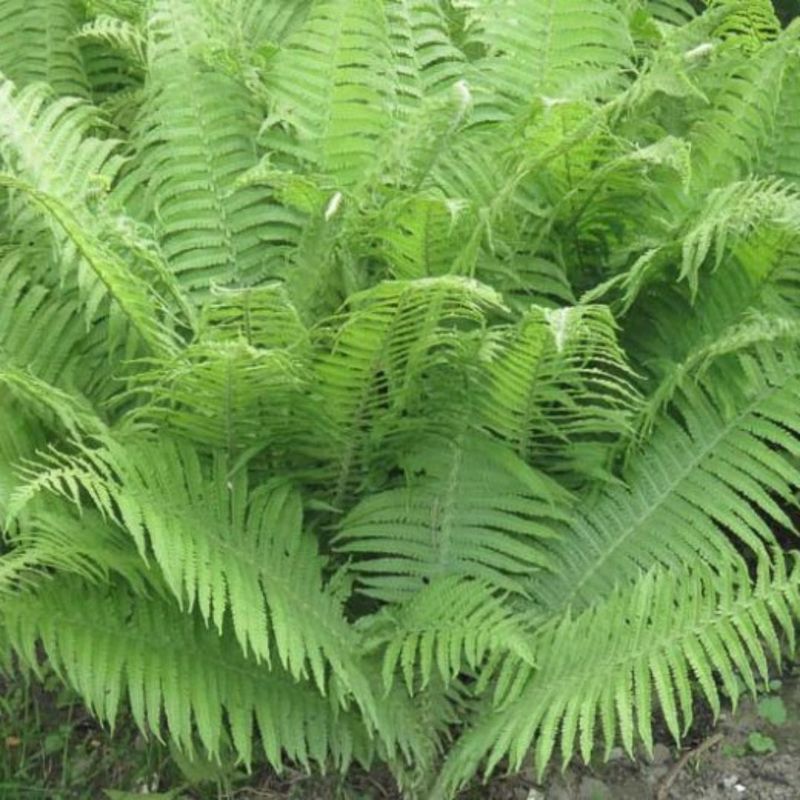
Few native ferns bring the soft, feathery look that Southern lady fern offers, and in a Georgia shade garden, that delicate texture can completely change how a bed feels.
The fronds are finely divided and light green, which creates a gentle, airy quality that contrasts well with broader-leaved shade plants like hostas or wild ginger.
It is the kind of fern that makes a shaded corner feel intentional rather than forgotten.
Southern lady fern grows in moist, well-drained soil and does best with consistent moisture through the warm months.
In Georgia’s hot summers, it appreciates a site that stays a bit cooler, such as a north-facing slope, a bed near a water feature, or a spot under a dense canopy where the soil holds moisture longer.
A layer of leaf mulch or shredded leaves helps keep moisture in and the soil temperature more stable.
Your Georgia Garden Changes Every Week. Your Plan Should Too.
Gardening in Georgia changes quickly throughout the season. Every Friday you’ll receive a simple weekly plan showing exactly what to plant, prune, fertilize, harvest, and protect so you never miss the right timing.
This fern is deciduous, meaning the fronds will brown and drop back in fall, leaving the bed looking bare through winter.
For that reason, many Georgia gardeners pair it with evergreen companions like Christmas fern or native groundcovers that keep the bed looking full year-round.
Spring emergence is one of its best features, with fresh fronds unfurling in a warm, bright green that signals the season has shifted.
Once established in the right moist, shaded spot, Southern lady fern grows steadily and needs little beyond seasonal cleanup.
3. Southern Maidenhair Fern Adds Graceful Texture
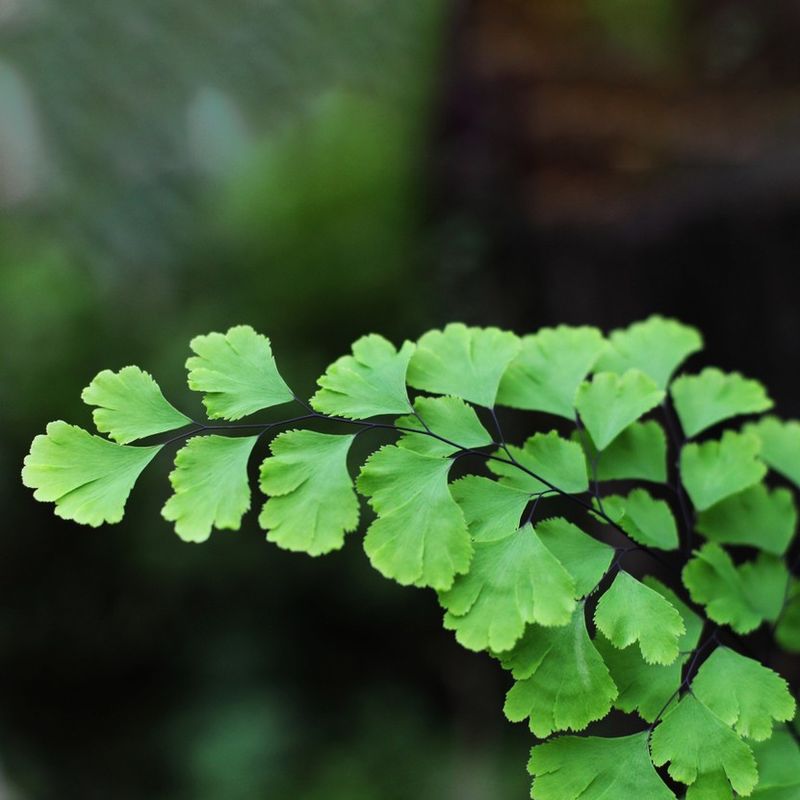
There is something almost architectural about Southern maidenhair fern. The wiry, dark stems and fan-shaped leaflets arranged in an airy spray give it a look that stands out from nearly every other plant in a shade garden.
Georgia gardeners who want something that feels refined without requiring fussy upkeep often find this fern to be a quiet standout in a moist, sheltered spot.
Southern maidenhair fern grows naturally along seeping rock faces, stream banks, and limestone outcrops across parts of Georgia.
In a home landscape, it does best in a consistently moist site with good air circulation and protection from hot afternoon sun.
It is not a fern that handles drought well or tolerates long dry spells in summer. Keeping moisture consistent through the warmest months is the most important factor in helping it thrive.
Because of its finer texture and more specific moisture needs, Southern maidenhair fern works especially well near a water feature, along a shaded rain garden edge, or in a moist pocket between larger rocks.
It pairs beautifully with mosses and other delicate woodland plants.
The fronds are deciduous, so the plant rests through winter and re-emerges in spring with fresh new growth.
When sited thoughtfully, it rewards that care with a graceful, layered look that adds real visual interest to Georgia shade gardens without asking for much in return beyond steady moisture and shelter from harsh conditions.
4. Netted Chain Fern Spreads Slowly And Neatly
Moist, low-lying spots in Georgia yards can be tricky to plant, but netted chain fern is one native that actually welcomes those conditions.
Found naturally in swampy woodlands, boggy edges, and wet flatwoods across the Southeast, this fern is built for the kind of soggy shade that causes most plants to struggle.
If you have a spot that stays damp under trees, netted chain fern is worth considering.
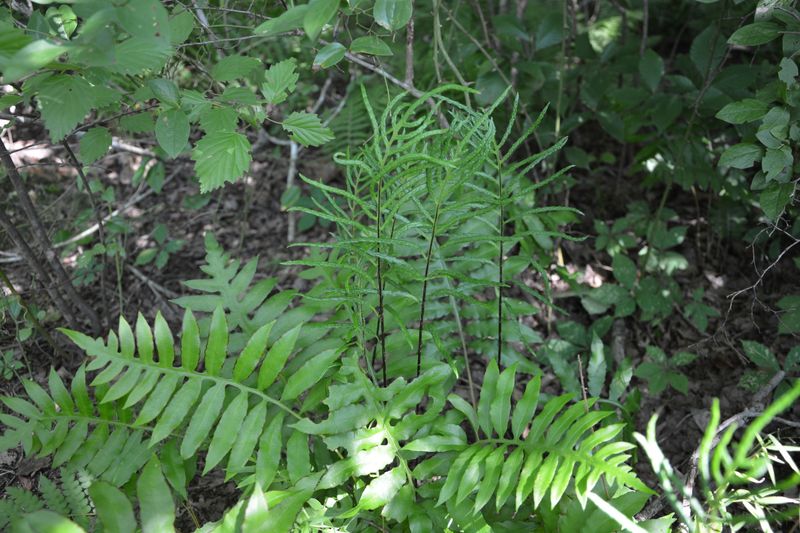
The fronds have a glossy, leathery look with a distinctive netted vein pattern that gives the plant its name. They are not as finely cut as some other native ferns, which gives netted chain fern a bolder, more substantial presence in the garden.
The plant spreads by underground rhizomes at a moderate pace, filling in over time to create a dense, weed-suppressing mat that looks natural and full without becoming invasive in most situations.
In a Georgia shade garden, netted chain fern works well along the edges of rain gardens, beside low-lying areas that collect runoff, or beneath trees in spots where the soil stays consistently moist.
It tolerates full shade better than many ferns and can handle occasional flooding without much setback.
The fronds are semi-evergreen in warmer parts of Georgia, staying green into winter before being replaced by fresh growth in spring.
For a moist shaded area that needs reliable coverage with minimal ongoing care, this is one of the more practical native options available to Georgia homeowners.
5. Broad Beech Fern Covers Shady Ground
Shaded ground under mature hardwoods can be one of the harder spots to fill in a Georgia yard, especially where tree roots compete for moisture and nutrients.
Broad beech fern is a native species that handles exactly that kind of site, spreading steadily by rhizomes to create a low, leafy carpet across the forest floor.
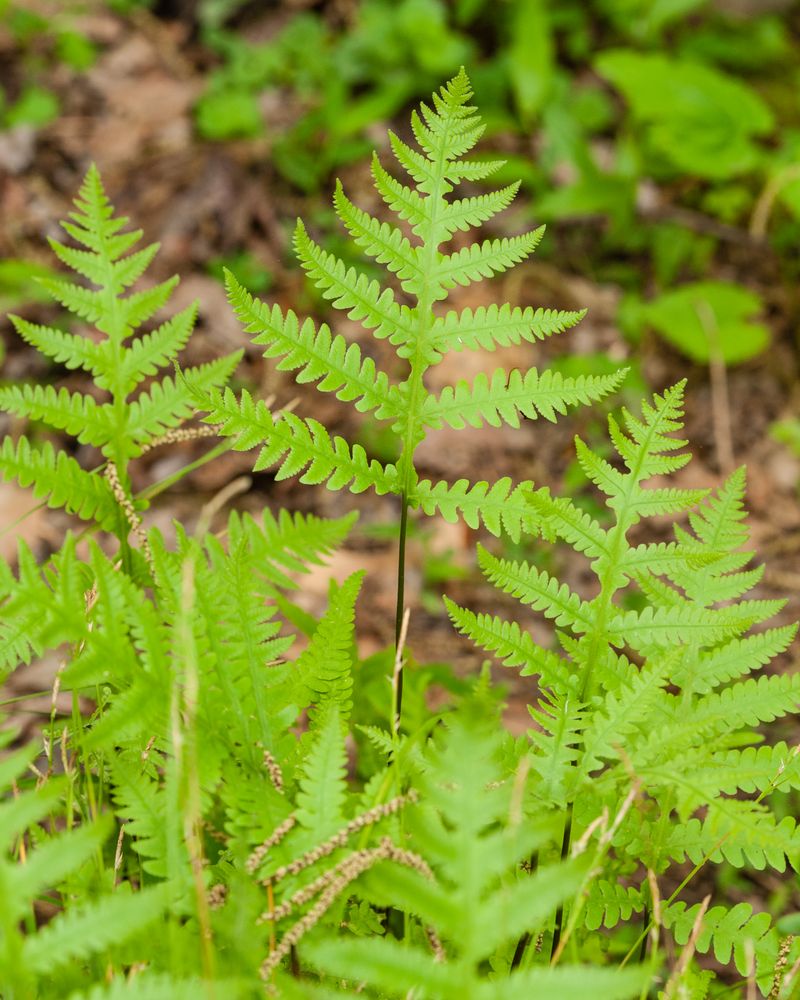
Its triangular fronds have a friendly, open shape that looks natural and relaxed in a woodland setting.
Broad beech fern prefers moist, well-drained, slightly acidic soil, which matches the conditions found in many Georgia woodland gardens. It grows best in light to moderate shade and tends to thin out in very dense, dry conditions.
A layer of leaf litter or organic mulch helps maintain soil moisture and mimics the forest floor environment where this fern naturally thrives. It is a deciduous fern, so the fronds will fade and drop in fall, but the plant returns reliably each spring.
One practical benefit of broad beech fern is that it fills in over time without becoming aggressive. It works well as a naturalistic ground cover beneath oaks, hickories, or other large shade trees where grass struggles and bare soil is common.
Pairing it with spring ephemerals or other woodland natives creates a layered planting that looks full through the growing season.
Once established in a suitable moist, shaded site, broad beech fern requires little beyond leaving the leaf litter in place to support healthy, steady growth year after year.
6. Cinnamon Fern Thrives In Wet Shade
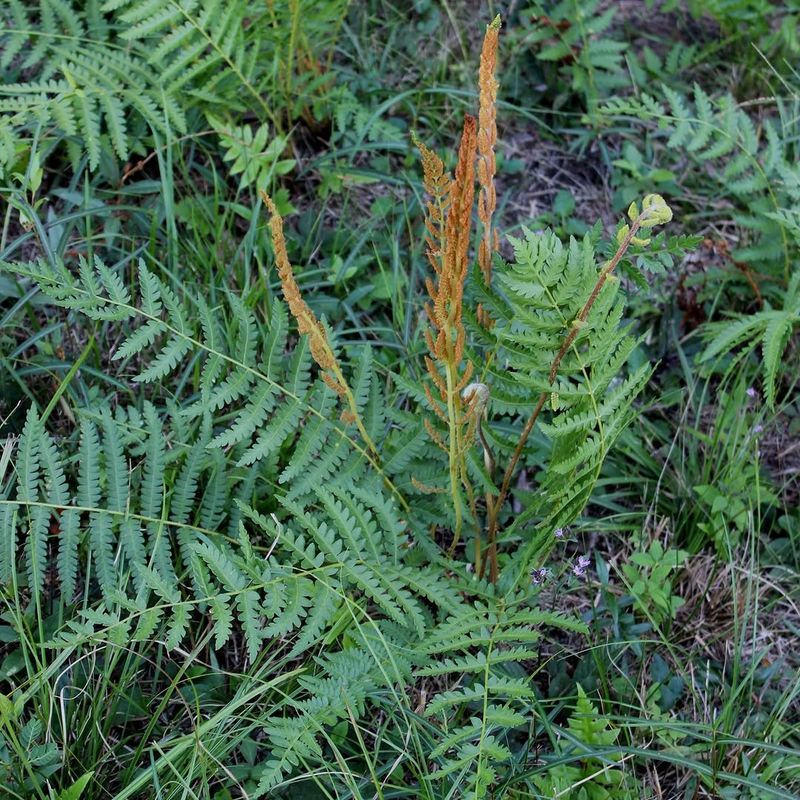
One of the most recognizable native ferns in the Southeast, cinnamon fern earns its name from the upright, cinnamon-brown fertile fronds that rise from the center of the plant in spring.
Surrounded by taller, arching green sterile fronds, the whole plant has a bold, vase-shaped form that adds real presence to a moist shade garden.
In Georgia, it is a common sight along creek banks, pond edges, and wet woodland margins.
Cinnamon fern grows best in consistently moist to wet soil and can handle sites that stay soggy for extended periods. It is one of the better native fern choices for rain garden edges, low spots that collect water, or areas near streams and retention ponds.
In drier sites, it tends to struggle and may not establish well without supplemental watering, especially during Georgia’s hot, dry summer stretches.
In a home landscape, cinnamon fern works well as a bold accent in a wet corner or as a mass planting along a shaded slope near a water feature.
It can reach two to four feet tall in good conditions, giving it enough height to anchor a planting or create a visual backdrop for smaller shade plants.
The fronds turn golden yellow in fall before fading back for winter, adding a brief seasonal color note.
For Georgia gardeners with a reliably wet, shaded spot, cinnamon fern is a sturdy, low-maintenance native that fills that niche with confidence and seasonal interest.
7. Royal Fern Brings Height To Damp Corners
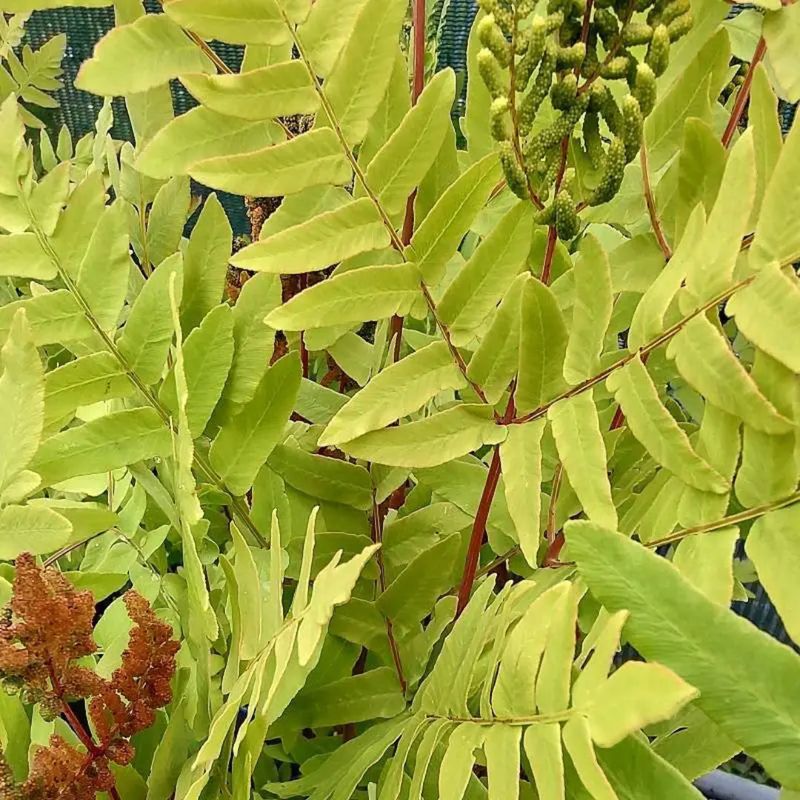
Among native ferns, royal fern stands out for its sheer size and bold, almost tropical appearance. The large, upright fronds are more open and less finely divided than most ferns, giving the plant a look that feels closer to a shrub than a groundcover.
In a Georgia shade garden with a reliably moist or wet area to fill, royal fern can grow to impressive heights and create a dramatic focal point that draws the eye.
Royal fern grows naturally in swamps, stream margins, and wet woodland edges across much of the eastern United States, including Georgia.
It needs consistent moisture and does particularly well in sites where the soil stays damp throughout the growing season.
In drier conditions, the fronds can brown at the edges and the plant may decline over time, so matching it to a genuinely wet site is important for long-term success with minimal maintenance.
In the home landscape, royal fern works well at the edge of a pond or water garden, along a shaded drainage swale, or in a low corner of the yard that stays wet under tree canopy. It pairs naturally with cinnamon fern, native sedges, and other moisture-loving plants.
The fronds turn a warm golden brown in autumn before the plant goes dormant for winter.
Given the right wet, shaded conditions, royal fern can grow for many years with very little intervention, making it one of the more rewarding native ferns for Georgia’s wetter garden spots.
8. New York Fern Fills Moist Shaded Spaces
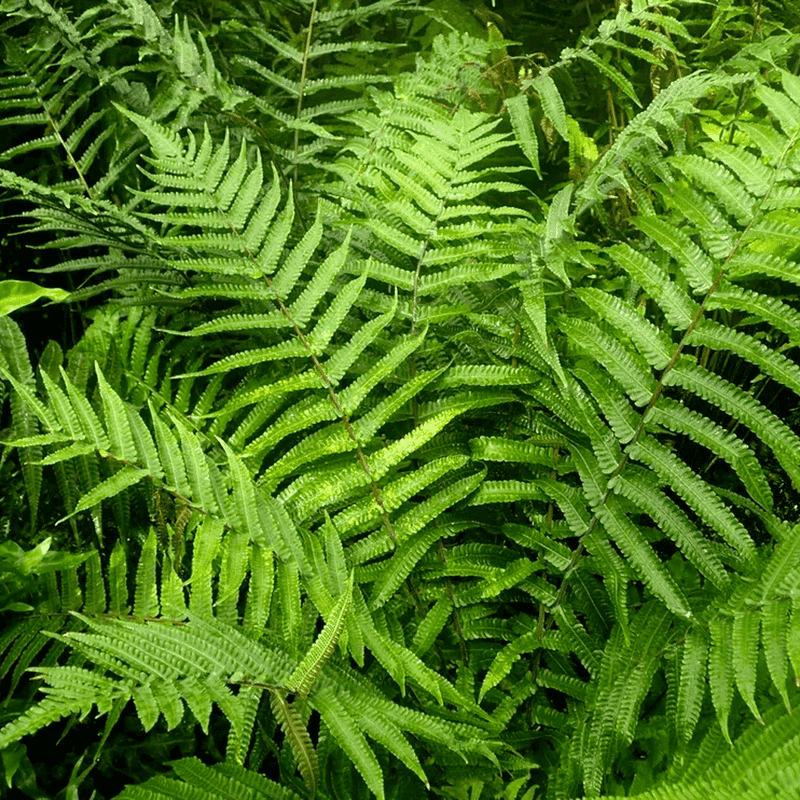
Light yellow-green fronds that taper noticeably at both ends give New York fern a distinctive look that sets it apart from other native ferns in a Georgia shade garden.
The fronds have a fresh, bright quality that lights up shaded spaces and makes the planting feel open rather than heavy.
For homeowners who want a naturalistic, filled-in look under trees, this fern is one to keep in mind for moist woodland areas.
New York fern spreads by underground rhizomes and can colonize a moist, shaded area over time, which is one of its most practical qualities. In the right conditions, it forms a dense, weed-suppressing mat that reduces the need for mulching or weeding as it fills in.
Because it does spread, it works best in spots where a broader, more naturalized coverage is the goal rather than a tightly controlled planting bed.
In Georgia, New York fern grows well in moist, acidic soil under deciduous trees where it receives filtered light through the canopy. It is a deciduous fern that goes dormant in fall and re-emerges reliably in spring with fresh, bright growth.
Sites that stay evenly moist through the summer help it spread more consistently, while drier spots may slow its spread or cause the fronds to look stressed by late summer.
Paired with other native woodland plants, New York fern can help create a full, layered understory planting that looks settled and natural with very little ongoing care from season to season.