The One Soil Mistake North Carolina Gardeners Make With Blueberries That Ruins Harvests Every Year
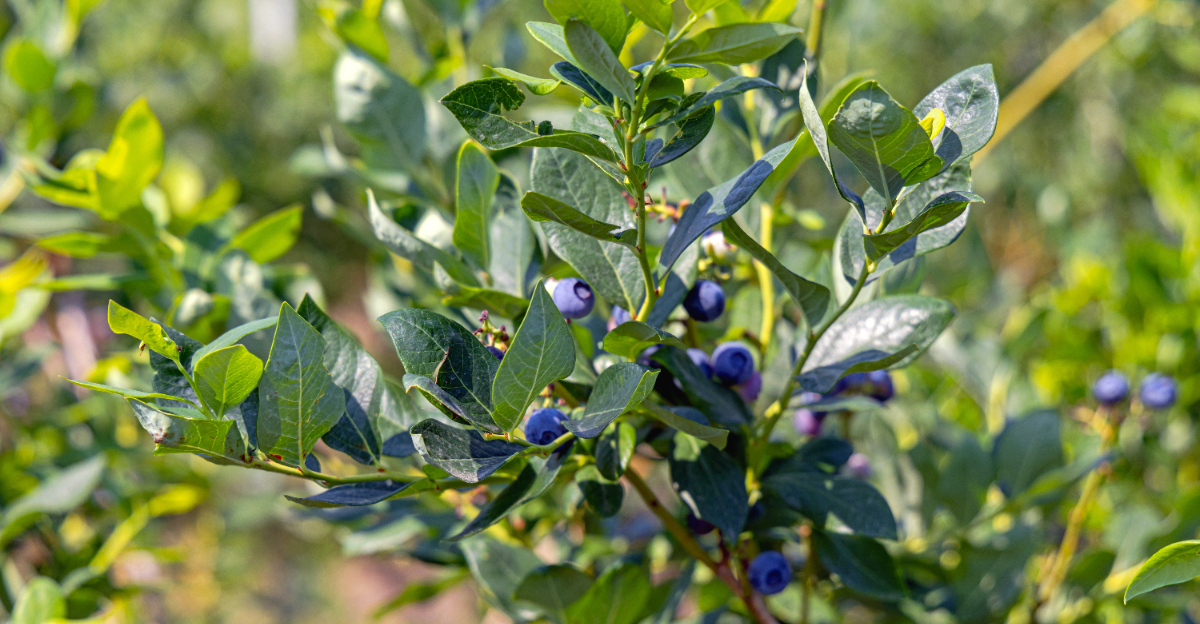
Blueberries are not complicated plants, but they are unforgiving about one specific thing, and getting that one thing wrong consistently produces disappointing results no matter how well everything else is managed.
Across North Carolina, the same soil mistake shows up repeatedly in home gardens where blueberry bushes look technically alive but never quite perform the way they should.
Fruit stays small, new growth comes in weak, and the plants seem perpetually stressed even when they are being watered and fertilized on a reasonable schedule.
The underlying problem is almost always in the soil, and it is entirely fixable once it is properly identified.
Addressing it correctly transforms the way blueberry bushes grow and produce, often within a single season of making the adjustment.
1. Planting Blueberries In Non-Acidic Soil
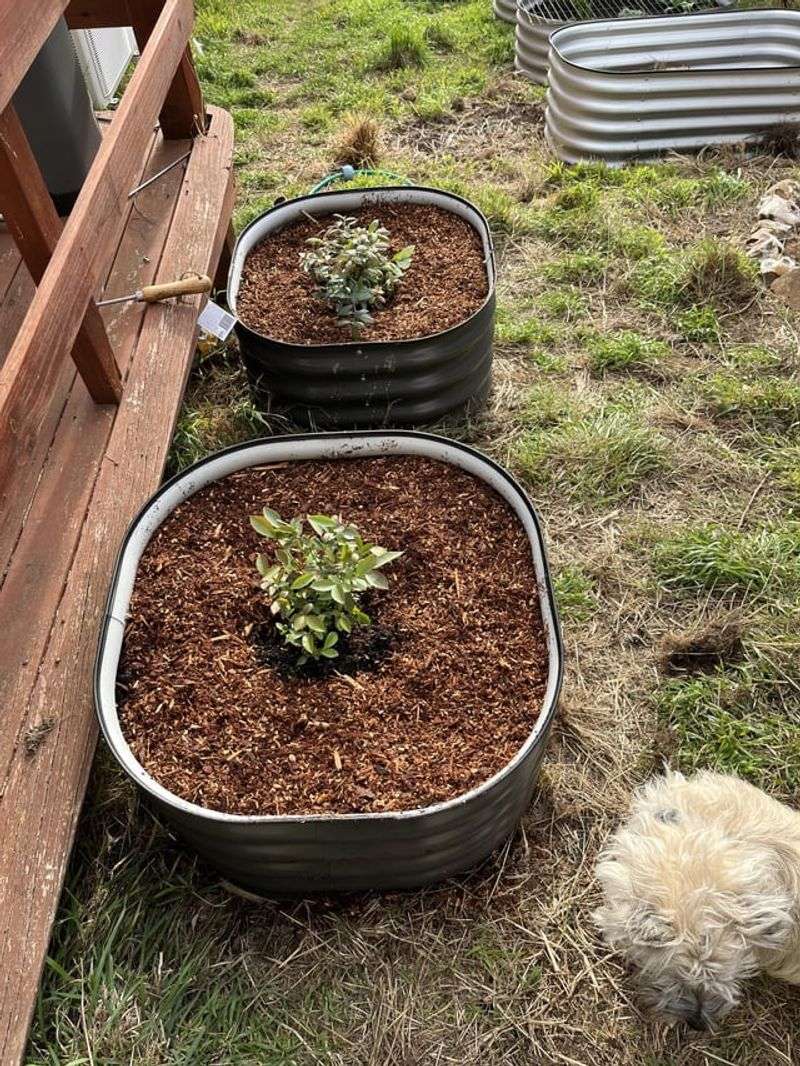
Blueberries are picky about one thing above almost everything else: soil acidity. Unlike most garden plants that thrive in neutral soil, blueberries (Vaccinium corymbosum) need a soil pH between 4.5 and 5.5 to truly perform.
Plant them in soil above 5.5 or 6.0, and you have already set yourself up for a rough harvest before a single berry forms.
North Carolina soils vary widely depending on the region. Piedmont clay soils often hover near neutral pH, and many sandy soils in the coastal plain can drift higher than gardeners expect.
Without testing, most homeowners simply assume their soil is fine, which is one of the most common and costly gardening assumptions out there.
When soil pH climbs too high, it locks up key nutrients like iron and manganese. These nutrients do not disappear from the soil entirely.
They just become chemically unavailable to plant roots. Blueberry roots simply cannot pull them in, no matter how rich the surrounding soil looks or feels.
Iron and manganese are critical for chlorophyll production and healthy cell function. Without them, plants cannot photosynthesize efficiently, which means less energy, less growth, and far fewer berries.
A soil test from your local NC Cooperative Extension office costs just a few dollars and gives you accurate pH data within days. Sulfur amendments can lower pH gradually over several months.
Starting with the right soil pH before planting is always easier than correcting it after your blueberry bushes are already struggling in the ground.
2. Slow Chlorosis Appears First
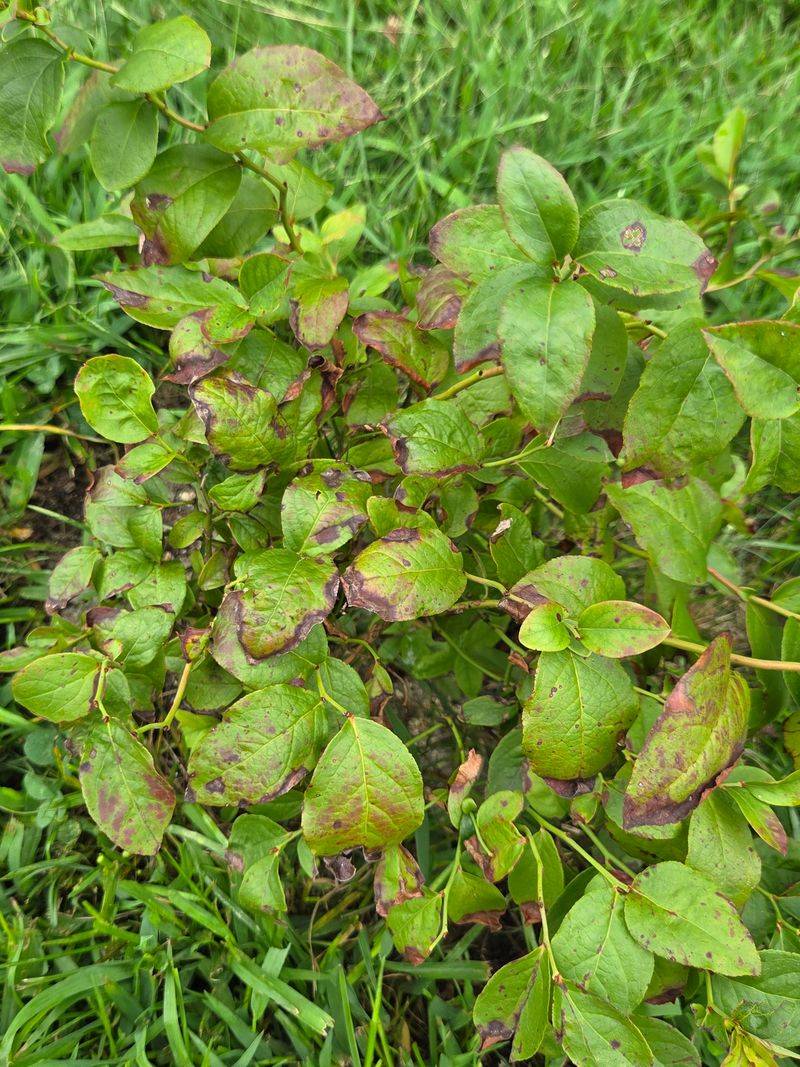
One of the earliest warning signs of a soil pH problem is a condition called interveinal chlorosis. The leaf veins stay dark green while the tissue between them turns pale yellow.
It looks almost like someone painted yellow stripes across the leaves, and it usually shows up on newer growth first.
Iron deficiency causes this pattern, and it happens specifically because high soil pH prevents roots from absorbing iron even when iron is present in the soil.
In North Carolina gardens, this symptom often appears by late spring or early summer, right when gardeners expect their plants to be growing strong and leafy.
Spotting chlorosis early gives you a real advantage. Walk your blueberry rows every week during the growing season and look at the youngest leaves at the tips of new shoots.
Your North Carolina Garden Changes Every Week. Your Plan Should Too.
Gardening in North Carolina changes quickly throughout the season. Every Friday you’ll receive a simple weekly plan showing exactly what to plant, prune, fertilize, harvest, and protect so you never miss the right timing.
Pale coloring between veins on new growth almost always points to iron deficiency from pH issues rather than an actual lack of iron in the soil.
Before reaching for any fertilizer, confirm your suspicion with a soil test. Chlorosis can also result from overwatering, compacted roots, or magnesium deficiency, so a proper diagnosis saves you from applying the wrong fix.
If the soil test confirms high pH, applying chelated iron as a foliar spray can offer short-term relief while you work on correcting the underlying pH with elemental sulfur.
Consistency in monitoring through the growing season is what separates gardeners who catch problems early from those who wonder why their harvest shrinks every year.
3. Poor Root Development
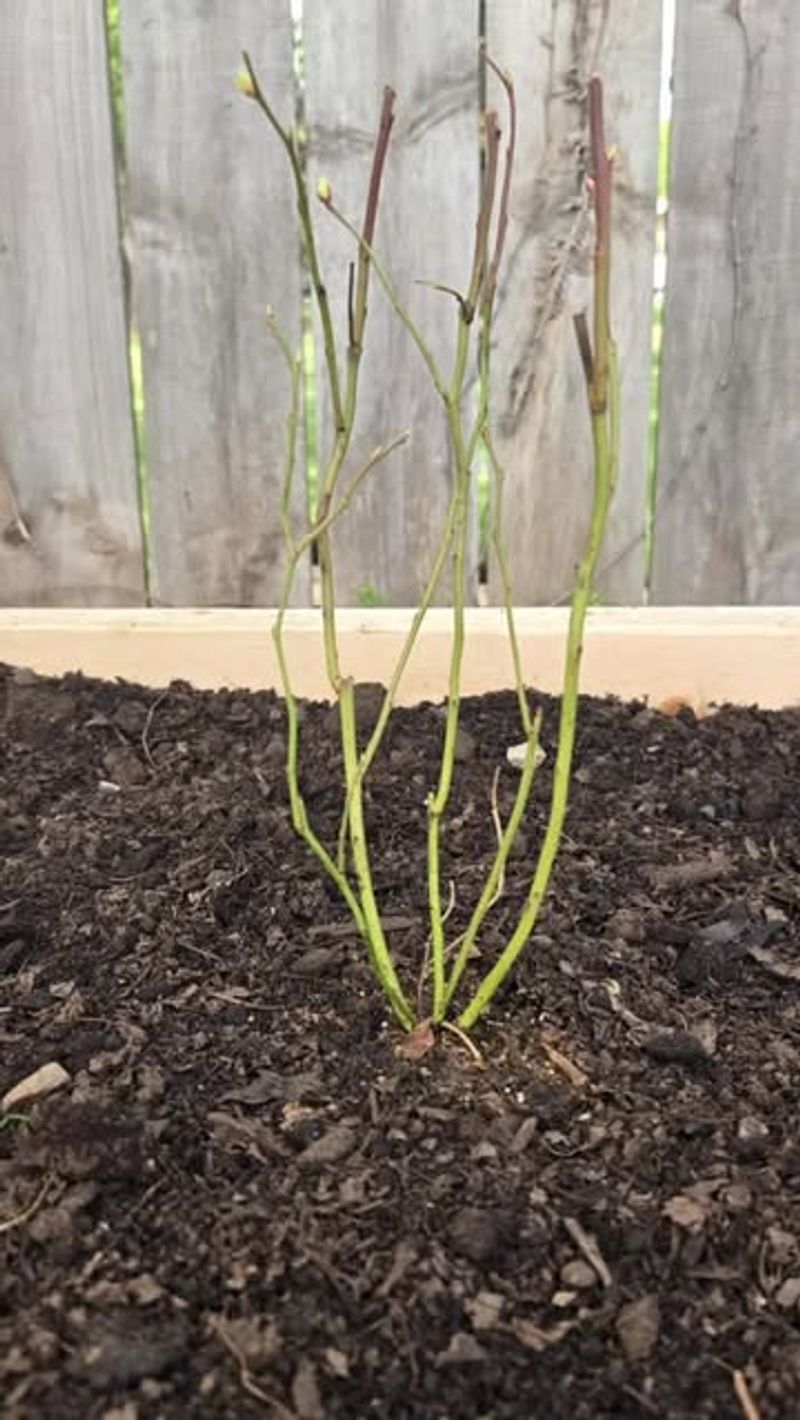
Healthy blueberry roots are fine, fibrous, and surprisingly shallow. They spread outward more than downward, sitting mostly in the top six to twelve inches of soil.
Because of this growth pattern, they depend entirely on the surrounding soil chemistry to function well, and high pH disrupts that chemistry at the most basic level.
When soil pH rises above 6.0, root cells struggle to take up water and dissolved nutrients efficiently. The roots themselves may look intact, but their ability to absorb what the plant needs is severely limited.
Over time, this shows up as stunted overall plant size, thin canes, and a noticeable drop in berry production.
North Carolina summers bring heat and humidity that push plants hard. Blueberries need strong, active roots to keep up with that demand.
Weak roots mean the plant cannot pull in enough water during dry spells, which leads to stress, wilting, and reduced fruit development even when the soil around them appears moist.
Improving root health starts with getting pH right before planting. Work elemental sulfur into the top eight to ten inches of soil several months before you put your bushes in the ground.
Mixing in pine bark fines or aged pine wood chips also helps acidify the root zone naturally over time. For established plants already showing poor vigor, top-dress the root zone with sulfur and acidic organic matter each fall.
Patience matters here because root recovery takes a full growing season or more before you see meaningful improvement above ground.
4. Reduced Flowering And Fruit Set
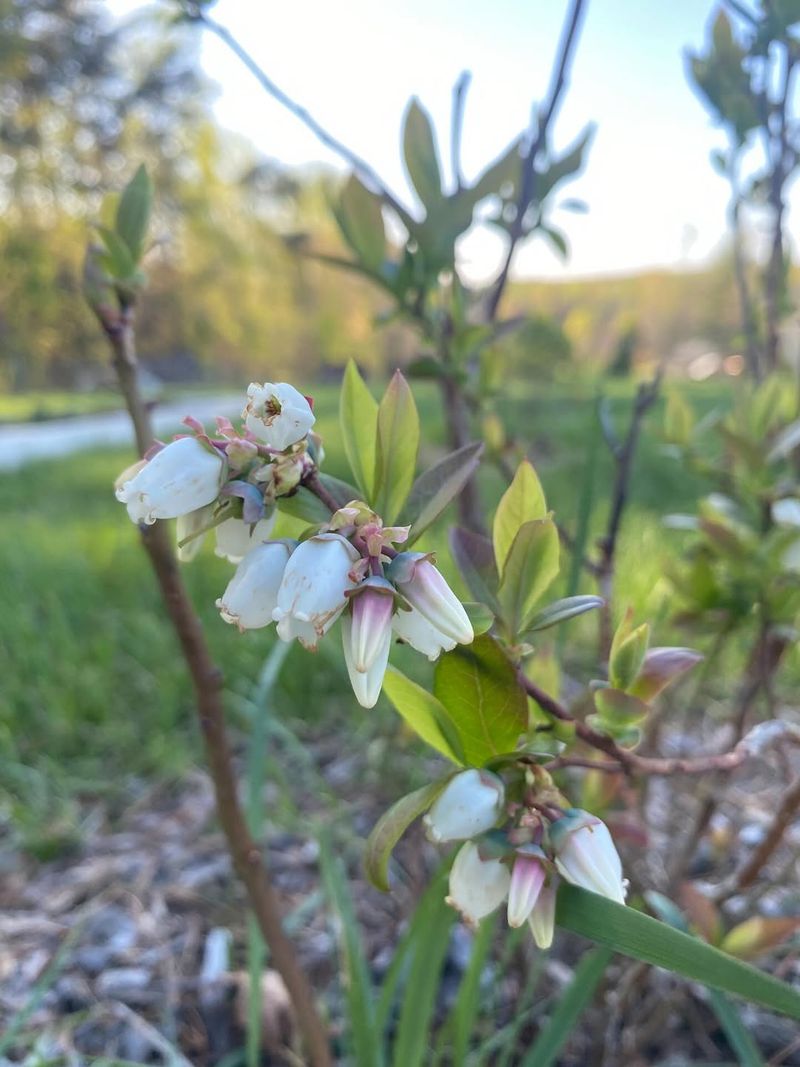
Fewer flowers mean fewer berries. That simple equation is exactly what plays out when blueberry plants grow in soil that is too alkaline.
Nutrient stress from high pH directly limits the plant’s ability to produce and sustain blossoms, which is the very foundation of any meaningful harvest.
Blueberries set flower buds in late summer and fall for the following spring. If the plant is under nutrient stress during that bud-setting window, it produces fewer buds than it should.
Come spring, you might see some blooms, but not nearly the full flush that a healthy, well-nourished plant delivers. In North Carolina, where the growing season runs long and conditions are favorable, a pH-stressed plant consistently underperforms its potential.
A well-managed blueberry bush in ideal soil can carry dozens of flower clusters per cane. Each cluster holds multiple individual flowers, and each flower is a potential berry.
When pH stress limits nutrient uptake, the plant prioritizes survival over reproduction, which means it pulls back on flowering to conserve energy for basic functions.
Getting flowering back on track requires correcting soil pH first and then supporting the plant with a fertilizer formulated for acid-loving plants, such as an ammonium sulfate blend. Apply it in early spring just as buds begin to swell.
Avoid over-fertilizing because excess nitrogen can also reduce fruit set. Consistent soil pH management across multiple seasons is what gradually rebuilds the plant’s capacity to flower fully and set a generous crop of berries each summer.
5. Slow Growth During Early Summer
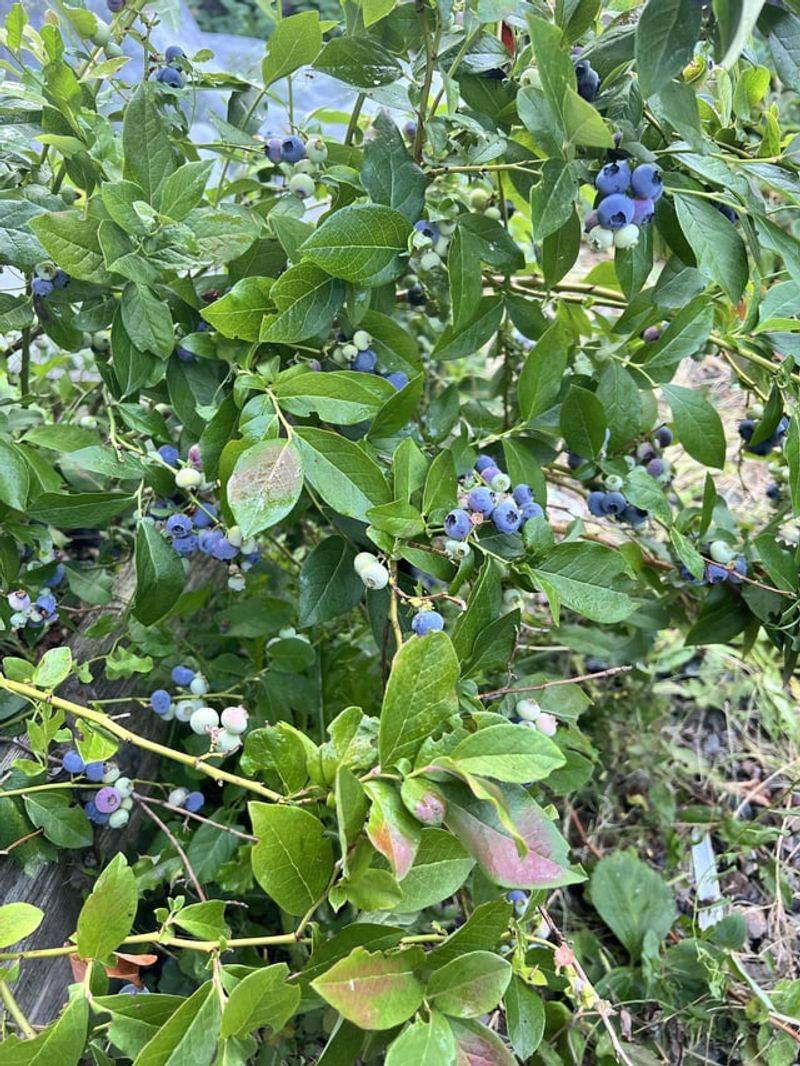
Early summer in North Carolina is when blueberry plants should be putting on serious growth. New canes push up from the base, leaves expand, and the whole plant looks vibrant and full of energy.
When that burst of growth never comes, and the plant just sits there looking tired and thin, soil pH is often the reason behind it.
Neutral or slightly alkaline soil creates a slow starvation effect on blueberries. The plant is not in crisis, but it is not thriving either.
It produces new growth, just not much of it. Canes stay short and slender rather than growing tall and robust.
Leaves may be small and slightly off-color, giving the whole plant a washed-out appearance compared to a healthy specimen nearby.
Many North Carolina gardeners mistake this sluggish early-summer growth for normal plant behavior, especially with young bushes in their first or second year.
But a pH-stressed plant at age three should look dramatically different from a well-managed one.
Comparing your plants to a neighbor’s healthy bushes or to photos from your local extension office can help you gauge whether your growth rate is truly on track.
Correcting the problem mid-season is possible but takes time. Applying chelated iron and a diluted acid-forming fertilizer can offer a modest boost during the current season.
The bigger fix involves a fall soil test followed by a sulfur application to bring pH down before the next growing season begins. Consistent annual testing keeps you ahead of the problem rather than always reacting to it after the fact.
6. Leaf Curl And Marginal Browning
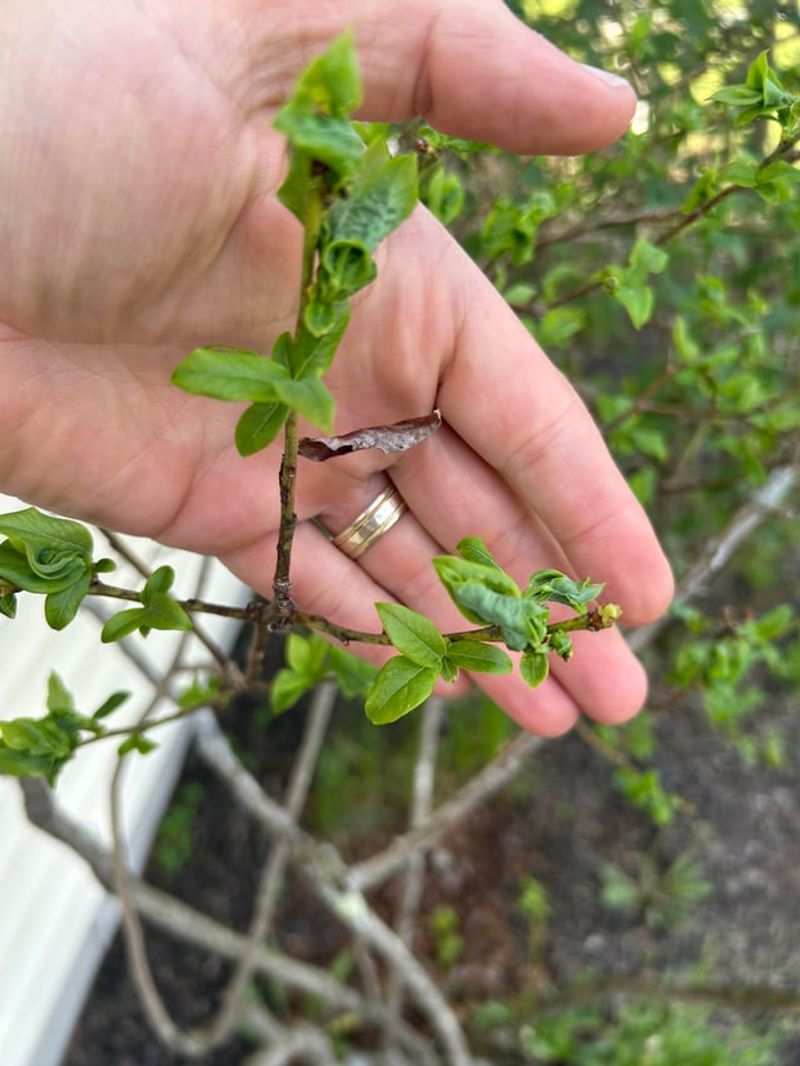
Curled leaves with brown, crispy edges are a stress signal that blueberry plants send out when something is seriously wrong in the root zone.
While heat and drought can cause similar symptoms, seeing leaf curl and marginal browning together on multiple plants at once often points back to soil chemistry rather than weather alone.
High pH soil limits the availability of several nutrients at once, including potassium, which plays a major role in regulating water movement within plant cells.
When potassium uptake drops, cells in the leaf margins lose their ability to manage moisture effectively.
The edges dry out and curl inward as the plant tries to reduce water loss through the leaf surface.
Before reaching for any spray or amendment, spend time inspecting your plants carefully. Check whether the browning starts at the very tip of the leaf or along the full margin.
Tip burn alone sometimes signals salt buildup from over-fertilizing, while full marginal browning is more commonly tied to nutrient deficiency from pH issues.
Taking photos and bringing them to your local NC Cooperative Extension office can help you get an accurate diagnosis quickly.
Once high pH is confirmed as the cause, resist the urge to fertilize heavily right away. Applying too much fertilizer to a stressed plant can make leaf burn worse.
Instead, water deeply to flush the root zone, apply a thin layer of acidic mulch such as pine bark, and then work on a gradual pH correction plan using elemental sulfur over the coming months.
Slow and steady improvement protects the plant far better than aggressive intervention.
7. Mulching And Maintenance
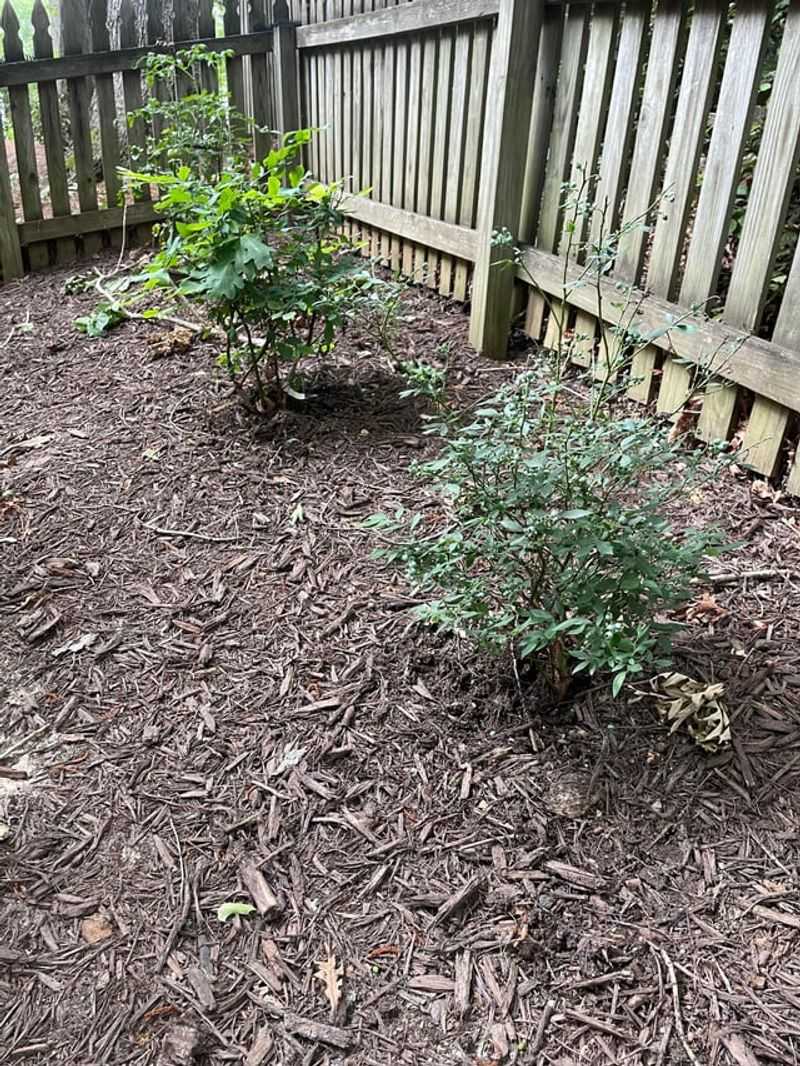
Mulch is one of the most underrated tools in a blueberry gardener’s toolkit.
A two to three inch layer of the right mulch does three important things at once: it holds moisture in the root zone, gradually lowers soil pH as it breaks down, and buffers against the temperature swings that North Carolina summers are known for.
Pine bark fines and pine needle mulch are the top choices for blueberries because both are naturally acidic.
Mid-summer is a critical time for mulch management in North Carolina gardens. By July, the initial mulch layer you put down in spring has often compacted and thinned.
Heat accelerates decomposition, and afternoon thunderstorms can wash lighter materials away from the root zone. Checking your mulch depth every four to six weeks through the growing season keeps the protective layer doing its job consistently.
Pulling back the mulch occasionally also helps you catch problems early. Look for signs of soil crusting, fungal growth, or pest activity near the base of the canes.
Keeping mulch two to three inches away from the main canes reduces the risk of crown rot and gives you a clear view of the soil surface for inspection.
Refreshing your mulch in late summer sets your plants up for a stronger fall and winter. Apply a fresh two to three inch layer after any late-season fertilization, which locks in moisture and helps maintain a stable pH through the cooler months.
Consistent mulching year after year builds a healthier root environment that supports bigger harvests without requiring dramatic soil corrections every spring.