Why Ohio Container Gardens Dry Out Twice As Fast In July And How To Slow It Down
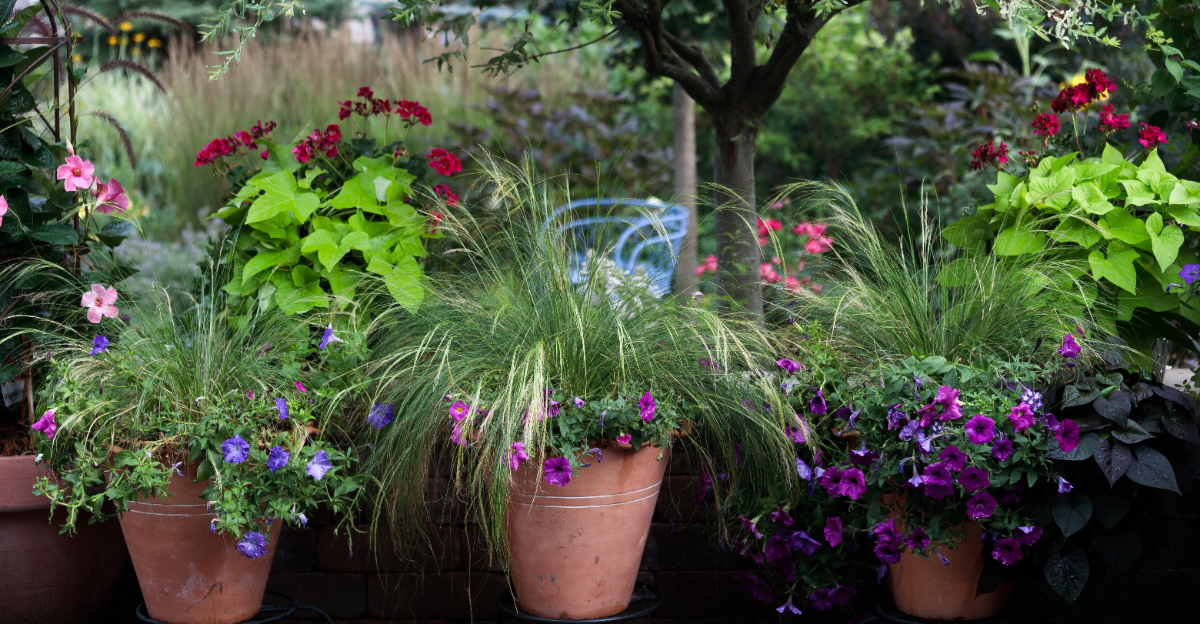
July hits Ohio container gardens hard and fast. A pot that needed water every other day in May is suddenly thirsty by noon, struggling by three, and showing stress by the time you get home from work.
The math changes completely once real summer arrives, and a lot of container gardeners get caught off guard by how quickly it happens. This is not a watering failure.
It is a physics problem. July in Ohio creates a specific set of conditions that pull moisture out of containers at a rate that has nothing to do with how attentive you are as a gardener.
Understanding what is actually happening inside that pot changes how you approach the whole problem. Watering more is one answer, but it is the least efficient one.
There are smarter ways to slow down moisture loss that make July container gardening significantly less exhausting.
1. Small Pots Run Out Of Moisture First
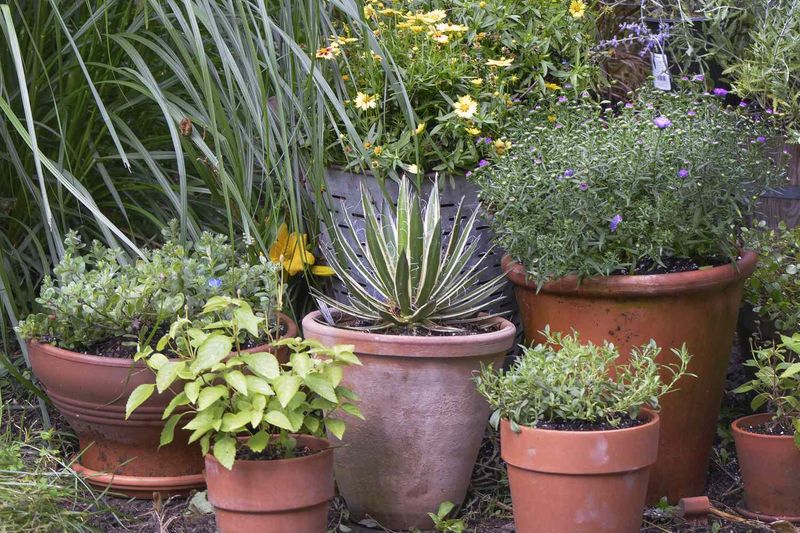
A pot that looked fresh at breakfast can look tired and droopy by dinner, especially when it is a small one sitting in full sun. Small containers simply hold less potting mix, which means there is less water stored for roots to pull from between waterings.
Once that limited supply runs low, plants feel it fast.
Crowded plantings make this worse. When multiple plants share a small pot, their roots compete for the same moisture.
The soil can feel dry just hours after a good watering session during a hot July afternoon.
Upgrading to a larger container is one of the simplest fixes available to home gardeners. A pot that holds more potting mix stays moist longer because there is simply more volume to dry out.
For thirsty annuals like petunias, impatiens, and calibrachoa, going up in pot size can cut down watering frequency noticeably.
Vegetables and herbs are especially sensitive to small containers. Tomatoes, peppers, and basil have aggressive root systems that fill small pots quickly.
Once roots are pot-bound, moisture disappears even faster. A five-gallon container or larger is a reasonable starting point for most edible plants grown on a patio or deck during summer.
2. Hot Patios Heat The Roots From Every Side
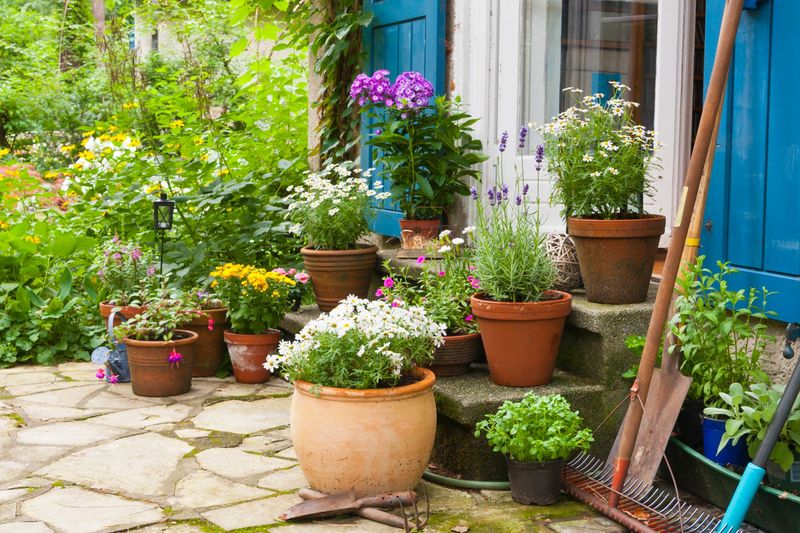
Concrete and brick hold onto heat long after the sun shifts position. A pot sitting on a sun-baked patio in July is not just getting warm from above.
It is absorbing heat through the bottom and sides too, turning the root zone into a warm environment that speeds up moisture loss significantly.
Hard surfaces like driveways, stone patios, and blacktop can reach temperatures well above the air temperature on a sunny July day. That extra heat moves into the potting mix and encourages faster evaporation from the soil.
Roots sitting in warm soil also use water more quickly as the plant tries to cool itself.
Moving pots off the hottest surfaces is one practical step that costs nothing. Placing a pot on a wooden deck board, a rubber mat, or even a piece of scrap lumber can create a small buffer between the container and the hot ground below.
Your Ohio Garden Changes Every Week. Your Plan Should Too.
Gardening in Ohio changes quickly throughout the season. Every Friday you’ll receive a simple weekly plan showing exactly what to plant, prune, fertilize, harvest, and protect so you never miss the right timing.
This simple change can help slow moisture loss from the bottom of the pot.
Plants showing heat stress, like curling leaves or midday wilting even after watering, may benefit from being relocated. A spot with some reflected heat protection, like near a fence or under a pergola, can give roots a cooler environment.
Cooler roots hold onto moisture better and stay more active and healthy through the hottest weeks of summer.
3. Wind Pulls Water From Containers Fast
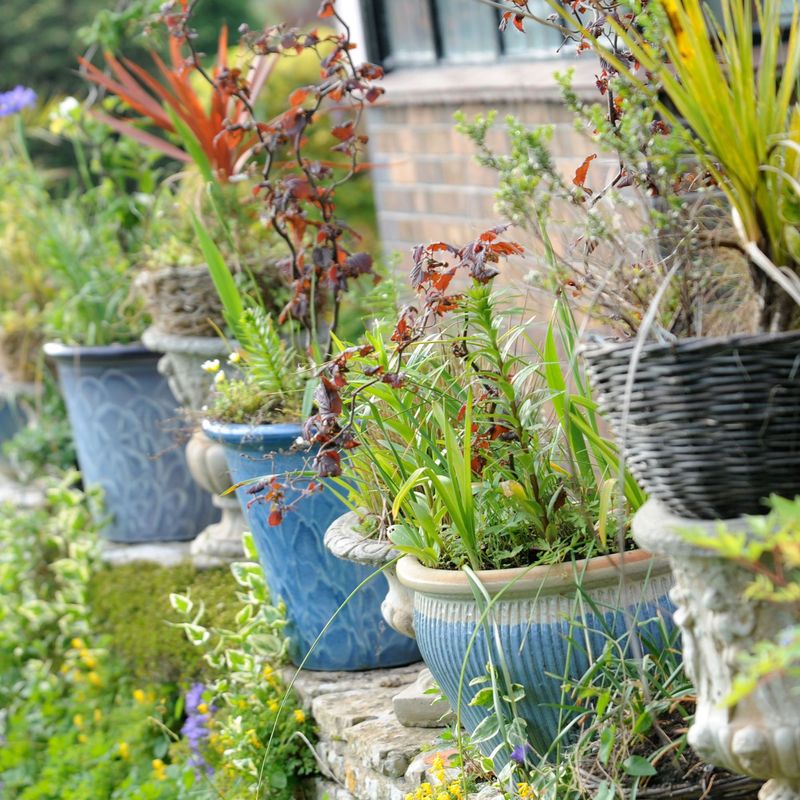
Wind is one of the sneaky reasons container gardens dry out faster than gardeners expect. It is easy to blame the sun, but moving air pulls moisture from both the leaves and the surface of the potting mix at a steady pace.
On a breezy July day, a pot can dry out almost as fast as it does under direct midday sun.
Balconies, open front steps, and exposed patios facing west or south tend to catch the most wind during summer. Plants growing in these spots may need more frequent soil checks than pots tucked against a wall or in a sheltered corner.
Foliage that moves constantly in the breeze is losing moisture through the leaves the entire time.
Grouping containers together is a practical way to reduce wind exposure. Pots clustered side by side create a small windbreak effect, and the shared humidity between plants slows drying slightly.
Larger, heavier containers also tend to hold more soil and resist drying better than small pots in breezy spots.
Checking soil moisture more often during windy stretches is a smart habit. Pushing a finger about an inch into the potting mix gives a reliable reading.
If it feels dry at that depth, watering is likely needed. Relying on how the surface looks can be misleading when wind dries out the top layer quickly while deeper soil stays damp.
4. Dark Pots Can Bake The Potting Mix
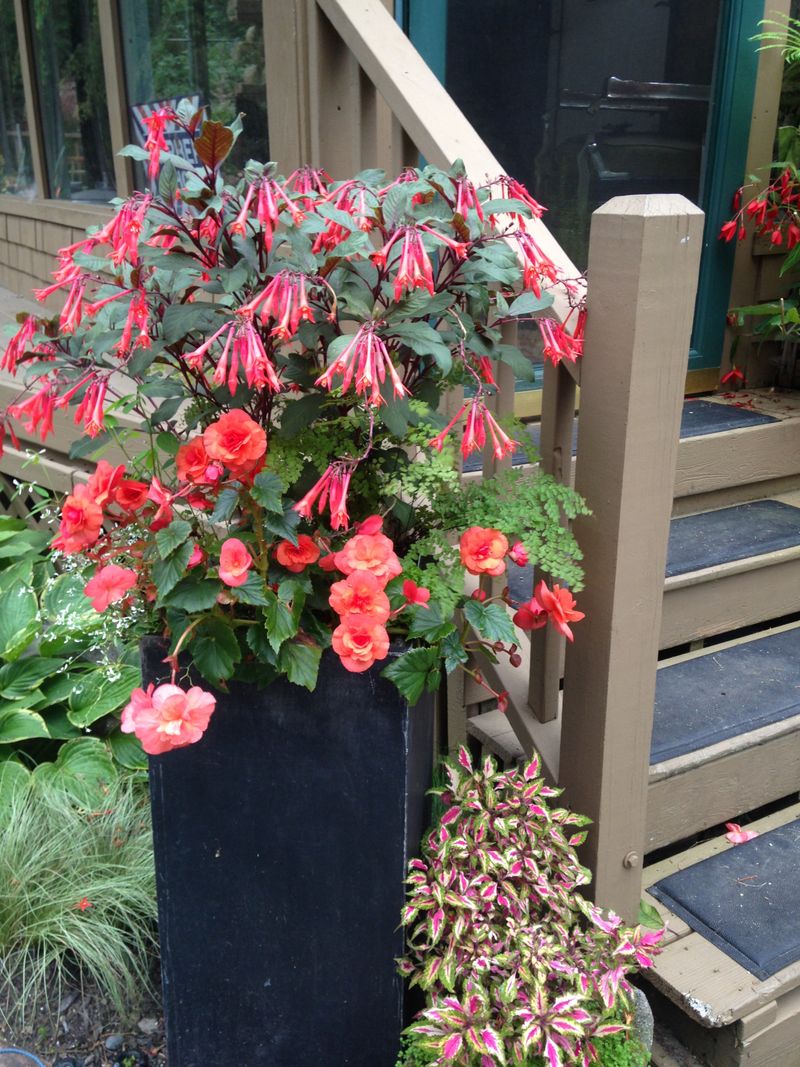
Not all pots behave the same way in summer sun. Dark-colored containers, especially those in black, deep brown, or charcoal gray, absorb more solar heat than lighter ones.
On a July afternoon with temperatures in the upper 80s, a dark pot sitting in full sun can get surprisingly warm to the touch on its outer surface.
That heat moves inward and warms the potting mix inside. Warm Ohio soil dries faster and can stress roots that prefer cooler conditions.
Metal containers and thin-walled plastic pots tend to transfer heat even more quickly than thicker clay or ceramic options. Small dark pots in direct sun are the most vulnerable combination of factors.
Switching to a lighter-colored container is one option, but not always practical or affordable. A simpler approach is to move a dark pot where afternoon shade falls on it, or to place a lighter-colored outer pot around it as a sleeve.
This double-potting trick insulates the inner container and reduces direct heat transfer from the sun.
Larger dark containers hold enough soil volume to buffer temperature swings better than small ones. If replacing pots is not realistic, focus on shade placement and more frequent watering checks.
Using a moisture-retaining potting mix can also help offset the heat absorption. Consistent attention to soil feel is more reliable than following a fixed watering schedule during the hottest weeks.
5. Hanging Baskets Dry Out Before Bedtime
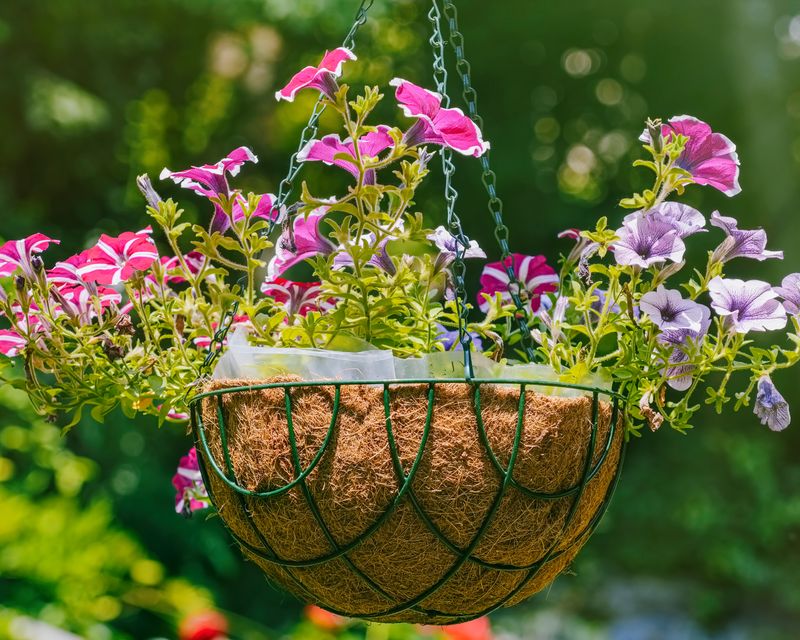
Hanging baskets have a reputation for being thirsty, and July proves that reputation every single year. Unlike a container sitting on a surface, a hanging basket is exposed to sun and moving air on all sides at once.
The bottom, the sides, and the top of the potting mix all lose moisture simultaneously throughout the day.
Most hanging baskets also hold a relatively small amount of potting mix compared to their plant load. A basket stuffed with trailing petunias or bacopa looks full and lush, but that root mass fills the container quickly.
When roots pack the basket tightly, moisture disappears faster because there is less open soil to hold water between waterings.
Checking hanging baskets in the morning and again in the late afternoon during July heat is a reasonable habit. Lifting the basket slightly can give a rough sense of how heavy it feels.
A noticeably light basket often means the potting mix has dried significantly and needs water soon.
Watering slowly and thoroughly helps more than a quick splash from above. Water poured too fast runs off the surface of a dry, compacted basket without soaking in.
Letting water soak in gradually, or briefly lowering the basket into a bucket of water, allows the potting mix to absorb moisture more evenly. Lining wire baskets with moss or a coco liner also slows surface drying compared to open wire alone.
6. Shallow Watering Leaves Roots Thirsty
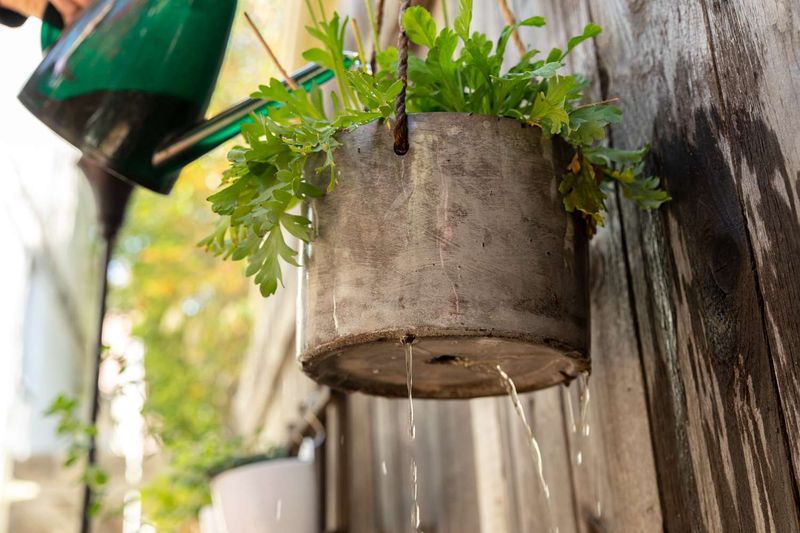
A quick pass with the hose might make the surface of the potting mix look wet, but that moisture may never reach the roots sitting several inches below.
Shallow watering is one of the most common reasons container plants struggle in summer even when gardeners feel like they are watering regularly.
The top layer gets wet while the bottom stays dry and dusty.
Roots follow moisture downward. When only the top inch or two gets wet, roots tend to stay near the surface rather than spreading deeper into the pot.
Surface roots are more vulnerable to heat and dry air, which makes the plant even more sensitive to drying between waterings.
Watering slowly until you see steady drainage coming from the bottom holes is the most reliable way to know the entire root zone got wet. Take your time with each pot rather than rushing through a row of containers.
If water pools on the surface and runs off the sides without soaking in, the mix may be hydrophobic from drying out too much.
A potting mix that has pulled away from the pot edges is a common sign of severe dryness. In that case, setting the pot in a shallow tray of water for fifteen to twenty minutes can help the mix rehydrate from the bottom up.
Drainage holes are essential here. Containers without drainage hold water at the bottom and create soggy conditions that harm roots just as much as drought does.
7. Mulch Helps Pots Hold Moisture Longer
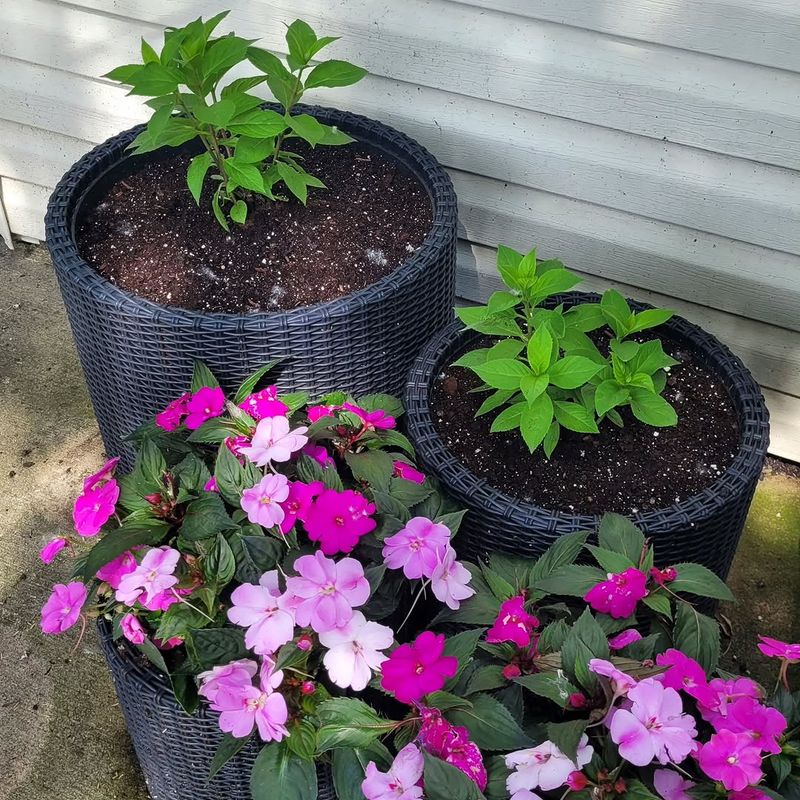
Bare potting mix sitting in the July sun loses moisture from the surface constantly throughout the day. Adding a thin layer of mulch on top of the soil in a container works the same way it does in a garden bed.
It shades the surface, slows evaporation, and helps keep the potting mix a few degrees cooler during the hottest hours.
Shredded bark mulch works well in containers and is easy to find at local garden centers. Straw is another option, especially for vegetable containers like tomatoes or peppers.
A layer about one inch thick is usually enough to make a noticeable difference without adding too much bulk or weight to the pot.
Keeping mulch away from plant stems is important. Piling mulch directly against stems can hold moisture against the base and encourage rot over time.
Leave a small gap around each stem so air can circulate freely. The goal is to cover the soil surface, not to bury the plants.
Some Ohio gardeners use decorative stones or pebbles as a top dressing in ornamental containers. These can reduce surface evaporation slightly, though they do not retain moisture the way organic mulch does.
Organic options like bark or straw also break down slowly over the season and add a small amount of nutrition back into the potting mix. Even a modest layer of mulch can reduce how often containers need water during a hot July stretch.
8. Afternoon Shade Can Save Stressed Containers
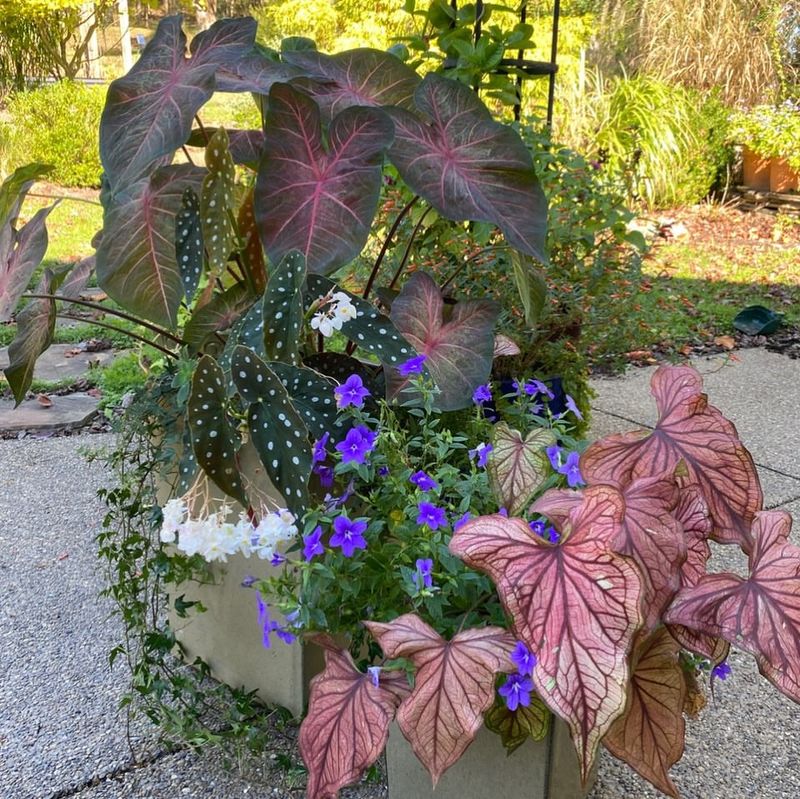
Morning sun is usually gentle enough for most Ohio container plants to handle well. The trouble in July comes from the afternoon sun, which is more intense and lingers during the hottest part of the day.
Moving a struggling container just a few feet into a spot that gets afternoon shade can reduce stress noticeably within a day or two.
Patios with a pergola, a fence on the west side, or a large tree nearby often have natural shade zones that work well for heat-sensitive containers. Shade from about 1 p.m. to 4 p.m. covers the most intense heat window.
Plants moved into these spots often look perkier by the following morning compared to those left in full sun all day.
Sun-loving plants like zinnias, marigolds, and peppers still need several hours of direct light to bloom and produce well. The goal is not full shade but rather a break from the most punishing afternoon exposure.
Partial shade during peak heat hours often gives these plants enough relief without reducing their overall light intake too much.
Paying attention to how your plants look in the afternoon is a useful habit. Wilting that recovers fully by evening is usually heat stress rather than a watering problem.
Wilting that does not bounce back after sunset often points to dry soil. Knowing the difference helps you respond with the right fix instead of overwatering a plant that just needs a cooler spot.