The Rat-Repelling Ground Covers Florida Gardeners Are Using To Protect Their Yards
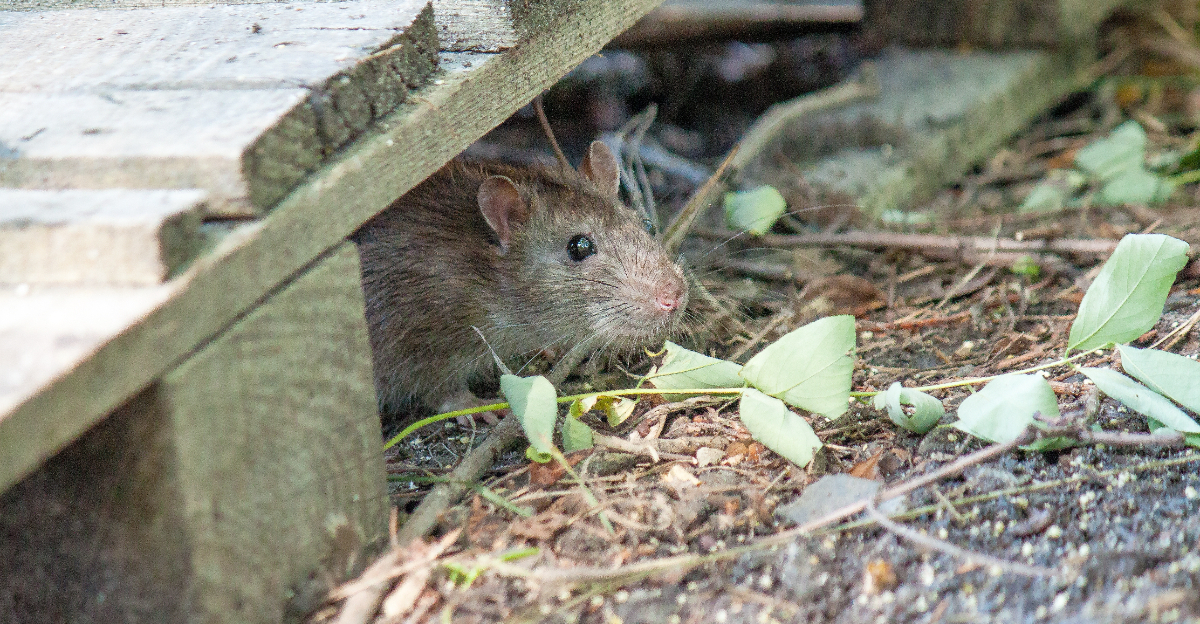
Rats in Florida move along the ground. They hug walls, follow fence lines, and stick to the kind of low cover that makes them feel safe while they scout a yard for food and shelter.
Most homeowners focus on what is happening at eye level and completely miss what is happening at their feet. Ground cover choices matter more than most people realize when it comes to making a yard less attractive to rats.
Certain plants create the kind of dense, fragrant, textured environment that rats find genuinely off-putting. Others do the opposite, offering exactly the kind of protected corridors rats prefer when moving through a yard.
Florida has native and well-adapted ground covers that land on the right side of that line. They look good, handle the climate without complaint, and add one more layer to a yard that is trying to stay uninviting to rodents.
No guarantees, but the right ground cover is a smarter starting point than most people consider.
1. Frogfruit Covers Bare Soil Without Creating Heavy Hiding Spots
A weedy strip along the driveway or a bare patch near the fence line can invite trouble. Exposed soil tends to fill in with tangled weeds, and tangled weeds can become exactly the kind of cover rats look for.
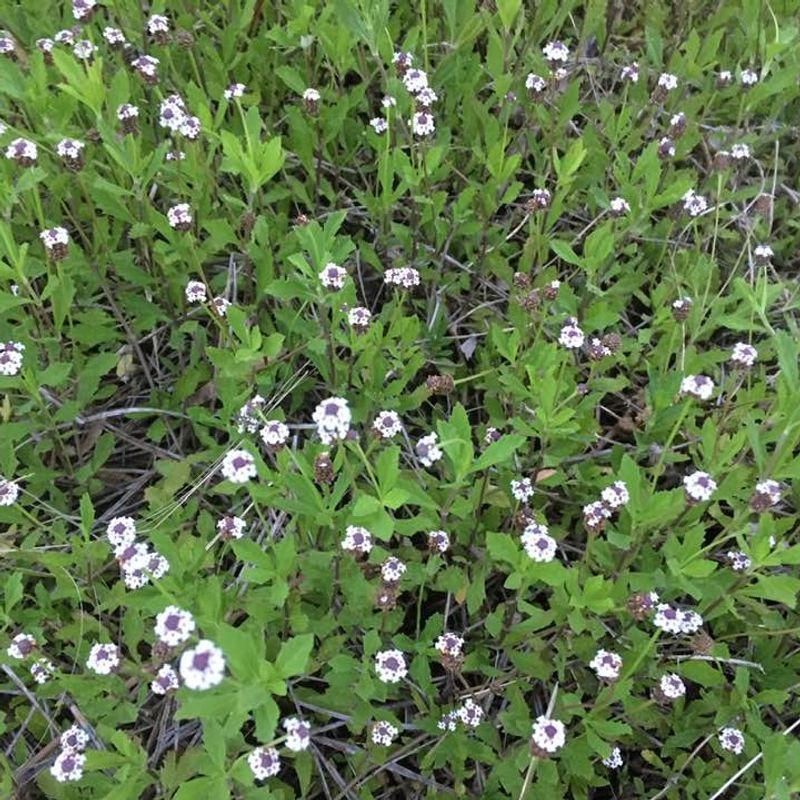
Frogfruit (Phyla nodiflora) offers a native alternative that keeps those spots low, green, and manageable.
This Florida native spreads as a flat mat, rarely rising more than a few inches off the ground. Its small white and pale purple flowers attract bees and butterflies, making it a pollinator-friendly choice for lawn edges, path borders, and awkward sunny strips.
It handles full sun to part shade and tolerates heat, occasional foot traffic, and dry periods once established.
Because frogfruit stays low and open, it does not create the kind of thick, tangled cover that gives rats a sheltered runway. That said, it does not push rats away on its own.
Sanitation still matters most. Clean up fallen fruit, secure compost bins, and remove debris near any planting.
Getting frogfruit established takes consistent moisture for the first few weeks. After that, it needs little water.
Edge it occasionally to keep it from creeping into beds or sidewalk cracks. A well-maintained frogfruit mat looks intentional, stays visible, and replaces messy bare soil with something useful and native.
2. Muhly Grass Keeps Sunny Edges Open Instead Of Tangled
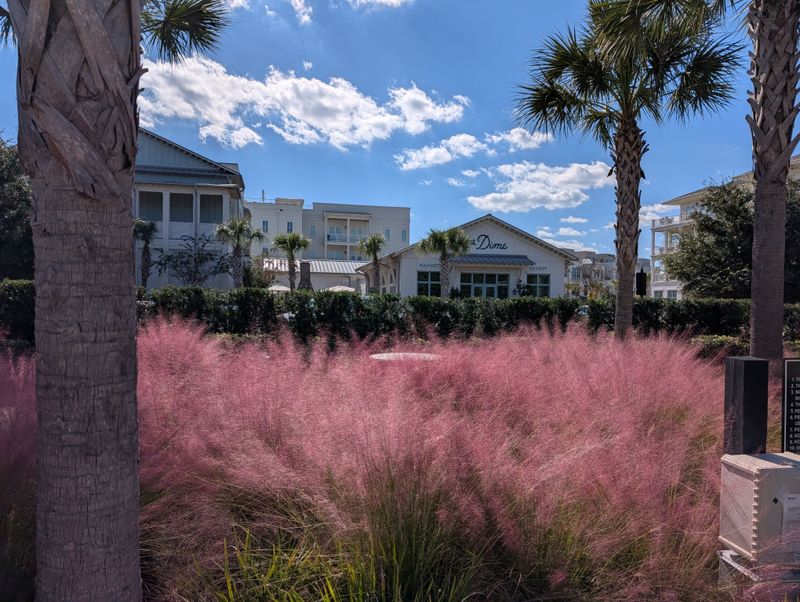
A cluttered fence line covered in overgrown shrubs and weedy grass is one of the easiest places for rats to move around unnoticed. Replacing that mess with something open, airy, and easy to inspect makes a real difference.
Muhly grass (Muhlenbergia capillaris) is a native ornamental grass that brings texture to sunny edges without creating a dense tangle.
Its fine green blades stay relatively tidy through the growing season, and in fall it produces stunning pink to purple plumes that catch the light and attract attention.
Planted with enough spacing between clumps, muhly grass leaves open ground between plants that stays visible and easy to check.
Your Florida Garden Changes Every Week. Your Plan Should Too.
Gardening in Florida changes quickly throughout the season. Every Friday you’ll receive a simple weekly plan showing exactly what to plant, prune, fertilize, harvest, and protect so you never miss the right timing.
That openness matters because rats prefer routes that feel covered and hidden.
Muhly grass thrives in full sun and tolerates drought after establishment. Sandy, well-drained soil suits it well, making it a smart pick for slopes, open borders, and roadside strips across this state.
Space clumps at least two to three feet apart so the planting stays airy rather than crowded.
Cut clumps back in late winter before new growth begins. Remove any leaf litter or debris that collects between plants.
An open, well-spaced muhly grass planting looks polished, stays easy to monitor, and replaces the kind of brushy mess that makes yards harder to keep clean and safe.
3. Twinflower Softens Borders With Low Native Coverage
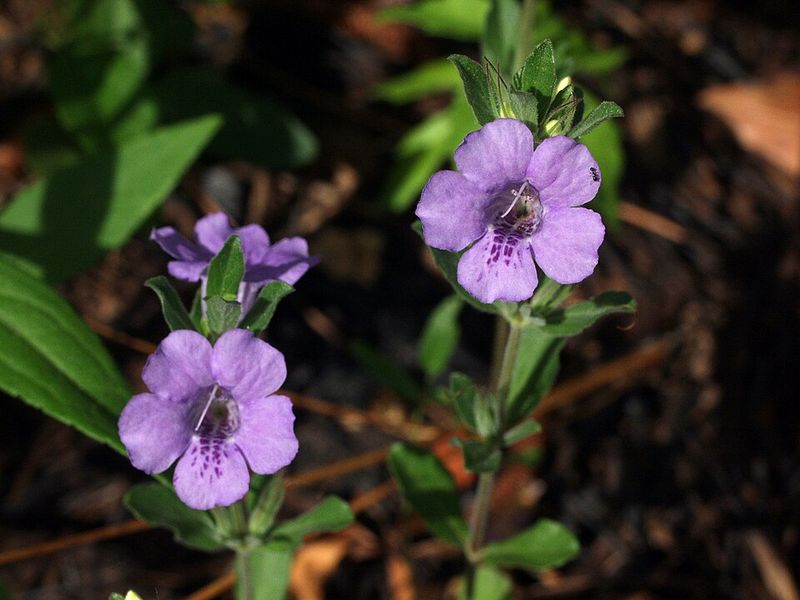
Shady border edges can be tricky to manage. Grass often thins out, weeds move in, and before long a tidy bed edge turns into a patchy mess.
Twinflower (Dyschoriste oblongifolia) is a Florida native that can step in and fill those partly sunny to partly shaded spots with low, soft, manageable growth.
It spreads gently along the ground, staying low enough that it rarely becomes a visual barrier. Small purple tubular flowers bloom through much of the year, drawing native bees and other pollinators.
The naturalistic look fits well in informal beds, cottage-style plantings, and woodland edges where a softer border is welcome.
Because twinflower stays low and does not form a thick wall of vegetation, it can help keep borders visible and less sheltered than overgrown shrub masses. Rats favor routes with cover overhead and on the sides.
A low, open planting offers far less of that. Still, no ground cover does the heavy lifting alone.
Trim back any debris, check for clutter near walls, and keep the area around fences and foundations clean.
Match twinflower to the right light and moisture conditions for best results. It prefers well-drained soil and does not like sitting in standing water.
Give it time to fill in naturally, and edge it lightly if it begins creeping past the intended border.
4. Sunshine Mimosa Fills Sandy Gaps Without A Brushy Mess
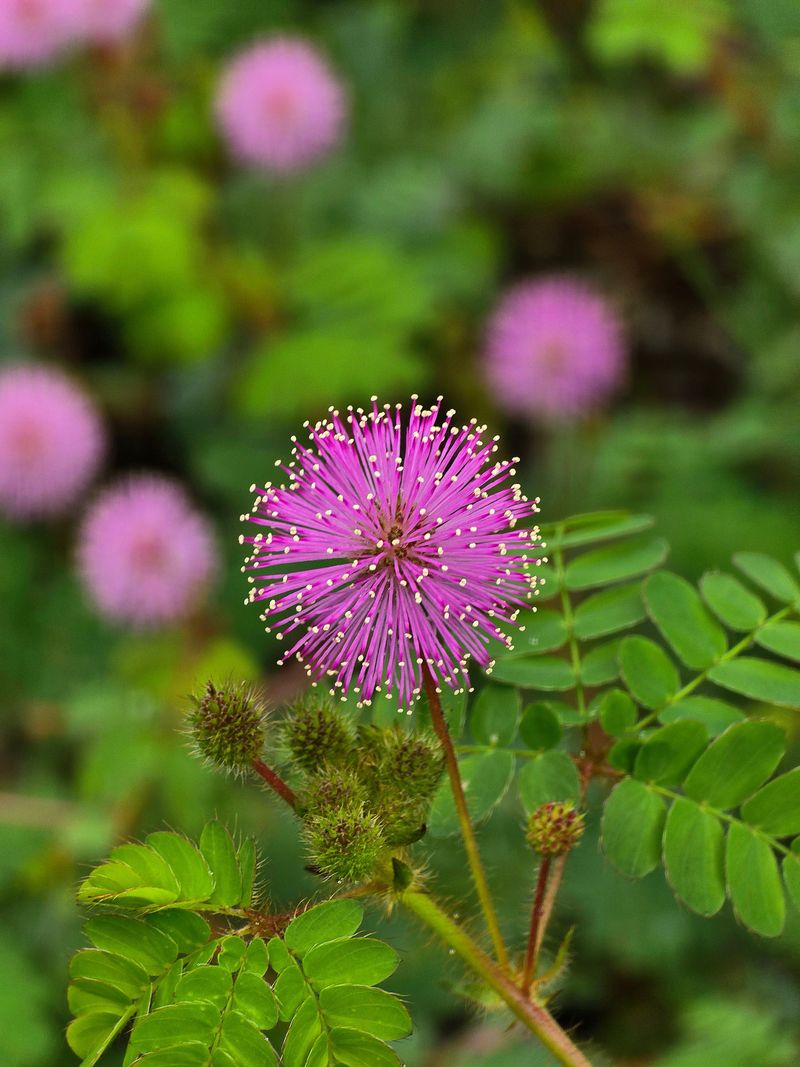
Sandy gaps between lawn sections, bare slopes near the road, and dry sunny strips along driveways are spots that weeds love to claim first. Once weedy brush takes hold, those areas become harder to monitor and easier for rodents to use as cover.
Sunshine mimosa (Mimosa strigillosa) is a native ground cover that can fill those sunny, sandy gaps with a low, spreading mat before weeds get the chance.
The pink powderpuff flowers are genuinely eye-catching, and they bring in bees and butterflies throughout the warmer months. The feathery leaves fold when touched, which tends to surprise and delight visitors.
As a mat-forming plant, it spreads outward rather than upward, staying close to the ground and keeping coverage visible and open.
A maintained low mat like sunshine mimosa is easier to scan than a tangle of unmanaged grass or brush. Rats prefer concealed travel routes, and a flat open mat provides far less cover.
That said, the plant still needs regular attention. Keep it trimmed at the edges and remove leaf debris that collects in the mat.
Pair it with good sanitation habits around any nearby compost, fruit trees, or outdoor feeding areas.
Sunshine mimosa needs full sun and handles drought well after establishment. Give it a season or two to spread and fill in.
It works beautifully on slopes where mowing is difficult.
5. Railroad Vine Works Where Coastal Sand Needs Clean Coverage
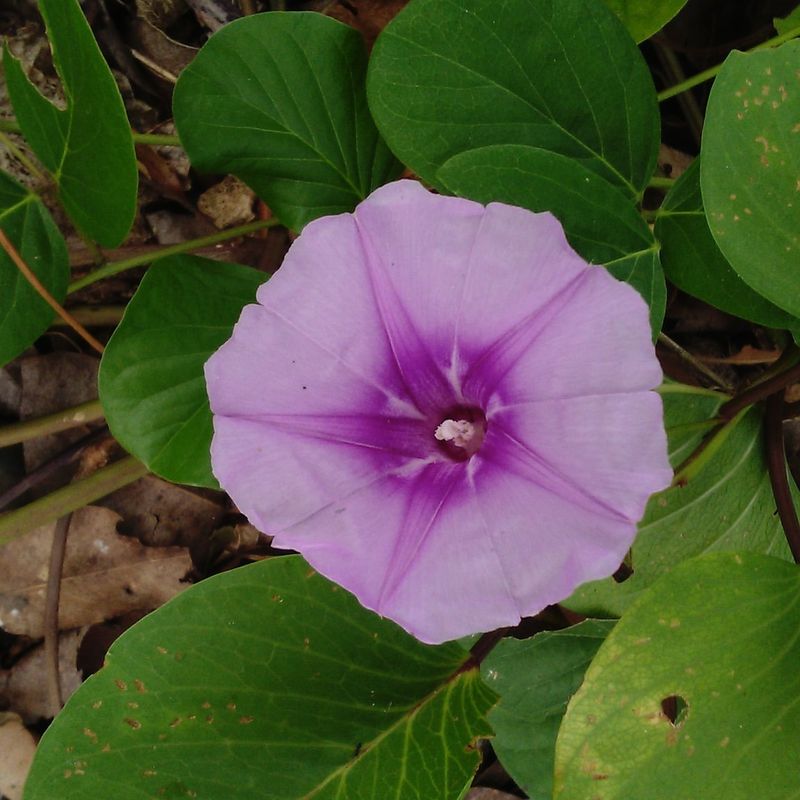
Coastal yards come with their own set of challenges. Salt wind, shifting sand, and blazing sun make it hard to establish almost anything.
Bare sand near the coast can look neglected and also provide open ground that, near food sources or structures, can attract unwanted visitors.
Railroad vine (Ipomoea pes-caprae subsp. brasiliensis) is a native coastal vine that handles those tough conditions with ease.
Long trailing stems spread across open sand, anchoring the ground and covering exposed areas with thick, waxy leaves. Large purple trumpet-shaped flowers bloom regularly and add color to otherwise stark coastal edges.
Salt tolerance is one of its standout traits, making it a reliable choice where other plants struggle to survive.
For yards near the coast where sand needs coverage, railroad vine can create a cleaner, more stable surface than bare shifting ground. Cleaner, more covered plantings that stay low and open are easier to inspect than tangled, debris-filled brush.
That said, this vine should not be allowed to grow unmanaged near buildings, fences, or structures. Keep it in open coastal zones where its spreading habit has room to move without creating hidden corners.
Railroad vine is strictly a coastal, full-sun plant. It does not suit inland yards or shaded spots.
Use it where site conditions match, and pair it with regular checks for debris, nesting material, or clutter that can accumulate near any ground-level planting.
6. Dune Sunflower Brightens Open Edges Without Dense Cover

A sunny strip along a fence or a hot sandy edge near the driveway often ends up bare and weedy by midsummer. Weedy, neglected edges are harder to inspect and easier for small animals to use as travel routes.
Dune sunflower (Helianthus debilis), also called beach sunflower, is a native ground cover for those sunny spots. It covers them with cheerful yellow blooms and spreading green foliage without forming a dense, sheltering mass.
It spreads quickly in the right conditions, filling in open ground with a naturalistic mat that stays relatively low. The bright yellow flowers with dark centers attract butterflies, native bees, and seed-eating birds, making it a genuinely lively addition to any sunny edge.
It handles sandy, well-drained soil and tolerates heat and drought once settled in.
Open, managed plantings like dune sunflower are less sheltering than neglected or overgrown vegetation. Rats move more cautiously through exposed, visible ground.
That does not make the plant a deterrent by itself, but a tidy, well-maintained dune sunflower planting is easier to monitor than a weedy tangle. Trim it back if it spreads beyond its intended area, and watch for reseeding in sandy soil.
Remove leaf debris from the base of the planting regularly. Keep the area near any structures, sheds, or compost clean.
Dune sunflower works best where a relaxed, natural look is welcome and the site gets plenty of direct sun.
7. Creeping Sage Adds Low Greenery To Shady Corners
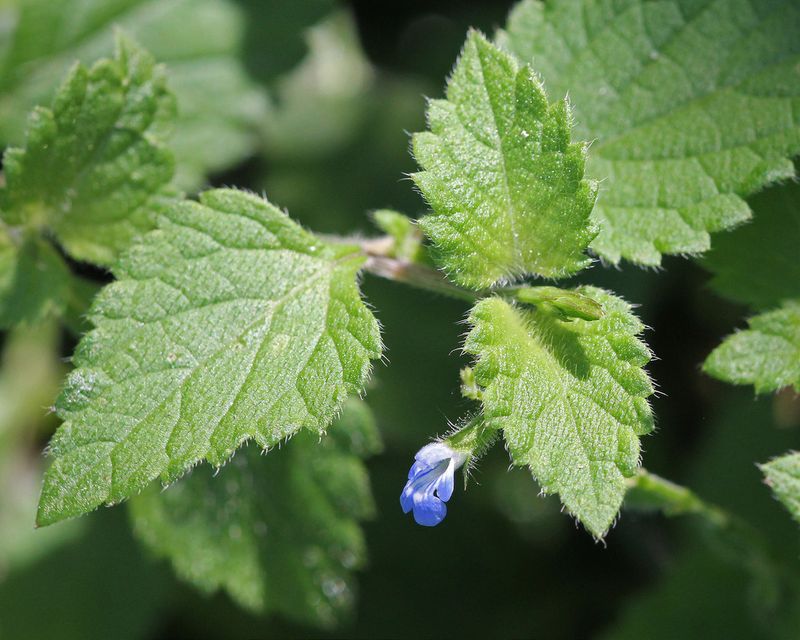
Shady corners near walls, fences, and foundations are some of the hardest spots to keep tidy. Grass thins out, bare soil appears, weeds creep in, and before long those corners become cluttered and hard to see into.
Creeping sage (Salvia misella) is a lesser-known Florida native that can soften those shaded spots. It does so with low, spreading greenery and small flowers that attract pollinators.
It spreads along the ground in partly shaded to shaded areas, staying low enough that it does not block sightlines or create a tall screen. Small blue to purple flowers appear periodically and draw native bees.
The spreading habit fills in bare spots gradually, replacing weedy clutter with something intentional and manageable.
Replacing bare weedy corners with low managed coverage can make those spots easier to inspect. Cluttered, debris-filled corners near walls are exactly the kind of space rats look for.
A clean, low planting does not provide the same level of shelter. That said, shady corners near buildings still need regular attention.
Trim back any growth that presses against walls, remove fallen leaves and debris, and check regularly for signs of activity.
Creeping sage suits moist to moderately dry shaded soil. Match it to the right conditions and give it time to spread.
Keep corners visible, especially near foundations and fences, and pair the planting with sealed entry points and good outdoor sanitation habits year-round.
8. Coontie Gives Edges Structure Without Messy Ground Clutter
Foundation beds that fill up with loose mulch, sprawling shrubs, and forgotten debris become some of the most problematic spots around a home. Rats favor those cluttered, low-to-the-ground zones near buildings.
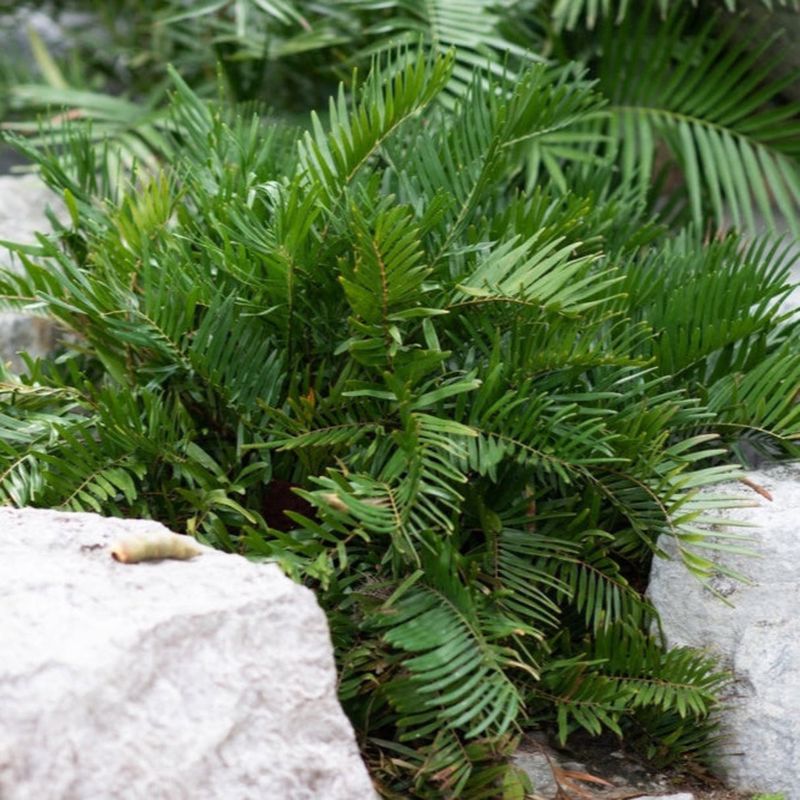
Coontie (Zamia integrifolia), a native cycad, offers something different: clean structure, consistent greenery, and a tidy appearance that stays manageable year-round.
Unlike mat-forming ground covers, coontie grows as a cluster of dark, glossy, arching fronds.
It works well as a massed low planting along foundation edges, driveway borders, and shaded to partly sunny spots where structure matters more than spreading coverage.
Spaced properly, a coontie planting keeps the ground between plants visible and easy to check.
Tidy, spaced plantings near the house are far easier to inspect than brushy, overgrown beds. Removing clutter and keeping growth low and organized near foundations reduces the kind of hidden cover that makes those spots attractive.
Coontie supports that goal without becoming a messy thicket. It is also the host plant for the Atala butterfly, a rare and beautiful native species worth protecting.
Coontie handles drought well after establishment and tolerates sandy, well-drained soil in full sun to full shade. Allow proper spacing between plants so air circulates and the ground stays visible.
Pair it with sealed foundation gaps, regular debris removal, and proper storage of trash and outdoor pet food to make the most of this structural native.