7 Illinois Trees Protected By Law And What You Need To Know Before Removing Them
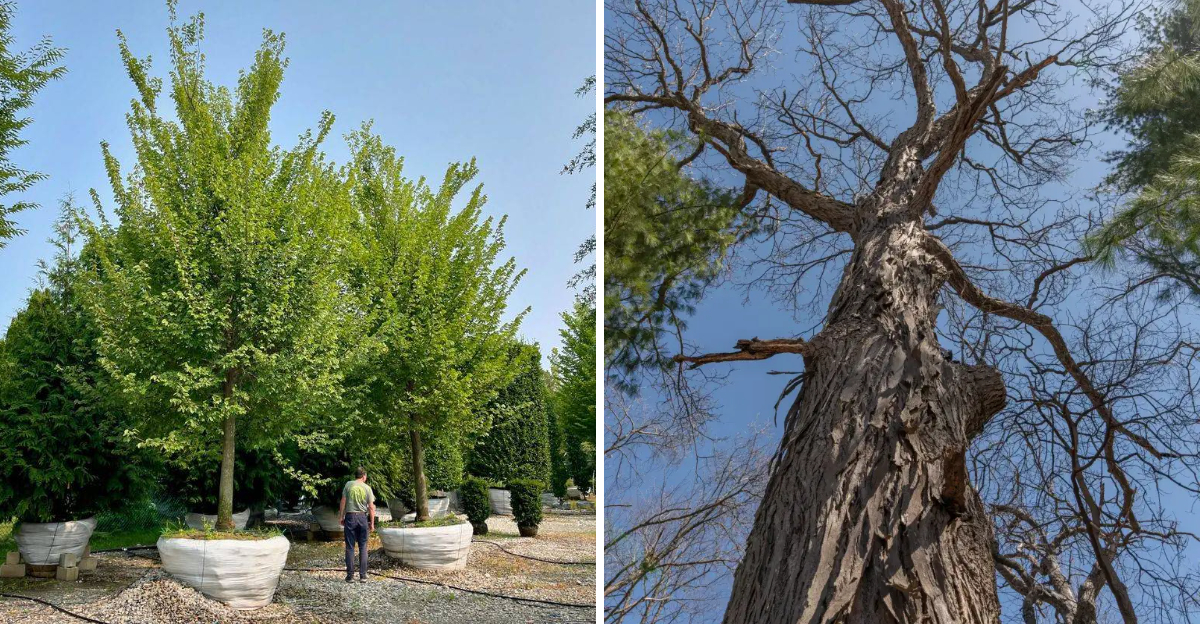
You hire the crew. You watch the oak come down. Massive. Ancient. Gone in under a minute. Then the inspector shows up.
Then the fine lands in your mailbox. Then your yard goes very quiet. That tree was protected. You had no idea. Illinois does not go easy on that kind of mistake.
What if your backyard tree is already on a do-not-touch list you have never seen? Municipalities across the state have quietly built legal armor around specific native species.
Trunk diameter, species classification, lot location. Any one of these can trigger a permit requirement or a serious penalty.
Landscapers get caught. Developers get fined. Homeowners lose cases they never anticipated.
Across Illinois, certain trees in your yard carry protections that can stop your plans cold. Keep reading before your next move costs you more than you bargained for.
1. White Oak
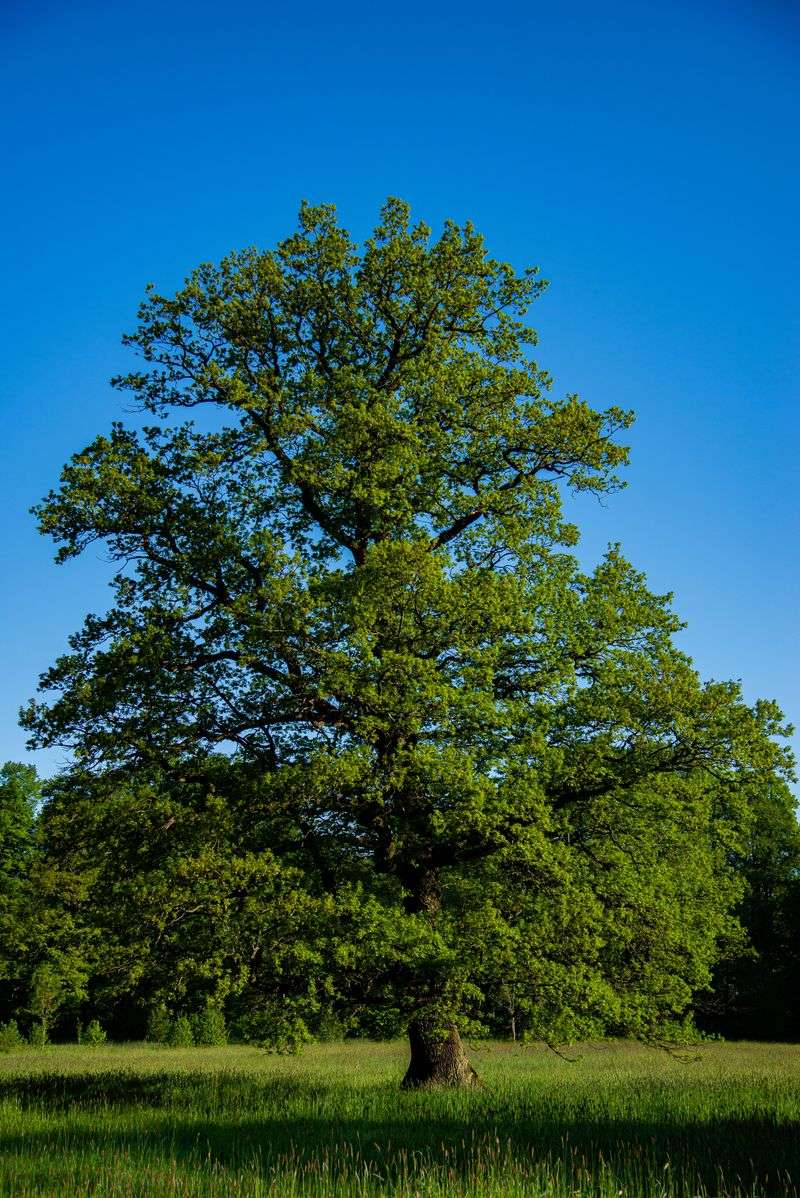
Stand under a White Oak long enough and you will feel history pressing down on you. These trees can live over 500 years, and some specimens in Illinois have been standing since before the American Revolution.
White Oak is one of the most commonly protected trees in Illinois municipalities. Cities require permits before any removal. In some municipalities, fines for unauthorized removal can reach into the thousands of dollars.
The trunk alone tells a story. White Oak bark is pale gray and flaky, almost like old parchment, and the tree can grow over 80 feet tall with a canopy stretching just as wide.
Wildlife relies heavily on this tree. A single White Oak can support over 500 species of caterpillars, widely regarded as one of the most ecologically valuable native trees in North America.
For homeowners, the challenge is recognizing one before calling a tree service. The leaves have rounded, finger-like lobes without pointed tips, which separates them from Red Oak leaves instantly.
Many Illinois counties track large White Oaks as heritage trees. Once a tree earns that designation, removal requires approval from a municipal arborist and sometimes a public hearing.
The acorns are also worth knowing about. White Oak acorns mature in a single season and are less bitter than other oaks, making them a favorite food source for deer, turkeys, and squirrels.
Before you touch a White Oak on your property, call your local municipality first. The cost of a permit is nothing compared to the fine waiting on the other side of a bad decision.
2. Bur Oak
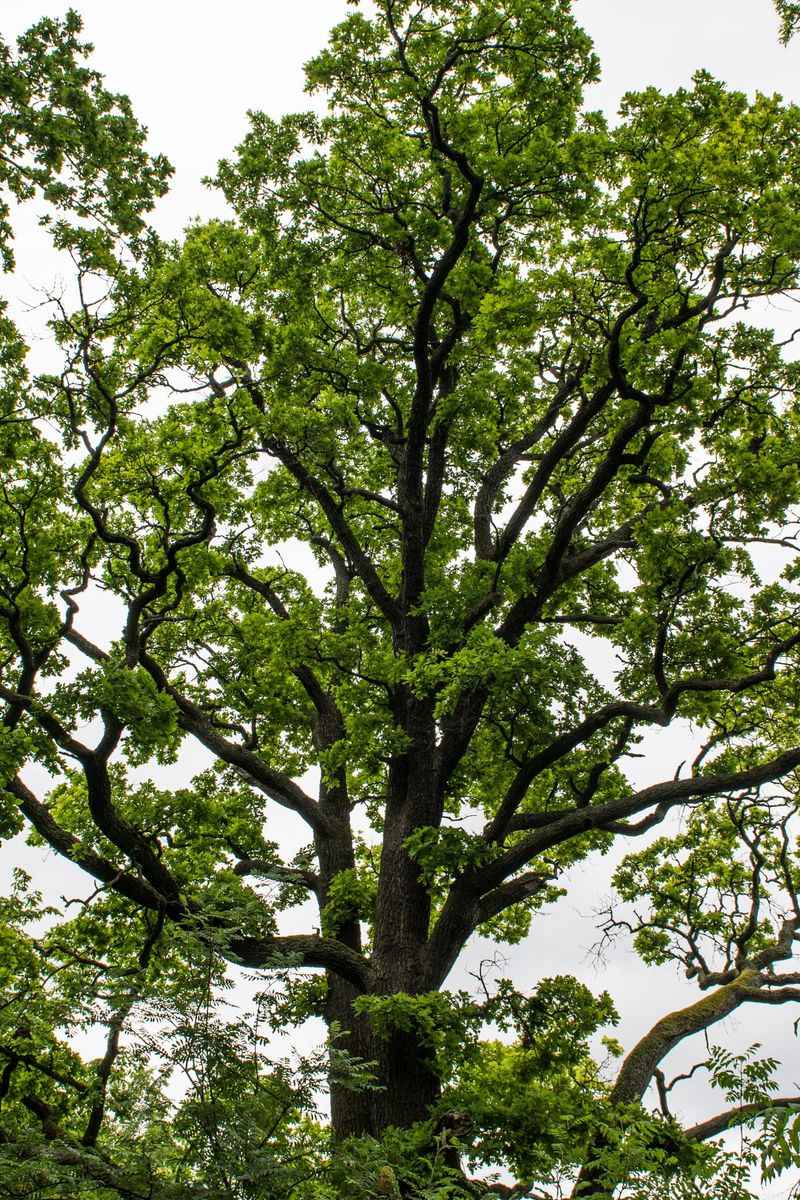
Bur Oak is basically the tank of the tree world. Its bark is so thick and corky that it survived the massive prairie fires that once swept across the Midwest for thousands of years.
This fire resistance made it one of the dominant trees on the Illinois landscape long before European settlers arrived. Ecologists call it a savanna tree because it thrives in open, grassy environments.
Protected under numerous Illinois city codes, Bur Oak removal without a permit can trigger serious financial penalties.
Some municipalities classify large specimens as landmark trees, giving them extra layers of legal armor.
Your Illinois Garden Changes Every Week. Your Plan Should Too.
Gardening in Illinois changes quickly throughout the season. Every Friday you’ll receive a simple weekly plan showing exactly what to plant, prune, fertilize, harvest, and protect so you never miss the right timing.
The acorns are unmistakable. They are large, round, and wrapped in a shaggy, fringed cap that looks like a tiny beret, which is exactly how the tree got the name Bur Oak.
Growth is slow and steady. A Bur Oak typically grows one to two feet per year when young, slowing considerably as it matures.
Homeowners often underestimate these trees because younger specimens look scraggly. Give one a century or two, and you will have a canopy that shades an entire backyard with room to spare.
The wood is incredibly dense and durable. Historically, Bur Oak timber was used for railroad ties, barrels, and ship building because it resists rot better than most other hardwoods.
If you have a Bur Oak on your lot, treat it like the irreplaceable landmark it truly is. Cutting one without permission is the kind of mistake that follows you to court.
3. Black Walnut
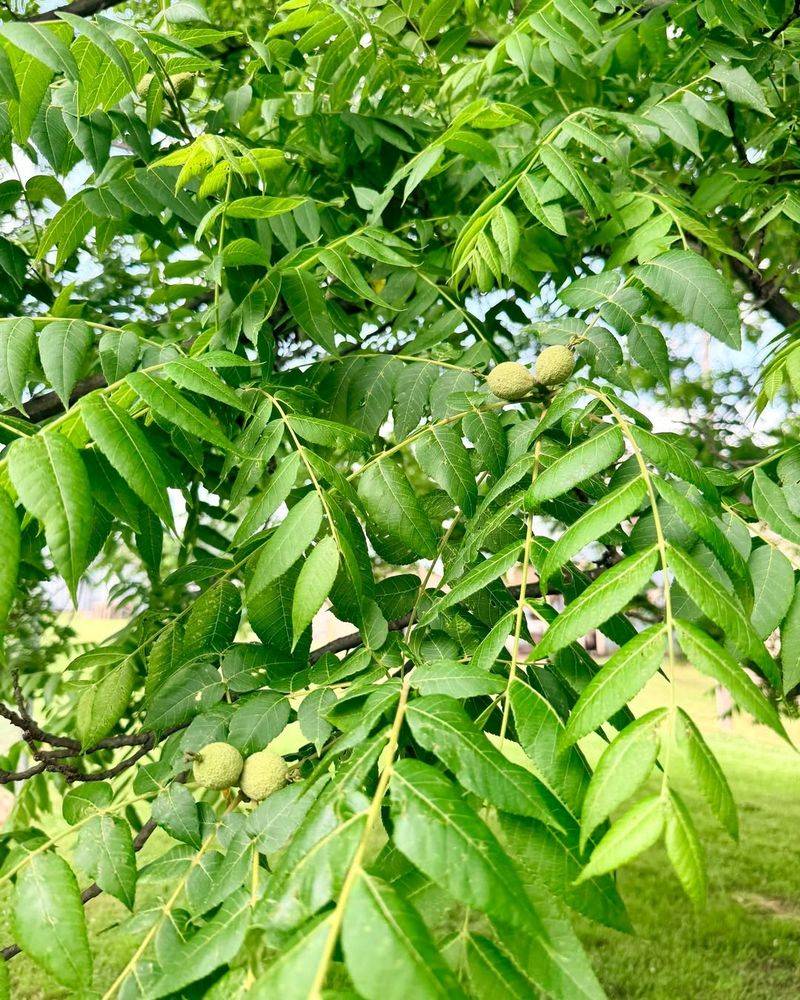
Black Walnut trees have a reputation that precedes them. Gardeners both love and fear this tree because it releases a chemical called juglone that can harm nearby plants.
Despite that quirky toxicity, Black Walnut is one of the most prized and legally protected trees across Illinois.
Its dense, chocolate-brown hardwood is worth serious money on the lumber market. That high value is exactly why thieves sometimes target these trees illegally.
Cases of unauthorized Black Walnut harvesting have been reported across the Midwest, where individuals have accessed private land to remove trees without the owner’s permission.
Illinois law and local ordinances treat unauthorized removal of large Black Walnuts as a significant offense.
Fines and civil liability can stack up fast, especially if the tree was on protected or registered land.
Identifying one is not hard once you know what to look for. The leaves are long and feathery, made up of 15 to 23 smaller leaflets arranged in pairs along a central stem.
In late summer, the tree drops round, green-husked nuts roughly one to two inches across. Crack one open and the dark, wrinkled walnut inside smells intensely nutty and earthy.
Squirrels are strongly drawn to Black Walnuts. They will bury hundreds of them across a yard, and the ones they forget often sprout into new trees the following spring.
If you are thinking about removing one from your property, get an arborist assessment and check local ordinances first. Skipping that step could cost you far more than the tree is worth.
4. Shagbark Hickory
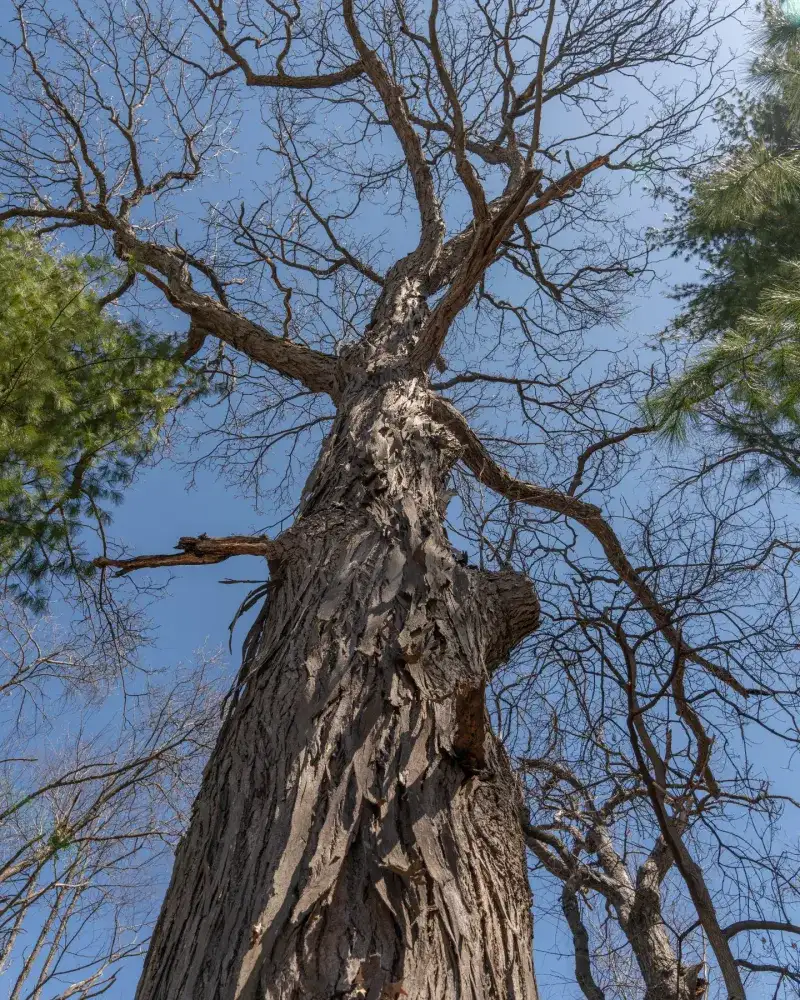
No tree in Illinois has a more dramatic look than the Shagbark Hickory. Its bark peels away in long, curling strips that hang off the trunk like shaggy gray ribbons.
That wild appearance is not a sign of disease. It is just how this tree grows, and it makes identification incredibly easy even from a distance across a field or forest edge.
Shagbark Hickory is protected under tree preservation ordinances in several Illinois communities.
Removing a mature specimen without the proper permits can result in fines and mandatory replacement requirements. The nuts are a big deal, both ecologically and historically.
Native American communities relied on hickory nuts as a calorie-dense food source, and wildlife from foxes to woodpeckers still depend on them today.
Hickory wood burns incredibly hot and slow. It is the preferred fuel for smoking meats, and a single cord of hickory wood produces more heat than almost any other native hardwood available.
Growth is painfully slow for this species. A Shagbark Hickory may take several decades to produce a reliable, substantial nut crop.
The compound leaves turn a rich golden yellow in fall, making this tree one of the most visually stunning additions to any woodland or suburban lot in October.
Homeowners who inherit a Shagbark Hickory on their property have something genuinely rare. Protect it, learn its permit requirements, and you will have a living landmark that outlasts almost everything else on the block.
5. American Elm
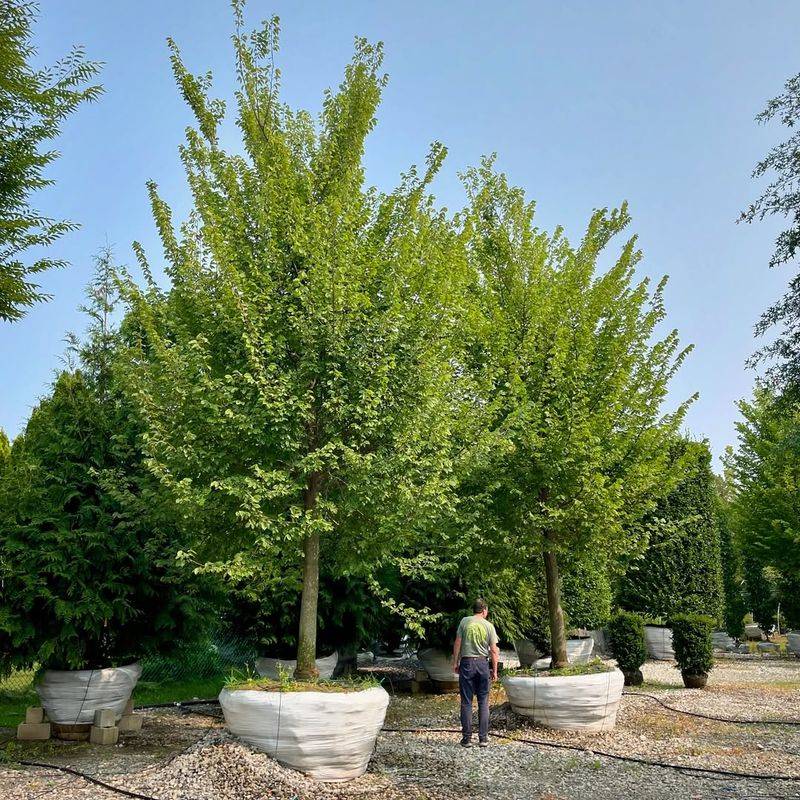
American Elm once lined nearly every main street in the Midwest like a graceful green cathedral. Dutch Elm Disease led to the loss of millions of elms across North America.
Surviving specimens are now given significant legal protection. Many Illinois municipalities have placed surviving American Elms under strict protection, requiring permits for any trimming or removal work.
The tree’s classic shape is unforgettable. It grows in a tall vase form, with branches arching upward then sweeping outward like a fountain frozen in wood and leaves.
Mature elms can reach 100 feet in height with a canopy stretching 75 feet wide. That kind of spread means one healthy tree can shade an entire residential lot completely.
Disease-resistant cultivars have been developed by researchers at university programs across the Midwest.
These newer varieties carry names like Princeton, Valley Forge, and New Harmony, and they are being planted to restore historic streetscapes.
If you spot an old American Elm still standing in your neighborhood, it has likely survived decades of disease pressure through genetic luck. That makes it a rare specimen worth careful preservation.
Cutting a protected tree without authorization can go beyond a fine. In some documented cases, Illinois municipalities have pursued legal proceedings against property owners.
Before any work touches an American Elm on your land, contact your city forester or urban forestry department. A quick phone call could be the difference between a permit and a penalty.
6. Sugar Maple
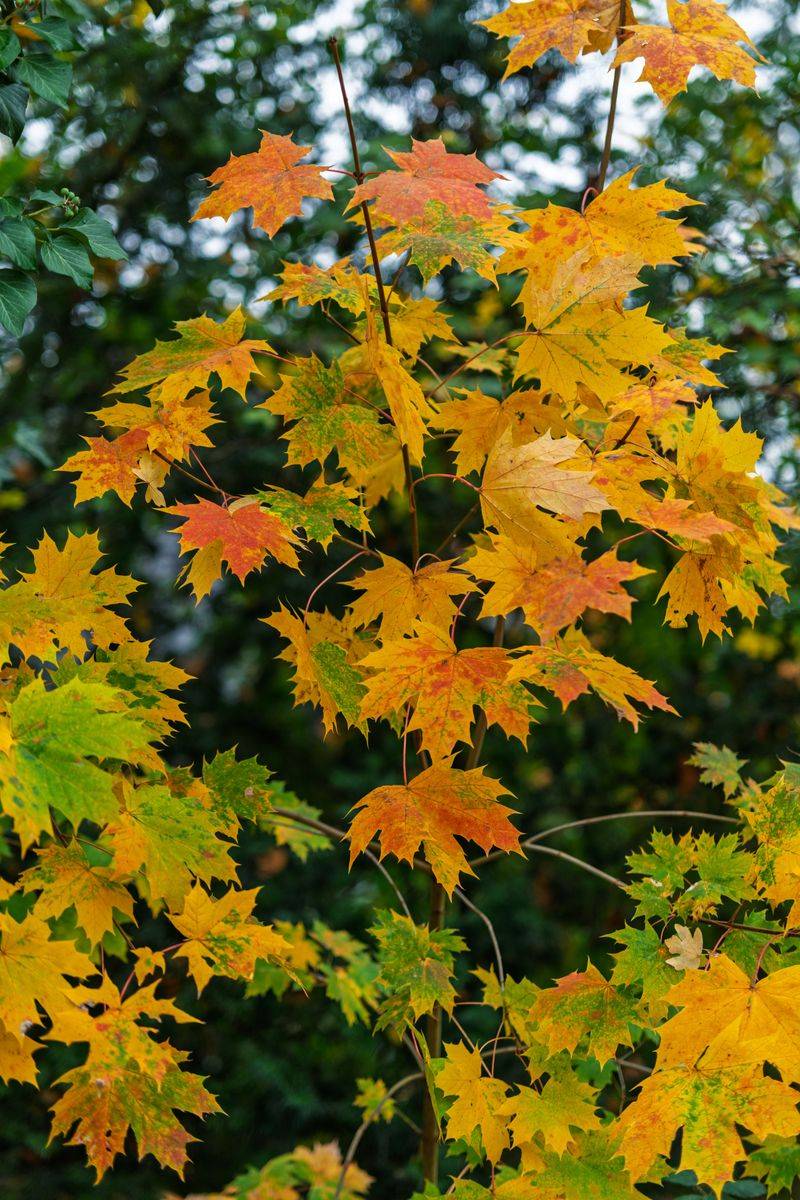
Every fall, Sugar Maple puts on a show that stops traffic. The leaves shift from green to blazing shades of orange, red, and gold in a display that makes Illinois neighborhoods look like paintings.
Beyond the beauty, this tree is a workhorse of the ecosystem. Its dense canopy intercepts rainfall, cools urban heat islands, and provides critical nesting habitat for dozens of bird species.
Sugar Maple is protected under tree preservation codes in many Illinois cities and villages. A permit is required before removal, and replacement trees are often mandated when one comes down. The sap is famous for a reason.
Tapped in late winter, Sugar Maple sap is boiled down to produce maple syrup, and it typically takes 35 to 50 gallons of raw sap to produce one gallon of finished syrup, depending on the sugar content of that season’s sap.
Identifying a Sugar Maple is straightforward. The leaves have five pointed lobes with smooth curves between them, and the classic maple leaf shape is recognized worldwide as a symbol of Canada.
Urban Sugar Maples face stress from road salt, compacted soil, and drought. Homeowners can help by mulching around the base and avoiding salt-heavy de-icers near the root zone in winter.
Mature specimens can live 200 years or more under the right conditions. A Sugar Maple planted today is a gift to generations of future homeowners, wildlife, and neighbors who will benefit from its canopy.
Protecting a Sugar Maple on your property is protecting a piece of Illinois heritage. Cut one without a permit, and the price you pay will sting far longer than the fall colors last.
7. Sycamore
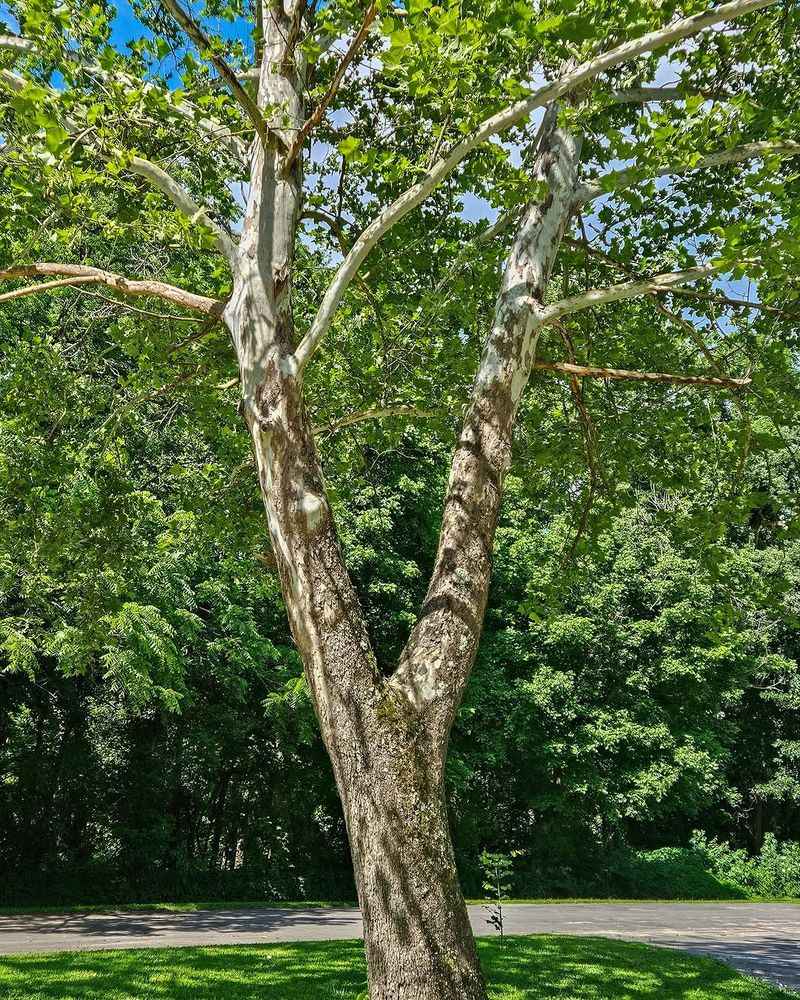
You will spot a Sycamore from a mile away in winter. The upper bark peels away to reveal striking patches of white, cream, and pale green that glow against a gray sky like no other tree.
This mottled, camouflage-pattern bark is the Sycamore’s signature. It peels because the outer bark cannot stretch fast enough to keep up with the tree’s rapid, vigorous growth each season.
Sycamores are among the largest hardwood trees native to North America. Trunk diameters of eight feet or more have been recorded, and some old-growth specimens in river bottoms are genuinely enormous.
Along Illinois river corridors and floodplains, Sycamores hold critical ecological roles. Their roots stabilize stream banks, prevent erosion, and their hollow trunks provide shelter for owls, raccoons, and wood ducks.
Many Illinois municipalities classify large Sycamores as significant trees under local preservation ordinances.
Unauthorized removal can trigger fines, stop-work orders on construction projects, and mandatory replacement planting requirements.
Developers sometimes clash with these rules when clearing land near waterways. Failing to account for protected Sycamores during site planning has delayed projects and cost contractors unexpected legal fees.
The leaves are massive and maple-like, sometimes growing wider than a dinner plate. In fall they turn a papery brown and crumble into large pieces that gardeners either love to compost or despise raking up.
Sycamores are a cornerstone of Illinois trees protected by law, and for excellent reason. Respect the protection, get the right permits, and let this ancient giant keep doing what it does best.