Virginia Yard Mistakes That Keep Tick Populations High Despite All Your Efforts
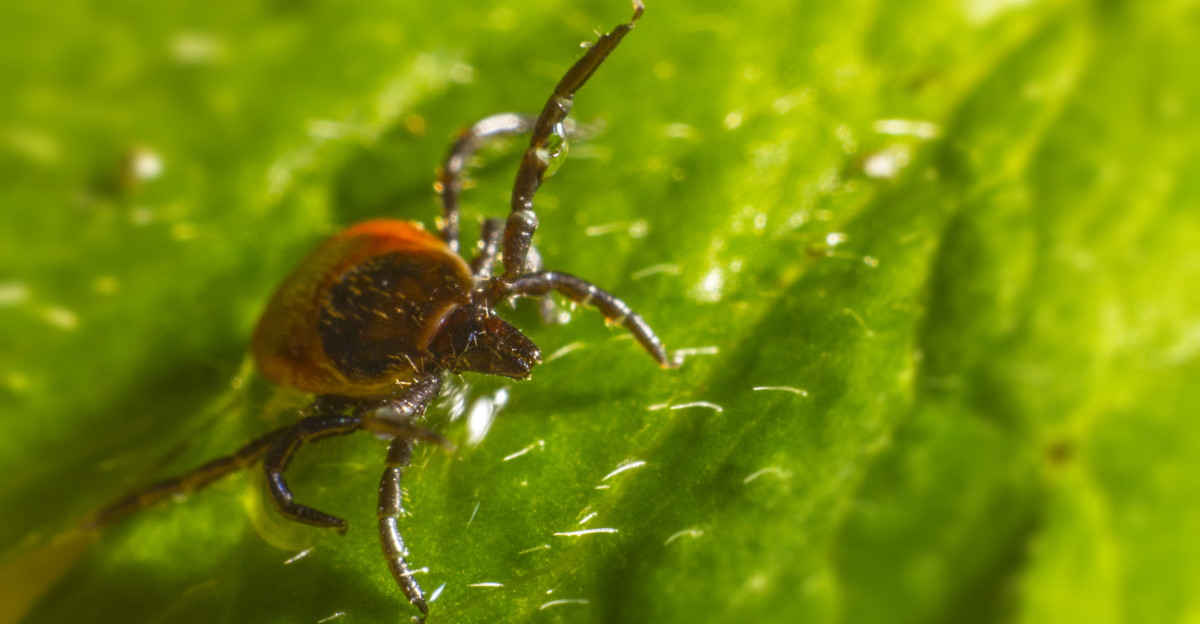
Tick season hits Virginia hard, and no matter how much effort you put in, these pests have a way of showing up anyway.
The problem usually isn’t the treatment. It’s a handful of yard conditions that quietly invite ticks back in, faster than any spray can clear them out.
A shady wood pile tucked against the fence. Leaf litter building up along the tree line. A bird feeder dropping seed right next to your patio.
These details seem harmless, but in Virginia’s warm, humid climate, they function like a standing invitation.
Ticks don’t need much, just moisture, shade, and a steady supply of hosts. Chances are your yard is offering all three without you realizing it.
1. Letting Grass Grow Too Long Between Mows

Tall grass is basically a tick resort. Ticks cannot regulate their body temperature, so they cling to long blades of grass and wait for a warm host to brush by.
Most people mow when the yard looks shaggy. But by then, the grass has already been tall long enough to shelter ticks for days or even weeks.
Keeping your lawn trimmed to three inches or shorter removes that comfortable resting spot. Ticks prefer moist, shaded environments, and short grass dries out faster in the sun.
A dry lawn is a hostile lawn for ticks. That simple fact is enough reason to stick to a consistent mowing schedule all season long.
In Virginia, the tick season stretches from early spring well into late fall. That means your mowing schedule needs to stay consistent longer than you might expect.
Skipping a few mows in August because it feels too hot is a common mistake. Those overgrown patches become prime tick territory almost overnight.
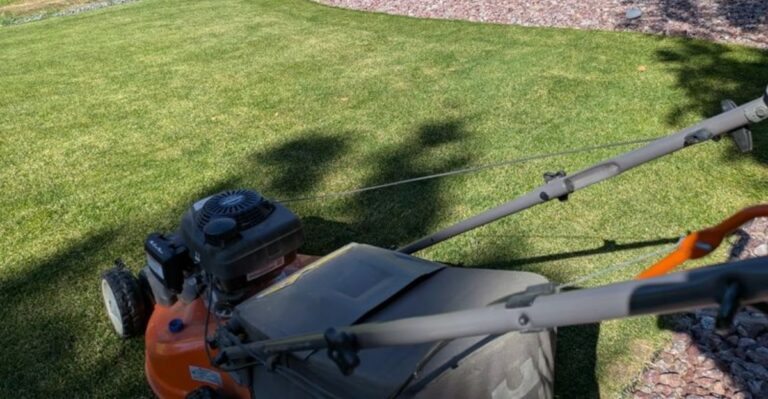
Set a weekly mow reminder on your phone from March through November. Keeping that rhythm going is one of the easiest wins in reducing tick populations in your yard.
Short grass also makes it easier to spot ticks on your pets. That small visual advantage alone makes the effort completely worth it.
2. Leaving Leaf Litter Sitting In Your Yard
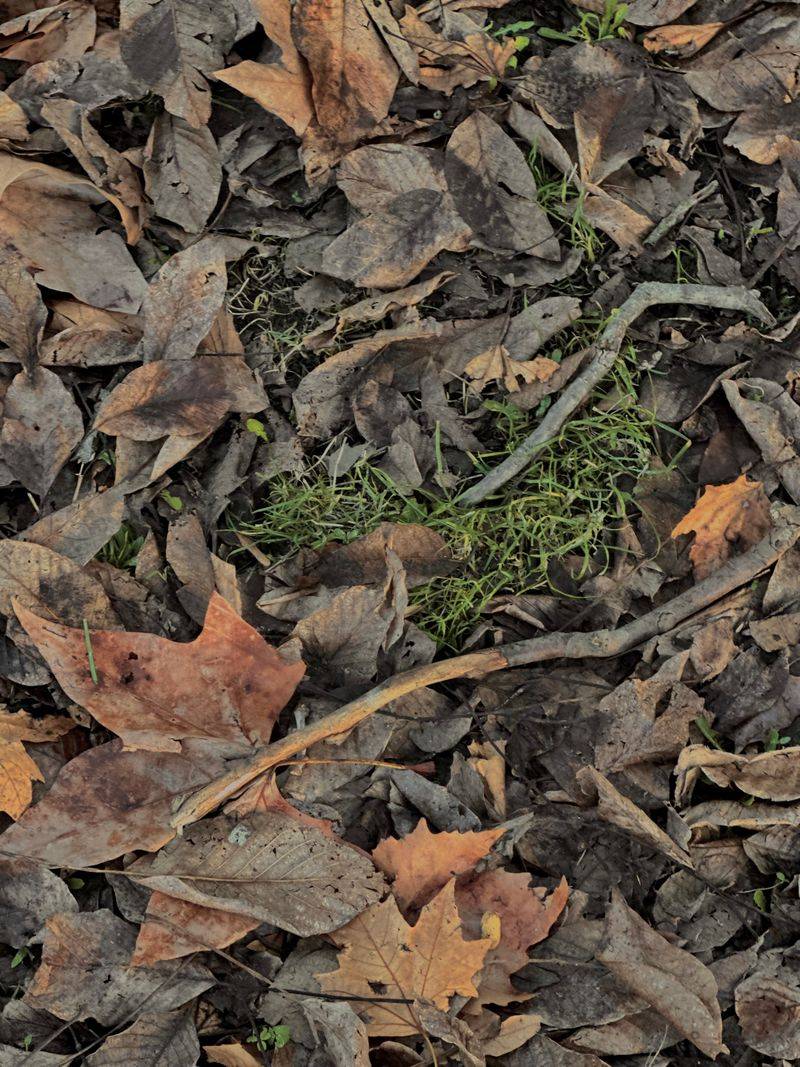
That crunchy carpet of leaves in October looks harmless enough. Underneath it, though, ticks are having the time of their lives in warm, dark, damp conditions.
Leaf litter holds moisture like a sponge. Ticks thrive in exactly that kind of humid microclimate, especially when the pile sits undisturbed for weeks.
Many homeowners rake leaves once in late fall and call it done. But leaves fall in waves, and each new layer adds more shelter for tick populations to grow and spread.
Raking more frequently, especially near wooded edges and garden beds, removes that protective layer ticks depend on. Bag the leaves or compost them away from the house.
Leaving a thick pile near your porch or foundation is particularly risky. Ticks can easily migrate from the pile onto your siding and then into your home.
Some people use mulch to cover garden beds, which is fine in moderation. But thick, deep mulch behaves a lot like leaf litter and creates the same cozy conditions for ticks.
Your Virginia Garden Changes Every Week. Your Plan Should Too.
Gardening in Virginia changes quickly throughout the season. Every Friday you’ll receive a simple weekly plan showing exactly what to plant, prune, fertilize, harvest, and protect so you never miss the right timing.
Keep mulch layers to two inches or less near walkways and play areas. Thin, dry coverage gives ticks far fewer places to hide between mows and treatments.
Clearing leaf litter is not glamorous yard work. But it is one of the most direct ways to reduce tick-friendly habitat right outside your back door.
3. Storing Firewood In A Shady, Damp Spot

Firewood stacks are cozy, practical, and unfortunately a perfect tick hangout. The dark gaps between logs trap moisture and warmth, two things ticks absolutely love.
Most people stack wood wherever it fits, often against a shaded fence or near the house. That habit quietly creates a tick breeding ground just feet from where your family plays.
Mice and other small rodents love firewood piles too. Those animals carry ticks, so a wood pile near the house can act like a tick delivery system.
Moving your firewood stack to a sunny, open spot makes a noticeable difference. Sun exposure dries out the logs and makes the environment far less welcoming to ticks and rodents alike.
Stack wood on a raised platform or pallets to keep it off the ground. Ground contact holds moisture and gives ticks direct access from soil to log to you.
Keeping the stack at least twenty feet from your home is a smart buffer zone. That distance reduces the chance of ticks migrating from the pile to your porch or back door.
Bring in only the wood you plan to burn that day. Leaving a pile indoors gives any hitchhiking ticks a warm indoor environment to explore.
Firewood storage feels like a small detail. But in Virginia yards, that detail can quietly undo months of tick control work without you ever realizing it.
4. Ignoring The Edge Where Your Lawn Meets The Woods

That strip where your mowed lawn fades into the tree line is one of the most tick-dense spots on your entire property. Ticks do not wander far into open, sunny lawns on their own.
They wait at that wooded border, clinging to tall weeds and low branches at just the right height to grab onto passing animals or people. Ignoring that edge is like leaving the front door open.
Creating a barrier between your lawn and the woods dramatically cuts tick migration. A three-foot-wide strip of wood chips or gravel acts as a dry, unfriendly zone ticks are less likely to cross.
Ticks avoid dry, loose surfaces because they cannot hold moisture there. That simple barrier works as a natural deterrent without any chemicals needed.
Trim back any low-hanging branches and brush along that edge regularly. Overhanging vegetation bridges the dry barrier and gives ticks a shaded highway right back into your yard.
If deer trails run along your wood line, that edge gets even more tick traffic. Deer drop ticks as they walk, and those ticks immediately set up shop in the border vegetation.
Treating that transition zone with a tick-targeted spray is more effective than treating the whole lawn. Concentrating your efforts where ticks actually live gets you much better results.
Virginia yard mistakes that keep tick populations high often come down to ignoring this one specific zone. Addressing it consistently is one of the highest-impact changes you can make.
5. Placing Bird Feeders Too Close To The House
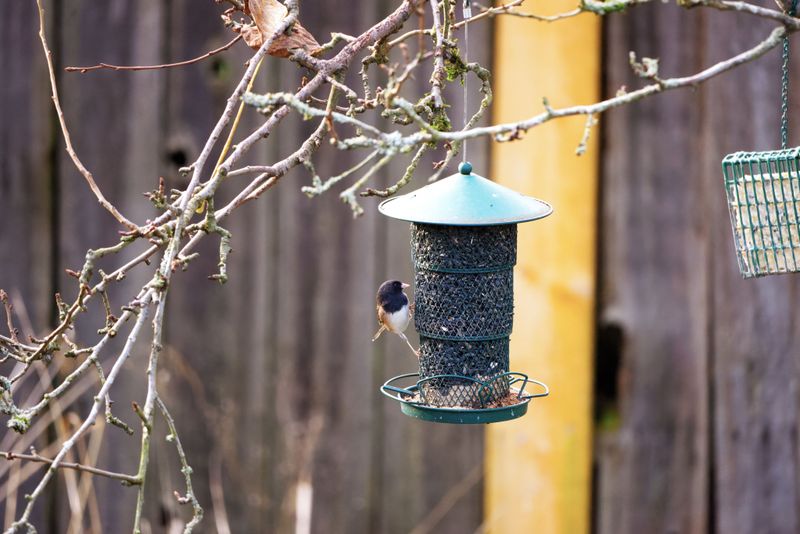
Bird feeders bring joy to a backyard, no question. But their placement can quietly turn your patio into a tick hotspot without any obvious warning signs.
Seed that falls from feeders attracts mice, squirrels, and chipmunks. Those small mammals are major tick carriers, and they are likely to visit your feeder area regularly if food is available.
The more rodents visiting near your house, the more ticks get dropped right in your high-traffic zones. Your kids and pets walk through those exact spots every day.
Moving feeders at least fifteen to twenty feet from the house reduces how often rodents travel near your foundation. It does not eliminate the visitors, but it keeps them farther from your living spaces.
Cleaning up fallen seed regularly is just as important as feeder placement. Piles of wet seed on the ground are rodent magnets that can attract animals around the clock.
Using a seed catcher tray under the feeder helps keep the ground cleaner. Less seed on the ground means fewer rodents, and fewer rodents means fewer ticks in that area.
Some bird species also carry ticks directly. Ground-feeding birds like sparrows and doves may drop ticks onto your lawn as they forage under the feeder.
Enjoying backyard birds is a wonderful hobby, and you do not have to give it up. Smart feeder placement just means you are not accidentally inviting tick populations to set up camp near your back steps.
6. Dense Ground Covers Give Ticks A Place To Hide
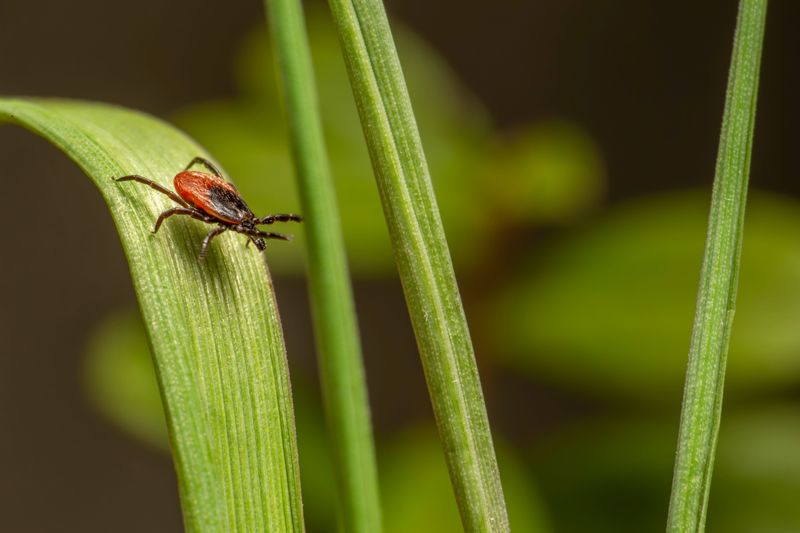
Pachysandra, English ivy, and creeping juniper look lush and low-maintenance. They are also some of the best tick shelters you can plant around your home.
Dense ground covers stay moist and shaded at soil level even on hot days. That cool, damp layer underneath is exactly where ticks prefer to rest and wait for a host.
Walking through a thick ground cover bed significantly increases your chances of picking up ticks. The plants reach ankle height and brush against shoes and socks with every step.
Replacing ground covers in high-traffic areas with mulch, gravel, or open lawn reduces that risk significantly. Open surfaces dry out faster and offer ticks nowhere to hide between blades of grass.
If you love ground covers for aesthetic reasons, that is understandable. Try keeping them away from walkways, play areas, and spots where kids and pets spend regular time outdoors.
Trimming ground covers back twice a year also helps reduce tick habitat. Thinner, less dense plantings allow more sunlight to reach the soil and dry it out between rain events.
Some homeowners treat ground cover beds with tick-control products in spring and again in early fall. Timing those treatments with peak tick activity gets better results than a single annual application.
Virginia yard mistakes that keep tick populations high often involve plants that seem harmless. Ground covers are one of the sneakiest offenders because they look tidy while secretly sheltering large numbers of ticks.
7. Welcoming Deer Into Your Yard Without Barriers

Deer are beautiful, and watching them graze in your yard feels magical. What they leave behind, though, is a serious tick problem you cannot see.
Studies suggest a single deer can carry hundreds of ticks at once. As it walks through your yard, those ticks drop off into your grass, garden beds, and along your fence line.
White-tailed deer are the primary host for adult black-legged ticks, the species most associated with Lyme disease in the eastern United States. Fewer deer in your yard means fewer ticks introduced to your property.
A fence at least eight feet tall is generally considered the most effective deer deterrent available, though lower fencing with the right design can also work.
If full fencing is not practical, deer-resistant plants can reduce how attractive your yard is to visiting deer. Lavender, Russian sage, and ornamental grasses are generally considered less appealing to deer than hostas and roses.
Motion-activated sprinklers are another option that many homeowners find surprisingly effective. Deer quickly learn which yards are unpleasant and tend to avoid them after a few surprise encounters.
Removing bird feeders, fallen fruit, and garden vegetables also reduces deer visits. Deer go where food is easy, so removing food sources makes your yard far less appealing.
You do not have to hate deer to want them out of your yard. Keeping them at a distance is simply one of the most powerful ways to lower tick populations near your home.
8. Skipping Drainage Fixes In Shaded, Wet Areas

That soggy corner behind the shed that never quite dries out is more than a landscaping headache. It is a tick population paradise hiding in plain sight.
Ticks need moisture to survive, and shaded wet areas provide exactly that. They cannot survive long in dry, sunny conditions, but a consistently damp shaded spot keeps them active for weeks.
Poor drainage creates a slow drip of tick-friendly habitat that spray treatments alone may not be enough to overcome. You can treat the area repeatedly and still see high tick numbers because the conditions keep welcoming them back.
Fixing drainage issues removes the root cause instead of just managing symptoms. Simple grading, adding French drains, or planting moisture-absorbing native plants can transform a soggy zone into a drier, less hospitable space.
Trimming back overhanging trees and shrubs in wet areas increases sunlight exposure. More sun means faster evaporation, and faster evaporation means ticks struggle to survive there.
Even small low spots in your lawn hold enough moisture to support tick activity. Filling those depressions with topsoil and reseeding creates a more even, better-draining surface.
Moss growth is a common indicator of a chronically wet, shaded spot. If you see moss spreading in your yard, ticks are likely sharing that same zone comfortably.
Addressing Virginia yard mistakes that keep tick populations high means looking beyond surface treatments. Fixing the wet, shaded drainage problems in your yard tackles the hidden conditions that give ticks a permanent foothold on your property.