These Are The Plants That Bring Fireflies Back To Illinois
You know the feeling. Eight years old, standing in an Illinois backyard with grass still warm under your feet, and the dark just ignites around you.
One cold green blink, then a hundred, hovering right at your knees. You freeze and forget to breathe.
Nothing in childhood hits harder than watching nature do something you cannot explain. Have you ever felt an entire yard come alive without making a single sound?
That memory lives in your chest forever. Illinois firefly populations are shrinking now because of habitat loss, light pollution, and pesticides, but they are not gone.
The right native plants can flip the switch again, and what follows is the exact planting strategy that brought them back to yards just like yours.
1. Switchgrass
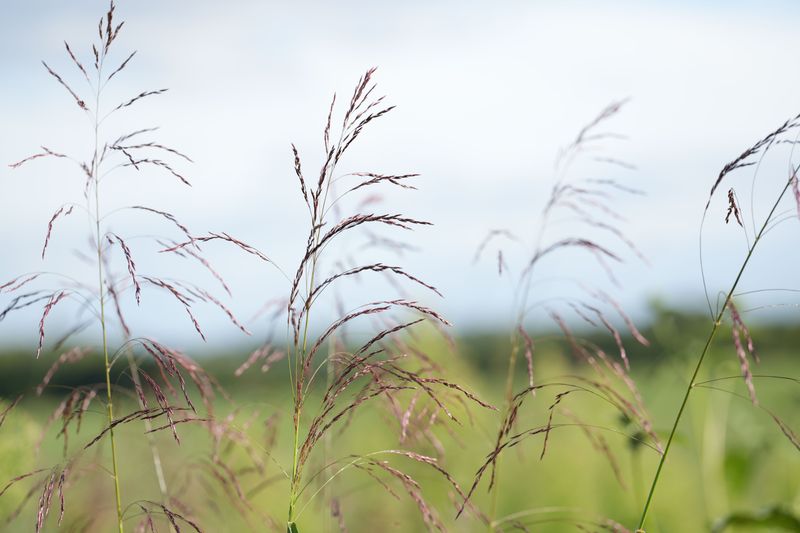
Switchgrass looks effortless, but it works incredibly hard for everything that lives around it.
Native to Illinois prairies, it grows in dense clumps that fireflies love for shelter and shade. Fireflies spend most of their lives as larvae crawling through moist soil and leaf litter.
Switchgrass creates exactly that kind of shaded, humid ground cover at its base, giving larvae the cool, damp conditions they need to hunt and grow through the seasons.
The thick stems and low foliage give adult fireflies a protected place to rest during the day. They need shade to stay cool before their nightly light show begins, and switchgrass provides that reliably from late spring through fall.
Switchgrass grows three to six feet tall, so it also acts as a windbreak for smaller insects nearby.
That sheltered microclimate helps firefly larvae stay protected underground through cold Illinois winters, building the populations that light up your yard the following summer.
Planting switchgrass along fence lines or garden edges gives your yard a layered, natural look.
It pairs beautifully with wildflowers and other prairie grasses without competing aggressively with them, making it one of the most neighborly plants in a native garden.
This grass thrives in full sun and tolerates wet or dry soil equally well. Once established, it needs exceptionally little maintenance, which makes it a genuinely practical choice for busy gardeners who want results without constant upkeep.
Birds and beneficial insects also flock to switchgrass, which adds even more life to your garden. A yard buzzing with biodiversity is a yard that fireflies are drawn to every single night.
2. Big Bluestem
Big Bluestem has a nickname that tells you everything about it. Its seed heads split into three prongs just like a bird’s claw, earning it the name “turkey foot” and making it one of the most recognizable native grasses in the Midwest.
Beyond its good looks, Big Bluestem is one of the most effective native grasses for supporting firefly habitat.
Its deep root system loosens soil and holds moisture, creating ideal conditions for firefly larvae to hunt and grow underground across the full span of their larval stage.
Firefly larvae are predators that feed on slugs, snails, and soft-bodied invertebrates in the soil.
Your Illinois Garden Changes Every Week. Your Plan Should Too.
Gardening in Illinois changes quickly throughout the season. Every Friday you’ll receive a simple weekly plan showing exactly what to plant, prune, fertilize, harvest, and protect so you never miss the right timing.
Moist, loose earth beneath Big Bluestem gives these larvae room to roam and find their next meal through the warm months when soil activity peaks. This grass can reach heights of six to eight feet, which is impressive for a native plant.
That tall canopy creates shade and humidity at ground level, two conditions that fireflies genuinely need to complete their life cycle and emerge as the glowing adults we recognize.
Big Bluestem also shifts color through the seasons, moving from blue-green in summer to rich copper and burgundy in fall.
Your garden gets a year-round visual reward simply for planting it, which makes it as appealing to look at as it is useful for wildlife. It thrives in full sun and well-drained soil, making it resilient and low on demands.
Even during dry Illinois summers, Big Bluestem holds its ground without extra watering once the root system is fully established in the second or third year.
Pair it with native wildflowers like coneflowers or black-eyed Susans for a prairie-style garden that glows at night. When fireflies rise from the soil around this grass, the whole yard feels alive with light.
3. New England Aster
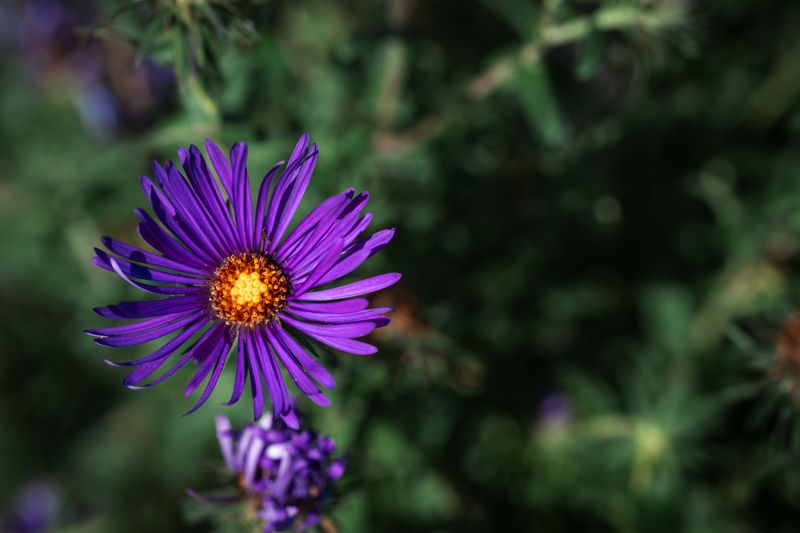
New England Aster puts on a fall show that almost nothing else in the garden can match. Its bold purple blooms burst open just as most other flowers are fading, giving pollinators one last generous feast before the season closes.
Fireflies are not just about light. They depend on a healthy food web, and New England Aster supports that web by feeding the insects that firefly larvae eat.
Without that foundation, even the best-planted yard will struggle to hold a firefly population through multiple seasons. Slugs, snails, and soft-bodied invertebrates thrive in the damp, leafy areas around aster plants.
Firefly larvae hunt these creatures, so planting asters essentially stocks the pantry for young fireflies working their way through one to two years of underground development. New England Aster grows two to six feet tall and spreads into full, bushy clumps over time.
That dense growth creates ground-level humidity and shelter that fireflies seek out after dark, giving both larvae and adults a hospitable environment across the full growing season.
The plant is native to Illinois and well adapted to local soil and weather patterns. It handles clay soil, occasional flooding, and dry spells with surprising resilience, which means it tends to perform well even in the imperfect conditions of a typical home garden.
Bees and butterflies cover these blooms in autumn, which signals a thriving garden ecosystem.
A yard full of pollinators is one that fireflies tend to call home, because the same conditions that support pollinators above ground support firefly larvae below it.
Planting New England Aster near the edge of a lawn or along a garden border works beautifully. When those purple flowers open in September, your habitat is ready to support fireflies through another full cycle.
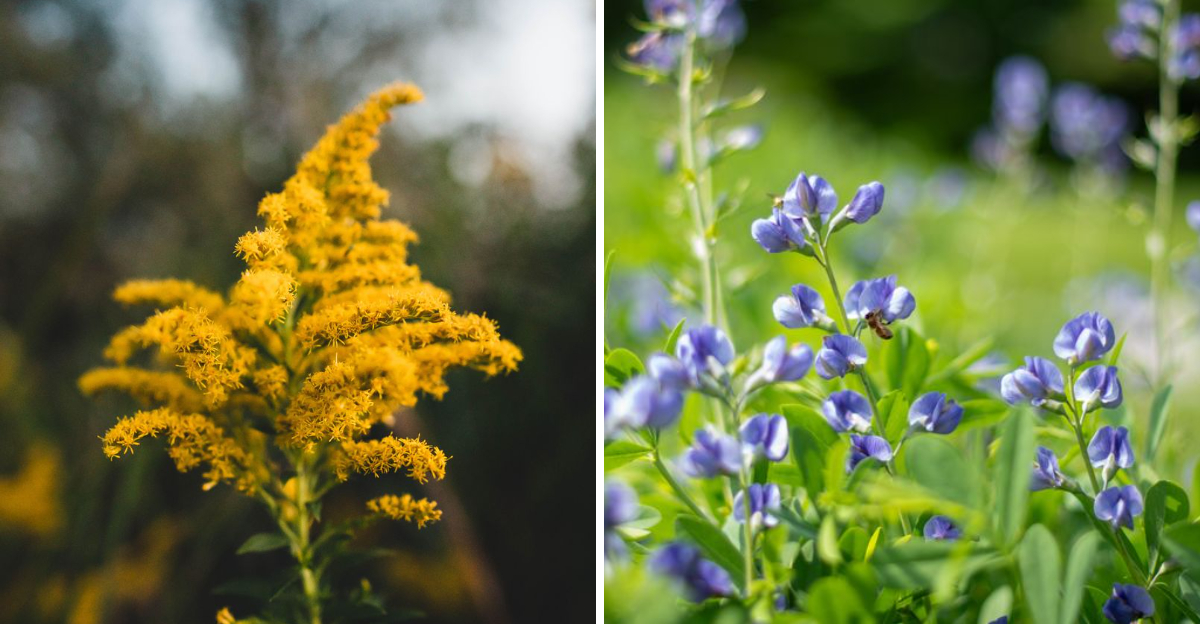
4. Showy Goldenrod
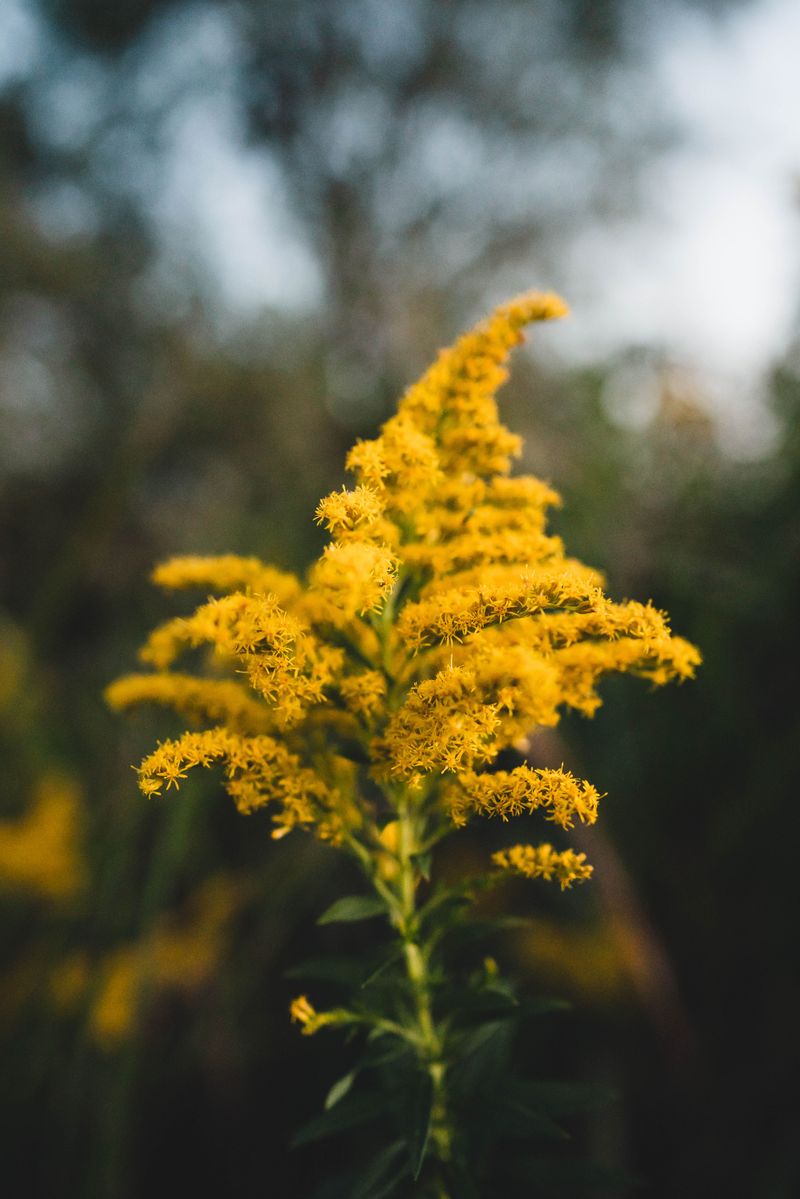
Showy Goldenrod has a reputation problem it only partly deserves. Most people blame goldenrod as a group for fall allergies, but wind-blown ragweed is the real culprit hiding nearby, not the insect-pollinated blooms of this striking prairie native.
Unlike its more aggressive cousin Canada Goldenrod, Showy Goldenrod is clump-forming and does not spread by rhizome.
That makes it a practical choice for home gardens where you want the full wildlife value of goldenrod without dedicating a large naturalized area to keeping it contained.
Showy Goldenrod is a genuine firefly ally. Its tall, upright plumes attract hundreds of small insects in late summer and fall, and those insects feed the food chain that firefly larvae depend on.
A yard with goldenrod in bloom is a yard with an active and well-stocked food web underground. The plant grows in dense, well-behaved clumps that create moist, shaded patches of ground at their base.
Those shaded zones are exactly where firefly larvae hatch and begin their underground journey, hunting slugs, snails, and soft-bodied invertebrates through the season.
Showy Goldenrod blooms from late summer into fall, bridging the gap between summer wildflowers and the first frost.
That extended bloom season keeps beneficial insects active longer in your yard, which extends the productive hunting period for firefly larvae in the soil beneath it. The plant tolerates poor soil, full sun, and well-drained conditions without complaint.
It grows three to five feet tall and asks for almost nothing beyond a good planting spot, making it one of the most rewarding additions to any native habitat garden in Illinois.
Combine it with asters and native grasses for a late-season habitat garden that practically tends itself. Fireflies will emerge from the soil around its stems on warm August evenings, blinking like tiny stars.
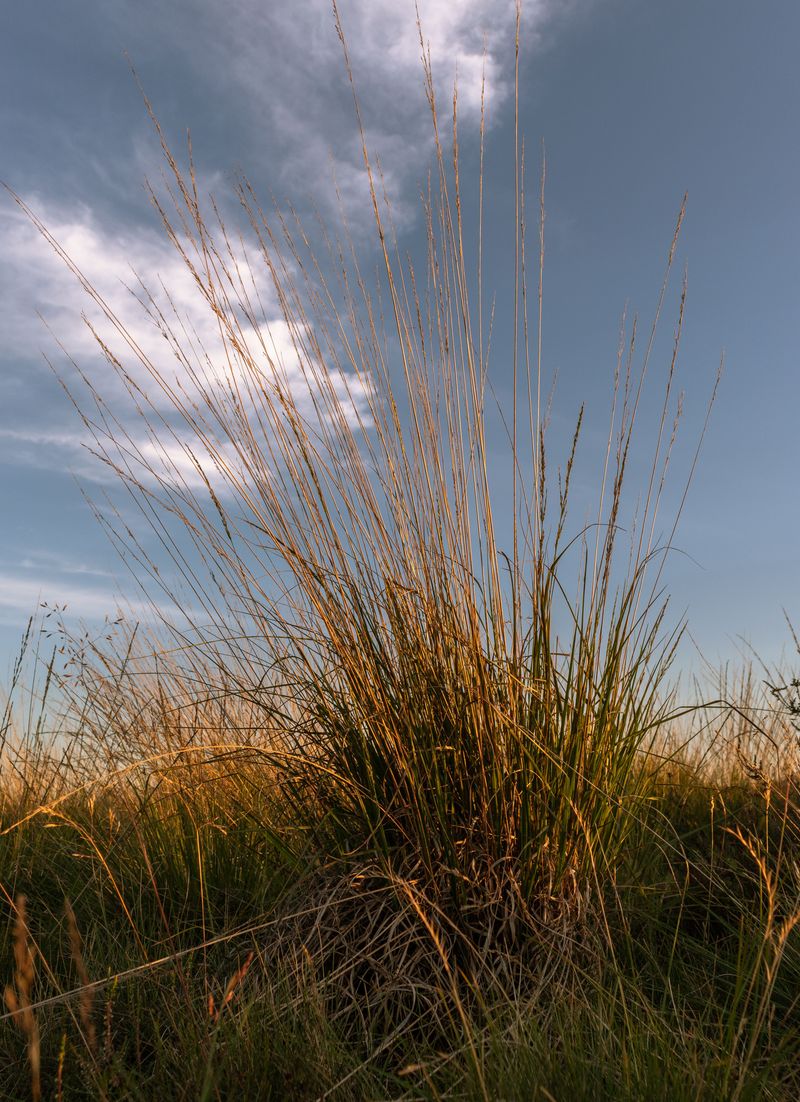
5. Virginia Wild Rye
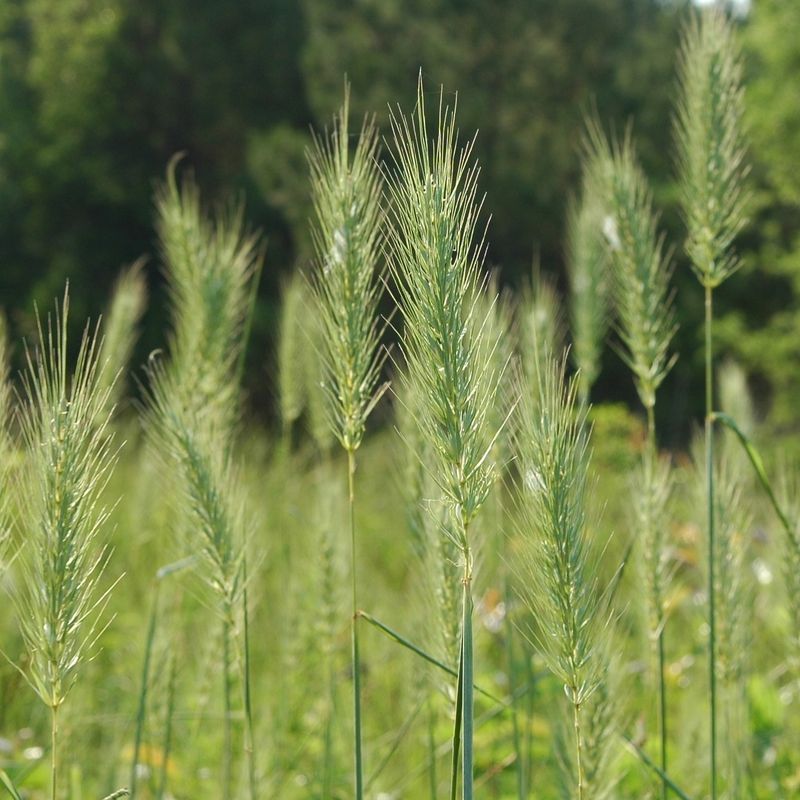
Virginia Wild Rye thrives where most garden grasses struggle. It loves moist soil, partial shade, and the low-lying damp spots in your yard that other plants tend to avoid.
This makes it one of the most practical native grasses for a typical Illinois home garden. That love of moisture makes it an ideal firefly plant.
Fireflies need damp environments to complete their life cycle, and Virginia Wild Rye creates exactly that kind of cool, humid ground cover at its base, giving larvae the conditions they need to hunt and develop underground.
Found in every county across Illinois, this clump-forming grass grows two to four feet tall and stays well-behaved in garden settings.
It spreads by seed rather than aggressive rhizomes, which means it fills space gradually without taking over neighboring plants or requiring hard edging to keep in check.
Virginia Wild Rye also stabilizes moist soil and works beautifully under trees or along the shaded north side of a house.
Most firefly-friendly plants prefer full sun, so this grass fills a shaded niche that would otherwise go unused and unclaimed by other habitat plants.
Firefly larvae spend one to two years underground before becoming the glowing adults we recognize.
Cool, undisturbed soil beneath Virginia Wild Rye gives those larvae the time and space they need to develop fully, protected from heat and predators by the dense canopy of foliage above them.
Its graceful seed heads stay standing well into the season, adding structure to the garden and feeding birds during the colder months.
For a yard that works across all four seasons, Virginia Wild Rye earns a permanent place in any Illinois firefly garden.
Pair it with tussock sedge and woodland wildflowers to create a lush, layered understory. A shaded, moist garden corner filled with Virginia Wild Rye becomes a firefly nursery that keeps giving back year after year.
6. Tussock Sedge
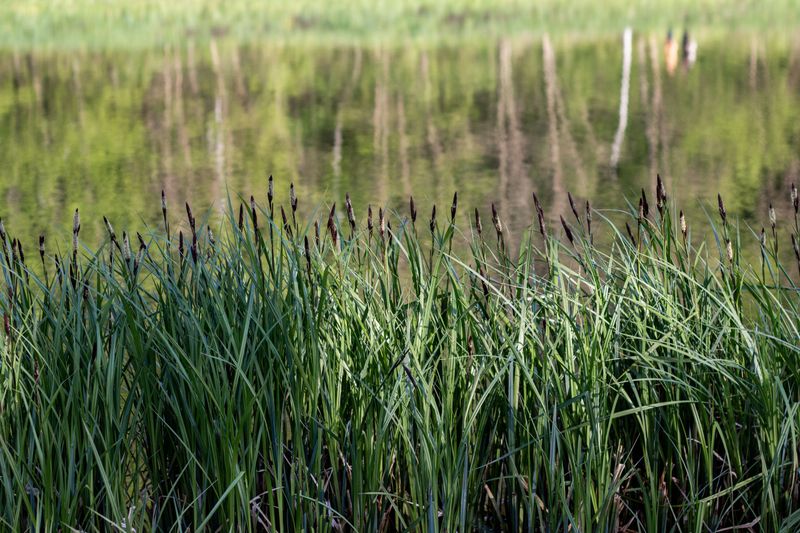
Tussock Sedge turns a soggy corner of your yard into something genuinely worth showing off. It forms rounded, tufted clumps that look architectural and wild at the same time, bringing structure and texture to spaces that most ornamental plants simply cannot handle.
Those raised clumps are a secret weapon for firefly habitat. The mounded bases stay moist underneath while the tops stay elevated.
That combination creates the exact microclimate that firefly larvae seek out when they are hunting and developing through their long underground stage. Firefly larvae need consistently damp but not waterlogged soil to hunt and grow.
Tussock Sedge regulates moisture around its roots in a way that keeps conditions just right for firefly larvae. Few other plants manage that as naturally or as reliably across a full growing season.
The plant grows naturally along stream banks, pond edges, and shaded wet areas across the Midwest.
Bringing it into your yard mimics those natural conditions and signals to fireflies that the space is a safe, hospitable environment worth returning to each season.
Tussock Sedge grows about two to three feet tall and spreads slowly into graceful groupings over time.
Its evergreen foliage provides year-round ground cover, which is important for overwintering firefly larvae that need protection from temperature swings during the colder months.
Its shade tolerance makes it useful under trees or along the north side of a house. Most firefly-friendly plants prefer sun, so Tussock Sedge fills a shaded niche that would otherwise contribute nothing to your habitat garden.
Turn a problem area into a productive one. Pair it with native ferns and woodland wildflowers to create a lush, layered understory.
A shaded, moist garden corner filled with Tussock Sedge becomes a firefly nursery that keeps giving back year after year.
7. Blue Wild Indigo
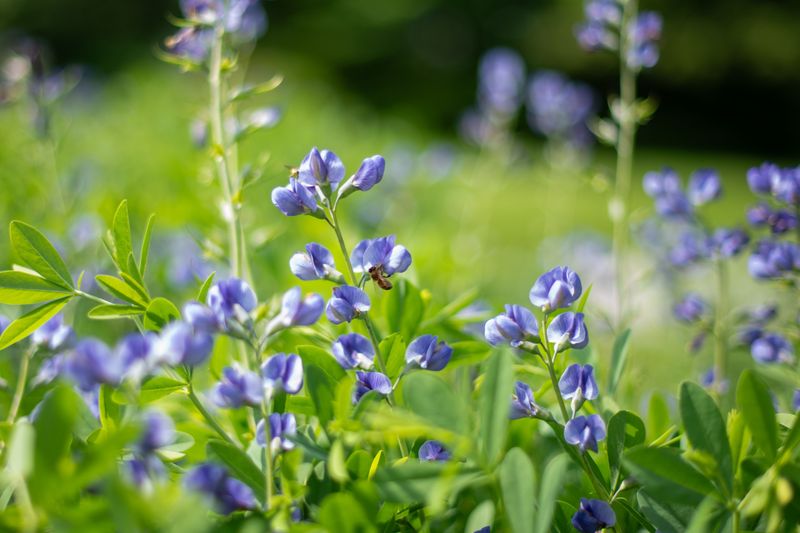
Blue Wild Indigo is built to last. Once it takes hold in your yard, this deep-rooted North American native forms a full, shrub-like clump that holds its shape season after season.
Widely grown across Illinois, it asks for almost no attention from you once it settles in. Its dense canopy is what fireflies are really after.
The broad, layered foliage shades the ground directly beneath it, keeping the soil cool and consistently moist through the warmest months.
That kind of stable, humid ground cover is precisely what firefly larvae need to hunt and grow during their long underground stage.
Firefly larvae are predators, feeding on slugs, snails, and soft-bodied invertebrates in the soil.
Blue Wild Indigo creates ideal hunting conditions at its base, and its deep taproot loosens and aerates the earth further down, giving larvae room to move and find prey through the full span of their underground development.
Spring brings a generous reward above ground too. Blue-purple flower spikes rise up in late spring, typically May into early June across most of Illinois, drawing bumblebees, beetles, and butterflies in large numbers.
Those insects sustain the food web your firefly larvae depend on, which means the plant is doing double duty both above and below the soil line.
Here is the part that sets Blue Wild Indigo apart from other large native perennials. Its seed pods are naturally parasitized by weevils, which limits how many new seedlings take hold.
The plant stays exactly where you planted it, making it one of the most garden-friendly natives available for Illinois yards of any size.
It thrives in full sun to light shade across a wide range of soil conditions, including the clay-heavy ground common throughout much of Illinois.
Once its taproot is fully established in year two or three, it handles drought and fluctuating moisture with ease.
Plant it at the back of a border or alongside native grasses as a structural anchor. Blue Wild Indigo creates ideal hunting conditions at its base.
The deep taproot goes further still, loosening and aerating the earth below so larvae have room to move and find prey through the full span of their underground development.