Check These 8 Spots In Your Indiana Yard For Ticks Every Season

You pull one off the back of your knee and you didn’t even feel it. You weren’t anywhere unusual, just your own backyard in Indiana, trimming along the fence line for twenty minutes.
That is the moment you stop assuming the yard is safe by default. Ticks don’t ambush you in the open. They wait and pick the edges, the transitions, the spots you move through without slowing down.
Here’s what changes everything: location matters far more than exposure time. Why do some families spend entire summers outside without a single problem while yours doesn’t?
Eight specific spots in a typical Indiana yard concentrate tick activity far beyond the rest of your property, and you have probably never once checked them. At least one is exactly where you were standing last weekend.
1. Tall Grass And Unmowed Areas Of The Yard

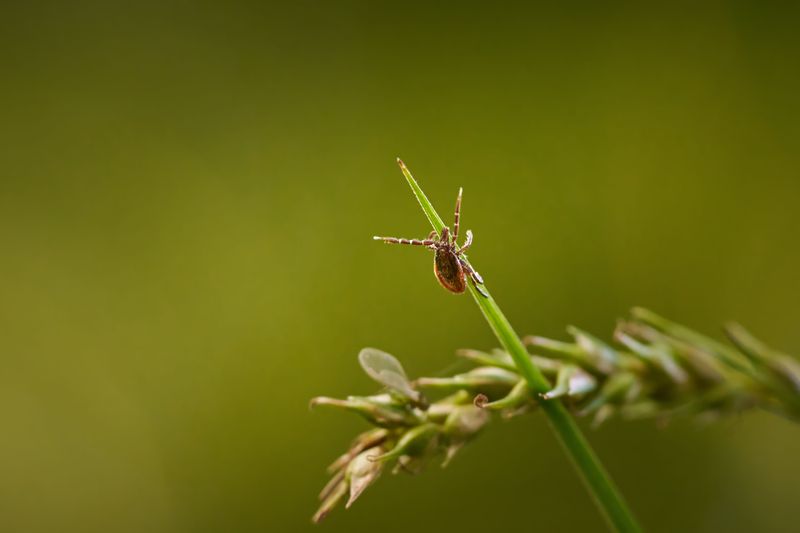
The mechanism ticks use to find a host is called questing. They climb a grass blade and extend their front legs outward, waiting for anything warm to make contact.
No jumping. No flying. Just patience and positioning at the right height. Grass above ankle height creates the ideal questing position. A trim to three inches or shorter removes that staging ground entirely.
Frequent mowing through Indiana summer is one of the most direct tick management steps available without spending anything on products.
The forgotten corners matter as much as the main lawn. The strip along the fence the mower skips. The patch beside the driveway that only gets attention when it becomes difficult to ignore.
The narrow section between the shed and the property line. These spots stay tall, moist, and shaded longer than the rest of the yard, which makes them high-priority tick territory throughout the season.
A battery-powered trimmer handles tight edges quickly after the main mowing pass. A mowed buffer zone around the house adds another layer of protection.
Short, sun-exposed grass dries faster and stays warmer at the surface, which ticks find genuinely uncomfortable compared to taller, shadier alternatives.
Areas near where children and pets spend the most time deserve the most immediate attention. The grass did not create the problem. It just volunteered to host it without being asked.
2. Piles Of Leaves Left On The Ground

Last fall’s leaf debris is still working against you. Decomposing organic material holds moisture and stays cool at ground level, creating the sustained humidity that keeps ticks active through summer conditions that would otherwise limit their range.
Moisture is the key survival variable for ticks. Consistent dampness allows them to stay mobile and active between hosts.
Dry conditions force them into a dormancy that significantly reduces their activity and exposure risk.
Leaf piles against fence lines, along garden borders, and under large trees are some of the most consistently active tick environments in a residential yard.
A massive pile is not required. Scattered debris under trees creates the same conditions at smaller scale and receives far less attention during routine yard maintenance.
Your Indiana Garden Changes Every Week. Your Plan Should Too.
Gardening in Indiana changes quickly throughout the season. Every Friday you’ll receive a simple weekly plan showing exactly what to plant, prune, fertilize, harvest, and protect so you never miss the right timing.
Clearing leaf material before summer begins eliminates that habitat before the season fully builds. Monthly cleanup passes prevent new accumulation from rebuilding.
A leaf blower handles scattered debris in tight corners faster than hand raking. Compost bins near the house create the same tick-friendly conditions when leaf material is added regularly.
Positioning compost at the far edge of the property creates useful distance between that moist habitat and the areas where people and pets spend time.
Cedar mulch works as a replacement after clearing. Cedar oil is a tick deterrent that shows measurable repellent effects in laboratory settings, though results vary in real outdoor conditions.
It is a reasonable option, not a guarantee. Seal all collected leaves into bags before disposal. The leaves look harmless.
The ticks using them as a summer address have a different perspective on the arrangement.
3. Woodpiles And Brush Piles
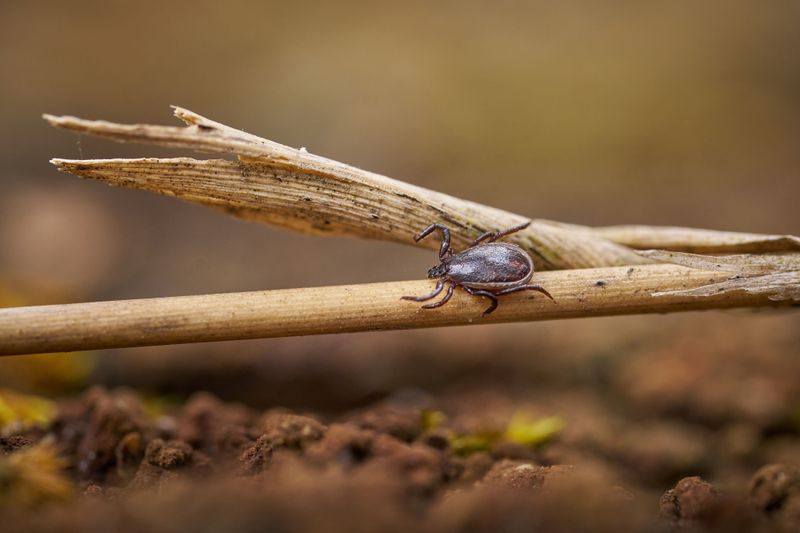
Stacked firewood has a secondary occupancy problem that most homeowners never consider. The gaps between logs create dark, insulated tunnels with consistent moisture throughout summer.
Mice and chipmunks nest inside these spaces consistently, and both species are established tick carriers that distribute ticks through every crevice and gap as they move in and out.
A firewood rack that elevates logs off the ground reduces moisture beneath the pile and makes the structure less attractive to nesting rodents.
A woodpile relocated at least twenty feet from the house creates meaningful distance between high tick activity and living spaces.
Brush piles operate identically. Stacked branches and yard debris form sheltered structures that wildlife and ticks share throughout the season.
Regular brush removal and prompt disposal eliminates that habitat before it becomes established.
Sunlight is one of the most reliable tick deterrents available without any chemical product. Direct sun removes the surface moisture ticks need to remain active and mobile.
Wood storage in a sunny location rather than a shaded corner makes the entire structure considerably less hospitable.
Gloves when handling logs protect hands from any ticks dislodged while moving pieces. A quick visual check before carrying wood inside takes about ten seconds and catches what a casual glance would miss entirely.
The firewood is for the fireplace. The ticks inside it did not receive that information and have been subletting accordingly.
4. Mulched Garden Beds

Wood chip mulch creates conditions at soil level that closely resemble a forest floor, really. That environment is where ticks evolved and where they remain most active.
The organic, damp layer beneath the chips provides the sustained moisture that allows ticks to stay active between host encounters throughout summer.
Thin mulch layers reduce that habitat significantly. A two-inch application does the protective work for plants without creating a dense tick-friendly environment beneath the surface.
Deeper layers provide diminishing returns for plant health while steadily improving conditions for the uninvited residents underneath.
Cedar mulch is worth considering as an alternative where practical. Research shows cedar oil has measurable repellent effects on ticks in laboratory conditions, though field results vary.
It is a reasonable option, not a guarantee. Rubber mulch holds less moisture and offers fewer organic hiding spots, though it does not improve soil biology over time the way organic mulches do.
The edges of garden beds deserve close attention during any yard inspection. Ticks tend to concentrate at the transition point where mulch meets grass, positioning themselves at that boundary where hosts pass regularly throughout the day.
Long sleeves and gloves while gardening reduce direct exposure. Pants tucked into socks add a physical barrier at the most common tick entry point during outdoor work.
A full body check before heading inside after any gardening session catches anything that worked its way to ankles, knees, or the waistband area during time in the beds. The garden can stay. The ticks have been reading the welcome mat incorrectly.
5. Yard Edges That Border Woods Or Fields

Researchers who study tick distribution in residential landscapes have a specific name for it: the transition zone.
Consistently the highest-density tick location in any yard that borders trees or fields, and the one most Indiana homeowners are least likely to treat with specific attention.
Ticks prefer shaded, leafy environments but need to reach open areas to find hosts. The border between lawn and woodland is where those two requirements overlap.
Ticks position themselves at this edge where animals and people create regular contact opportunities throughout summer.
A three-foot-wide strip of wood chips or gravel between the lawn and the tree line creates a physical barrier.
Gravel heats in direct sun and stays dry, which is the opposite of the conditions ticks need. This dry, sunny strip interrupts the route between woodland habitat and open lawn.
The area just inside the tree line, cleared of brush and low-hanging branches, reduces habitat density right at that edge.
Less ground cover near the border removes the staging area ticks use before moving into open lawn territory.
Lawn furniture, hammocks, and play equipment placed near the tree line increase exposure risk directly.
Distance between that border and where people spend the most time is the most straightforward risk reduction available.
Children and pets naturally move toward those edges. A habit of checking everyone thoroughly after outdoor time near that border catches what proximity made possible.
The tree line looks peaceful from the patio. It has a considerably more active interior during summer.
6. Shaded, Damp Spots In The Yard
The pattern is consistent and worth understanding. Ticks concentrate in cool, wet, shaded spots and avoid areas that are dry and sun-exposed.
Any location in an Indiana yard that stays moist and cool throughout the day is worth a close look.
Low-lying areas where water pools after rain hold moisture significantly longer than surrounding yard.
Standing water encourages ground-level humidity that extends tick activity through dry stretches.
Spots under large trees, near downspouts, and along the north-facing side of the house dry out last and provide the sustained dampness ticks depend on.
Drainage improvement in problem areas directly reduces tick habitat. Filled low spots, redirected downspouts, and addressed pooling all contribute to drying out the zones ticks prefer.
The investment is usually modest relative to the improvement it produces. Tree canopies trimmed to allow more sunlight to reach the ground accelerate post-rain drying considerably.
More sun exposure means faster moisture loss and fewer of the sustained damp conditions that benefit tick populations.
Dense ground covers create shaded, moist microclimates that extend tick activity through dry stretches. More space between plants improves airflow and reduces the sustained humidity at ground level.
Shade-loving plants in high-traffic areas create tick-friendly conditions right where people and pets spend the most time.
Relocating them to lower-traffic areas keeps those conditions away from concentrated activity zones.
Dry and sunny is uncomfortable for ticks. They have made their preferences very clear, and every Indiana yard offers both options.
7. Stone Walls And Rock Piles

The aesthetic argument for stone walls in an Indiana yard is straightforward. The tick argument operates on entirely different logic.
Gaps between rocks create dark, insulated tunnels with consistent moisture throughout summer. Chipmunks and mice find these gaps irresistible as nesting sites.
Both species are established tick carriers that distribute ticks through every crevice as they move in and out of the structure over time.
Sealing gaps in stone walls with mortar reduces nesting opportunities for small mammals and removes the tunnel network ticks use as protected habitat.
Fewer rodents inside the wall means fewer ticks cycling through those crevices across the season. Decorative rock piles near garden beds or water features present the same situation.
The visual appeal comes with the same tick habitat considerations as a woodpile, regardless of how intentional the design looks from the patio.
Rock features kept away from patios, play areas, and high-traffic zones create useful distance between tick activity and human exposure.
A tick treatment appropriate for yard use, applied at the base of stone walls during peak summer months, adds protection where that distance is not practical.
Checking ground near stone walls for signs of rodent activity, droppings, burrow entrances, or disturbed soil indicates the level of wildlife traffic using the structure.
Gloves when moving rocks or doing any work near a stone feature catch what a visual inspection alone would miss.
The stonework took real effort to build. The only tenants worth tolerating are the ones that were invited.
8. Overgrown Shrubs And Low-Hanging Branches
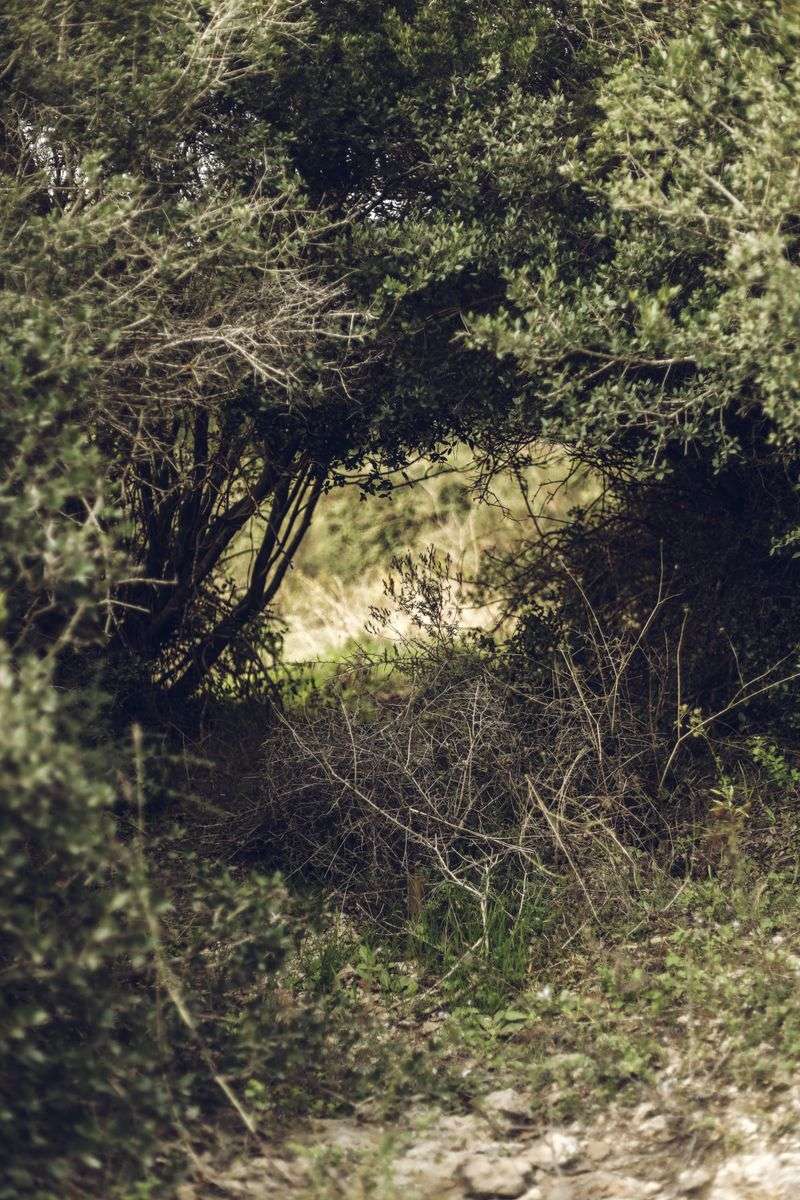
Overgrown shrubs are not a purely visual problem, usually. A shrub that extends over a walkway, brushes a patio edge, or crowds a doorway functions as a direct contact point between tick habitat and the people passing through it.
A common misconception is that ticks fall from tall trees onto people below. Research shows this is not how tick transfer typically works.
Ticks found on the head, neck, and shoulders are more often carried there from lower vegetation or from transfer at arm level as branches brush against clothing and skin.
Low-hanging shrubs that make contact as someone walks past are the actual risk, not overhead tree canopy.
Shrubs pruned to raise the canopy off the ground improve airflow at the base and reduce shade where stem meets soil.
Less shade means faster drying after rain and fewer of the sustained moist conditions ticks need to stay active.
Any plant that brushes against a person walking past is a direct transfer point. Trimming those back from walkways, patio edges, and doorways removes that contact opportunity entirely.
Dense foundation plantings near the house create shaded, moist conditions right at the structure’s perimeter.
A trim back from the foundation by at least a foot improves airflow and reduces tick habitat within close range of entry points.
Bagging all pruning clippings immediately removes cut material from the yard. Leaving clippings on the ground creates new debris that ticks relocate into readily.
Long sleeves during any pruning session and a thorough post-work check that includes the arms, neck, and scalp covers the areas that shrub contact most directly exposes.
Well-maintained shrubs look considerably better anyway. The ticks regard that as an acceptable side effect of the whole arrangement.