Can Oregon Homeowners Force A Neighbor To Remove An Invasive Plant That Has Spread Into Their Yard
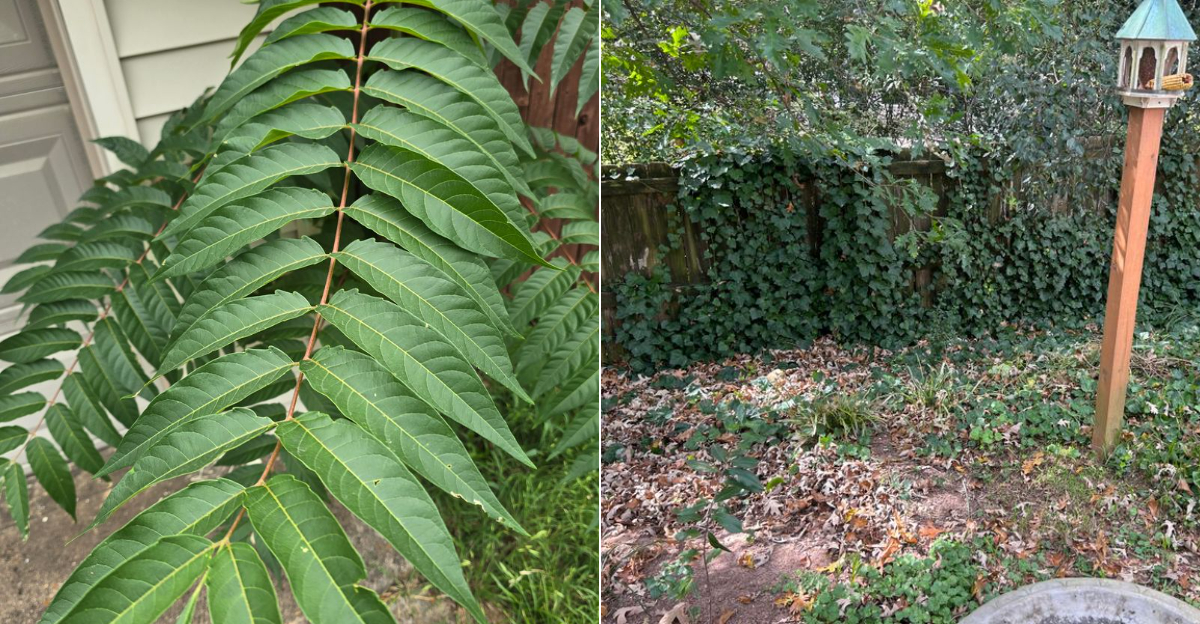
An invasive plant crossing the fence can turn a garden problem into a neighbor problem fast.
In Oregon, the answer is not always as simple as telling the other homeowner to remove it.
A lot depends on the plant, the property line, and the damage it is causing. Roots or vines spreading into your yard may give you the right to control what is on your side, but forcing full removal is a bigger step.
Local rules can matter too, especially if the plant is listed as noxious or restricted. The tricky part is knowing where normal yard care ends and legal responsibility begins.
Before digging, cutting, or sending a demand, it helps to understand the basics. A clear approach can protect your garden without turning a stubborn plant into an even bigger dispute.
1. First Confirm The Plant Is Actually Invasive
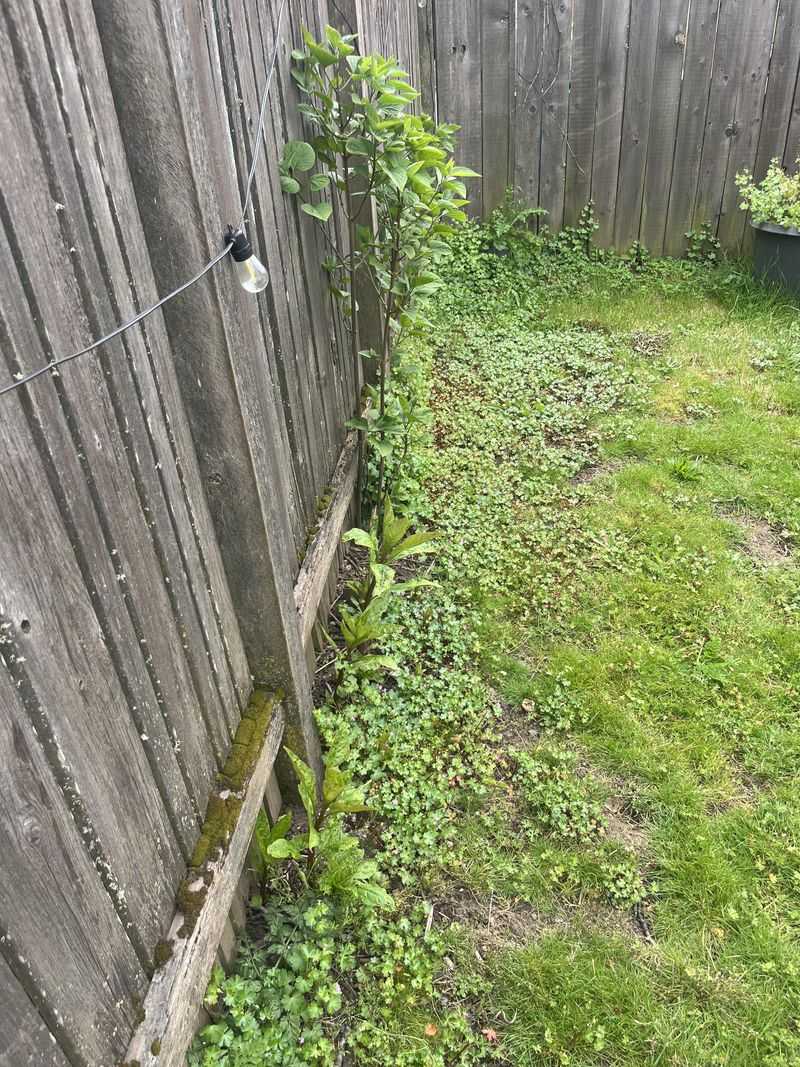
Not every plant that spreads into your yard qualifies as invasive under the law. Before you approach your neighbor or contact any local agency, take time to correctly identify what is growing in your yard.
Misidentifying a plant could lead to a frustrating conversation that goes nowhere fast.
Some plants look aggressive but are actually native species doing exactly what they are supposed to do. Others might be common ornamental plants that simply spread more than expected.
The difference matters a lot when you want to take legal or formal action.
Truly invasive plants are non-native species that spread rapidly, crowd out native plants, and cause real harm to local ecosystems or property.
Examples that show up frequently include English ivy, Himalayan blackberry, Japanese knotweed, and garlic mustard. These plants are well-documented problem species.
You can use free tools like the Oregon Department of Agriculture website, iNaturalist, or your local extension office to confirm the identification.
Many county extension offices will even look at photos or samples and tell you exactly what you are dealing with.
Getting this step right is the foundation of everything else. Once you know what you have, you can check whether it appears on any official noxious weed lists and understand what rights and options are available to you moving forward.
2. Check Oregon’s Noxious Weed List
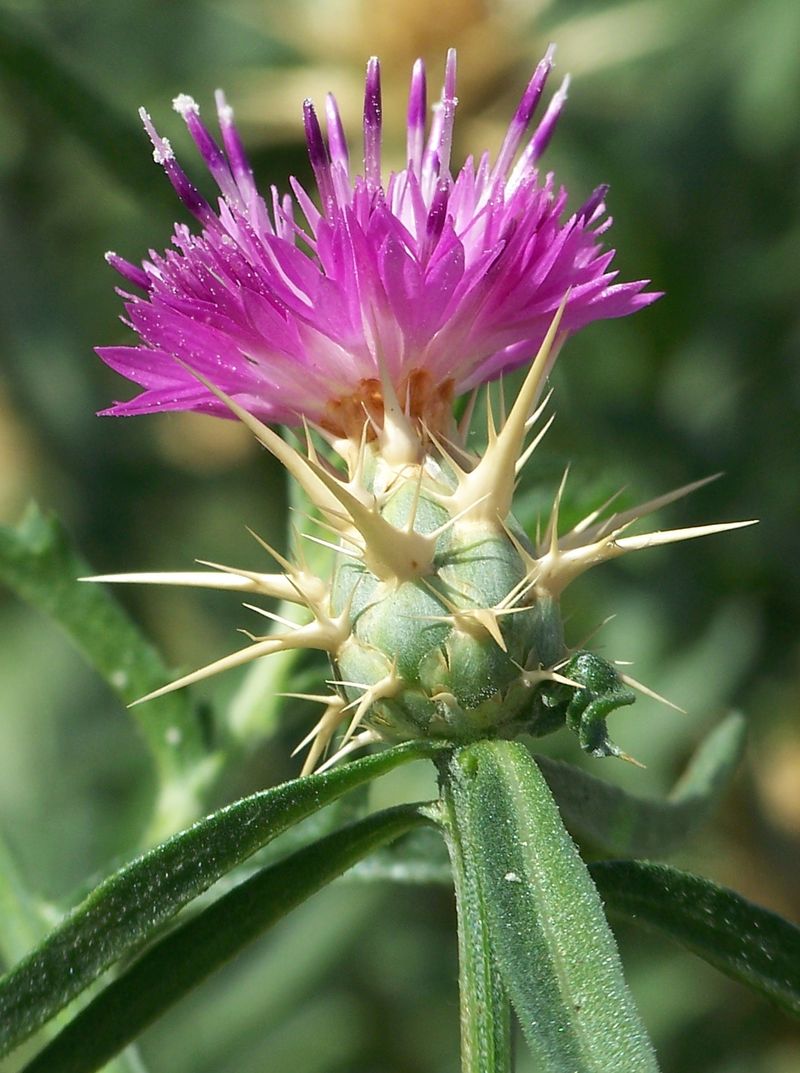
Oregon maintains an official list of plants classified as noxious weeds. That list is managed by the Oregon Department of Agriculture and it is updated regularly.
Knowing whether a plant falls on that list changes everything about your situation.
Noxious weeds are divided into categories based on how harmful they are and how widely they have already spread.
Class A weeds are the highest priority and are often subject to mandatory control requirements. Class B and C weeds have different rules depending on your county.
If your neighbor has a Class A noxious weed on their property and it is spreading into yours, local weed control authorities may have the power to require that neighbor to take action.
This is not just a neighbor-to-neighbor issue at that point. It becomes a matter of public regulation.
Your Oregon Garden Changes Every Week. Your Plan Should Too.
Gardening in Oregon changes quickly throughout the season. Every Friday you’ll receive a simple weekly plan showing exactly what to plant, prune, fertilize, harvest, and protect so you never miss the right timing.
You can find the full noxious weed list on the Oregon Department of Agriculture website. It includes photos, descriptions, and classification details for each plant.
Your county may also have its own supplemental weed list that adds local problem species. Checking both lists gives you a complete picture.
Knowing the exact classification of the plant in question helps you speak with authority when you contact your neighbor or reach out to county weed control officials for help.
3. You Can Usually Remove Growth On Your Side
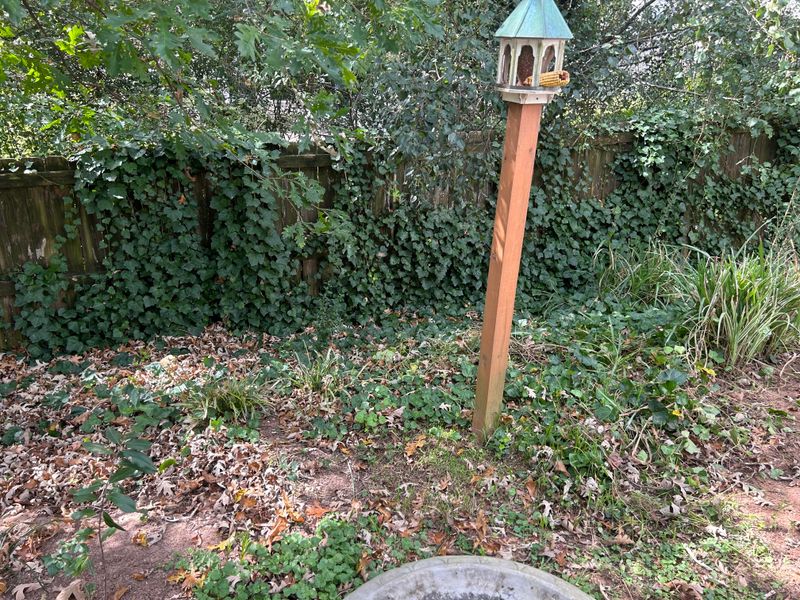
One of the most immediate things you can do is deal with the portion of the invasive plant that has already crossed onto your property.
Under general property law in most states, including Oregon, you have the right to cut back plants that encroach onto your land. That right comes with some limits, though.
You can trim or remove the parts of the plant that are on your side of the property line. That includes roots, vines, and branches that have crossed over.
You do not need your neighbor’s permission to do this as long as you stay on your own property.
The tricky part is that removing growth on your side does not fix the source problem. If the main plant is in your neighbor’s yard, it will keep sending new growth your way.
Trimming back the spread is a temporary measure, not a permanent solution.
Still, it is a smart first step. Removing what is on your side prevents the plant from getting more established in your yard.
It also shows that you are taking the issue seriously. Keep any trimmings bagged and disposed of properly, since many invasive species can regrow from cuttings left on the ground.
Your local waste management or extension office can advise on the safest disposal method for the specific plant you are dealing with in your area.
4. Do Not Trespass To Dig Up The Source Plant
It might be tempting to just go next door and pull up the plant yourself, especially if your neighbor has been unresponsive. That approach will almost certainly make things worse.
Entering someone else’s property without permission is trespassing, and that puts you in the wrong no matter how reasonable your frustration feels.
Even if the plant is causing real damage to your yard, going onto your neighbor’s land without consent could expose you to legal liability. Your neighbor could file a complaint or even pursue civil action against you.
Suddenly, the person with the invasive plant problem becomes the one in legal trouble.
The smarter path is always to work through proper channels. Talk to your neighbor first.
If that does not work, contact your county weed control district or local code enforcement. These agencies have the authority to inspect neighboring properties and require action when noxious weeds are involved.
Patience is hard when your garden beds are being swallowed up, but protecting yourself legally is worth it.
Document everything, keep a paper trail, and let the appropriate authorities do what they are empowered to do.
If the situation escalates to a legal dispute, having clean hands and a documented record of proper behavior on your part will matter significantly. Working within the system takes longer, but it leads to lasting solutions without creating new problems for yourself in the process.
5. Document How Far The Plant Has Spread

Good documentation can be one of your strongest tools in a neighbor dispute over invasive plants. Start taking photos as soon as you notice the spread.
Date-stamp everything and keep the images organized by date so you can show a clear timeline of how the problem has grown.
Take wide shots that show the full extent of the spread and close-up shots that clearly show the plant itself.
If the plant has damaged fencing, garden structures, or established plantings, photograph those too.
Visual evidence of damage strengthens your case considerably if you ever need to involve local authorities or pursue any kind of legal remedy.
Written notes are just as valuable as photos. Keep a simple log that records what you observed, when you observed it, and any conversations you had with your neighbor about the issue.
Even informal notes written on your phone can serve as useful records later.
If the plant has spread significantly, you might also consider having a local weed control specialist or extension agent visit your property and provide a written assessment. That kind of third-party documentation carries a lot of weight.
It shows that the concern is real, professionally evaluated, and not just a personal grievance.
Building a solid documentation file from the start means you are prepared for every possible outcome, whether that is a friendly resolution, a formal complaint, or a small claims court filing.
6. Send A Written Request Before Escalating
Before you call any agency or file any complaint, give your neighbor a fair chance to address the problem. A calm, written request is often all it takes to get things moving.
Many neighbors are not fully aware of how far a plant has spread or that it is even classified as invasive.
Write a simple, polite letter or email that explains the situation clearly. Mention the name of the plant, note that it is spreading onto your property, and let them know it may be classified as a noxious weed under state or county rules.
Keep the tone respectful and solution-focused, not accusatory. A written request also creates a paper trail.
If your neighbor ignores you or refuses to act, that documentation becomes part of your case when you contact weed control officials or pursue other options.
It shows that you attempted to resolve the issue informally before escalating.
Give your neighbor a reasonable amount of time to respond, usually two to three weeks. Follow up if you do not hear back.
Sometimes a second, slightly more formal letter that mentions county weed control regulations is enough to prompt action.
People tend to take things more seriously when they realize there are official rules involved.
Keeping things neighborly for as long as possible also helps preserve the relationship, which matters a lot when you share a fence line for years to come.
7. Local Weed Rules May Give You More Leverage
County weed control districts in Oregon have real authority when it comes to noxious weed management.
Many homeowners do not know these agencies exist or how much power they actually have.
Getting familiar with your county’s weed program can change the whole dynamic of your situation.
Most counties have a weed control coordinator or district that enforces state and local noxious weed laws. If a listed noxious weed is present on a property and the owner is not controlling it, the district can issue a notice of violation.
In some cases, the county can even arrange for removal and bill the property owner for the cost.
Contacting your county weed control office is not the same as filing a lawsuit or making a dramatic accusation. It is simply using a public resource that exists for exactly this kind of situation.
The staff at these offices are usually very helpful and can guide you through the process step by step.
Some counties in northern and western regions are especially active in their weed programs because of the high number of invasive species in those areas.
Knowing which weeds are prioritized in your specific county helps you frame your concern in the most effective way.
A quick phone call or email to your county weed district can tell you exactly what rules apply, what they can enforce, and what your next steps should be moving forward.
8. Damage To Fences, Beds, Or Structures Matters
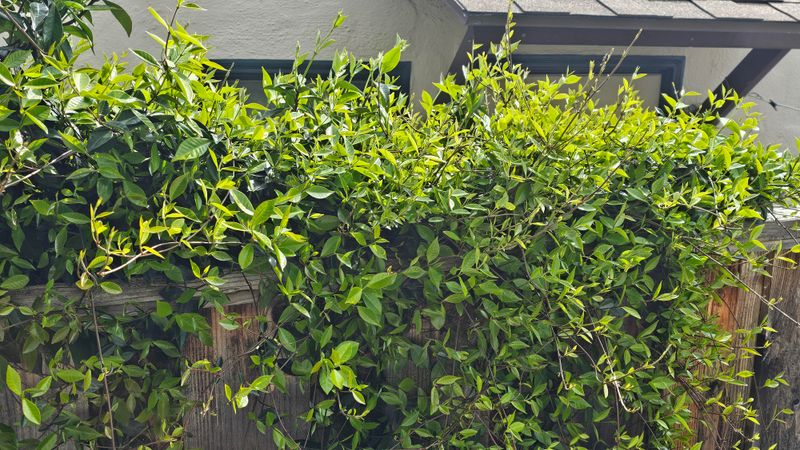
When an invasive plant causes actual physical damage to your property, the situation moves beyond just a nuisance.
Damage to fences, retaining walls, raised garden beds, or hardscape features creates a legitimate basis for seeking compensation.
This is where property law and neighbor disputes start to overlap in meaningful ways.
Japanese knotweed is a well-known example of a plant that can crack concrete, push through wood, and undermine structural features. English ivy can pull apart fences and damage siding over time.
If you can show that a neighbor’s invasive plant caused measurable damage to your property, you may have grounds for a small claims court case.
Document the damage thoroughly with photos, measurements, and repair estimates. Get written quotes from contractors if repairs are needed.
Keep all receipts if you have already paid for any cleanup or restoration work. That kind of financial record is exactly what a court or mediator needs to evaluate your claim fairly.
You do not always need a lawyer to pursue this kind of case. Small claims court handles disputes up to a certain dollar amount without requiring legal representation.
Many homeowners successfully resolve these matters through mediation, which is faster, cheaper, and less confrontational than going to court.
Community mediation services are available in many counties and can help both neighbors reach a fair agreement without turning the situation into a prolonged legal battle.