Pinching These Georgia Perennials In June Can Lead To More Flowers In Fall
Most gardeners spend spring and early summer waiting for their flowers to grow bigger, fuller, and more colorful. That is why cutting or pinching back a healthy plant can feel completely wrong.
After weeks of growth, the last thing most people want to do is remove stems, buds, or fresh new growth that looks perfectly good.
The hesitation is understandable. When a perennial is thriving, it is natural to leave it alone and enjoy the show.
Yet some of the best gardening decisions are not always the most obvious ones. A quick adjustment during June can change how certain plants grow for the rest of the season and influence what they look like months later.
That timing is especially important for several popular Georgia perennials. The plants may seem fine without any attention, which is one reason this simple task is easy to skip.
By the time fall arrives, however, the difference can be much easier to see.
1. Garden Phlox Delays Its Bloom Cycle After Pinching
Garden phlox is one of those plants that rewards patience. Pinching it back in June pushes the bloom time forward by several weeks, which means your flowers show up right when fall color is most welcome.
Cut stems back by about one-third in early June. New side shoots will sprout quickly.
Each of those shoots becomes a flowering branch, so you end up with more bloom clusters than you started with.
Phlox is already prone to powdery mildew in humid Southern summers. Pinching opens up the plant structure, improving airflow and reducing that problem naturally.
Gardeners in warmer zones often find that unpinched phlox blooms too early and fades before fall arrives. Pinching solves that timing issue without much effort.
Choose stems that look the most upright and vigorous when you pinch. Leave some of the lower, bushier growth alone if you want staggered blooms across the season.
Water well after pinching since the plant will redirect energy into new shoots. A light balanced fertilizer application helps support that burst of fresh growth.
By September, your phlox should be full, tall, and covered in fragrant blooms. Neighbors will ask what your secret is, and honestly, it is just a few snips made at the right time.
After flowering, a light deadheading of spent blooms can help extend the display period and keep the plant looking tidy deeper into the season.
2. Asters Put More Energy Into Branching
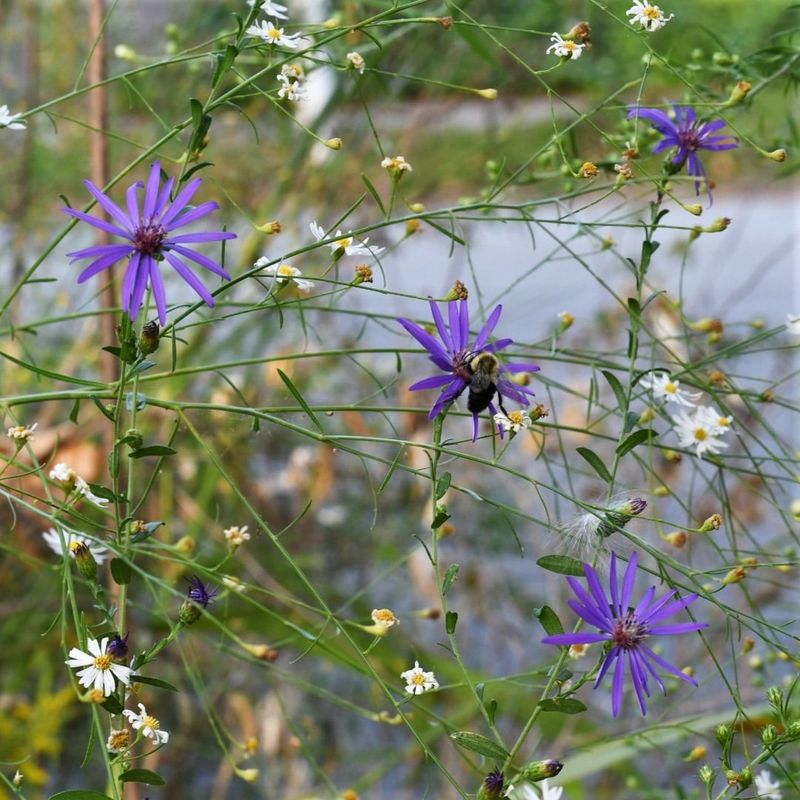
Asters are fall’s most reliable show-offs, but only if you set them up correctly in early summer. Left alone, they grow tall and leggy with just a few blooms at the very top.
Pinching in June changes everything. Snip off the top two to four inches of each stem.
Side buds activate fast, and the plant starts branching outward instead of reaching upward.
More branches equal more bloom sites. A single aster stem can become five or six flowering branches after a good June pinch.
That math adds up quickly across a whole plant.
Your Georgia Garden Changes Every Week. Your Plan Should Too.
Gardening in Georgia changes quickly throughout the season. Every Friday you’ll receive a simple weekly plan showing exactly what to plant, prune, fertilize, harvest, and protect so you never miss the right timing.
Asters are native to much of the Eastern United States and are naturally tough. They handle pinching without stress as long as you do it before July, when heat really intensifies.
In Georgia gardens, asters pinched in early June typically bloom from late September into November. That extended window makes them a valuable asset in any fall planting scheme.
Avoid pinching after mid-July. Cutting too late shortens the time needed for buds to develop before frost arrives.
June is the sweet spot for this plant.
Water consistently after pinching and avoid heavy nitrogen fertilizer, which pushes leafy growth instead of flowers. A phosphorus-rich feed supports better bloom production as summer winds down.
Asters benefit from being spaced when pinched, since better airflow between stems helps reduce mildew growth during humid late-summer conditions.
3. Mums Build A Fuller Plant Before Fall
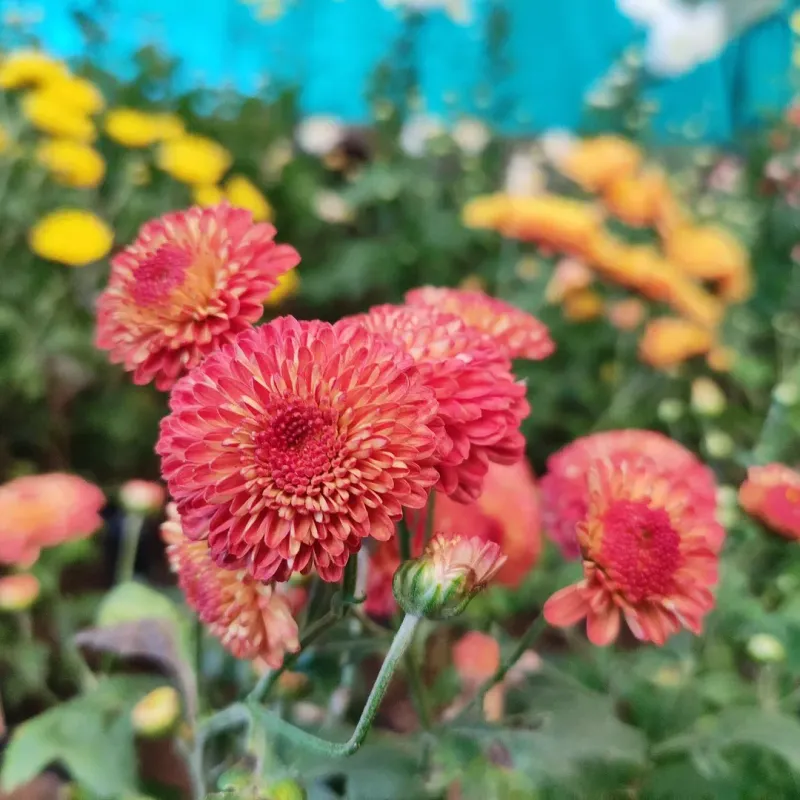
Mums are practically the mascot of fall gardening, but many people skip the step that makes them actually worth planting. Pinching early in summer is what separates a full, mounded plant from a sparse, floppy one.
Start pinching when stems reach about six inches tall. Snap or cut off the top inch.
Repeat every few weeks through early July, then stop and let the plant set buds.
Each pinch point produces two to three new stems. Do this a few times and you can turn one leggy shoot into a dense cluster of flowering branches before summer ends.
Hardy mums sold at garden centers in late summer are often already budded. Those plants were pinched repeatedly at the nursery to achieve that compact, round shape you see on the shelf.
Growing your own from established plants gives you control over the process. Start pinching in May or June and you will have a much larger, fuller plant than anything you could buy pre-formed.
Stop all pinching by late July at the latest. Mums need at least eight to ten weeks of uninterrupted growth to form strong flower buds before fall temperatures drop.
Keep soil evenly moist during bud development. Dry spells during this stage can reduce bloom size and delay opening.
Consistent watering pays off in October color.
4. Joe-Pye Weed Stays Easier To Manage
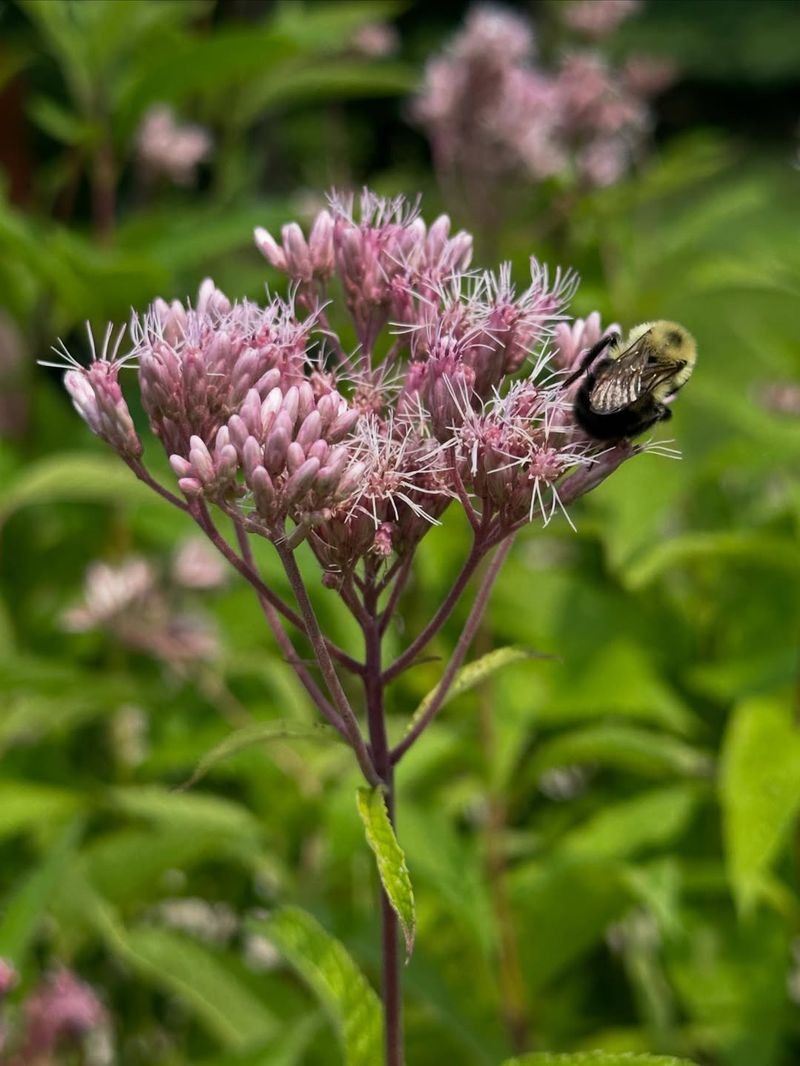
Joe-Pye weed is a native powerhouse that pollinators absolutely love, but it can easily reach six to eight feet tall without any intervention. Pinching in June keeps it at a more manageable height.
Cut stems back by one-third in early June. New growth emerges lower on the plant, creating a shorter but wider structure.
Butterflies and bees still find it just as attractive.
Shorter plants also hold up better in wind and afternoon thunderstorms, which are common across the Southeast in late summer. Tall unpinched plants tend to flop and need staking.
Joe-Pye weed blooms in late summer and early fall naturally. Pinching shifts the bloom window slightly later without dramatically changing the plant’s overall flowering schedule.
Pollinators, especially monarch butterflies, rely on late-season nectar sources. A fuller, more compact Joe-Pye weed plant offers more bloom clusters, which means more food for migrating insects.
This plant thrives in average to moist soil and handles full sun or part shade. It does not need rich soil or heavy feeding to perform well after pinching.
One pinch in June is usually enough for Joe-Pye weed. Unlike mums or asters, it does not need repeated cuts.
A single well-timed trim is all it takes to improve the plant’s structure.
Leaving the seed heads standing through fall also adds winter interest in the garden and can provide food for small birds once the blooming season is over.
5. Goldenrod Avoids Late-Season Flopping
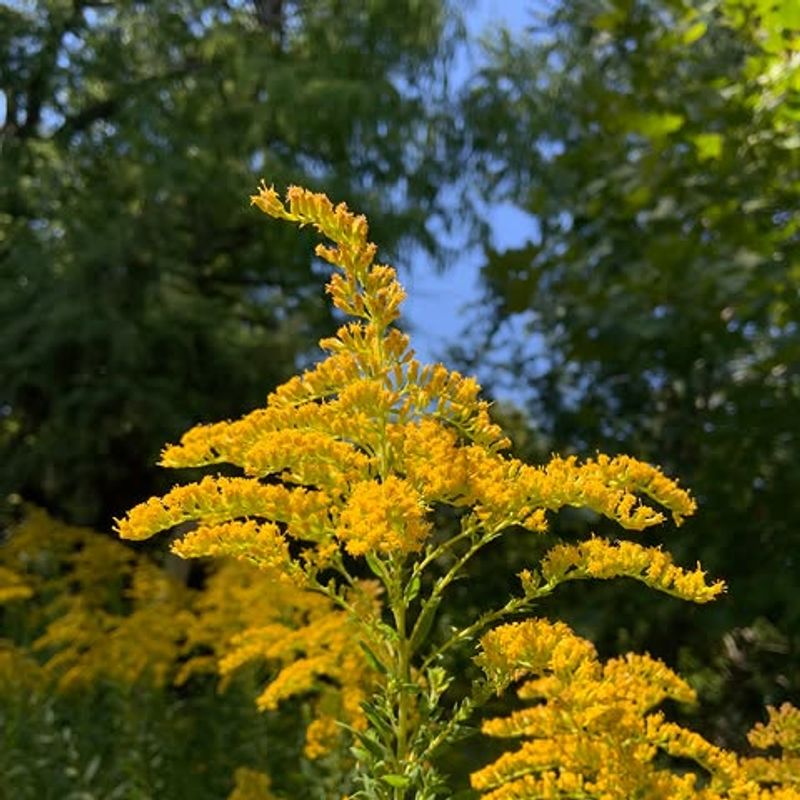
Goldenrod gets a bad reputation, but it is one of the most valuable native plants for fall pollinators. Pinching it back in June solves its biggest structural problem: flopping over before it even blooms.
Tall goldenrod varieties can reach five feet or more by fall. Without support or pinching, stems bend under the weight of their own flower heads.
That ruins the look of any garden bed.
Pinching by one-third in early June encourages lateral branching. Stems grow shorter but multiply in number.
By September, the plant stands upright and holds its shape without any staking needed.
Goldenrod blooms heavily in fall and is a critical nectar source for migrating monarchs and native bees. A pinched plant produces more individual flower clusters, which amplifies that benefit.
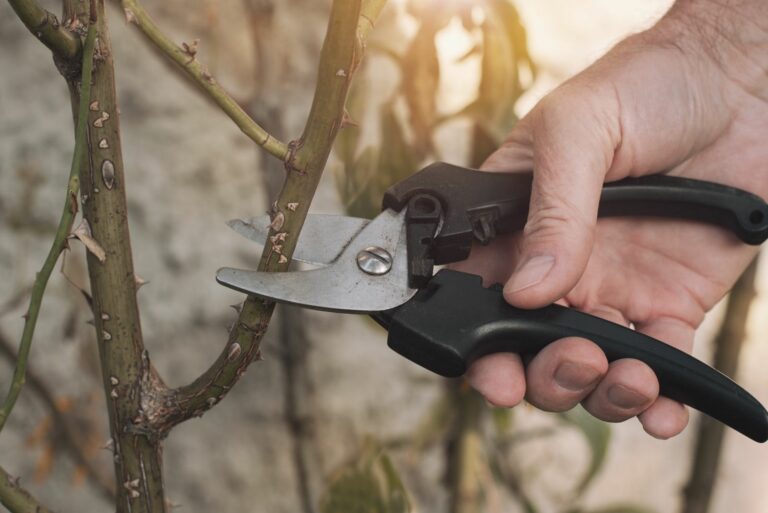
Cut cleanly with sharp pruners or pinch with your fingers. Either method works well.
The plant responds quickly and pushes new side growth within a week or two of trimming.
Goldenrod grows naturally in meadows and roadsides across much of North America. It is extremely tough and handles pinching without missing a beat, even in hot, dry conditions.
Pair pinched goldenrod with asters for a classic fall combination. Both bloom at similar times, and the yellow and purple contrast is one of the most striking color combinations in any autumn garden.
6. Tall Sedum Holds Up Better In Fall
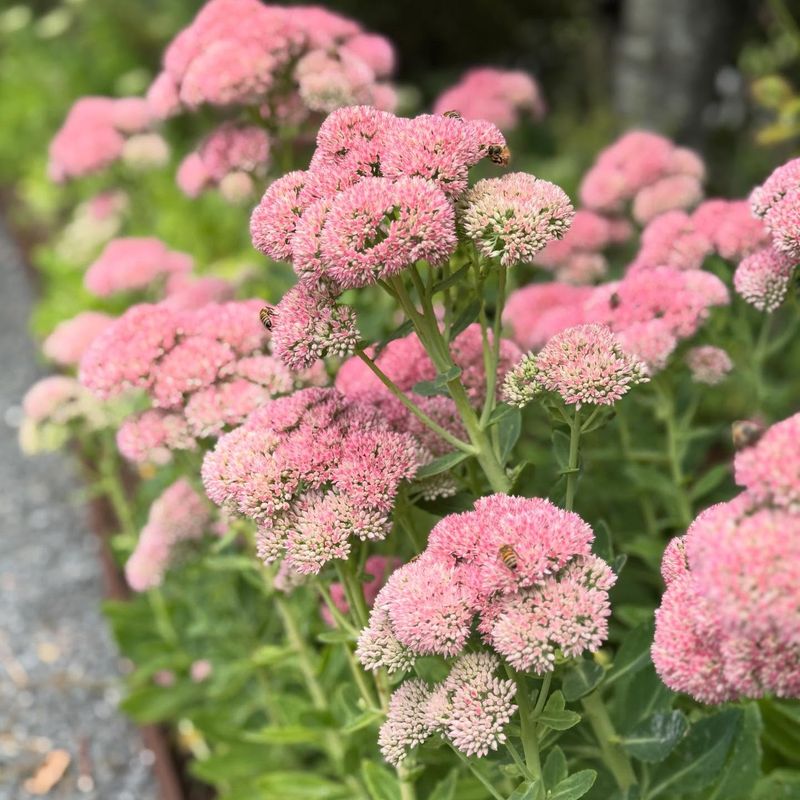
Tall sedum varieties like Autumn Joy are beloved for their late-season color and tough nature. But without pinching, those thick stems can splay outward and leave an open, messy center by fall.
Pinching sedum in June encourages a tighter, more compact growth habit. Stems branch more and stay closer together, which keeps the plant looking neat as flower heads develop.
Cut stems back by about one-third in early June. Do not wait too long.
Pinching after July can delay bloom time or reduce the number of flower heads that form before frost.
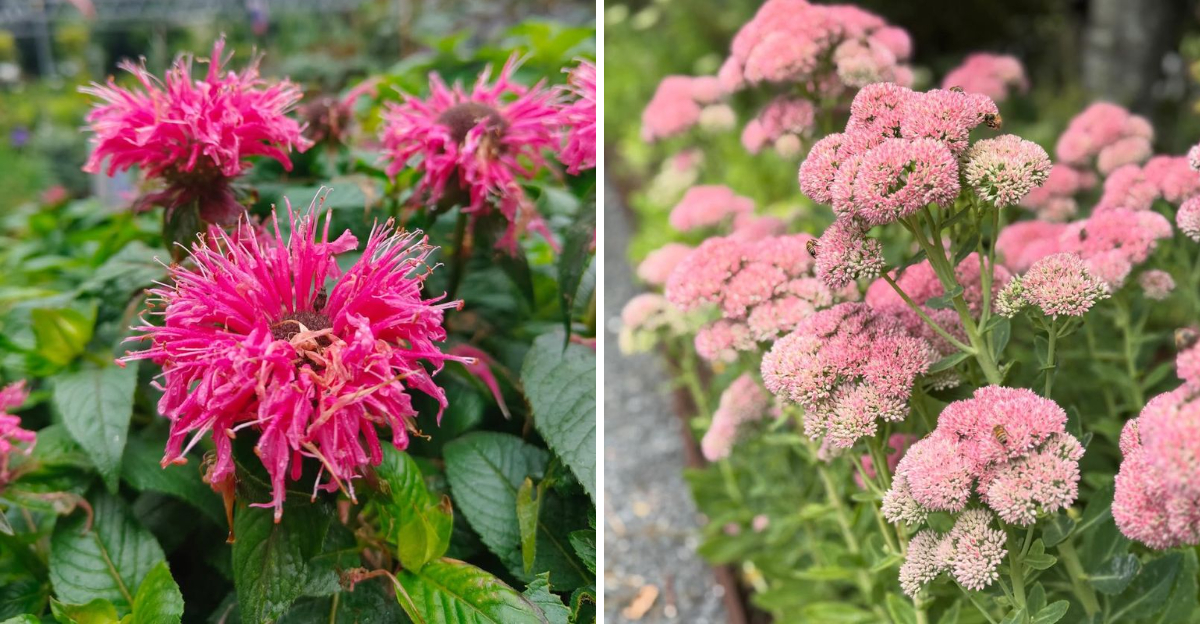
Sedum flower heads start green in summer, shift to pink by late summer, and deepen to russet red by October. Pinching does not change that color progression, it just gives you more stems going through it.
Compact growth also reduces the chance of stems bending under rain or heavy flower heads. Tall sedum is prone to this problem in wetter years, and pinching provides a simple structural fix.
Sedum thrives in well-drained soil and full sun. It handles drought well and rarely needs supplemental watering once established.
After pinching, it will push new growth even in dry conditions.
Leave the spent flower heads standing through winter. Birds feed on the seeds, and the dried structure adds texture to the garden during the coldest months of the year.
7. Bee Balm Develops Stronger Side Growth
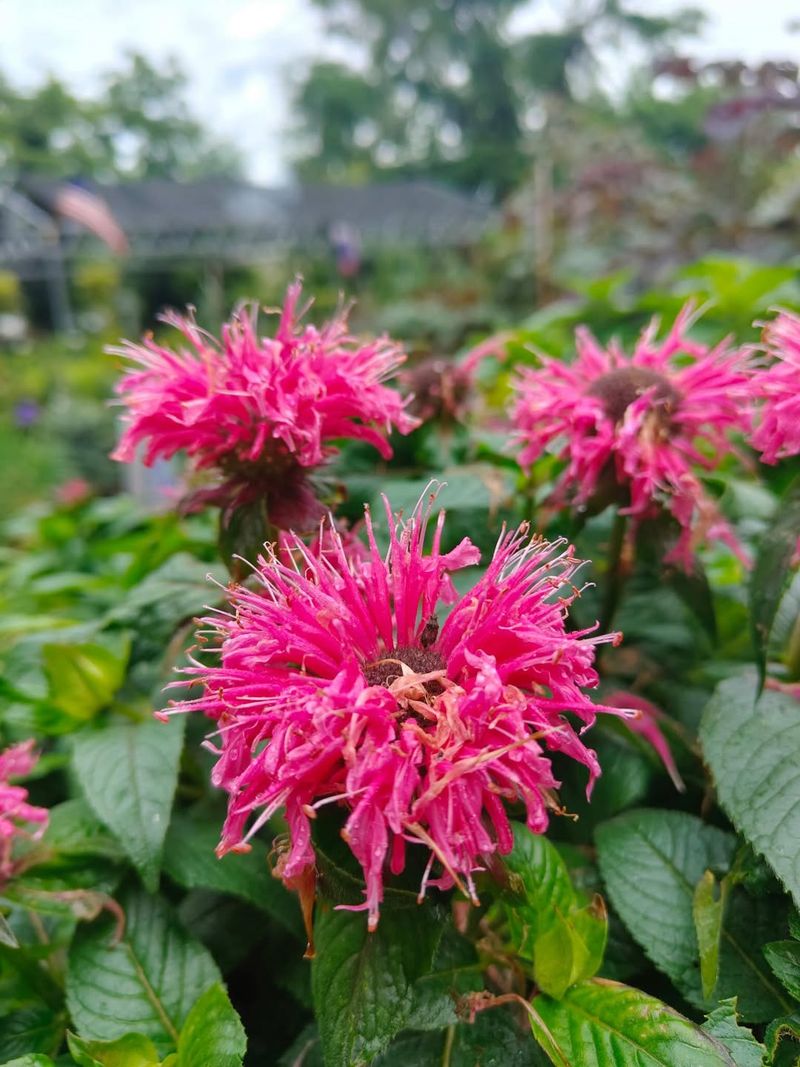
Bee balm is a hummingbird magnet and one of the most fragrant perennials you can grow in a Southern garden. It spreads quickly, blooms hard, and then tends to look ragged by midsummer without some management.
Pinching in June redirects energy from the central stems into side shoots. Those side shoots bloom later and extend the flowering season well into fall, which is a significant upgrade from the typical midsummer flush.
Cut the tallest stems back by about half in early June. Side growth activates within days.
The plant gets bushier and more balanced, rather than sending up a few tall spikes with nothing below.
Bee balm is also prone to powdery mildew in humid conditions. Opening up the plant through pinching allows better airflow and reduces the severity of that fungal issue across the season.
Hummingbirds visit bee balm repeatedly throughout summer and fall. A pinched plant with staggered blooms keeps those visits coming longer than a plant that blooms all at once and fades fast.
Divide bee balm every two to three years to keep it healthy. Pinching works best on well-established clumps with strong root systems.
Newly planted divisions may only need light pinching in their first season.
Fragrance from bee balm leaves is released when you brush against or pinch the plant. It smells like oregano or mild mint, a pleasant bonus during garden work in early summer.
8. Ironweed Gains Extra Flowering Stems
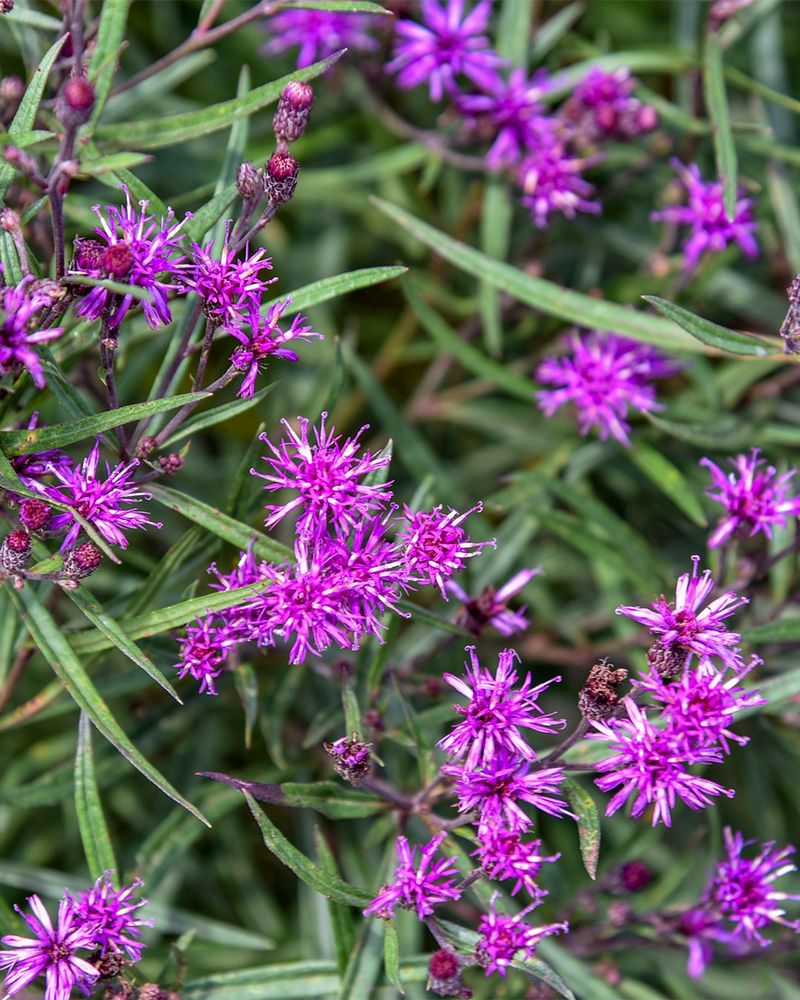
Ironweed is one of the boldest native perennials available to gardeners in the South. Its deep purple blooms are electric in fall, but the plant can easily hit six feet or more without any pinching.
A single pinch in early June reduces height and encourages branching. Instead of a few tall stems with flowers only at the top, you get a wider plant with blooms distributed across multiple levels.
Ironweed is incredibly tough. It handles heat, humidity, and occasional drought without complaint.
Pinching does not stress it at all, especially when done before the plant hits its summer growth peak.
More flowering stems mean more nectar for late-season butterflies. Ironweed is a critical late-season food source, and a pinched plant with extra blooms multiplies its value to local pollinators significantly.
Cut stems back by one-third in early to mid-June. Sharp pruners make a clean cut and reduce the chance of stem damage.
The plant responds fast and sends out side growth within a week.
Georgia gardeners who grow ironweed in naturalistic or meadow-style plantings find that pinching keeps it from overwhelming neighboring plants. Height control is one of the most practical reasons to pinch this species.
Pair ironweed with goldenrod and asters for a native fall trio. Purple, yellow, and lavender together create a stunning display that supports wildlife and looks spectacular through October and beyond.