7 Native Pennsylvania Plants That Help Create Cleaner, Less Tick-Friendly Garden Borders
Garden borders have a way of becoming the part of the yard nobody really deals with until it gets out of hand. A little tall grass here, some leaf litter piling up along the fence line, a brushy edge that kept getting pushed to next weekend’s to-do list.
It happens to everyone. The problem is that those neglected border conditions are exactly what ticks tend to gravitate toward, shaded, humid, cluttered spots with plenty of ground-level cover.
Swapping out overgrown or bare edges for low-growing native ground covers will not single-handedly solve a tick problem, and it is important to be upfront about that.
But combined with regular mowing, leaf management, and dry transition zones, tidier Pennsylvania garden borders are genuinely less inviting to the conditions ticks prefer.
That is a worthwhile goal on its own.
1. Pennsylvania Sedge Keeps Borders Tidy
Shaded fence lines and wooded edges in Pennsylvania yards often end up collecting the kind of overgrown, weedy growth that makes border maintenance feel endless.
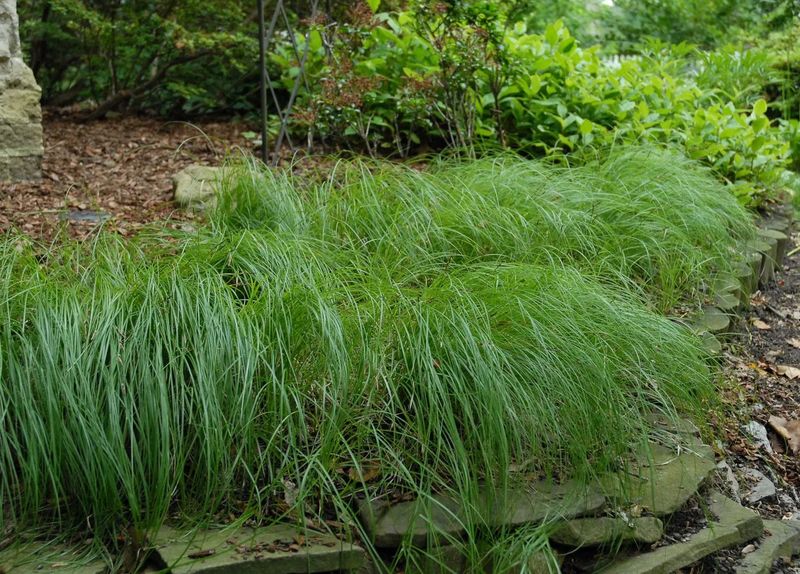
Pennsylvania sedge, known botanically as Carex pensylvanica, is a fine-textured native ground cover that can help replace that messy fringe with something far more manageable.
It forms a low, arching mat of slender green blades that stays relatively tidy without much attention.
One of the most practical things about Pennsylvania sedge is how well it handles dry shade, which is one of the trickier conditions to address in a Pennsylvania landscape.
Under mature trees where grass struggles and bare soil tends to collect leaf litter and debris, this sedge can fill in gradually and hold the ground with a soft, natural look.
It spreads slowly by rhizomes, so it fills gaps over time without becoming aggressive.
For tick-aware border care, the appeal is straightforward. A low, dense ground cover like Pennsylvania sedge gives you something to mow or trim at a consistent height, replacing the kind of tall grassy pockets and brushy tangles that tend to build up along edges.
Pairing it with a gravel or mulch transition strip between your lawn and any wooded or shrubby areas adds another layer of border management.
It works well along paths, foundation edges, and shaded bed borders throughout Pennsylvania.
2. Wild Ginger Covers Shady Ground
Bare soil under trees is one of those landscape problems that seems simple but rarely is.
Grass will not grow there, weeds tend to move in, and leaf litter piles up in ways that create exactly the kind of moist, shaded, cluttered conditions that tick exposure research consistently links to wooded and brushy areas.
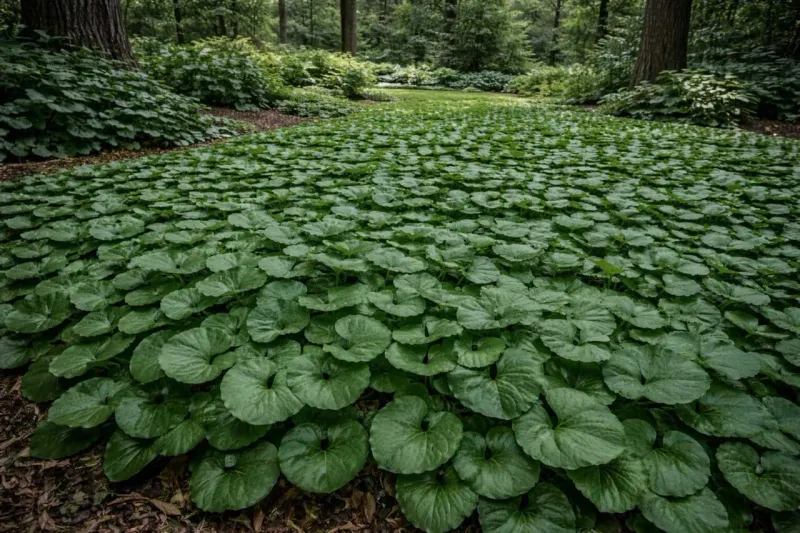
Wild ginger, or Asarum canadense, is a native Pennsylvania woodland plant that can step in and cover that ground with broad, heart-shaped leaves that form a dense, low carpet.
What makes wild ginger worth considering for shaded borders is how thoroughly it fills in over time. The leaves overlap and create a solid layer of coverage that discourages weeds and keeps the ground beneath trees looking intentional rather than neglected.
It prefers moist, well-drained soil with good organic matter, and it does best in full to partial shade, making it a natural fit for the kind of woodland-edge conditions common across much of Pennsylvania.
Your Pennsylvania Garden Changes Every Week. Your Plan Should Too.
Gardening in Pennsylvania changes quickly throughout the season. Every Friday you’ll receive a simple weekly plan showing exactly what to plant, prune, fertilize, harvest, and protect so you never miss the right timing.
Maintenance is relatively light once wild ginger is established. It does not need frequent mowing, and it stays low enough that it rarely contributes to the tall, brushy conditions associated with tick habitat.
Clearing leaf litter from around it in fall and keeping nearby shrubs trimmed can help maintain that clean border look.
Combined with a dry mulch or gravel transition strip at the lawn edge, wild ginger can be a practical and attractive solution for shaded Pennsylvania ground.
3. Moss Phlox Softens Sunny Edges
Sunny, dry slopes and open garden edges in Pennsylvania can be surprisingly hard to plant well.
Bare soil on a slope erodes, weeds move in fast, and the kind of tall grassy growth that builds up along unmanaged edges is not doing your yard any favors from a border-maintenance standpoint.
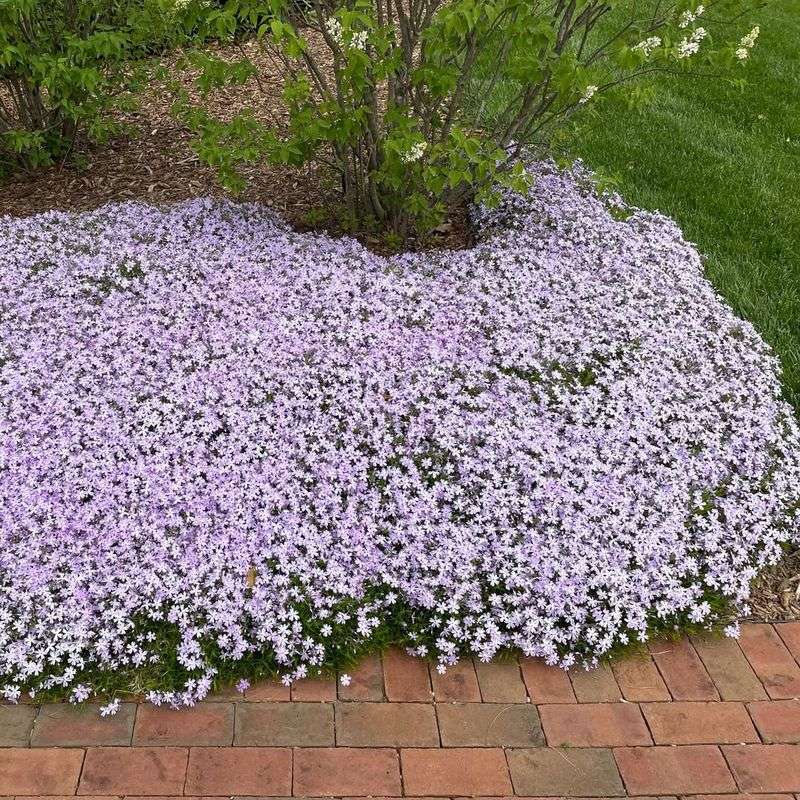
Moss phlox, or Phlox subulata, is a low-growing native that handles those sunny, well-drained conditions with ease and produces a cheerful flush of small blooms in spring.
The plant forms a tight, creeping mat of needle-like foliage that stays low to the ground throughout the growing season. It is not a tall, brushy plant, and it does not collect leaf litter the way taller perennials sometimes can.
That low, compact habit makes it a sensible choice for sunny border edges where you want coverage without adding height or density that could create sheltered pockets along the edge of your lawn.
Moss phlox works well along rock edges, path borders, and open sunny bed fronts. It prefers full sun and good drainage, so it is not suited for wet or heavily shaded spots.
After blooming, a light trim can help keep it tidy and encourage fresh foliage growth through summer.
Pairing it with a clean gravel or mulch edge between the planting and your lawn helps reinforce that intentional, maintained look that makes border care in Pennsylvania yards feel less like a constant battle and more like a manageable routine.
4. Creeping Phlox Fills Border Gaps
Gaps along garden borders are an open invitation for weeds, and weedy, brushy patches along yard edges are worth managing carefully in Pennsylvania, where tick habitat concerns are real and well-documented.
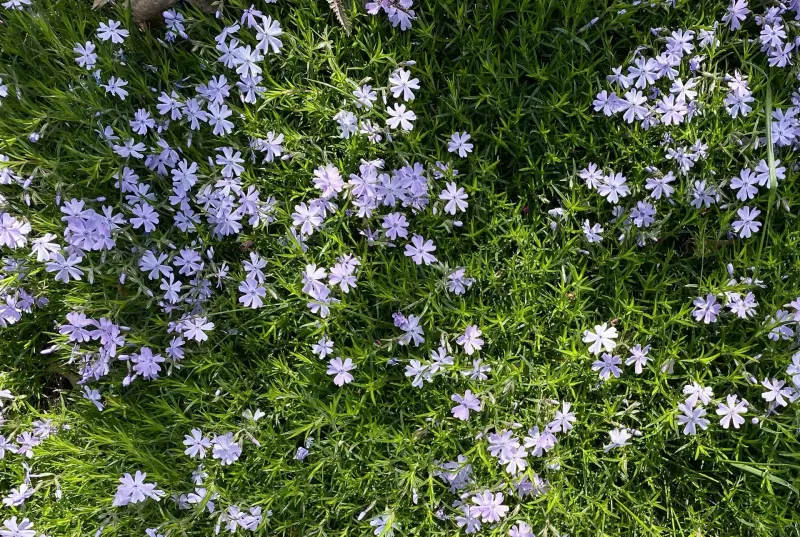
Creeping phlox, or Phlox stolonifera, is a native woodland-edge plant that spreads steadily and fills in bare or patchy border areas with a low, leafy mat that stays tidy through much of the year.
It is slightly different from moss phlox in that it tends to prefer a bit more moisture and some shade.
Creeping phlox produces clusters of small, colorful flowers in spring, but its real value for border management is the consistent ground coverage it provides the rest of the season.
The foliage stays relatively low and dense, which helps crowd out weeds and keeps the border looking intentional rather than overgrown.
It spreads by stolons, filling gaps gradually without becoming difficult to manage or control.
For gardeners dealing with partially shaded borders along fence lines, woodland edges, or foundation beds, creeping phlox is a practical choice. It handles a range of light conditions from partial sun to light shade and does well in average, well-drained soil.
Keeping the surrounding area clear of leaf litter and trimming back any nearby overgrown shrubs goes a long way toward reinforcing a cleaner, less hospitable border environment.
Maintaining a dry mulch transition strip between plantings and the lawn adds another layer of tick-aware landscape care that can make a real difference across Pennsylvania properties.
5. Foamflower Covers Under Trees
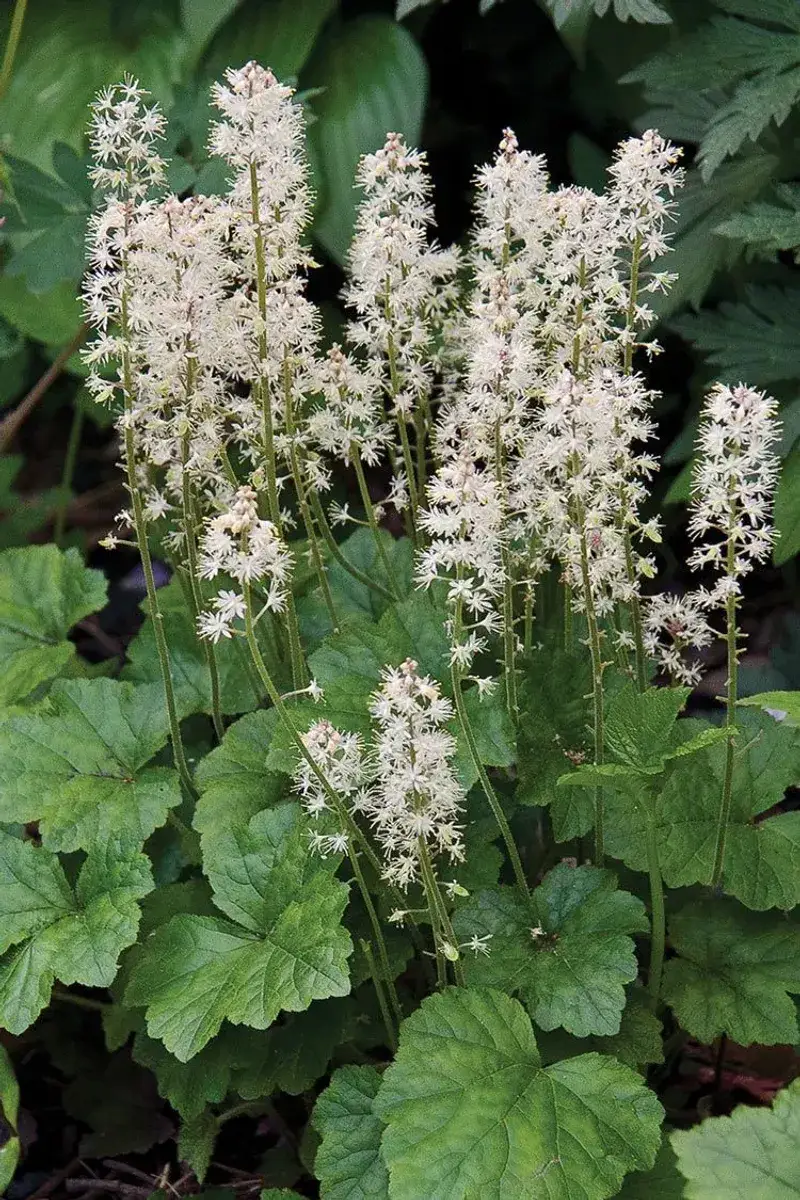
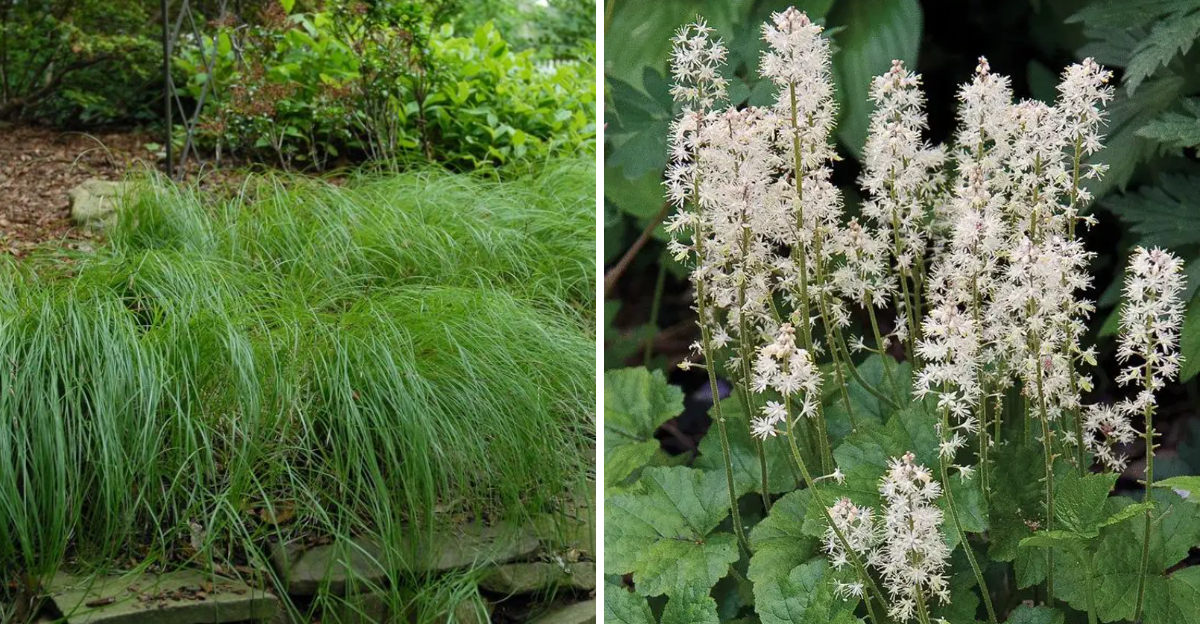
Walk along the edge of a Pennsylvania woodland in late spring and you might catch a glimpse of foamflower in bloom, its slender white flower spikes rising above a low carpet of lobed, maple-like leaves.
Tiarella cordifolia is a native woodland plant that naturally fills the shaded floor beneath trees and along forest edges, which makes it a fitting choice for home gardeners trying to manage similar conditions in their own yards.
Foamflower spreads by stolons to form a gradually expanding mat of ground coverage. In a managed garden setting, this spreading habit is an asset rather than a problem.
It fills in bare soil under trees, replaces weedy patches along shaded borders, and reduces the kind of open, cluttered ground that can accumulate leaf litter and debris.
Keeping that ground covered and clear of excessive buildup is one of the practical steps that supports cleaner border maintenance in tick-aware Pennsylvania landscapes.
The plant performs best in moist, well-drained soil with good organic content and partial to full shade. It does not handle dry, compacted soil or full sun well, so site selection matters.
Once established, foamflower requires relatively little maintenance beyond occasional leaf clearing and light edge management.
Combining it with a clean mulch border and regular pruning of nearby shrubs helps create the kind of tidy, intentional edge that reduces brushy and leafy clutter along Pennsylvania yard borders.
That same approach preserves the natural, woodland-garden aesthetic many homeowners enjoy, so the border looks cared for without feeling overly manicured or out of place.
6. Green-And-Gold Brightens Shade
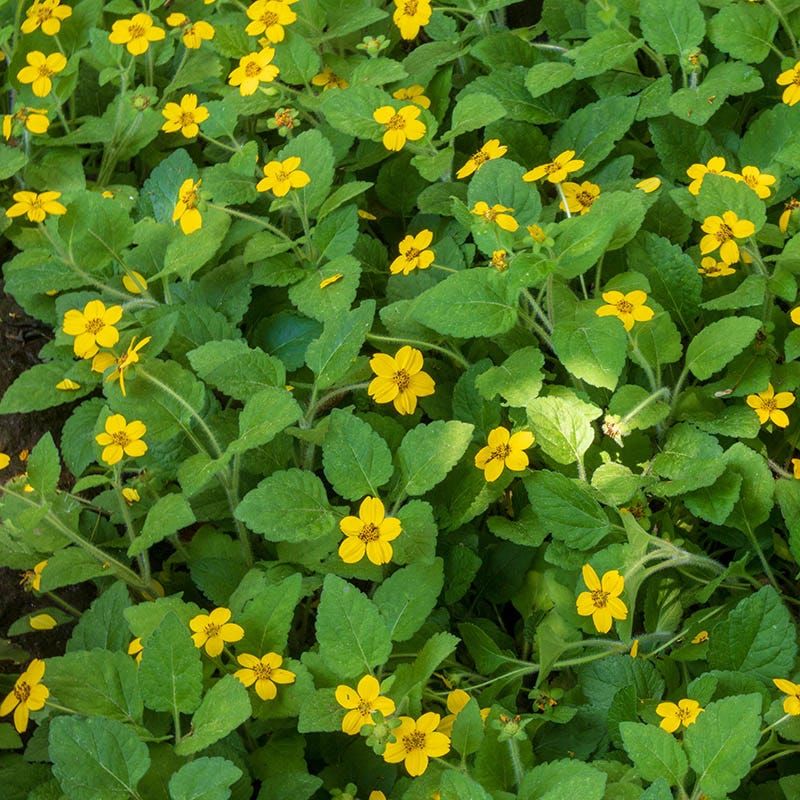
Not every shaded border in a Pennsylvania yard needs to look somber or dark.
Green-and-gold, known botanically as Chrysogonum virginianum, is a cheerful native ground cover that brings a pop of bright yellow to shaded and partially shaded edges without growing tall enough to create brushy, layered habitat.
That low, tidy growth habit is exactly what makes it a smart choice for transitional border areas where minimizing leafy clutter is part of the overall tick-aware landscape plan.
The plant stays low, typically reaching only about six to ten inches in height, and produces small, cheerful yellow flowers from spring through early summer, with occasional blooms continuing into fall.
Its semi-evergreen foliage provides year-round coverage in milder winters, which helps keep the ground beneath it from becoming the bare, leafy, or weedy mess that can develop along unmaintained shaded borders.
Green-and-gold handles a range of shade conditions, from partial sun to fairly deep shade, and it tolerates average to moist, well-drained soil reasonably well. It spreads slowly by stolons and short runners, filling in over time without overwhelming nearby plants.
For gardeners managing shaded bed edges along fence lines, foundation plantings, or woodland-style borders, it offers both visual appeal and practical ground coverage.
Regular leaf clearing around the planting and trimming back encroaching shrubs are simple habits that keep the border looking managed and tidy throughout the growing season.
Keeping a clean mulch edge between the ground cover and the lawn adds a finishing touch that makes overall landscape maintenance more straightforward across Pennsylvania properties.
7. Barren Strawberry Adds Low Cover
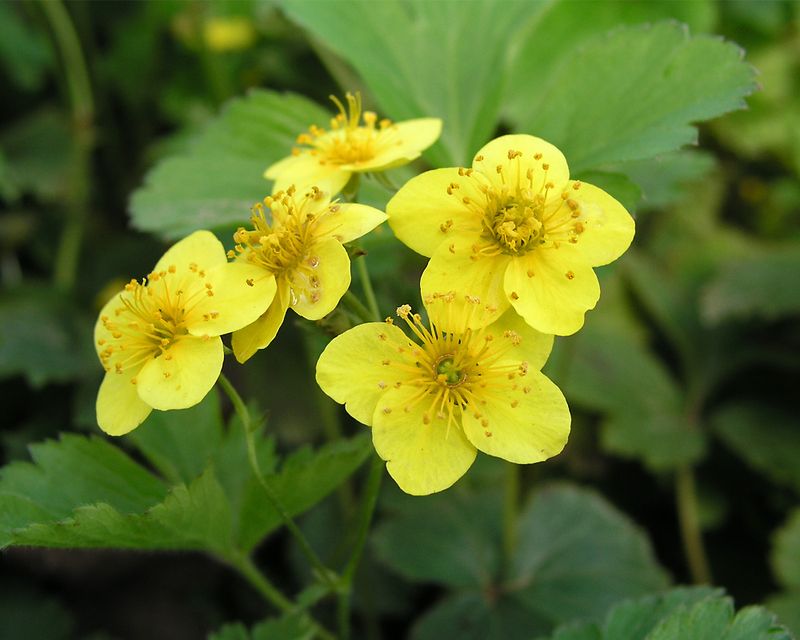
Along the sunny to partly shaded edges of a Pennsylvania yard, finding a ground cover that stays genuinely low, spreads reliably, and does not require constant upkeep can feel like a small victory.
Barren strawberry, or Waldsteinia fragarioides, delivers on all of those fronts.
It looks similar to a regular strawberry plant, with glossy, three-part leaves and small yellow flowers in spring, but it puts its energy into spreading rather than producing fruit.
The foliage stays semi-evergreen through winters, which is a practical advantage for border management.
A ground cover that holds its leaves through the colder months keeps the soil covered and helps reduce the kind of bare, leaf-littered patches that tend to develop along unmanaged edges.
That consistent coverage also means less opportunity for weeds to establish in the border between seasons, which cuts down on the brushy, cluttered growth that can build up over time.
Barren strawberry prefers well-drained soil and handles a range of light conditions from full sun to partial shade, making it flexible enough for many Pennsylvania border situations.
It does not tolerate consistently wet or waterlogged soil, so drainage matters when choosing a planting site.
Once established, it spreads steadily by runners and forms a dense, attractive mat.
Pairing it with a gravel or mulch transition strip and keeping nearby vegetation trimmed helps create the kind of clean, managed border edge that supports tick-aware landscape care throughout Pennsylvania without requiring an intensive maintenance routine.