Florida Native Edible Plants That Produce Food In Containers And Look Good Doing It
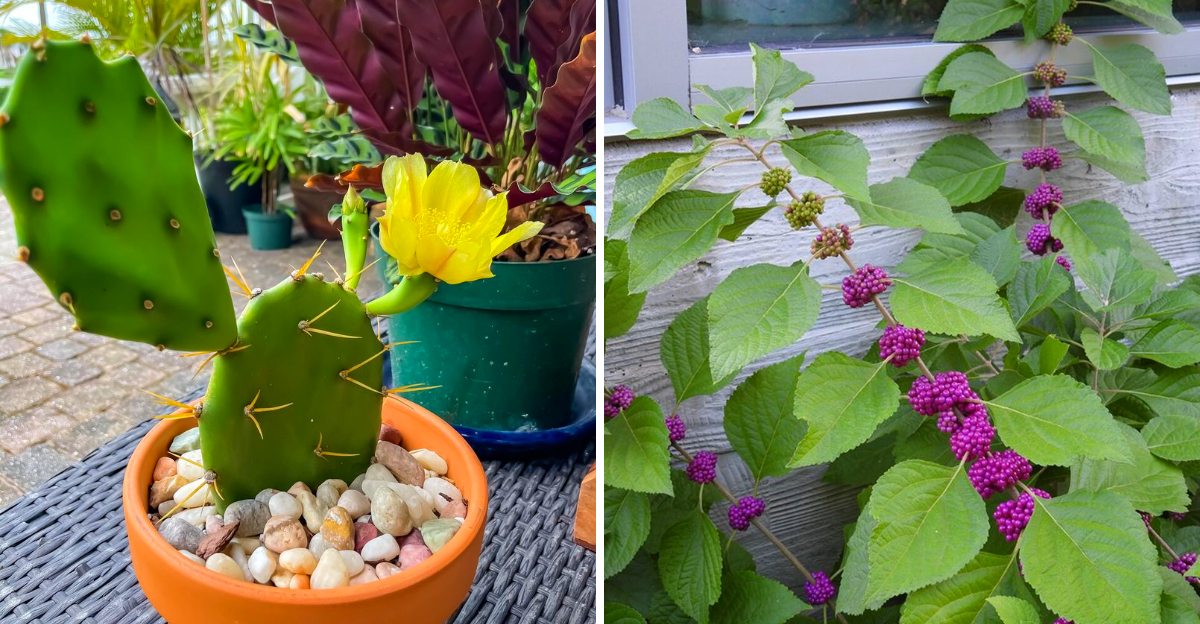
Container gardening with Florida native edible plants is one of those ideas that sounds niche until you realize how well it actually works.
A sunny patio or a small balcony is genuinely enough space to grow natives that produce colorful berries, edible fruit, and attractive foliage right from a pot.
No sprawling garden bed required, which is honestly great news for anyone working with limited outdoor space.
Several of these plants pull double duty too, looking ornamental enough to complement a patio setup while offering something you can actually eat.
That combination of beauty and usefulness is a pretty compelling reason to give container natives a serious look.
Getting the details right, container size, drainage, sun exposure, and plant selection, is really what makes the whole thing work well.
1. Beautyberry Brings Purple Fruit To Big Pots
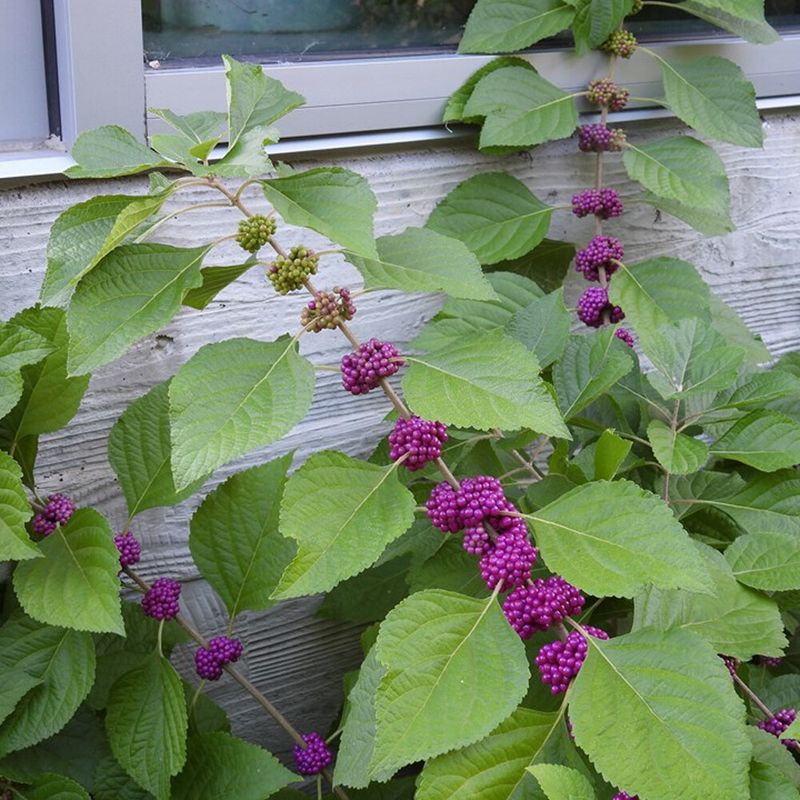
Few native plants put on a fall display quite like beautyberry, a Florida native shrub that produces tight clusters of vivid purple fruit along its arching branches. Those berries are not just eye-catching on a patio or courtyard planter.
They can also be used to make jams and jellies, giving this plant a genuine edible purpose beyond its looks.
Beautyberry can work in a large container, but gardeners should go into it with realistic expectations. This shrub is not a compact herb-pot plant.
It can grow quite large over time, so a big, sturdy planter with excellent drainage is a real necessity. A pot that is too small will limit root development and may reduce both plant health and berry production.
In Florida, beautyberry tends to do well in partial shade to full sun, and it is fairly tolerant of the heat that comes with warm summers. Container-grown plants may need more frequent watering than those grown in the ground.
Giving it room to grow, keeping up with watering during dry spells, and pruning it back in late winter can help the plant stay manageable and continue producing those remarkable purple clusters year after year.
2. Darrow’s Blueberry Fits Acid Loving Containers
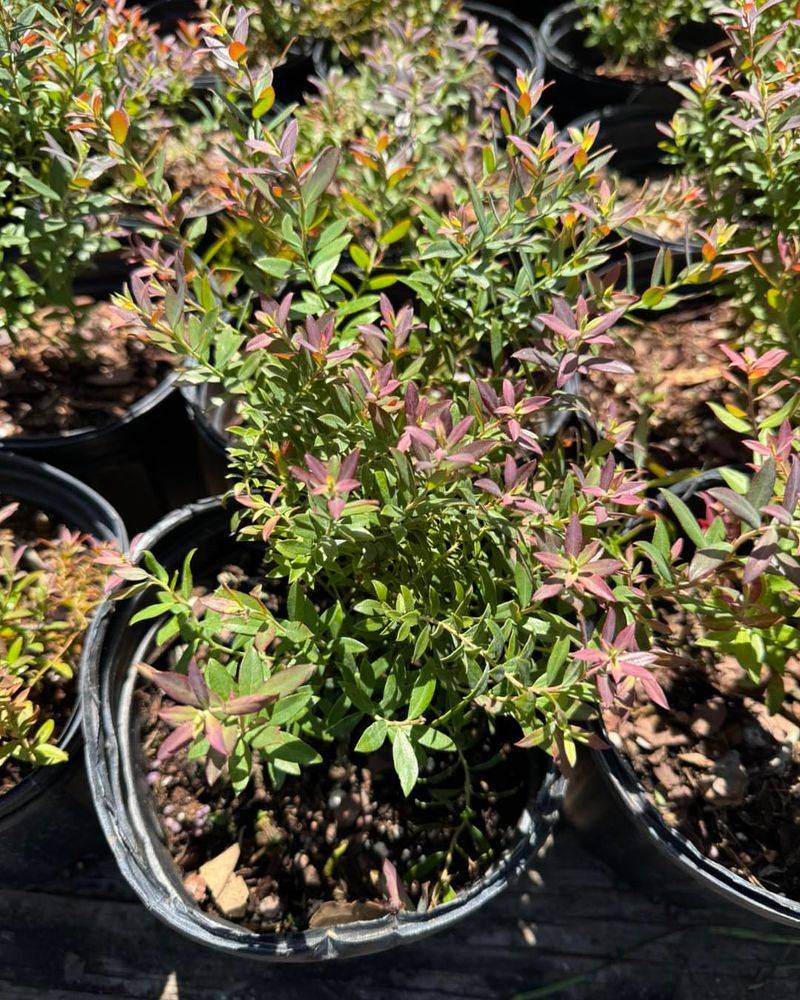
Growing blueberries in Florida can feel tricky when you look at the sandy, often alkaline soils across much of the state. That is exactly where container growing becomes a smart strategy.
Planting Darrow’s blueberry in a container lets you control the soil mix and maintain the acidic conditions this plant genuinely needs to thrive.
Darrow’s blueberry is a Florida native species with attractive foliage that shifts to warm red tones in cooler months, making it a nice ornamental choice even when it is not fruiting.
The edible berries are the real bonus, and they can be harvested and eaten fresh or used in baking and cooking.
Container growing gives you the ability to use an acidic potting mix and amend it far more precisely than most in-ground sites would allow.
For best results, choose a large container with good drainage holes and position the plant where it gets plenty of direct sun each day. Blueberries tend to produce better fruit when cross-pollination is possible, so growing more than one plant nearby can be helpful.
Your Florida Garden Changes Every Week. Your Plan Should Too.
Gardening in Florida changes quickly throughout the season. Every Friday you’ll receive a simple weekly plan showing exactly what to plant, prune, fertilize, harvest, and protect so you never miss the right timing.
Keep the soil consistently moist but not waterlogged, and monitor the pH over time since it can gradually shift in containers. With the right setup, Darrow’s blueberry can be a genuinely productive and attractive patio plant in Florida.
3. Maypop Passionflower Climbs A Container Trellis
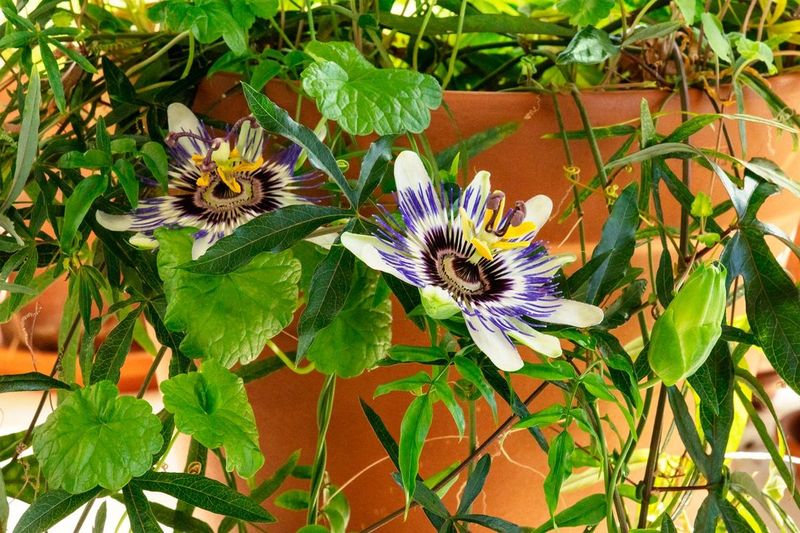
Walking past a container with a maypop passionflower in full bloom is one of those moments that makes a patio feel like something special.
The flowers are large, intricate, and genuinely showy, with a layered purple and white structure that draws attention from several feet away.
Beyond the blooms, this Florida native vine also produces edible fruit with a tangy, tropical flavor.
Managing maypop in a container requires a sturdy trellis because this plant is a vigorous climber. Without support, the vine will sprawl in ways that can become difficult to manage, especially in smaller urban spaces or balcony gardens.
A tall, stable trellis anchored securely in a large, heavy container gives the vine a place to go while keeping the overall look intentional and attractive.
Maypop is well adapted to Florida conditions and tolerates heat reasonably well. It tends to spread enthusiastically in the ground, so container growing can actually help keep it from overtaking nearby plants.
Keep in mind that fruit production can vary depending on pollinator activity, sunlight, and plant age. Young vines may focus their energy on establishing roots and foliage before committing to heavy fruiting.
Placing the container in a sunny spot and being patient with the plant through its first season can pay off with both flowers and fruit over time.
4. Prickly Pear Cactus Handles Sunny Dry Pots
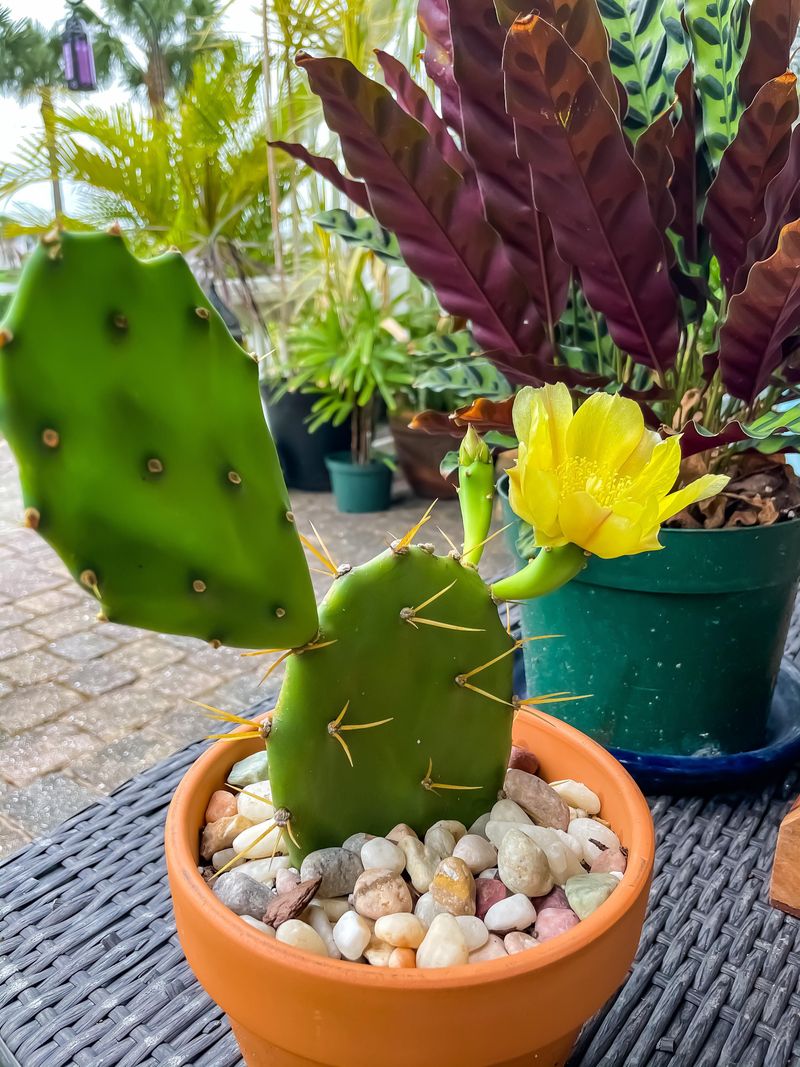
On a blazing afternoon when most container plants are begging for shade, the prickly pear cactus is completely in its element.
Florida has native prickly pear species, and these rugged plants bring a striking sculptural quality to sunny patios, decks, and courtyard spaces while also offering edible pads and fruit.
The flat, paddle-shaped pads can be prepared and eaten as a vegetable, and the colorful fruit, often called tunas, can be used to make juice, syrup, or jelly.
That combination of bold visual interest and edible potential makes prickly pear a genuinely useful container plant for gardeners who have a hot, sunny spot to work with.
Sharp drainage is non-negotiable for prickly pear in containers. A pot with large drainage holes and a well-draining cactus or sandy mix will serve the plant far better than standard potting soil, which tends to hold too much moisture.
Overwatering is the most common issue container-grown cacti face in Florida, especially during the rainy season.
Gardeners should also handle prickly pear with thick gloves and real care, because the tiny glochids, which are small hair-like spines, can embed in skin easily and are more irritating than the larger visible spines.
With the right setup and careful handling, prickly pear is one of the lower-maintenance native edible container options available in Florida.
5. Cocoplum Works In Large Patio Containers
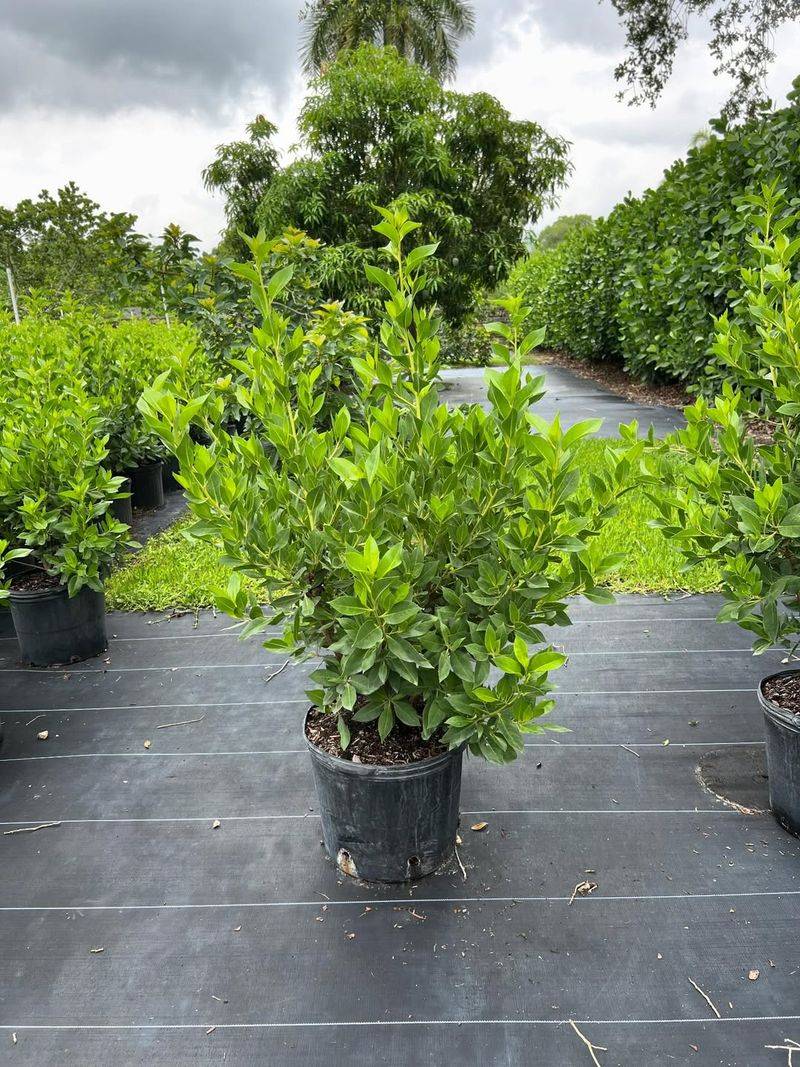
Cocoplum has a quiet confidence about it.
The glossy, rounded leaves look polished and well-behaved in a large patio container, and the small fruit it produces, ranging from white to deep purple depending on the variety, can be used to make jams and jellies with a mild, pleasant flavor.
It is the kind of plant that earns its spot through both looks and usefulness.
This Florida native shrub is best suited to warm Central and South Florida conditions, where it naturally thrives in the landscape. Gardeners in North Florida may find cocoplum less reliable, especially during cold snaps that can stress or damage the plant.
As a container specimen, cocoplum should be thought of as a large patio shrub rather than a compact edible pot plant. It needs a big container with solid drainage to have enough root space to grow well and eventually produce fruit.
Fruit production on container-grown cocoplum can take time, and younger plants tend to focus on establishing themselves before fruiting consistently.
Placing the container in a spot with good sun exposure and keeping up with regular watering during dry periods can encourage steady growth.
Cocoplum also responds reasonably well to shaping, so gardeners can prune it lightly to maintain a size and form that works within the space. It is a rewarding native edible plant for Florida patios with room for a substantial container.
6. Seagrape Needs A Very Large Container
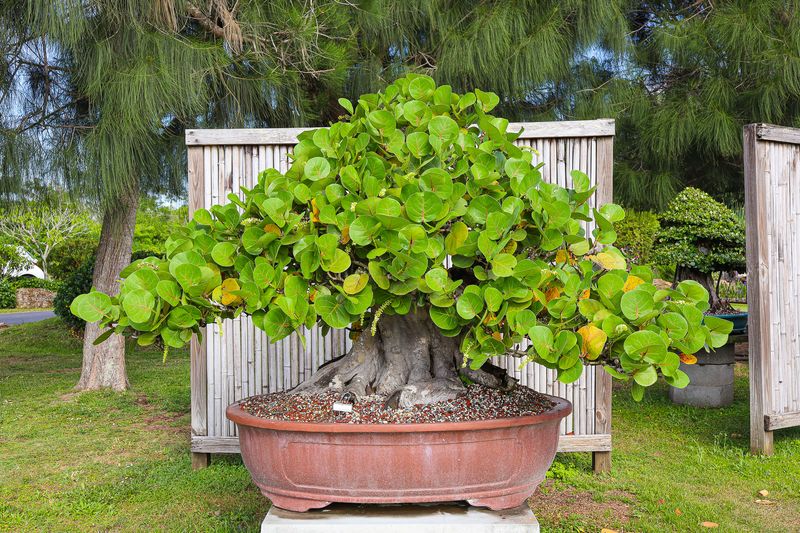
Seagrape is one of those Florida native plants that turns heads wherever it grows. The large, round, leathery leaves have distinctive red veining, and the plant produces clusters of fruit that resemble small grapes and can be eaten fresh or made into jelly.
It is a coastal Florida classic, and some gardeners are curious about whether it can work in a container setting.
The honest answer is that seagrape can be grown in a container, but it needs a very large one. This is not a plant that stays compact or politely fits into a modest planter.
Seagrape is naturally a large shrub or small tree, and even with container constraints slowing its growth, it will need substantial root space, a heavy and stable pot, and room to spread its canopy over time.
Seagrape is best treated as a managed large specimen on a patio or courtyard rather than a productive small-space fruit plant. Fruit production in containers can be limited, especially on young plants or those that do not receive enough direct sun.
Sandy, well-draining potting mixes suit it well, and it handles Florida heat and salt air with ease.
Gardeners who have the space for a genuinely large container and appreciate seagrape as both an ornamental and a potential edible plant may find it a satisfying long-term addition to a Florida outdoor living space.
7. Container Size Matters More Than People Think
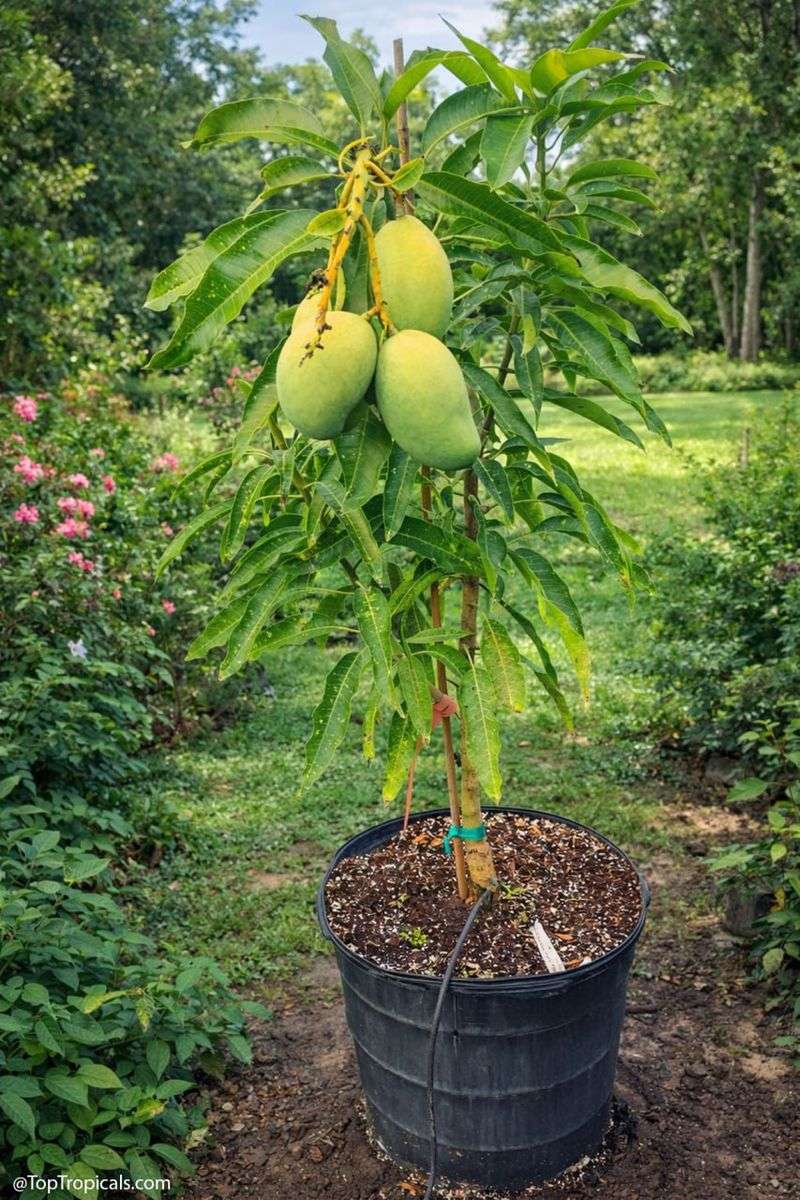
Picking out a beautiful native edible plant at a Florida nursery is the exciting part. Choosing the right container for it is where many gardeners run into problems.
Most Florida native edible plants that produce fruit are shrubs, vines, or cactus-type plants, not compact annuals, and they need considerably more root space than a standard herb pot provides.
A container that is too small will limit root development, reduce the plant’s ability to take up water and nutrients, and may lead to stunted growth or poor fruit production even when the plant otherwise looks fine.
Large, heavy containers with multiple drainage holes at the base tend to give native edible plants the best chance of performing well over time.
Lightweight pots may tip over as plants grow larger and heavier.
Stable placement matters too. A pot positioned on a sunny, level surface with good airflow around it will generally support healthier plants than one tucked into a corner with poor drainage or inconsistent light.
In Florida, heavy rain during summer can saturate containers quickly, so drainage holes need to be clear and functional at all times. Some gardeners place pots on risers or feet to improve drainage and air circulation beneath the container.
Taking the time to match pot size and placement to the plant’s actual needs can make a significant difference in how well native edible plants perform on a Florida patio.
8. Not Every Pretty Pot Will Produce Heavy Fruit
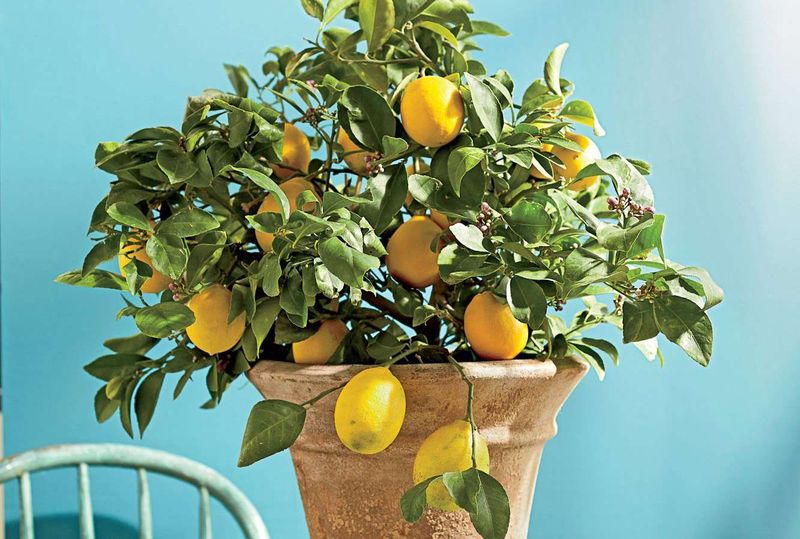
A container full of lush native foliage on a sunny Florida patio can look genuinely impressive, but ornamental value and edible production do not always arrive in equal measure.
Some native edible plants grown in containers may put on a beautiful show of leaves or flowers while producing only modest amounts of fruit, especially during the first few years of establishment.
Several factors influence how much fruit a container-grown native plant produces in Florida. Young plants often prioritize root and stem development before shifting energy toward flowering and fruiting.
A pot that is too small, soil that is not suited to the plant’s pH needs, limited pollinator access, or inconsistent watering can all reduce fruit output even when the plant appears healthy and attractive from a distance.
Sunlight plays a major role as well. Many fruiting native plants need several hours of direct sun each day to produce reliably, and a container placed in a partially shaded spot may result in a good-looking plant that fruits infrequently.
Florida’s weather variability, including periods of drought, heavy rain, or unexpected cold, can also affect fruiting from one season to the next.
Setting realistic expectations before planting helps gardeners appreciate what their container plants do offer, whether that is striking foliage, colorful berries, showy flowers, or occasional edible harvests, rather than feeling disappointed when fruit production turns out lighter than hoped.