The One Indiana Plant Tick-Conscious Gardeners Should Already Be Growing
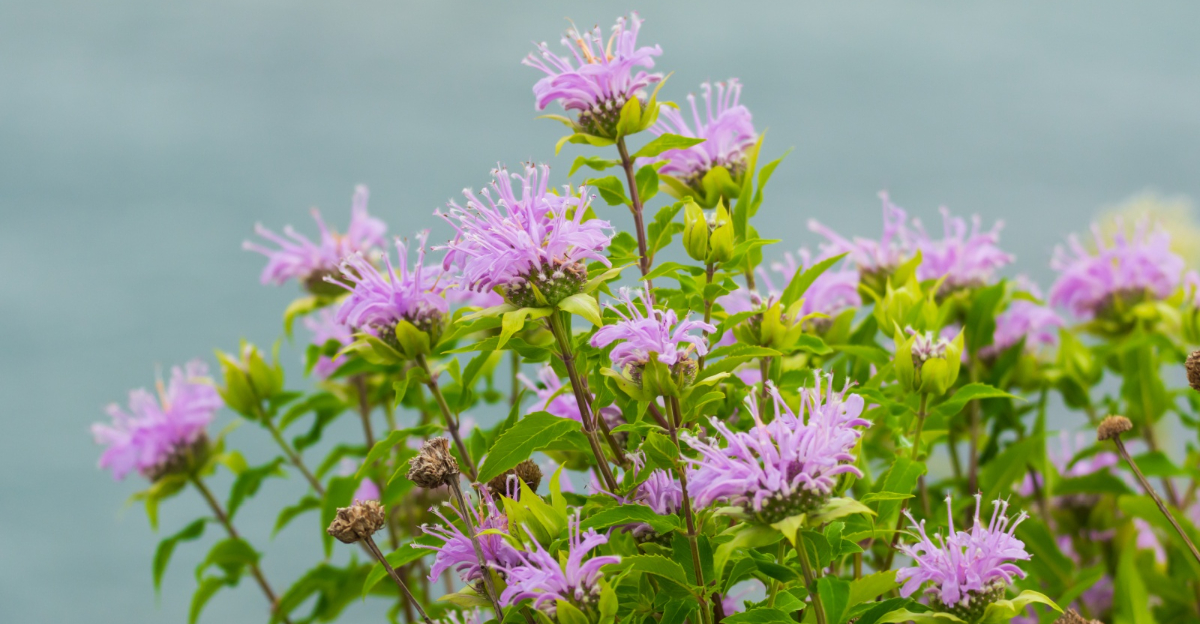
You brush past a patch of flowers and catch a minty, spicy scent drifting through warm air. Bees hum nearby.
Butterflies flicker between blooms. Then you notice something missing. Fewer ticks lurking where you walk.
In Indiana, that small discovery can change how you see your garden forever. You probably spent years hearing about sprays, traps, and chemical fixes. Most people do.
Yet one native wildflower has grown across Indiana landscapes for centuries, quietly offering benefits gardeners are only now fully appreciating.
It asks almost nothing in return. It simply grows, blooms, and helps reshape the space around it. Could a gorgeous flower really make ticks think twice about sticking around?
The answer surprises plenty of gardeners. This overlooked prairie native packs aromatic oils, supports beneficial wildlife, and helps create conditions ticks dislike.
Better yet, it delivers all that while putting on a spectacular summer show. By the time you learn everything this plant is doing behind the scenes, your shovel may already be looking for a place to dig.
Wild Bergamot Indiana’s Best Kept Tick Secret
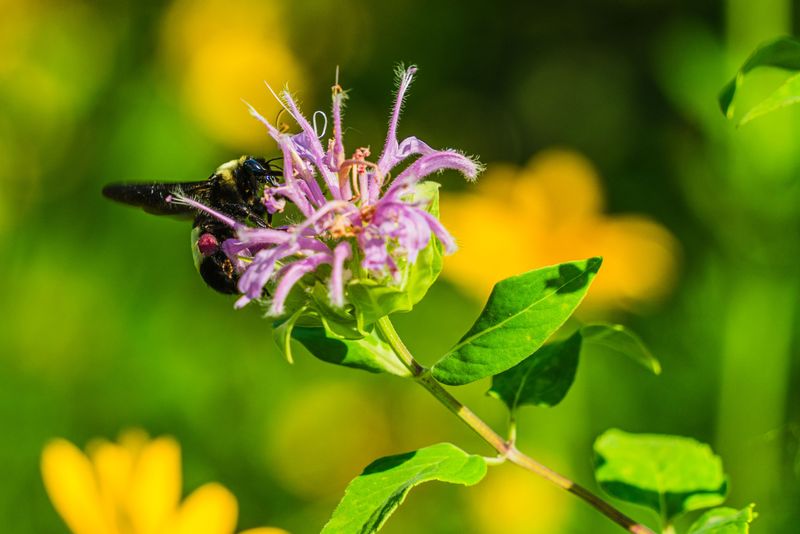
A warm July evening, kids running barefoot across the yard, with fewer ticks to worry about. Wild Bergamot can help make that scene a reality.
Its essential oils contain compounds like thymol and carvacrol. These compounds have shown repellent and tick-deterring effects in laboratory studies, though the exact mechanism in field conditions is still being explored.
Ticks rely on those signals to find their next meal. When Wild Bergamot fills the air with its sharp, minty fragrance, those signals may be disrupted.
Plant it along the edges of your yard for the best results. That border placement creates a fragrant wall between the woods or tall grass and your family’s play areas.
The plant’s open, airy growth habit also helps dry out soil beneath it. Ticks need moist, shaded ground to survive, and Wild Bergamot naturally reduces that habitat.
Wild Bergamot is widely considered deer-resistant, which gardeners often attribute to its strong scent. Since deer are one of the biggest carriers of ticks, fewer deer visits means far fewer ticks entering your space.
Pollinators love Wild Bergamot too. Bees, butterflies, and birds flock to its blooms, and many of those birds snack on ticks as a bonus food source.
Some bird species attracted to insect-rich gardens, including ground-foraging birds, are known to consume ticks as part of their diet.
Drawing them in with Wild Bergamot contributes to a garden environment that is less hospitable to ticks.
Plant it once and it will return each season, working through the entire tick season without spraying or replanting.
Aromatic Oils That Disrupt Tick Senses
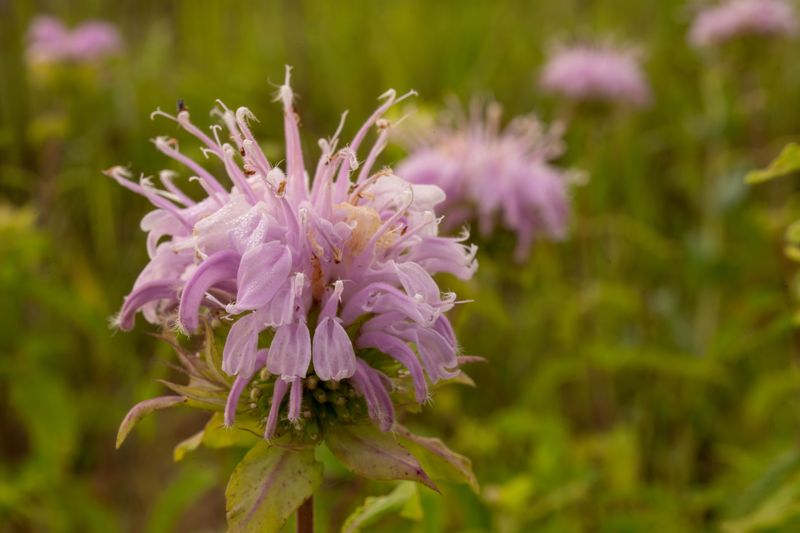
One whiff changes everything. Wild Bergamot releases fragrant compounds that travel through surrounding air.
Those natural oils create a strong sensory signal. Ticks depend heavily on detecting hosts through environmental cues.
Their survival strategy relies on locating movement and nearby animals. Confusing those signals can reduce successful host detection.
Your Indiana Garden Changes Every Week. Your Plan Should Too.
Gardening in Indiana changes quickly throughout the season. Every Friday you’ll receive a simple weekly plan showing exactly what to plant, prune, fertilize, harvest, and protect so you never miss the right timing.
Unlike harsh chemical approaches, the fragrance occurs naturally. The plant produces these compounds throughout much of its growing season.
Warm afternoons often intensify the scent. Gardeners frequently notice spicy notes drifting across planting beds.
That pleasant aroma benefits people differently. Many outdoor enthusiasts enjoy the refreshing fragrance during summer walks.
Tiny pests experience another reality entirely. Their sensory systems encounter a more challenging environment.
Wild Bergamot’s leaves contain concentrated essential oils. Crushing foliage releases an even stronger burst of fragrance.
Placement matters when designing a landscape. Clusters near pathways can spread scent through frequently used spaces.
The effect is not magical. Yet every obstacle matters when discouraging unwanted visitors. Nature often relies on subtle advantages. Small disruptions can influence behavior over time.
Many gardeners appreciate solutions requiring little intervention. This perennial quietly handles its role each season.
The flowers steal most attention. The hidden chemistry deserves recognition too. That aromatic layer is one contributing factor in a broader habitat strategy.
Drier Growing Conditions That Ticks Avoid
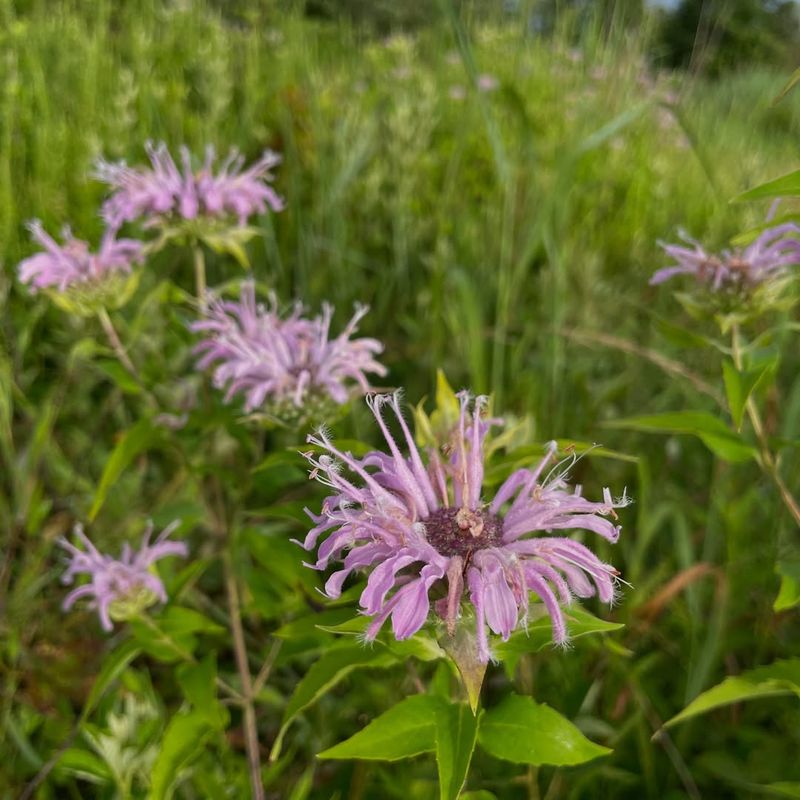
Moisture changes the game. Ticks thrive where damp conditions remain consistent. Wild Bergamot prefers sunny locations with good airflow.
Its growth habit supports better circulation around nearby vegetation. Sunlight reaches more ground in these settings. Surfaces dry faster after rain or morning dew.
That shift matters more than many realize. Excess moisture supports conditions favored by lingering pests. Dense shade often traps humidity close to soil.
Warm breezes struggle to penetrate crowded growth. Open plantings encourage a different environment. Air moves more freely through stems and foliage.
Garden beds containing prairie species often feel lighter. The atmosphere becomes less stagnant during humid weather.
Wild Bergamot contributes to that effect naturally. It grows upright rather than forming dense mats. Many homeowners unintentionally create moisture pockets.
Overcrowded landscapes frequently hold dampness for extended periods. Strategic planting can improve those conditions. Native species help establish healthier balance across outdoor spaces.
The goal involves habitat management. Minor environmental changes can produce meaningful results. Healthy circulation benefits plants as well.
Foliage often dries faster after storms. That reduction limits several common garden problems. A drier setting supports overall landscape health.
Wild Bergamot becomes part of a larger strategy. Its structure helps reshape surrounding conditions gradually.
The results develop over time. Persistence often beats quick fixes. Every season strengthens the effect. Another helpful ally soon joins the effort.
Increased Activity From Beneficial Insects
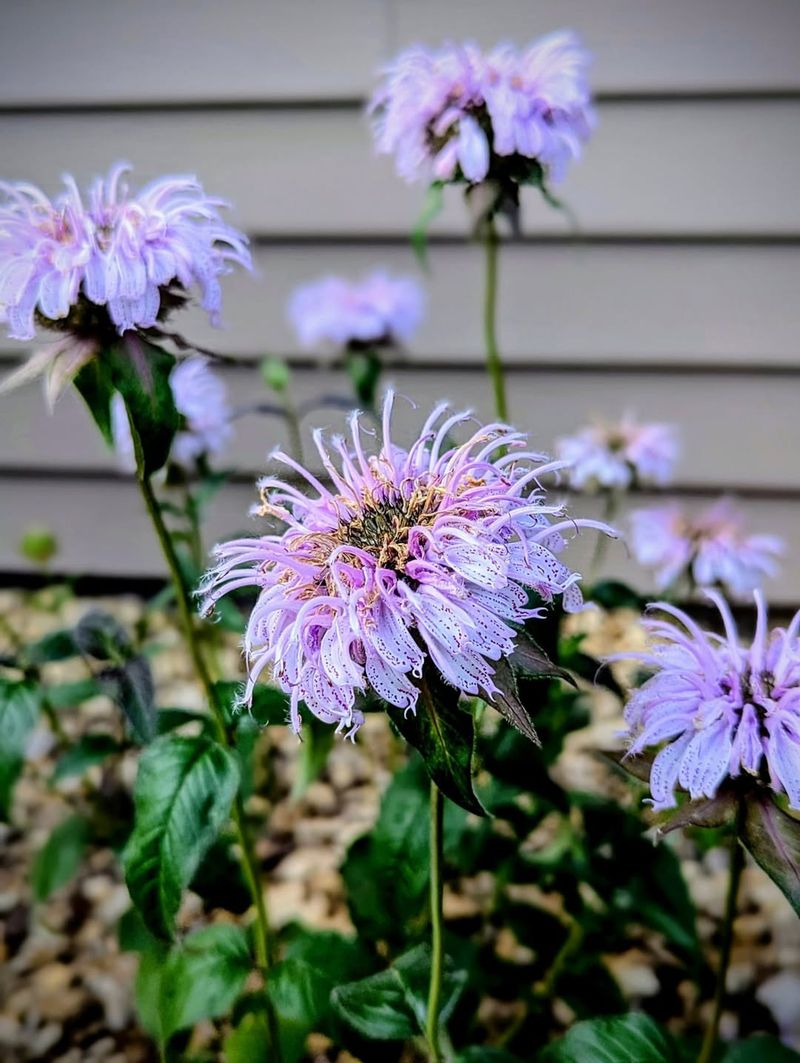
The garden suddenly buzzes as beneficial insects arrive when resources become readily available.
Wild Bergamot produces nectar that attracts numerous species, and those visitors create a more active ecological community.
Predatory insects play important roles outdoors, with many feeding on troublesome organisms during different life stages.
A balanced landscape supports natural interactions, and diverse insect populations help maintain ecological stability.
Hoverflies, wasps, and beetles often investigate blooms across Indiana gardens, seeking food while moving throughout surrounding areas.
Each visitor adds another layer of activity, and since dynamic ecosystems rarely remain static for long, beneficial species compete for resources and territory, their presence influencing many smaller creatures.
Gardens lacking diversity often miss these relationships, as simplified spaces provide fewer ecological advantages.
Wild Bergamot acts like a gathering point for Indiana landscapes, with numerous insects visiting during extended flowering periods, and that steady traffic creates movement across the landscape.
Natural checks and balances become more common, yet homeowners sometimes overlook these connections even though healthy ecosystems depend on countless interactions.
The process unfolds without constant supervision, as nature performs much of the work independently, with colorful flowers attracting attention first while ecological benefits follow closely behind.
A thriving insect community signals good habitat quality, and strong ecosystems tend to show greater resilience as a result.
Wild Bergamot helps build that foundation across Indiana yards, and the rewards extend well beyond visual appeal, as life fills every corner and feathered visitors soon notice the activity too.
More Birds Visiting And Foraging In The Garden
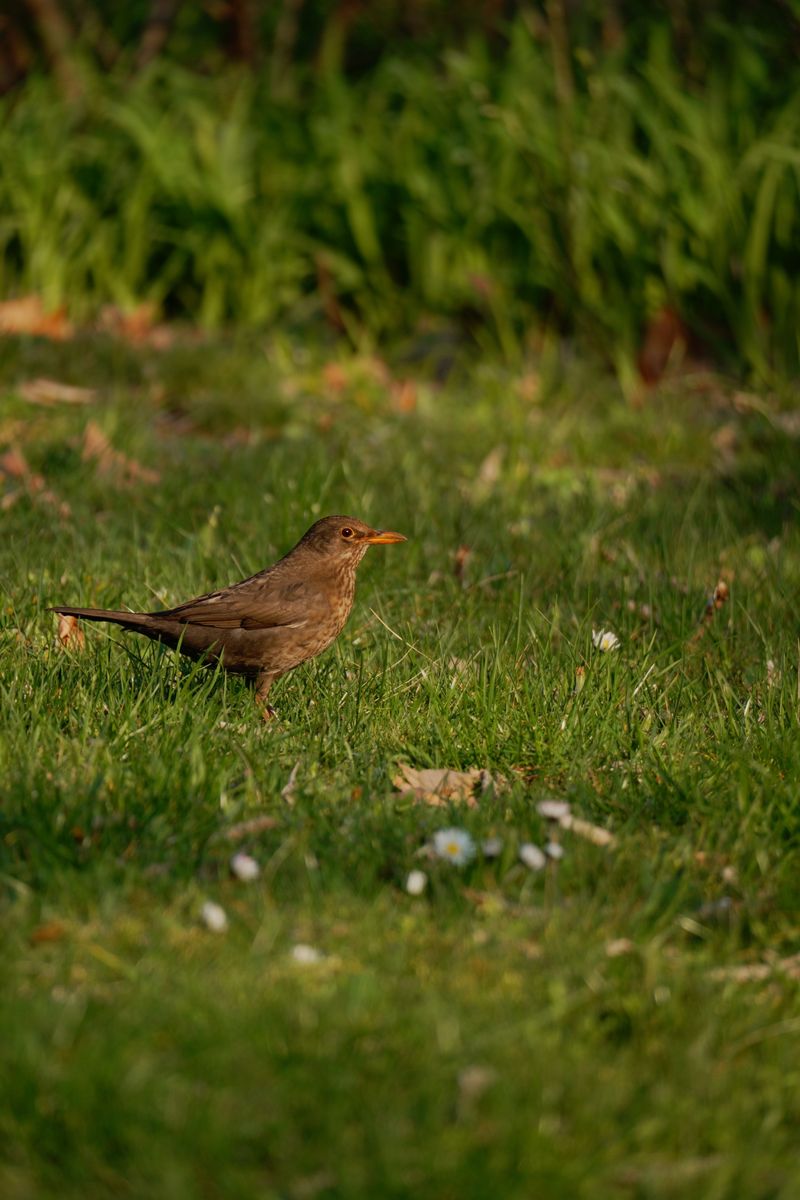
Suddenly, wings flash overhead. Birds quickly discover productive feeding locations. Wild Bergamot attracts insects that many bird species seek.
Increased food availability encourages more frequent visits. Songbirds spend hours searching for meals. Productive gardens become valuable destinations during that search.
Their constant movement adds energy outdoors. Landscapes feel more vibrant and alive. Many species inspect leaves and stems carefully. Others forage along pathways and garden edges.
That activity creates broader ecological benefits. Birds interact with countless organisms while feeding.
A wildlife-friendly yard supports natural processes. Every visitor contributes something unique.
Native plants strengthen those connections. Local species evolved alongside regional wildlife communities.
Wild Bergamot fits naturally into that relationship. Its blooms support insects that attract hungry birds.
Gardeners often enjoy watching the spectacle unfold. New visitors appear throughout the growing season.
Each arrival brings fresh movement and sound. The landscape becomes increasingly dynamic. Children especially enjoy these encounters. Curiosity grows when wildlife appears nearby.
Bird-friendly spaces offer more than entertainment. They encourage deeper appreciation for natural systems.
Those connections matter over time. Healthy habitats support remarkable diversity. Wild Bergamot helps create that opportunity. The next advantage expands the picture even further.
Greater Biodiversity Supports A Healthier Garden Ecosystem
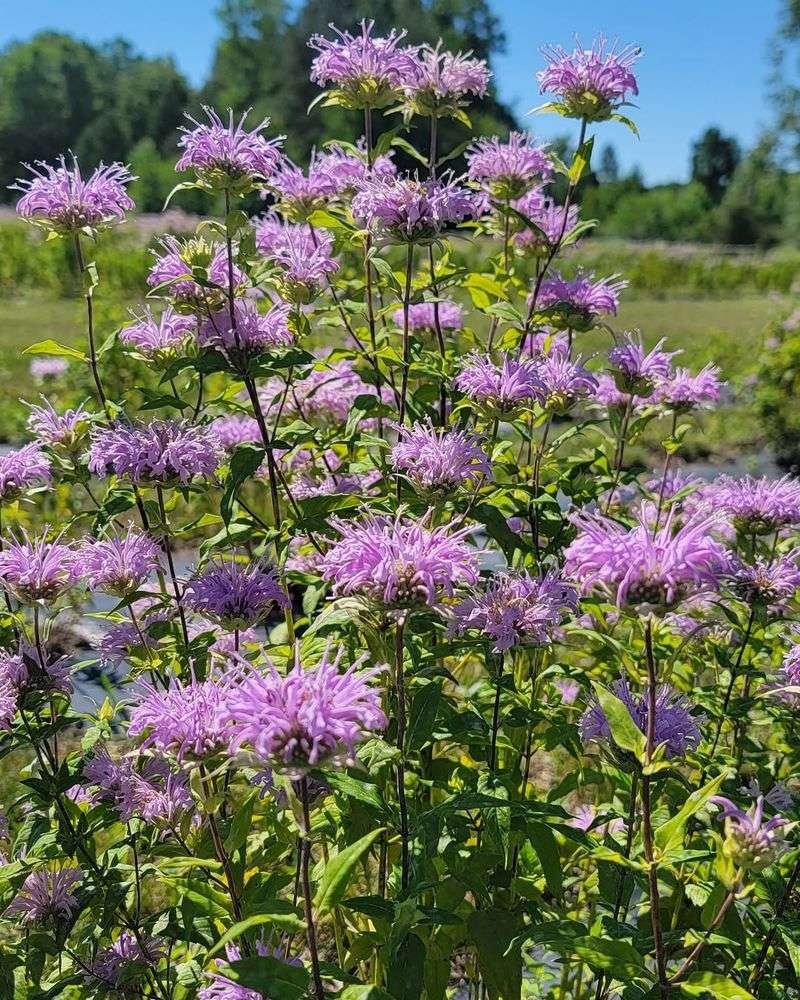
Diversity changes the equation. Monocultures rarely offer the same ecological strength. Wild Bergamot supports a broad range of organisms. Different species occupy different roles within the landscape.
That variety creates a more balanced environment. No single influence dominates every interaction.
Healthy ecosystems depend on interconnected relationships. Each participant affects conditions in subtle ways.
Native flowers encourage those connections naturally. Pollinators, birds, and beneficial insects all contribute. The result feels more dynamic. Life spreads across multiple levels of the habitat.
Greater diversity often improves resilience. Landscapes recover more effectively from environmental pressures.
Simple plantings lack that flexibility. Rich ecosystems provide more ecological support. Wild Bergamot acts as an important contributor. Its blooms attract visitors across many groups.
Those visitors create additional opportunities for balance. Interactions increase throughout the growing season.
Gardeners benefit from that complexity. Natural systems often regulate themselves more effectively. The goal is not perfection.
Strong ecological networks simply improve overall conditions. Every added layer strengthens the whole. Diversity functions like a safety net.
Wild Bergamot helps weave those threads together. Its influence extends far beyond flowering stems. A richer habitat tells a bigger story. One final advantage completes the picture.
Fewer Tick Hiding Spots In Landscaped Areas
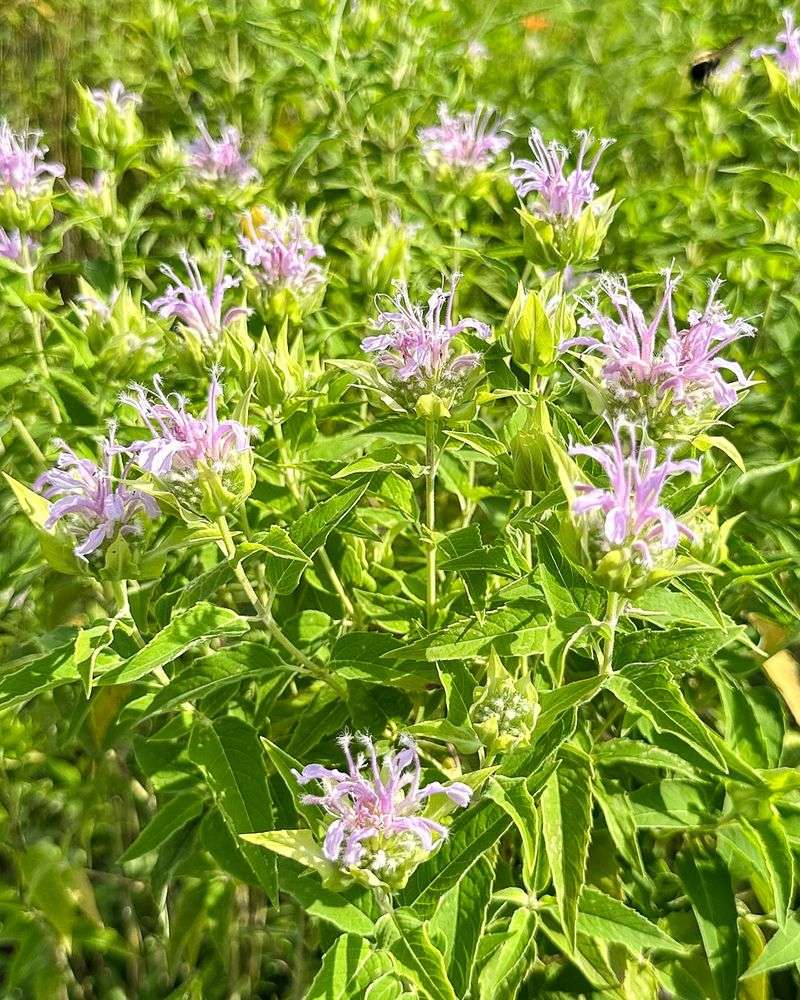
Hidden spaces matter most. Ticks prefer sheltered locations with consistent protection. Wild Bergamot grows in upright clumps. That form differs from dense ground-hugging vegetation.
Open structure reduces secluded hiding opportunities. Air and sunlight penetrate more effectively. Many problematic areas remain heavily overgrown.
Thick cover creates comfortable shelter for lingering pests. Thoughtful plant choices can change that. Landscape structure influences habitat quality significantly.
Wild Bergamot contributes a cleaner appearance. Its growth habit promotes openness without sacrificing beauty. Garden paths benefit from that arrangement.
Visibility improves around frequently used spaces. The plant blends easily with other natives. Designers can create attractive combinations without clutter.
Those choices shape how landscapes function. Appearance and practicality work together. Every adjustment adds another advantage.
Small improvements accumulate over time. Homeowners appreciate solutions with multiple benefits. This perennial delivers beauty alongside usefulness.
Wild Bergamot earns its reputation among Indiana gardeners. Few flowers offer so much while asking so little.
That combination explains its growing popularity. Sometimes the smartest garden helper blooms in plain sight.