These Oregon Natives Form A Living Mulch That Gets Better Every Year
Bare soil is always waiting for something to move in. In Oregon gardens, that often means weeds after a stretch of rain or open space around young plants.
A living mulch can change that by covering the ground with plants instead of loose material. The right natives settle in slowly at first, then become more useful with each season.
They help shade the soil and make garden beds feel fuller without constant refreshes. Many also fit naturally around shrubs, paths, and woodland edges.
This is not a quick cover-up like a fresh bag of bark. It is a longer lasting layer that grows into the garden over time.
Choose Oregon natives that match the site, and bare patches can turn into a living carpet that keeps improving year after year.
1. Springbank Clover Adds Low Cover And Pollinator Value
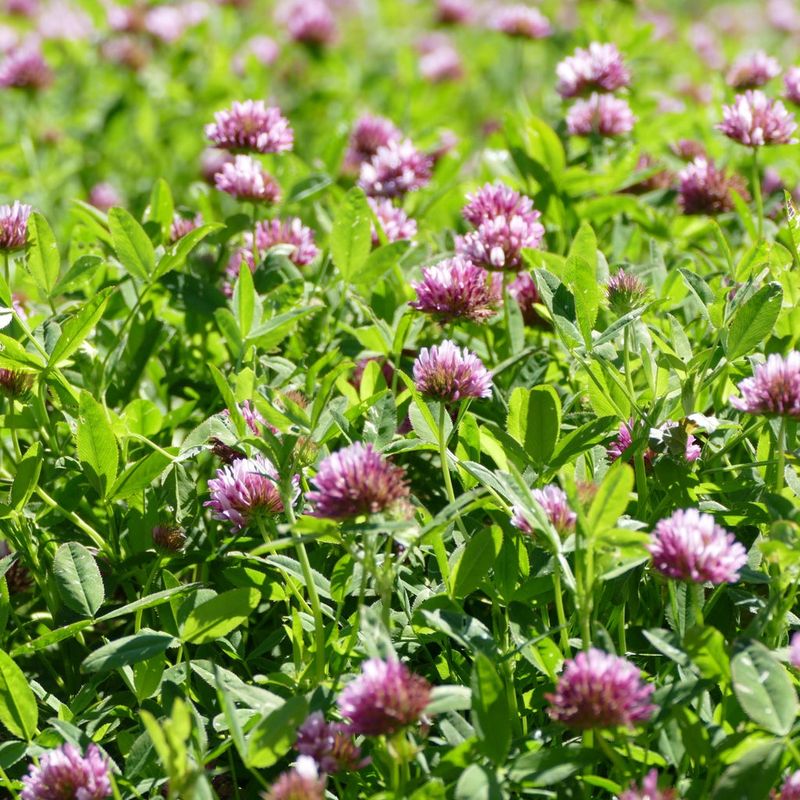
Few plants work as hard underground as Springbank clover does above it. This native clover fixes nitrogen in the soil, meaning it actually feeds the ground it grows in.
Over time, patches spread into a thick, weed-suppressing mat that improves soil health without any added fertilizer.
Native to moist meadows and streamside areas across Orego, Springbank clover handles wet winters and dry summers with ease.
It grows low, usually under a foot tall, making it a practical choice for slopes, edges, and open lawn alternatives. It does not need mowing to stay tidy.
Bees absolutely love it. The pink-purple flower clusters bloom from late spring into summer, drawing native bumblebees, mason bees, and small butterflies.
Planting it near vegetable beds can boost pollination in the whole garden area.
It spreads by rhizomes, so it fills gaps naturally without needing replanting every year. Each season, the patch grows a little wider and a little thicker.
That self-spreading habit is exactly what makes it such a reliable living mulch over time.
For best results, plant it in full sun to partial shade with decent moisture in the first season. Once established, it is surprisingly tough.
You can walk on it lightly, and it bounces back. That combination of soil-building, pollinator support, and steady spreading makes Springbank clover one of the most useful native groundcovers available in this region.
2. Showy Townsendia Turns Gravelly Edges Into Blooming Cover
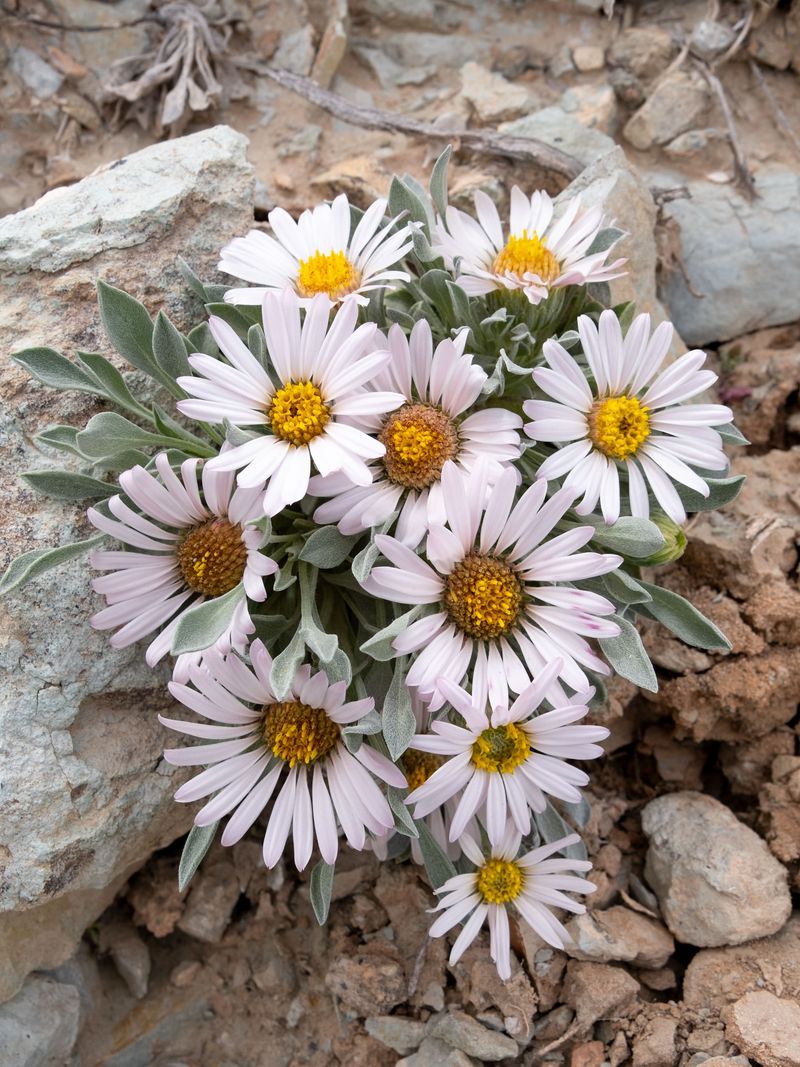
Gravelly, rocky, or sandy edges are usually the spots gardeners give up on. Showy Townsendia sees those spots differently.
This tough little native daisy grows flat against the ground and blooms with cheerful white and yellow flowers in early spring when almost nothing else is awake yet.
It is a short-lived perennial, but it self-seeds reliably enough to keep colonies going year after year.
Once you have a patch started, it tends to fill in slowly along dry edges, gravel paths, and rocky outcroppings.
The rosette shape stays low and tidy between bloom periods.
One thing that makes this plant stand out is how early it flowers. In late winter or very early spring, those bright daisy blooms are some of the first native flowers available to early pollinators.
Your Oregon Garden Changes Every Week. Your Plan Should Too.
Gardening in Oregon changes quickly throughout the season. Every Friday you’ll receive a simple weekly plan showing exactly what to plant, prune, fertilize, harvest, and protect so you never miss the right timing.
Queen bumblebees coming out of winter dormancy depend on early bloomers like this one.
Showy Townsendia thrives in lean, well-drained soil. Rich garden soil actually works against it by encouraging floppy, weak growth.
Gravel mulch around plants mimics its natural habitat and helps it perform at its best.
It works especially well along the edges of driveways, gravel gardens, and rocky berms. Pair it with other low natives like fescues or penstemon for a layered, naturalistic look.
The combination of early bloom time, low water needs, and self-seeding habit makes it a strong choice for anyone working with challenging dry edges in this region.
3. Lowly Penstemon Works In Lean, Open Soil
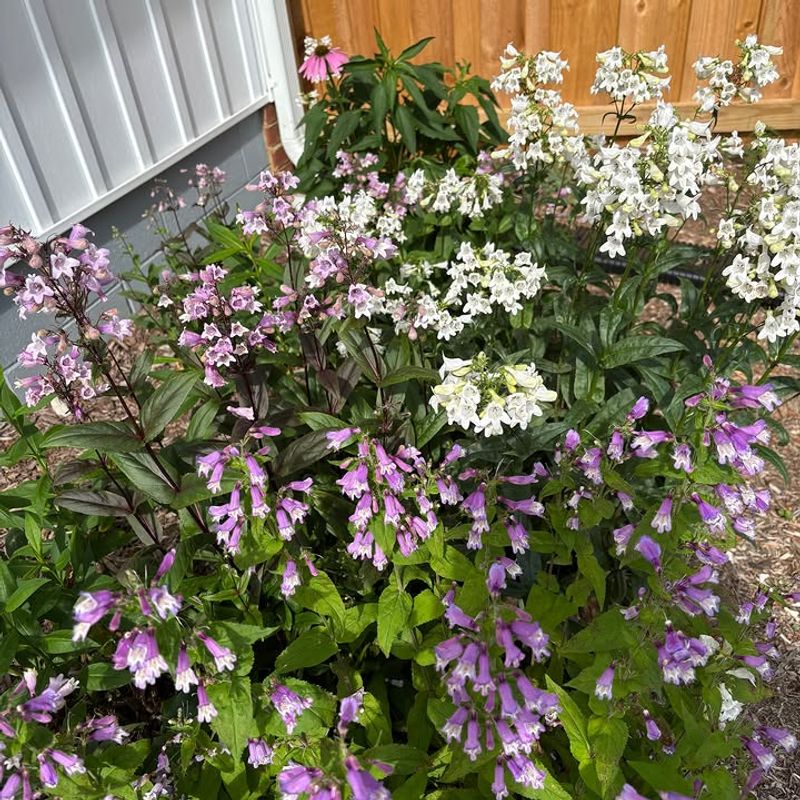
Not every garden has rich, loamy soil, and honestly, that is perfectly fine for Lowly Penstemon.
This compact native thrives in exactly the kind of dry, thin, nutrient-poor ground that most plants avoid.
It forms a low, spreading mat of small evergreen leaves that stays attractive through most of the year.
In late spring, it sends up short stems covered in tubular purple-blue flowers. Hummingbirds notice these blooms quickly.
Native bees also work the flowers regularly, making this a quiet but consistent pollinator plant even in the leanest corners of the yard.
The mat-forming growth habit is what earns it a spot in the living mulch conversation. Over time, patches spread slowly and fill open ground between rocks, pavers, or other plants.
It does not rush, but it does not stop either. Each year the coverage gets a little wider and a little more reliable.
Drainage is the one thing Lowly Penstemon truly needs. Wet, heavy clay soil in winter can cause root problems.
Raised beds, rocky slopes, or areas with sandy soil suit it best. Once established, it rarely needs supplemental water during summer dry spells.
Gardeners who struggle with dry, sunny spots often find this plant to be a turning point. It proves that lean ground does not have to stay bare.
With a little patience and the right placement, Lowly Penstemon quietly transforms problem areas into low, blooming, weed-resistant cover that holds up season after season.
4. Blue-Eyed Grass Weaves Color Into Living Mulch
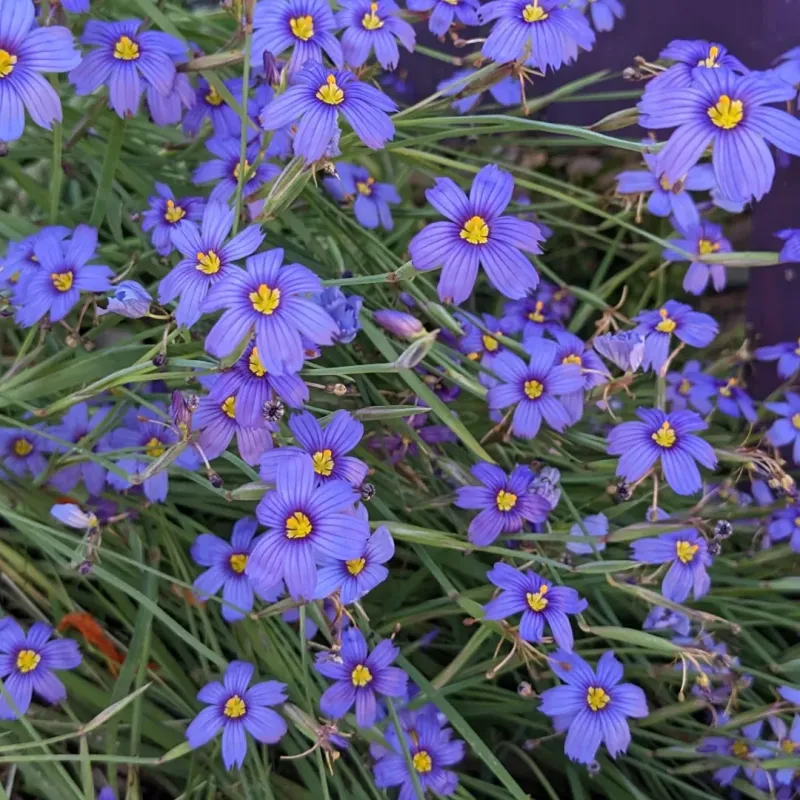
At first glance, Blue-Eyed Grass looks like an ordinary clump of grass. Then it blooms, and everything changes.
Tiny violet-blue flowers with bright yellow centers appear on slender stems from spring through early summer, creating a soft, meadow-like effect that is hard to recreate with anything else.
Despite its name, it is actually a member of the iris family. The grass-like foliage blends seamlessly with other low plants, which is exactly what makes it such a clever addition to a living mulch planting.
It fills visual gaps without competing aggressively with neighboring species.
It grows in clumps that slowly spread by seed and offsets. Over several seasons, a few starter plants can fill a decent-sized patch.
The foliage stays green and upright through most of the year, giving the planting structure even when the flowers are not present.
Full sun to light shade both work well. It tolerates moist soil better than many native groundcovers, making it useful near rain gardens, downspouts, or low areas that collect seasonal water.
That flexibility adds real value in yards with uneven drainage.
Pairing Blue-Eyed Grass with Springbank clover or Roemer’s Fescue creates a layered, meadow-style groundcover that looks intentional and naturalistic at the same time. The color it adds in spring is a genuine bonus.
For anyone building a diverse, multi-species living mulch, this small but eye-catching plant earns its place every single year without fail.
5. Roemer’s Fescue Creates A Soft Native Matrix
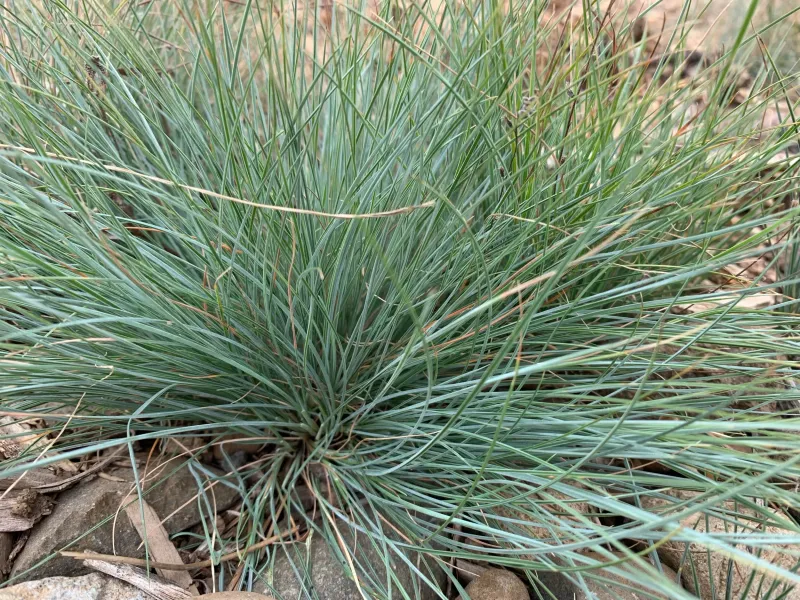
Every living mulch system needs a backbone, and Roemer’s Fescue fills that role beautifully.
This native bunchgrass forms soft, arching clumps of fine-textured green foliage that create a lush, meadow-like base layer.
Other native plants weave through it naturally, giving the whole planting a cohesive, woven look.
It is native to shaded forest edges and open woodlands, and into northern regions of the Pacific Northwest. That background means it handles low light better than most grasses.
It stays green longer into summer than many other species, which keeps the garden looking fresh during dry months.
Roemer’s Fescue does not spread aggressively. Each clump stays relatively tidy, which gives gardeners control over the planting without constant maintenance.
Over time, you can divide clumps and fill in new areas, slowly expanding the matrix without buying more plants.
Wildlife value is real here. Small birds use the clumps for cover and forage for seeds in late summer and fall.
The dense foliage also provides shelter for beneficial insects through cooler months, adding ecological depth beyond what the eye can see.
Planting it in drifts rather than single clumps gives the most natural result. Combine it with Blue-Eyed Grass, Springbank clover, or Oregon Saxifrage to build a layered system that covers ground effectively.
It is one of those plants that makes everything around it look better. The soft texture and steady growth make it a foundational choice for any native groundcover planting in this region.
6. Oregon Saxifrage Makes Damp Corners Look Planted
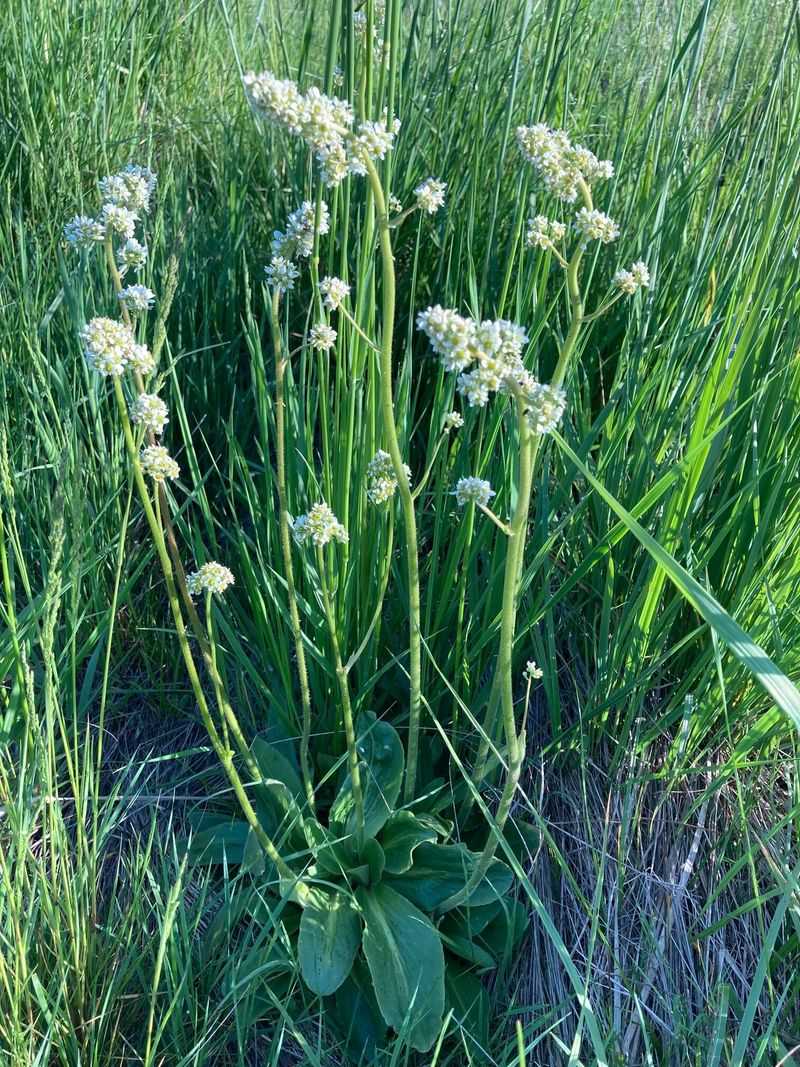
Wet, shady corners are some of the most frustrating spots in any yard. Most plants sulk there.
Oregon Saxifrage, on the other hand, seems to prefer them. This native perennial forms handsome rosettes of glossy, toothed leaves that stay evergreen through mild winters and hold up well in consistently moist conditions.
In spring, slender flower stalks rise above the foliage and carry small white blooms that attract early native bees and hoverflies.
The flowers are modest compared to showier garden plants, but they serve an important ecological role during a season when food sources for pollinators are still limited.
The rosette habit means each plant covers a defined patch of ground without spreading invasively.
Over time, self-seeded offspring fill in around parent plants, gradually building a colony that looks natural and well-established.
That slow, steady expansion is exactly what a living mulch should do.
Shade tolerance is one of its strongest traits. Under deciduous trees, along the north side of structures, or beside water features, Oregon Saxifrage settles in and performs consistently.
It does not need much attention once established in the right spot. Pairing it with native ferns or sedges creates a layered, shade-garden look that feels cohesive and intentional.
For gardeners who have struggled with damp, dark corners, this plant offers a genuinely satisfying answer.
It turns a problem area into a quiet, textured groundcover that improves with each passing year and requires very little in return.
7. Partridgefoot Forms A Fine-Textured Native Mat
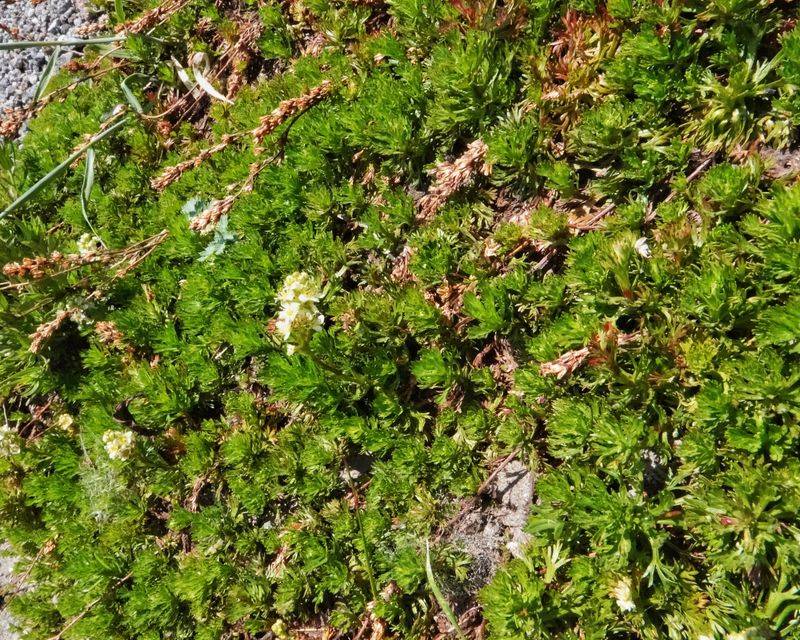
High elevations and rocky slopes are where Partridgefoot truly shines. This alpine native forms a dense, fine-textured mat of feathery, deeply divided leaves that hug the ground tightly.
The foliage has an almost moss-like quality from a distance, giving slopes and rocky areas a soft, finished appearance.
Small white flower spikes appear in early summer, standing just a few inches above the mat. They are not dramatic, but they are charming.
Pollinators visiting nearby plants often stop to work the flowers, adding quiet ecological activity to what might otherwise seem like a decorative groundcover.
What makes Partridgefoot especially useful is its ability to hold soil on slopes. The dense mat of roots and stems binds loose, rocky substrate effectively.
In areas prone to erosion or surface disturbance, this plant provides real structural benefit beyond its visual appeal.
It grows naturally in subalpine meadows and rocky outcroppings across the Cascades and northern mountain ranges of Oregon.
In garden settings at lower elevations, it performs best in well-drained, slightly acidic soil with cool temperatures and good air circulation. It dislikes hot, humid conditions.
Rock gardens, alpine troughs, and steep gravel slopes are ideal placements. Pair it with other low-growing natives for a naturalistic mountain-meadow feel.
The fine texture contrasts beautifully with broader-leafed plants nearby. Year after year, the mat thickens and spreads, covering more ground while asking very little from the gardener who planted it.