8 Native Indiana Ground Covers That Outwork Mulch In Full Shade
You crouched in Indiana heat, scooping faded mulch into bags for the third summer in a row. Your back ached.
The dark corner under the oak looked worse than before. You had spent real money on this. You had spent real weekend hours on this. Nothing stayed put.
Nothing looked intentional. Ground shifted, color bled out, weeds pushed through anyway like they owned the place.
At what point does a yard stop being a project and start being a burden you never asked for? Native ground covers change that math entirely.
Indiana soil already knows these plants. They return without reminders, spread without encouragement, and quietly outcompete weeds before you notice them trying.
Your shaded spots will stop looking like a problem you keep postponing. The right plants are already out there, waiting to move into that dark corner permanently. Not a single one needs you to show up with a bag in July.
1. Wild Ginger
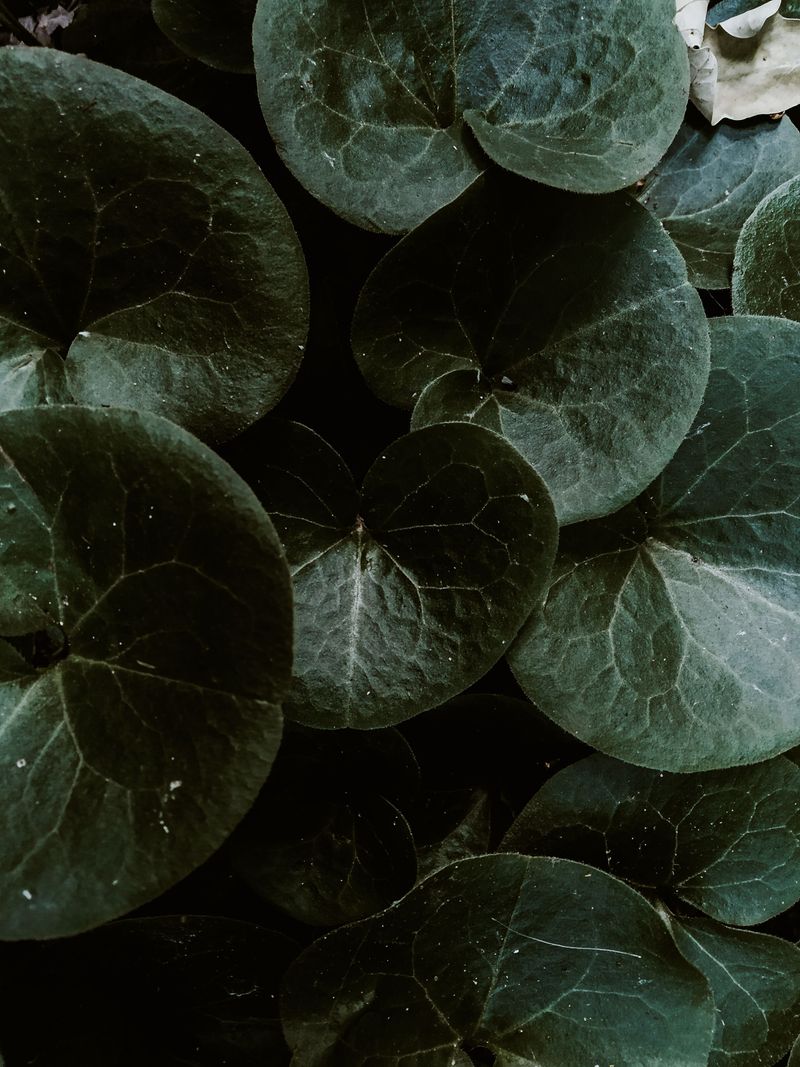
Wild ginger is the quiet overachiever of the shade garden world. Its broad, heart-shaped leaves form a tight carpet that smothers weeds before they get a foothold.
This plant spreads slowly but with serious determination. Each year it inches outward, filling gaps with rich, deep-green coverage that holds all season long.
One of its best tricks is drought tolerance once established. After the first season, wild ginger asks for almost nothing and reliably delivers dense, low-maintenance coverage.
The leaves stay low, usually around six inches tall, which makes them ideal under large trees. They hug the ground and never compete with taller plants nearby.
Wild ginger also has a surprising bonus: the roots smell faintly spicy when disturbed. That scent has been noticed by foragers for centuries, though this plant is not the culinary ginger you buy at the store.
Planting is straightforward. Tuck divisions into moist, well-drained soil with plenty of organic matter, and water consistently through the first summer.
By year two, expect dense, weed-suppressing coverage with very little maintenance required. No mulch refresh, no replanting, and very little intervention once the plant finds its footing.
This is one of the best native Indiana ground covers for areas where nothing else seems to thrive. It handles deep shade, competes with tree roots, and looks polished year after year.
If your shaded bed feels like a lost cause, wild ginger might be the plant that finally changes your mind about what is possible there.
2. Creeping Phlox
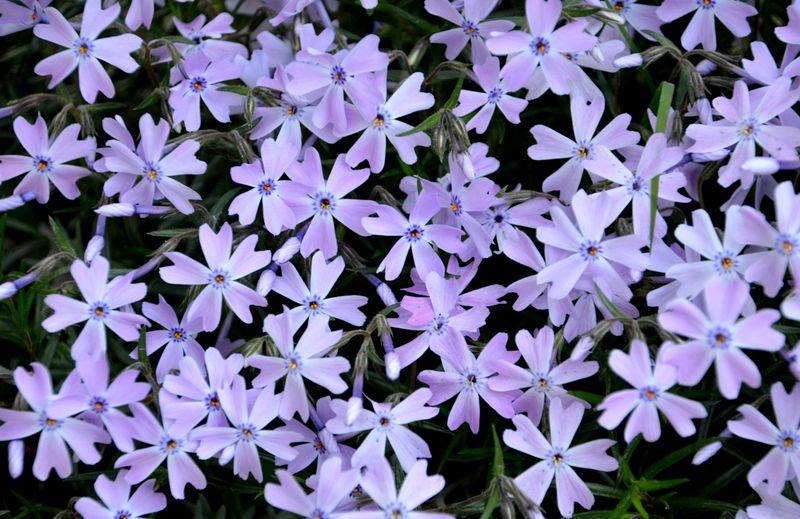
Creeping phlox is the kind of plant that makes a shaded slope look like it was professionally landscaped.
It cascades over edges, fills gaps, and blooms with cheerful color every spring. Most people know the sun-loving creeping phlox sold at big box stores. This is different.
Phlox stolonifera, the woodland species, actually prefers shade and performs far better under tree canopies.
The flowers arrive in April and May in shades of pink, lavender, and white. Even after blooms drop, the low mat of foliage stays tidy and green through the growing season.
Your Indiana Garden Changes Every Week. Your Plan Should Too.
Gardening in Indiana changes quickly throughout the season. Every Friday you’ll receive a simple weekly plan showing exactly what to plant, prune, fertilize, harvest, and protect so you never miss the right timing.
Among native Indiana ground covers, creeping phlox is one of the fastest spreaders in the early years. That speed is a major advantage when you are trying to establish coverage quickly.
Plant it on slopes or banks where erosion is a problem. The dense root system grabs soil and holds it through heavy rains that would wash mulch away entirely.
Spacing plants about twelve inches apart gives them room to grow without overcrowding. By year three, those gaps will be completely filled with lush, weed-blocking growth.
Water regularly during the first season, then step back. Established plants handle moderate drought and bounce back after dry stretches without much drama.
Butterflies and early pollinators flock to the spring blooms. Watching a patch of phlox buzz with life on a warm April morning is one of gardening’s simple pleasures.
Once creeping phlox takes hold, it outperforms mulch in weed suppression, erosion control, and long-term coverage.
3. Heartleaf Foamflower
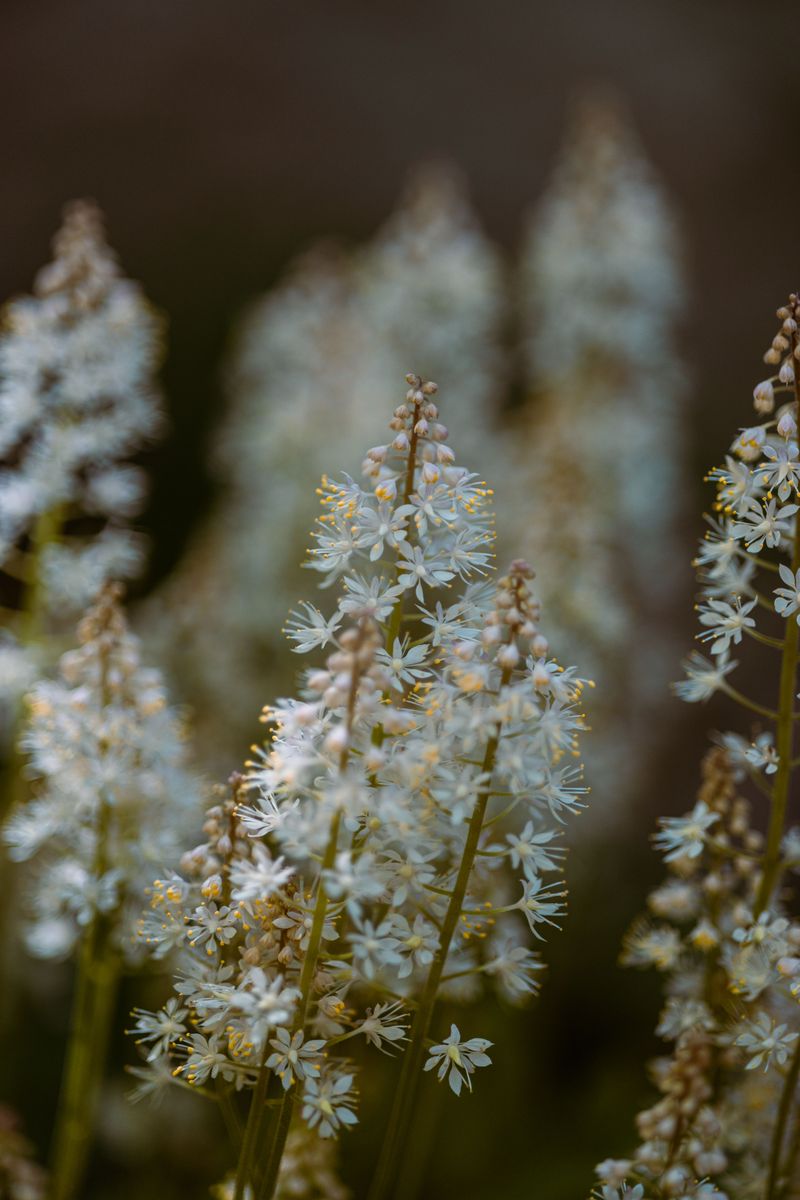
Foamflower earns its name every spring when frothy white blooms shoot up like tiny fireworks above the foliage. That flowering display alone makes it worth growing, but the plant has plenty more to offer.
After blooms fade, the heart-shaped leaves take center stage. They stay attractive from spring through fall, and some varieties even show off burgundy markings that deepen in cooler weather.
What makes foamflower stand out among native Indiana ground covers is its versatility. It handles full shade, part shade, and even dappled light without skipping a beat.
The plant spreads by runners, filling in steadily. In ideal conditions it can cover ground assertively, so give neighboring plants enough space at planting time.
You get coverage without the headache of something taking over your entire yard. Foamflower pairs beautifully with ferns and hostas for a layered, woodland look.
The textures complement each other and create a planting that feels designed, not accidental. Soil prep matters here.
Rich, slightly acidic soil with good moisture retention gives foamflower the best start. Amend with compost before planting for strong first-year growth.
Once settled in, it handles dry spells better than most people expect. Consistent moisture helps, but established plants have real resilience built in.
Pollinators love the spring blooms, especially native bees looking for early-season food. Planting foamflower means feeding your local ecosystem while beautifying your yard.
Few plants deliver this level of four-season interest with this little effort. Foamflower is the kind of plant that makes neighbors stop and ask what it is.
4. Partridgeberry
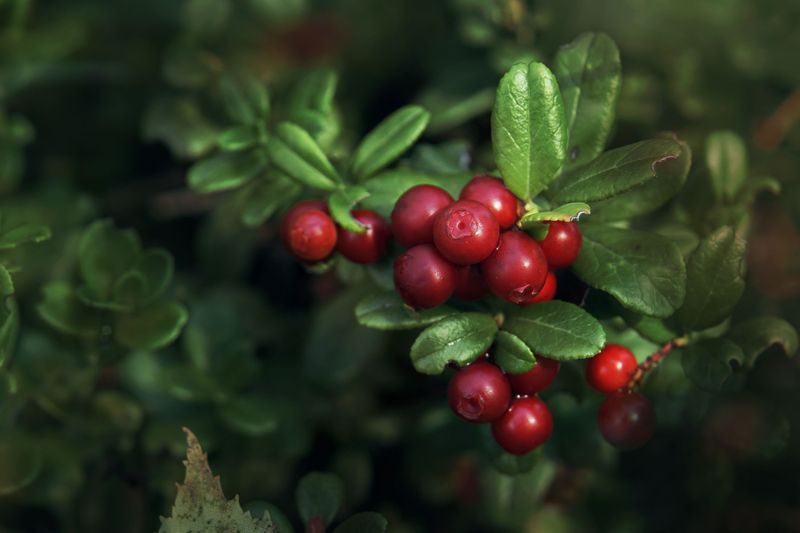
Partridgeberry is a miniature marvel that most gardeners walk right past without noticing. Once you spot it on a forest floor, though, you will want it in every shaded corner of your yard.
The plant stays incredibly low, rarely exceeding two inches in height. Those tiny, glossy leaves trail along the ground in a dense, evergreen mat that looks pristine even in winter.
In summer, pairs of small white flowers appear, each pair fusing together to form a single bright red berry by fall.
That berry detail is genuinely fascinating and gives the plant serious visual interest across multiple seasons.
Partridgeberry thrives in the deepest shade where most ground covers struggle. Under dense conifers or in north-facing beds, it fills in steadily and reliably.
Among native Indiana ground covers, this one is the most patient spreader. It grows slowly, so start with plugs spaced six inches apart to get coverage within two to three seasons.
The soil needs to be acidic and consistently moist. Mixing in pine bark or leaf mold at planting time gives partridgeberry exactly the conditions it loves.
Wildlife benefits are real. Birds, especially ruffed grouse and wild turkeys, eat the berries throughout winter. Planting partridgeberry feeds your local food web without any extra effort.
This plant is elegant in a quiet, understated way. It does not shout for attention, but every person who notices it up close becomes an instant fan.
5. Allegheny Pachysandra
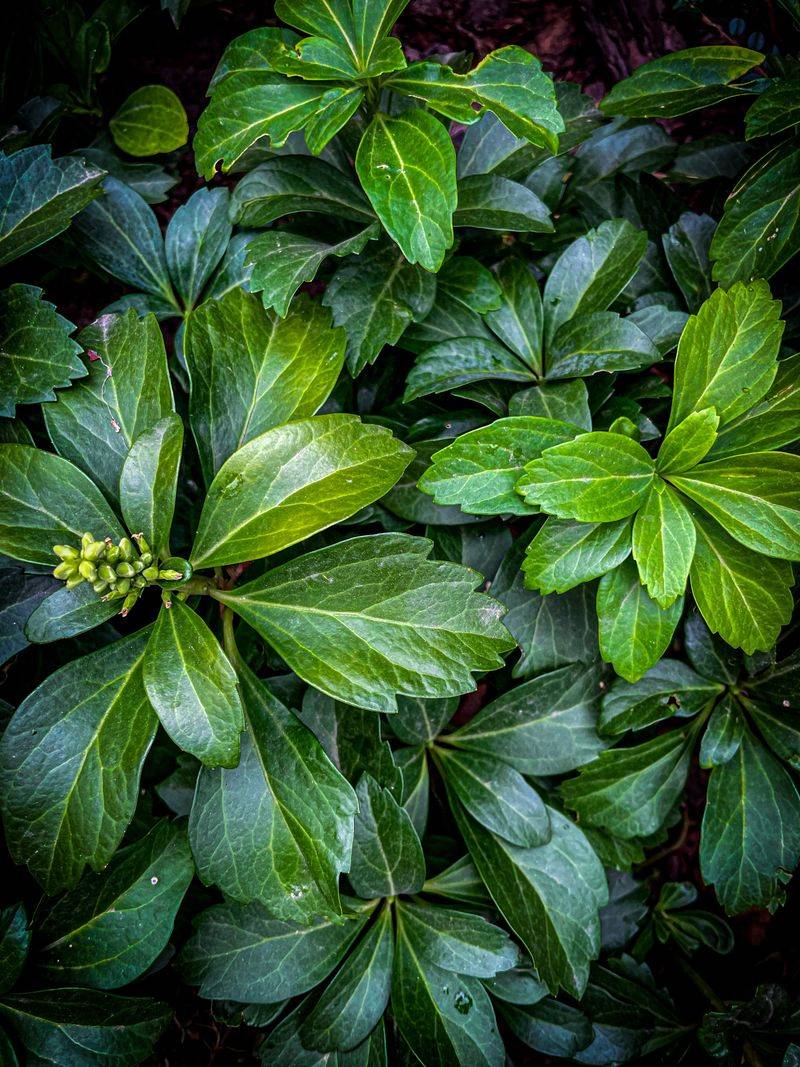
If you have ever planted Japanese pachysandra and felt vaguely guilty about it, Allegheny pachysandra is your native redemption arc. It does the same job better and belongs here.
This North American native forms a lush, low carpet of mottled leaves that look almost painted. The silver and green patterning gives beds a sophisticated, layered look without any effort on your part.
In early spring, small white flower spikes emerge before the new leaves fully open. That bloom moment is subtle but lovely, and it provides early nectar for pollinators just waking up for the season.
Allegheny pachysandra handles deep shade with ease. Unlike many plants that stretch and thin out in low light, this one stays full and dense even under the darkest tree canopies.
Growth is moderate, spreading steadily by rhizomes without the aggressive takeover behavior that makes some ground covers a problem. You stay in control while still getting solid coverage.
Among native Indiana ground covers, this species is one of the most underused. Nurseries are starting to stock it more, but many gardeners still do not know it exists.
Plant in rich, well-drained soil and water through the first summer. After establishment, it is remarkably self-sufficient and rarely needs intervention.
Deer tend to avoid it, which is a significant advantage in suburban Indiana neighborhoods. That resistance alone makes it worth choosing over more vulnerable alternatives.
Allegheny pachysandra rewards patient gardeners with a planting that genuinely improves year after year.
6. Golden Groundsel
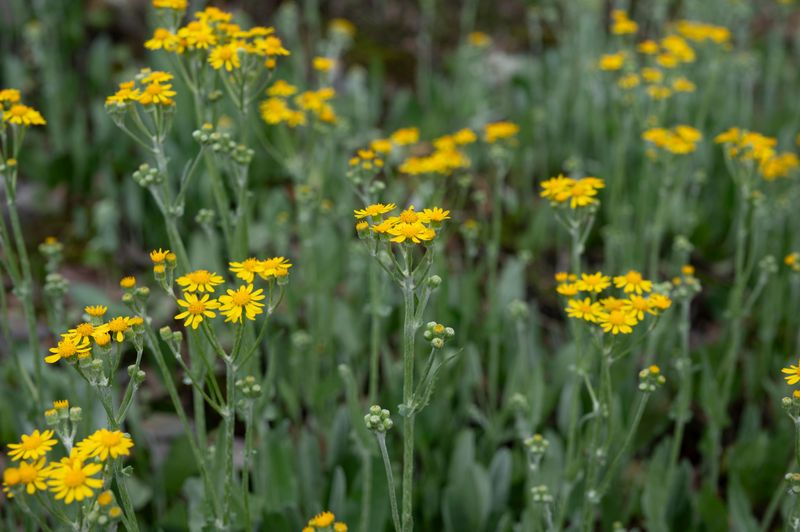
Golden groundsel brings something most shade plants cannot: real, bright color. Those vivid yellow blooms light up dark corners like a small sun has decided to take up residence under your trees.
The flowers arrive in April and May, right when the garden needs them most. After a long gray winter, a patch of golden groundsel in full bloom feels like a genuine celebration.
Beyond the blooms, the foliage is attractive all season. Dark green, heart-shaped basal leaves stay low and neat, creating tidy coverage long after the flowers have finished their show.
Golden groundsel spreads by both rhizomes and self-seeding, which means it fills in efficiently. In a few seasons, a small planting becomes a bold, weed-suppressing sweep of coverage.
In ideal conditions it can spread assertively, so site it where generous coverage is the goal rather than in tightly managed mixed beds.
Among native Indiana ground covers, this one tolerates wet conditions better than most. Low spots near downspouts or rain gardens are perfect placements where other plants might struggle.
Native bees treat the blooms like a buffet, and a range of early-season pollinators follow close behind. Few plants attract this level of pollinator activity this early in the season.
Plant golden groundsel in groups of at least five for the strongest visual impact. Solo plants look fine, but a mass planting is genuinely stunning. Soil flexibility is another advantage.
It grows in clay, loam, and amended beds without complaint, making it one of the most adaptable options on this list. Golden groundsel proves that shaded beds do not have to be boring, muted, or forgettable.
7. White Trout Lily
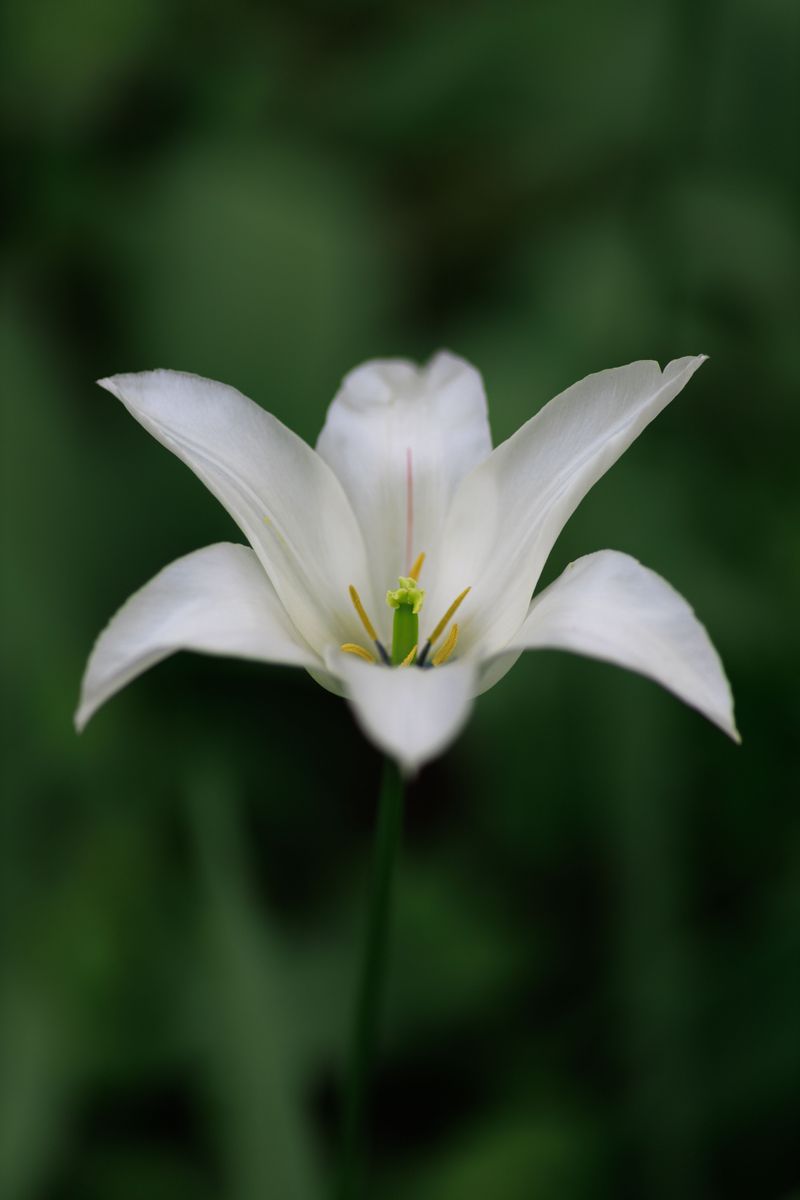
White trout lily is a spring ephemeral, which sounds like a limitation but is actually a superpower. It surges to life early, does its work fast, and then quietly disappears as the canopy closes.
The mottled leaves emerge in March, looking like something a skilled painter designed. Those brown and green patterns gave the plant its name, mimicking the speckled skin of a brook trout.
Delicate white flowers nod gently on slender stems in April. Each bloom lasts only a few weeks, but during that window, the display is genuinely breathtaking in a quiet, woodland way.
After flowering, the foliage yellows and fades by early summer. That timing works perfectly under deciduous trees, where it fills the spring gap before shade deepens and other plants take over.
It works best as part of a layered planting rather than a standalone mulch replacement. Pair it with summer-active plants like wild ginger to maintain continuous coverage across the growing season.
Colonies spread slowly by corms and offsets. Patience is required, but established patches can persist for decades with minimal maintenance once settled into the right spot.
Ants play a surprising role in spreading seeds. They carry them underground, which helps colonies migrate naturally through a woodland garden over many years.
Planting trout lily feels like investing in something permanent and deeply rooted in the local landscape.
It connects your yard to the broader ecosystem in a way few plants can match. Watch for it to surprise you every March with its quiet, punctual return.
8. Woodland Stonecrop
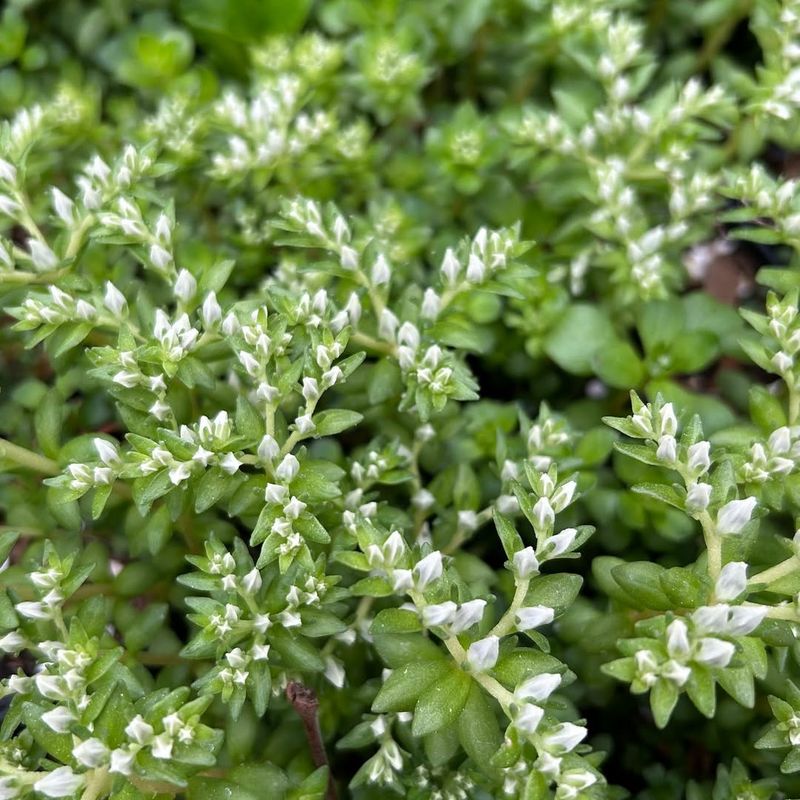
Woodland stonecrop breaks every rule you thought you knew about sedums. While most sedums demand full sun, this one thrives in shade and handles moisture without complaint.
The plant forms a low, succulent-looking mat of rounded, bright green leaves. That texture is unusual for a shade plant, and it creates a striking contrast against the broader foliage of neighboring species.
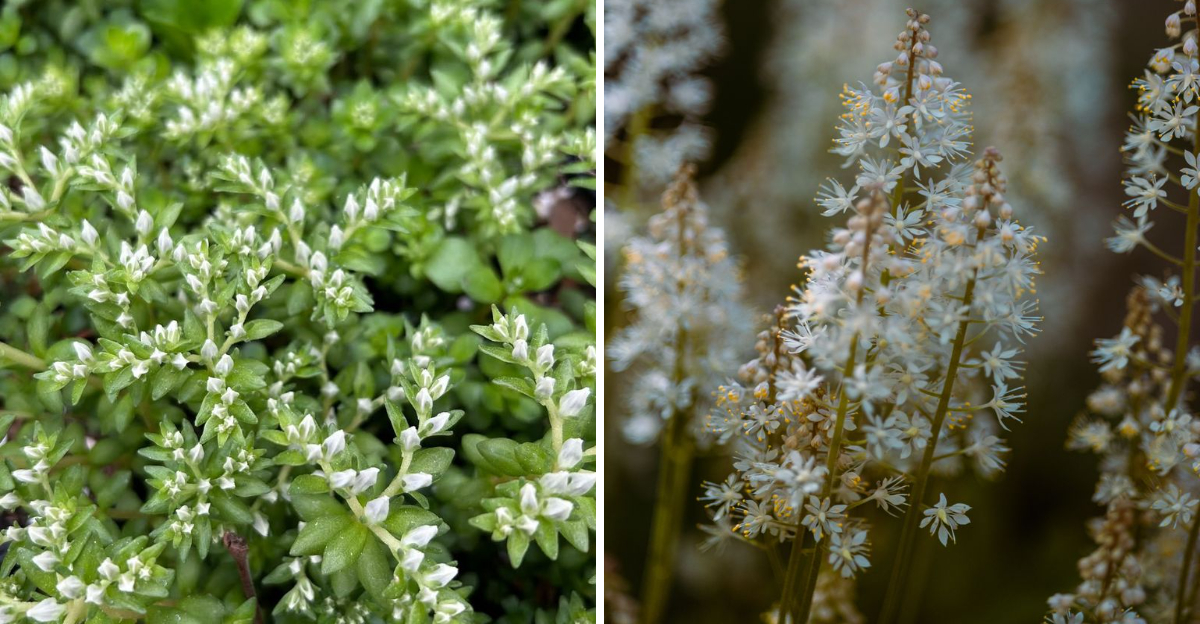
In late spring, small white star-shaped flowers cover the plant completely. The bloom display is generous and airy, giving shaded beds a lightness that feels almost magical at peak flowering.
Woodland stonecrop tolerates rocky, shallow soil where other native Indiana ground covers would struggle. Slopes, stone walls, and thin woodland edges are all fair game for this adaptable plant.
It handles both dry shade and moist conditions, which is a rare combination. That flexibility makes it useful in spots with inconsistent moisture levels throughout the season.
Spreading is moderate and polite. The plant fills in without crowding neighbors, making it a good companion for larger ferns or spring bulbs that need room to breathe.
Slugs occasionally find it appealing, so keep an eye out during wet springs. A light application of diatomaceous earth around the base can reduce slug activity.
Apply carefully and only where needed, as it may also affect ground-dwelling beneficial insects.
Native Indiana ground covers rarely combine this level of texture, bloom power, and site flexibility in one small package. Woodland stonecrop consistently surprises gardeners who expect sedums to be strictly sun plants.
Give it a shaded corner and watch it quietly outshine every bag of mulch you have ever spread.