Ohio Clematis Flowers Last Longer When Gardeners Fix These Pruning Mistakes
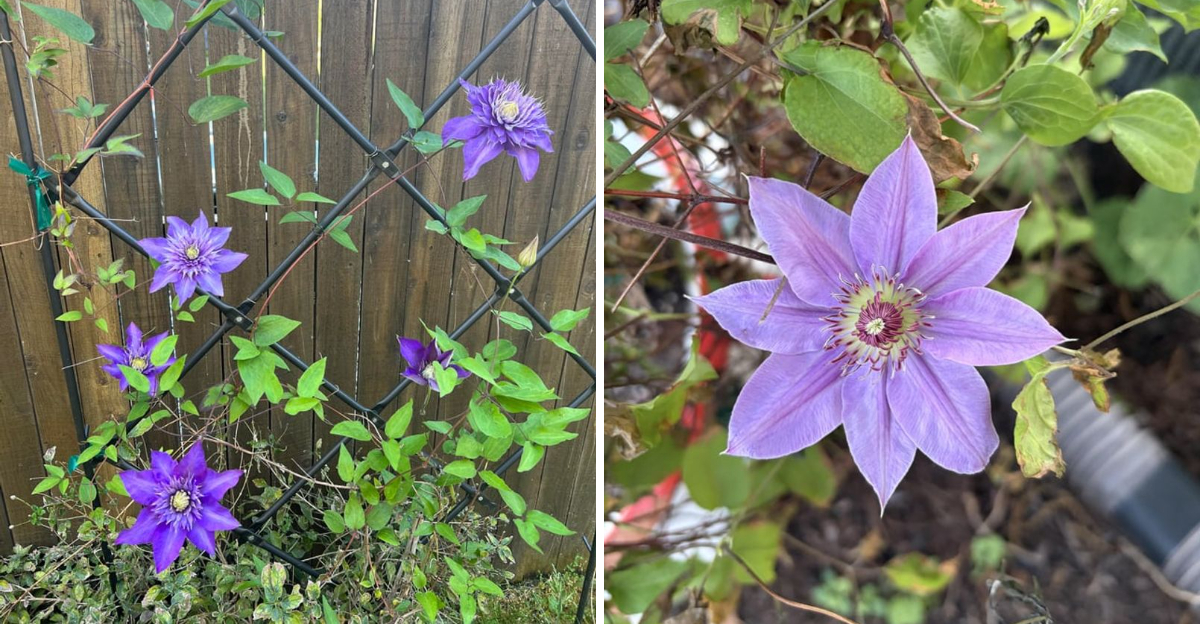
Ohio clematis vines are capable of something genuinely spectacular.
The right variety in the right spot can cover a fence in color for weeks, produce two separate bloom cycles in a single season, and return stronger every year with almost no intervention beyond one well-timed pruning session.
Most Ohio gardeners never see that version of their clematis.
What they see instead is a vine that blooms briefly, produces fewer flowers than it should, and seems to underperform relative to the effort being put into it. The soil is fine. The location gets adequate sun. The trellis is solid.
The problem is almost always the pruning. Not whether it happened, but when it happened, how much was removed, and whether the gardener knew which of the three pruning groups their vine belonged to before the shears came out.
Clematis pruning is the rare garden task where doing the wrong thing with good intentions costs an entire bloom season in a single afternoon.
Have you ever pruned your Ohio clematis and ended up with fewer flowers than the year before?
Six pruning mistakes explain that outcome almost every time.
1. Pruning Before You Know The Group
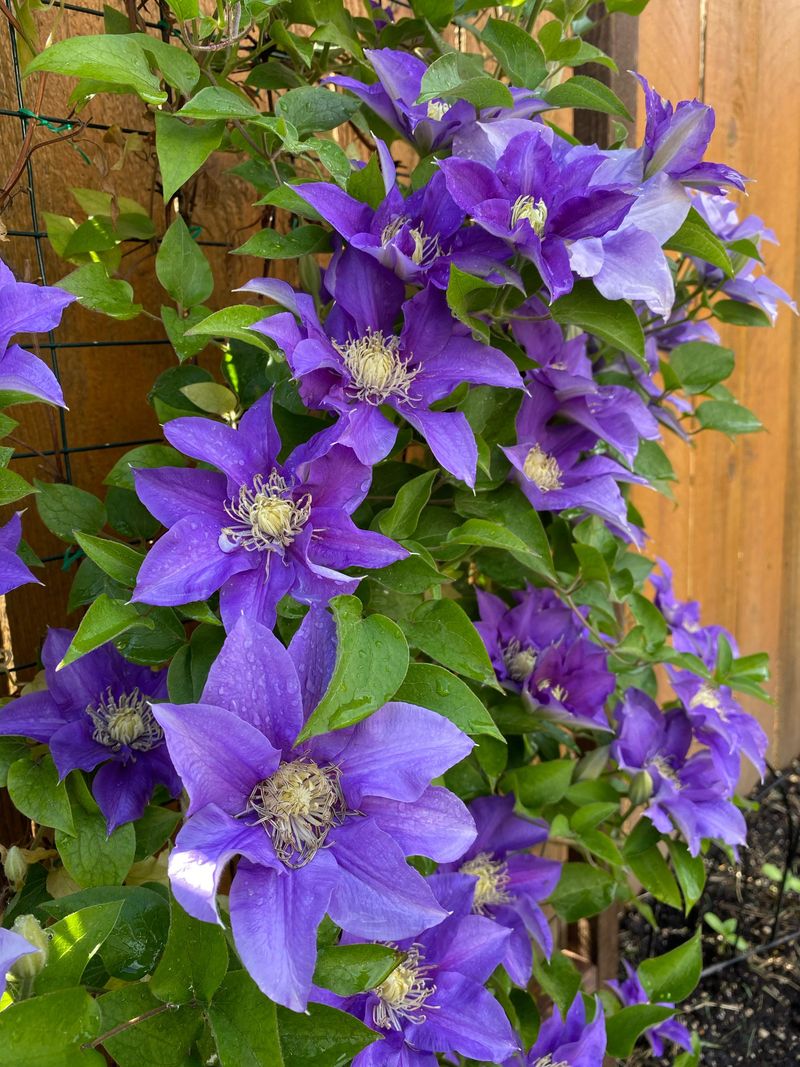
Reaching for the shears before identifying which type of clematis is growing on the trellis is the single most common way Ohio gardeners lose an entire season of blooms in one afternoon.
Clematis plants divide into three pruning groups, and each group operates on a completely different timeline with completely different requirements.
Group 1 varieties bloom on old wood produced the previous season. Cutting them in early spring removes every flower bud already formed and waiting for warm weather to trigger it.
Group 2 types bloom on both old and new wood, which means timing and selective cutting both matter considerably.
Group 3 varieties bloom only on new growth and respond well to hard cutting in late winter or early spring before the season gets moving.
The mistake almost always comes from treating all clematis as interchangeable. They are not. A hard cut that dramatically improves a Group 3 vine eliminates the entire flower show of a Group 1 variety.
The same action, the same timing, opposite outcomes depending entirely on which group is growing on the fence.
Identifying the pruning group takes about five minutes. The plant tag, the variety name searched online, or a quick call to the local extension office all provide the answer.
Writing the pruning group on a weatherproof tag attached directly to the vine eliminates the need to remember or look it up again. That tag is worth more to the bloom count than any fertilizer applied to the same plant.
2. Cutting Spring Bloomers Too Hard
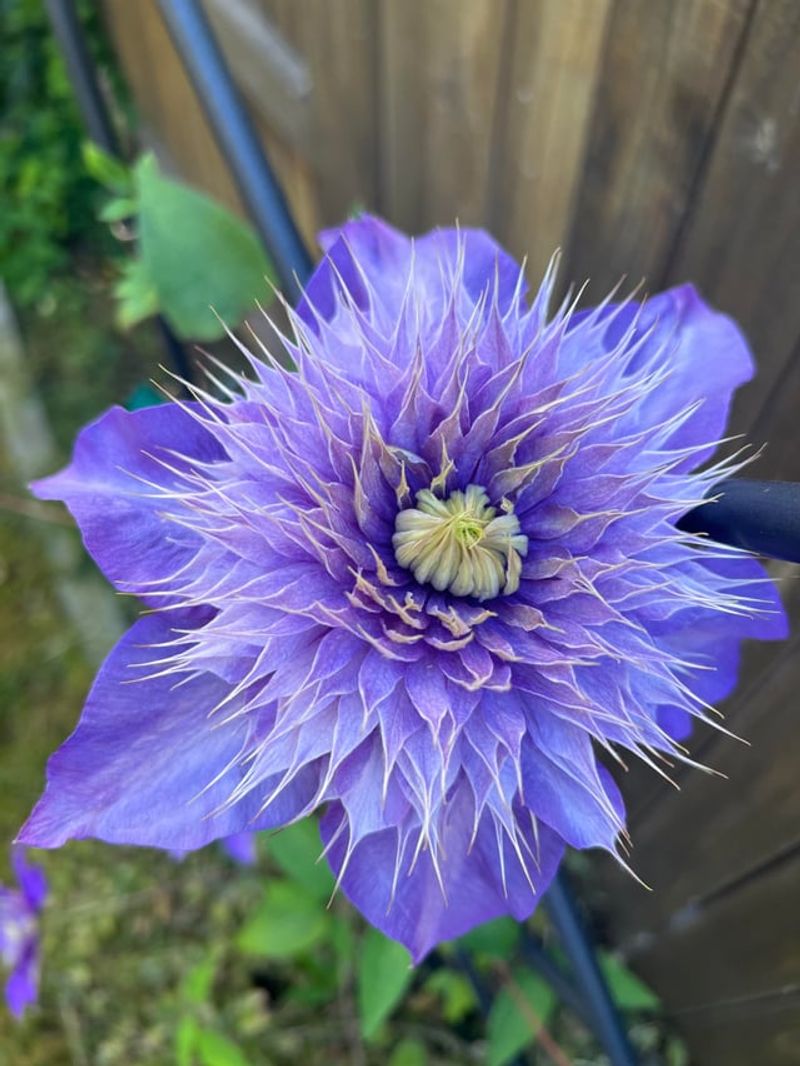
Spring-blooming clematis varieties stop neighbors in their tracks in May and early June. That explosion of early color comes entirely from wood the vine produced the previous season.
Cut that wood in late winter or early spring, and the entire spring flower show goes into the compost pile along with the stems.
The impulse to prune hard in spring feels completely reasonable. Winter leaves vines looking scraggly and tangled, and tidying everything up before the season starts seems like responsible garden management.
Your Ohio Garden Changes Every Week. Your Plan Should Too.
Gardening in Ohio changes quickly throughout the season. Every Friday you’ll receive a simple weekly plan showing exactly what to plant, prune, fertilize, harvest, and protect so you never miss the right timing.
The problem is that those rough-looking old stems are loaded with flower buds waiting for warmth to trigger them.
They look worse than they are, and removing them is a mistake that announces itself loudly at bloom time when the vine sits essentially bare.
Light pruning after the spring bloom has finished is the correct approach for Group 1 clematis.
That post-bloom window, typically late May or June in Ohio, is the right moment to shape the vine, remove any genuinely damaged stems, and encourage tidy new growth going forward.
The distinction between the correct timing and the incorrect timing is exactly one season of flowers. Pruning before bloom removes the current season’s display. Pruning after bloom shapes the vine without costing anything.
Marking the post-bloom window on a calendar before the season starts is the simple habit that keeps this mistake from repeating year after year on the same vine.
3. Waiting Too Long On Summer Bloomers
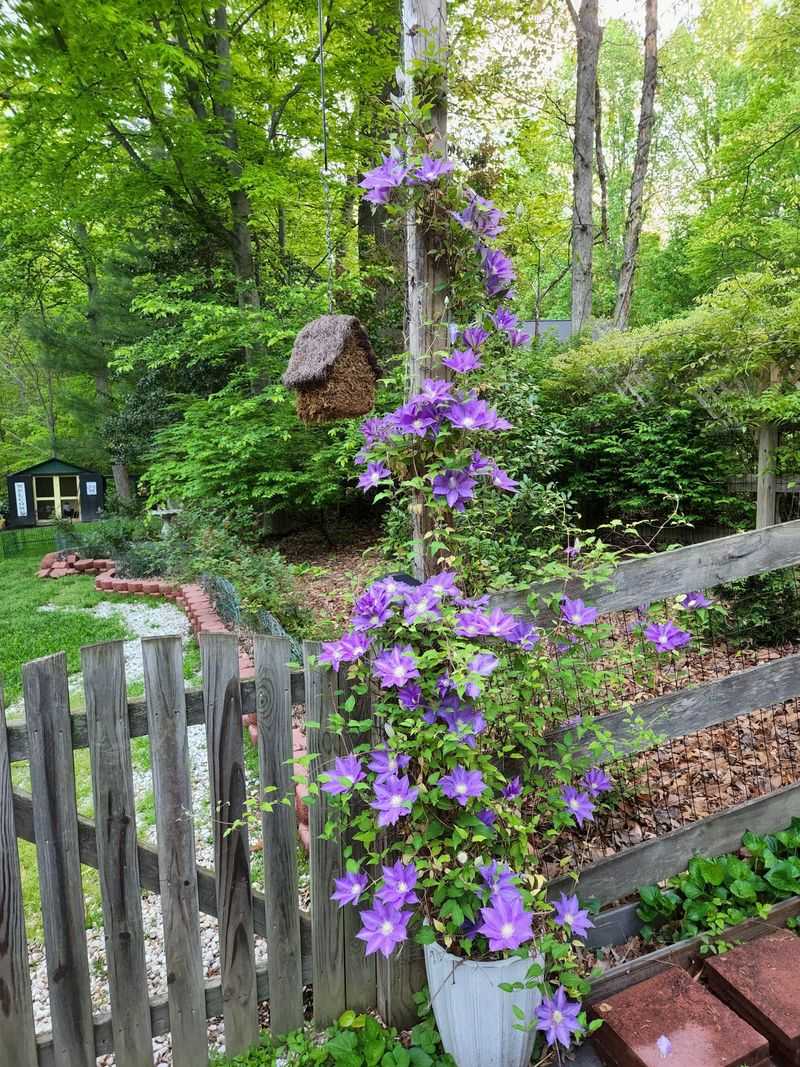
Group 3 clematis are the heavy producers of summer and fall.
Varieties like Clematis terniflora and the Clematis viticella types bloom entirely on new wood and respond to hard cutting with vigorous regrowth that carries the season’s flowers.
The critical detail is that the cutting needs to happen in late winter, not in spring when everything else gets pruned.
Ohio gardeners who delay pruning Group 3 clematis into April or May find that the vine is already pushing significant energy into stems that are about to be removed anyway.
That energy investment gets discarded along with the stems, the recovery slows, and the bloom window starts later and ends sooner than it would have with timely pruning.
Cutting Group 3 varieties back to about twelve inches from the ground in late February or early March gives new shoots the maximum possible growing time before flowering begins.
More growing time translates to longer stems. More stem length means more bloom nodes distributed along each shoot. The math is simple and the difference is visible by July.
The comparison between a February cut and a May cut on the same Group 3 vine is noticeable enough that gardeners who experience it once almost never repeat the late-pruning mistake. The February vine looks dramatically more productive by midsummer.
Setting a recurring reminder for late February makes the timing automatic rather than dependent on remembering it correctly amid everything else happening at the start of the gardening season.
4. Removing Budded Wood By Accident
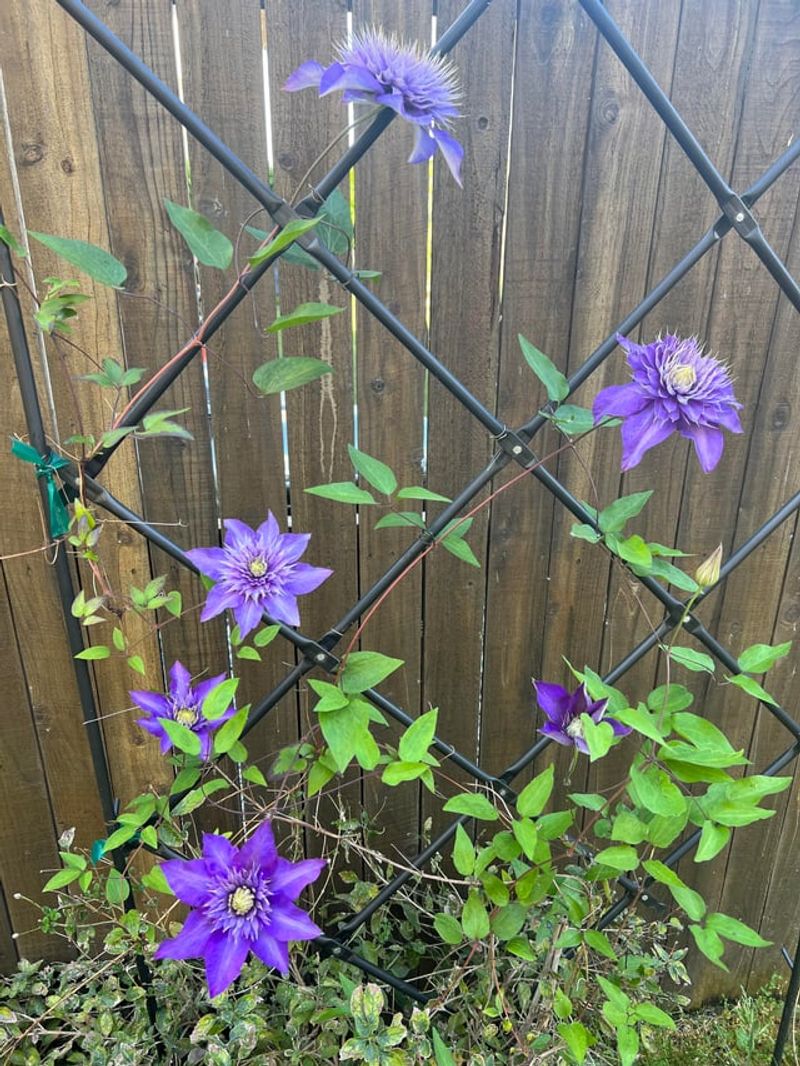
Some pruning mistakes announce themselves immediately. Others wait until bloom time to reveal the damage, which is considerably more frustrating.
Accidentally removing stems that already carry flower buds falls into the second category, and it is more common than most Ohio gardeners realize because the buds form earlier than expected.
Group 2 clematis varieties like Nelly Moser and The President begin forming buds on last year’s wood well before Ohio soil fully warms in spring.
Early pruning sessions that skip careful stem inspection can remove dozens of developing buds without any visible indication that anything important was cut until bloom season arrives and the vine underperforms significantly.
The correct approach requires following each stem from the base upward before cutting and looking closely for the small swelling nodes that indicate active bud development.
Stems showing bud formations stay in place or get trimmed only above the lowest healthy bud. Stems that are bare, clearly weak, or visibly damaged are the ones to remove.
Pruning on a bright morning when light reaches the vine clearly reduces the chance of missing buds that would be visible under better conditions. The entire inspection adds ten minutes to the pruning session.
Ten minutes of careful looking at stems protects the bloom display that the vine spent the entire previous season preparing. That is a favorable trade by any reasonable measure.
5. Ignoring Weak Tangled Stems
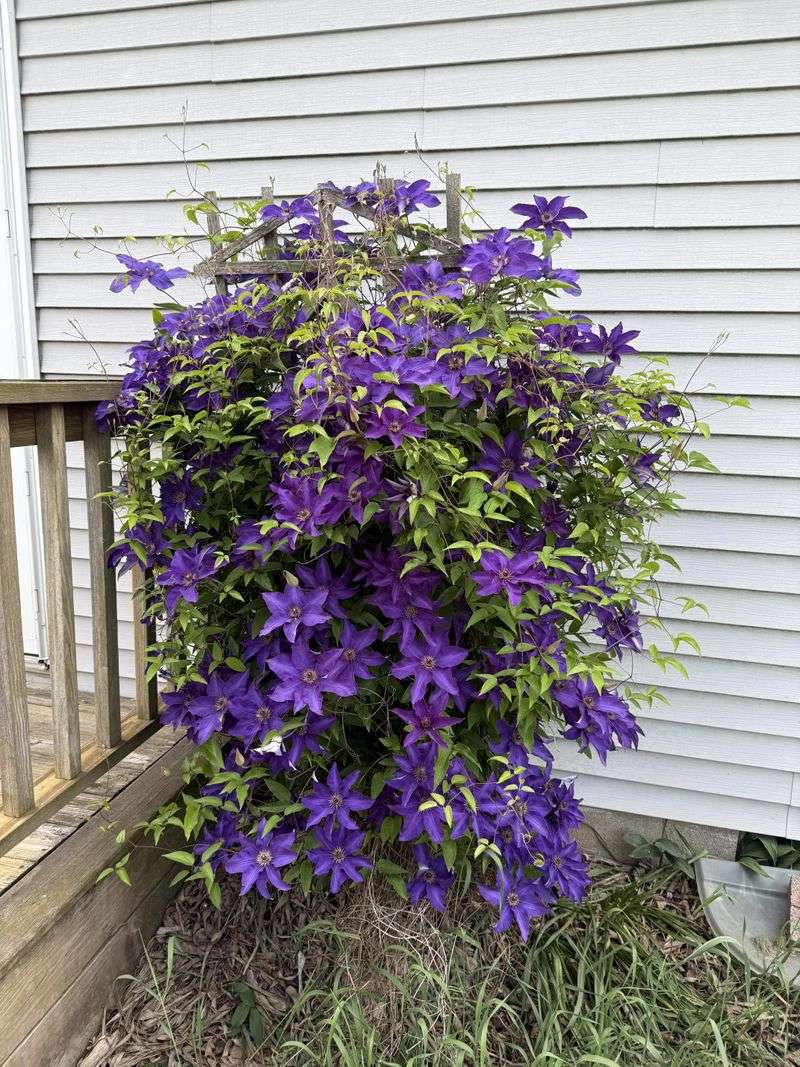
A clematis vine that looks like a knotted mass of overlapping stems is not just visually frustrating.
Tangled overcrowded growth blocks airflow, creates the damp conditions where fungal problems establish, and makes it difficult for new productive growth to reach the sunlight it needs to develop properly.
Many Ohio gardeners leave these tangles alone out of caution.
The fear of cutting something important leads to leaving everything in place, which gradually produces a vine that looks increasingly congested and performs less impressively each season.
Weak stems are identifiable once the specific characteristics are clear.
They feel soft or hollow compared to firm healthy stems. They may show discoloration. They rarely carry the healthy swelling buds that signal productive growth.
These stems consume resources from the vine without contributing to flower production. Removing them redirects energy toward the growth that actually blooms.
The goal of this cleanup is not aggressive reduction. It is selective opening. Remove stems that cross over each other. Pull out anything clearly weak or hollow.
Gently untangle growth that has wrapped around itself or around productive stems. Work slowly with clean, sharp tools and good light.
Good airflow through the vine structure is one of the most practical defenses against clematis wilt and the fungal problems that Ohio’s humid summers promote.
Thinning in early spring before the vine leafs out fully makes the tangled structure visible and the cleanup considerably easier.
A well-structured vine with open airflow grows more vigorously and flowers more freely than a crowded one of the same age and variety.
6. Skipping Light Cleanup After Bloom
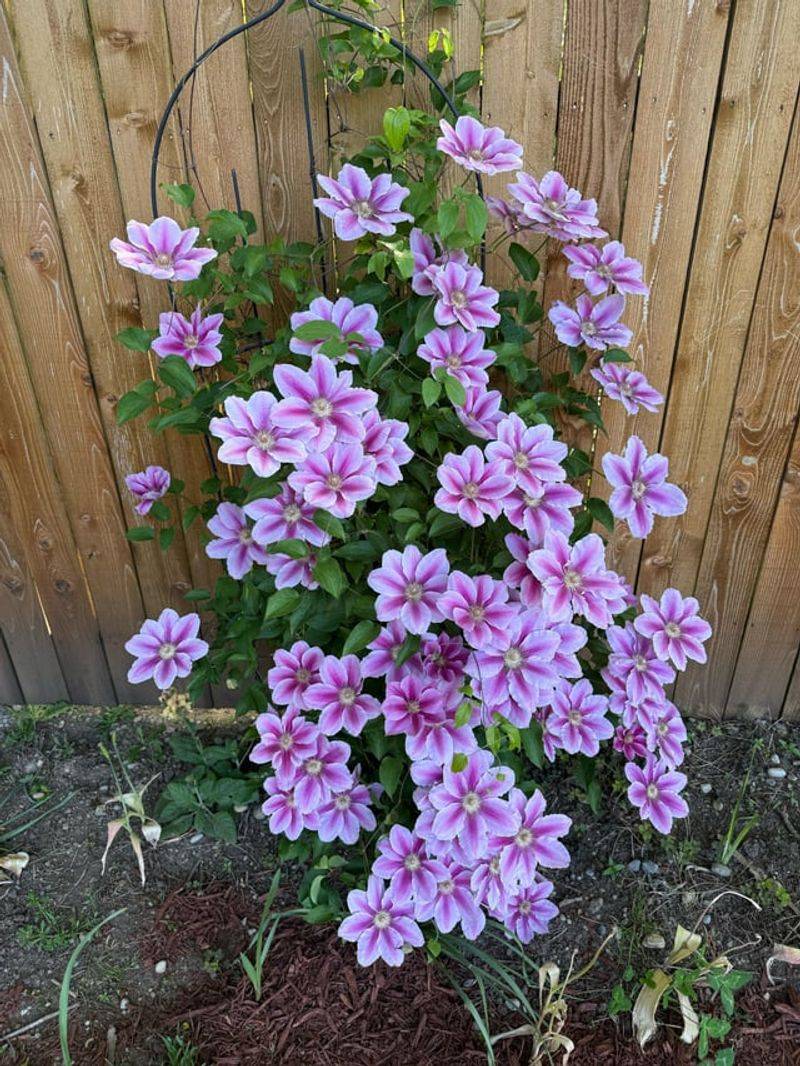
The first big wave of flowers fades and most Ohio gardeners consider the clematis work finished until the following spring.
That post-bloom moment is one of the most productive opportunities the vine offers during the entire season, and most of its potential goes unused by gardeners who walk away when the flowers drop.
Spent flower heads left on the vine redirect plant energy toward seed production rather than budding. Removing them signals the plant to shift that energy back into flower development.
For Group 2 clematis, this trimming and light post-bloom cleanup can trigger a second bloom flush in late summer or early fall that extends color well into September in Ohio’s long growing season.
The session itself takes less than thirty minutes on most home garden vines. Trim back stems that have grown beyond the support structure.
Remove weak or crossing growth that appeared during the blooming period. Check the base of the vine for new shoots that need guidance onto the trellis. Trim spent flower heads throughout.
That second bloom flush is the part of clematis performance that most Ohio gardens never see, not because the plants cannot produce it, but because the brief post-bloom window gets skipped rather than used.
A vine that receives this light refresh after its first flowering cycle has a second performance ready to deliver.
Most of the audience never stays long enough to see it, which is a significant loss given how little the second act costs to encourage.
7. Pruning During Heat Stress

Ohio summers can turn genuinely brutal from mid-July through August, and clematis vines feel that heat in ways that are not always obvious from the outside.
A vine that looks acceptable during a heat wave is often running on reserves rather than actively growing. Pruning during that period adds a recovery demand to a plant that has nothing extra available to spend on it.
Fresh cuts require energy to seal. New growth stimulated by pruning requires energy to push.
During periods of sustained heat above ninety degrees, that energy is already fully committed to managing water loss, maintaining root function, and keeping existing tissue alive.
Adding a pruning session to that workload produces slower healing, weaker regrowth, and a vine that enters fall in worse condition than it would have with no pruning at all.
The visible result shows up in late summer and fall when the vine looks sparse, produces fewer blooms on the second flush, or develops the kind of thin, weak stems that struggle through the following winter.
Pruning sessions belong in the cooler parts of the season. Late winter, early spring, and the immediate post-bloom window in late May or June all offer temperatures the vine can actually recover in.
Light trimming during summer is fine and low-impact. Structural cuts during a heat wave are a different level of demand entirely.
The heat will pass. The pruning can wait. The vine will thank you for understanding the difference between those two facts.