How To Mole-Proof Your Tennessee Lawn The Safe Way
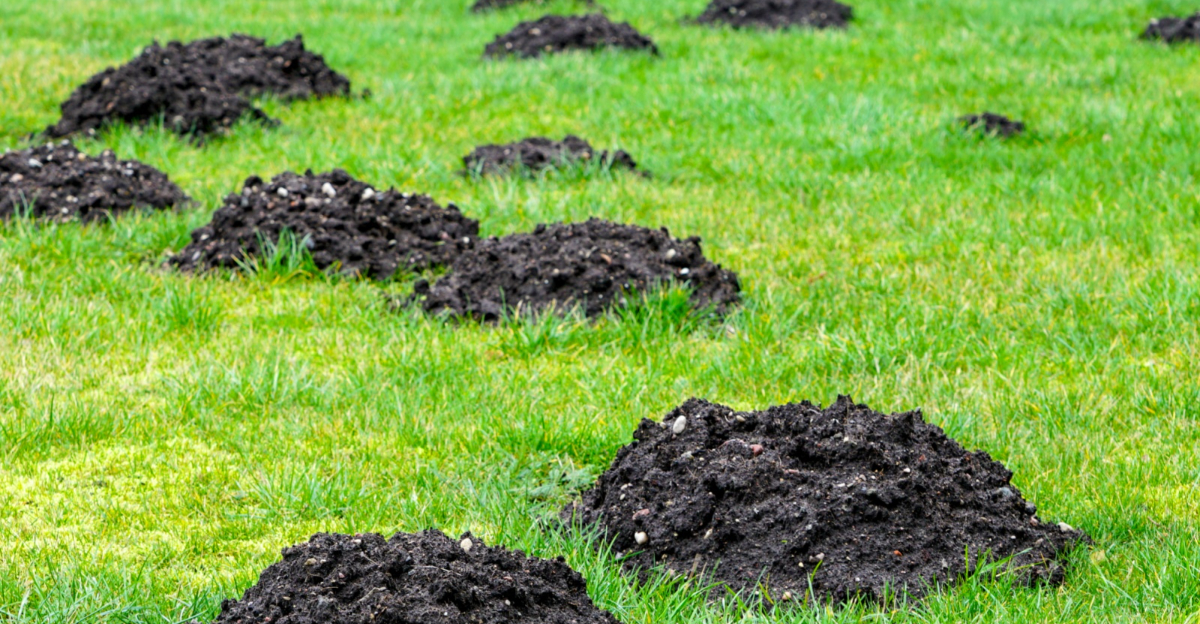
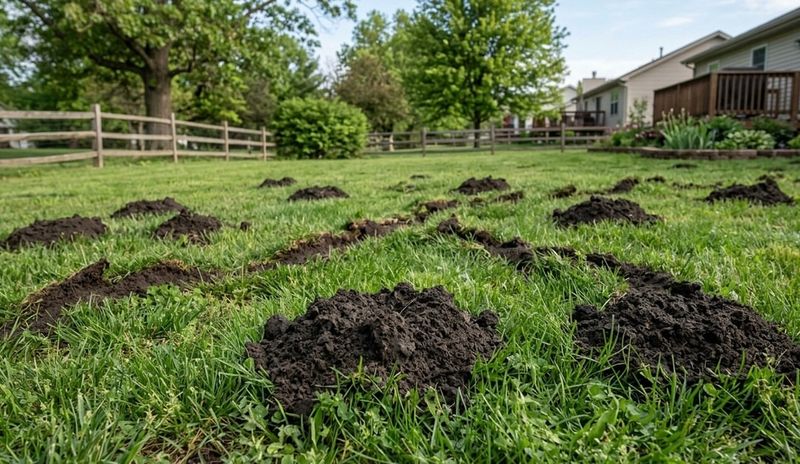
You step outside and catch it immediately, that wrongness in the yard you cannot name at first. Tennessee soil rises in ridiculous ridges where flat green grass belonged yesterday.
Soft mounds push up through your lawn like the ground itself lost patience overnight. Something worked hard while you rested, tunneling beneath your feet without a single apology.
You press your palm against a fresh ridge and feel the earth still shifting, still loose, still recently disturbed. What kind of creature rewrites your entire yard in one night and leaves before sunrise?
Moles move fast, work silently, and treat your carefully kept lawn like a personal highway system.
Tennessee homeowners know this particular frustration well, yet most fixes involve methods too harsh, too messy, or too temporary to trust.
The real solution lives somewhere between clever and consistent, and everything you need to reclaim your yard starts right here.
Eliminate Grubs And Soil Insects From Your Lawn
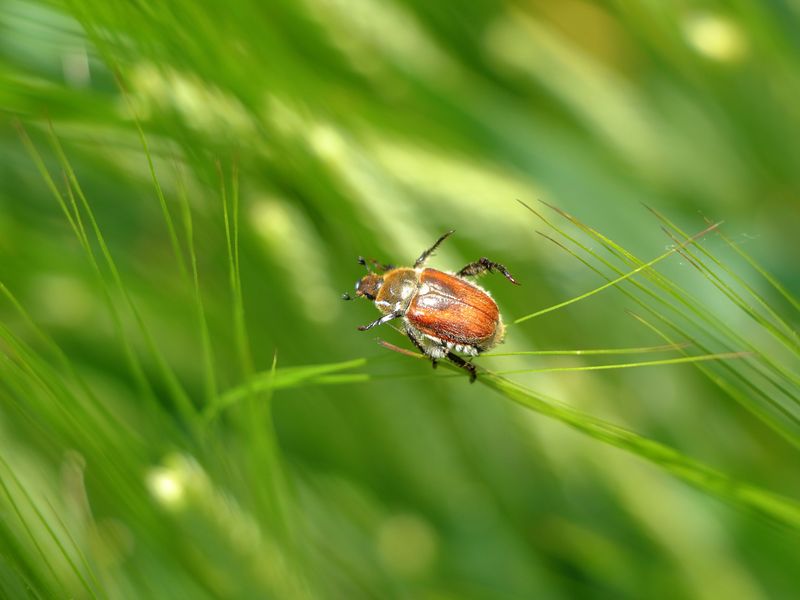
Moles are not after your grass. They are after the buffet of grubs and insects living just beneath your soil.
Grubs are the larvae of beetles, and they thrive in Tennessee lawns during warm months. A lawn loaded with grubs is basically an all-you-can-eat invitation for moles.
Removing that food source is one of the smartest first moves you can make. When moles cannot find a meal, they move on to easier hunting grounds nearby.
Beneficial nematodes are microscopic organisms that target grubs naturally. You can find them at garden centers and apply them with a hose-end sprayer in the evening.
Milky spore is another organic option that works specifically on Japanese beetle grubs. It takes a season or two to build up in the soil, but under the right conditions, results can persist for several years depending on your soil type and climate.
Timing matters a lot here. Apply grub treatments in late summer when larvae are small and closest to the surface. Reducing grubs significantly lowers your lawn’s appeal to moles.
Earthworms alone can still draw them in, so combine this step with other methods for best results. Tackling the root cause beats chasing tunnels around your yard every single weekend.
Apply A Castor Oil Repellent Solution
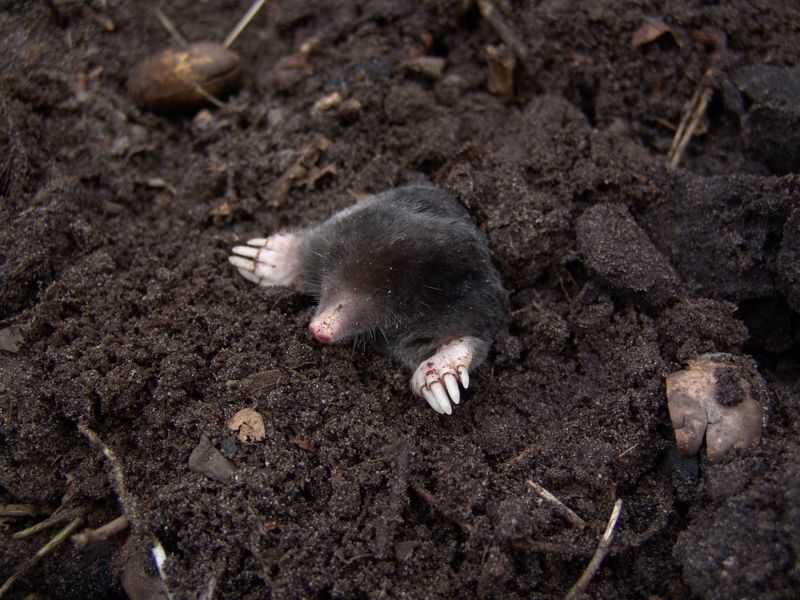
Castor oil is one of the more effective natural deterrents available to homeowners. Moles are strongly deterred by the smell and taste of castor oil in their soil.
When castor oil soaks into the ground, it is believed to alter the taste of the worms and grubs moles feed on.
Over time, the unpleasant conditions encourage moles to relocate to untreated areas. You can buy ready-made castor oil repellent sprays at hardware stores or mix your own at home.
A widely shared DIY starting point uses three tablespoons of castor oil and one tablespoon of dish soap per gallon of water.
Ratios vary across sources, so checking your local Tennessee Extension office for region-specific guidance before mixing is worth the extra step.
Spray the mixture evenly across your lawn using a hose-end sprayer. Focus on areas where you see fresh tunnel activity and soil mounds first.
Your Tennessee Garden Changes Every Week. Your Plan Should Too.
Gardening in Tennessee changes quickly throughout the season. Every Friday you’ll receive a simple weekly plan showing exactly what to plant, prune, fertilize, harvest, and protect so you never miss the right timing.
Reapply after every rain since water washes the solution deeper into the ground. For best results, treat your entire yard, not just the visible damage zones.
Many homeowners report noticing a difference within one to two weeks, though results vary based on soil conditions, rainfall, and how consistently you reapply.
The moles do not vanish instantly, but their activity slows and then stops. This method is safe for kids, pets, and beneficial garden insects.
It is one of the most popular choices for mole-proofing a Tennessee lawn without causing harm.
Reduce Overwatering To Keep Soil Dry
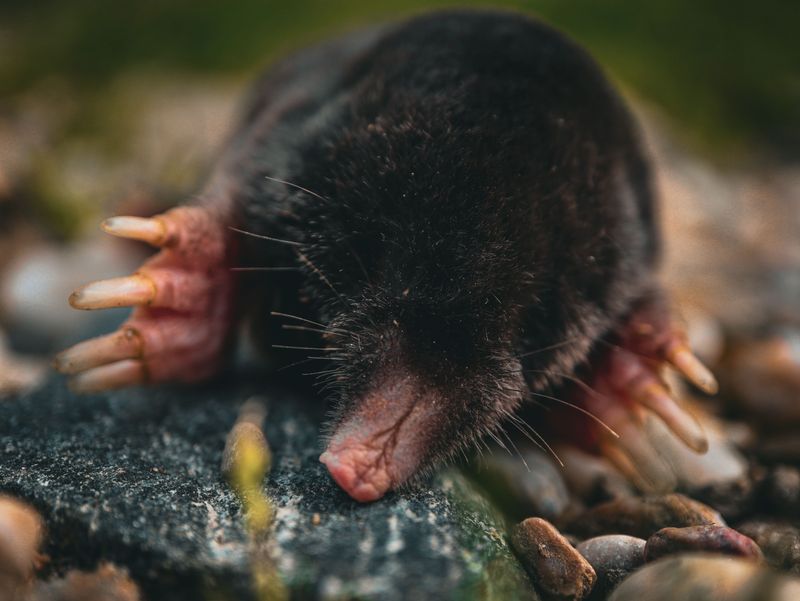
Soggy soil is basically a mole’s dream neighborhood. Wet ground is soft, easy to tunnel through, and packed with earthworms that surface after rain.
Many Tennessee homeowners overwater without realizing it. Sprinkler systems set on automatic schedules often run more than necessary, especially during rainy stretches.
Cutting back on irrigation makes your lawn less attractive to burrowing animals. Firm, moderately dry soil is harder to push through and offers fewer food rewards.
Check your sprinkler schedule and adjust it based on actual rainfall. A simple rain gauge costs just a few dollars and helps you avoid watering when nature already did the job.
Most established lawns in Tennessee only need about one inch of water per week. During wet seasons, you may not need to run your system at all.
Aerating your lawn also helps excess moisture drain more efficiently. A well-drained yard stays firmer and dries out faster between waterings.
This tip costs nothing and saves money on your water bill at the same time. Drier soil conditions alone will not eliminate moles, but they make your yard a much less appealing place to set up a tunnel system.
Install An Underground Rock Or Gravel Barrier
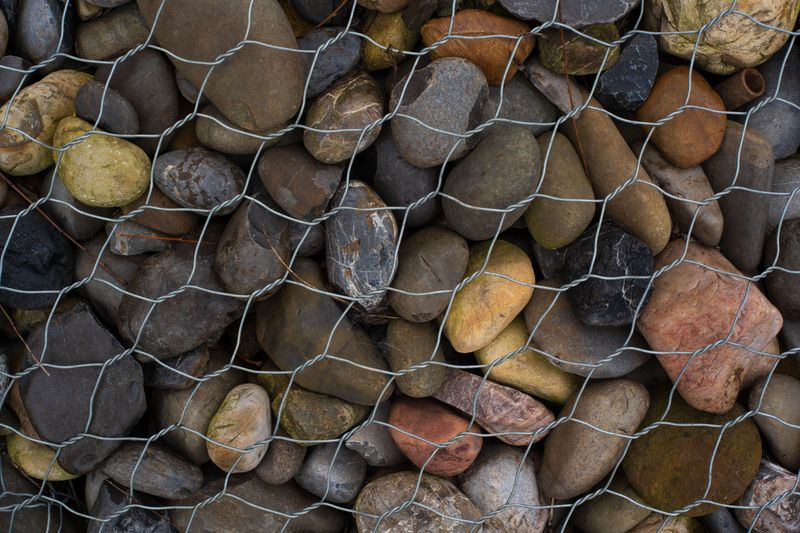
Building a physical barrier underground sounds like a big project, but it is surprisingly doable on a weekend. A layer of gravel or wire mesh buried along your yard’s perimeter creates a wall moles cannot push through.
Hardware cloth with a quarter-inch mesh works especially well. Buried at least 24 inches deep and bent outward at the bottom, it blocks most burrowing attempts effectively.
Gravel trenches are another solid option, particularly along garden beds and lawn edges. Moles avoid loose rock because it is unstable and offers no traction for tunneling.
Dig a trench about 24 to 30 inches deep along the borders you want to protect. Fill it with coarse gravel or sharp stones, then cover the top with soil and sod.
This method works best as a preventive measure rather than a fix after moles have already moved in. Installing it early saves you a lot of frustration later in the season.
Focus on areas near garden beds, flower borders, and soft soil sections first. These spots are the most common entry points for burrowing animals.
A well-placed barrier protects your lawn investment for years. Once it is in the ground, you barely have to think about it again.
Keep Up With Regular Mowing And Lawn Maintenance
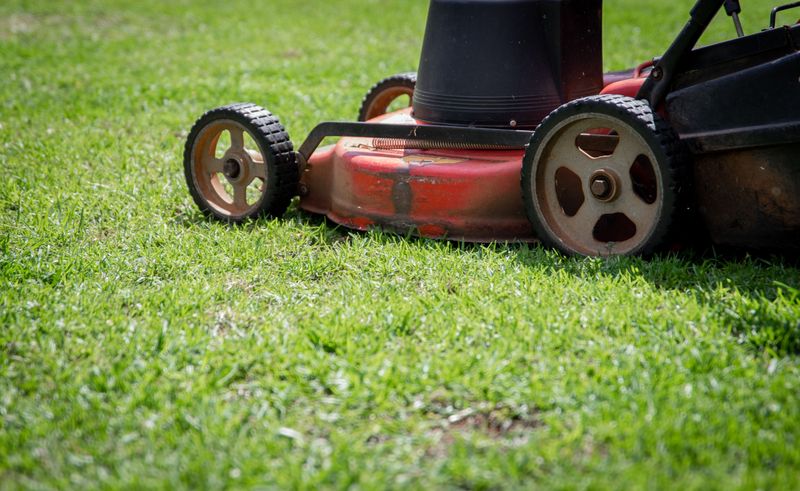
A tidy lawn sends a clear signal that this yard is not easy territory. Moles prefer areas with thick, overgrown grass where they can stay hidden and undisturbed.
Regular mowing keeps your turf at the right height and exposes the soil surface to more sunlight. Drier surface conditions make the top layer of soil less appealing for burrowing near the surface.
Trim your edges, clear out leaf piles, and remove thick thatch buildup regularly. Thatch creates a warm, moist layer close to the soil that insects love, and insects attract moles.
Dethatching once a year keeps your lawn healthy and removes the cozy habitat that brings pests in. A dethatching rake or power dethatcher handles this job quickly and efficiently.
Keeping up with lawn care also helps you spot new mole activity early. Fresh ridges and soft mounds are much easier to notice in a well-maintained yard.
Early detection means faster action, which leads to less overall damage. Catching a new tunnel system before it expands saves your grass from widespread destruction.
Consistent lawn care is one of the easiest long-term strategies in your mole-proofing plan. A well-kept yard is simply less welcoming to underground visitors looking for a quiet place to settle in.
Use Live Traps For Humane Capture And Relocation
Sometimes the most direct approach is also the kindest one. Live trapping lets you catch moles without causing harm and move them far from your property.
Mole-specific live traps are available at most garden centers and online. They are designed to fit inside active tunnels where moles travel back and forth throughout the day.
Start by finding a tunnel that shows fresh activity. Press the soil down gently on a section of the ridge, then check back in a few hours to see if it has been pushed back up.
An active tunnel means a mole passed through recently. Set your trap according to the manufacturer’s instructions and check it at least twice a day.
Once you catch a mole, relocate it several miles from your home to prevent it from finding its way back. Releasing it in a wooded area or open field gives it a fair chance at a new start.
Wear gloves when handling the trap and avoid letting the mole smell your scent too strongly. Strong human odors can make moles avoid the trap area entirely.
Live trapping takes patience, but it is one of the most satisfying methods you can try. There is something genuinely rewarding about solving a lawn problem the humane way.
Plant Mole-Repelling Plants Along Your Yard’s Perimeter
Nature has its own built-in pest control, and certain plants are genuinely offensive to moles. Planting them along your yard’s edge creates a natural barrier that works around the clock.
Daffodils are a top choice because their bulbs contain a compound that moles find deeply unpleasant. They also happen to look stunning in spring, so this is a win on two levels.
Alliums, which include ornamental onions and garlic, are equally effective. Their strong sulfur-based scent travels through the soil and creates conditions burrowing animals tend to avoid.
Marigolds are another crowd favorite that pulls double duty in the garden. They repel a wide range of soil pests while adding cheerful color to your lawn’s border.
Mole plant, also called caper spurge, is specifically named for its repelling qualities. Scientific evidence on its effectiveness remains limited, so treat it as a supplementary layer rather than a standalone solution.
Plant it with care though, as it can spread aggressively if left unchecked in warm climates.
Create a continuous planting line around the perimeter of your yard for maximum effect. Gaps in the border give moles an easy entry point to slip through undetected.
Combining repellent plants with other mole-proofing methods gives your Tennessee lawn the strongest possible defense. A layered strategy is always more effective than relying on one approach alone.