The Best Herbs To Grow In Arizona That Actually Thrive In Summer Heat
Nothing makes a gardener more confident than stepping outside and snipping a few fresh herbs for dinner. It feels simple, practical, and rewarding.
Then summer arrives, temperatures keep climbing, and plants that seemed effortless a few weeks ago suddenly need much more attention. Some stop growing, others lose their flavor, and a few never seem to recover from the heat.
Many gardeners learn this lesson the hard way. A favorite herb that performed beautifully in spring may not be the best choice for the hottest months of the year.
That does not mean growing herbs during summer is impossible. It simply means choosing plants that are naturally equipped for the conditions instead of fighting against them.
The right herb can stay productive for weeks when less suitable varieties begin struggling.
Arizona gardeners have an advantage when they know which herbs are built for long stretches of heat. Some varieties continue growing, producing, and providing fresh harvests when many others begin slowing down.
1. Basil Stays Productive With Consistent Summer Water
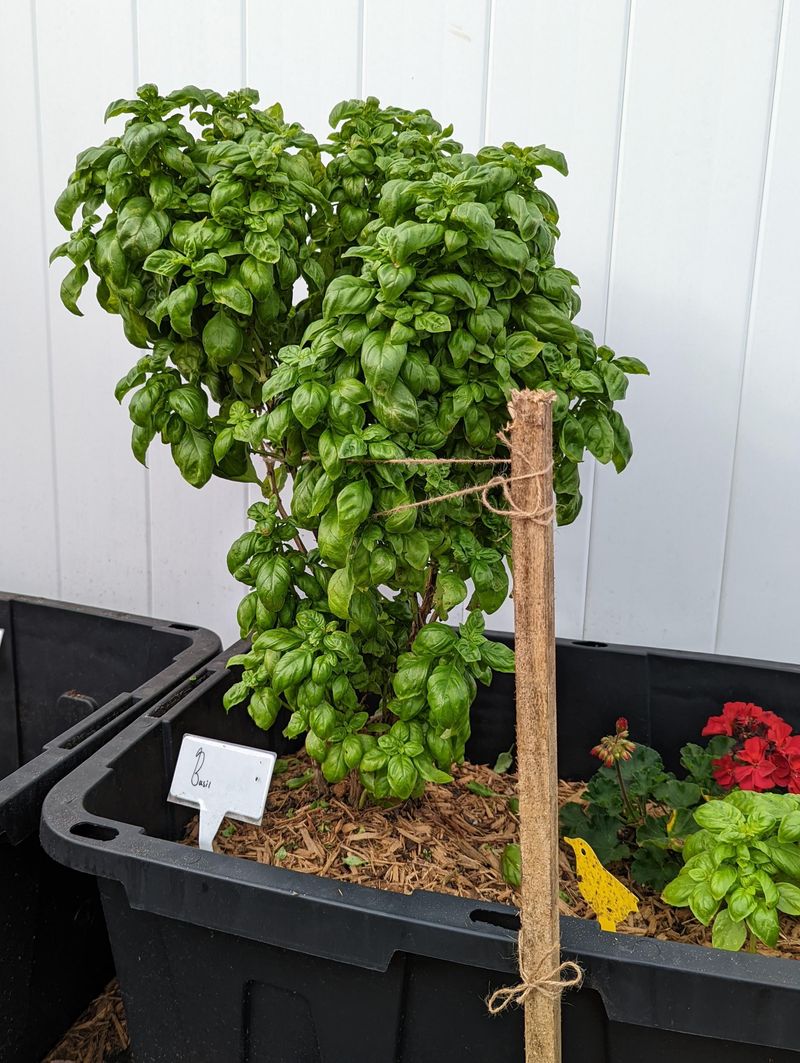
Basil surprises a lot of gardeners who assume it cannot handle extreme heat. In the low desert, basil actually thrives when it gets consistent water and some afternoon shade.
Without that shade, leaves can scorch and turn brown around the edges quickly.
Water deeply every one to two days during peak summer heat. Shallow watering causes the roots to stay near the surface, which leaves the plant vulnerable when soil temperatures spike.
Deep watering encourages stronger root development and better drought tolerance over time.
Plant basil in a spot that gets morning sun and some protection from the harsh afternoon rays. A wall or taller plant nearby can provide just enough relief.
East-facing garden beds work really well for this herb in hot climates.
Pinch off flower buds as soon as they appear. Once basil flowers, leaf production slows down and flavor changes.
Regular pinching keeps the plant bushy, productive, and full of fragrant leaves all summer long.
Sweet basil, Thai basil, and lemon basil all perform reasonably well in heat. Thai basil tends to be slightly more heat-tolerant than sweet basil varieties.
Experiment with a few types to see which one works best in your specific garden setup and soil conditions.
A layer of mulch around the base helps keep soil temperatures lower and reduces moisture loss between waterings.
2. Rosemary Thrives In Hot Sunny Locations
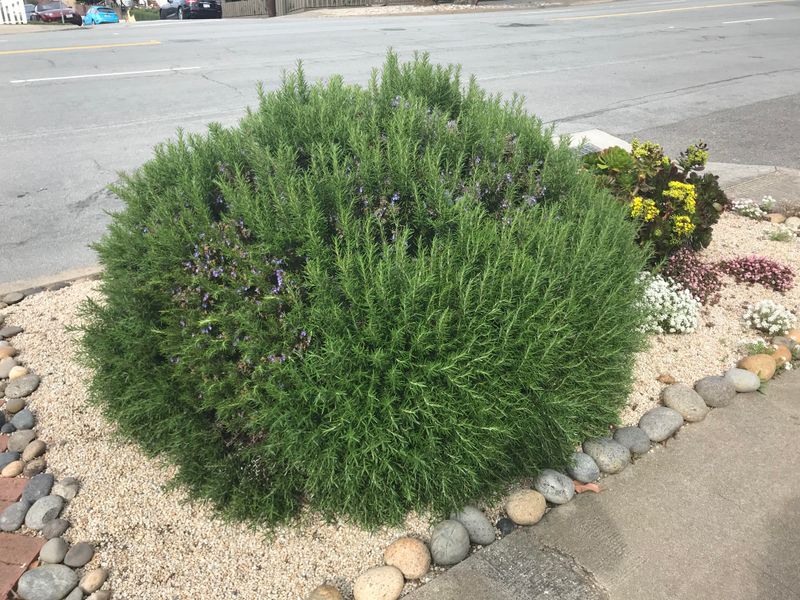
Few herbs handle punishing summer heat quite like rosemary. Once established, it practically ignores drought conditions and keeps growing through triple-digit temperatures without much complaint at all.
Rosemary is native to the Mediterranean region, where summers are hot, dry, and relentless. That background makes it an almost perfect fit for desert garden conditions.
Plant it in well-draining soil and give it full sun exposure all day long.
Overwatering is actually the biggest risk with rosemary. Roots sitting in soggy soil will rot fast, especially when summer heat traps moisture.
Water established plants deeply but infrequently, roughly once a week or less depending on rainfall.
Your Arizona Garden Changes Every Week. Your Plan Should Too.
Gardening in Arizona changes quickly throughout the season. Every Friday you’ll receive a simple weekly plan showing exactly what to plant, prune, fertilize, harvest, and protect so you never miss the right timing.
Young rosemary plants need more frequent watering during their first season. After about six months of establishment, cut back watering significantly.
Mature plants are remarkably independent and rarely need intervention once they settle into their location.
Rosemary can grow into a large, woody shrub over several years in warm climates. Prune it lightly after flowering to keep the shape manageable.
Avoid cutting back into old woody stems, as new growth rarely sprouts from those sections.
Use fresh rosemary in roasted meats, bread, oils, and marinades. The flavor intensifies slightly in heat-stressed plants, which is actually a bonus.
Harvest stems in the morning when essential oil content tends to be highest.
3. Oregano Continues Growing Through High Temperatures
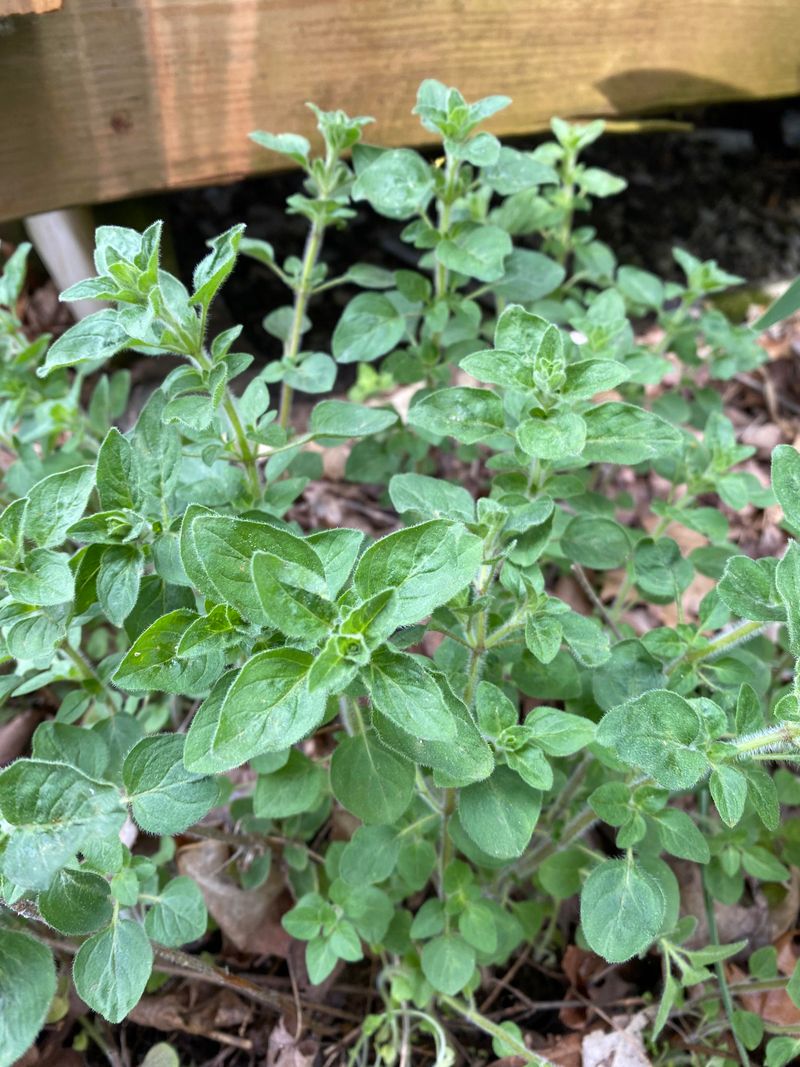
Oregano is tough in a way that earns real respect from desert gardeners. It keeps pushing out new growth even when temperatures stay well above 100 degrees for weeks straight.
Greek oregano is one of the most heat-tolerant varieties available. Its small, thick leaves hold moisture better than larger-leafed types.
That compact leaf structure helps it withstand intense solar radiation without wilting dramatically during the hottest parts of the day.
Plant oregano in full sun with well-draining soil. Sandy or rocky desert soil actually suits it well because oregano dislikes sitting in moisture.
Raised beds work especially well since they drain faster and warm up quickly in spring.
Water oregano moderately during summer. It needs less water than most vegetable garden plants but still appreciates a deep soak every few days during extreme heat waves.
Watch for dry, crispy leaf edges as a sign that watering frequency needs a small adjustment.
Oregano spreads slowly over time and can fill in a garden bed nicely. Divide clumps every few years to refresh the plant and prevent overcrowding.
Dividing also gives you extra plants to fill other spots in the garden.
Harvest stems regularly to encourage bushier growth. Oregano flavor peaks just before flowers open.
Dry harvested stems by hanging them upside down in a shaded, ventilated space for the best preserved flavor.
4. Thyme Performs Well In Dry Conditions
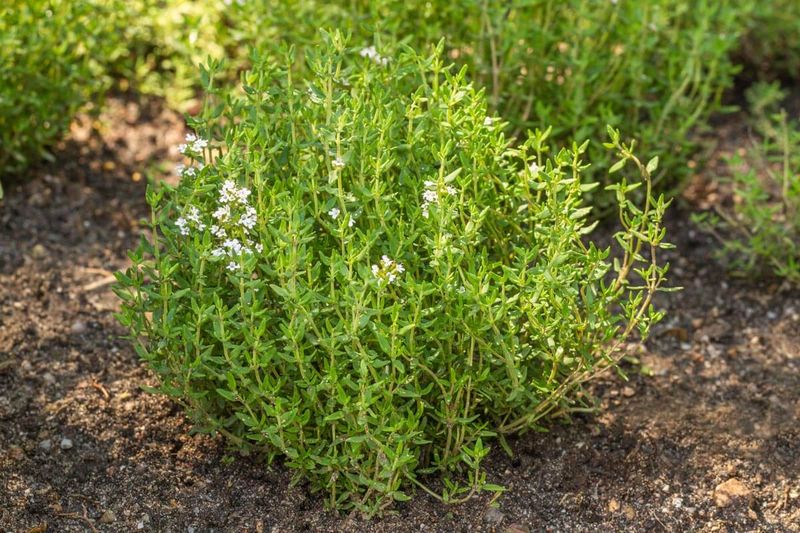
Thyme was practically designed for places with hot summers and minimal rainfall. Its tiny leaves and woody stems are built to conserve moisture under harsh conditions.
Common thyme, lemon thyme, and creeping thyme all perform reliably in dry desert conditions. Creeping thyme works especially well as a ground cover between stepping stones or along garden borders.
It handles foot traffic surprisingly well while staying low and spreading steadily.
Full sun is non-negotiable for thyme. Partial shade can cause leggy, weak growth with reduced flavor.
Plant it in the sunniest part of your garden and let it bake through the summer without worry.
Water thyme sparingly once established. Overwatering causes root problems faster than almost anything else with this herb.
Sandy, fast-draining soil is ideal, and adding gravel or perlite to clay-heavy soil helps significantly.
Thyme rarely needs fertilizing in decent soil. Too much nitrogen actually reduces the concentration of essential oils in the leaves, which weakens flavor.
Skip heavy feeding and let the plant focus its energy on producing aromatic, flavorful foliage instead.
Prune thyme lightly after it flowers to keep growth compact and tidy. Left unpruned, it can get woody and sprawling over time.
A quick trim every few months keeps it productive and looking neat in garden beds or containers throughout the season.
5. Sage Tolerates Intense Sun Once Established
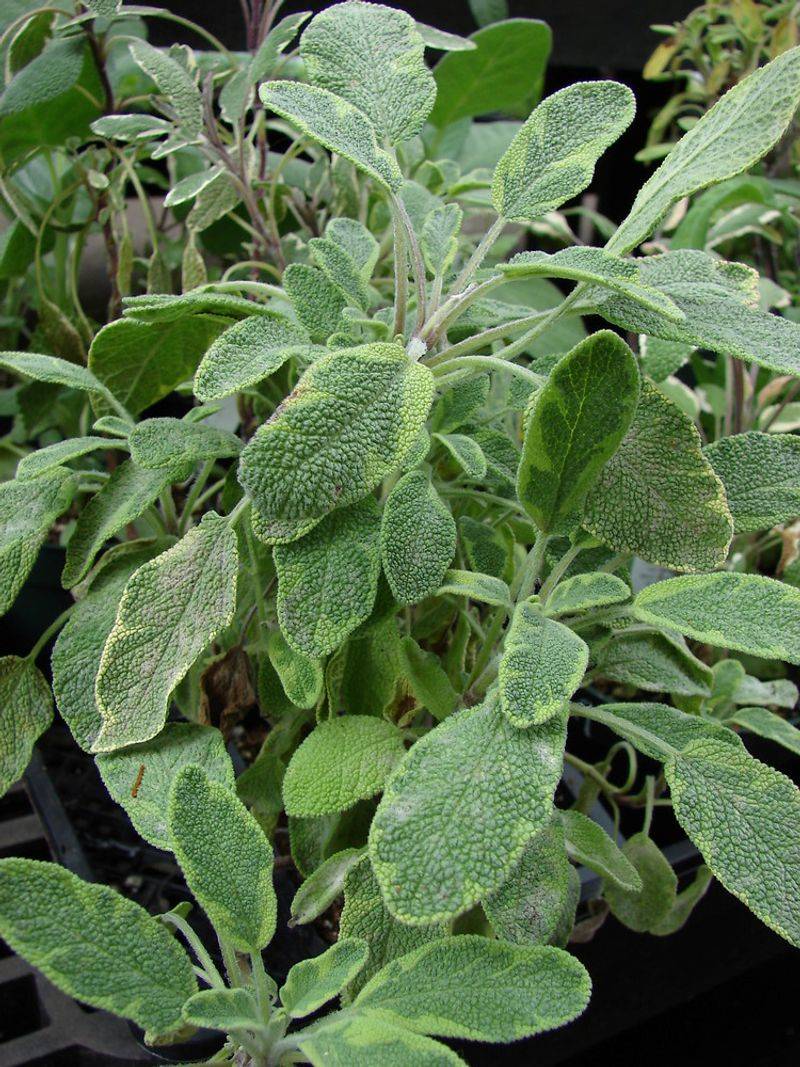
Sage looks like it belongs in the desert. Its silvery, fuzzy leaves reflect sunlight and reduce moisture loss, which is exactly what a plant needs to survive brutal summer exposure.
Common garden sage handles heat well, but desert sage varieties take it even further. Both perform reliably once they settle into a garden space with good drainage and full sun.
The establishment period, roughly the first three to four months, is when plants need the most attention and consistent watering.
After establishment, pull back watering significantly. Sage prefers dry conditions between waterings.
Keeping the soil consistently moist during summer actually stresses the plant more than letting it dry out between deep soaks.
Avoid planting sage in low spots where water collects after rain. Standing water around the roots causes rapid decline, especially during warm months.
Raised beds or sloped garden areas are much better options for long-term success.
Sage grows into a fairly large, bushy plant over time. Prune it back by about one-third in late winter or early spring to encourage fresh, compact growth.
Summer pruning is generally not recommended since it can stress the plant during peak heat periods.
Fresh sage leaves are excellent in butter, pasta, roasted vegetables, and meat dishes. Dried sage holds flavor well for months when stored in an airtight container away from direct sunlight and heat sources.
6. Marjoram Handles Heat Better Than Many Garden Herbs
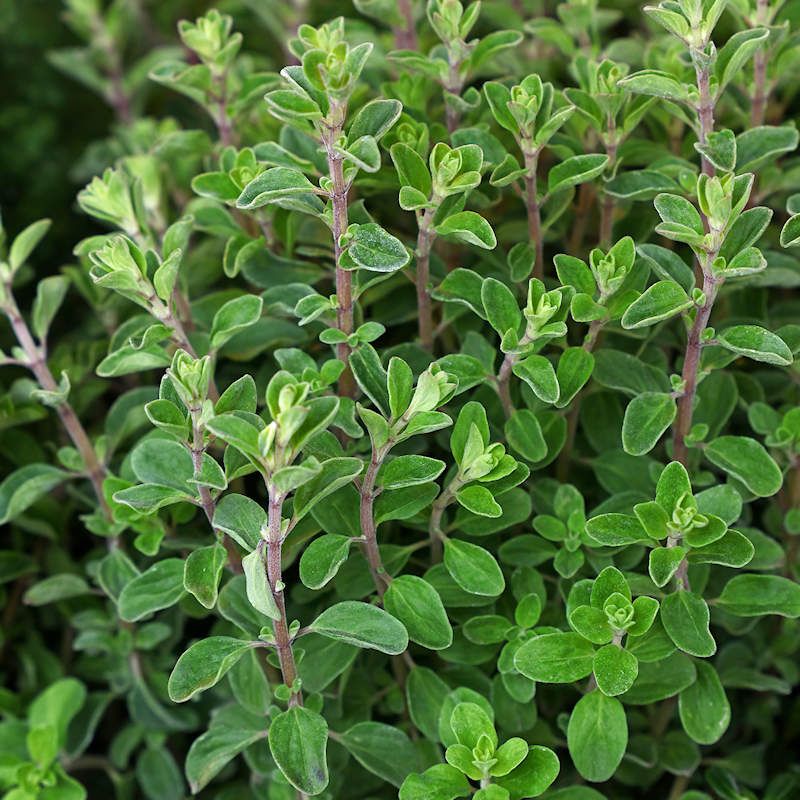
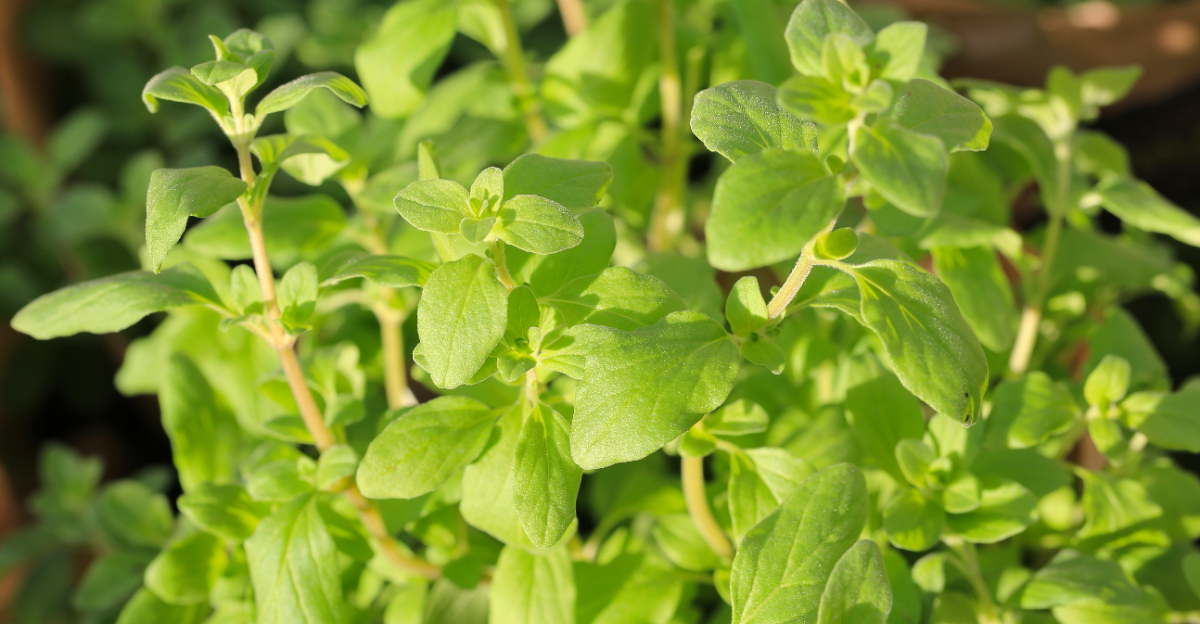
Marjoram often gets overlooked in favor of its more famous cousin oregano, but it holds its own beautifully in hot, dry summer gardens. The flavor is slightly sweeter and more delicate, which makes it worth growing alongside the bolder herbs.
Sweet marjoram is the most common variety and the one that handles heat most consistently. It grows as an annual in cooler climates but behaves more like a perennial in warm desert regions.
That means you can potentially keep the same plant going for two or more seasons without replanting.
Plant marjoram in well-draining soil with full sun to partial afternoon shade. It tolerates full sun well but appreciates a small break from direct afternoon heat during the peak of summer.
A little protection goes a long way toward extending the productive life of the plant.
Water moderately and consistently. Marjoram does not like to completely dry out the way rosemary or thyme does.
Aim for moist but never waterlogged soil, and check the top inch of soil before each watering to avoid overdoing it.
Harvest leaves frequently to keep the plant compact and productive. Letting marjoram go to flower reduces leaf production quickly.
Pinch back flower buds regularly to redirect the plant’s energy toward producing flavorful foliage for as long as possible into the season.
7. Mexican Tarragon Stays Productive Through Summer
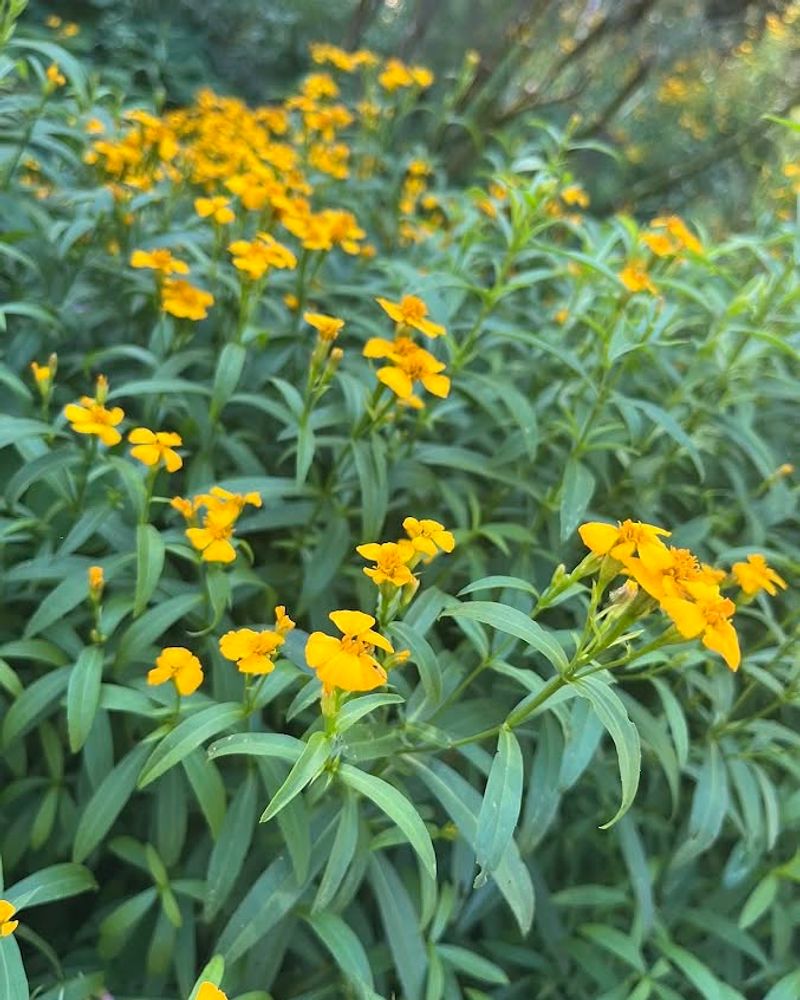
Mexican tarragon is one of the best-kept secrets in hot-climate herb gardening. It produces bright yellow flowers, stays lush through summer heat, and tastes remarkably similar to French tarragon, which struggles badly in high temperatures.
French tarragon essentially gives up when summer heat arrives in low desert gardens. Mexican tarragon steps in and fills that gap with no complaints.
It is more accurately classified as a marigold relative, which explains its impressive heat and drought tolerance.
Plant it in full sun with regular watering during establishment. Once it roots in well, it handles dry spells better than most leafy herbs.
A deep watering every few days during peak summer heat is usually enough to keep it looking healthy and productive.
Mexican tarragon grows to about two feet tall and spreads slightly over time. It works well in garden borders, raised beds, or large containers.
The cheerful yellow flowers are edible and attract pollinators, which makes it a dual-purpose plant in any garden space.
Harvest leaves throughout the growing season for use in sauces, vinegars, chicken dishes, and salads. The anise-like flavor pairs especially well with egg-based recipes.
Dry excess leaves at the end of the season to preserve the flavor for use during cooler months when the plant naturally slows down its production.
Its combination of heat tolerance, edible foliage, and colorful blooms makes it one of the most versatile herbs for hot-climate gardens.
8. Lemongrass Loves Heat And Sunshine
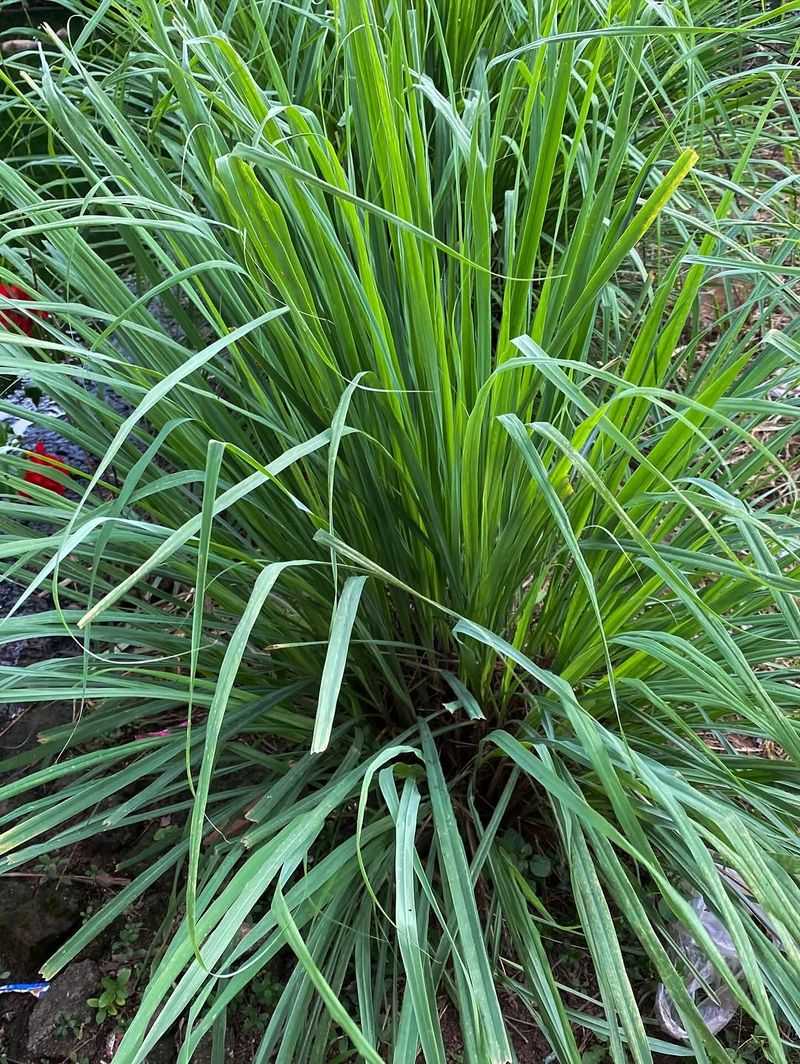
Lemongrass genuinely thrives in heat. Unlike most herbs that tolerate summer temperatures, lemongrass actually grows faster and more vigorously when temperatures climb into the upper 90s and beyond.
It forms large, grass-like clumps that can reach four to five feet tall by midsummer. That impressive size makes it useful as a backdrop plant in garden beds or as a natural privacy screen along fences and walls.
Few herbs offer that kind of visual impact alongside culinary usefulness.
Water lemongrass generously during hot months. It drinks more water than drought-tolerant herbs like rosemary or thyme.
Deep watering every two to three days during peak summer keeps the clumps looking lush and prevents the tips from browning.
Plant it in a spot with full sun and rich, well-draining soil. Adding compost to native desert soil before planting makes a noticeable difference in first-season growth.
Lemongrass responds well to fertile conditions and can grow remarkably fast with proper soil preparation.
Harvest outer stalks at the base when they are about half an inch thick. Thinner stalks tend to lack the strong citrus flavor that makes lemongrass so valuable in cooking.
Use fresh stalks in soups, teas, marinades, and curries for a bright, clean citrus note that dried versions simply cannot replicate effectively.
Container-grown lemongrass also performs well, provided the pot is large enough to support its vigorous root system.
Regular harvesting encourages fresh growth and helps keep large clumps productive throughout the hottest part of the season.