Jacksonville, Florida Gardeners Are Switching To These Plants Before Summer Closes In
Jacksonville sits in a climate middle ground that catches a lot of gardeners off guard. Summers here have their own personality, distinct from the rest of Florida in ways that matter when you are deciding what to plant.
The options that coast through Jacksonville’s heat and humidity are not always the ones lining the shelves at the nearest garden center. Smart Jacksonville gardeners have started making a specific set of plant swaps before summer fully commits.
Not a complete overhaul, just targeted replacements in the spots where the wrong plant keeps failing the same way every single year. The choices that hold up through a Jacksonville summer share a few common qualities.
Heat tolerance is obvious. But root strength, humidity resistance, and the ability to handle Jacksonville’s particular soil all factor in just as much.
The switch is worth making before the window closes.
1. Muhly Grass Handles Jacksonville Heat With Airy Texture
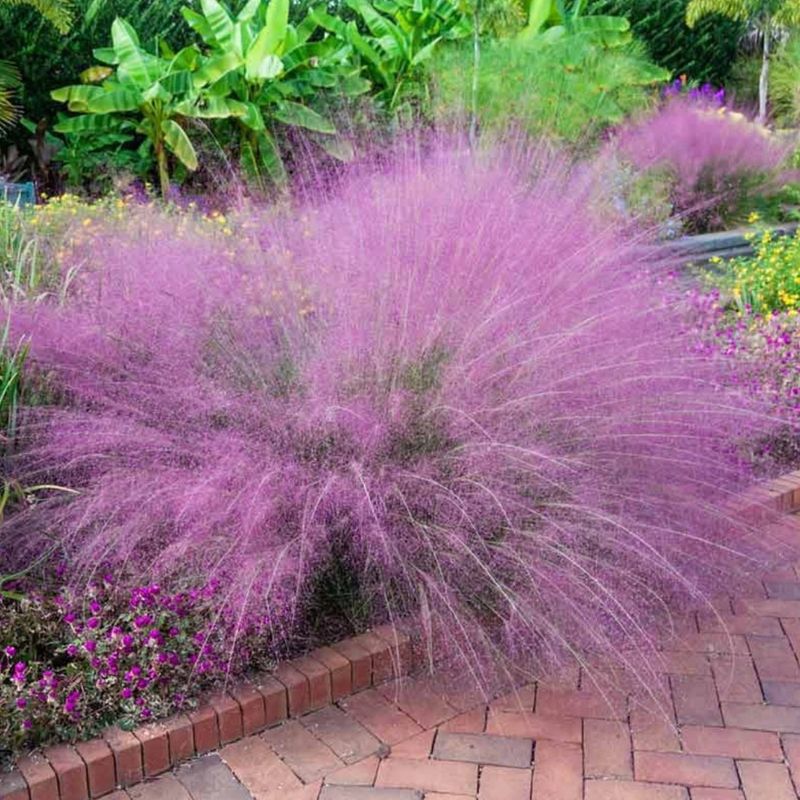
A hot driveway strip or a sunny bed that bakes from June through September is exactly where muhly grass earns its place.
Muhlenbergia capillaris is a native ornamental grass that thrives in full sun and handles the kind of dry, sandy soil found across so many Jacksonville lots.
It forms neat clumps that stay attractive through the growing season, then rewards patient gardeners with clouds of rosy-pink plumes in fall.
After establishment, muhly grass handles drought with confidence. It needs well-drained soil and dislikes sitting in wet spots during the rainy season, so placement matters.
Raised beds, berms, or slopes in sunny yards suit it well. Planting now gives roots time to settle before the hottest months arrive.
Repeated drifts of three or more plants create the airy, sweeping effect that makes muhly grass stand out in residential borders. Spacing plants about two to three feet apart allows each clump room to fill out naturally.
Late winter is the right time for a hard cutback, not midsummer. Avoid cutting it back during active growth.
Salt tolerance makes it useful in coastal neighborhoods near the St. Johns River or barrier island edges. Low maintenance does not mean zero maintenance.
Remove old thatch each late winter, watch for proper drainage, and give new plants consistent moisture for the first season to build strong roots before heat peaks.
2. Walter’s Viburnum Builds Structure Before Summer Stress Hits
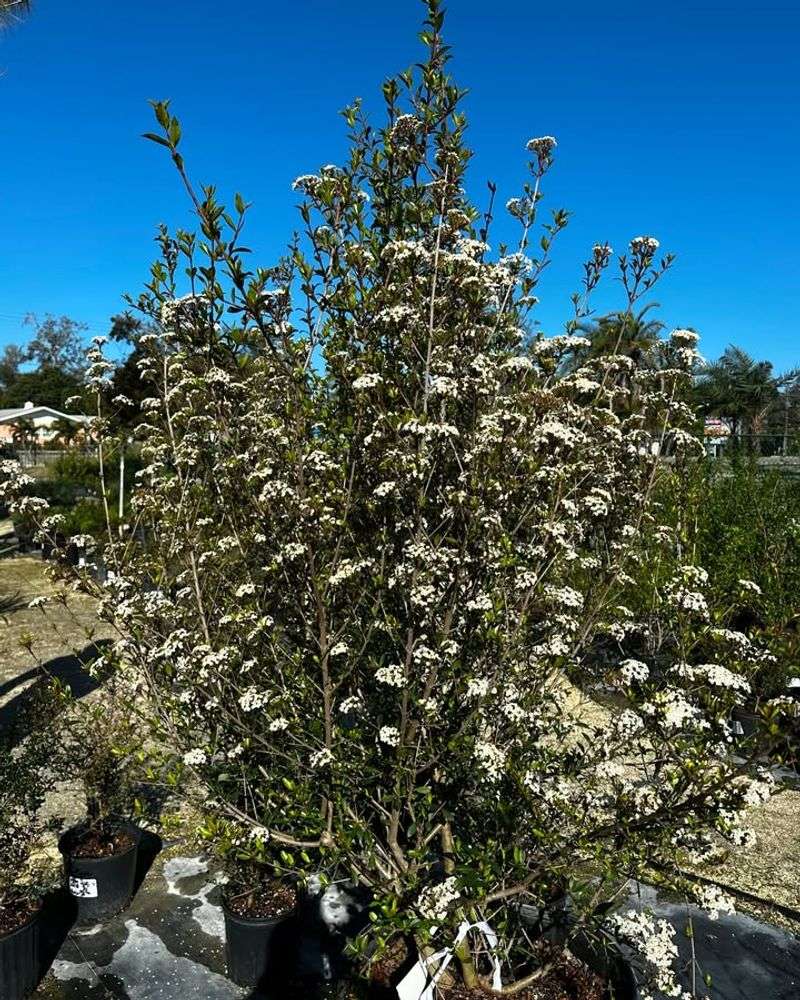
A yard without structure is a yard that looks tired by August. Walter’s viburnum (Viburnum obovatum) is a native shrub or small tree that solves that problem.
It also offers spring flowers, evergreen foliage, and real value for birds and other wildlife. Planting it before summer stress hits gives roots time to anchor before the heat arrives.
Cultivar selection is one of the most important decisions here. Some forms stay compact at around three to four feet, while others can reach fifteen feet or taller if left to grow naturally.
Choosing the wrong size for a spot leads to constant trimming, which defeats the purpose of a low-maintenance native planting. Match the cultivar to the mature space available before buying.
Your Florida Garden Changes Every Week. Your Plan Should Too.
Gardening in Florida changes quickly throughout the season. Every Friday you’ll receive a simple weekly plan showing exactly what to plant, prune, fertilize, harvest, and protect so you never miss the right timing.
Full sun to partial shade suits this shrub well. It also adapts to a range of soil types found across Duval County, including sandy and occasionally moist soils near wetland edges.
It handles the area’s summer rainy season reasonably well once established. New plants need consistent watering through the first dry stretch after planting.
Dense branching makes it useful for screening along fence lines, property edges, or foundation beds where year-round privacy matters. Small white flowers in spring attract pollinators, and the berries that follow feed birds through summer and fall.
Give it room, choose the right cultivar, and Walter’s viburnum will anchor a Jacksonville yard with native reliability.
3. Coontie Keeps Beds Evergreen Without Tropical Fuss
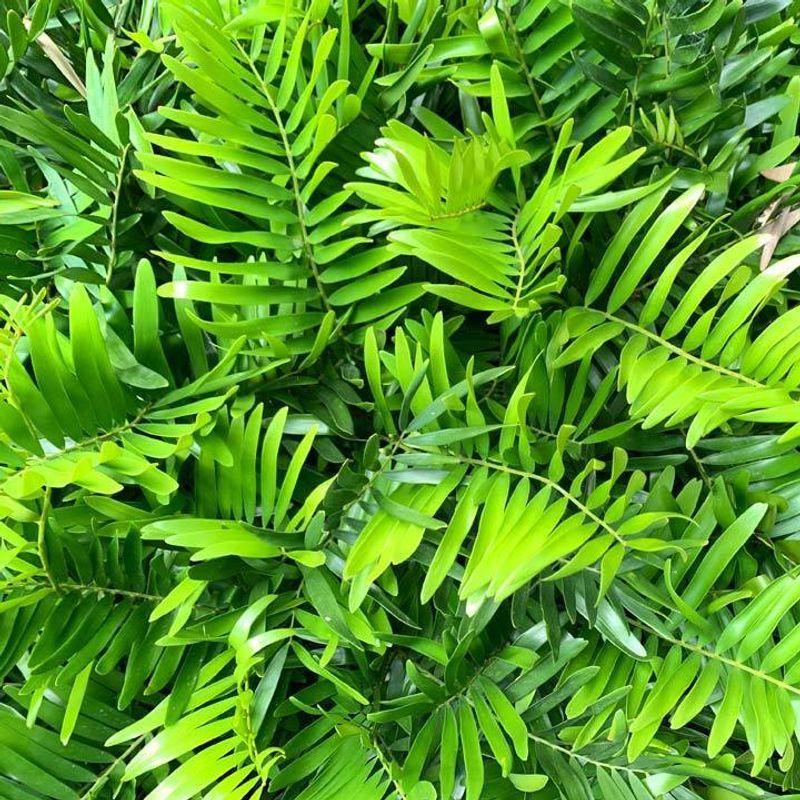
Near an entry walk or a shaded foundation bed, coontie (Zamia integrifolia) delivers year-round structure. It does so without the cold-snap vulnerability that comes with many tropical-looking plants.
Coontie is the only cycad native to this state, and it has been part of Florida landscapes long before ornamental gardening was a hobby.
Its dark green, arching fronds give beds a sculptural, organized look that holds up through summer heat and occasional winter chills.
After establishment, coontie handles drought well and asks for very little. It suits partly shaded spots under oaks as well as sunnier beds with well-drained sandy soil.
Overwatering or poorly drained soil is a bigger risk than drought for this plant. Mulch helps retain moisture during establishment without keeping roots too wet.
One detail worth knowing is that coontie serves as the only larval host plant for the Atala butterfly, a striking species that was once thought extinct in this state. Planting coontie supports Atala populations making a slow comeback across northeast region.
That ecological connection gives every coontie planting a purpose beyond looks.
Coontie is not a true palm, though it is sometimes mistaken for one. It grows slowly and stays relatively compact, usually reaching two to three feet in height and spread.
Spacing plants correctly from the start avoids crowding later. New plants benefit from steady moisture during their first growing season before summer heat peaks.
4. Firebush Brings Summer Color But Needs Cold-Snap Nuance
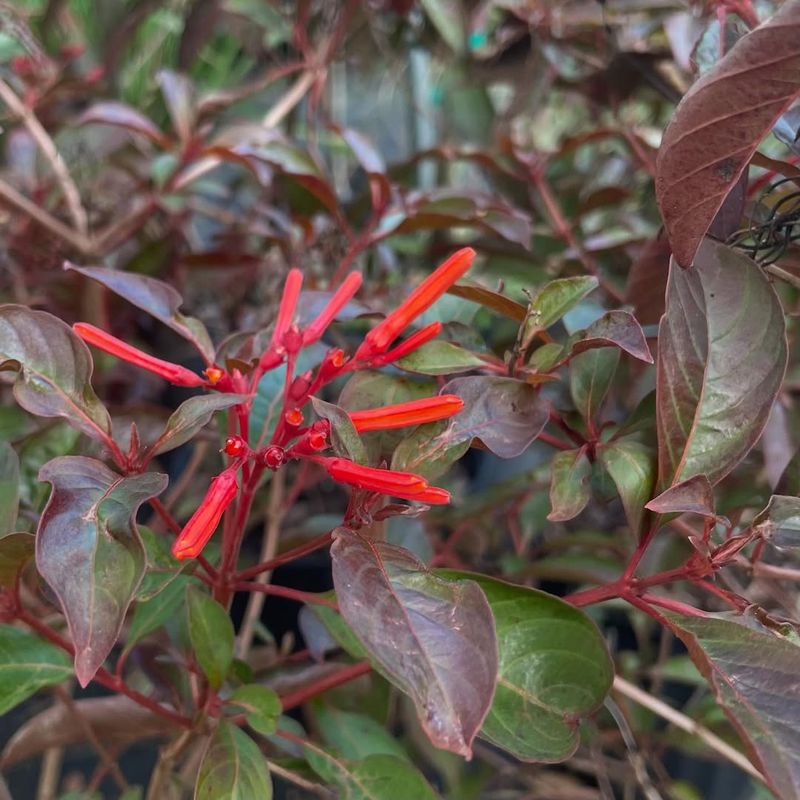
Few plants deliver summer color as boldly as firebush (Hamelia patens). Clusters of tubular orange-red flowers appear from late spring through fall, pulling in hummingbirds, butterflies, and other pollinators with reliable consistency.
For a sunny bed that needs warm-season impact, firebush works fast and fills space with energy.
Here is where local nuance matters. Jacksonville sits in a transition zone where winters can bring genuine cold snaps.
Firebush may freeze back to the ground after a hard frost, behaving more like a tender perennial than a dependable evergreen shrub. Gardeners farther south see it stay woody year-round, but in northeast Florida it often needs to resprout from roots each spring.
That is not a flaw, but it is something to plan around.
Planting now gives firebush time to establish a strong root system before peak summer heat, which helps it recover faster if winter cold knocks it back. Choose a full-sun spot with well-drained soil.
Sandy soil common across Duval County suits it fine as long as irrigation supports the plant through its first dry stretch.
Native Hamelia patens var. patens is the Florida-native variety recommended for local pollinator and wildlife plantings. Avoid non-native ornamental varieties if supporting native wildlife is a priority.
Give it room to spread, because mature plants can reach six feet or more in a warm growing season. Cutting back any frost-damaged stems in late winter clears the way for fresh growth.
5. Frogfruit Softens Lawn Edges Before Heat Peaks
Lawn edges in full sun are some of the most punishing spots in a Jacksonville yard. Grass thins out, weeds move in, and the strip between a bed and the sidewalk becomes a maintenance headache by July.
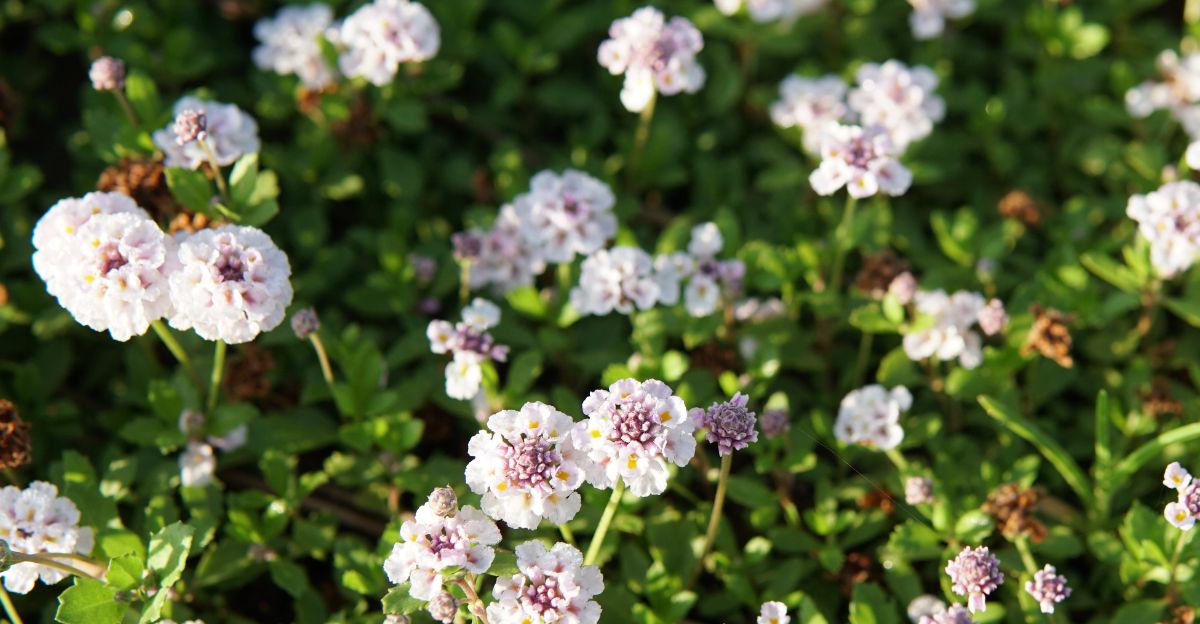
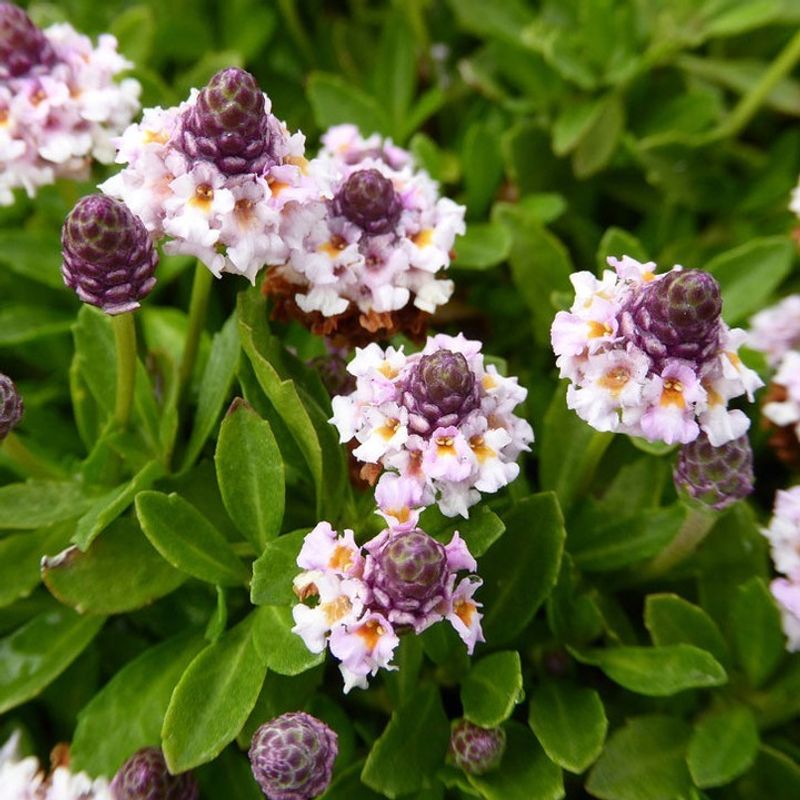
Frogfruit (Phyla nodiflora) is a native ground cover that fills sunny, difficult transitions with low, spreading growth. It also produces a steady supply of small white flowers that pollinators genuinely love.
Bees, skippers, and other small insects visit frogfruit flowers regularly, making it a quiet but meaningful addition to any pollinator-friendly yard. It also serves as a larval host plant for several native butterfly species, including the white peacock and phaon crescent.
That ecological layering adds real value beyond its ground-covering function.
Frogfruit handles full sun to partial shade and adapts to the sandy, well-drained soils common across Duval County. It tolerates moderate foot traffic, which makes it useful in informal lawn areas or stepping-stone paths where turf struggles.
Established plants handle dry stretches reasonably well, but new plantings need consistent moisture through the first season.
One honest note: frogfruit does not look like manicured sod. It has a natural, informal texture that suits cottage gardens, native plantings, and relaxed yard edges better than formal landscapes.
Occasional edging keeps it from spreading into beds where it is not wanted. Planting now lets it spread and root before summer heat peaks, giving it the best start possible.
6. Coreopsis Keeps Sunny Beds Bright Through Early Summer
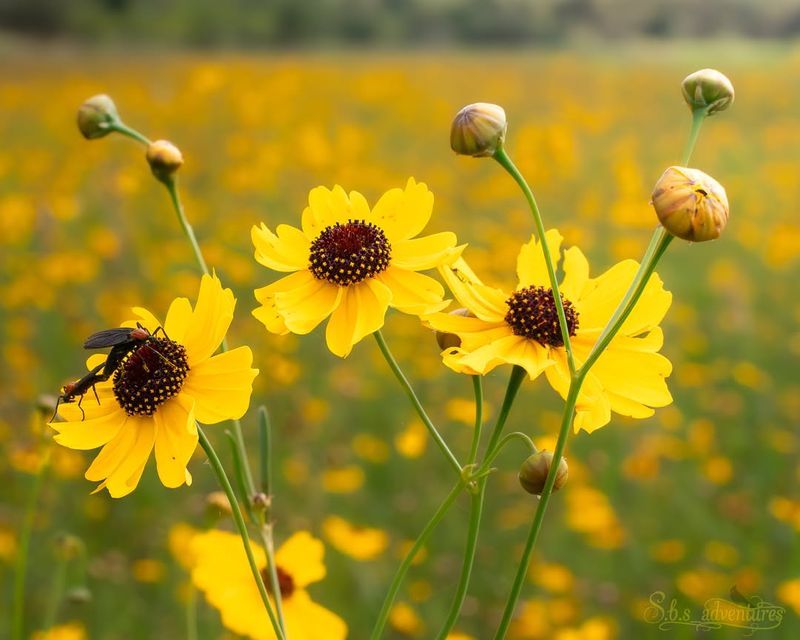
Before June turns a sunny bed into a scorched stretch of fading color, coreopsis steps in with cheerful yellow flowers that hold up through the early heat. Several coreopsis species are native to this state, and a few perform especially well in northeast conditions.
Leavenworth’s coreopsis (Coreopsis leavenworthii) and lance-leaf coreopsis (Coreopsis lanceolata) are among the species suited to sunny, well-drained beds in the area.
Full sun is non-negotiable for strong flowering. Drainage matters just as much.
Sandy soil that does not hold standing water suits coreopsis well, and the typical Duval County lot often provides exactly that. Avoid heavy clay or spots that stay wet after the rainy season begins, because root health suffers in waterlogged conditions.
Pollinators respond enthusiastically to coreopsis blooms. Bees, butterflies, and other beneficial insects visit regularly.
That makes it a natural fit for pollinator beds, cottage-style native borders, and wildflower strips along sunny fence lines. Trimming spent flowers encourages more blooms through early summer.
Some coreopsis species are short-lived perennials that reseed freely, which can be an asset or a management task depending on your planting goals. Knowing the species before buying helps set realistic expectations.
Planting now while temperatures are still manageable gives roots time to settle before peak summer heat arrives. Established plants handle the heat and humidity of a northeast Florida summer with much more resilience than newly planted ones.
7. Beautyberry Adds Native Texture Before Birds Find The Fruit
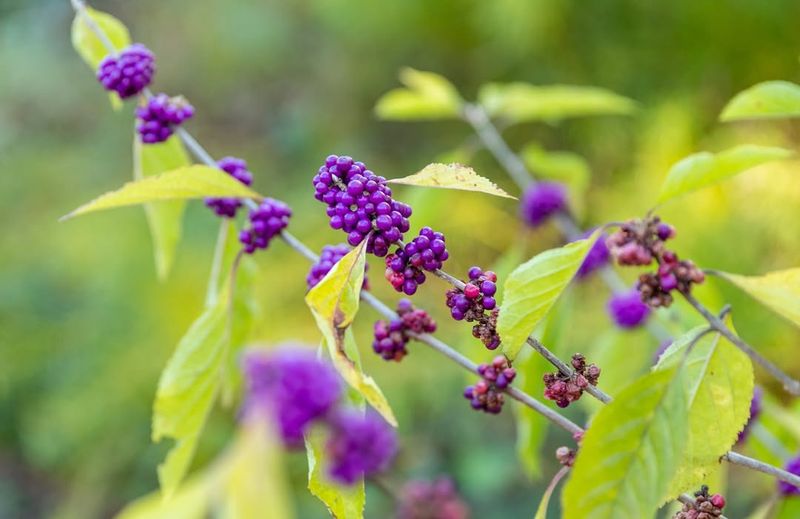
Along a shaded fence line or at the edge of a woodland garden, American beautyberry (Callicarpa americana) earns its place long before the purple berries appear.
Arching stems and lush green summer foliage give this native shrub a loose, layered presence that softens hard edges and fills gaps in mixed borders.
Planting it now lets it establish through summer so it can deliver its full show by fall.
The berries are the main event. Clusters of vivid magenta-purple fruit line the stems in late summer and fall.
They attract mockingbirds, catbirds, robins, and other bird species that move through northeast Florida during migration and cooler months. The visual impact is striking, and the wildlife value is genuine.
Beautyberry grows naturally in partly shaded spots, which makes it well-suited to yards with mature oaks or dappled light along property edges. It tolerates a range of soil types common to Duval County, including sandy and moist soils near low areas.
Full shade reduces fruiting, so some filtered sun helps the plant perform well.
One thing to know before planting: beautyberry has a relaxed, natural form. It arches outward and can reach six to eight feet in height and spread.
Formal, clipped shapes are not its strong suit. It works best where there is room to grow naturally without constant shaping.
A hard cutback in late winter rejuvenates the plant and encourages vigorous new growth each spring.
8. Dwarf Yaupon Holly Gives Hot Beds A Polished Native Anchor
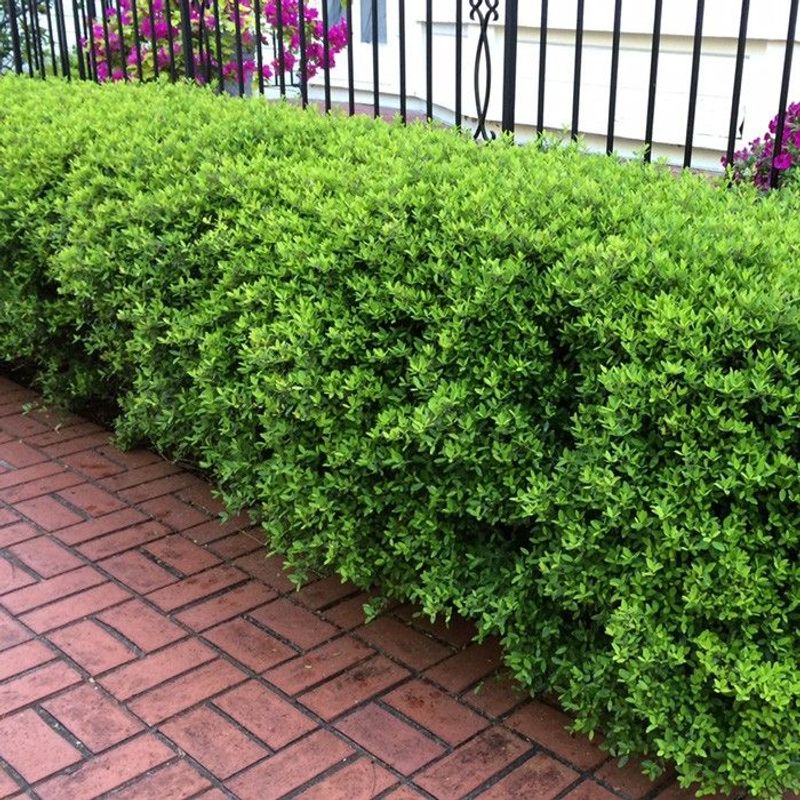
Foundation beds in full sun need plants that hold their shape and color through the worst of summer without constant attention. Dwarf yaupon holly, specifically compact cultivars of Ilex vomitoria, delivers exactly that.
Small, dense, and evergreen year-round, these selections give Jacksonville beds a clean, structured anchor. They do not wilt under summer heat or look ragged after a cold snap.
Yaupon holly is native to this state and well-adapted to the sandy soils, heat, and humidity of northeast Florida. After establishment, it handles drought with genuine resilience.
It also tolerates salt spray, which makes it a practical choice for coastal neighborhoods. That includes areas near the Intracoastal Waterway, barrier island edges, or river-facing properties in Duval County.
Cultivar choice is critical here. Full-size yaupon holly can reach fifteen to twenty feet, which is the wrong plant for a low foundation bed or a walkway edge.
Compact selections such as Schillings, Nana, and similar dwarf forms stay under three feet with minimal shaping. Confirming the mature size of a specific cultivar before purchasing saves future frustration.
Partial shade is tolerated, but full sun brings out the densest, most compact growth. New plants need consistent watering through their first summer to build strong roots before the heat peaks.
Mulch around the root zone helps retain moisture and keeps soil temperatures more stable. Once established, dwarf yaupon holly asks for very little while delivering year-round structure that holds a bed together through every season.