Plant These Perennials In November And Enjoy A Drought-Resistant Tennessee Garden Next Summer
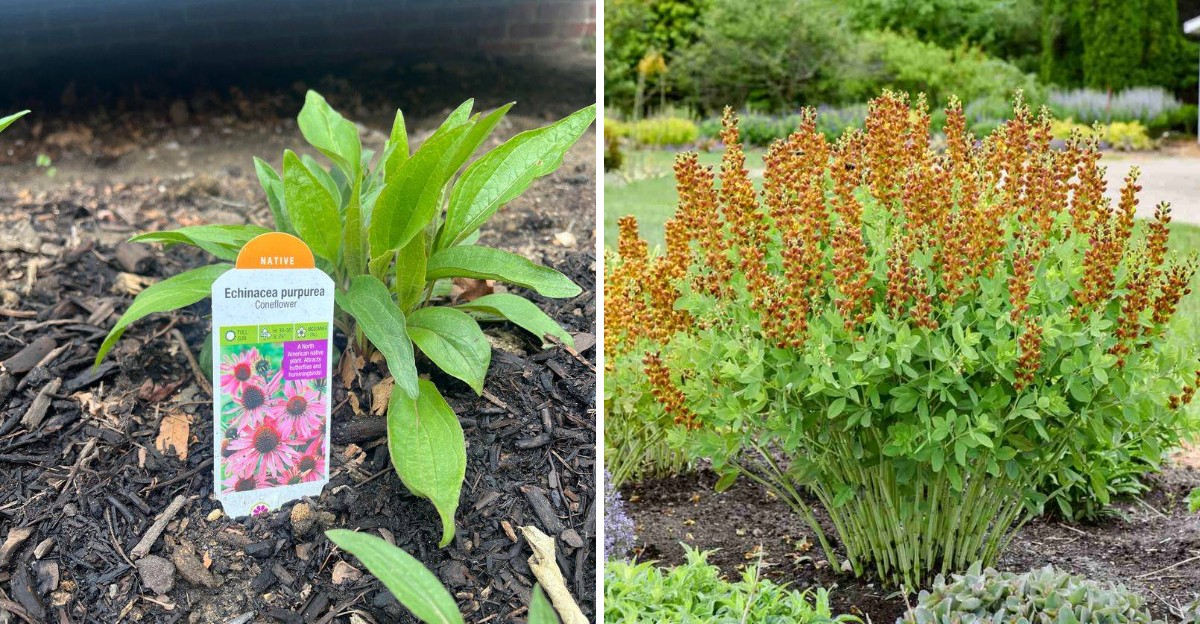
Noon hits Tennessee like an open oven door, and your roses turn to tissue paper in three days flat. You water faithfully, mulch carefully, and still lose half your beds before August arrives.
So you start asking a different question entirely: what actually wants to live here? Drought-resistant perennials, it turns out, were built for exactly this heat.
Plant them in November, while the soil is still workable and fall rain helps with the watering.
Roots keep growing whenever the soil is not frozen, so by summer they handle dry spells well, enjoy sunny afternoons, and return stronger every spring, though even tough newcomers need a little water during their first summer.
No coddling required, no worry, no hose guilt. The plants on this list powered through hot summers and kept blooming anyway.
If you want season-long color without being tied to your sprinkler system, these tough, stunning perennials are some of the best plants you can put in Tennessee dirt. Your flower beds are about to get beautifully smart.
1. Black-Eyed Susan
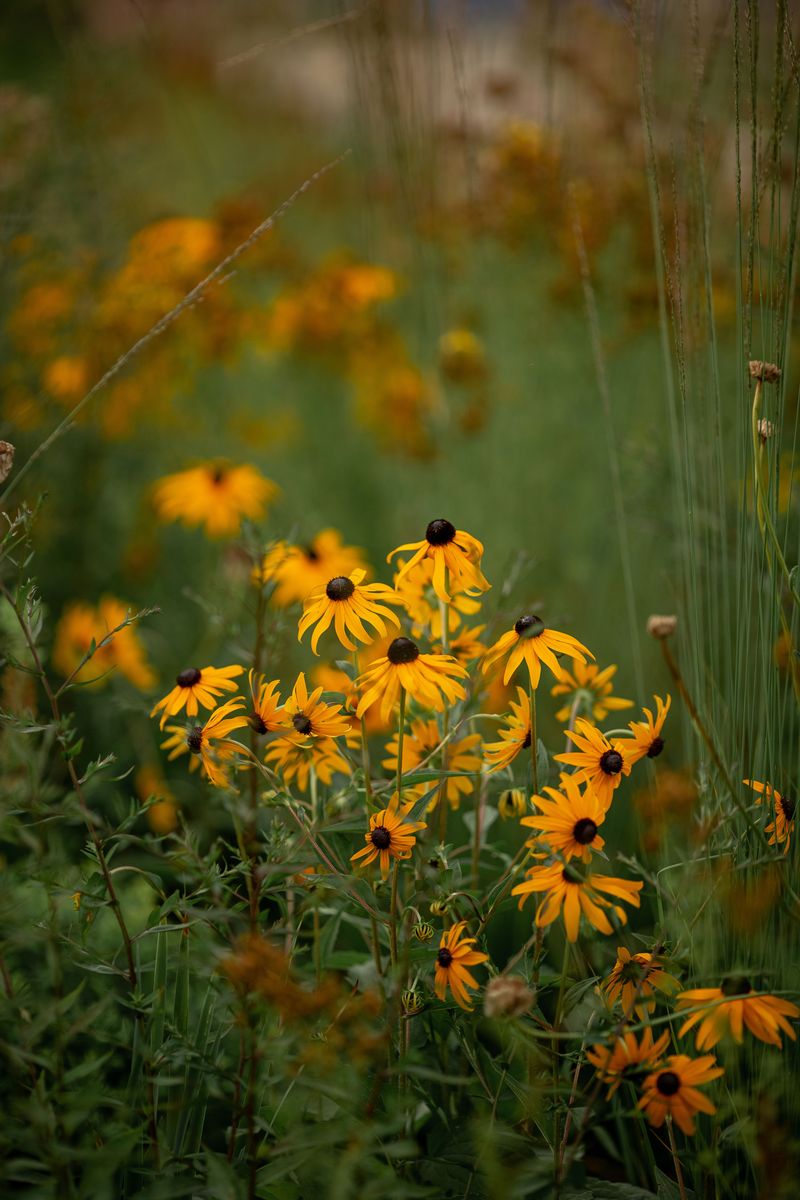
Black-Eyed Susans bring instant cheer to any garden. They are often considered short-lived, sometimes behaving like biennials, but that is really part of their charm.
Once a patch is established, it tends to maintain itself year after year through generous self-seeding, so you enjoy fresh blooms without having to replant.
These sunny flowers bloom from early summer well into fall, giving you months of dependable color. Few plants offer that kind of staying power with so little effort.
They grow best in full sun but can enjoy a bit of afternoon shade. Sandy or loamy soil suits them well, and they actually prefer lean soil over rich, heavily fertilized ground, which makes them a budget-friendly and low-effort choice.
These flowers are native to North America and have grown wild in fields and along roadsides for thousands of years. That natural resilience is exactly why they do so well in home gardens.
Planting them beside Purple Coneflower creates a lovely yellow and purple pairing that pollinators adore, and it is a classic look in cottage-style gardens.
Fall is a natural time to plant Black-Eyed Susan, since it follows the same rhythm the plant uses in the wild. Set container plants in the ground now, or scatter seed over bare soil and press it in gently.
The cool winter weather helps the seed wake up in spring. Over time, thin the patch now and then so the plants have room to grow and your other flowers can share the spotlight.
2. Blanket Flower
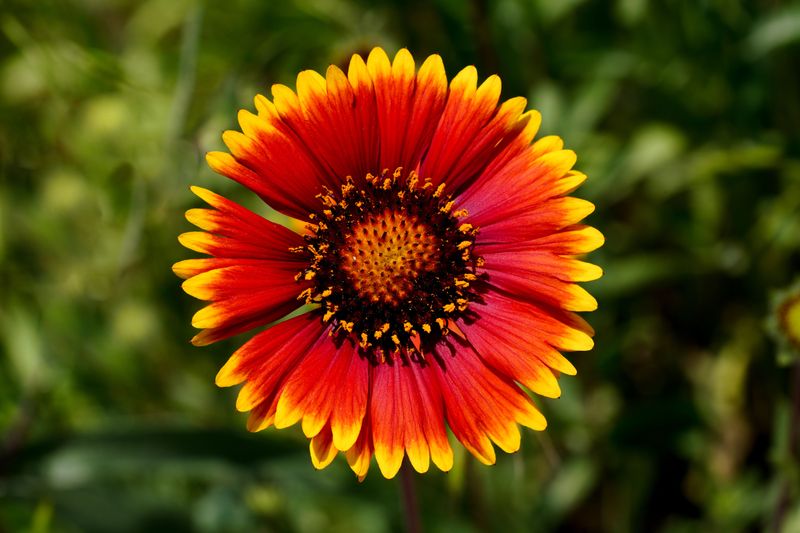
Blanket Flower looks as though it was painted by someone who could not choose between red, orange, and yellow, and the result is wonderful. The blooms are bold, layered, and glowing in summer sun.
Its botanical name is Gaillardia, and it ranks among the top drought-tolerant perennials because it handles long, dry stretches better than almost anything else in a Tennessee garden.
Like Black-Eyed Susan, it is a short-lived perennial, usually lasting two to three years. It self-seeds readily, though, so a patch tends to keep itself going without any help.
Flowers begin in late spring and carry strong color through summer and into fall, especially with good drainage and a light tidy-up every few weeks.
Full sun is important here. Give it six to eight hours of direct light each day and it will reward you with an abundance of blooms. Poor, sandy soil is where it feels most at home.
Rich, moist soil can cause the plant to flop over or develop root problems, so go easy on fertilizer and water. Snipping spent flowers just above a leaf node encourages steady reblooming, and butterflies and native bees will visit by the dozen.
This is the most particular plant on the list for fall planting, because it prefers drier feet in winter. Plant it only where drainage is excellent, and mix in coarse sand or grit if your soil is heavy.
Use a light, airy mulch such as pine straw. If your soil tends to stay wet, waiting until early spring is a perfectly good choice.
3. Purple Coneflower
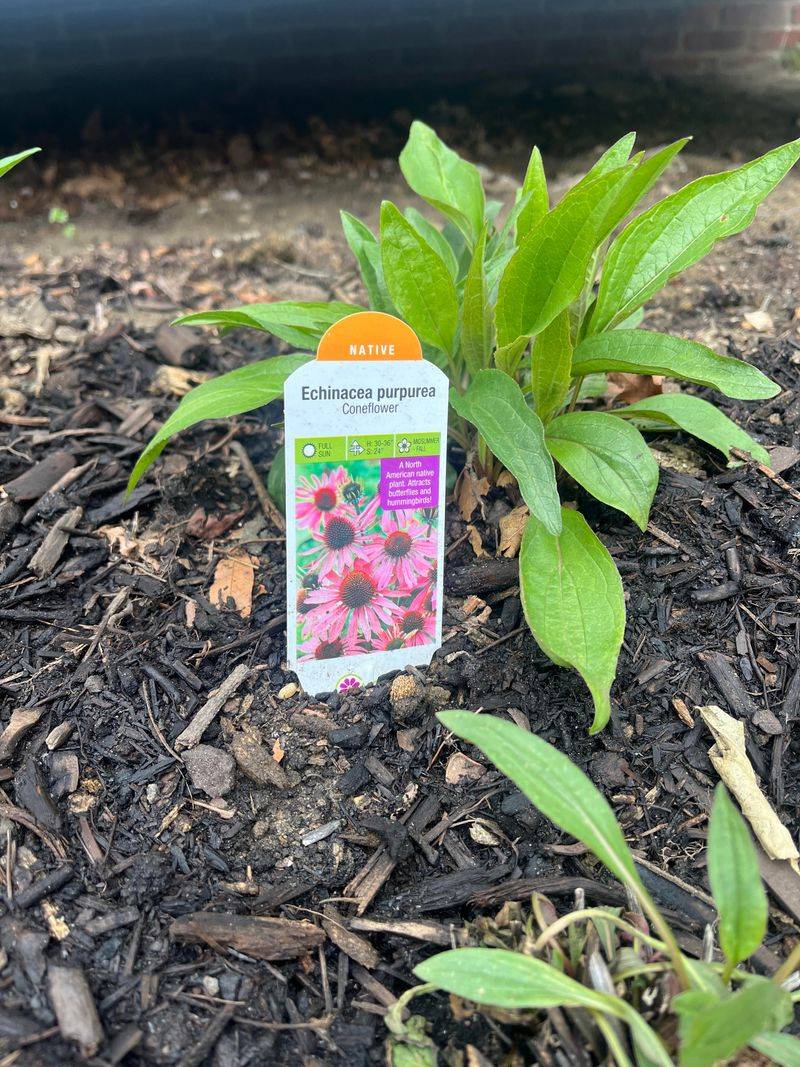
Walk through almost any thriving Southern summer garden and you will likely spot a Purple Coneflower. Its botanical name is Echinacea purpurea, but in Tennessee gardens it is simply a beloved staple.
It is one of the most popular drought-tolerant perennials for warm climates, and once established it needs very little extra water to keep blooming from June through September.
The daisy-like petals sweep gently downward around a spiky copper center, giving the plant a relaxed, wildflower look.
Bees and butterflies visit in numbers, so a patch of coneflowers makes the whole garden feel alive. Plant it in full sun with well-drained soil for the best results.
If your soil is heavy clay, mix in some compost or grit first, because good drainage keeps the roots healthy through wet winters.
Coneflowers spread slowly into larger clumps over the years. You can divide them every three or four years to share with friends or fill other spots in your yard.
Removing spent blooms encourages more flowers, while leaving a few seed heads in fall provides food for goldfinches all winter.
Coneflower is a wonderful fall planting. Set container plants in the ground now, water them in well, and add a light layer of mulch. Expect gentle growth next spring and a fuller show in the second year.
If you have older plants in the garden, leave a few seed heads standing so the birds can enjoy them. Coneflower also has a long history in herbal traditions, though most gardeners today love it simply for its cheerful color and easygoing nature.
4. Coreopsis
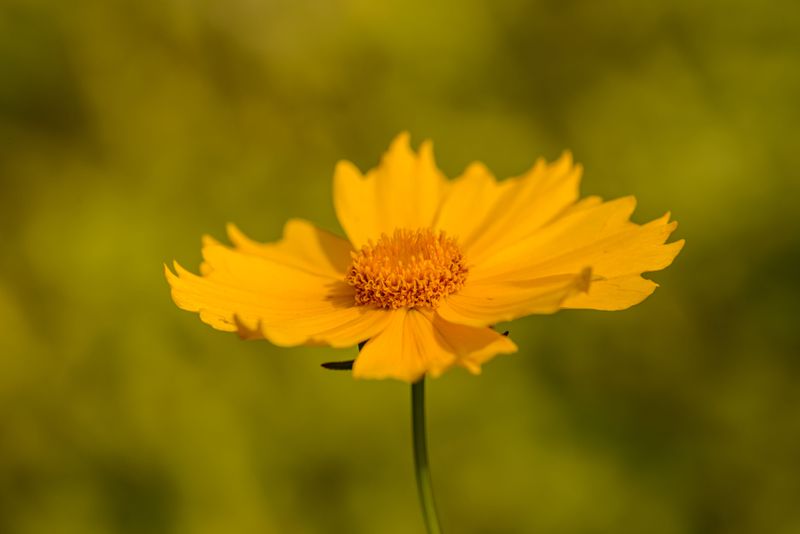
Coreopsis has a wonderful reputation among gardeners, and it is well earned. Many people call it tickseed, and once you grow it, you will understand why they keep coming back to it season after season.
The name comes from a Greek phrase meaning “resembling a tick,” which refers to the shape of the seed rather than anything the plant does in your garden.
This cheerful, sun-loving plant is one of the most dependable drought-tolerant perennials for Southern gardens. It blooms generously from late spring through fall in shades of yellow, orange, pink, and red, depending on the variety.
Thread-leaf types such as Coreopsis verticillata are especially sturdy, with feathery foliage that stays attractive even between bloom cycles.
Plant Coreopsis in full sun with good drainage, and it will largely take care of itself. It handles heat, humidity, and dry spells with quiet confidence, which makes it a lovely backbone plant in any low-maintenance design.
Fertilizing is rarely needed and can actually reduce flowering, so these plants do best when kept a little on the lean side. That is a refreshing change from flowers that ask for constant feeding.
Coreopsis settles in quickly, so a November planting still has plenty of time to root before winter. Water well at planting and again during dry spells until the ground freezes, then add a light layer of mulch.
Dividing clumps every two to three years keeps them strong and blooming fully, and it is a great way to share plants with neighbors or fill new spaces for free.
5. Blazing Star
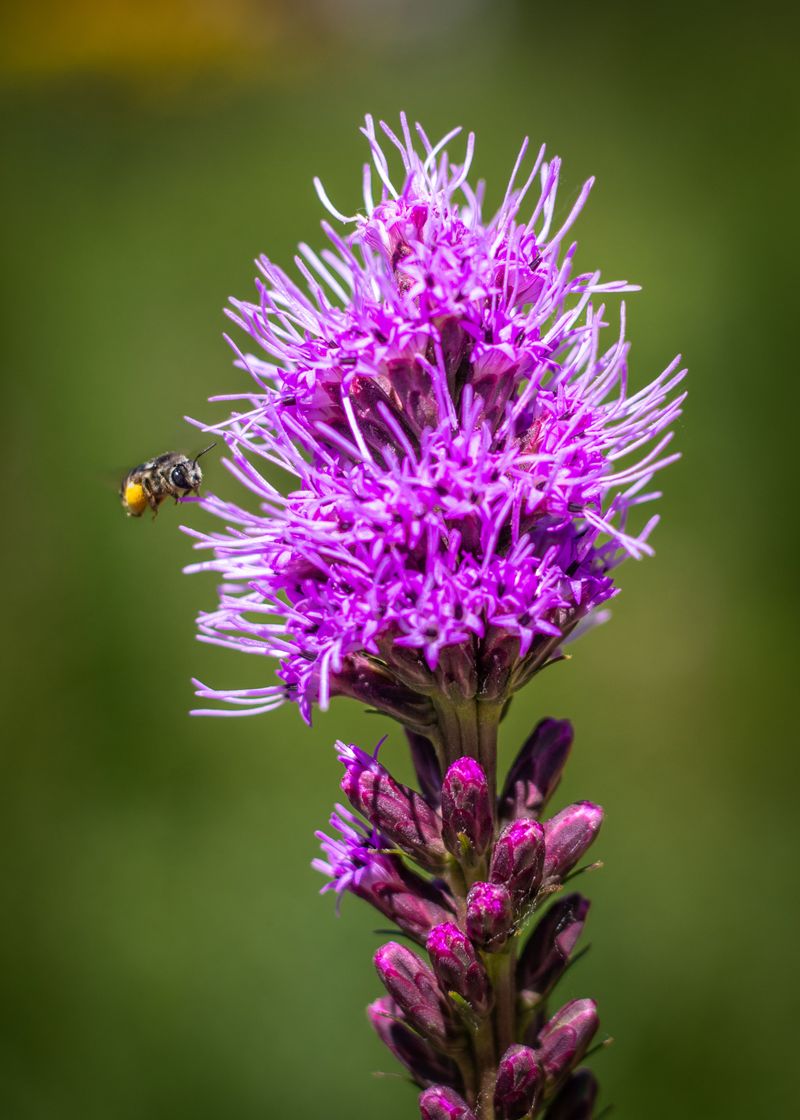
Blazing Star makes an entrance. It sends up tall, feathery purple spikes that make visitors pause and ask what that beautiful plant is.
Its botanical name is Liatris spicata, and it is a native North American wildflower loved by gardeners who want drama without much maintenance. It is a standout among drought-tolerant perennials.
One of its most charming traits is the way it blooms from the top of the spike downward, which is the opposite of most flowering plants. Watching this unfold through the season is endlessly interesting.
Blazing Star typically peaks in July and August, when many other plants are taking a rest from the heat, so it fills an important gap in a well-planned garden.
Plant it in full sun with well-drained soil, and it will return stronger each year. The corms it grows from multiply slowly underground, creating a fuller clump with every season.
Monarch butterflies and bumblebees treat the flowers like a buffet, so this plant offers more support to pollinators during the warmest part of summer than almost anything else on this list.
If you leave the seed heads standing after bloom, goldfinches and other songbirds will visit well into fall.
Fall is the traditional time to plant Liatris corms, which enjoy a cool winter rest. Set them about two to four inches deep with the pointed side facing up, in a sunny spot with good drainage.
Water once after planting, add a light layer of mulch, and let winter do the rest. Container-grown plants also settle in nicely this month.
6. Salvia
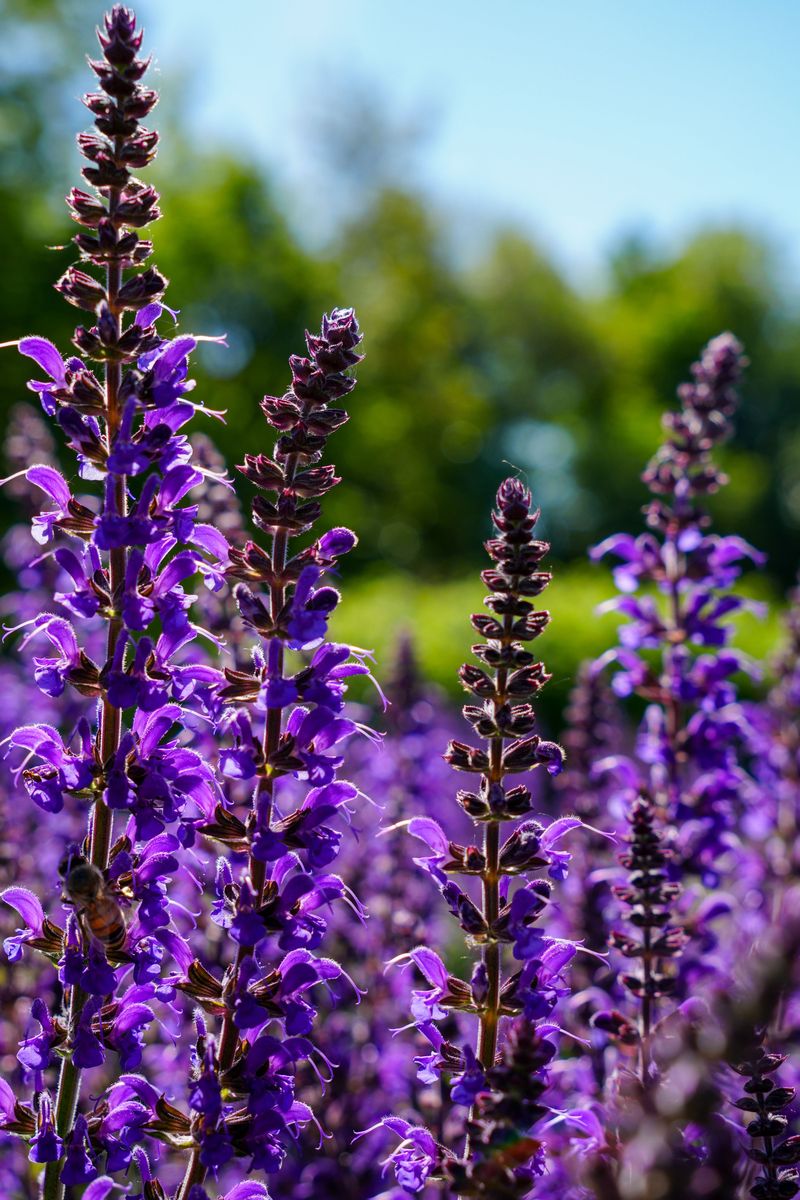
Brush your hand across a blooming Salvia on a warm morning and the fresh, herbal scent will make you smile. Perennial varieties such as May Night and East Friesland are among the most reliable choices for hot Southern summers.
Once established, they handle weeks without rain very well. Deep blue-purple flower spikes rise above silver-green foliage and bloom heavily in late spring.
If you cut them back after the first flush, they often send up a second round of blooms in late summer, though it is usually a bit lighter than the spring show.
Full sun is where Salvia is happiest. It can tolerate partial shade, but with fewer than six hours of direct light it tends to grow tall and open and bloom less freely.
Hummingbirds are delighted by Salvia spikes, so it is a lovely choice for planting near a porch or patio where you can watch them. It is also deer resistant, which is a welcome bonus in both suburban and rural areas.
In Tennessee’s warmer, more humid areas, May Night can lean over in midsummer. Planting it in lean, well-drained soil and trimming it back after the first flush keeps it upright and tidy.
Good drainage is the key to winter success, so mix grit or coarse sand into heavy clay before planting. Plant early in November so the roots have time to settle before hard freezes.
Add a thin layer of mulch and keep it a little away from the crown, since the center of the plant prefers to stay dry.
7. Catmint
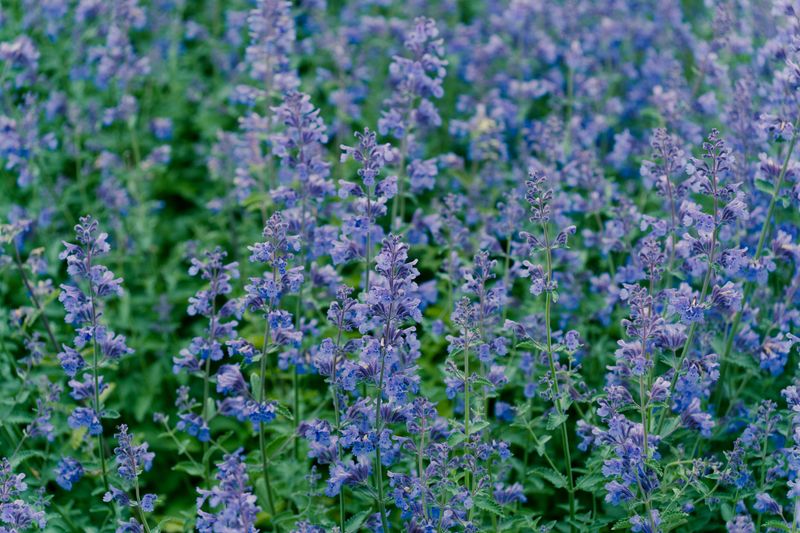
Catmint is the kind of plant that makes experienced gardeners smile and nod when someone else discovers it for the first time.
It has been quietly stealing the show in perennial gardens for decades, and it is easy to see why. Its botanical name is Nepeta, and it produces soft, billowing clouds of lavender-blue flowers that spill gracefully over the edges of garden beds.
Among drought-tolerant perennials, it is one of the softest and most romantic. The blooming season is long, beginning in late spring and continuing well into summer.
After the first big wave of flowers, shear the plant back by about one-third, and it will send out a fresh flush within a few weeks.
Catmint thrives in full sun to light shade and handles dry spells with impressive calm. Its silver-green foliage even takes on a lovely dusty glow when warm weather asks a little extra of it.
Cats are drawn to it, though not as strongly as they are to true catnip, and most garden cats simply enjoy a gentle roll in it. Bees love Catmint, and a large planting in full bloom can hum on a warm afternoon.
Pair it with roses, ornamental grasses, or lavender for a combination that looks professionally designed. Its soft blue tones blend with almost every other color.
Catmint is forgiving and settles in quickly, which makes it one of the easiest fall plantings. Water it in well and add a light layer of mulch. Leave any frost-touched foliage in place through winter and trim it back in early spring.
8. False Indigo
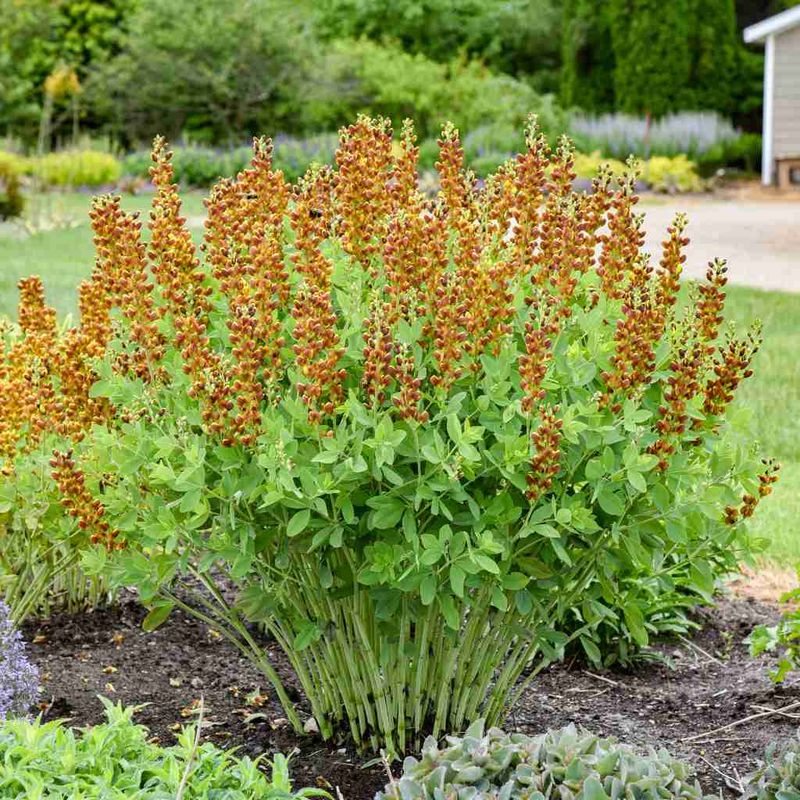
False Indigo is the slow and steady star of the perennial world. It takes a few years to reach its full glory, but once it does, it becomes one of the most magnificent plants in the entire garden.
Its botanical name is Baptisia australis, and it is a native North American perennial with deep blue-purple flower spikes that bloom in late spring.
As a long-lived, deeply rooted plant, it eventually handles dry summers with complete calm. The blue-green foliage remains attractive long after the blooms fade, serving as a handsome backdrop for summer flowers planted nearby.
Few perennials add this much structure to a garden for so many months of the year. Plant it in full sun with well-drained soil, and then enjoy the patience it teaches.
The roots grow remarkably deep over time, and that is exactly what makes the plant so drought-tolerant. Those long taproots find moisture far below the surface that shallow-rooted plants cannot reach during a dry stretch.
After flowering, inflated seed pods form and rattle softly in the breeze, which is how the plant earned the folk name rattleweed. Children find the pods fascinating, and the dried stems make lovely additions to autumn arrangements.
Because False Indigo prefers not to be moved once settled, fall planting is a thoughtful way to begin. Choose its permanent home with care, giving it plenty of room and a sunny, well-drained spot.
Over winter, the taproot begins to grow, giving it a head start on becoming drought-tolerant. The first year is mostly about roots rather than flowers, so enjoy the quiet progress.