The Biggest Mistake Arizona Gardeners Make When Choosing Potting Mix For Desert Plants
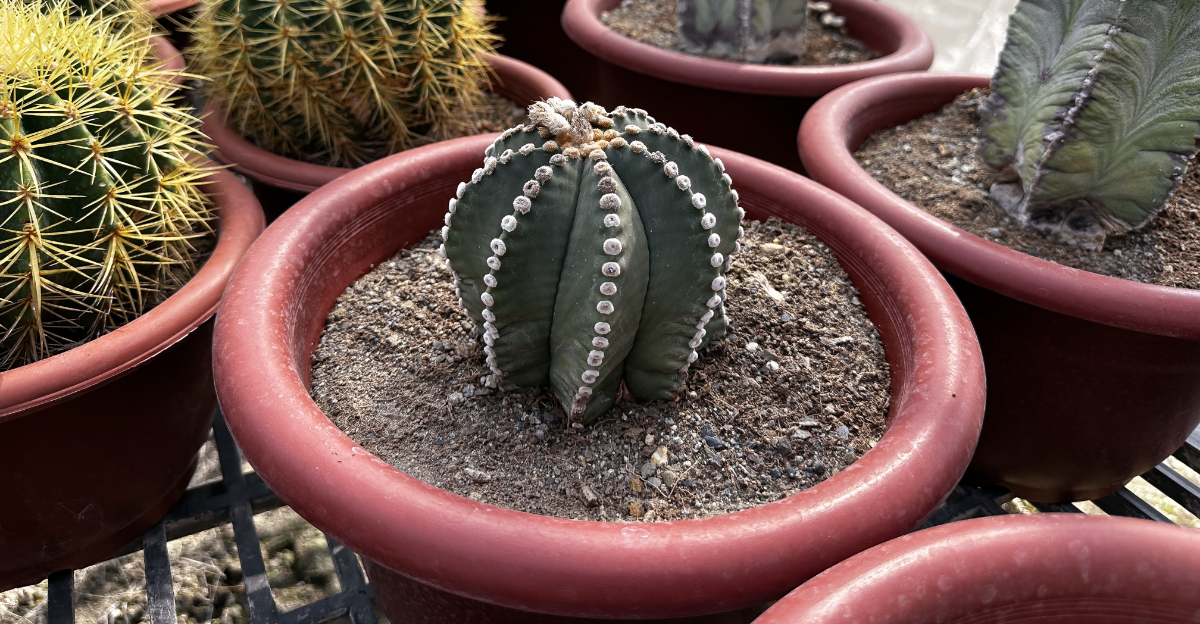
Container gardening looks simple on the surface. A plant goes into a pot, gets some sunlight, receives regular water, and seems ready to grow.
Yet desert plants do not always respond the way gardeners expect, even when they appear to be getting proper care.
When growth slows or plants start looking less healthy, watering is often the first thing that gets blamed. Sun exposure is another common suspect.
In reality, the source of the problem may have been there from the beginning. The material surrounding the roots can affect everything from moisture levels to long-term plant health.
That matters even more with desert plants. These species are adapted to intense heat and challenging conditions.
Arizona gardeners spend plenty of time thinking about irrigation and summer temperatures.
One commonly overlooked potting mix mistake can create issues that follow plants for months and make successful growth much harder than it needs to be.
1. Rich Potting Mix Causes Problems For Desert Plants
Standard potting mix is designed for vegetables and tropical houseplants, not for desert natives. It holds moisture for a long time, which sounds helpful, but that is exactly what gets desert plants into trouble.
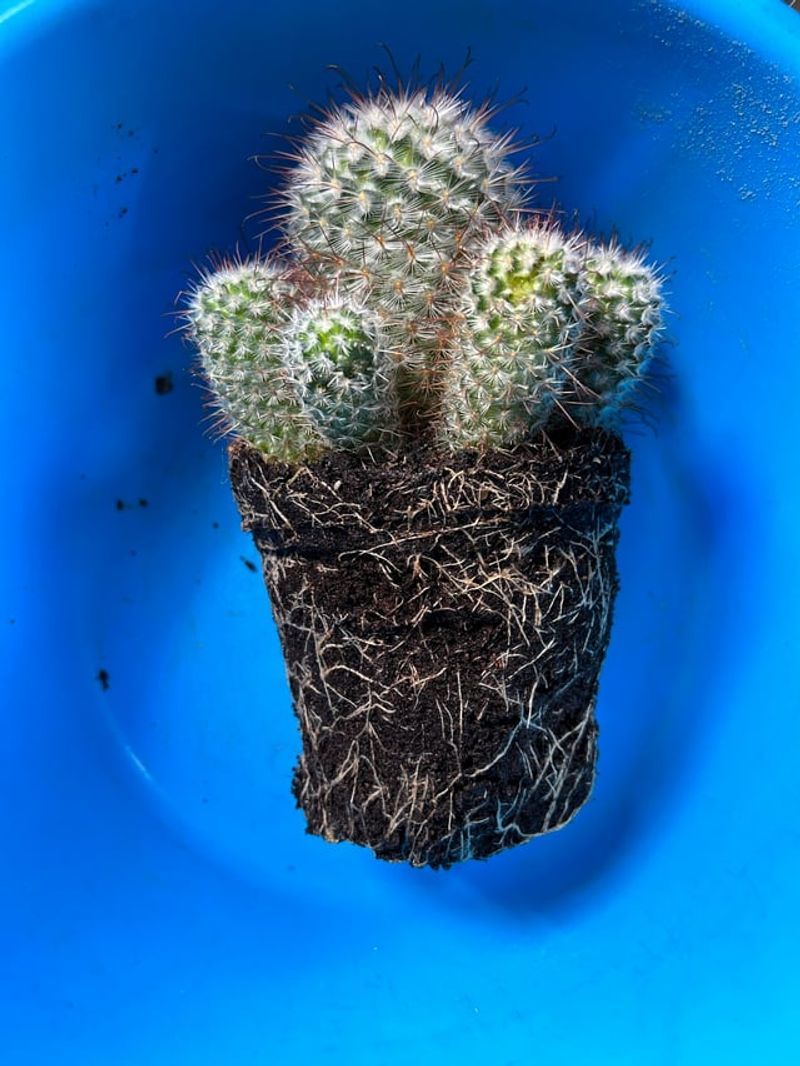
Cacti and succulents store water inside their stems and leaves. When roots sit in wet soil for days, they cannot breathe properly.
Soft, dark, or mushy roots are a clear warning sign that the mix is staying too wet.
Rich mixes are often packed with peat moss, compost, and bark. All of those ingredients break down slowly and trap water close to the roots.
For plants adapted to dry desert washes and rocky slopes, that level of moisture is simply too much.
Switching to a grittier blend makes an immediate difference. Look for mixes with coarse sand, perlite, or crushed granite already mixed in.
A good ratio for most desert plants is roughly 50 percent inorganic material to 50 percent organic material.
Gardeners in the Sonoran Desert region often notice struggling plants recover quickly after a soil switch. Roots that were sitting in soggy mix start to look white and firm again within a few weeks.
2. Fast Drainage Should Be The Top Priority
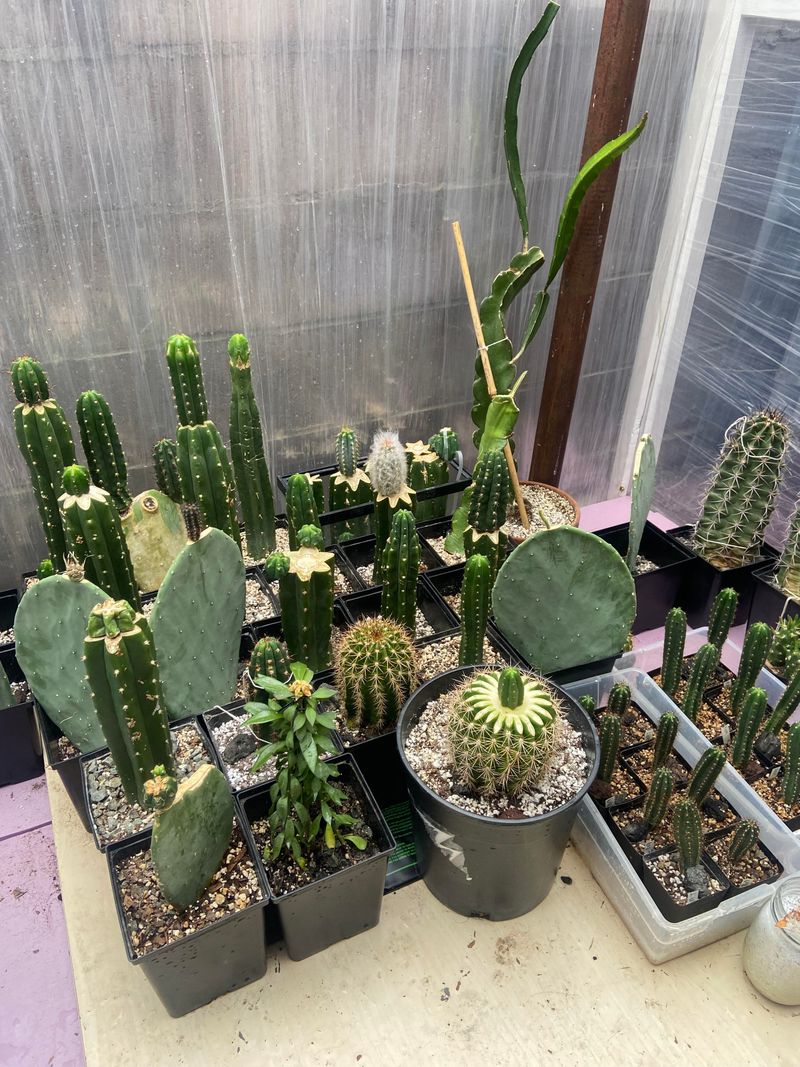
Water moving through soil fast is not a flaw, it is the entire goal when growing desert plants in containers. Slow drainage keeps roots wet far longer than they can handle.
Good drainage starts with the mix itself, not just the pot. Even with drainage holes at the bottom, a heavy soil will hold water like a sponge for days.
Roots need oxygen to stay healthy, and waterlogged soil pushes that oxygen out.
Coarse materials are what make drainage work. Perlite, coarse sand, decomposed granite, and crushed pumice all create air pockets inside the mix.
Water flows through those gaps quickly and roots get access to air almost right away after watering.
A simple test can tell you a lot about your current mix. Pack some damp soil into your fist and squeeze.
If it holds a tight clump and stays wet, it is too dense for cacti or succulents. A good desert mix should crumble apart almost immediately.
Your Arizona Garden Changes Every Week. Your Plan Should Too.
Gardening in Arizona changes quickly throughout the season. Every Friday you’ll receive a simple weekly plan showing exactly what to plant, prune, fertilize, harvest, and protect so you never miss the right timing.
Containers with multiple drainage holes at the bottom help too. Elevating pots slightly on pot feet allows water to exit freely.
3. Oversized Containers Stay Wet Longer After Watering
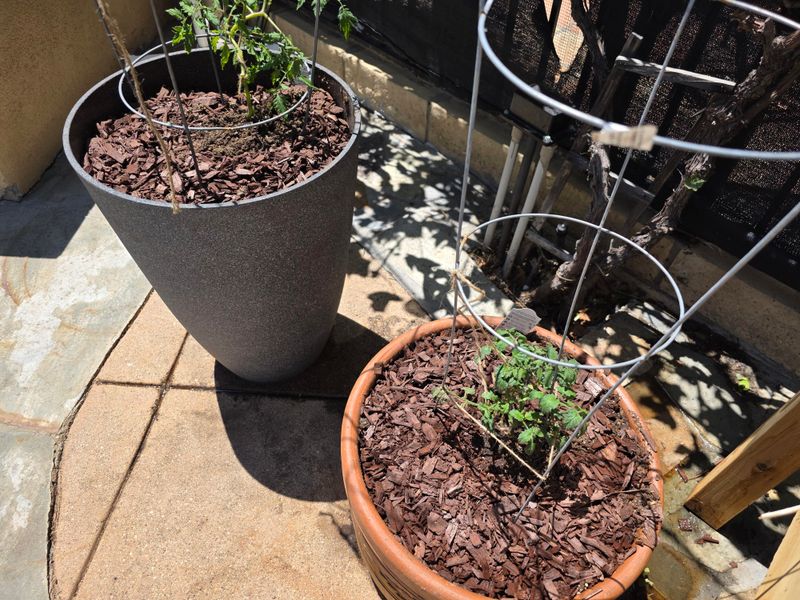
Pot size matters more than most gardeners expect. Planting a small cactus into a large container seems generous, but it creates a moisture problem that is hard to solve with watering habits alone.
Roots of desert plants grow slowly and stay compact for a long time. When a small root system sits inside a large volume of soil, the outer soil stays wet long after the roots have absorbed what they need.
That wet zone stays damp for days, especially in shaded spots or during cooler months.
Choosing a container that fits the plant is a practical rule. Leave only an inch or two of space between the root ball and the edge of the pot.
As the plant grows, move it up gradually to the next size.
Terracotta pots help with this issue because they are porous. Moisture evaporates through the walls, which speeds up drying time.
Glazed or plastic pots hold moisture much longer, so sizing becomes even more critical with those materials.
In the low desert, heat helps dry soil faster during summer, but spring and fall can be deceptively cool. A pot that seems fine in July might stay wet for five days in October.
4. Compacted Soil Limits Air Around Roots
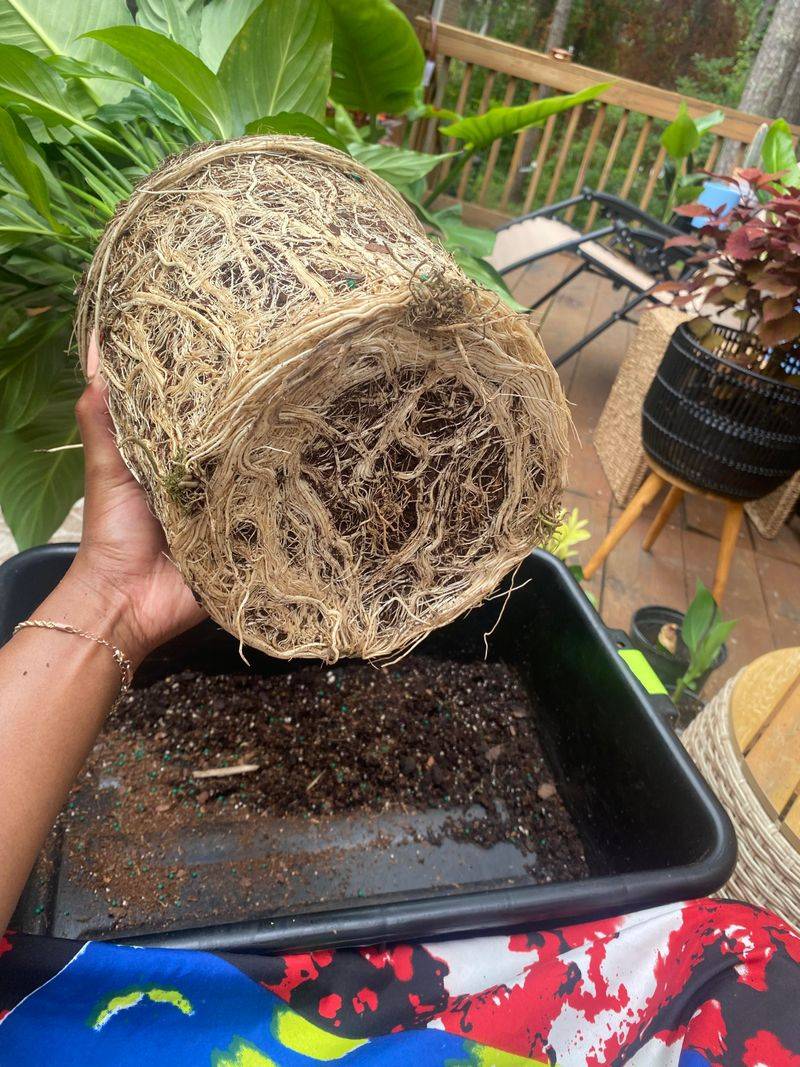
Roots need more than water and nutrients to stay strong. Air movement through the soil is just as important, and compacted mix cuts that off completely.
Over time, even a gritty mix can settle and compress. Watering pushes fine particles downward.
Organic ingredients break down and shrink. What started as a loose, airy blend slowly turns into a dense layer that roots cannot push through easily.
Desert plants already grow slowly compared to most vegetables or annuals. When roots hit compacted soil, growth slows even further.
Nutrient uptake drops. The plant may look fine on the outside for a while, but the root system underneath is struggling.
Repotting every one to two years helps prevent this. Fresh mix gives roots a clean start and restores the air pockets that compression removes.
Gently loosening the root ball during repotting also encourages roots to spread into the new soil.
Adding chunky amendments like coarse pumice or perlite slows down compaction. These materials do not break down the same way organic matter does, so they maintain structure longer.
A mix that stays open and loose after several months of watering is doing its job correctly.
Roots that have access to air circulate oxygen more efficiently.
5. Store-Bought Succulent Mixes May Still Need Extra Drainage
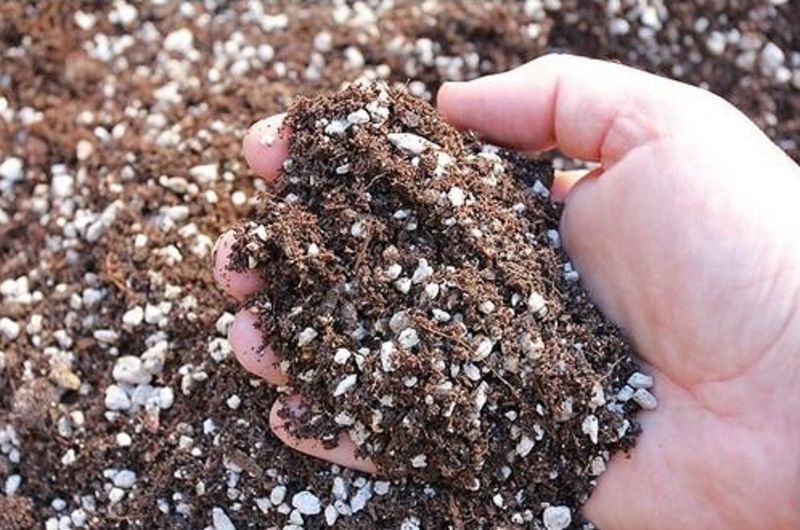
Grabbing a bag labeled cactus and succulent mix feels like the right move, but not all of those products are created equal. Some are still too moisture-retentive straight out of the bag.
Manufacturers blend these mixes for a broad market, including indoor houseplant growers in humid climates.
What works fine in a rainy Pacific Northwest apartment may be too wet for a container sitting on a sunny Phoenix patio in the middle of summer.
Reading the ingredient list on the bag tells you a lot. Mixes heavy in peat moss or coconut coir hold onto moisture for a long time.
Both are common filler ingredients that add volume without improving drainage for true desert plants.
Improving a store-bought mix is straightforward. Add one part coarse perlite or pumice for every two parts of the commercial mix.
That ratio boosts drainage noticeably without stripping out all the nutrients the mix provides.
Some gardeners in the desert Southwest go further and blend their own mix from scratch. Equal parts coarse sand, perlite, and a small amount of quality potting soil creates a reliable base for most cacti and succulents.
It takes a little more effort up front but gives you full control over texture and drainage speed.
Testing your mix by watering and timing how fast it drains is a smart habit. Water should pass through clearly within a minute or two for most desert plants.
6. Pumice Improves Drainage Without Breaking Down
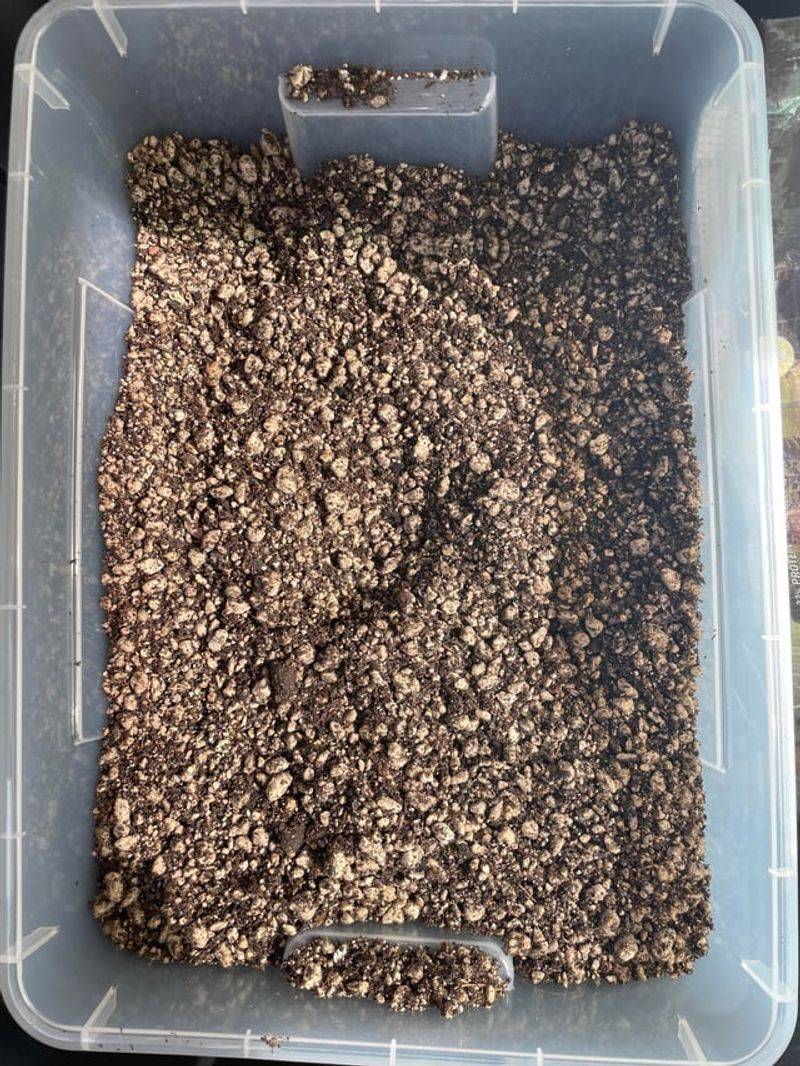
Pumice might be the most underrated ingredient in a desert plant potting mix. It is lightweight, porous, and it does not break down the way organic materials do.
Perlite is more widely available and does a similar job, but pumice has a rougher, chunkier texture that holds its shape better over time. Roots can grip it and grow around it without collapsing the structure.
That stability keeps the mix airy even after months of regular watering.
Pumice also absorbs a small amount of moisture and releases it slowly. That sounds counterproductive for desert plants, but the amount is minimal.
It provides just enough buffer without creating the prolonged wetness that causes root problems.
Finding pumice at local nurseries or garden centers is becoming easier as more gardeners ask for it by name. Online sources carry it in bulk, which brings the cost down significantly.
A 50-pound bag lasts a long time when mixed in at the right ratio.
A good starting point is mixing pumice at about 25 to 50 percent of the total soil volume. Higher percentages work well for plants that need extremely fast drainage, like lithops or other highly sensitive succulents.
Lower percentages suit more adaptable plants like aloe or agave.
7. Excess Organic Matter Slows Drying Time
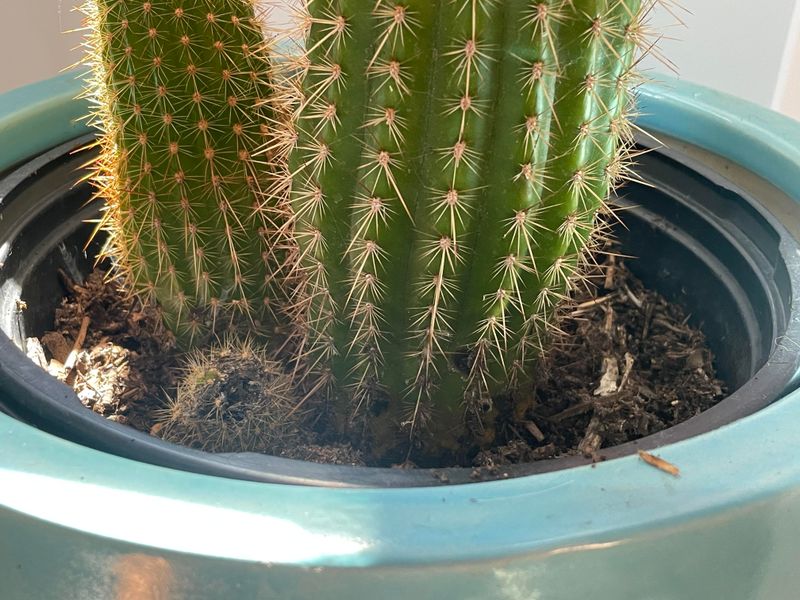
Organic matter is great for roses and tomatoes. For cacti and desert succulents, too much of it creates a slow-drying environment that works against the plant’s natural needs.
Compost, bark fines, and peat moss are all organic materials that hold water well. They are added to mixes to feed plants and improve moisture retention.
Both are useful goals for moisture-loving plants, but desert natives want the opposite.
When organic content is high, the soil stays damp for days after watering. Roots in that environment cannot dry out between cycles, and that wet period is when root problems most often develop.
Cutting back on organic content shortens the drying window significantly.
A mix with lower organic content does not mean a mix with zero nutrients. A small amount of quality compost, around 10 to 20 percent of the total blend, provides enough nutrients without creating soggy conditions.
That balance keeps plants fed without keeping roots wet.
Slow-release granular fertilizer is a better way to feed desert plants in containers. It does not change the texture of the soil and delivers nutrients over several months.
That approach keeps organic content in the mix low while still supporting healthy growth.