Cut Back These Ornamental Grasses In Arizona Before June Heat Takes Over
Some plants earn a free pass for far longer than they should. They sit quietly in the corner of the yard, ask for very little, and rarely cause problems.
Weeks go by without anyone giving them much thought. Then one day, they suddenly become impossible to ignore.
Ornamental grasses have a habit of doing exactly that.
What looked fine a month ago can start looking tired, messy, or completely out of place once the rest of the landscape begins waking up around it.
Meanwhile, attention is usually focused on flowers, shrubs, and everything else demanding a spot on the weekend to do list.
Arizona gardeners know how quickly the season can change once serious heat arrives. Some jobs become harder, less pleasant, and easier to postpone.
That is why timing often ends up being the difference between a quick cleanup and a task that keeps getting pushed further into summer.
1. Deer Grass Handles A Spring Cutback Well
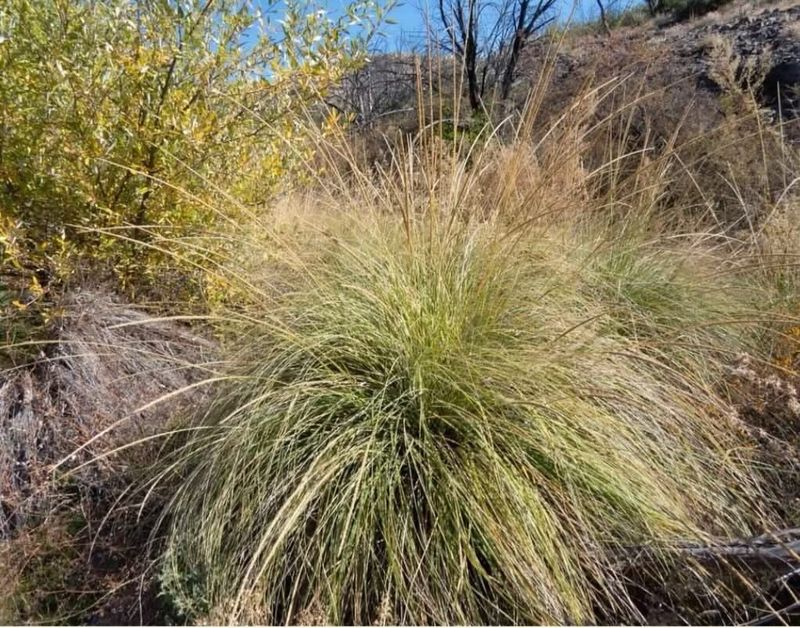
Deer grass is one of the toughest grasses you can grow in the desert Southwest. It handles cutbacks better than almost any other ornamental variety.
Trimming it before summer heat arrives, before new growth pushes up, gives the plant a clean slate heading into summer.
Cut it back to about six to eight inches from the ground. Use sharp hedge shears or loppers for a clean cut.
Dull blades tear the stems instead of cutting them, which can leave the plant looking ragged and stressed.
After trimming, deer grass wastes no time bouncing back. New green blades push up quickly once the soil starts warming.
By late spring, the clump looks full and fresh again without any special help from you.
Skip fertilizing right after the cutback. Deer grass grows in poor, dry soils naturally and does not need extra nutrients to recover.
Adding fertilizer at the wrong time can actually cause more harm than good.
One thing to watch for is crowding at the base. Older clumps tend to build up a thick mat of dried material over the years.
Pull out any packed debris by hand before the new growth fills back in. Keeping the center open helps air circulate and reduces moisture buildup that can cause rot during monsoon season.
2. Giant Sacaton Stays Tidier After Trimming
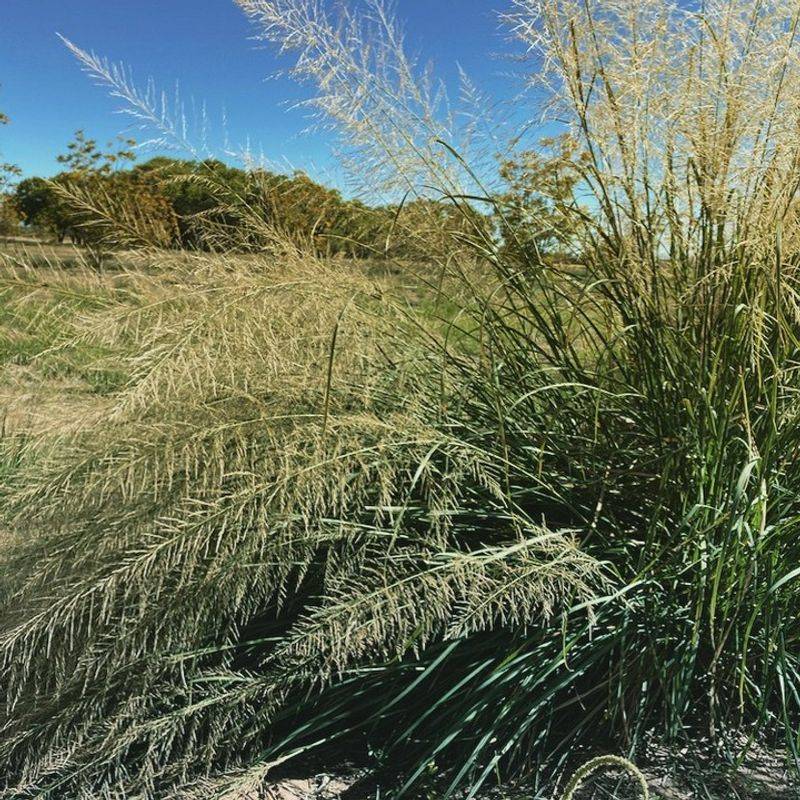
Giant sacaton earns its name. Left alone, it can reach six feet tall and spread just as wide.
Without an annual cutback, the old growth piles up and makes the whole clump look messy and overgrown.
Before summer heat arrives is the window you want. Cut it back hard, down to about eight to ten inches from the ground.
It looks severe right after trimming, but the plant recovers fast once warm weather arrives.
One thing that surprises a lot of gardeners is how heavy the old growth gets. Bring a tarp to collect the cut material.
Giant sacaton produces a serious amount of dried stems and seed heads, especially on mature clumps that have been growing for several years.
After the cleanup, check the base for any signs of division needed. Giant sacaton can get so large that the center starts to open up and look hollow.
Your Arizona Garden Changes Every Week. Your Plan Should Too.
Gardening in Arizona changes quickly throughout the season. Every Friday you’ll receive a simple weekly plan showing exactly what to plant, prune, fertilize, harvest, and protect so you never miss the right timing.
Splitting the clump every few years keeps it looking full and healthy.
Water lightly after trimming to encourage new root activity. Deep watering once a week is usually enough during spring.
Once summer monsoons arrive, you can often back off irrigation entirely since this grass is highly drought tolerant and adapted to seasonal rainfall patterns common across desert regions.
Giant sacaton is a reliable workhorse for low-water landscapes. A simple spring trim keeps it looking sharp all season long.
3. Sideoats Grama Looks Better Following Cleanup
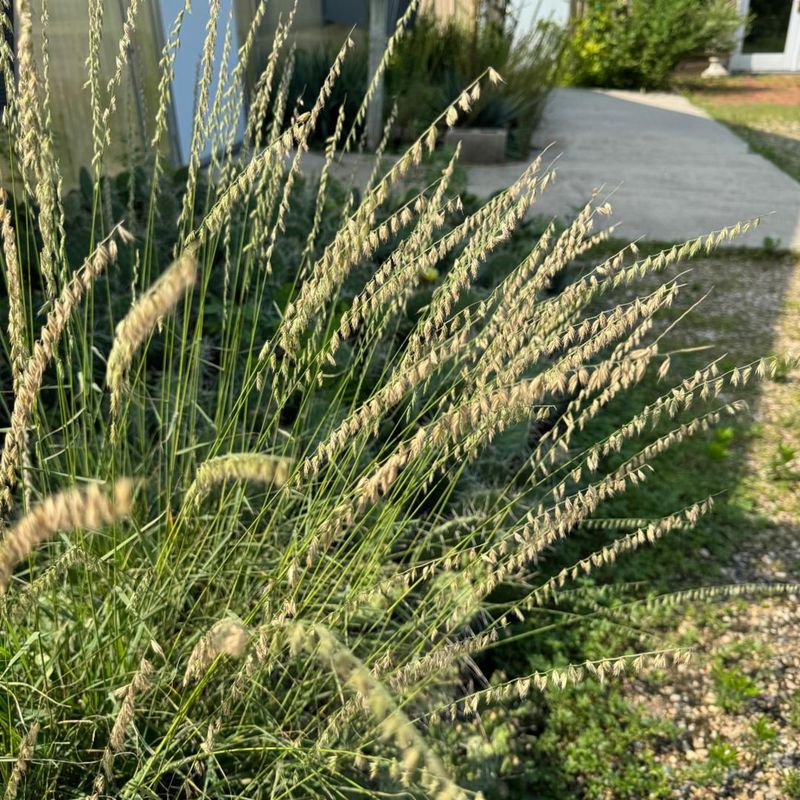
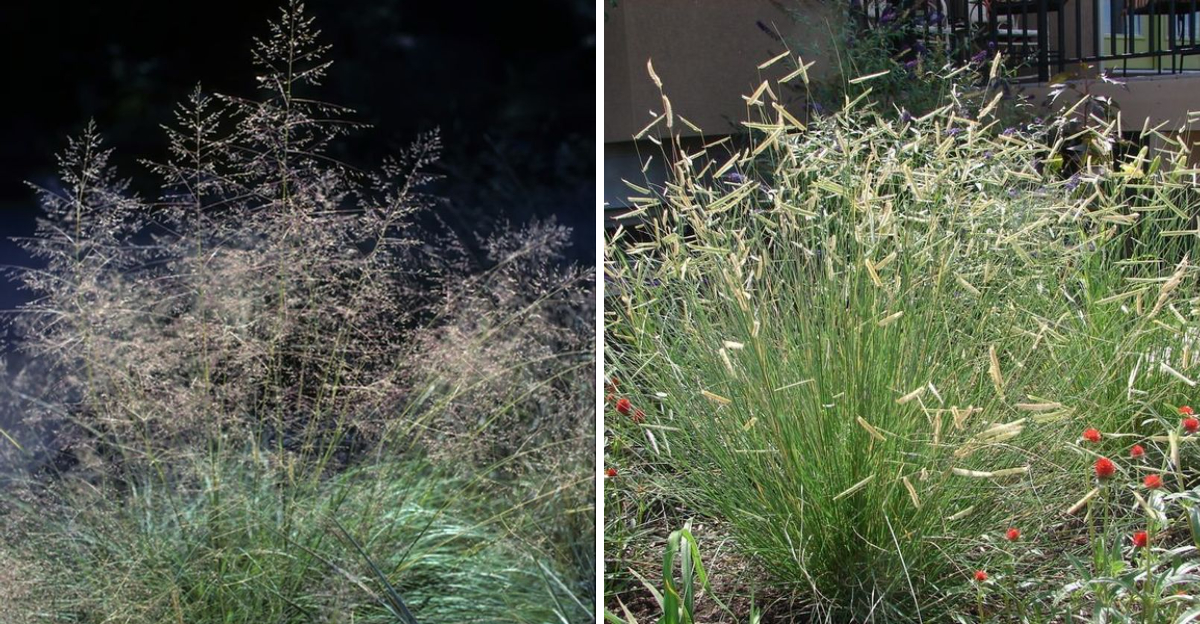
Sideoats grama is a native grass that carries a lot of character. Those distinctive oat-shaped seeds hanging along one side of each stem are part of what makes it so appealing in a landscape.
But after winter, the dried stalks and old foliage can make the plant look worn out.
A cleanup before summer heat arrives works well for this grass. Cut it back to around four to six inches.
You do not need to go as short as you would with larger grasses. Sideoats grama is a smaller, finer-textured plant that responds well to moderate trimming.
After cleanup, fresh green growth appears quickly. Warm temperatures accelerate the process, and by mid-spring the plant looks vibrant and full.
The new seed stalks that develop by late spring and early summer are some of the most attractive of any native grass.
Avoid overwatering after trimming. Sideoats grama is built for dry conditions and does not appreciate soggy soil.
Let it dry out between waterings and it will reward you with strong, upright growth.
Wildlife gardeners especially appreciate this grass. Birds are drawn to the seed heads later in the season, making it both a visual and ecological asset.
Cleaning it up in spring sets the stage for that payoff. A tidy base also makes it easier to spot any pest activity early in the growing season before it becomes a bigger issue.
4. Bamboo Muhly Can Become Overcrowded Without Thinning
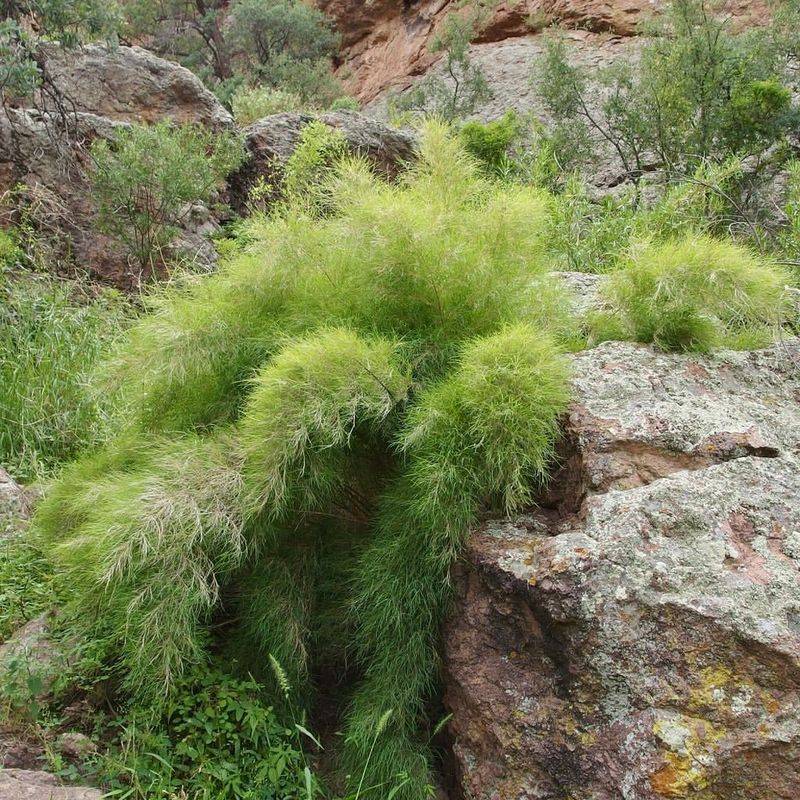
Bamboo muhly grows fast and looks lush, which is part of its appeal. But that same vigor means it can get overcrowded in just a few seasons.
When the center of the clump gets too dense, airflow drops and moisture gets trapped, creating conditions that are far from ideal.
Thinning it out in early spring makes a big difference. Rather than just cutting the whole clump down, pull out sections from the center and remove any brown or dried stems individually.
This opens up the base and lets new growth develop more evenly.
Sharp bypass pruners work best for this job. Hedge shears can work on the outer edges, but getting into the center of a dense clump requires something more precise.
Take your time and work from the outside in to avoid accidentally pulling out healthy new growth.
After thinning, bamboo muhly bounces back with noticeably improved structure. The stems stand more upright and the overall shape tightens up.
By summer, the plant looks intentional rather than out of control.
Keep an eye on how quickly it fills back in. In warm desert climates, bamboo muhly can regrow aggressively between spring and fall.
A second light thinning in early fall may be needed on particularly vigorous clumps. Staying ahead of the growth cycle keeps the plant manageable and prevents the overcrowding problem from repeating itself each season.
5. Pink Muhly Produces Fresh Growth After Trimming
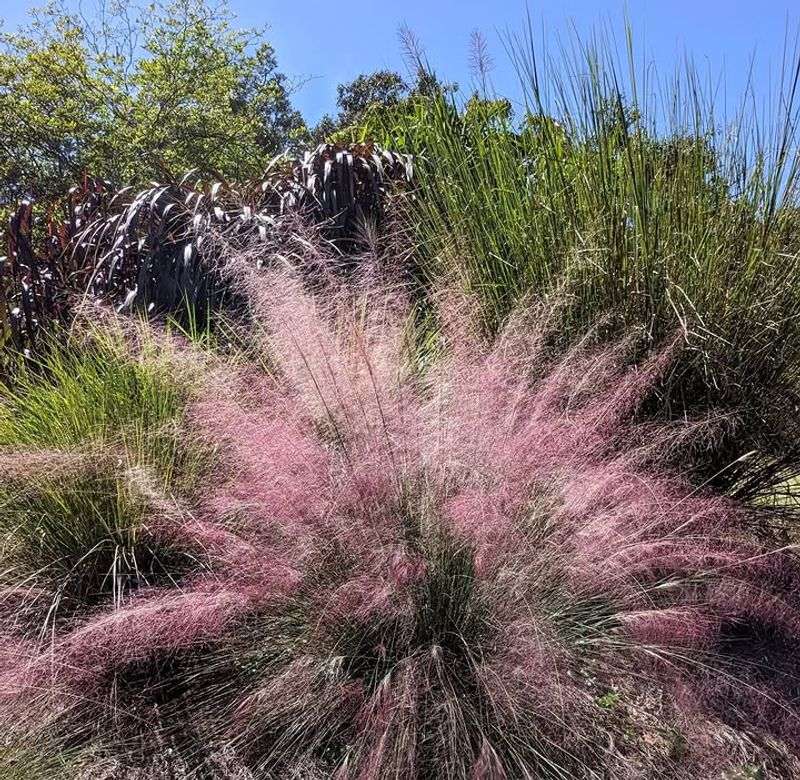
Pink muhly is a showstopper in fall when those feathery pink plumes fill out. But by late winter, the old plumes have faded to a dull tan and the whole plant looks tired.
Trimming it back before spring growth starts is the move that keeps it looking great year after year.
Cut it back to about six inches from the ground. The timing matters here.
Complete the cutback before extreme summer heat arrives when the worst cold is behind you but before new shoots push up from the base. Cutting too early can expose tender new growth to a late frost.
After trimming, pink muhly wakes up fast. Fresh green blades emerge from the base within a few weeks.
By summer, the clump looks full and healthy, ready to put on its fall show again.
Avoid heavy fertilizing after the cutback. Pink muhly naturally grows in lean soils and does not need much help.
Too much nitrogen pushes excessive leafy growth at the expense of those signature plumes later in the season.
Dividing older clumps every three to four years also helps maintain vigor. Over time, the center of a pink muhly clump can thin out and weaken.
Splitting it and replanting the outer sections gives you multiple healthy plants and keeps the display looking full. Spring is the right time to divide, right after the cutback, before summer heat arrives in full force.
6. Blue Grama Retains A Cleaner Appearance With Annual Cleanup
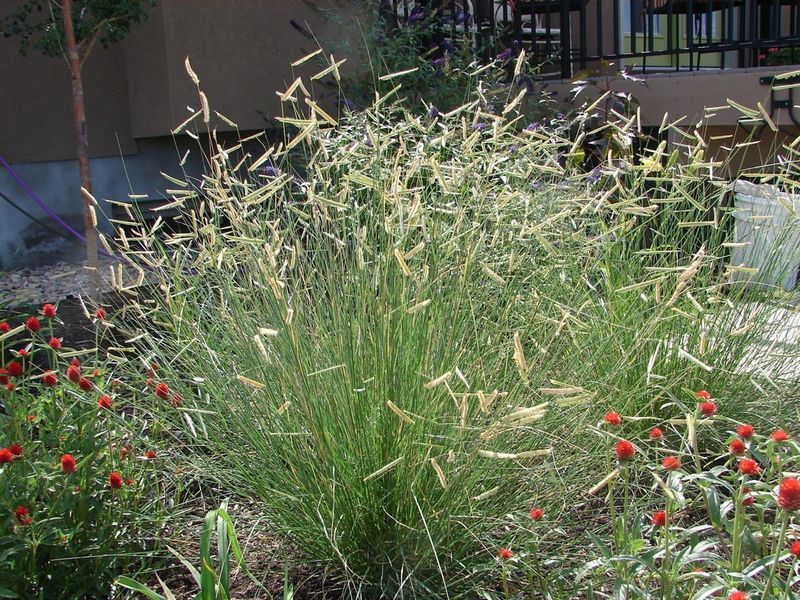
Blue grama is one of those grasses that flies under the radar, but it earns serious respect from experienced desert gardeners. Those distinctive eyelash-shaped seed heads are unlike anything else in the landscape.
By spring though, the old seed stalks look scraggly and the overall plant needs a reset.
A light annual cleanup before summer heat arrives works well. Cut it back to about three to four inches.
Blue grama is a shorter grass by nature, so you do not need to go as low as you would with taller species. A gentle trim removes the old growth without stressing the plant.
New blades emerge quickly after the cleanup. Blue grama is a warm-season grass, so it really gets moving once soil temperatures rise.
By late spring, it looks clean, compact, and ready for the growing season ahead.
Water sparingly after trimming. Blue grama evolved in dry grasslands and handles drought conditions well.
Overwatering after a cutback can actually slow recovery rather than speed it up. Let the soil dry between waterings and trust the plant to do its thing.
One underrated benefit of annual cleanup is pest prevention. Removing the old dried material eliminates hiding spots for insects that can take hold over winter.
Starting the season with a clean base means you are dealing with fewer problems as temperatures climb. Blue grama rewards low-maintenance gardeners who simply stay consistent with basic seasonal care.
7. Alkali Sacaton Maintains A Neater Form With Light Trimming
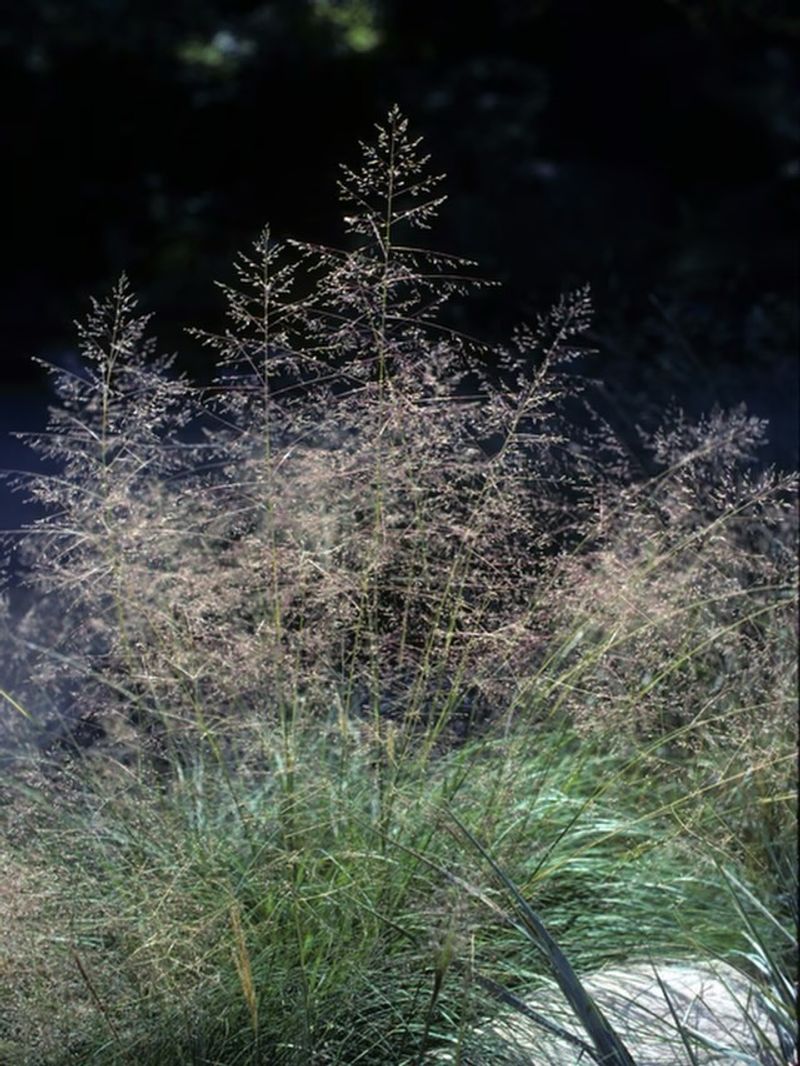
Alkali sacaton is built for tough spots. It thrives in compacted soils, alkaline conditions, and areas where other grasses struggle.
But even the toughest plants benefit from a little seasonal attention, and this one is no exception.
Light trimming before summer heat arrives keeps alkali sacaton looking tidy without stressing the plant. Cut it back to about eight inches from the ground.
Going shorter than that is usually unnecessary and can slow the recovery process on older, established clumps.
What makes this grass interesting is its adaptability. It handles both dry spells and occasional flooding, which is why it naturally grows along desert washes and drainage areas.
After trimming, it recovers reliably regardless of what the season throws at it.
Pull out any dried material from the center of the clump before new growth fills back in. Alkali sacaton can accumulate a surprising amount of debris at the base over a few seasons.
Clearing that out improves airflow and gives new shoots room to develop without competition from older stems.
Fertilizer is rarely needed for this grass. It is adapted to nutrient-poor soils and grows steadily without amendments.
Focusing on the physical cleanup rather than chemical inputs is the right approach here.
Gardeners who grow alkali sacaton in problem areas like caliche-heavy or salt-affected soils will find that consistent light trimming keeps the plant vigorous and visually appealing through the full growing season without much extra effort.
8. Indian Ricegrass Responds Well To Seasonal Cleanup
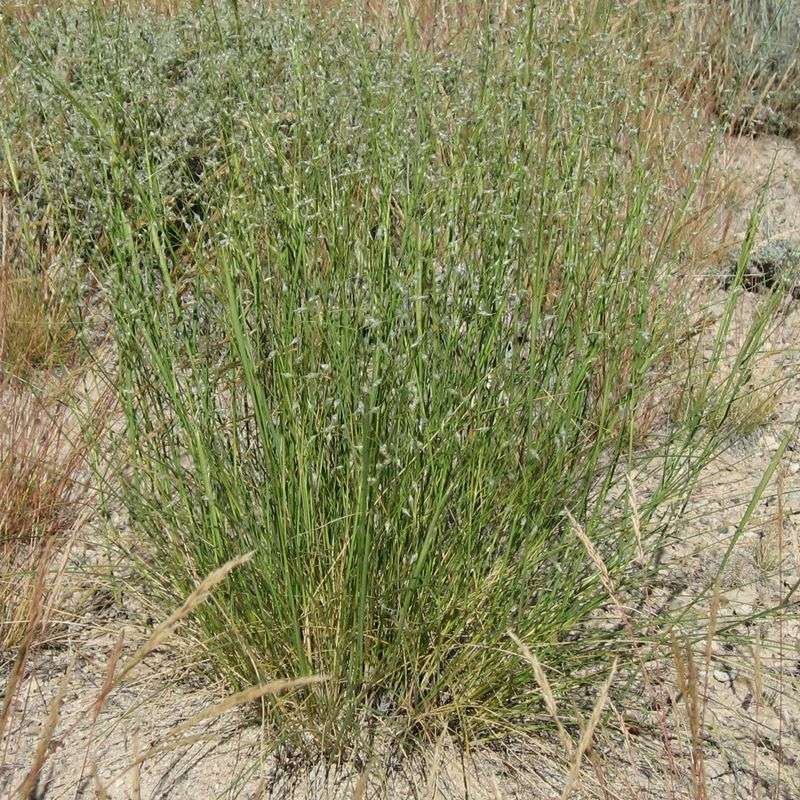
Indian ricegrass has a delicate, airy look that sets it apart from bulkier ornamental grasses. Those fine, wispy stems move beautifully in the wind.
After winter though, the dried stems flatten and the plant loses that graceful texture it is known for.
Seasonal cleanup before summer heat arrives restores that light, open structure. Cut it back to about four to five inches.
Indian ricegrass does not need a severe cutback since it is a naturally smaller, finer grass. A moderate trim is all it takes to encourage fresh growth.
Recovery happens steadily once warm weather arrives. New stems emerge from the base and fill out the clump with that characteristic fine texture.
By early summer, the plant looks refreshed and ready to carry its signature airy appearance through the hot months ahead.
Indian ricegrass historically served as a food source for Indigenous communities across the Southwest. The seeds are nutritious and were harvested for centuries before European settlement.
Growing it in a landscape connects you to a deep regional history that most ornamental grasses simply cannot offer.
Water needs are minimal after trimming. Indian ricegrass is highly drought adapted and grows naturally in sandy, well-drained soils.
Avoid planting it in low spots where water collects after monsoon rains. Good drainage is the single most important factor for keeping this grass healthy and performing well over the long term in desert garden settings.