California Gardeners Are Replacing Agapanthus With These Drought-Smart Natives
Agapanthus can look clean and colorful, but it is not always the smartest choice for a dry California yard.
Many gardeners want the same bold border effect with plants that feel more at home in local conditions.
Drought-smart natives can bring that fresh look without leaning so hard on summer watering. They can also add a softer, more natural feel to walkways, slopes, and front beds.
The best swaps still need good placement and care while they settle in. After that, they can become much easier to live with than thirsty ornamentals.
Some bring bright flowers. Others offer graceful foliage that looks good even between bloom times.
For California gardeners ready to move beyond agapanthus, native plants can make a yard feel beautiful, practical, and better matched to the climate.
1. Desert Marigold Handles Hot Beds Better Than Agapanthus
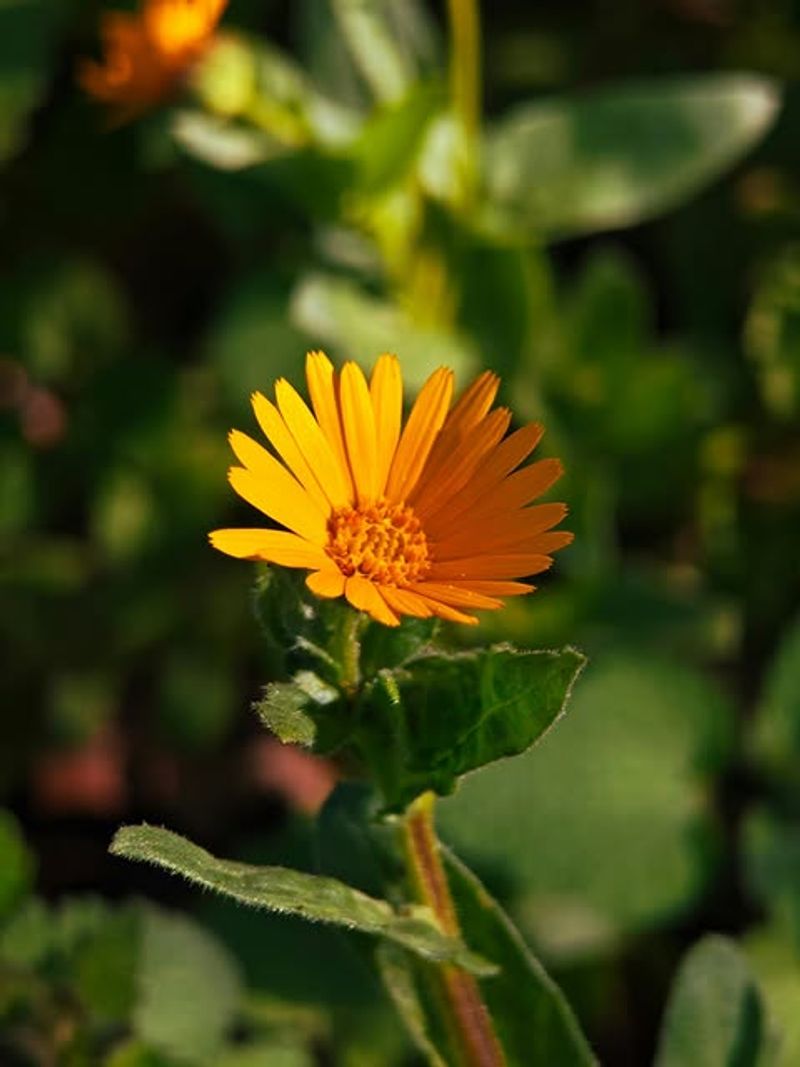
Hot, dry garden beds can be tough to fill with plants that actually look good all season. Desert marigold steps up where agapanthus struggles.
This cheerful, yellow-blooming perennial thrives in full sun and sandy or rocky soil. It asks for very little water once it gets settled in.
What makes this plant stand out is its long bloom season. It can flower from spring all the way into fall, which gives your garden months of bright color.
The silvery-green leaves reflect heat and help the plant survive even the hottest summer days. Bees and butterflies absolutely love the blooms.
Gardeners in drier inland areas will appreciate how tough this plant really is. It does not need rich soil or regular feeding.
In fact, too much water or fertilizer can actually hurt it. Plant it in a spot with great drainage and full sun, and it will reward you season after season.
Desert marigold also reseeds itself naturally, so you may find new plants popping up nearby each year. That means more color without spending more money.
It grows about one to two feet tall and wide, making it a great filler for hot, sunny borders. If agapanthus has been struggling in your warmest beds, this golden native is a worthy, water-wise replacement that never disappoints.
2. California Brittlebush Brightens Dry Front-Yard Borders
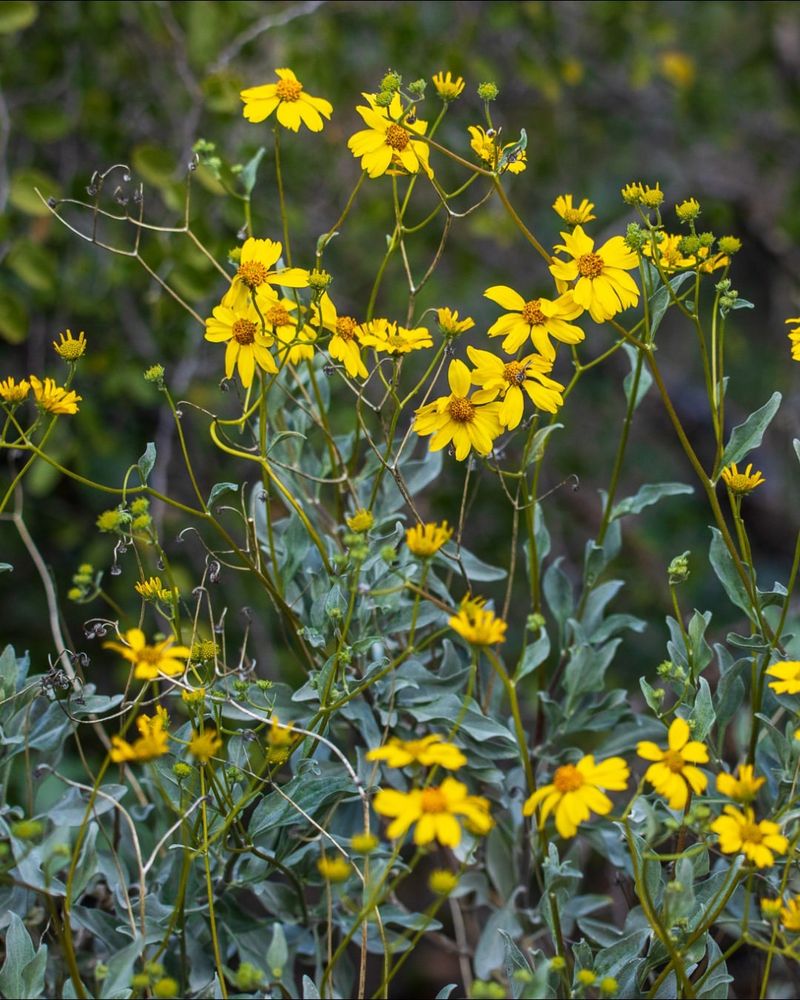
Few native plants put on a show quite like brittlebush does in early spring. Bright yellow flowers shoot up on tall stems above a mound of soft, silvery leaves.
It looks almost too good to be a drought-tolerant plant, but that is exactly what it is.
Brittlebush is a natural fit for front-yard borders where water is limited. It grows into a rounded shrub about two to four feet tall and wide.
The silvery foliage looks great even when the plant is not in bloom, giving your border texture and color year-round. It handles reflected heat from driveways and sidewalks without complaint.
This plant was used by indigenous communities for medicine and incense long before it became a garden favorite. That deep history makes it feel even more meaningful to grow.
It connects your yard to the land’s story in a way that agapanthus simply cannot. Plant it in well-drained soil and give it full sun. Once established, it needs very little water.
Your California Garden Changes Every Week. Your Plan Should Too.
Gardening in California changes quickly throughout the season. Every Friday you’ll receive a simple weekly plan showing exactly what to plant, prune, fertilize, harvest, and protect so you never miss the right timing.
In fact, summer drought actually encourages it to go dormant and then come back strong in fall. You can cut it back after blooming to keep it tidy.
Pair it with other low-water natives for a border that looks intentional and beautiful without demanding much from you or your water bill.
3. Showy Milkweed Adds Height And Pollinator Value
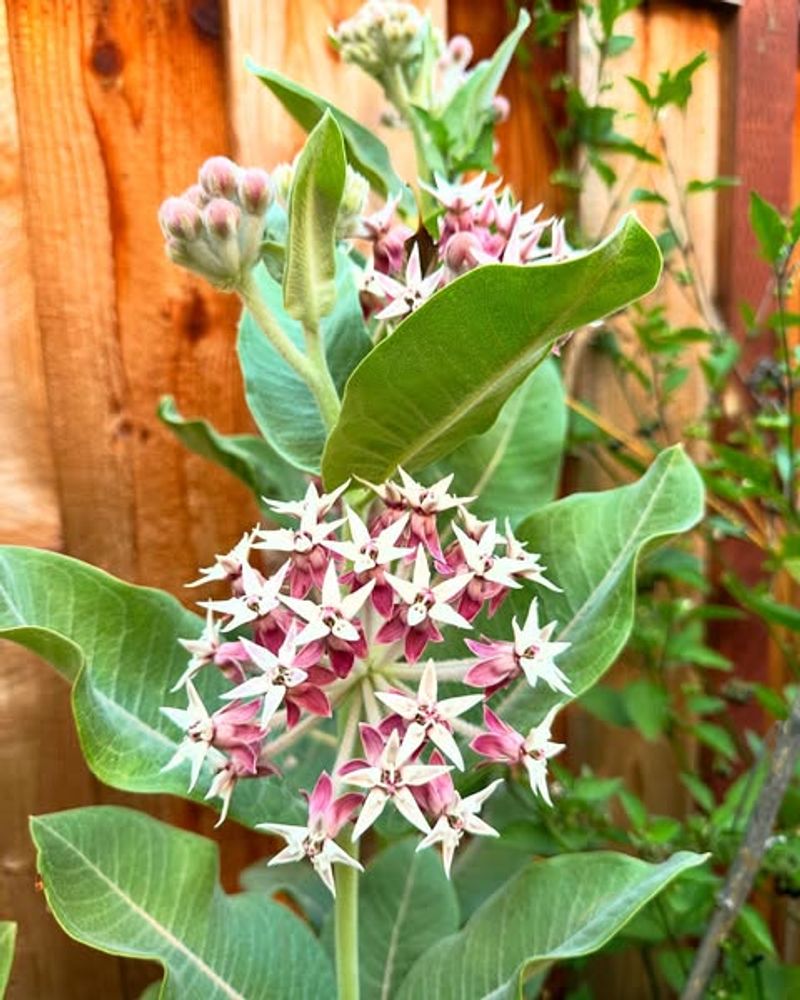
Monarch butterflies need milkweed to survive, and showy milkweed is one of the best native options for gardeners in our state.
This tall, upright perennial grows three to five feet high, giving your garden some real vertical presence. The pink and orange flower clusters are eye-catching and fragrant.
Replacing agapanthus with showy milkweed means you are doing more than just saving water. You are actively helping one of the most beloved insects in North America.
Monarchs lay their eggs on milkweed leaves, and the caterpillars feed on the plant as they grow. Without milkweed, monarchs cannot complete their life cycle.
Beyond monarchs, showy milkweed attracts bees, hummingbirds, and many other beneficial insects. It blooms in late spring through summer, right when pollinators need food most.
The seed pods that form after blooming are also interesting to look at and fun for kids to explore.
This plant does best in full sun with moderate water. It goes dormant in winter, so do not worry when it disappears from the ground.
It will come back reliably each spring. Give it some room because it spreads through underground roots over time.
Plant it near the back of a border where its height can shine. It is a bold, purposeful plant that earns its spot in any native garden with beauty and ecological impact.
4. California Phacelia Brings Soft Purple Flowers To Native Beds
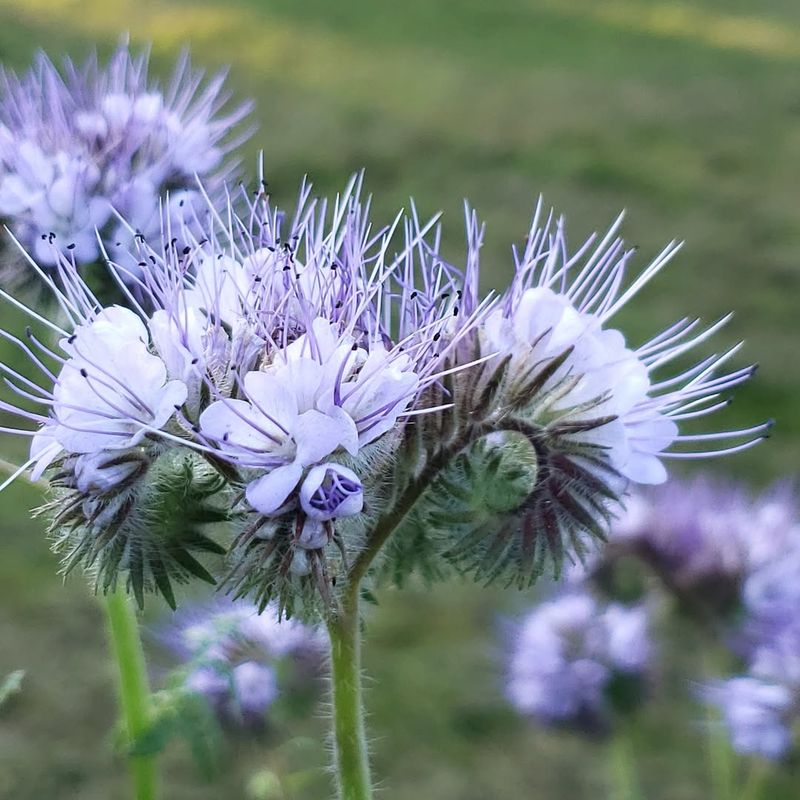
There is something almost magical about the way phacelia blooms. The flowers curl into little spirals before opening into soft purple or lavender blossoms.
The whole plant has a wild, meadow-like look that feels refreshing in a garden full of neatly trimmed shrubs.
Phacelia is one of the best native annuals or short-lived perennials for adding quick color to a new native bed. It germinates easily from seed and blooms within weeks.
Scatter seeds in fall and expect flowers by late winter or early spring. It fills gaps between other plants beautifully.
Native bees go absolutely wild for phacelia flowers. Research has shown it to be one of the top nectar-producing plants in our state’s native flora.
If you want to support native pollinators, this plant is one of the easiest and most effective ways to do it.
Phacelia grows best in full sun to light shade and tolerates poor, dry soil very well. It does not need much water after it gets going.
Some people find the tiny hairs on the leaves irritate their skin, so wear gloves when handling it. After it finishes blooming, let the seeds drop naturally and you will likely get a new crop of plants the following year.
It is a low-effort plant with a high reward, and it looks stunning next to bolder natives in a mixed border.
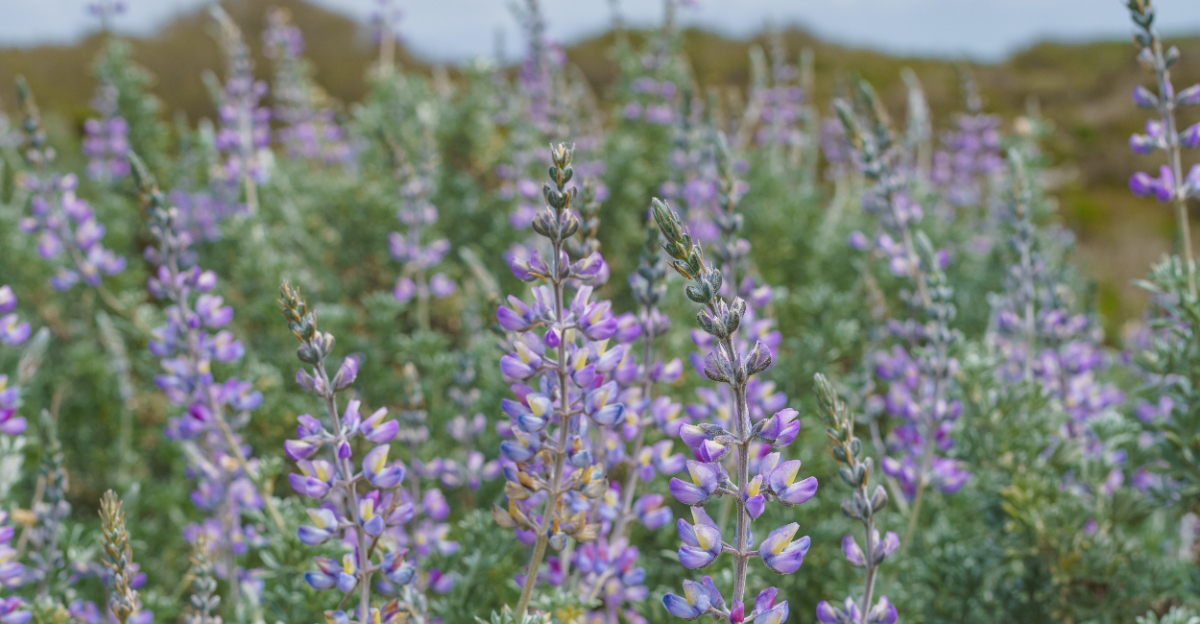
5. Silver Lupine Adds Structure And Spring Color
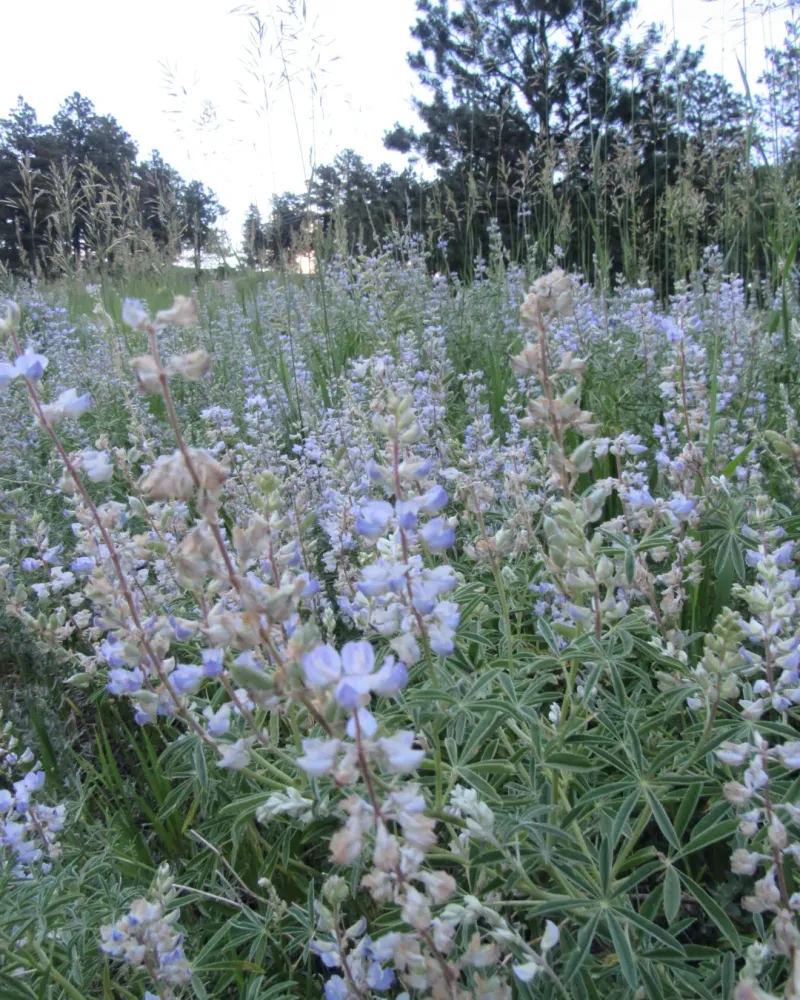
Bold spikes of blue-purple flowers rising above silvery leaves make silver lupine one of the most visually striking natives you can plant.
It has a strong, architectural presence that agapanthus simply cannot match in dry conditions. This is a plant that makes people stop and stare.
Silver lupine is a shrubby perennial that grows three to five feet tall. It blooms in spring, putting on a spectacular show that lasts several weeks.
The silvery foliage looks great before and after the blooms appear, so the plant earns its space in the garden year-round. It also fixes nitrogen in the soil, which helps neighboring plants grow better.
This plant is native to coastal and foothill areas of our state, so it is perfectly adapted to dry summers and wet winters. It needs excellent drainage and does not like sitting in soggy soil.
Plant it on slopes or raised beds where water moves away quickly. Once established, it is very drought tolerant.
One thing to keep in mind is that lupine seeds are toxic if eaten, so be cautious if you have small children or pets around. Otherwise, this is a fairly easy plant to grow.
Prune it lightly after blooming to keep it tidy. Pair it with California poppies or phacelia for a spring display that looks like a wildflower painting come to life in your own backyard.
6. Seaside Woolly Sunflower Adds Golden Color To Dry Borders
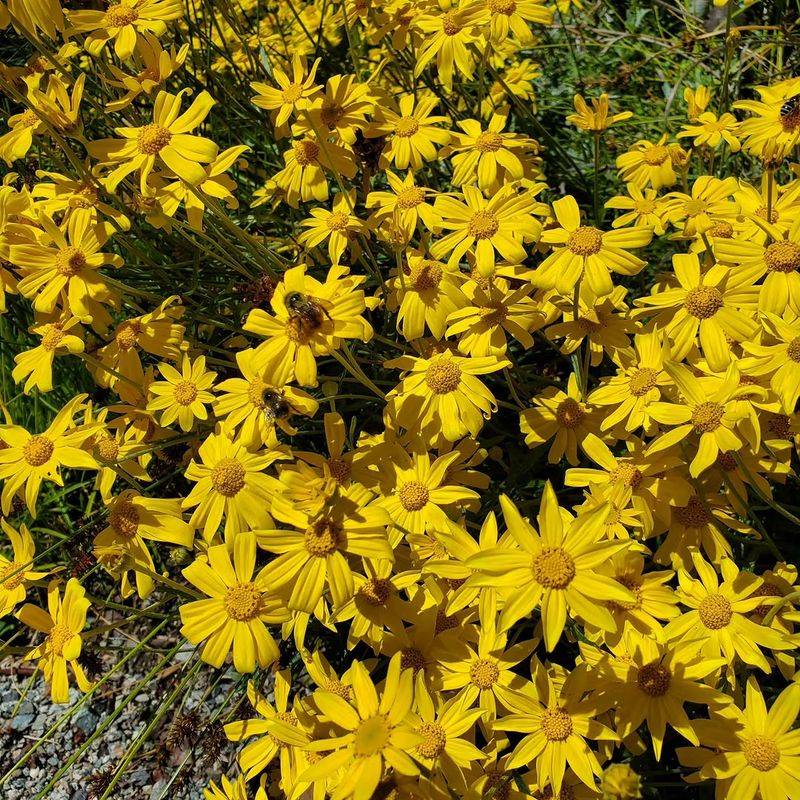
Not every garden is far from the coast, and for those in coastal or foggy areas, seaside woolly sunflower is a native gem worth knowing.
This compact, mounding plant produces cheerful yellow flowers that look like tiny sunflowers. It blooms heavily in spring and often continues into summer.
The woolly, gray-green foliage is one of its most appealing features. It has a soft, fuzzy texture that looks beautiful against dark mulch or stone.
Even without flowers, the plant adds interesting color and texture to a dry border. It grows about one to two feet tall and spreads a bit wider over time.
Seaside woolly sunflower handles coastal conditions like salt air, wind, and fog with ease. But it also performs well in inland gardens as long as it gets full sun and good drainage.
It is remarkably adaptable, which makes it a great choice for gardeners in many different parts of our state.
Once established, it needs almost no supplemental water during summer. That is a big win in a region where water conservation matters more every year.
Trim it back after the main bloom flush to encourage fresh growth and more flowers. It is a friendly, low-maintenance plant that fills borders with golden warmth without asking for much in return.
If you have been relying on agapanthus for border color, this little sunflower is a natural and beautiful replacement.
7. California Four O’Clock Brings Easy Color To Hot Garden Edges
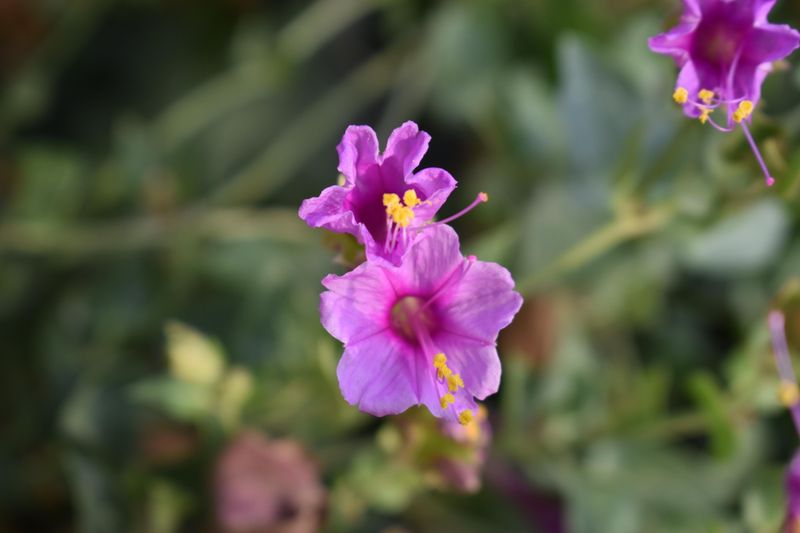
Hot garden edges along driveways, south-facing fences, or sun-baked slopes can be hard to plant. California four o’clock seems almost custom-made for those tough spots.
Its bright magenta or pink flowers open in the afternoon and into the evening, giving your garden a splash of vivid color right when you are most likely to be outside enjoying it.
This plant grows in a sprawling, relaxed way that softens hard edges beautifully. It can spread three to five feet wide, which makes it great for filling large, dry areas without much effort.
The tubular flowers attract hummingbirds and sphinx moths, so evenings in the garden get a little extra magic.
Four o’clock is a perennial that grows from a large, tuberous root. That root stores water and nutrients, which is exactly why the plant handles drought so well.
Even in very dry conditions, it keeps pushing out new flowers throughout the warm season.
Plant it in full sun and well-drained soil. It does not need much fertilizer or fussing.
In cooler or higher-elevation areas, it may go dormant in winter, but the root survives and sends up new growth in spring.
It is a tough, colorful, and underused native that deserves more attention from gardeners looking to replace thirsty plants.
Give it a hot edge and it will absolutely thrive, blooming reliably with very little help from you.
8. Chaparral Mallow Gives Agapanthus Beds A Softer Native Bloom
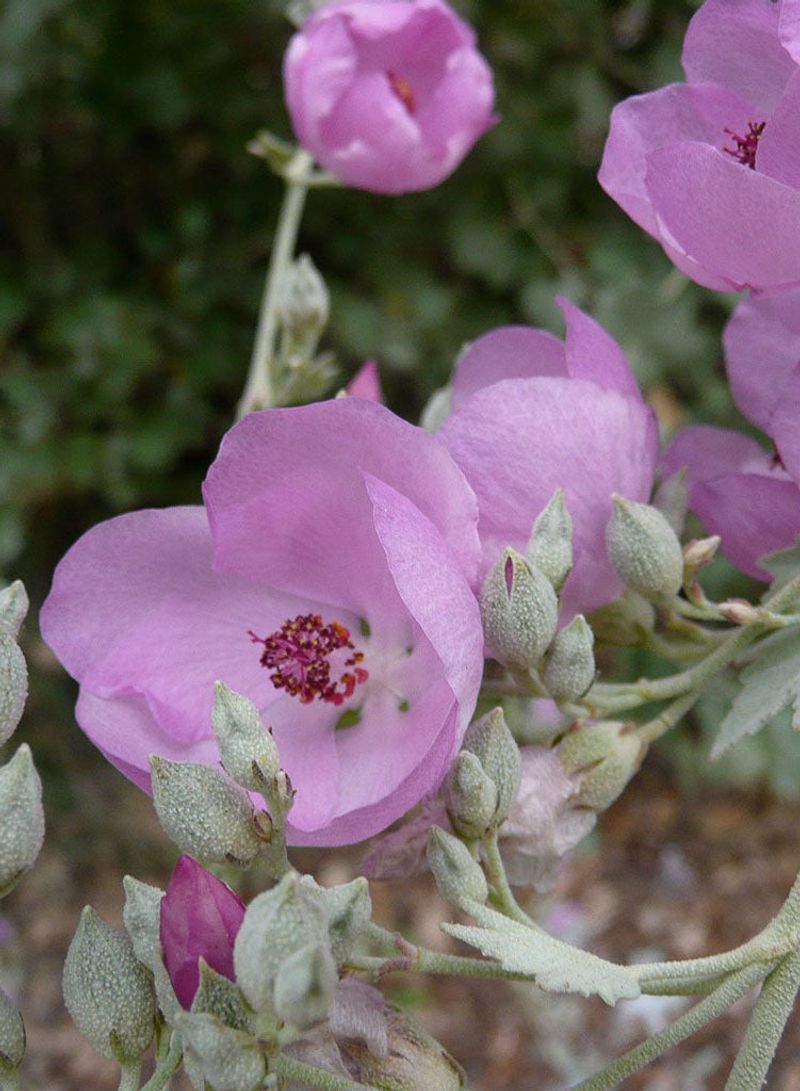
Soft, cup-shaped flowers in shades of pink and lavender make chaparral mallow one of the most charming native shrubs you can plant.
It has a relaxed, cottage-garden feel that blends naturally into beds where agapanthus once grew. The transition looks seamless and intentional.
Chaparral mallow, also known as Malacothamnus, is native to dry slopes and chaparral habitats across our state.
It grows into a loose, airy shrub that can reach four to eight feet tall depending on the species and growing conditions.
The soft gray-green leaves have a velvety texture that adds to its appeal even when the plant is not in bloom.
Blooms appear in late spring through summer, right when many other plants are struggling with heat. The flowers are smaller than agapanthus blooms but appear in generous clusters that cover the plant.
Bees are frequent visitors, and the plant supports several native bee species that depend on mallow family plants.
Plant chaparral mallow in full sun with excellent drainage. It is very drought tolerant once established and actually prefers dry summer conditions.
Avoid overwatering because it can lead to root problems. Prune it back hard in late fall to keep it from getting too woody.
It bounces back quickly and blooms even better the following year. For gardeners ready to make the switch from agapanthus, this soft-blooming native shrub offers beauty, wildlife value, and real staying power.