The One Thing North Carolina Blueberry Bushes Need After Harvest To Avoid Spotted Wing Drosophila Next Year
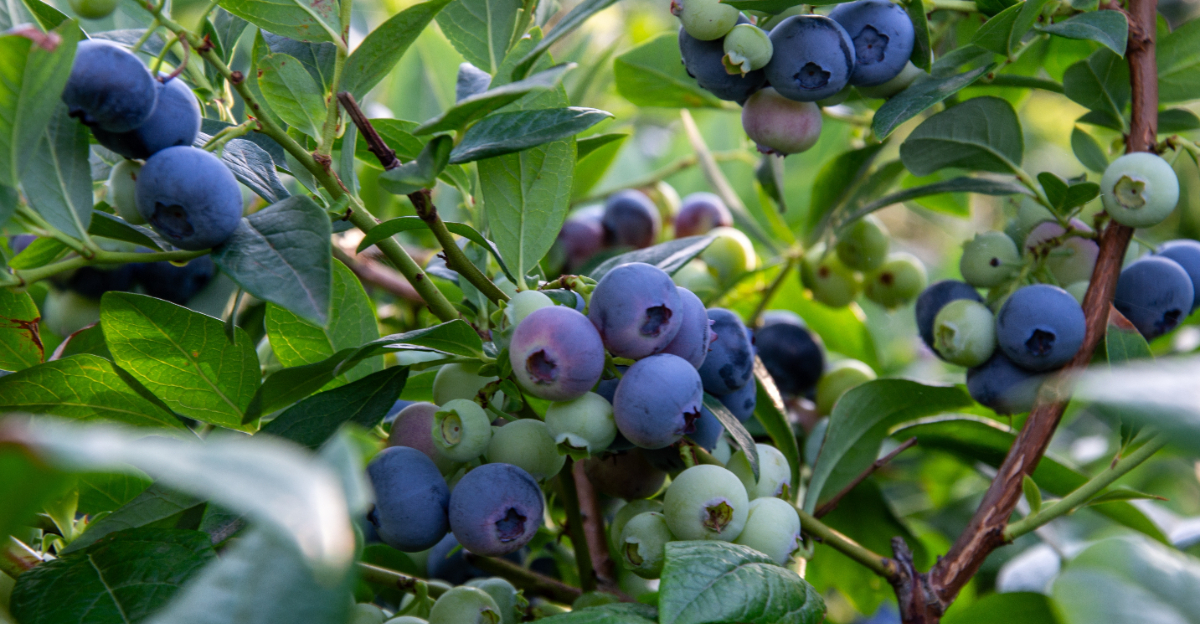
Spotted wing drosophila has become one of the most damaging late-season threats to blueberry crops across North Carolina, and most gardeners who encounter it spend their energy reacting to the problem rather than preventing it.
What rarely gets discussed is the single post-harvest action that directly reduces spotted wing drosophila pressure the following season by eliminating the conditions that allow populations to build and overwinter successfully near the planting.
This step has nothing to do with spraying and everything to do with timing and what gets done to the bushes and the ground around them in the weeks immediately following the last harvest of the year.
North Carolina growers who have added this step consistently report meaningfully lower infestation levels the following summer compared to seasons when it was skipped.
1. The One Thing Is Removing Leftover Ripe And Ripening Fruit
Most gardeners breathe a sigh of relief once the big harvest rush is over, but that feeling of being done can actually work against you.
Spotted wing drosophila does not stop just because your main picking is finished.
As long as ripe or ripening fruit is still hanging on your bushes, this pest has exactly what it needs to keep going strong.
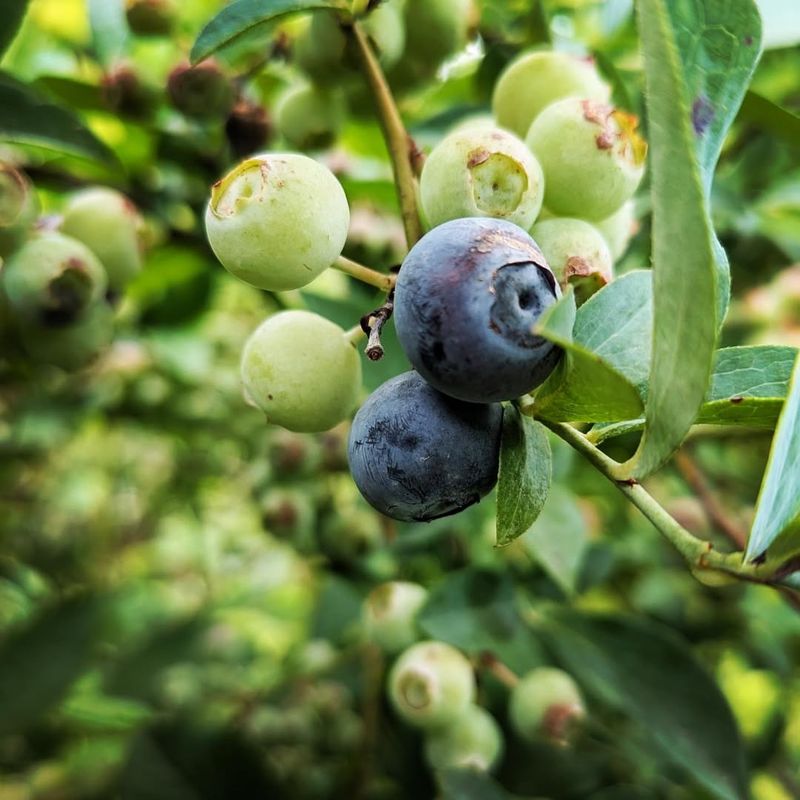
Unlike most fruit flies, spotted wing drosophila uses a serrated egg-laying tool to get inside fruit that still looks perfectly normal and healthy. That means you cannot just pull off the obviously bad berries and call it a day.
Even firm, decent-looking fruit left on the bush after harvest can be carrying eggs or young larvae you cannot see. The goal is simple: leave nothing behind.
After your main picking wraps up, go back through every bush one more time and pull off anything that remains.
Toss those stragglers into a sealed bag rather than dropping them on the ground nearby.
This final cleanup pass does not have to take long, but it makes a real difference by cutting off the food source that spotted wing drosophila depends on to build up its population late in the season.
Reducing that late-season population means fewer adults are around to overwinter near your planting and cause early trouble the following year.
Complete fruit removal is truly the foundation of everything else you do to manage this pest, and it costs nothing but a little extra time and attention at the end of harvest.
2. Ripe Fruit Left On The Bush Is A Big Mistake
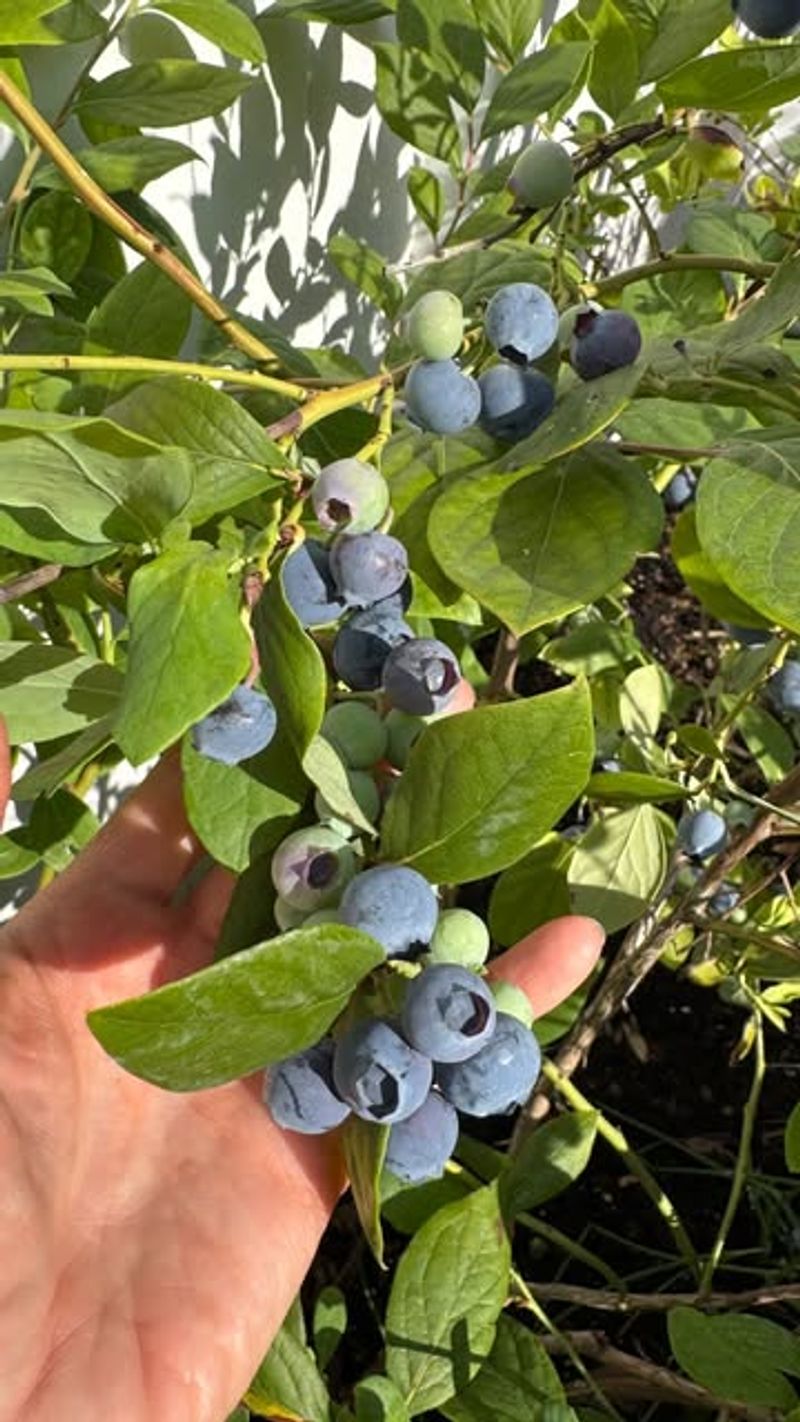
Walking past a blueberry bush and noticing a handful of soft, dark berries still clinging to the branches might seem harmless. After all, they are just a few leftovers, right?
Unfortunately, those stragglers are basically an open invitation for spotted wing drosophila to keep multiplying well after your harvest has ended.
Here is what makes this pest so frustrating: a female spotted wing drosophila can lay dozens of eggs during her lifetime, and she actively seeks out ripe and overripe fruit to do it.
Berries that have gone soft or started to shrivel are especially attractive because they are easy targets.
Your North Carolina Garden Changes Every Week. Your Plan Should Too.
Gardening in North Carolina changes quickly throughout the season. Every Friday you’ll receive a simple weekly plan showing exactly what to plant, prune, fertilize, harvest, and protect so you never miss the right timing.
You might not notice anything wrong on the outside, but larvae can already be developing inside.
North Carolina summers are warm and humid, which means fruit on the bush does not just sit there harmlessly.
It softens quickly, becomes more attractive to the pest, and essentially acts as a breeding station right in the middle of your planting.
Every day that fruit stays on the bush is another opportunity for another generation of spotted wing drosophila to get started.
The smartest move is to do one careful, thorough picking pass after the main crop is finished. Go row by row, check every branch, and pull off anything ripe or overripe.
It feels a little tedious, but this one extra step directly removes the resource spotted wing drosophila needs most.
Fewer berries left on the bush means fewer pests ready to cause problems when your blueberries start ripening again next season.
3. Fallen Fruit Under The Bushes Must Be Cleaned Up
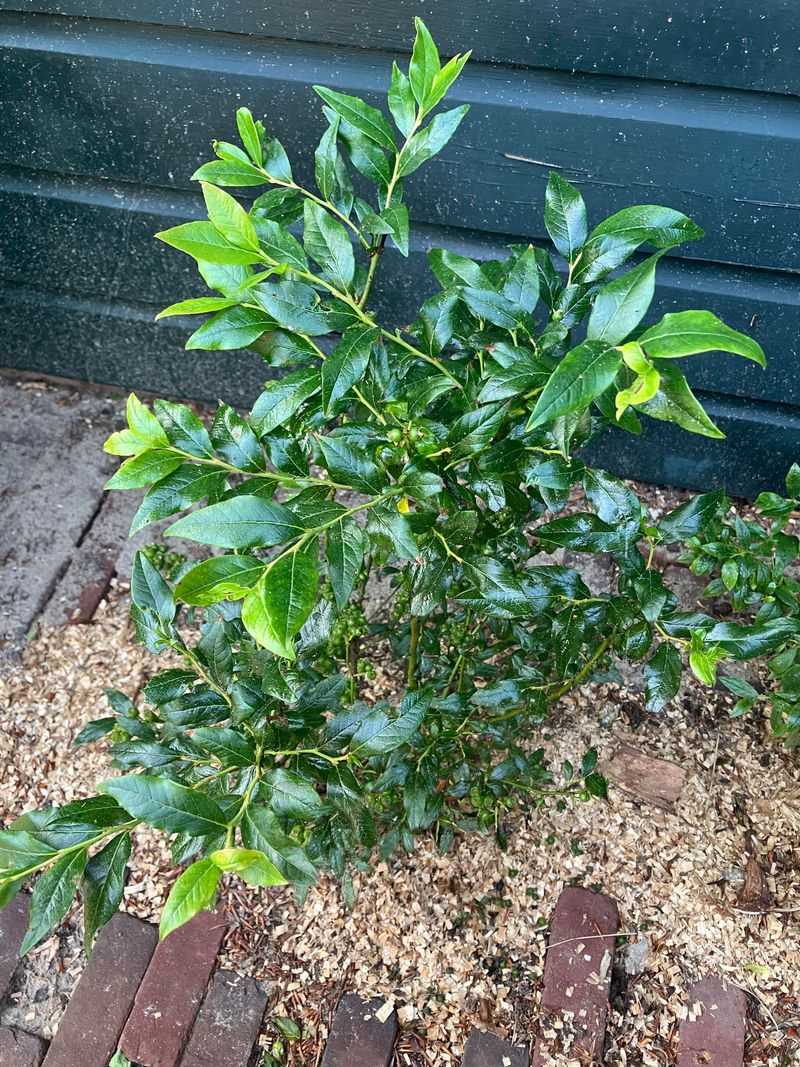
Once blueberries hit the ground, most gardeners forget about them. They blend into the mulch, get covered by leaves, or just seem too small to bother with.
But those dropped berries are one of the sneakiest sources of ongoing spotted wing drosophila activity in a home planting.
Fallen fruit stays moist and soft, which makes it even more appealing to this pest than fruit still hanging on the bush.
A berry that lands in mulch or damp soil can hold larvae for days, giving them time to continue developing right at the base of your plants.
That activity happens quietly, out of sight, and most gardeners never connect it to the problems they see the following season.
Cleaning up under the canopy should be a regular part of your harvest routine, not just a one-time job at the end.
Check along the edges of each planting row, around the base of every bush, and especially in areas where mulch has built up.
After a heavy rain or a big picking day, do a quick walkthrough to gather anything new that has come down. A simple rake and a bucket are all you need.
Sweep the ground underneath the canopy, collect what you find, and get it into a sealed bag or away from the planting area entirely. It takes maybe ten minutes per row, but the payoff is significant.
Removing fallen fruit consistently throughout and after harvest helps break the cycle that spotted wing drosophila relies on to stay established in your garden year after year.
4. Culls Should Never Be Tossed Beside The Plants
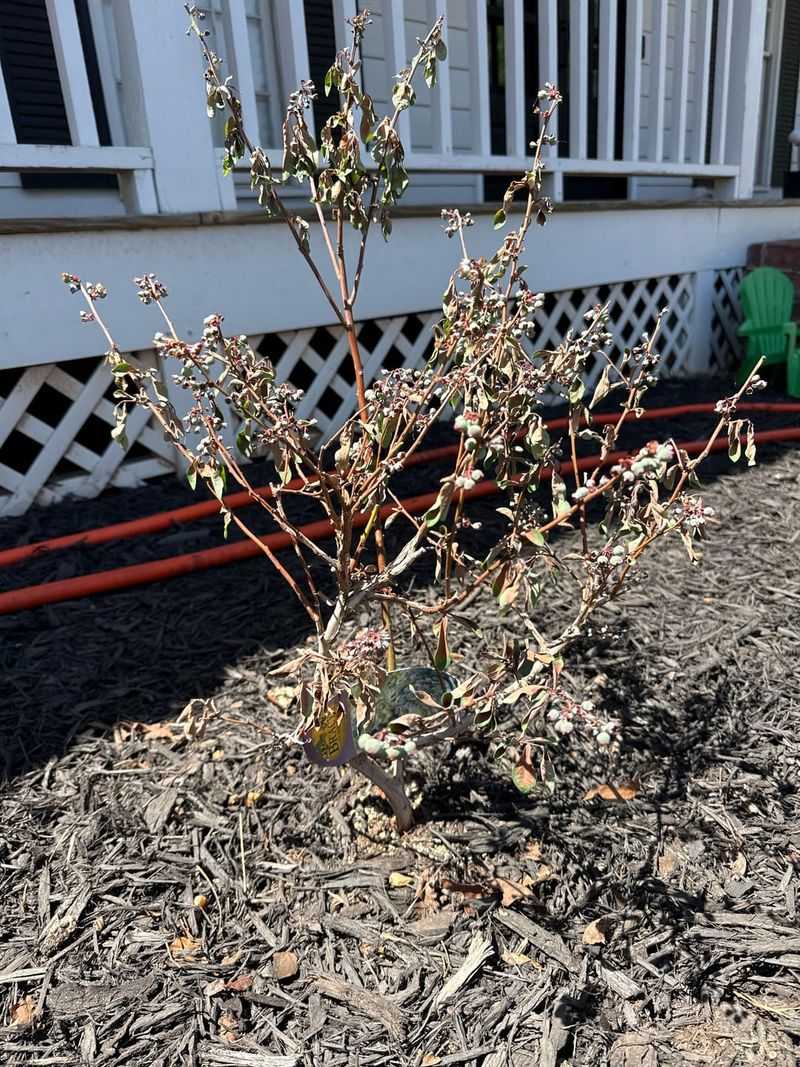
Sorting through a blueberry harvest always turns up a certain amount of fruit that just does not make the cut.
Split skins, overly soft berries, insect-damaged ones, and anything that looks off all get set aside as culls.
The big mistake many home gardeners make is tossing those culls right back onto the ground near the bushes, thinking they will just break down naturally.
Cull fruit is actually some of the most dangerous material you can leave around your planting when it comes to spotted wing drosophila.
Soft and damaged berries are extremely easy for this pest to access, and they can harbor eggs or larvae that will continue developing even after the berry looks completely spent.
Leaving culls near the plants is essentially recycling the problem back into your own garden.
The good news is that handling culls properly does not require anything complicated. Seal them in a plastic bag before disposal so nothing can escape.
If you have a small amount, you can freeze the bag first to stop any development before putting it in the trash.
Another option is solar treatment, which means placing the sealed bag in full direct sun for several days before removing it from the garden area entirely.
Whatever method you choose, the key is getting those culls away from the planting area right away.
Do not leave a pile sitting in a bucket near the row for days while you figure out what to do with it.
Prompt, deliberate cull removal is a simple habit that pays off in a noticeably cleaner garden heading into the next blueberry season.
5. Clear Bags In The Sun Can Help Handle Suspect Fruit
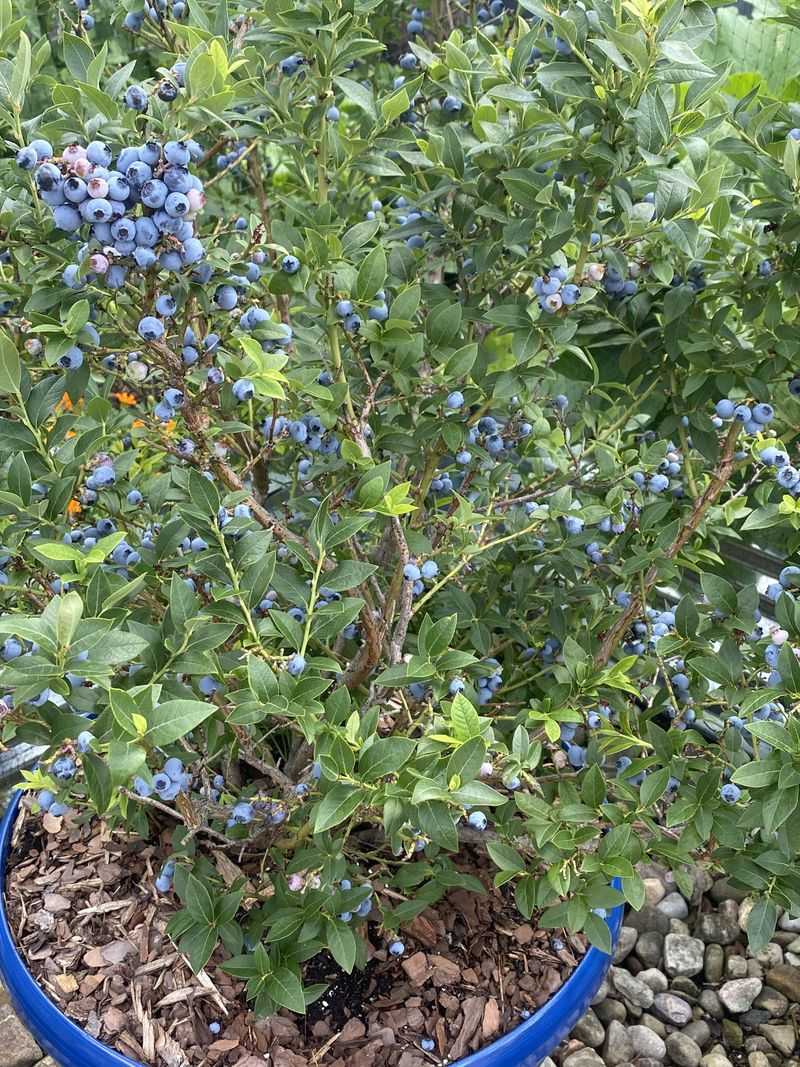
Not every gardener has a freezer with extra space during harvest season, and not everyone wants to make a special trip to dispose of a small bag of leftover berries.
That is where the clear bag method comes in, and it is one of the most practical low-effort tools in your post-harvest sanitation toolkit. The idea is straightforward.
Gather any suspect or leftover blueberries, whether they are soft, overripe, slightly damaged, or just did not make it into the harvest basket, and seal them tightly inside a clear plastic bag.
Then place that bag in a spot that gets full, direct sun. Leave it there for at least several days, and the heat that builds up inside the bag will stop larvae from continuing to develop.
Clear plastic works better than dark bags for this purpose because sunlight passes through and creates a greenhouse effect inside.
Temperatures inside a sealed clear bag sitting in summer sun can get very high, which is far more effective than simply leaving fruit exposed in the open air.
The sealed environment also prevents any adults from reaching the fruit or larvae from escaping into the soil.
Once the bag has been in the sun for several days, remove it from the garden area entirely before tossing it in the trash. Do not leave it sitting at the edge of the planting row indefinitely.
This method works especially well for home gardeners managing small patches where the volume of leftover fruit is modest but still worth handling carefully.
It is simple, cheap, and genuinely effective when done consistently.
6. Freezing Fruit Waste Is Another Practical Option
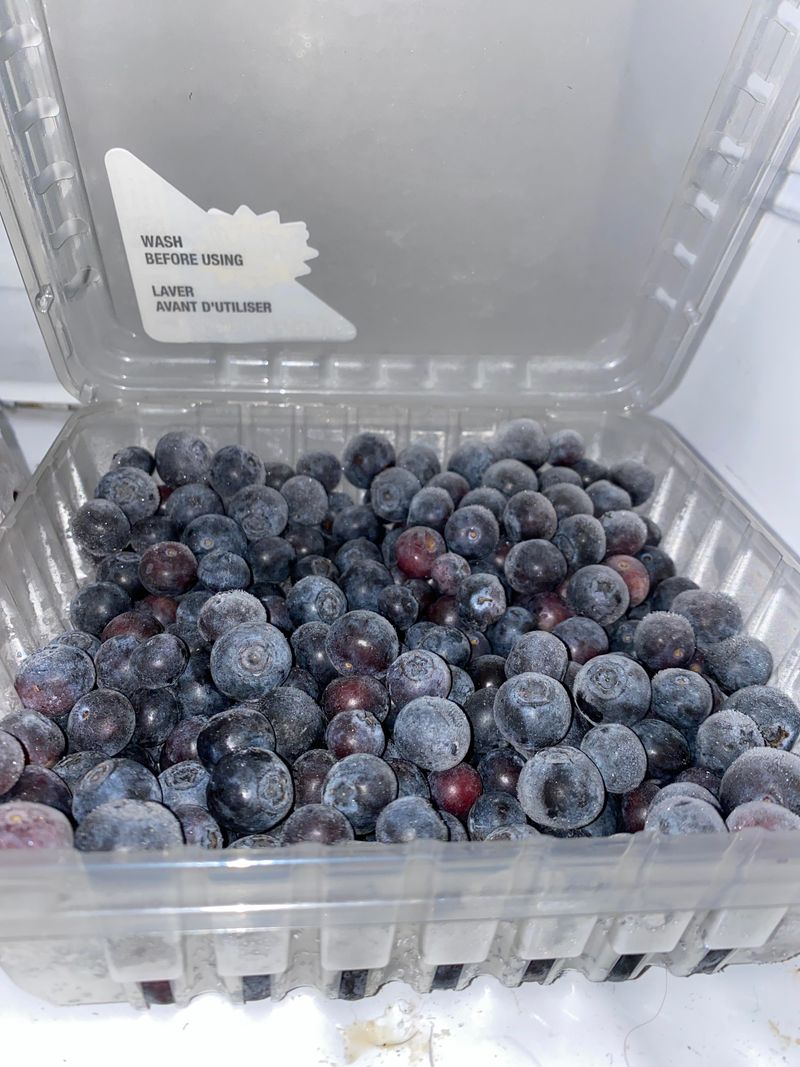
Sometimes the simplest solutions are the most overlooked ones.
If you have a small amount of leftover blueberries after harvest and you are not sure what to do with them, your freezer is one of the most effective tools you have for stopping spotted wing drosophila development in its tracks.
Freezing works because spotted wing drosophila eggs and larvae cannot survive sustained cold temperatures.
Once you seal suspect fruit in a bag and pop it in the freezer, any development that was happening inside those berries stops completely.
It is a clean, no-fuss method that requires zero special equipment beyond what most households already have sitting in the kitchen.
This approach works best for home gardeners and small backyard berry patches where the amount of fruit waste after harvest is relatively manageable.
You are not going to freeze a wheelbarrow full of culls, but a quart or two of leftover and damaged berries? That fits easily into most home freezers without any issue at all.
Keep a designated bag or container in the freezer specifically for blueberry waste during harvest season.
As you pick and sort, drop any culls or suspect berries straight into that container instead of leaving them sitting out. Once the season wraps up and the container is full, seal it and toss it in the trash.
It keeps your garden clean, removes the food source spotted wing drosophila needs, and takes almost no extra effort once you build the habit into your regular harvest routine.
7. Cold Storage Matters For Fruit You Plan To Eat
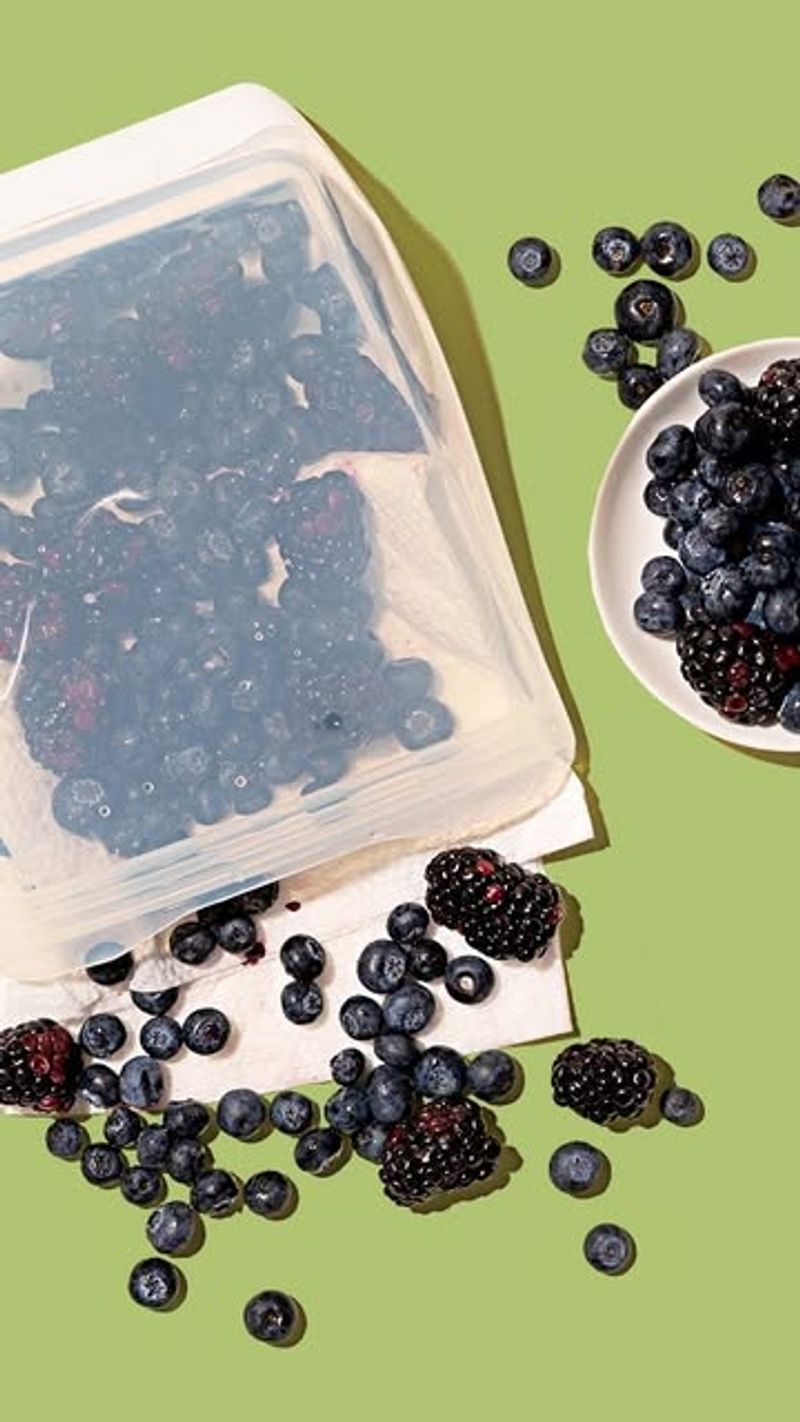
Picking blueberries on a hot North Carolina summer morning and leaving them sitting on the counter for a few hours feels pretty normal.
However, it is actually one of the quickest ways to reduce fruit quality and give spotted wing drosophila eggs a chance to keep developing inside your harvest.
Getting berries cold as soon as possible after picking is one of the most practical steps you can take.
Cold storage below 40 degrees Fahrenheit significantly slows or stops the development of spotted wing drosophila eggs and young larvae.
That matters because fruit that looks perfectly fine at the time of harvest can still carry eggs that were laid very recently.
Chilling the berries quickly does not make them completely safe to eat without washing, but it does stop that developmental process and protects the quality of your fruit at the same time.
For home gardeners, this means getting your harvest into the refrigerator within an hour or two of picking whenever possible.
Spread berries in a shallow container rather than piling them deep, which helps the cold reach every berry faster and also prevents soft spots from forming at the bottom of the pile.
Proper cold storage also gives you more time to enjoy your harvest before quality drops.
Blueberries kept consistently cold stay firm and flavorful much longer than berries left at room temperature.
So this one step pulls double duty: it protects your fruit and helps reduce the risk of consuming berries with any unwanted passengers inside. It is a small habit with a genuinely worthwhile payoff every single season.
8. Sanitation Works Best When It Becomes A Habit
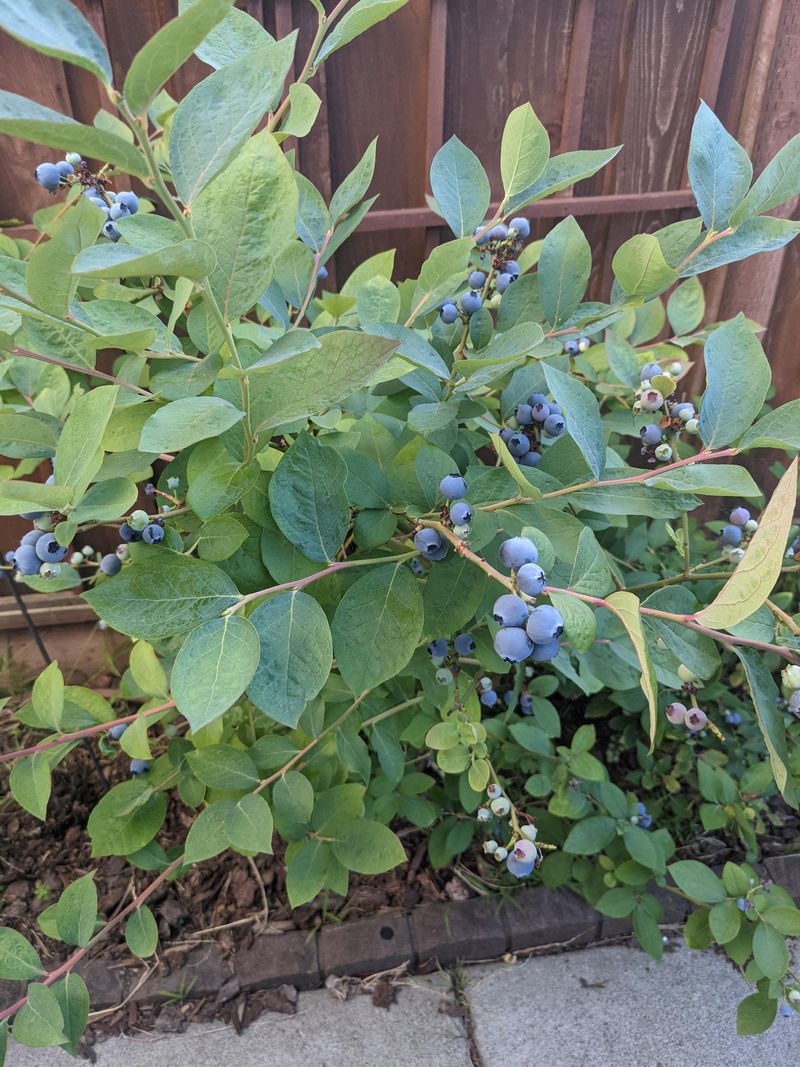
A single cleanup pass at the very end of the season is better than nothing, but the gardeners who see the biggest improvement in spotted wing drosophila pressure are the ones who turn fruit sanitation into a consistent routine rather than a one-time event.
Building the habit is what makes the real difference over time. Think of it as a simple checklist you run through during and after every harvest.
Pick frequently so ripe fruit does not hang on the bush longer than necessary. When the main crop is finished, do one final careful walk through every row and pull off anything remaining.
Check the ground under the canopy for fallen fruit, especially after rain or a heavy picking day.
Handle all culls promptly by sealing, freezing, or solarizing them rather than tossing them near the planting. Cold storage for your eating fruit rounds out the routine nicely.
Once you have those steps running on autopilot, your garden stays noticeably cleaner throughout the season and going into the fall.
That means fewer spotted wing drosophila adults are building up near your planting, fewer overwintering near the row, and less pressure waiting for you when next year’s crop starts to ripen.
Fruit sanitation alone is not a silver bullet, and pairing it with regular monitoring and other management tools when needed will always give you the best results.
But as a foundation, nothing beats keeping your planting area clean and free of ripe or damaged fruit.
It is low-cost, low-tech, and genuinely one of the most effective things a North Carolina blueberry grower can do to protect next year’s harvest before it even begins.