The Native California Bee That Prefers Bare Ground Over Flowers
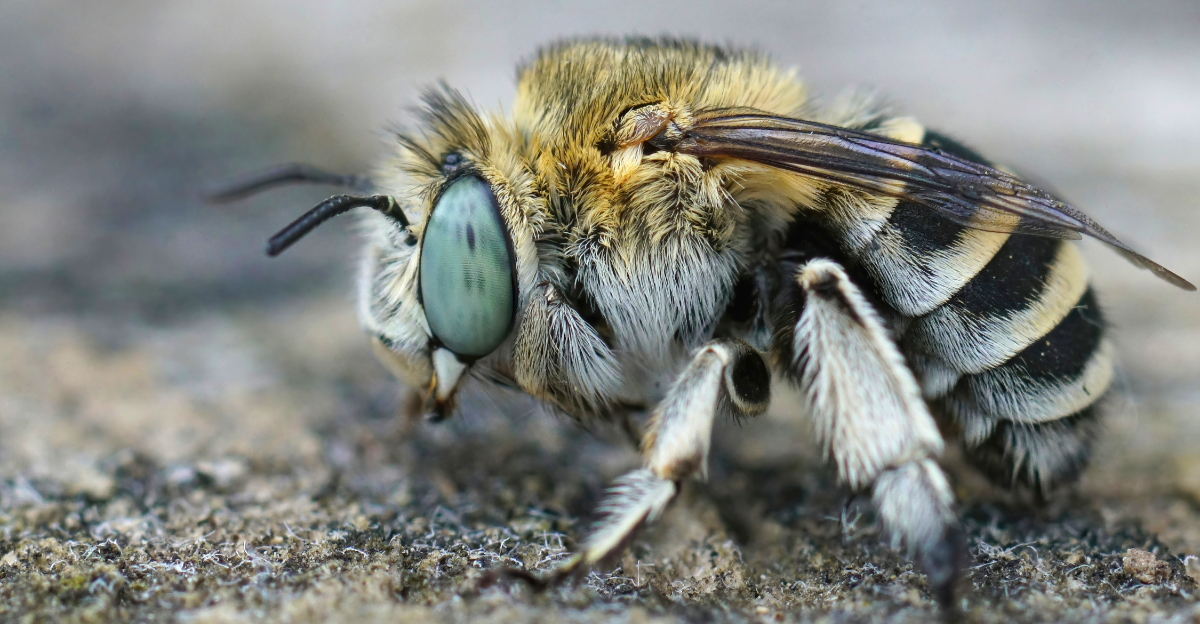
A garden full of blooms can look perfect for bees, but one native California bee needs something different too.
Digger bees spend much of their lives connected to the soil, using bare sunny patches for nesting.
That can surprise gardeners who cover every open spot with mulch or plants. Flowers still matter, of course, because adult bees need food nearby.
But open ground can be just as important for raising the next generation. A quiet patch of well-drained soil may look unfinished to people, while a digger bee sees it as the right place to work.
This is where garden design gets more interesting. A yard can support pollinators without being packed edge to edge.
Leave the right kind of open soil, and you may be helping a native bee that most homeowners never notice.
1. Digger Bees Need Bare Soil To Build Their Nests
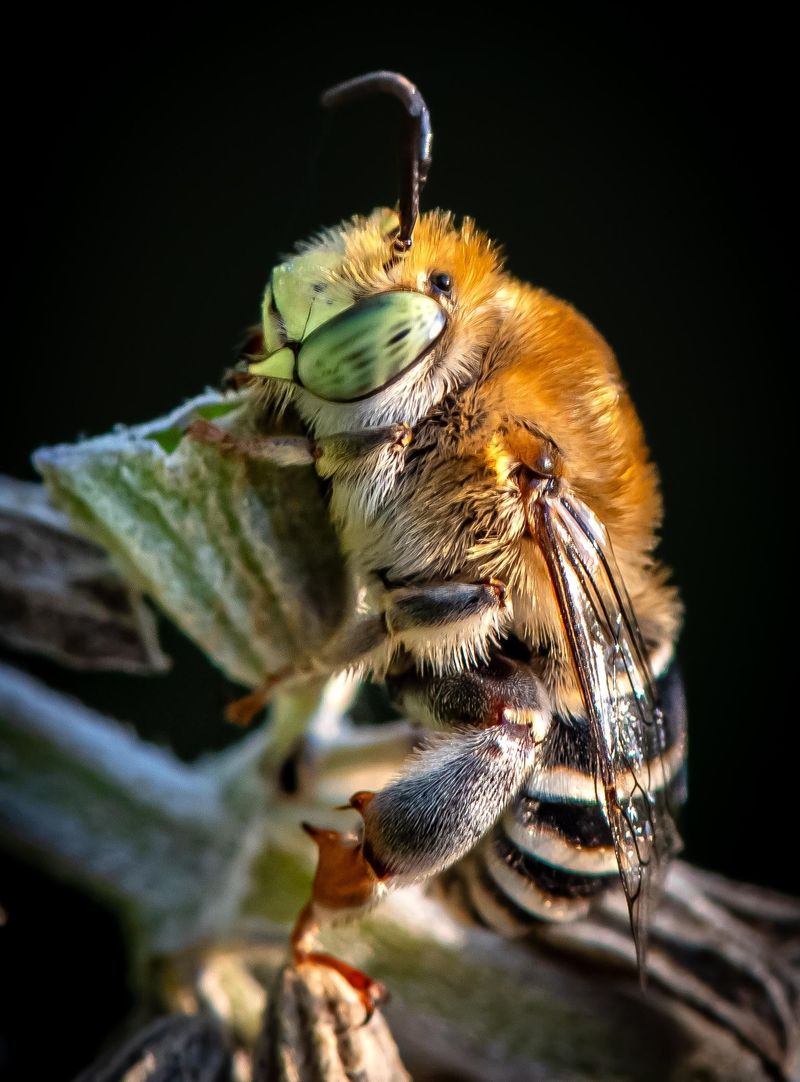
Not every bee builds a hive hanging from a tree branch. Many of our most hardworking native bees live completely underground, and they need bare, open soil to make that happen.
Digger bees are a group of solitary native bees that tunnel into the earth to create their nests. Without access to bare ground, they simply cannot reproduce.
A female digger bee uses her strong legs and mandibles to carve out a narrow tunnel in the soil. She digs down several inches and creates small chambers at the end.
Each chamber holds one egg along with a ball of pollen and nectar. That food supply feeds the larva after it hatches.
Soft, loose, and undisturbed soil works best for these bees. Hard, compacted ground makes digging much harder.
Soil that is covered in grass, gravel, or thick mulch is almost impossible for them to use. Many gardeners unknowingly remove the exact habitat these bees depend on.
Ground-nesting bees are found all across California, from coastal gardens to inland valleys. They are among the most common native bees you will encounter.
Recognizing their nesting needs is the first step toward helping them. A small patch of bare earth in a sunny corner of your yard could become a thriving nesting site for dozens of these important pollinators.
2. These Native Bees Do Not Live In Hives
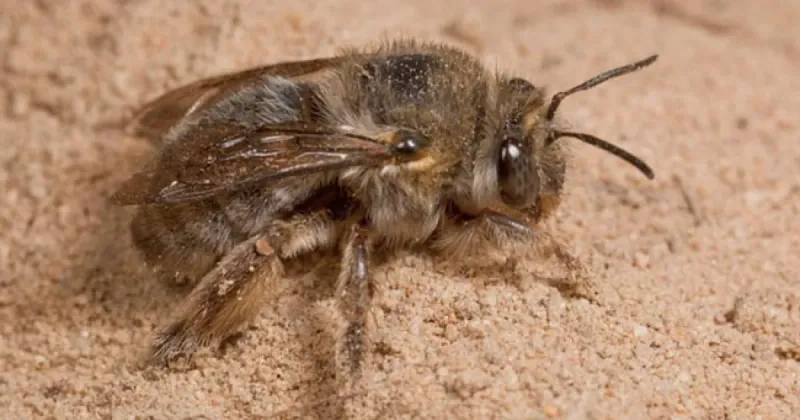
Forget everything you picture when you think of a bee colony. Digger bees live nothing like honeybees.
There is no queen, no wax comb, and no buzzing crowd packed inside a wooden box. Each female digger bee is completely independent.
She builds her own nest, collects her own food, and raises her young entirely on her own.
This solitary lifestyle is actually very common among native bees. In fact, about 70 percent of all native bee species in North America nest in the ground.
California is home to hundreds of these ground-nesting species. Most people never notice them because they are quiet, non-aggressive, and small.
Without a colony to defend, digger bees have very little reason to sting. Males cannot sting at all.
Females technically can, but they almost never do unless directly handled or squeezed. This makes them incredibly safe to have around children and pets.
Your California Garden Changes Every Week. Your Plan Should Too.
Gardening in California changes quickly throughout the season. Every Friday you’ll receive a simple weekly plan showing exactly what to plant, prune, fertilize, harvest, and protect so you never miss the right timing.
Many homeowners spot small soil mounds or holes in the yard and immediately worry about pests. But those tiny tunnels are often the work of digger bees going about their business peacefully.
Learning to tell the difference between harmful insects and beneficial bees is a skill worth developing.
Once you recognize a digger bee nest, you will feel far more comfortable letting it be and watching these fascinating insects thrive.
3. Bare Dirt Can Be Better Than A Bee House
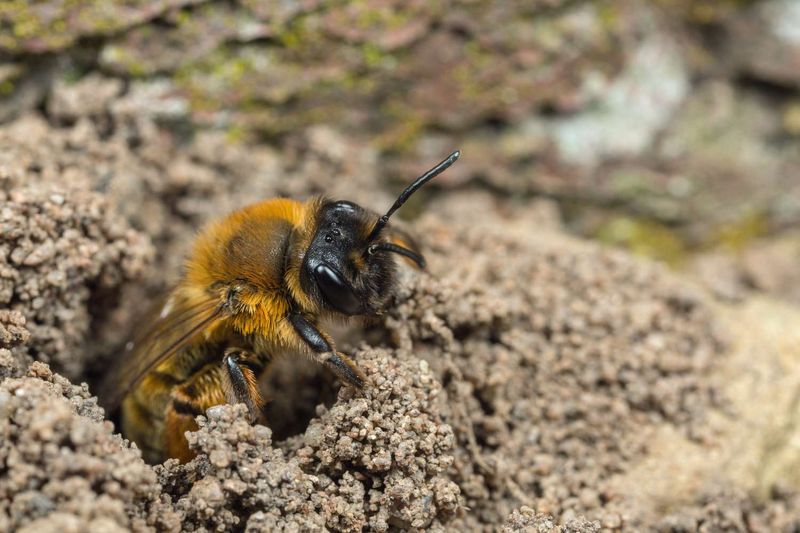
Bee houses have become popular garden accessories, and they do help certain cavity-nesting bees. But for digger bees, a wooden box with hollow tubes does absolutely nothing.
What they actually need is something far simpler: a patch of bare, undisturbed dirt. No power tools required, no trips to the store, and no assembly needed.
Ground-nesting bees make up the majority of native bee species in California. That means most of the native bees in your neighborhood are looking for soil, not a wooden structure.
A small clearing of bare earth, even just a few square feet, can attract and support a surprising number of nesting females each season.
Creating a bare soil patch is easy. Pick a sunny spot, clear away any grass or mulch, and loosen the top few inches of soil slightly.
Avoid adding compost or amendments that make the soil too rich or too soft. Slightly sandy or loamy soil with good drainage tends to work best for most digger bee species.
You can border the area with rocks or a low garden edging to remind yourself and others not to disturb it. Placing a small sign nearby can help family members understand what the patch is for.
A little bare ground, treated with care, does more for local native bees than almost any store-bought product on the market today.
4. Tiny Soil Holes May Be A Good Sign
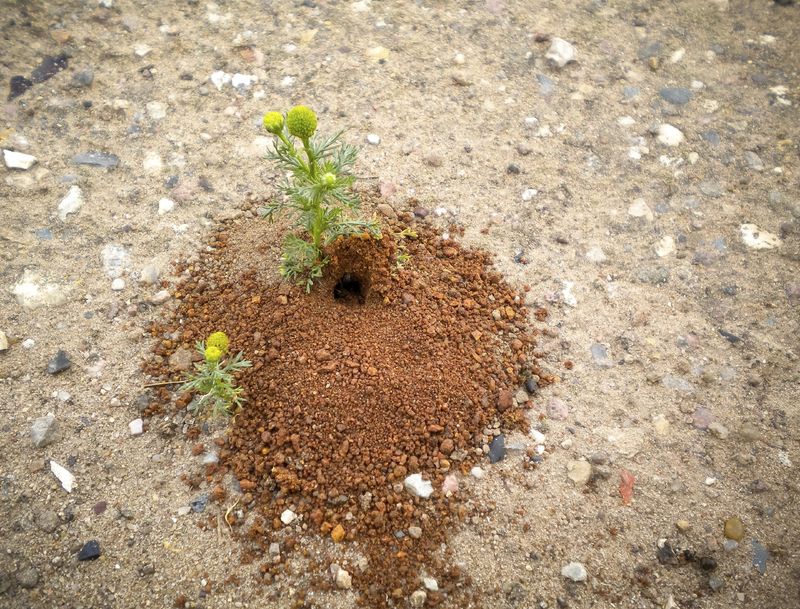
Spotting small holes in your yard can feel alarming at first. Most people assume something is burrowing where it should not be.
But before you reach for a shovel or call an exterminator, take a closer look. Those pencil-sized openings scattered across a patch of bare ground could be the entrances to digger bee nests, and that is actually great news for your garden.
Digger bee nest holes are usually round, neat, and about the width of a pencil. Some species pile a small ring of loose soil around the opening, creating a tiny volcano-like mound.
You might notice bees hovering low over the ground nearby, flying in and out of these holes throughout the day. That low, purposeful hovering is a classic digger bee behavior.
These holes are completely harmless to your lawn or garden beds. The tunnels go straight down and do not spread sideways like some burrowing animals do.
The bees are not eating plant roots or damaging your soil structure in any meaningful way. If anything, their tunneling gently aerates the ground.
Nest holes are most active in spring and early summer when females are digging and stocking their chambers. Activity slows down significantly after that.
Watching this process up close is genuinely fascinating. It is a small window into the hidden underground world that supports so much of the life above ground in your yard and neighborhood.
5. Sunny Open Ground Makes Nesting Easier
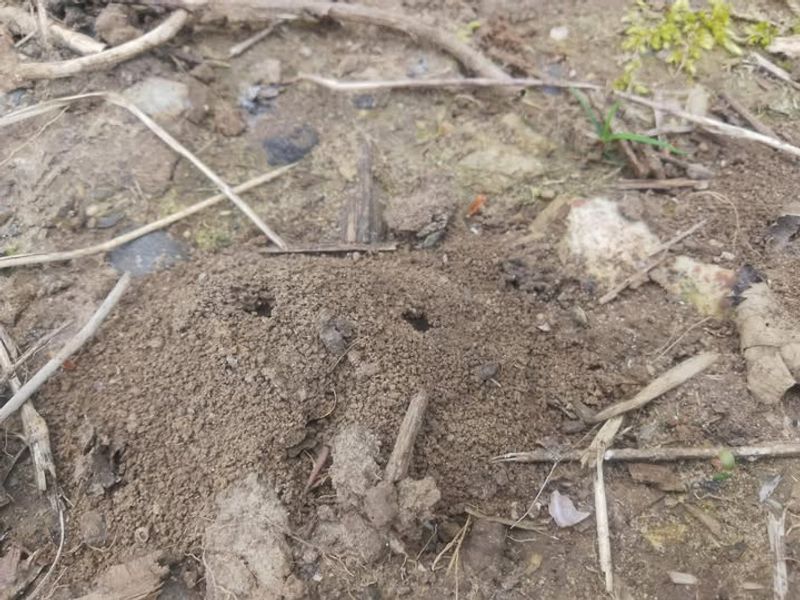
Warmth matters a great deal to digger bees. They are cold-blooded insects, which means they rely on outside heat to stay active and energized.
Soil that sits in direct sunlight heats up faster and stays warmer longer, which makes it far more attractive to nesting females looking for the right spot to raise their young.
South-facing slopes and open flat areas that receive full sun throughout the day are prime nesting real estate for ground bees.
Shaded soil stays cooler and often holds more moisture, which can cause problems for eggs and larvae developing underground.
Wet or cold conditions underground can slow larval development or lead to nest failure.
If you want to create a welcoming nesting zone in your yard, placement matters as much as soil type. Choose a spot that gets at least six hours of direct sunlight each day.
Avoid placing it beneath trees or next to tall shrubs that cast long shadows. The more sun, the better the results.
Sunny bare patches near native flowering plants are especially ideal. Females can nest in the warm soil and then fly just a short distance to collect pollen from nearby blooms.
Keeping the nesting area separate from foot traffic paths is also smart. Once you find the right sunny spot, leave it alone and let the bees do the rest.
They are remarkably good at finding the perfect location on their own.
6. Heavy Mulch Can Block Digger Bee Habitat
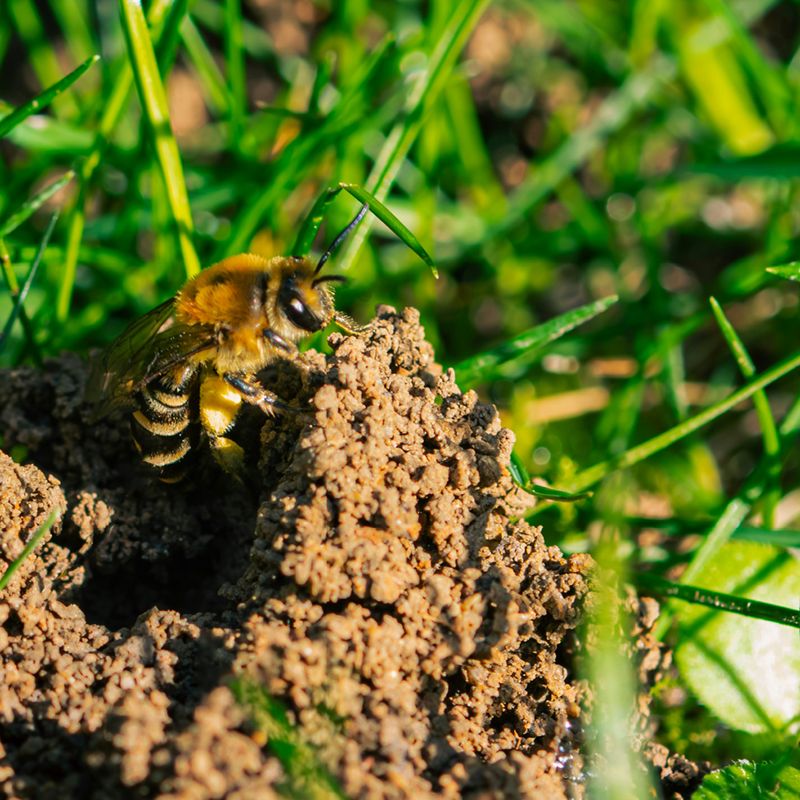
Mulch is a gardening staple. It keeps weeds down, holds moisture in the soil, and makes garden beds look tidy.
But here is something most California gardeners do not consider: thick layers of mulch can completely block ground-nesting bees from accessing the soil they need to survive.
A well-mulched garden might look beautiful while quietly shutting out one of nature’s most valuable pollinators.
Digger bees need to reach bare mineral soil to dig their nests. A layer of wood chips or bark mulch that is three or more inches deep creates a physical barrier they cannot easily get through.
Even if a determined female tries to dig, the loose and unstable mulch makes tunnel construction nearly impossible. She will simply move on and look elsewhere.
This does not mean you have to stop mulching entirely. The solution is balance.
Leave a few deliberate bare patches in your yard or garden, especially in sunny spots. You can still mulch around plants and in areas where foot traffic is common.
Just make sure there are open zones set aside for ground-nesting bees.
Gravel mulch can also be a barrier, though some species manage to nest through thin gravel layers. Organic mulches like straw or shredded leaves are less problematic than dense wood chips.
Being thoughtful about where and how thickly you mulch is a simple change that makes a real difference for the native bees sharing your outdoor space.
7. Undisturbed Soil Helps Young Bees Survive
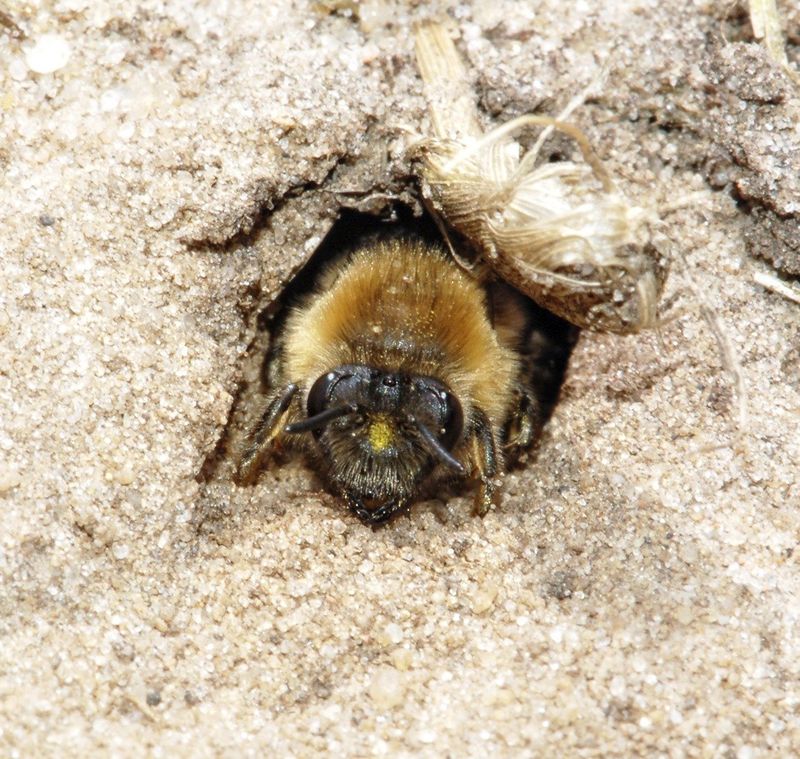
Once a digger bee lays her eggs and seals the tunnel, her work is done. But the real development is just beginning underground.
Larvae spend weeks or even months growing inside their sealed chambers, feeding on the pollen ball their mother left behind.
Any major disturbance to the soil during this time can be devastating for the young bees waiting to emerge.
Digging, tilling, or heavy foot traffic over active nest sites can collapse tunnels and expose larvae to the surface. Watering the area too heavily can also flood the chambers.
Even well-meaning garden projects, like turning over soil in spring, can unknowingly wipe out an entire generation of native bees before they ever get the chance to emerge.
The solution is simple: mark your known nesting areas and leave them alone. Place small stakes or garden markers around active spots so no one accidentally digs there.
Avoid watering those zones more than natural rainfall would provide. Let the bees complete their underground life cycle without interference.
Most digger bee species complete one generation per year. Adults emerge in spring or summer, mate, nest, and then the cycle begins again.
Protecting that underground phase is just as important as providing flowers for food. A patch of quiet, undisturbed soil is a gift to the next generation of native bees, and it costs you absolutely nothing to provide it.