Why More Georgia Gardeners Are Turning To Rainwater Harvesting This Summer
Water has become a bigger topic in gardening conversations lately. A stretch of hot weather, a few dry weeks, or rising utility bills can quickly change the way people think about keeping their plants healthy through summer.
It is often during this time of year that gardeners start looking for practical ways to make the most of the water available to them.
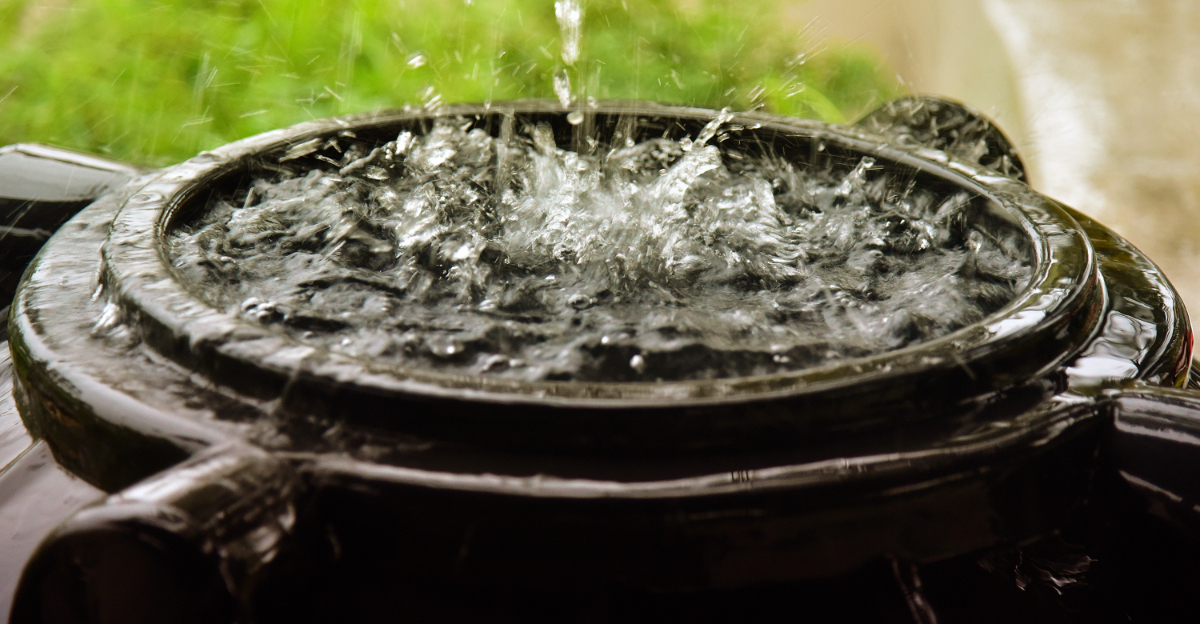
One thing that catches many people by surprise is how much water can be collected during a single rainstorm. What might seem like a brief shower can add up quickly when that water is captured and saved for later use.
The idea is simple, but the benefits can extend far beyond reducing the need for a garden hose.
As summer temperatures continue climbing in Georgia, more gardeners are exploring rainwater harvesting as part of their regular routine. It is not just about saving water.
For many, it is becoming a convenient way to support plants, reduce waste, and make better use of a resource that would otherwise run off and disappear.
1. Lower Water Use Is Driving Interest In Rainwater Harvesting
Water conservation has moved from a good idea to a real necessity in many parts of the South.
Municipal water systems face growing pressure during summer months, and restrictions on outdoor watering pop up more frequently than they did even five years ago.
Collecting rainwater lets gardeners sidestep those restrictions entirely.
Stored water is yours to use when and how you need it, without checking local watering schedules or worrying about fines.
Outdoor water use accounts for a significant chunk of household consumption during warm months. Lawns, gardens, and containers all demand moisture right when natural rainfall becomes least reliable.
Harvesting rain directly reduces that demand on the grid. Even a modest setup capturing runoff from a small roof section can collect hundreds of gallons during a single decent storm.
Gardeners who track their usage often report noticeable drops in outdoor water consumption after setting up even basic collection systems. The savings compound over an entire growing season.
Beyond personal benefit, reduced demand helps the broader community. When fewer households pull from municipal supplies during peak periods, pressure on shared infrastructure drops for everyone.
Starting small is completely fine. A single barrel under one downspout already makes a meaningful dent in how much treated tap water your garden actually needs throughout the summer.
2. Collected Rainwater Can Reduce Outdoor Water Costs
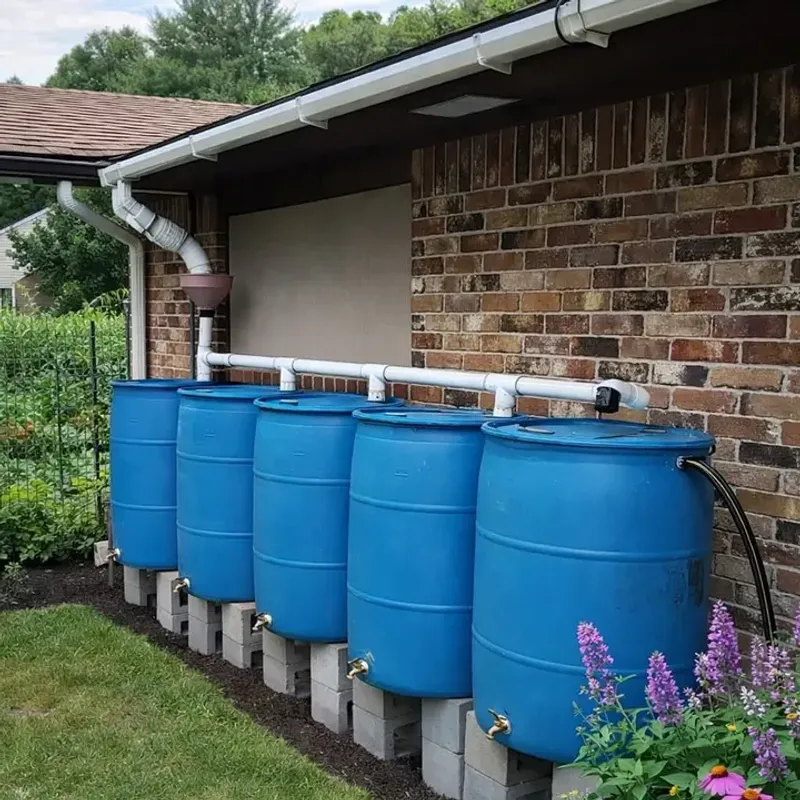
Outdoor watering costs real money. Running a garden hose or irrigation system through a long, dry July adds up quickly on a monthly water bill, sometimes more than homeowners expect.
Rainwater is free. Once you collect and store it, every gallon you pull from a barrel is one less gallon billed to your account by the utility company.
Setup costs vary, but basic rain barrels often pay for themselves within a single growing season. A 55-gallon barrel can cost anywhere from $30 to $100 depending on the source, and some municipalities even offer rebates.
Larger cistern systems cost more upfront but store far greater volumes. Gardeners with established raised beds or large planting areas often find the investment worthwhile after just one summer.
Your Georgia Garden Changes Every Week. Your Plan Should Too.
Gardening in Georgia changes quickly throughout the season. Every Friday you’ll receive a simple weekly plan showing exactly what to plant, prune, fertilize, harvest, and protect so you never miss the right timing.
Watering frequency matters too. Container plants may need water daily during heat waves.
That daily habit adds up fast when you are pulling from treated tap water every single time.
Switching even part of that routine to stored rainwater cuts costs without cutting care. Your plants get the same moisture, and your wallet takes less of a hit each month.
Tracking usage before and after installing a collection system helps you see the real difference. Many gardeners are genuinely surprised by how much they save once the numbers are in front of them.
3. Rain Barrels Provide Backup Water During Dry Spells
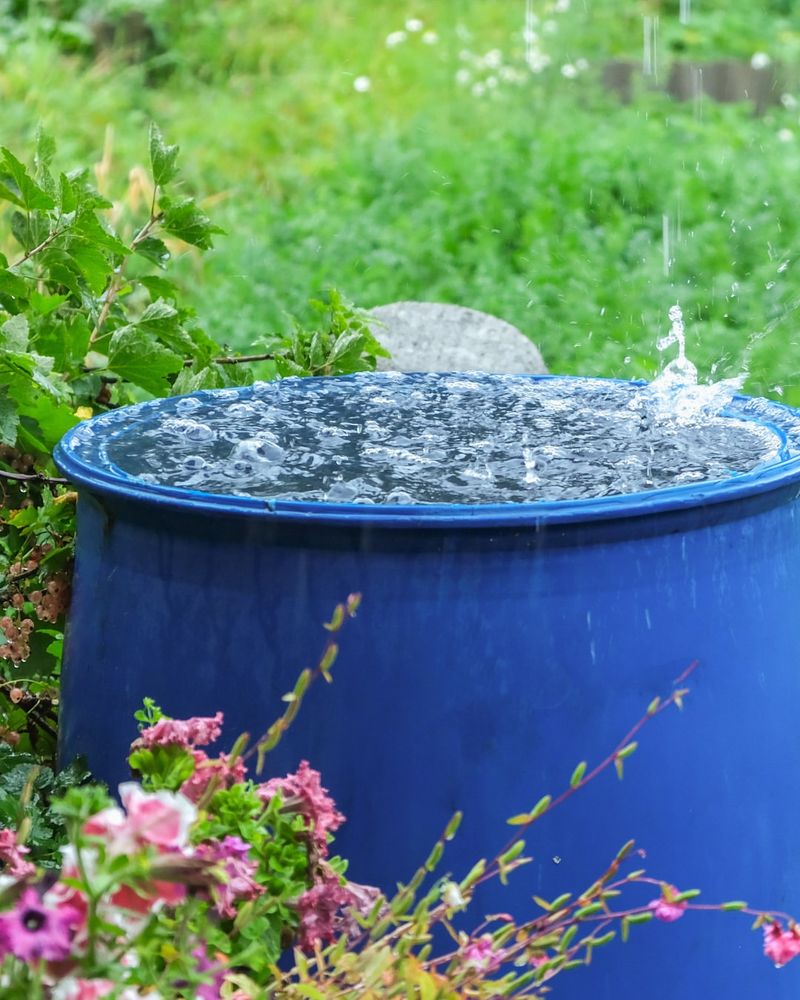
Dry spells in summer can stretch longer than expected. A week without rain might seem manageable at first, but two or three weeks without measurable precipitation puts serious stress on garden plants.
Having stored water changes the situation completely. Instead of watching plants struggle while waiting for the next storm, you already have gallons ready to go right in your backyard.
Rain barrels act as a buffer between rainfall events. They smooth out the gaps that would otherwise leave your garden vulnerable during the hottest and driest stretches of the year.
Vegetable gardens are especially sensitive to inconsistent moisture. Tomatoes, peppers, and squash all need reliable water to produce well.
Uneven watering leads to problems like blossom drop and poor fruit set.
Keeping a backup supply on hand removes that uncertainty.
Even if stored water only covers a few extra days of irrigation, those days can make a real difference for plants already under heat stress.
Multiple barrels connected in series increase your storage capacity without requiring a complex setup. Linking two or three barrels together is straightforward and dramatically extends your backup supply.
Planning ahead before dry weather arrives is smarter than scrambling once it starts.
Filling your storage during rainy spring weeks means you enter summer with a cushion already in place and ready to use.
4. Stored Rainwater Can Support Container Gardens In Heat
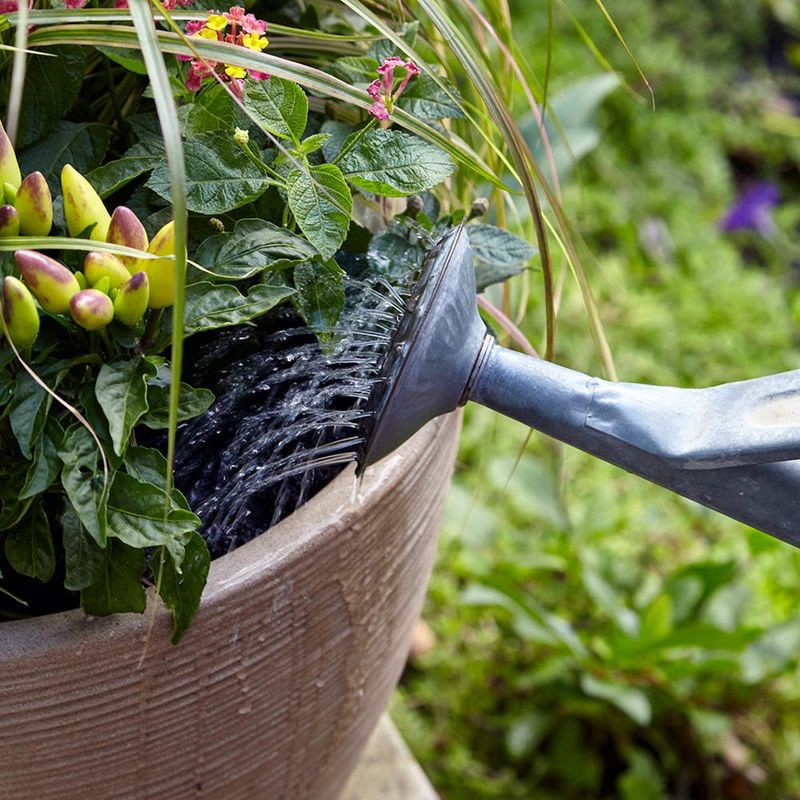
Container plants are the most demanding watering job in any garden.
Pots dry out fast, especially when temperatures push into the upper 90s and afternoon sun beats down on dark-colored containers for hours.
Stored rainwater is an ideal match for this challenge. It is soft, unchlorinated, and available right where you need it without running a hose across the yard every afternoon.
Chlorine in tap water is not harmful in small amounts, but some sensitive plants respond better to natural rainwater over time.
Ferns, herbs, and acid-loving plants often show noticeably healthier growth when watered consistently with collected rain.
Container herbs like basil, parsley, and mint need frequent moisture during summer. Missing even one day in peak heat can leave them wilted and struggling to bounce back quickly.
Keeping a filled watering can near your containers simplifies the daily routine. Pull water from the barrel in the morning, fill the can, and work through your pots without dragging equipment around.
Elevated rain barrels make gravity-fed watering possible. Positioning a barrel on a sturdy platform above ground level creates enough pressure to flow through a hose without any pump required.
For gardeners with large patio setups or rooftop container displays, stored rainwater provides a consistent, low-effort water source that keeps plants thriving even when summer turns brutal and dry.
5. Rainwater Can Be Collected With Minimal Equipment
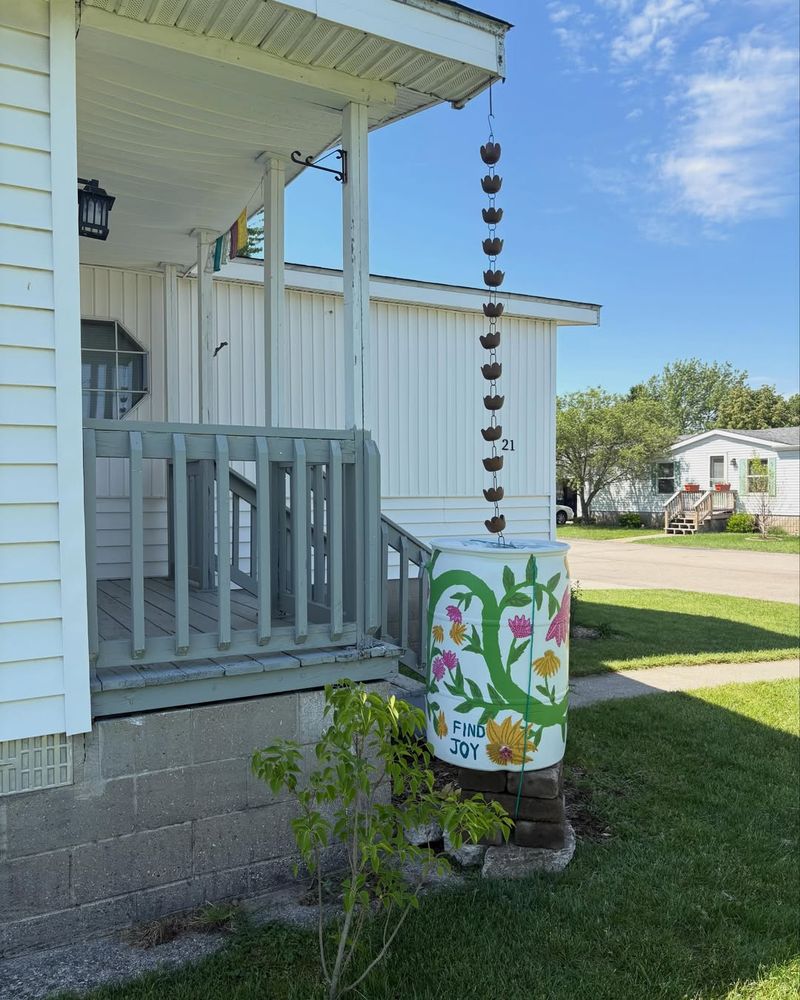
Getting started with rainwater harvesting does not require a big investment or a complicated installation.
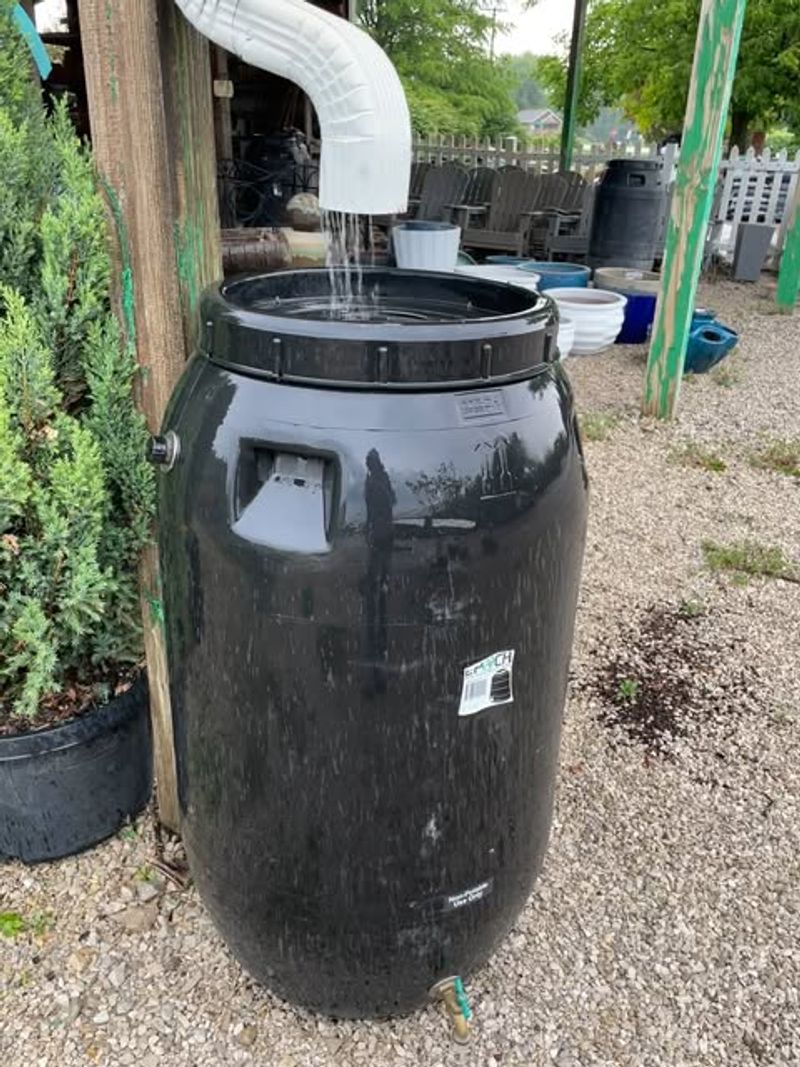
A basic barrel, a downspout diverter, and a spigot are genuinely all you need to begin collecting water.
Most setups take less than an afternoon to put together. Diverters attach directly to existing downspouts and redirect flow into the barrel automatically whenever rain falls on the roof.
Repurposed food-grade barrels work well and are often available cheaply through local sources. Pickle barrels, olive barrels, and similar containers show up at farm supply stores or online marketplaces regularly.
An overflow outlet is important to include. Without one, a full barrel will spill water around the foundation of your home, which creates problems you definitely want to avoid.
Screens over the barrel opening keep out mosquitoes, debris, and leaves.
This one simple addition prevents the barrel from becoming a breeding ground and keeps collected water cleaner overall.
Painting or covering a barrel in a dark color slows algae growth inside by limiting light penetration. Opaque barrels work better than clear ones for long-term water quality.
Scaling up later is easy once you see how the basic system performs. Adding more barrels or upgrading to a larger cistern becomes a natural next step after one season of successful collection and use.
6. Summer Heat Can Increase Demand For Supplemental Water
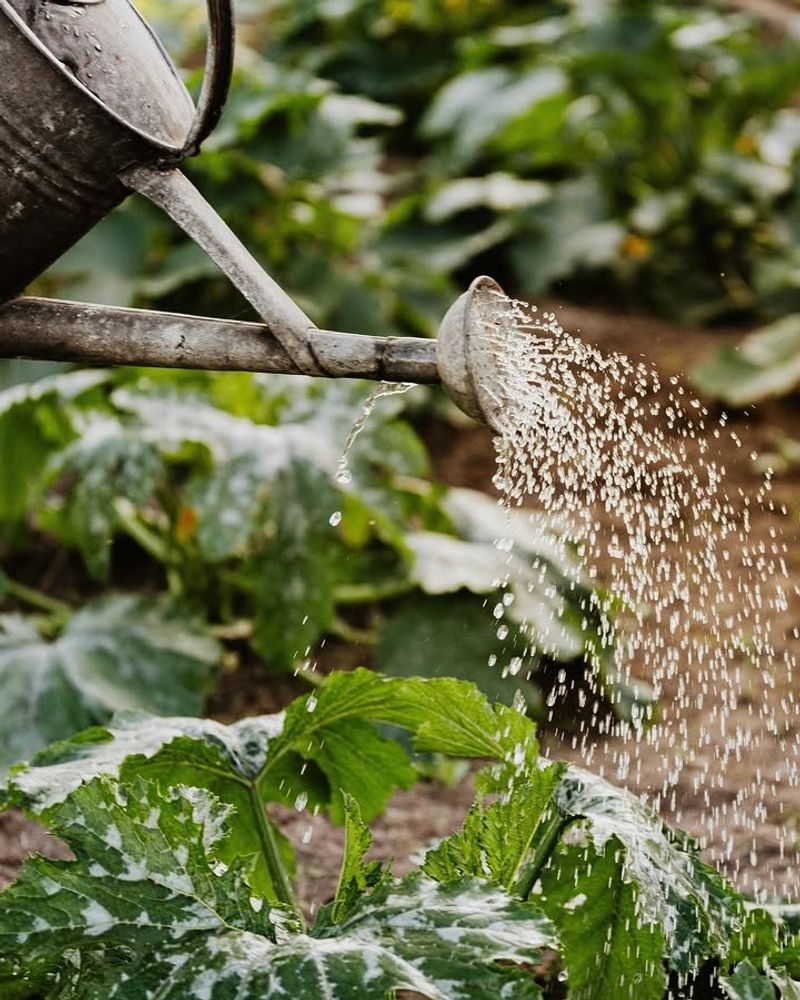
Heat does not just make gardening uncomfortable for people. It dramatically increases how much water plants need to survive, and that demand rises faster than most new gardeners anticipate.
Evaporation from soil speeds up sharply as temperatures climb. Beds that stay moist for two days in spring might need water again the very next morning once summer heat settles in fully.
Transpiration increases too. Plants release moisture through their leaves as a cooling mechanism, and in high heat, that process accelerates.
More water leaves the plant faster than roots can always replace it.
Supplemental watering becomes essential rather than optional during extended heat events. Relying solely on rainfall during a Southern summer is rarely enough to keep a productive garden going strong.
Rainwater harvesting addresses this gap directly. Stored water gives you a ready supply to tap whenever plants show early signs of stress, without waiting for a storm that may not arrive on schedule.
Morning watering is most effective during hot weather. Water applied early soaks into the root zone before afternoon heat drives rapid evaporation from the soil surface.
Having a stored supply encourages better watering habits overall.
When water is convenient and free, gardeners tend to water more consistently, which leads to stronger plants and better harvests throughout the entire season.
7. Harvested Rainwater Can Be Used Across The Landscape
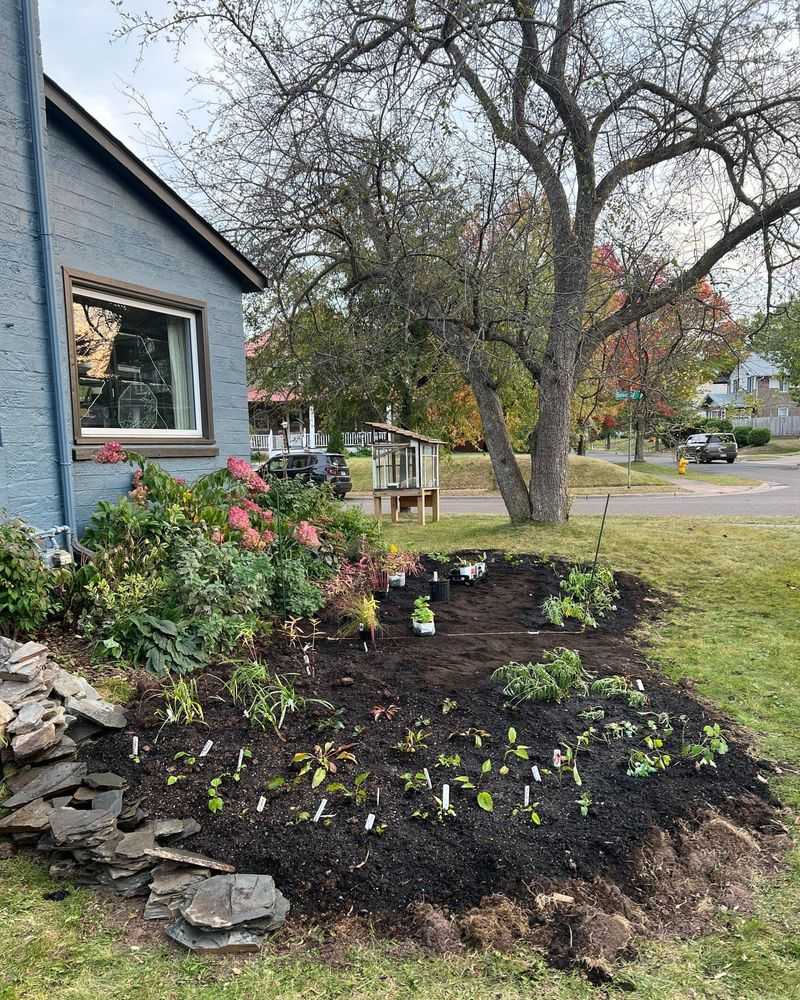
Rainwater is not just for vegetable beds. Collected water works across every part of a home landscape, from newly planted trees to established perennial borders to lawn patches showing signs of stress.
Newly planted shrubs and trees need consistent moisture during their first year.
Stored rainwater makes it practical to give them the extra attention they need without worrying about running up water costs.
Flower beds benefit just as much as food gardens.
Roses, hydrangeas, and coneflowers all respond well to deep, consistent watering, and collected rain provides exactly that without added chemicals or treatment.
Lawns can also receive supplemental water from a harvesting system, though they consume large volumes. Spot-treating struggling areas is more practical than trying to irrigate an entire lawn from a single barrel.
Compost piles need moisture to break down efficiently. A quick pour from a rain barrel keeps the pile at the right humidity level without turning on a hose for a task that takes only seconds.
Washing garden tools, rinsing boots, or cleaning off outdoor furniture are all practical uses for stored water that do not require treated tap water at all.
Thinking of collected rainwater as a versatile resource rather than just a garden supplement opens up more ways to use every drop.
Across Georgia landscapes, creative gardeners are finding new applications every season.