What To Do With Your Florida Container Plants When A Hurricane Is Coming
Florida hurricane season has a way of reminding everyone that outdoor spaces need a plan, and usually that reminder comes faster than anyone would like. One day the storm is a distant blip on the radar and the next day it is time to start moving everything inside.
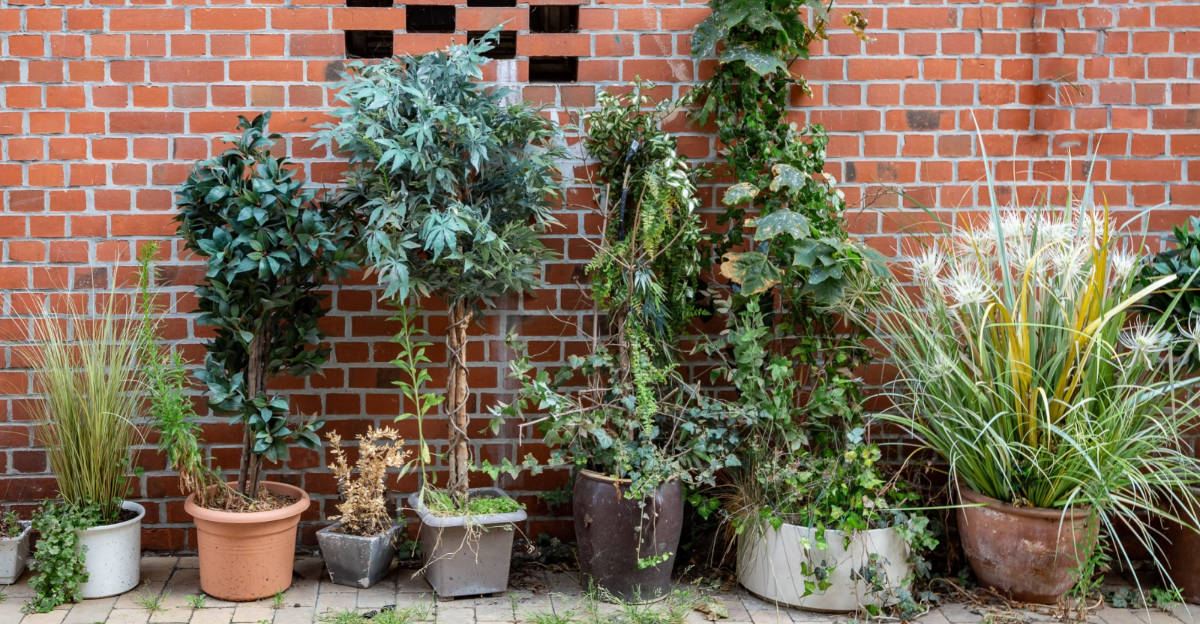
Patio pots, hanging baskets, balcony planters, and lightweight containers are some of the first things that need attention when wind speeds start climbing, and not just because they are valuable.
A heavy ceramic planter or a swinging hanging basket can become a real hazard in strong gusts, and that favorite tropical pot you have been nurturing all summer does not care about its sentimental value when the wind gets hold of it.
Getting ahead of the situation calmly and methodically makes the whole process a lot less stressful.
1. Bring Small Pots Indoors
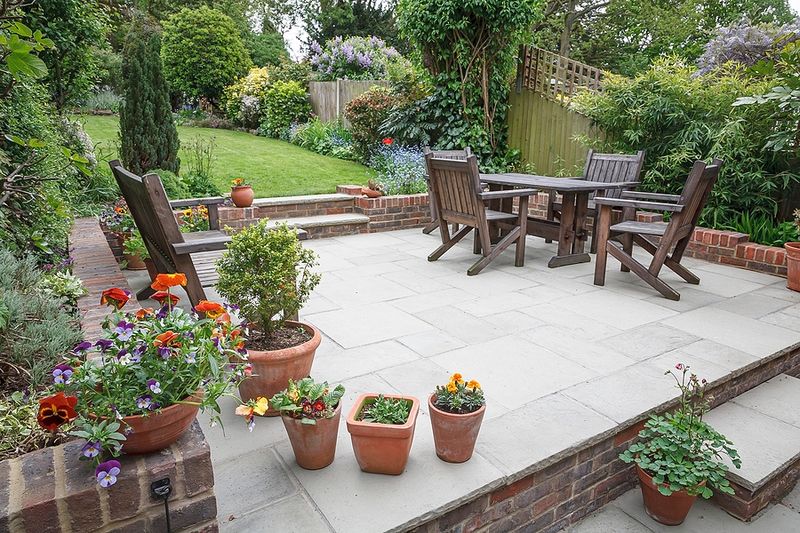
Clutter on a Florida patio has a way of multiplying over the summer, and small containers are usually the first things you should deal with when a storm warning goes up.
Lightweight pots made of plastic, thin ceramic, or resin can travel surprisingly far in strong wind, and a scattered collection of small planters left across a patio or balcony becomes a serious hazard fast.
The good news is that small pots are usually the easiest to move. A garage, garden shed, enclosed porch, or even a spare bathroom can work well as a temporary shelter for your smaller plants.
Grouping them together in boxes or laundry baskets makes it faster to carry several at once without making multiple trips.
Before you bring anything inside, check each pot quickly. Empty saucers so you are not carrying extra water indoors, and look for pots with cracked bottoms that may leak.
If a container is too wet and messy to bring inside, wrapping it loosely in a trash bag can help contain the soil during transport.
Do not leave small pots lined up near doors or windows where they could shift during the storm. Moving them to an interior room or away from glass is the safer choice.
Try to finish moving small containers well before conditions outside become unsafe, so you are not rushing at the last minute when winds are already picking up across Florida.
2. Move Hanging Baskets Before Winds Pick Up
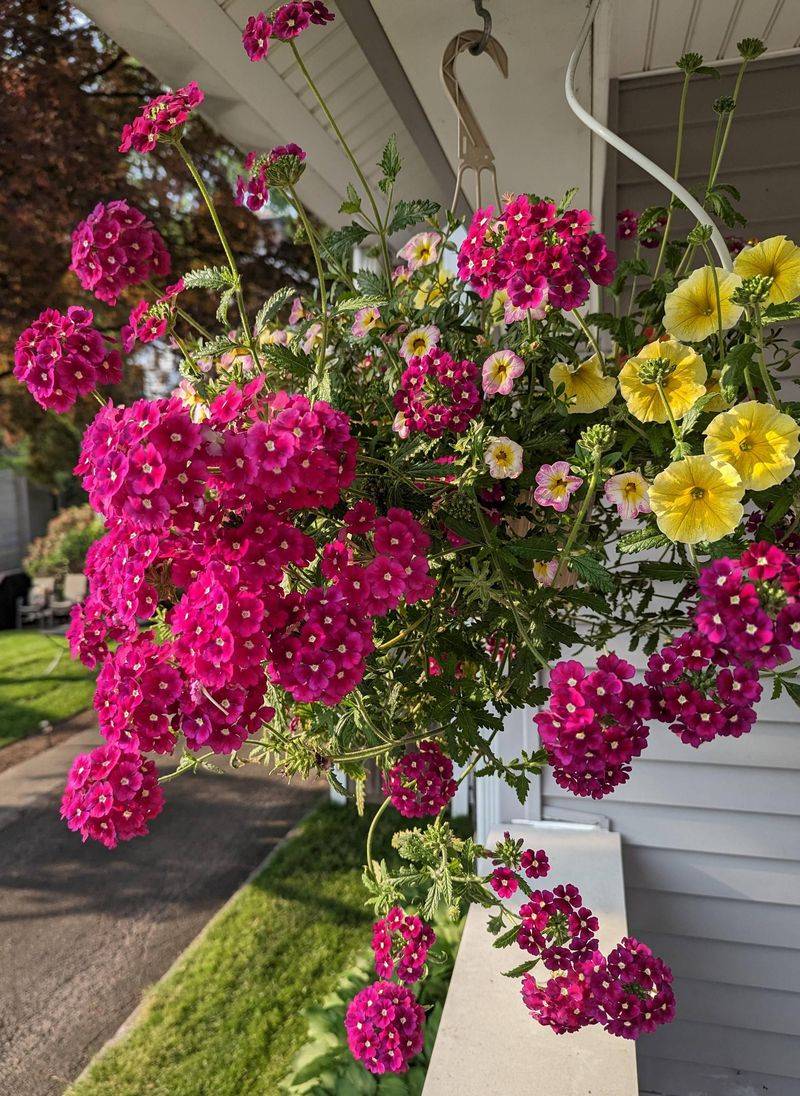
Dangling baskets are one of the most exposed items on any Florida porch or lanai, and they are often the first thing to go when wind starts to increase.
Unlike a heavy pot sitting on a solid surface, a hanging basket has nothing anchoring it to the ground, and even a hook rated for everyday use may not hold once gusts arrive.
Taking down hanging baskets early is one of the simplest things you can do before a storm. Most baskets come down with a quick lift off the hook, and they can be set on the floor of a garage or enclosed porch without much trouble.
If the basket is very full and heavy with wet soil, having a second person help avoids dropping it or injuring your back.
Your Florida Garden Changes Every Week. Your Plan Should Too.
Gardening in Florida changes quickly throughout the season. Every Friday you’ll receive a simple weekly plan showing exactly what to plant, prune, fertilize, harvest, and protect so you never miss the right timing.
Waiting until conditions are already deteriorating outside creates unnecessary risk. Florida storms can shift quickly, and wind that feels manageable one hour can become dangerous the next.
Taking baskets down the evening before a storm, or as soon as a warning is issued, gives you a comfortable margin of time.
Once the baskets are down, place them somewhere they will not tip over and spill soil everywhere. A laundry room, hallway, or corner of the garage works well.
After the storm passes and conditions are safe, check the plants for broken stems or stressed foliage before rehinging them outside on your Florida porch or lanai.
3. Group Heavy Pots Against A Protected Wall
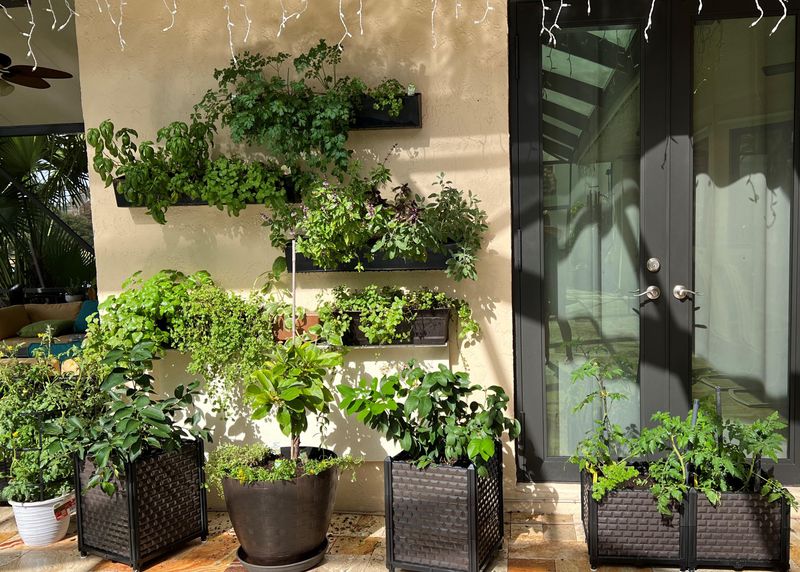
Some containers are simply too heavy to carry into a garage or shed, and that is a reality many Florida gardeners face when they have large tropical specimens in big ceramic or concrete planters.
For pots that cannot be moved safely, grouping them low against a protected wall, foundation, or sheltered corner is a reasonable option.
A protected wall typically means one that faces away from the expected wind direction, though Florida storms can shift and bring wind from multiple directions during a single event.
A solid masonry wall, a sturdy fence panel, or a recessed corner of the house can offer some degree of shelter compared to leaving pots exposed in the middle of an open patio or pool deck.
When grouping heavy pots, think carefully about placement. They should not block doors, emergency exits, or walkways where people may need to move quickly.
Equally important, they should not sit over or near drains, since water needs to move away from the house freely during heavy rain.
Push the pots as close together as practical so they can brace each other slightly, and position the heaviest ones on the outside of the group. Avoid stacking anything on top of them, since items placed on top of containers can fall during the storm.
Check that the grouped containers are not sitting directly against glass doors or windows where impact could cause damage if something shifts unexpectedly.
4. Lay Large Containers Down If They Cannot Be Moved
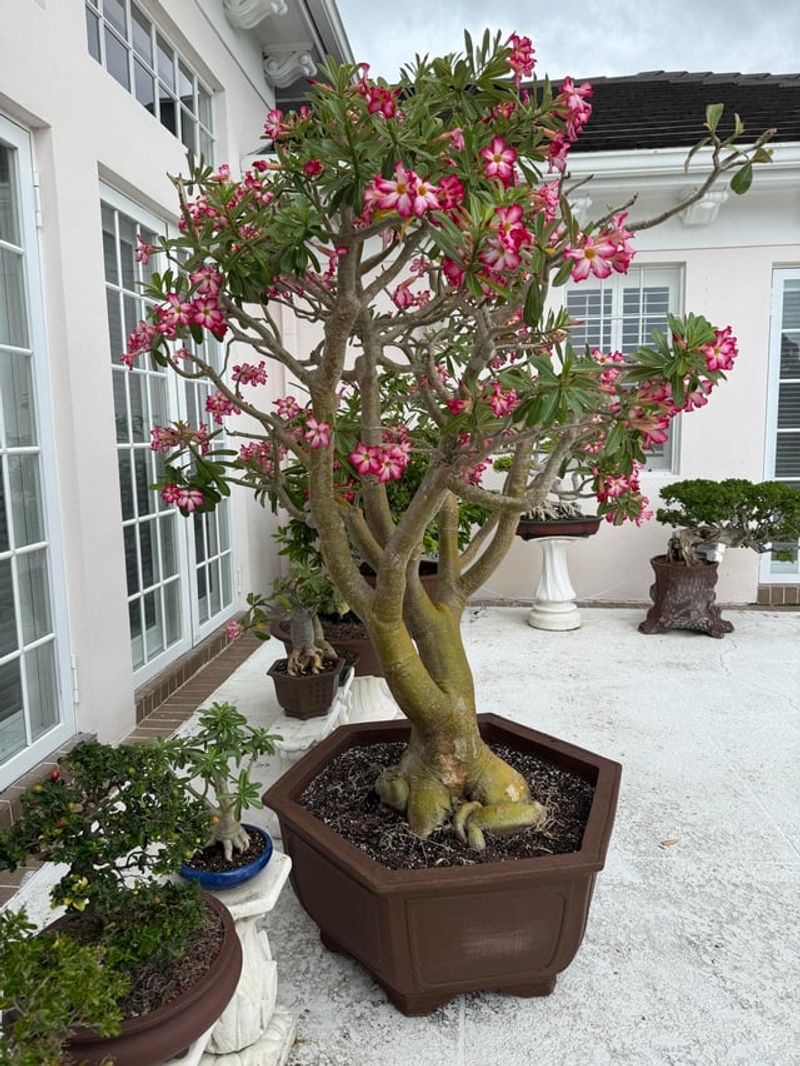
Top-heavy planters are a common sight on Florida patios, especially when large tropicals like bird of paradise, crotons, or tall ornamental grasses fill containers that are relatively narrow at the base.
When strong wind hits a tall, top-heavy pot, the leverage works against it quickly, and a container that seemed stable on a calm day can tip over with surprisingly little force.
For very large or awkward containers that cannot be moved into shelter, laying them on their sides is a practical option. A pot on its side presents much less surface area to the wind, which reduces the chance of it rolling or tumbling across a hard surface.
Tipping the container onto a grassy area rather than concrete can also cushion the plant and pot somewhat.
Try to protect the plant as much as practical when laying the container down. Folding or loosely tying back long fronds or stems before tipping can reduce breakage.
However, this step should not involve straining yourself or attempting to move an oversized pot alone. Getting help from another person makes the process safer and faster.
Once the container is down, place something soft or stable against it so it does not roll during the storm. A folded tarp, a sandbag, or another heavy object nearby can help keep it in place.
After the storm, check the plant carefully and stand the container back upright once conditions in Florida are safe and calm again.
5. Secure Or Remove Plant Stands And Trellises
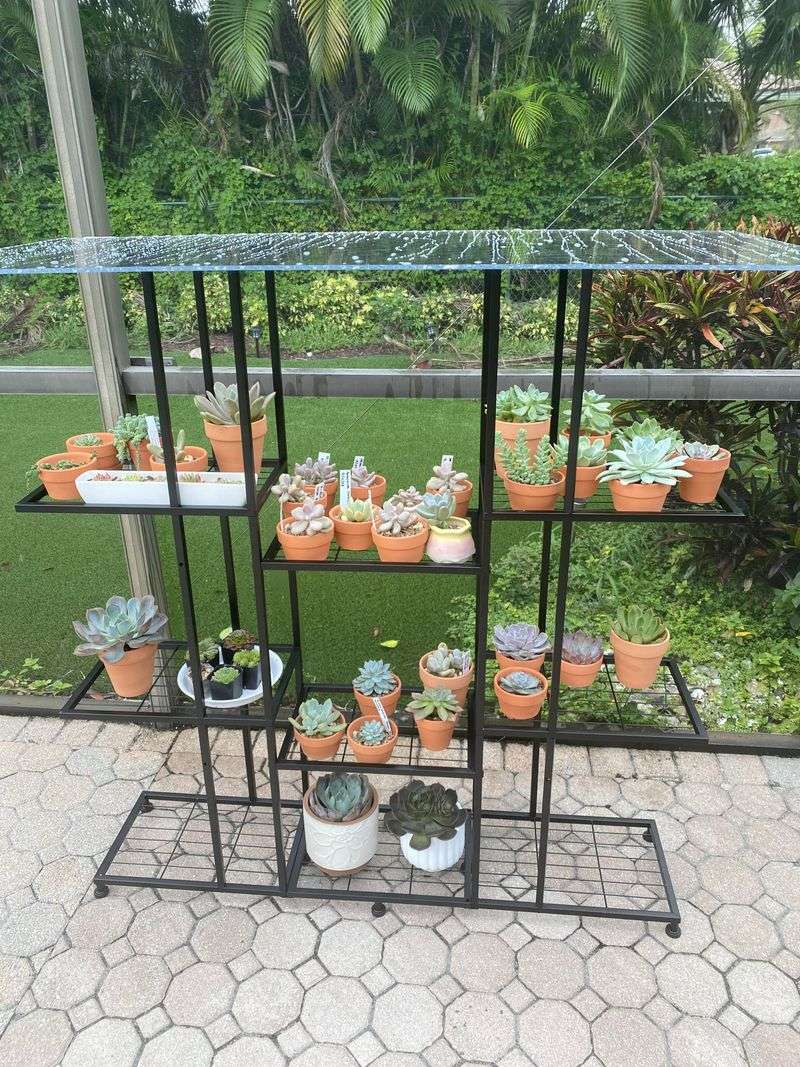
A crowded porch or lanai often has more loose pieces than the plants themselves.
Plant stands, tiered shelves, tomato cages, decorative stakes, lightweight trellises, and wire supports are all items that hold plants upright in calm weather but can become unpredictable once wind increases.
Anything that is not anchored firmly to the ground or a wall should be considered a potential hazard before a Florida hurricane.
A tall metal plant stand might seem heavy enough to stay put, but even a moderately strong gust can send it rolling or tumbling across a patio.
Lightweight bamboo trellises and thin wire supports are especially easy for wind to grab and carry.
The best approach is to remove these items entirely and store them flat inside a garage or shed. Folding or collapsing trellises before storing them saves space and makes it easier to fit them through a doorway.
If a trellis is supporting a climbing vine that cannot be moved, securing it with extra ties or bringing it down flat against the wall is a reasonable alternative.
Tomato cages and decorative garden stakes should come out of the soil and go inside before the storm arrives. Even small stakes can become projectiles in high wind.
Taking a few extra minutes to clear these items from your outdoor space reduces the number of things that could damage your property, your neighbor’s property, or anyone moving around outside during the storm in Florida.
6. Turn Off Irrigation Before The Storm
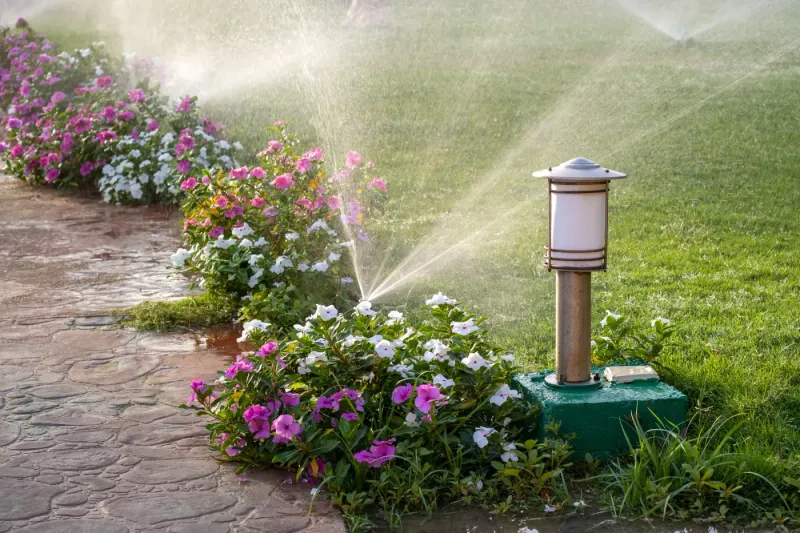
Wet potting mix is already a given when a major storm is heading toward Florida.
Hurricanes and tropical storms typically bring significant rainfall, and running an irrigation system on top of that creates conditions where containers become waterlogged long before the storm even arrives.
Turning off your irrigation system before the storm is a straightforward step that many homeowners overlook in the rush to handle bigger tasks.
Overwatered containers going into a storm are heavier, harder to move, and more likely to have soil washing out through drainage holes during heavy rain.
Plants that are already sitting in saturated soil are also under more stress when strong wind arrives.
Most irrigation controllers have a simple rain delay or manual off setting that pauses the schedule without erasing your programmed times.
Using this feature means your system will resume its normal routine once you restart it after the storm, without having to reprogram everything from scratch.
After the storm passes, do not simply flip the irrigation back on right away. Check the soil moisture in your containers first, since many Florida plants will not need additional water for several days after a heavy rain event.
Restarting irrigation before the soil has had a chance to drain can push plants toward root stress.
Walk through your container garden, press your finger into the top few inches of potting mix, and water only where the soil feels genuinely dry before resuming your regular irrigation schedule.
7. Check Drainage Before Heavy Rain Arrives
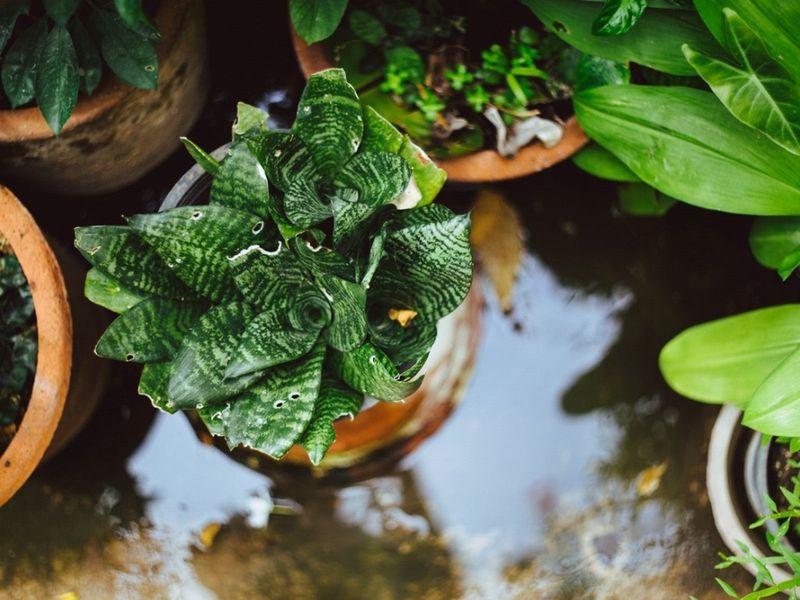
Standing water after a Florida storm is one of the most common problems container gardeners deal with, and it often comes down to drainage that was not checked before the rain arrived.
Containers with blocked or covered drainage holes cannot release water fast enough during heavy rain, and plants sitting in waterlogged soil for extended periods can suffer significant root stress.
Before a storm, take a few minutes to check every container on your patio, balcony, or lanai. Look at the drainage holes on the bottom and make sure they are open and not packed with compacted soil or root material.
If a hole feels blocked, use a pencil or thin stick to gently open it without disturbing the roots more than necessary.
Empty any saucers or trays sitting under your containers, since these will fill quickly during heavy rain and keep the pot sitting in water. If possible, move containers out of low spots in your yard or on your patio where runoff tends to collect after a storm.
Even raising pots slightly on pot feet or small blocks can help water move away more freely.
After the storm passes, walk through your container garden and empty any saucers that have filled up. Move containers that are sitting in puddles to a drier area if you can.
Giving Florida container plants a chance to drain properly after heavy rain is one of the easiest ways to help them recover once the storm has moved through.
8. Keep Pots Away From Windows And Glass Doors
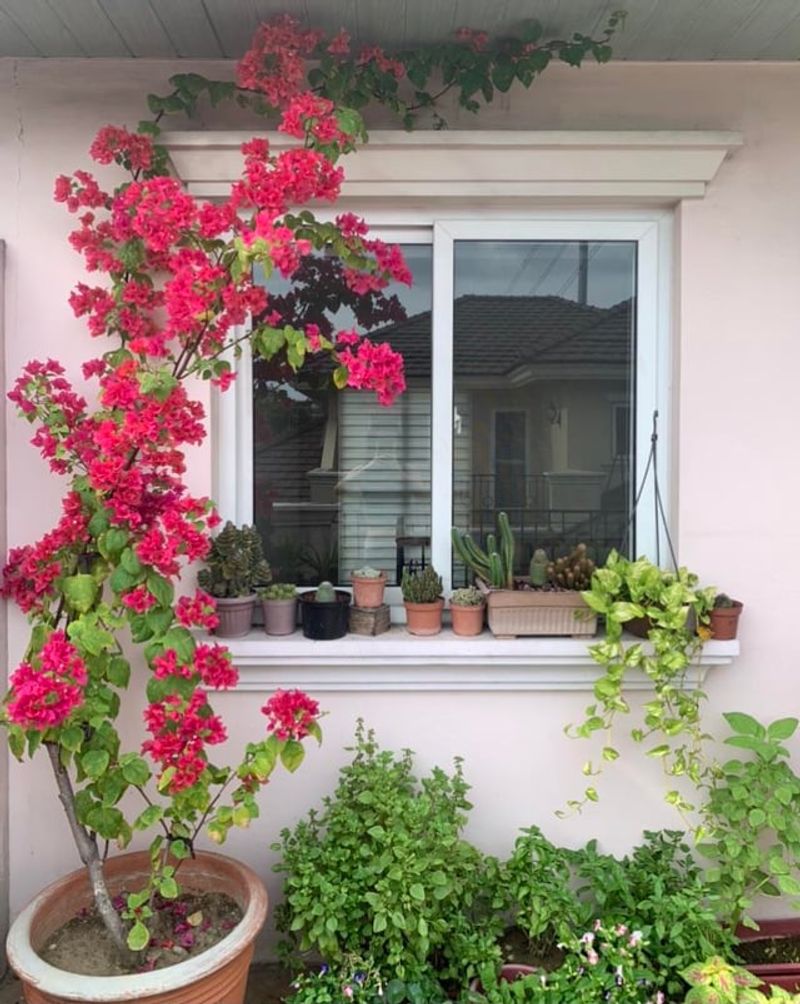
Sliding glass doors, large windows, and glass panels are among the most vulnerable parts of a Florida home during a hurricane, and anything sitting close to them deserves a second look before a storm arrives.
A pot that seems perfectly placed for everyday life can become a problem when wind or pressure shifts cause it to move, tip, or get pushed against glass.
This is really an extension of the broader idea of securing loose outdoor objects before a storm. Even heavy pots can shift on wet surfaces, and a container that tips against a glass door during strong wind could crack or shatter it.
Broken glass during a storm creates immediate safety risks that go well beyond losing a plant.
Move pots away from any glass surface and position them against solid walls, in interior rooms, or in a garage where impact is not a concern.
If you have a screened lanai with a glass door leading to the interior of your home, make sure the area just inside and outside that door is clear of containers and plant stands before the storm makes landfall.
This step matters especially on Florida balconies and upper-floor lanais where wind speeds can be stronger than at ground level. Balcony railings and glass panels on upper floors are often more exposed than ground-level patios.
Clearing the area around any glass or fragile surface is a simple precaution that protects both your home and anyone inside during the storm.